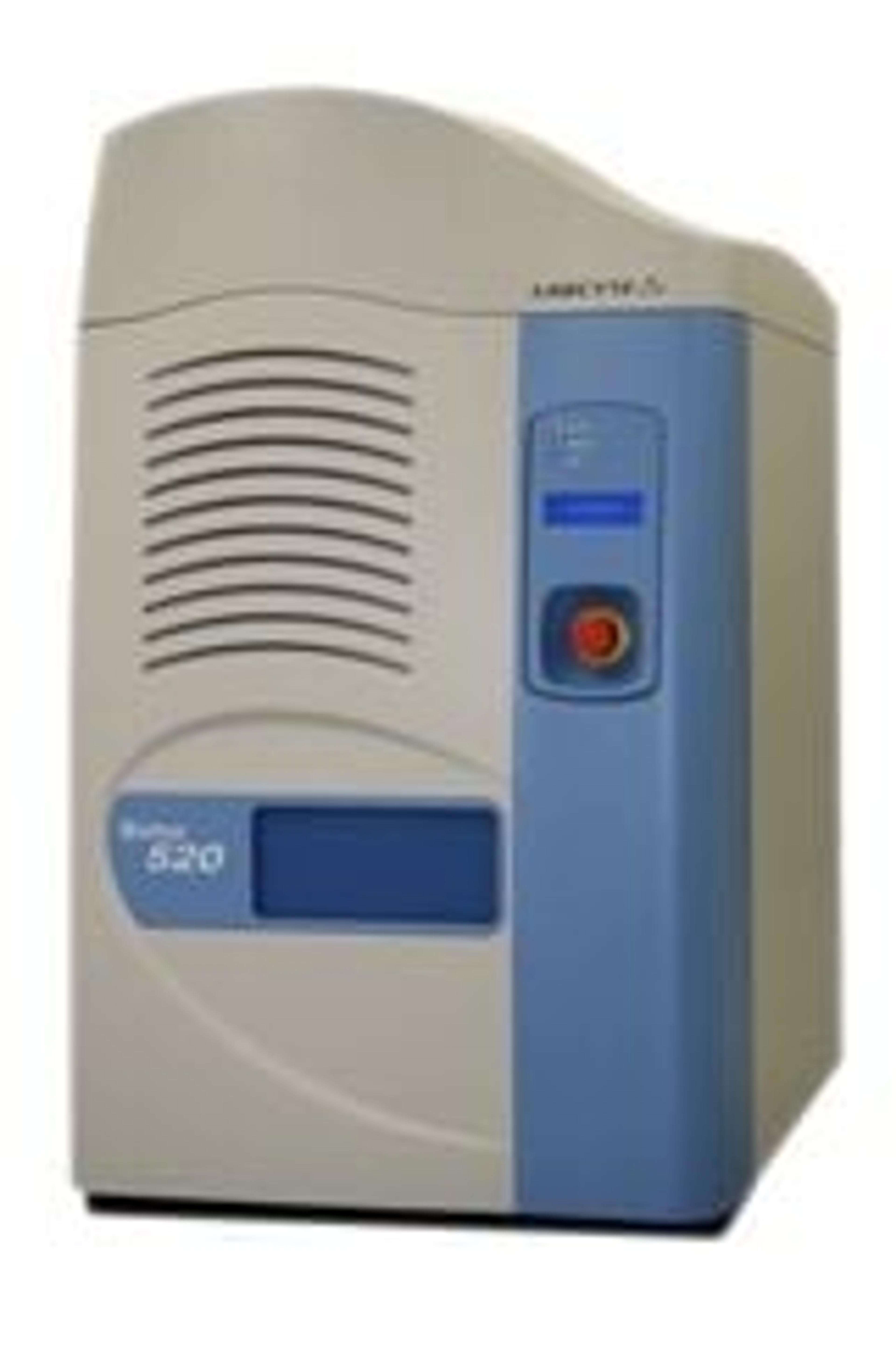
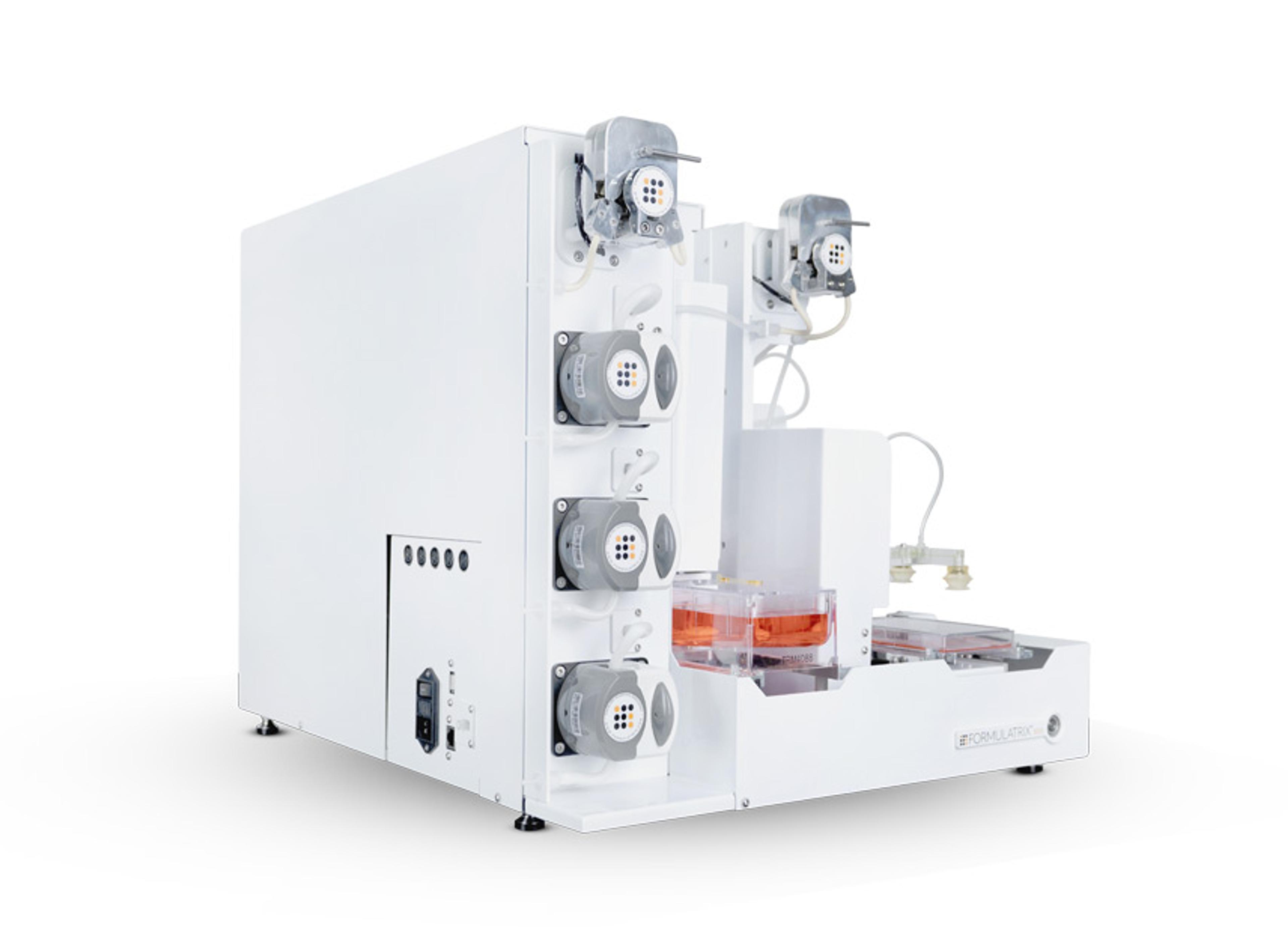
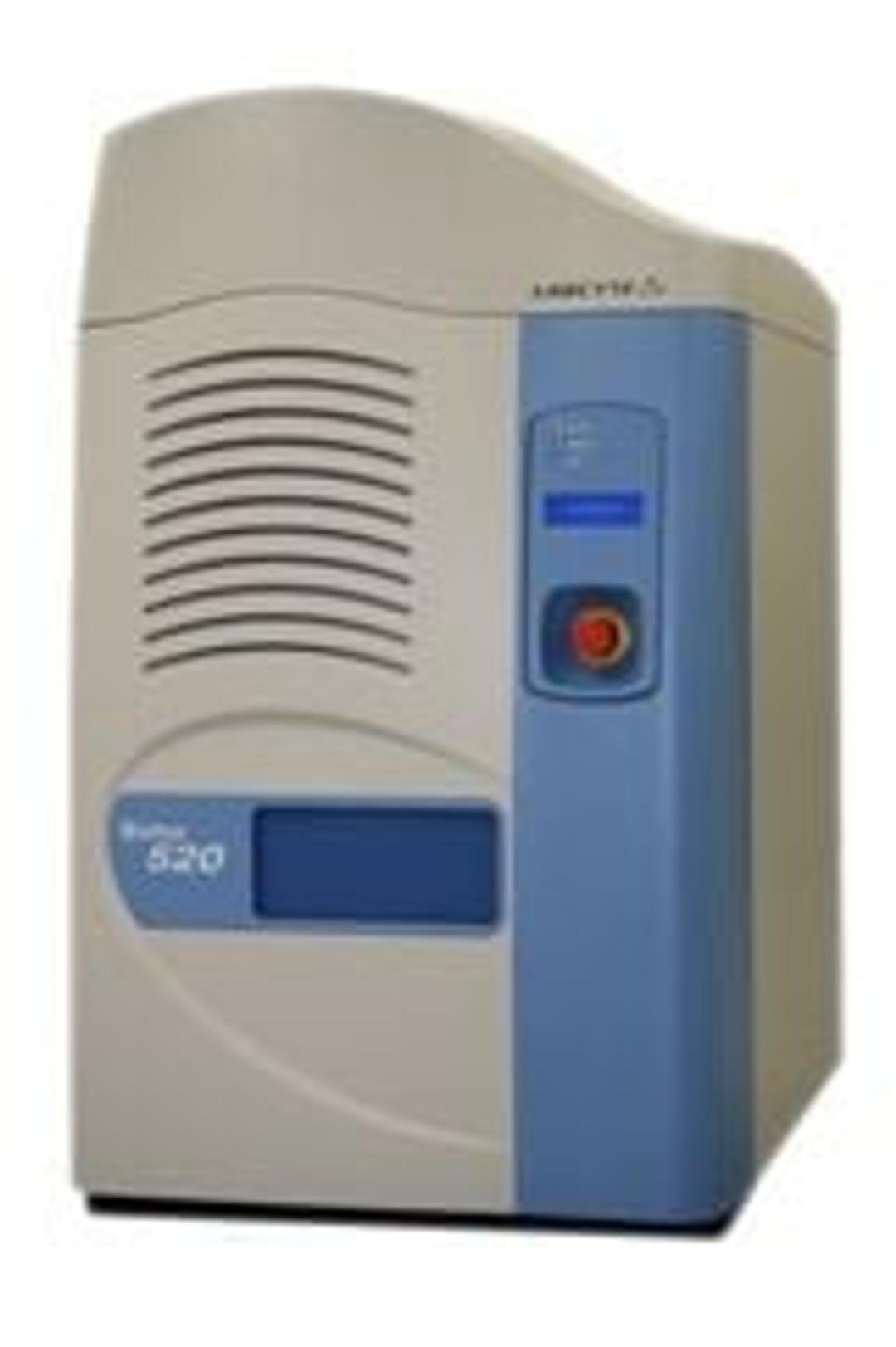
Echo® 520 Liquid Handler
Imagine preparing assay plates for siRNA screening, compound screening with biochemical and cell-based assays, PCR reactions and more all on a single liquid handling platform, with no tips and no cross-contamination. Labcyte has developed new acoustic droplet ejection (ADE) parameters that deliver built-in intelligence to enable users to transfer many different fluid types from a single instrument. All Echo systems come pre-ca…
The supplier does not provide quotations for this product through SelectScience. You can search for similar products in our Product Directory.
Great machine.
High throughput Screenings
Amazing, fast and precise machine, I love it. It does a great job for high throughput screening.
Review Date: 9 Oct 2018 | Beckman Coulter Life Sciences
I like this instrument.
Drug screening
This instrument is easy to use. The assay results are reproducible. The engineers are very helpful for any kind of problems.
Review Date: 9 Oct 2018 | Beckman Coulter Life Sciences
Imagine preparing assay plates for siRNA screening, compound screening with biochemical and cell-based assays, PCR reactions and more all on a single liquid handling platform, with no tips and no cross-contamination. Labcyte has developed new acoustic droplet ejection (ADE) parameters that deliver built-in intelligence to enable users to transfer many different fluid types from a single instrument. All Echo systems come pre-calibrated so that you can switch among different fluid types with just a click of the mouse. No further adjustment is required for you to be productive immediately. These developments combine the latest discoveries in wavelength, power and timing requirements for ADE with real-time fluid measurement at multiple points during a run. The resulting algorithms solve some of the most significant liquid handling challenges with volatile, low-surface tension and/or meniscus-shifting fluids. Volumetric accuracy and precision for all fluids tested so far—including buffers, nucleic acid and protein solutions, surfactants, serum and cell culture media—are comparable to established performance with DMSO.
The Echo® 520 liquid handler delivers the same superior precision and accuracy as the award-winning 550 and 555 models, for laboratories with lower throughput needs. Like the Echo 550 and Echo 555 liquid handlers, the Echo 520 uses "touchless" ADE transfer technology. ADE uses sound energy to transfer 2.5 nL droplets from Echo-qualified 384- and 1536-well source plates into 96-, 384-, 1536- and 3456-well destination plates. This unique touchless technology eliminates consumable tip costs, washing, and cross-contamination. Unsurpassed volumetric precision (≤ 8% CV) and accuracy (≤ 10% CV) ensure superior results. Independent studies have shown that Echo liquid handlers eliminate false negatives due to sample loss on tip surfaces in low-concentration transfers. The Echo 520 liquid handler reports source well volume, but does not report DMSO hydration values.
Applications:
• Compound management
• Compound screening
• siRNA screening
• Biochemical assays
• Cell-based assays
• PCR
• Genotyping
• Gene expression

Preparation of Mouse Plasma Microsamples for LC-MS/MS Analysis Using the Echo Liquid Handler
Serial microsampling of animals reduces the overall number of animals sampled and euthanized for toxicology studies. Traditional composite studies in mice can require up to 700 μL of blood for each time point in a pharmacokinetic study. A draw of 700 μL from a mouse would require the animal to be euthanized and often require the use of addition “satellite” animals to complete the study. Thus, in a 9-point time course analysis of mouse plasma, nine mice would be sacrificed. In response to programs like the EU 3Rs initiative to reduce the use of animals in research researchers have turned to microsampling as an alternative to composite studies. With advances in bioanalytical techniques drug levels can be determined from samples of 20 μL or less. This small sample volume or microsample enables reduces the dependency on satellite animals to complete a study. Additionally, microsampling is faster and less stressful than traditional composite studies.
Automated RT-qPCR Utilizing the Access™ Workstation, the Echo® Liquid Handler, and RealTime Ready™ Reagents
RT-qPCR has been increasingly utilized by researchers to quantify mRNA levels. Its widespread use has been limited by an often laborious multi-step process and high reagent cost. Recent advances in non-contact reagent dispensing and next generation one step lysis reagents are enabling scientists to generate high throughput data at a much faster rate. This application note, from LabCyte Inc., describes the automation of three complementary tools to generate high throughout RT-qPCR data; the Echo liquid handler, RealTime Ready cell lysis reagents, and the Access workstation.
Chemiluminescent Detection of PathHunter® Cell-Based GPCR and Kinase Assays
Read this poster to learn more about a chemiluminescent assay format enabling the screening of large numbers of small molecules or hybridoma supernatants in a one-step, no-wash format making it both user-friendly and HTS-compatible. The Labcyte Echo®Liquid Handler for acoustic, non-contact compound and assay reagent dispensing is used alongside industry leading equipment.