Labcyte Receives 1st Patent in China for Droplet Ejection Technology and Liquid Transfer
27 Sept 2010Labcyte announces the grant of its first patent in China. Patent CN 101035681B describes how acoustic energy is used to assess the characteristics of any fluid in real time to optimize its transfer. The Labcyte acoustic droplet ejection technology offers touchless transfer of a wide variety of liquids, with major benefits in life science applications including drug discovery, genomics, proteomics and diagnostics.
“The life sciences industry in China is the world’s highest growth market and the pharmaceutical and biotech markets are expected to be the 3rd largest market, after the USA and EU, in the world by 2013 at $73 billion,” said Sanger Chang, General Manager of Tekon Biotech, the Labcyte distributor in China. “Labcyte products have already been successfully adopted by some of the largest pharmaceutical and CRO companies in China as well as by all ten of the top ten pharmaceutical companies globally. As discovery platforms are standardized and adopted globally we see significant opportunity for the Labcyte products in China.”
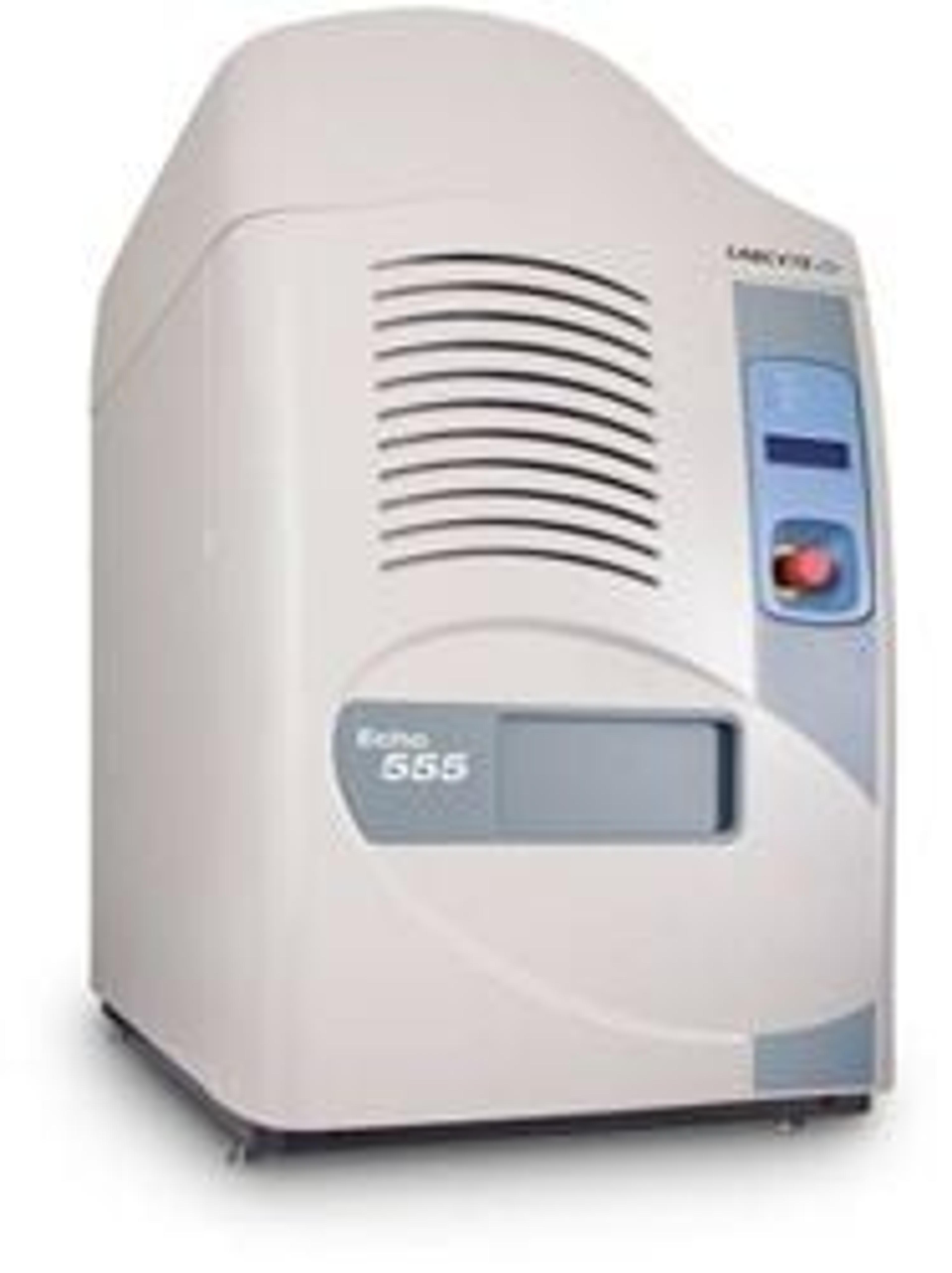
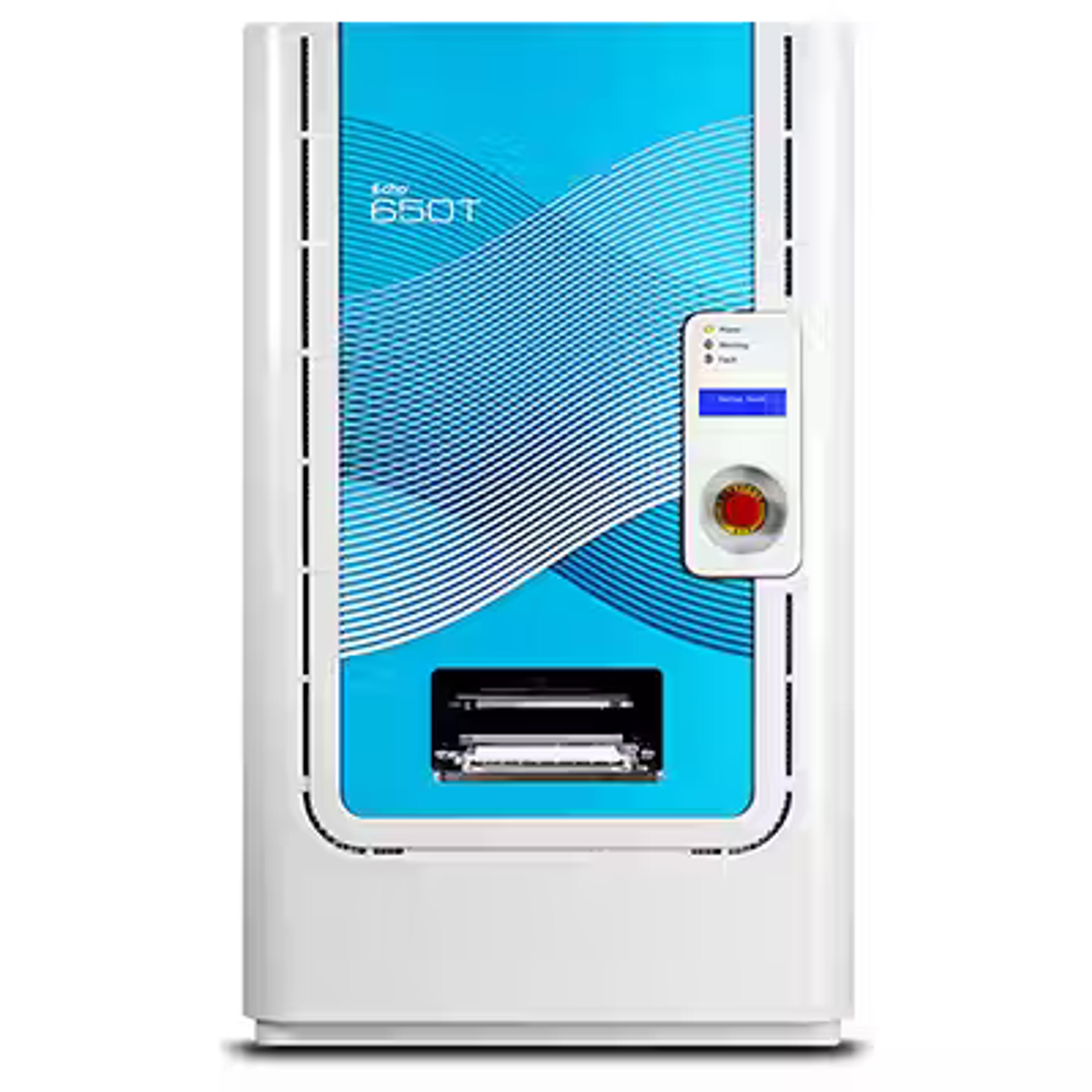
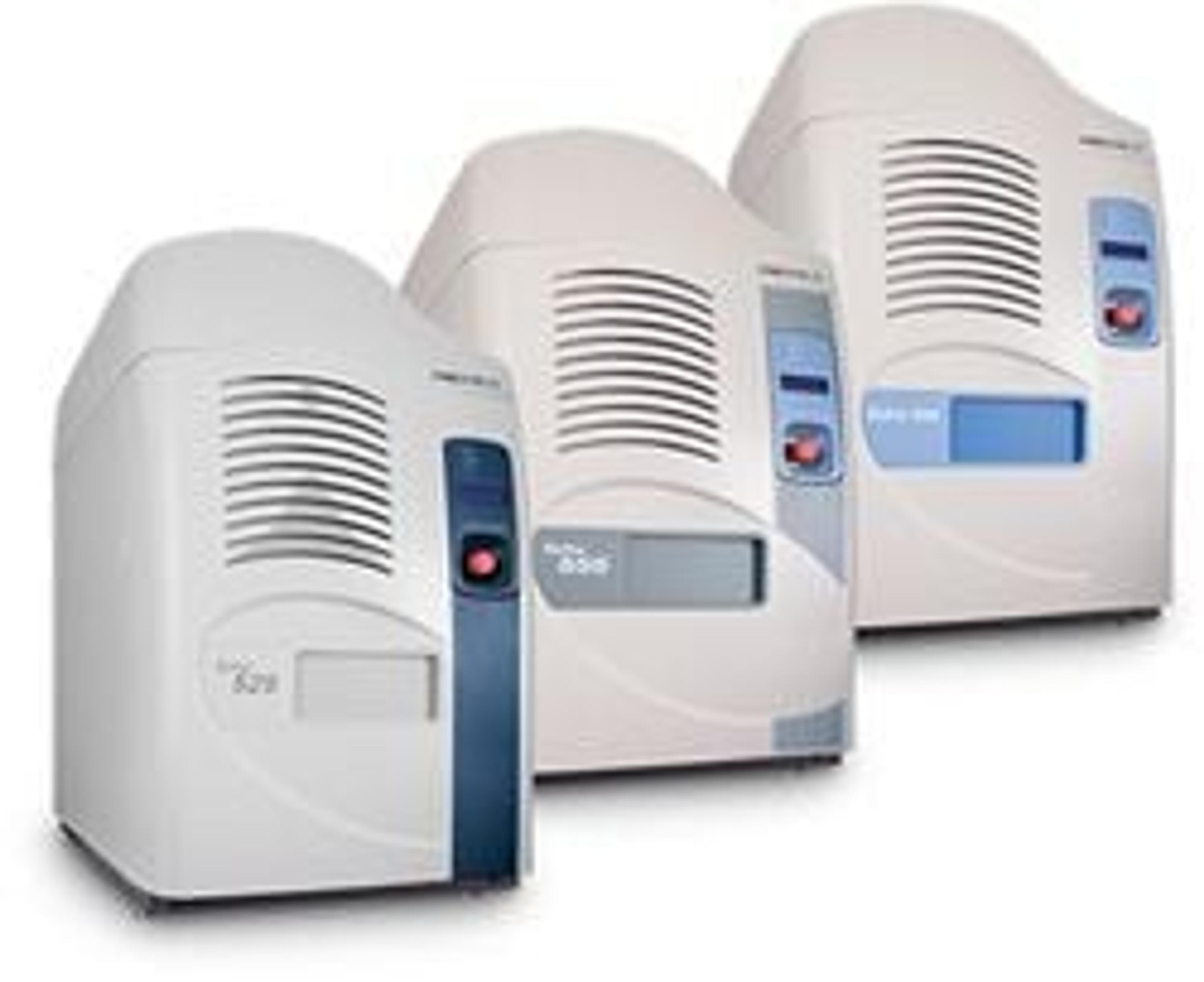
“This new feature—already incorporated in our products—allows customers to transfer liquids for a wide range of applications including siRNA screening, qPCR, genotyping and total assay assembly for drug discovery,” said Rich Ellson, Labcyte CTO. “Customers have chosen Echo liquid handlers because they provide better precision and accuracy, reduce operating costs and eliminate cross-contamination. The technology described in the patent allows users to transfer many different fluids with factory-installed calibrations that require no user customization. The built-in intelligence of the Echo platform automatically optimizes fluid transfer well by well.”