Q-Sense E1
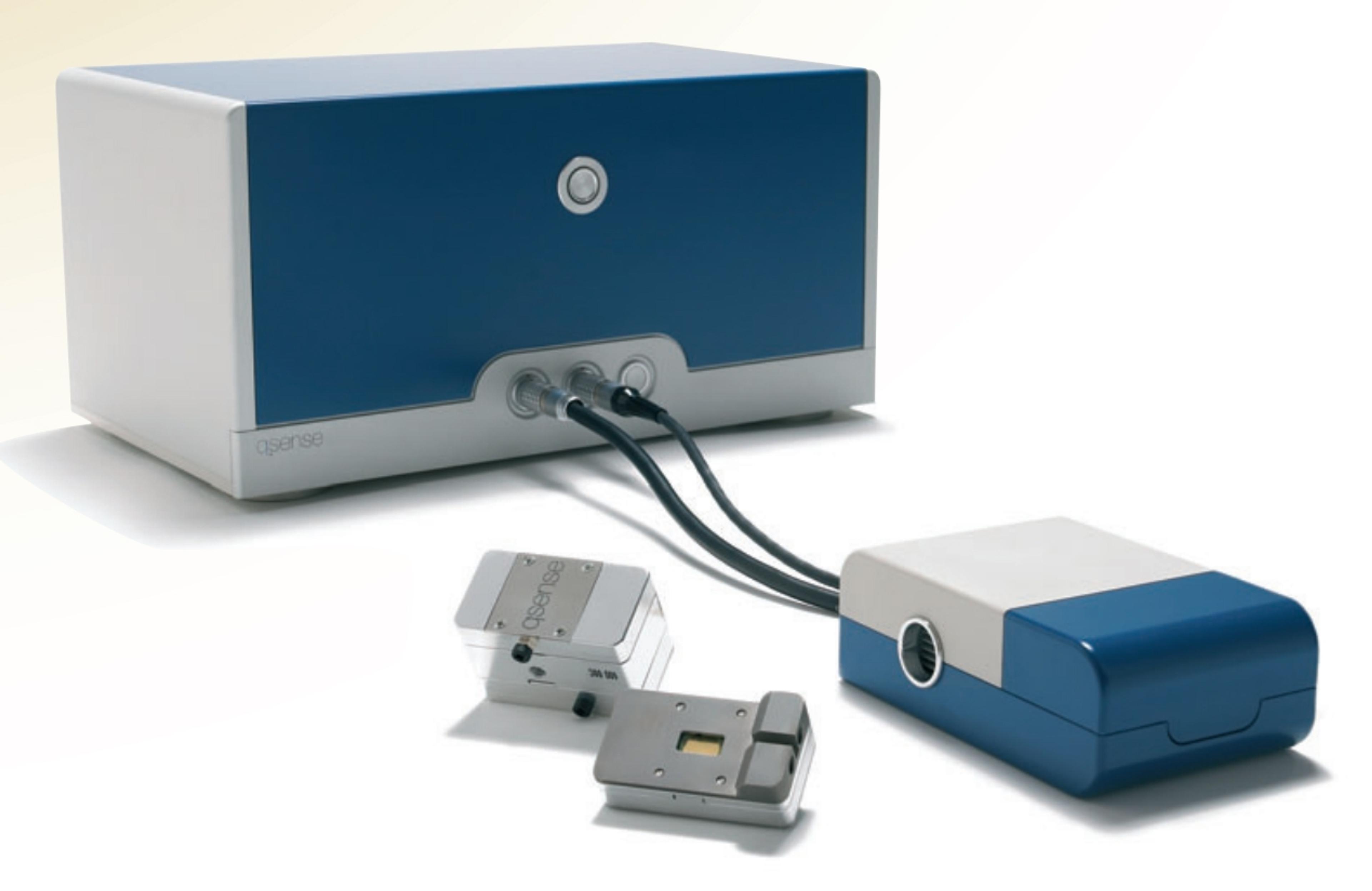
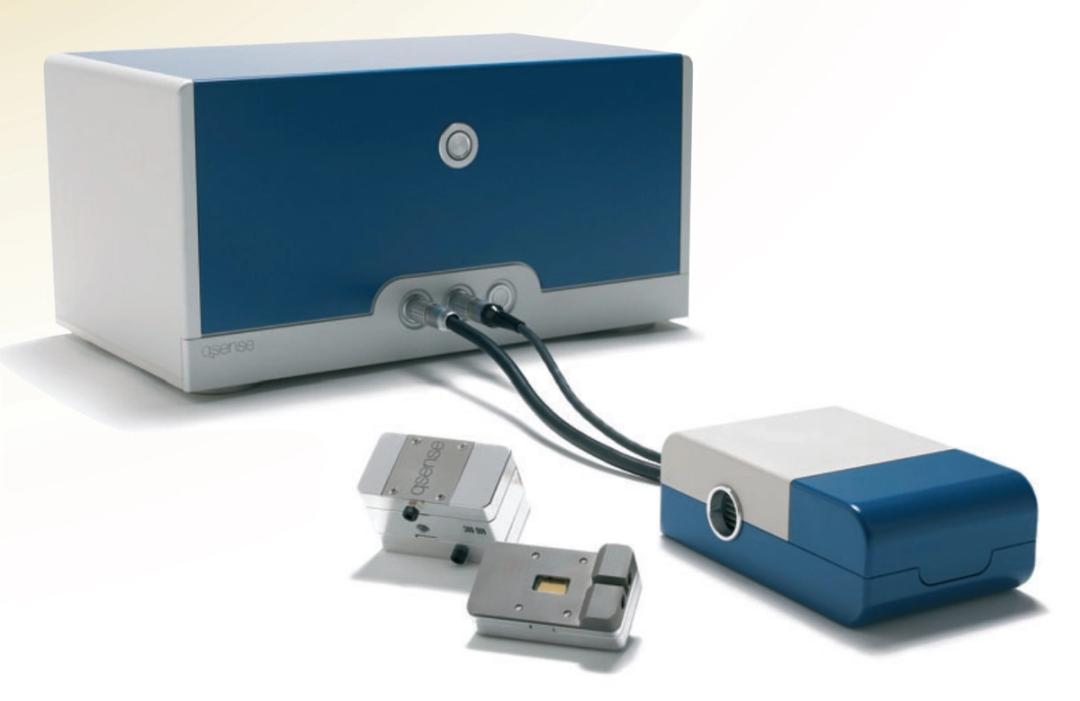
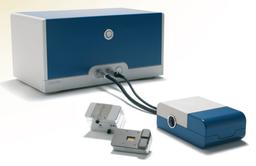
Q-Sense E1 is a flexible, single-sensor microbalance system that enables accurate QCM-D measurements of real-time molecular interactions.

The supplier does not provide quotations for this product through SelectScience. You can search for similar products in our Product Directory.
Features:
- Tracking changes at the surface with nanogram sensitivity. Measuring mass changes, structural and viscoelastic properties helps you distinguish between two similar binding events or observe a phase transition or reconfiguration in bound layers.
- Real-time analysis. Up to 200 data points per second to follow the complete molecular interaction, step-by-step.
- Flexible choice of surface. Sensors and coatings include metals, metal oxides, polymers, lipids and reactive surfaces support a broad range of applications.
- Turnkey system. Q-Sense E1 system includes instrument, software, PC and installation, backed by training and support to get you started quickly.
- 1-Sensor system. A compact, easy-to-use, label-free single-sensor design enables reliable and stable QCM-D measurements with excellent reproducibility.
- Optional modules. Accessory modules, such as the electrochemistry and window modules, give flexibility in applications.
- Can be combined with a microscope or an ellipsometer to perform combination experiments.

Analyzing Vapor Uptake & Release with QCM-D
This application note illustrates how Q-Sense Quartz Crystal Microbalance with Dissipation (QCM-D) can be used to characterize changes in film properties exposed to moist air. Humidity measurements are of importance in a wide range of applications, for example pulp and paper research, drug encapsulation for storage and delivery, and moisture absorption in polymers e.g. photoresists. Here, an analysis on how water uptake affects properties and thickness of different starch films is presented.
QCM-D Viscosity Analysis for Microlitre Protein Samples
This application note demonstrates how Q-Sense QCM-D instruments can be used to measure viscosity in microliter volumes. High concentration protein solutions are common in pharmaceutical applications. For example, solution formulation of monoclonal antibodies for therapeutic purposes often necessitates preparation of high concentration solutions of these proteins. Since high concentration solutions are expensive, sample volume is critical. QCM-D is a suitable tool for viscosity analysis of solutions, such as high concentration protein, where low sample volume and non-destructive analysis is preferable.
QCM-D Study of Molecular Conformational Effects on Protein - DNA Interactions
This application note describes a study in which Quartz Crystal Microbalance with Dissipation (QCM-D) technique is utilized to study viscoelastic characteristics of biomolecular films, which in turn can be related to molecular conformation. QCM-D monitoring is a surface sensitive technique for assessment of mass and viscoelastic properties of thin films. QCM-D analysis using the Q-Sense QCM-D from Biolin provided conformational information on estrogen receptor - DNA complexes, which are believed to be of importance in understanding subsequent gene transcription.
Protein Fibrillation Studied with QCM-D using Q-Sense Instruments
This application note describes the use of Quartz Crystal Microbalance with Dissipation (QCM-D) to monitor the changes in thickness and viscoelastic properties of multilayer amyloid deposition in situ for the first time. The ability of certain polypeptides to aggregate into long, thin fibrils called amyloid structures is associated with multiple protein folding disorders and is also a major problem in biotechnological and pharmaceutical applications. This work demonstrates for the first time the ability to monitor the temporal development and viscoelastic changes of multilayer amyloid deposition in situ.
Quantifying the Nanoscale World with the Q-Sense Pro
Watch this video to see how the Q-Sense Pro from Biolin Scientific enables real-time analysis of surface interactions in a fully automated eight channel format.