iCell Neurons
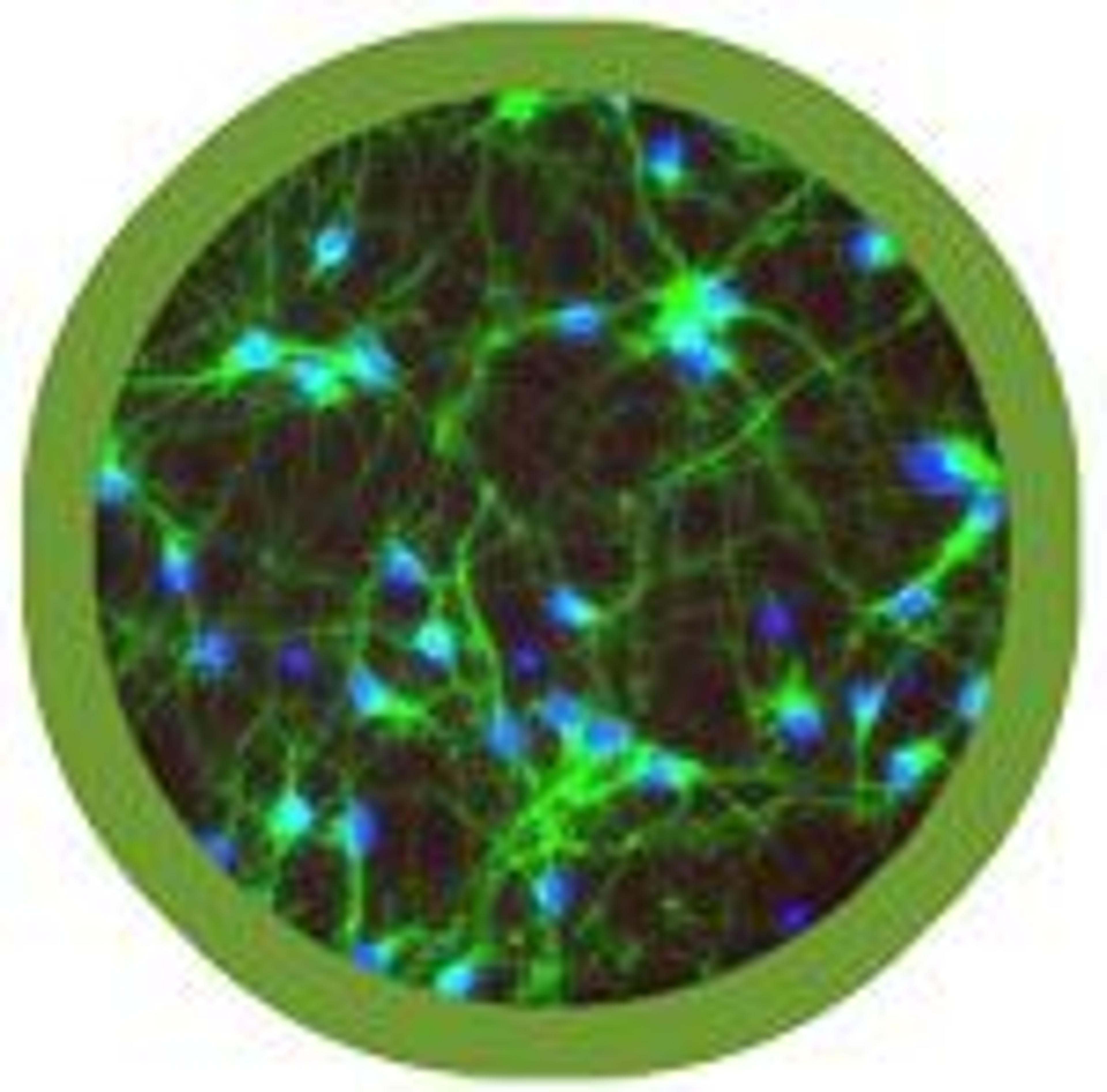
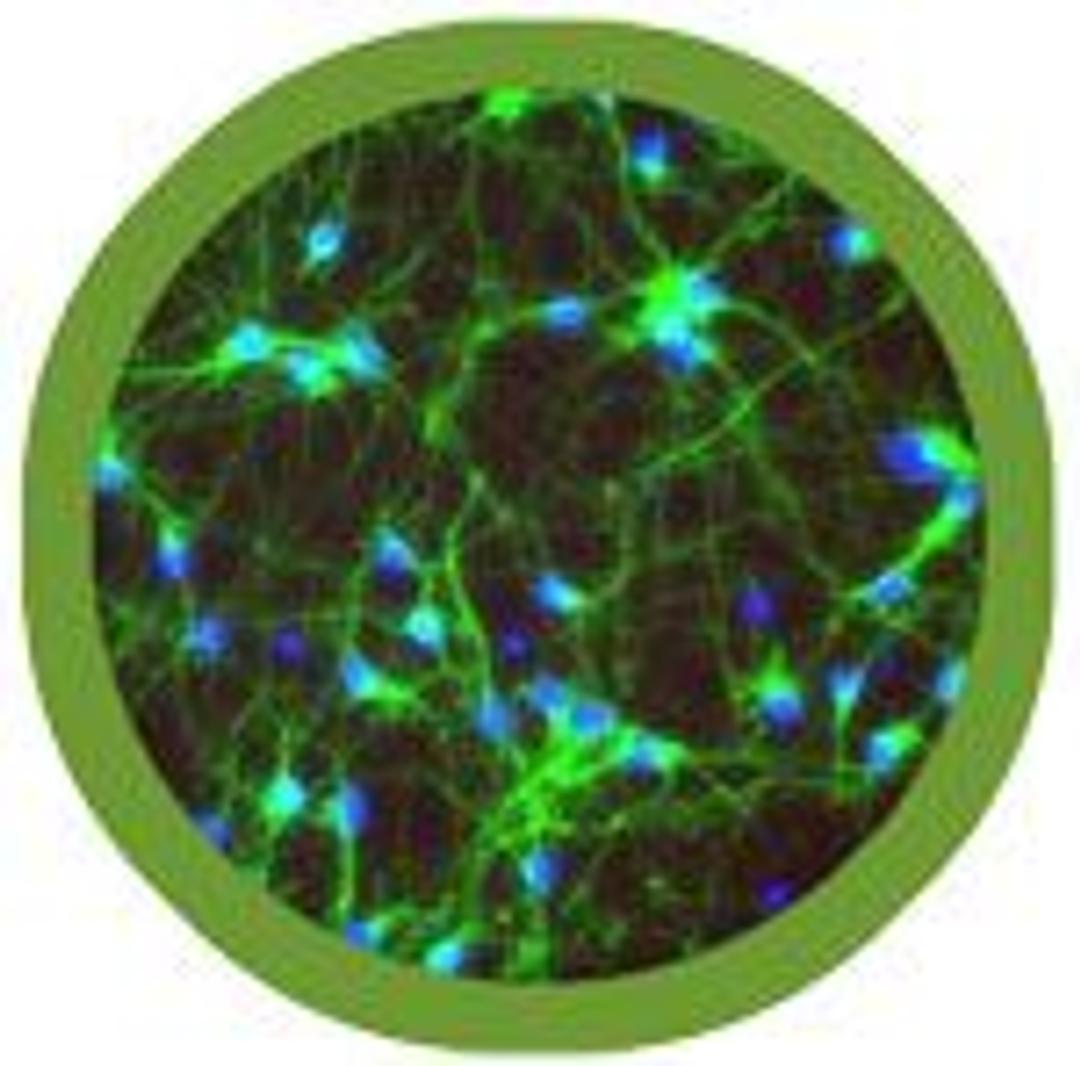
iCell® Neurons, derived from human induced pluripotent stem (iPS) cells, provide a unique in vitro system for preclinical drug discovery, neurotoxicity testing, predictive disease modeling, and basic cellular research. A better and more biologically relevant alternative to current cell models, iCell Neurons offer researchers access to commercial quantities of high quality, highly pure human neurons that possess typical phenoty…

The supplier does not provide quotations for this product through SelectScience. You can search for similar products in our Product Directory.
iCell® Neurons, derived from human induced pluripotent stem (iPS) cells, provide a unique in vitro system for preclinical drug discovery, neurotoxicity testing, predictive disease modeling, and basic cellular research. A better and more biologically relevant alternative to current cell models, iCell Neurons offer researchers access to commercial quantities of high quality, highly pure human neurons that possess typical phenotypic characteristics and functional of mature neurons.
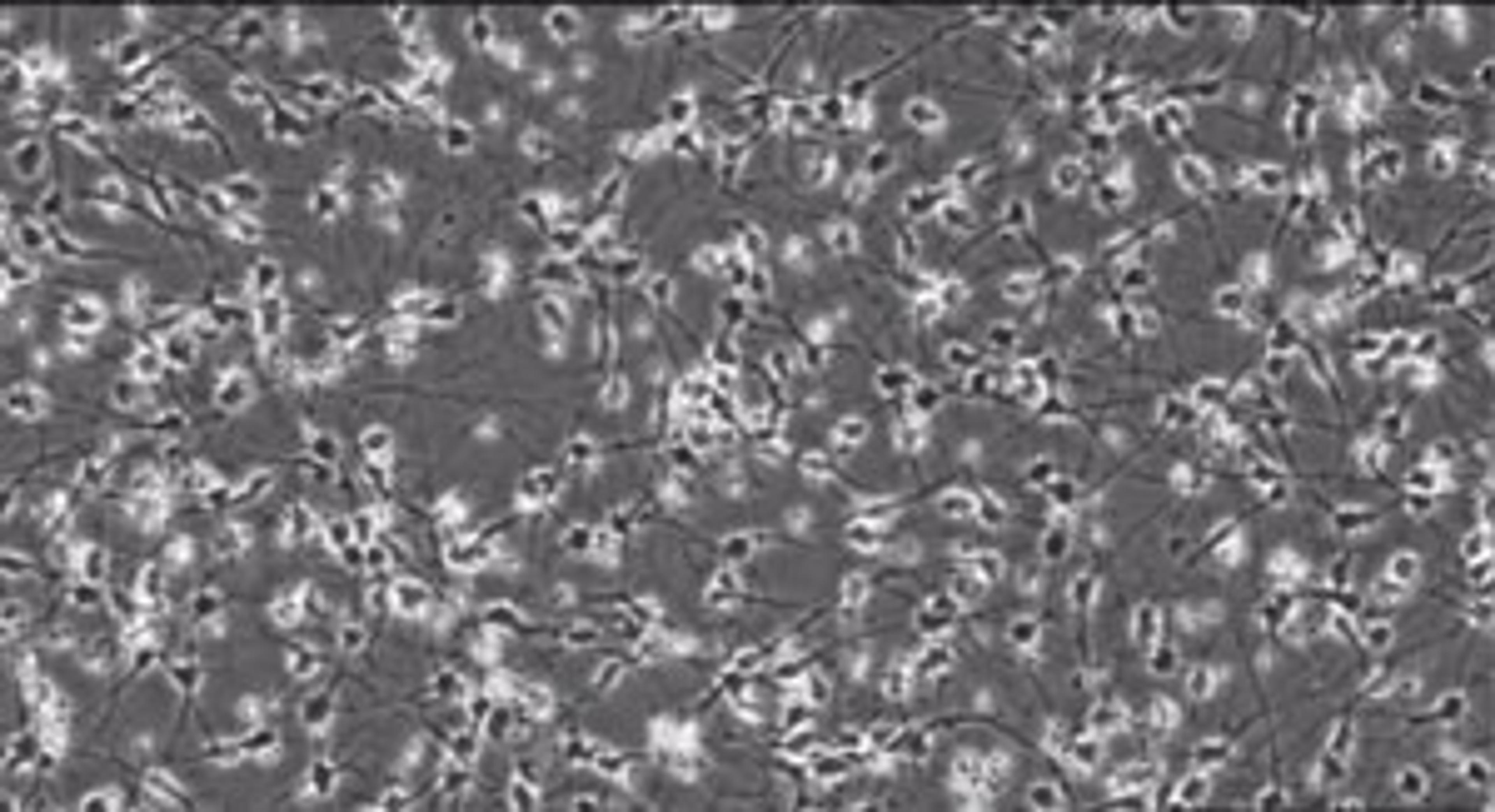
iCell® Neurons are a mixture of post-mitotic neural subtypes, comprised primarily of GABAergic and glutamatergic neurons, with typical physiological characteristics and functions. These cells quickly assume a typical neuronal morphology with branching neurites. In addition, iCell Neurons display a stable adherent single-cell morphology and remain viable for an extended culture period (≥14 days), making them amenable to a variety of electrophysiology, neurotoxicity, and synaptic neurotransmission assays.
iCell® Neurons are shipped as cryopreserved suspensions of dissociated cells with specifically formulated culture media. Once thawed, iCell Neurons remain viable for extended culture periods, allowing for acute and chronic studies.
iCell® Neurons Benefits:
- Human Cells - Saves valuable time, resources, and compound.
- Highly Pure Cell Population - Provides cardiac-specific response to reference molecules.
- Homogenous and Reproducible
- Fully Functional Model
- Acute and Longer-term Testing - Remain viable in culture for up to two weeks.
- iPS Cell-derived
iCell® Neurons Applications:
- Cell-based Assays - Cell viability, Apoptosis, ATP production, Oxidative stress, Mitochondrial dysfunction.
- Electophysiological Applications - Conventional patch clamp recording, Microelectrode assay (MEA) recording.

Functional characterization of 3D neurospheres assembled using iPSC-derived neurons and astrocytes
In this application note, Molecular Devices describes methods for assembling normal human iPSC-derived cell types, including glutamatergic neurons, GABAergic neurons, and astrocytes into 3D neurospheres for compound profiling. Neural organoids and 3D spheroids are a rapidly developing technology with great potential for understanding brain development and neuronal diseases. They provide a more advanced and biologically relevant system for basic research and high-throughput drug discovery, including compound profiling and toxicity testing.
Optimization of Neuronal Cultures Derived from Human Induced Pluripotent Stem Cells for High Throughput Assays of Synaptic Function
This poster describes the use of a previously high-throughput screening technology, termed the MANTRA™ (Multiwell Automated NeuroTRansmission Assay) system, for identifying modulators of synaptic function in rodent primary neuronal cultures. The study described employs the MANTRA system in an integrated drug discovery platform that targets synaptic transmission at multiple levels.
Evaluation of Network Electrophysiology for Neurotoxicity Screening
This poster examines the pharmacologically induced changed in the network activity of cultured neurons derived from human induced pluripotent stem cells (hiPSCs). This preliminary study aims to advance the ambitious objectives set forth by the Tox-2 and REACH initiatives – a comprehensive, in vitro neurotoxicity testing platform that accurately models human in vivo neurophysiology.
Application of Human iPS Cell-Derived Models for Highly Predictive Toxicity Screening
This poster presents the development of an industrial-scale manufacturing platform for the production of terminally-differentiated, human iPS cell-derived tissue types (e.g. neurons, cardiomyocytes, and hepatocytes) that are highly pure (>95%) and exhibit normal genotypic, phenotypic, and functional characteristics of native cells.
High Content Neuronal Toxicity Assays Using iPSC Derived Neurons
This poster presents several assays using iCell neurons and high content imaging for evaluation of impact different compounds on neurogenesis or neural toxicity. Results demonstrate that iPSC-derived neurons are suitable for screening neural network integrity, mitochondrial integrity and viability markers, and live cell time-lapse assays in transmitted light.
Development and Characterization of Human iPSC-derived Neurons for Drug Discovery Applications
iCell® Neurons represent a robust, consistent and commercially available population of human neurons for basic biological and drug discovery applications. This poster describes the morphology, phenotypic characterization and electrophysiological properties of I Cell® Neurons and their suitability for drug discover applications such as high content image-based assay.
Applications Development at CDI: Improving Workflows, Pushing Biology, and Enabling Screening
This poster highlights some of the on-going application development projects at CDI. These include general workflow improvements, phenotypic modeling of cardiac hypertrophy by high content screening (HCS) assay in 384-well format, modulating neuronal activity on multi-electrode arrays (MEA), and investigation of the bioenergetics of hepatotoxicity.
Applications of Human iPSC-derived Neurons using High Content Image-based Assays
This poster describes several applications for iCell Neurons in high content imaging assays including; an optimized assay combining neurite outgrowth with live/dead cell analysis and a high content image-based assay to monitor synapse formation through the detection of pre-synaptic proteins. The poster also demonstrates the maintenance of synaptic network development and neurite outgrowth using an iCell neuron-astrocyte co-culture system and shows that iCell Neurons can be successfully and reliably transfected while maintaining culture viability and phenotype.
Human iPSC-Derived Cells for Modelling Cellular Bioenergetics: Building a Metabolic Profile Using the XF Mito Stress Test
In this study, the XF96 Extracellular Flux Analyzer was used to determine whether the iCell human cells represent a physiologically relevant cell model to study cellular metabolism. Results show that iCell Cardiomyocytes, iCell Neurons, and iCell Hepatocytes, offer a powerful tool to investigate bioenergetics in human cells.
Advancements in the Use of iPS Cell-Derived Systems for In Vitro Disease Modeling and Phenotypic Screening
This poster demonstrates the impact of iCell products in the drug discovery and development space. Examples of assay miniaturization, transfection optimization, and high content imaging-based phenotypic assays are presented.
Cellular Dynamics Product Tour
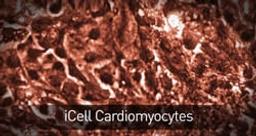
Emile Nuwaysir, Chief Operating Officer of Cellular Dynamics International, introduces the range of iCell® products available from CDI. Watch this video to see time lapse footage of the cells growing.
Cellular Dynamics: 28 Day Time-lapse of Neurite Outgrowth of iCell® Neurons
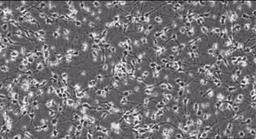
This video presents a 28 day time-lapse of neurite outgrowth of iCell Neurons from Cellular Dynamics.
Functional Characterization of Cellular Dynamics iCell® Neurons
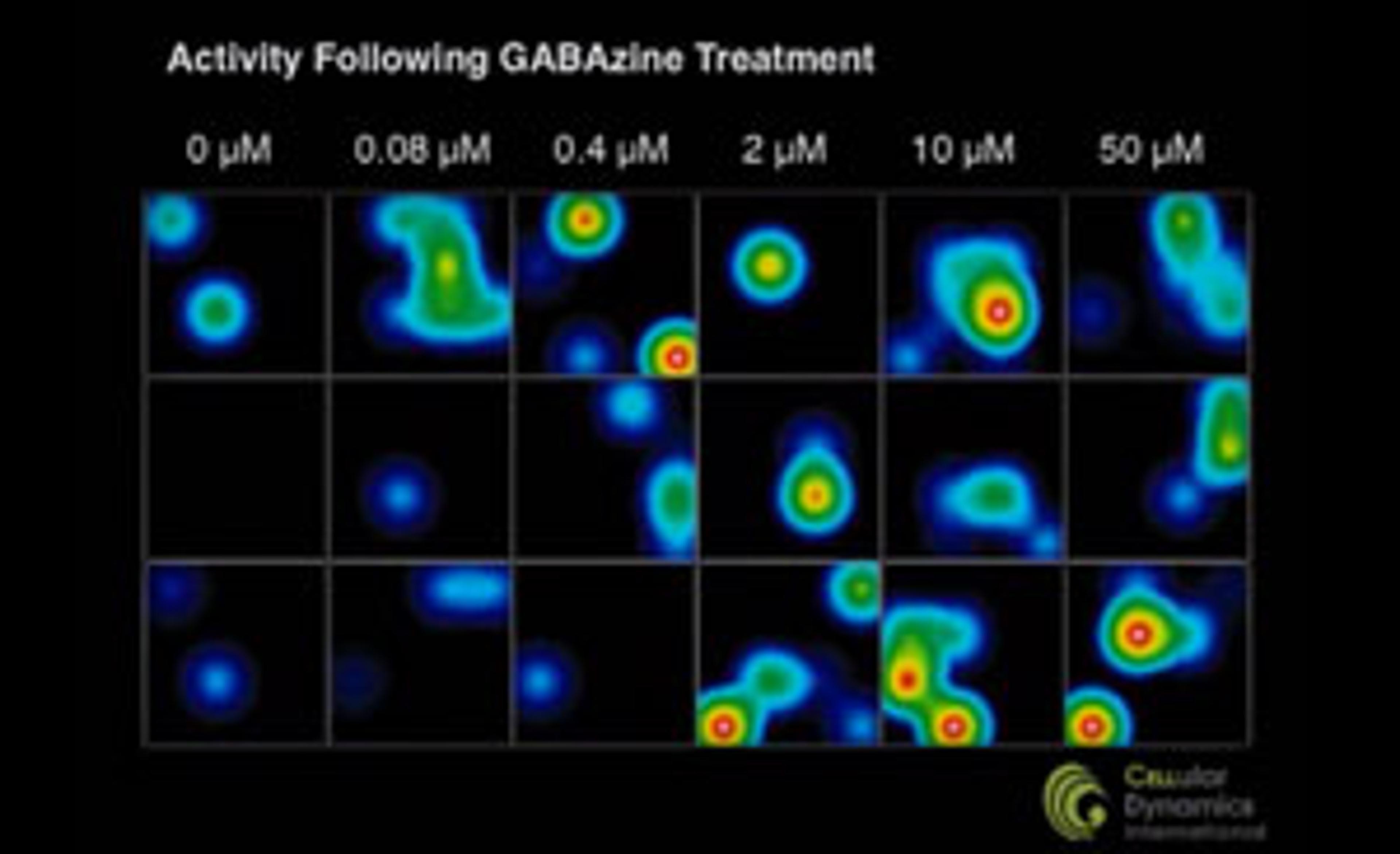
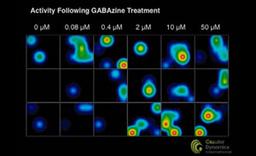
iCell Neurons from Cellular Dynamics are characterized for their response to GABA or GABAzine as measured on an Axion Biosystems MEA platform. This video demonstrates that the cells exhibit the appropriate neuronal response to neuroactive compounds.