
Human iPSC-Derived Cells for Modelling Cellular Bioenergetics: Building a Metabolic Profile Using the XF Mito Stress Test
27 Aug 2013In this study, the XF96 Extracellular Flux Analyzer was used to determine whether the iCell human cells represent a physiologically relevant cell model to study cellular metabolism. Results show that iCell Cardiomyocytes, iCell Neurons, and iCell Hepatocytes, offer a powerful tool to investigate bioenergetics in human cells.
Related products
Request Quote for All Products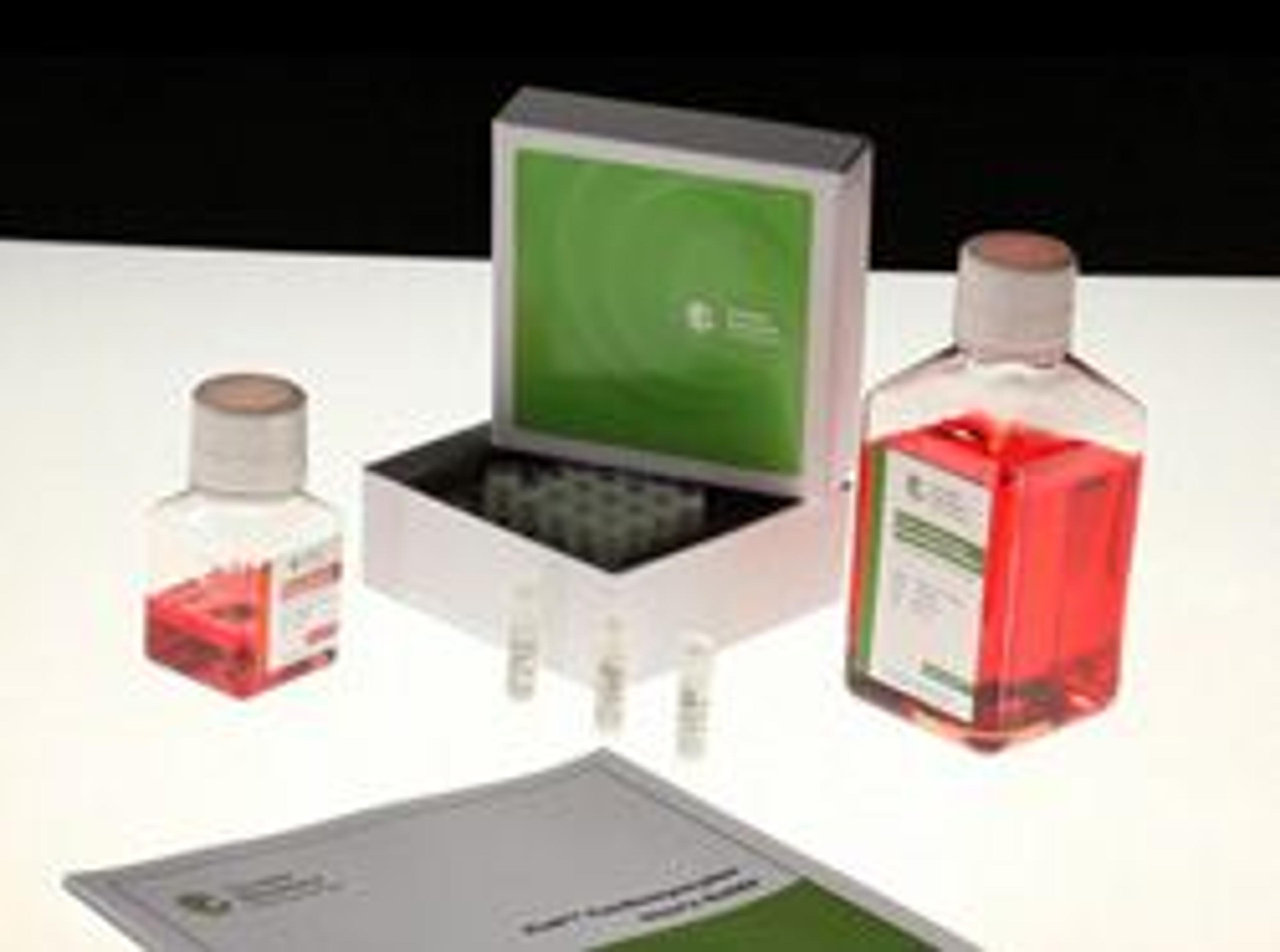
iCell Cardiomyocytes
Cellular Dynamics InternationaliCell® Cardiomyocytes, human induced pluripotent stem (iPS) cell-derived cardiomyocytes, aid drug discovery and improve the predictability of drug efficacy and toxicity screens, weeding out ineffective and potentially toxic compounds early in the pharmaceutical pipeline process before significant time and resources have been invested. iCell Cardiomyocytes are a mixture of spontaneously electrically active atrial, nodal, and ventricular-like myocytes that possess typical electrophysiological characteristics and exhibit expected electrophysiological and biochemical responses upon exposure to exogenous agents. Thus, these cells are a reliable source of human cardiomyocytes suitable for use in targeted drug discovery, toxicity testing, and other life science research. iCell Cardiomyocytes are shipped as cryopreserved suspensions of dissociated cells with specifically formulated culture media for optimal cell performance. Once thawed, iCell Cardiomyocytes remain viable in culture for up to two weeks, allowing for acute and chronic studies. iCell Cardiomyocytes Benefits: Human Cells - Saves valuable time, resources, and compound. Highly Pure Cell Population - Provides cardiac-specific response to reference molecules. Homogenous and Reproducible Fully Functional Model Acute and Longer-term Testing - Remain viable in culture for up to two weeks. iPS Cell-derived iCell Cardiomyocytes Applications: Cell-based Assays - Cell viability, Apoptosis, ATP production, Oxidative stress, Mitochondrial dysfunction. Electophysiological Applications - Conventional patch clamp recording, Microelectrode assay (MEA) recording.
iCell Hepatocytes
Cellular Dynamics InternationaliCell® Hepatocytes, derived from human induced pluripotent stem (iPS) cells, provide access to commercial quantities of high quality, high purity human liver cells for preclinical drug discovery, hepatotoxicity testing, and disease research. iCell® Hepatocytes express alpha-1-antitrypsin (AAT), asialoglycoprotein receptor (ASGR1), hepatocyte nuclear factor 4 alpha (HNF4A), and secrete albumin at levels similar to adult primary human hepatocytes. In addition, the cells exhibit intrinsic metabolism (e.g. glycogen and lipid storage), xenobiotic metabolism, and transporter functions. Importantly, iCell Hepatocytes respond appropriately to known hepatotoxicants and support HCV and HBV infection. iCell® Hepatocytes are currently shipped as fresh cells, which remain viable and functional for at least 3 weeks following plating on collagen-coated plates. Thus, these cells can be used for acute and longer-term assays for targeted drug discovery, toxicity testing, and other life science research. iCell® Hepatocytes Benefits: Human Cells - Hepatocytes are terminally differentiated from human iPS cells and exhibit hepatocyte characteristics and functions. Homogenous and Reproducible Functionally Stable Known Genotype - Hepatocytes have been genotyped for 1,936 ADME markers in over 200 genes, including all FDA-validated genes and >90% of the ADME Core markers as defined by the PharmaADME group. iCell® Hepatocytes Applications: Heptatocytes are amenable to a variety of biochemical and cellular assays: Hepatoxicity, Intrinsic metabolism, Xenobiotic metabolism, Transporter function, Viral infectivity.
iCell Neurons
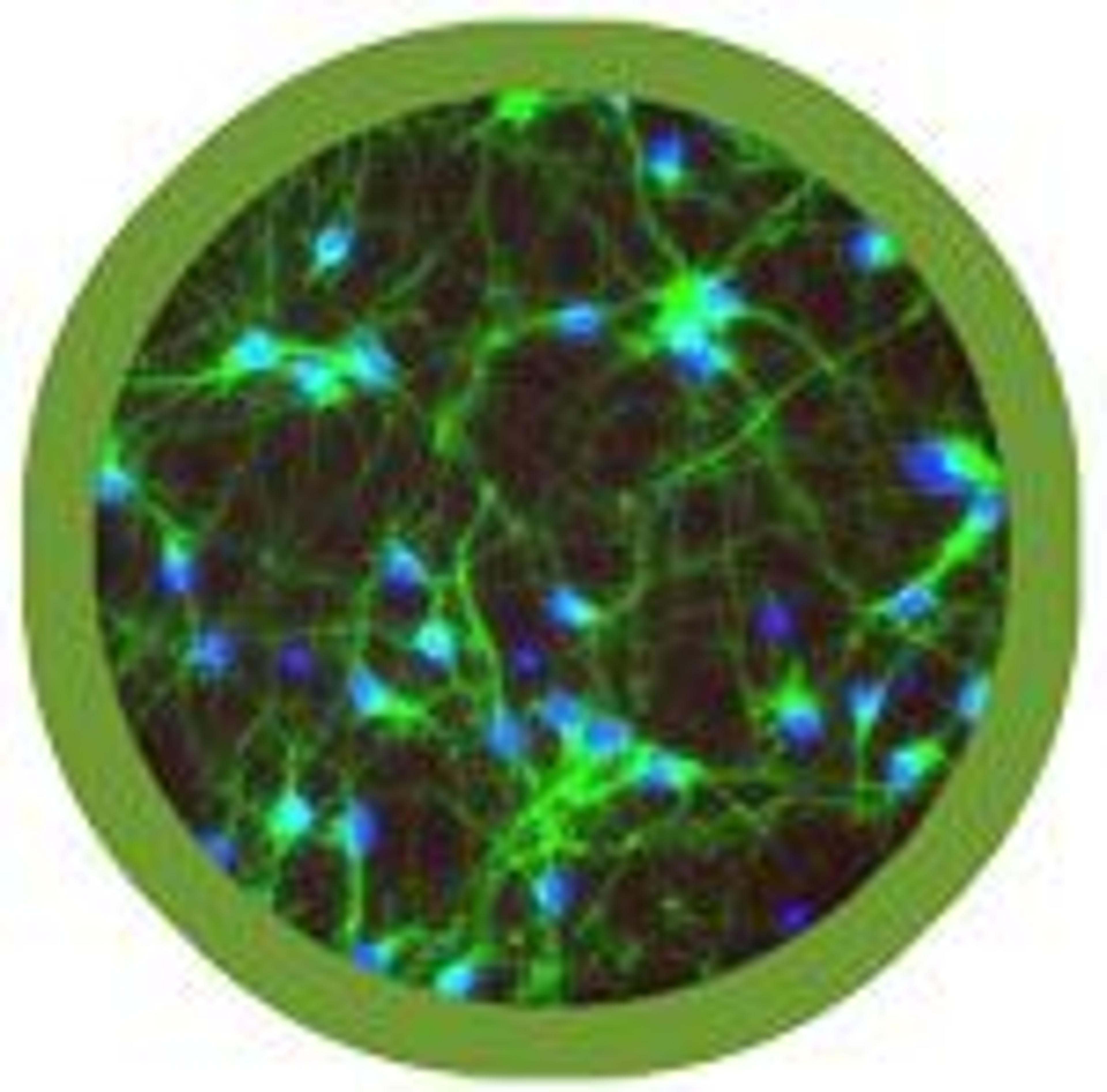
Cellular Dynamics InternationaliCell® Neurons, derived from human induced pluripotent stem (iPS) cells, provide a unique in vitro system for preclinical drug discovery, neurotoxicity testing, predictive disease modeling, and basic cellular research. A better and more biologically relevant alternative to current cell models, iCell Neurons offer researchers access to commercial quantities of high quality, highly pure human neurons that possess typical phenotypic characteristics and functional of mature neurons. iCell® Neurons are a mixture of post-mitotic neural subtypes, comprised primarily of GABAergic and glutamatergic neurons, with typical physiological characteristics and functions. These cells quickly assume a typical neuronal morphology with branching neurites. In addition, iCell Neurons display a stable adherent single-cell morphology and remain viable for an extended culture period (≥14 days), making them amenable to a variety of electrophysiology, neurotoxicity, and synaptic neurotransmission assays. iCell® Neurons are shipped as cryopreserved suspensions of dissociated cells with specifically formulated culture media. Once thawed, iCell Neurons remain viable for extended culture periods, allowing for acute and chronic studies. iCell® Neurons Benefits: Human Cells - Saves valuable time, resources, and compound. Highly Pure Cell Population - Provides cardiac-specific response to reference molecules. Homogenous and Reproducible Fully Functional Model Acute and Longer-term Testing - Remain viable in culture for up to two weeks. iPS Cell-derived iCell® Neurons Applications: Cell-based Assays - Cell viability, Apoptosis, ATP production, Oxidative stress, Mitochondrial dysfunction. Electophysiological Applications - Conventional patch clamp recording, Microelectrode assay (MEA) recording.