iCell Hepatocytes
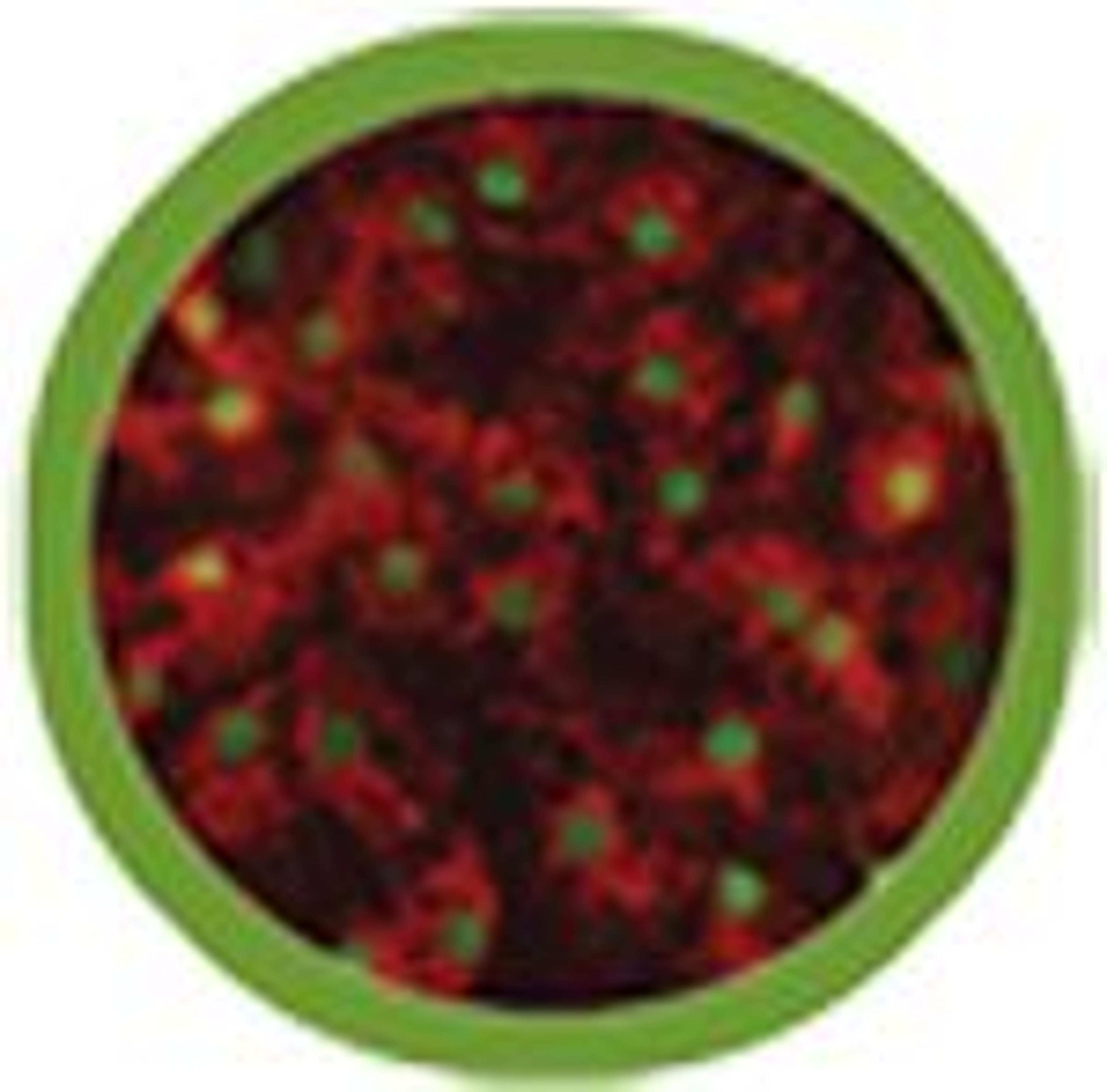
iCell® Hepatocytes, derived from human induced pluripotent stem (iPS) cells, provide access to commercial quantities of high quality, high purity human liver cells for preclinical drug discovery, hepatotoxicity testing, and disease research. iCell® Hepatocytes express alpha-1-antitrypsin (AAT), asialoglycoprotein receptor (ASGR1), hepatocyte nuclear factor 4 alpha (HNF4A), and secrete albumin at levels similar to adult primary…

The supplier does not provide quotations for this product through SelectScience. You can search for similar products in our Product Directory.
iCell® Hepatocytes, derived from human induced pluripotent stem (iPS) cells, provide access to commercial quantities of high quality, high purity human liver cells for preclinical drug discovery, hepatotoxicity testing, and disease research.
iCell® Hepatocytes express alpha-1-antitrypsin (AAT), asialoglycoprotein receptor (ASGR1), hepatocyte nuclear factor 4 alpha (HNF4A), and secrete albumin at levels similar to adult primary human hepatocytes. In addition, the cells exhibit intrinsic metabolism (e.g. glycogen and lipid storage), xenobiotic metabolism, and transporter functions. Importantly, iCell Hepatocytes respond appropriately to known hepatotoxicants and support HCV and HBV infection.
iCell® Hepatocytes are currently shipped as fresh cells, which remain viable and functional for at least 3 weeks following plating on collagen-coated plates. Thus, these cells can be used for acute and longer-term assays for targeted drug discovery, toxicity testing, and other life science research.
iCell® Hepatocytes Benefits:
- Human Cells - Hepatocytes are terminally differentiated from human iPS cells and exhibit hepatocyte characteristics and functions.
- Homogenous and Reproducible
- Functionally Stable
- Known Genotype - Hepatocytes have been genotyped for 1,936 ADME markers in over 200 genes, including all FDA-validated genes and >90% of the ADME Core markers as defined by the PharmaADME group.
iCell® Hepatocytes Applications:
- Heptatocytes are amenable to a variety of biochemical and cellular assays: Hepatoxicity, Intrinsic metabolism, Xenobiotic metabolism, Transporter function, Viral infectivity.

Using iPSC-Derived Hepatocytes as a Functional Model System for Human Hepatitis Research
This application note demonstrates the successful use of iPSC-Derived Hepatocytes as a predictive in vitro model system for the study of HCV infection in human liver cells. They are also shown to hold great potential to serve as a similar model for HBV research.
Characterization and Function of iPSC-derived Hepatocytes for Use in Toxicity
Hepatoxicity is a leading cause of drug withdrawal from the market, highlighting the fact that current preclinical models of toxicity are not universally predictive of drug effects in humans. This poster demonstrates the capability of human induced pluripotent stem cell (iPSC)-derived hepatocytes, iCell® Hepatocytes, developed by Cellular Dynamics, to elucidate the mechanisms of drug-induced hepatotoxicity.
Comparison of Two Cell Model Systems, Primary Human Hepatocytes and hiPSC-derived Hepatocytes to Determine the Hepatoxicity of Three Candidate Drugs Developed for Rheumatoid Arthritis
Using human induced pluripotent stem cell (hiPSC)-derived hepatocytes is an important new tool which offers unlimited supply of euploid cells from single donors. This study tests the hepatoxicity of three internal candidate drugs developed for the treatment of rheumatoid arthritis.
Application of Human iPS Cell-Derived Models for Highly Predictive Toxicity Screening
This poster presents the development of an industrial-scale manufacturing platform for the production of terminally-differentiated, human iPS cell-derived tissue types (e.g. neurons, cardiomyocytes, and hepatocytes) that are highly pure (>95%) and exhibit normal genotypic, phenotypic, and functional characteristics of native cells.
In Vitro Assessment of Drug-Induced Liver Injury (DILI) using a High Content Cellular Imaging System
This poster evaluates the potential hepatotoxicity of nine reference test articles in three hepatocyte model systems using the ToxInsight® DILI Assay Cartridge and Thermo Scientific ToxInsight® IVT platform.
Applications Development at CDI: Improving Workflows, Pushing Biology, and Enabling Screening
This poster highlights some of the on-going application development projects at CDI. These include general workflow improvements, phenotypic modeling of cardiac hypertrophy by high content screening (HCS) assay in 384-well format, modulating neuronal activity on multi-electrode arrays (MEA), and investigation of the bioenergetics of hepatotoxicity.
Human iPSC-Derived Cells for Modelling Cellular Bioenergetics: Building a Metabolic Profile Using the XF Mito Stress Test
In this study, the XF96 Extracellular Flux Analyzer was used to determine whether the iCell human cells represent a physiologically relevant cell model to study cellular metabolism. Results show that iCell Cardiomyocytes, iCell Neurons, and iCell Hepatocytes, offer a powerful tool to investigate bioenergetics in human cells.
Advancements in the Use of iPS Cell-Derived Systems for In Vitro Disease Modeling and Phenotypic Screening
This poster demonstrates the impact of iCell products in the drug discovery and development space. Examples of assay miniaturization, transfection optimization, and high content imaging-based phenotypic assays are presented.
Predictive High-Content/High-Throughput Assays for Hepatotoxicity Using Induced Pluripotent Stem Cell (iPSC)-Derived Hepatocytes
This poster describes the evaluation of several automated screening approaches for assessing general and mechanism-specific hepatotoxicity using iPSC-derived hepatocytes. Results demonstrate that high-throughput and high-content automated screening assays using iPSC-derived hepatocytes is feasible and can facilitate safety assessment or drugs and chemicals.
Applying Transfection Technologies to Create Novel Screening Models
The availability of human induced pluripotent stem cell (iPSC)-derived cells offers new opportunities for the generation of novel, physiologically relevant cellular models for drug screening and development. Realizing the full potential of these cellular models requires molecular techniques that enable introduction of exogenous genes and/or modulation of endogenous genetic elements. In this application note read how various types of iPSCs are compatible with transfection reagents to deliver, plasmid DNA, siRNA and reporter gene constructs. This enables investigation of specific target genes for numerous applications in drug discovery research.
Cellular Dynamics Product Tour
Emile Nuwaysir, Chief Operating Officer of Cellular Dynamics International, introduces the range of iCell® products available from CDI. Watch this video to see time lapse footage of the cells growing.