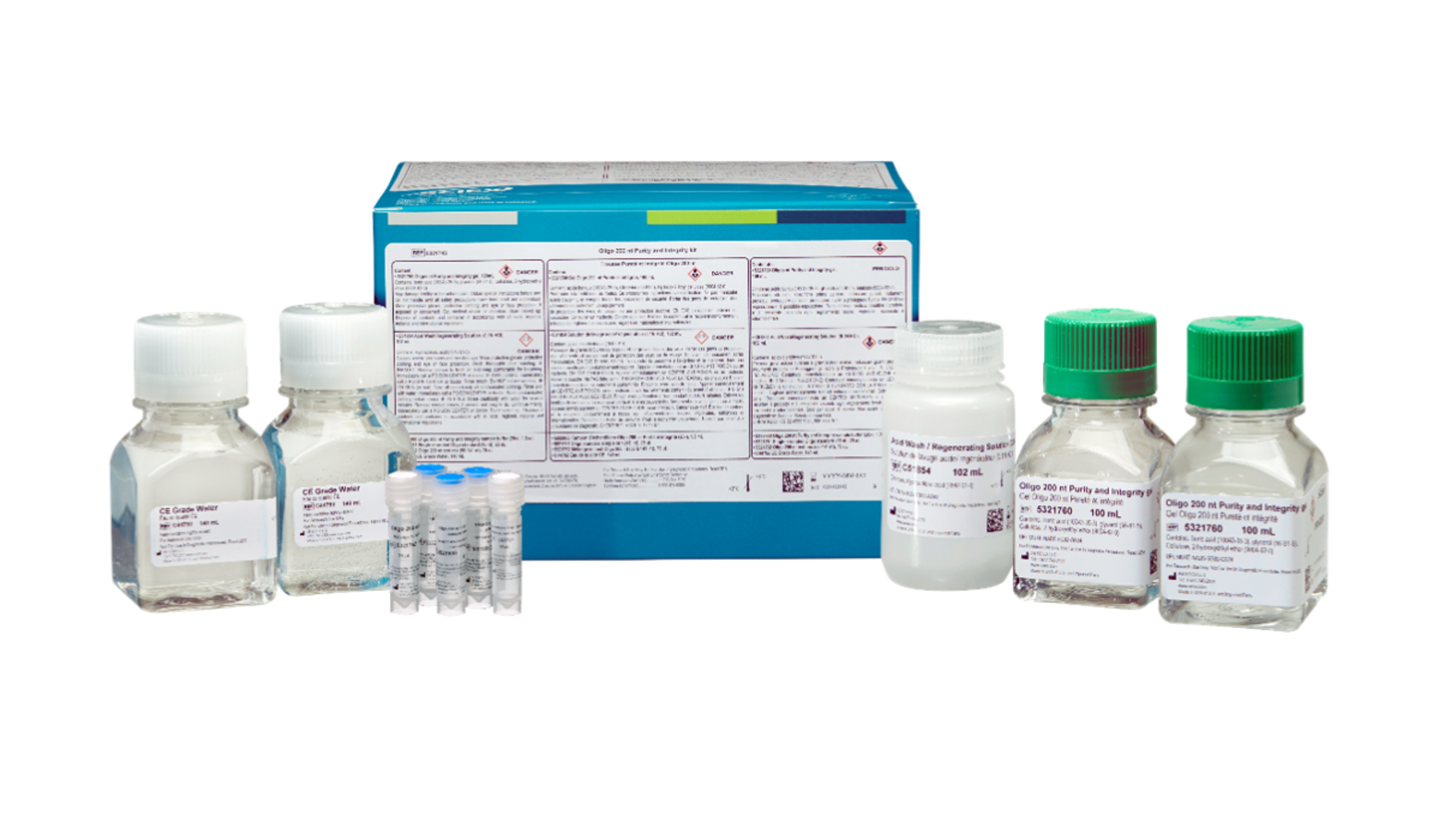
GenCRISPR™ Cas Nuclease Protein Products and Services (RUO and GMP)
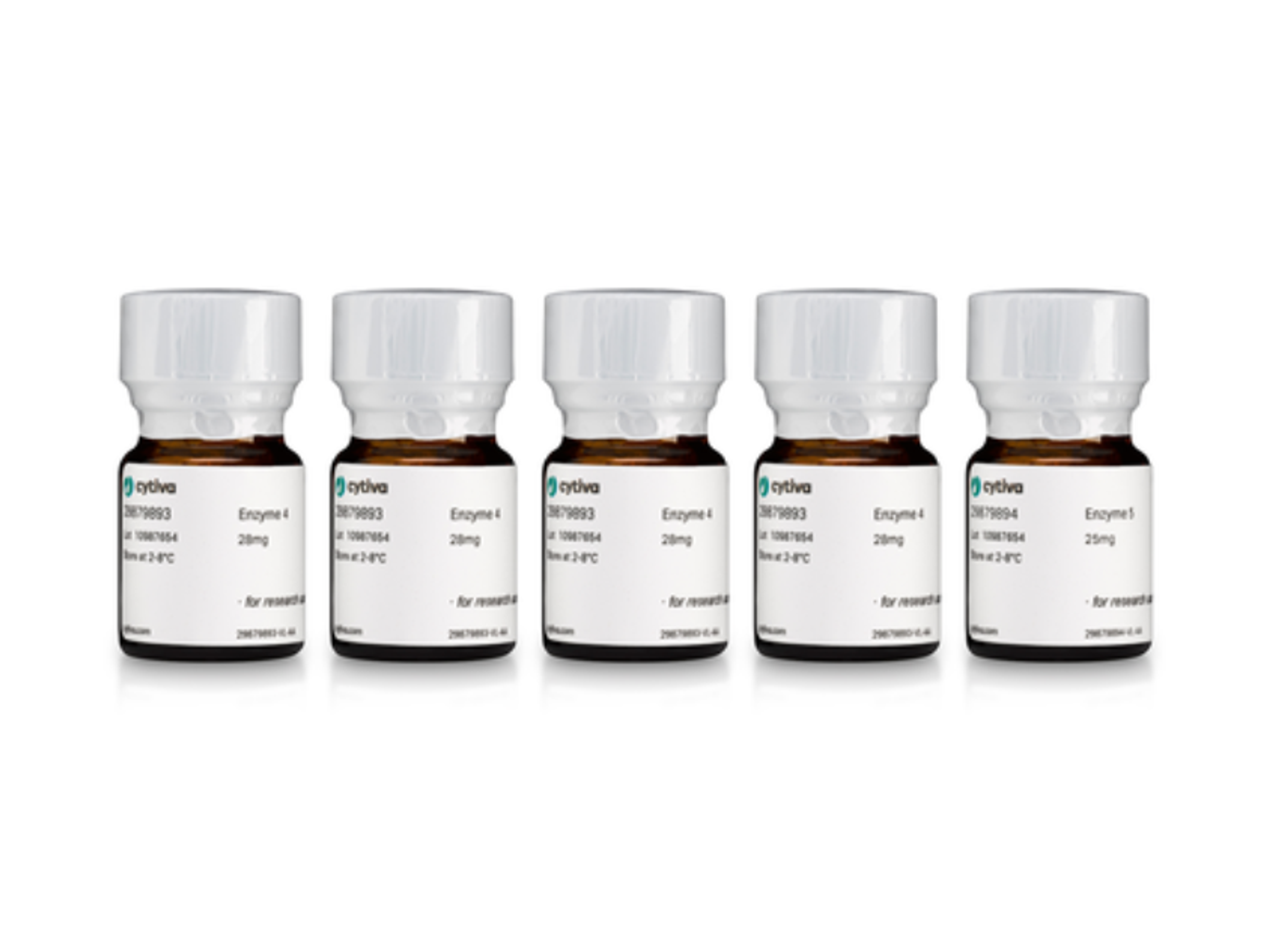
Unlock precision gene editing with GenScript’s complete Cas protein solutions. Explore our ready-to-use Cas9, Cas12a, Cas13a, Base Editors, MAD7, and Prime Editors- engineered for high efficiency, low off-target rates, and broad cell type compatibility. Licensed from Broad Institue, these products are available in both RUO and cGMP formats, and succesfully supported global IND applications. Need unique Cas nuclease or editors?…

The supplier does not provide quotations for this product through SelectScience. You can search for similar products in our Product Directory.
Explore the most comprehensive Cas protein and next-generation Base editor and Prime editor portfolio. Cas9 variants including clicnially validated WT Cas9, low-off-target high fidelity eSpCas9, GFP Cas9 for cell tracking, saCas9 small size for in vivo packaing, and D10A Nickase for single-strand cleavage and higher accuracy when used together with dual gRNA.
Cas12a (formerly Cpf1) is a Class 2 Type V CRISPR-Cas protein used for precise genome editing and nucleic acid detection. Explore best-in-market multispecific editing efficiency with optimized ErCas12a-3NLS, and WT Cas12a and AsCas12a for T-rich genome editing. Cas13a nucleases are Class 2 Type VI CRISPR-Cas enzyme that acts as an RNA-guided, RNA-targeting ribonuclease. Upon recognizing its target RNA, Cas13a activates a unique "collateral cleavage" mechanism, which is harnessed for ultra-sensitive, programmable molecular diagnostics.
Beyond nuclease-based editing, base editors and prime editors enable precise genome modifications without introducing double-strand breaks (DSB). Base editors typically fuse a catalytically impaired Cas protein like D10A Nickase with a deaminase to achieve targeted single-base conversions (e.g., C→T or A→G). Prime editors combine a nickase Cas with a reverse transcriptase and a prime editing guide RNA (pegRNA) to install a broader range of edits, including substitutions, insertions, and deletions, with reduced reliance on donor templates. These next-generation editors improve editing accuracy by minimizing double-strand break–associated errors such as indels and chromosomal rearrangements, enabling more predictable outcomes.