Development and Characterization of Human iPSC-derived Neurons for Drug Discovery Applications

3 Sept 2013

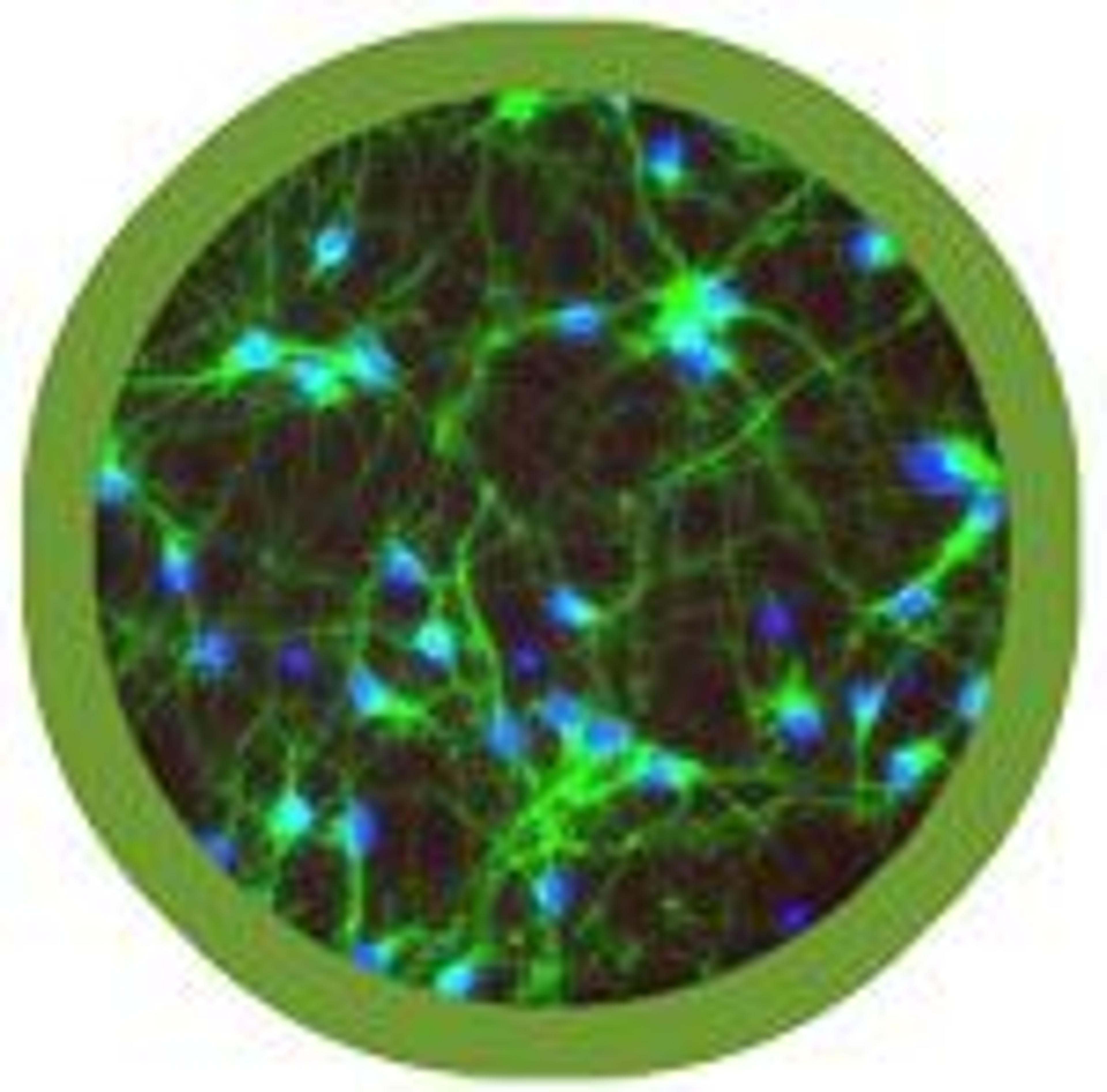
iCell® Neurons represent a robust, consistent and commercially available population of human neurons for basic biological and drug discovery applications. This poster describes the morphology, phenotypic characterization and electrophysiological properties of I Cell® Neurons and their suitability for drug discover applications such as high content image-based assay.

iCell Neurons

Cellular Dynamics International

iCell® Neurons, derived from human induced pluripotent stem (iPS) cells, provide a unique in vitro system for preclinical drug discovery, neurotoxicity testing, predictive disease modeling, and basic cellular research. A better and more biologically relevant alternative to current cell models, iCell Neurons offer researchers access to commercial quantities of high quality, highly pure human neurons that possess typical phenotypic characteristics and functional of mature neurons. iCell® Neurons are a mixture of post-mitotic neural subtypes, comprised primarily of GABAergic and glutamatergic neurons, with typical physiological characteristics and functions. These cells quickly assume a typical neuronal morphology with branching neurites. In addition, iCell Neurons display a stable adherent single-cell morphology and remain viable for an extended culture period (≥14 days), making them amenable to a variety of electrophysiology, neurotoxicity, and synaptic neurotransmission assays. iCell® Neurons are shipped as cryopreserved suspensions of dissociated cells with specifically formulated culture media. Once thawed, iCell Neurons remain viable for extended culture periods, allowing for acute and chronic studies. iCell® Neurons Benefits: Human Cells - Saves valuable time, resources, and compound. Highly Pure Cell Population - Provides cardiac-specific response to reference molecules. Homogenous and Reproducible Fully Functional Model Acute and Longer-term Testing - Remain viable in culture for up to two weeks. iPS Cell-derived iCell® Neurons Applications: Cell-based Assays - Cell viability, Apoptosis, ATP production, Oxidative stress, Mitochondrial dysfunction. Electophysiological Applications - Conventional patch clamp recording, Microelectrode assay (MEA) recording.

(0)

Links

Tags

Cell Adhesion AssaysCell adhesion assays are used to quantitate attachment and analyze the molecular mechanisms for extracellular matrix adhesion, cell migration and sensitivity to inhibitors. Find the best cell adhesion assay equipment in our peer-reviewed product directory: compare products, check customer reviews and receive pricing direct from manufacturers.Cell / Tissue CultureCell culture or tissue culture is used to study the biology of cells or tissues and to isolate cellular products in an environment which can be manipulated and well defined. Accurately control your culture environment with bioreactors or culture incubators, bind your cells to a surface or together with an extracellular matrix. Distinguish cell types with differential media or proliferate cells with certain characteristics using selective media. Enrich your media with supplements such as growth factors, sera and vitamins. Find the best cell and tissue culture products, kits and equipment in our peer-reviewed product directory: compare products, check customer reviews and receive pricing direct from manufacturers.High-Throughput ScreeningHigh-throughput screening (HTS) is an automated drug discovery technique for identification of active compounds against a compound library. Use HTS readers and integrated assay preparation / analysis workstations to screen your compounds. Identify active compounds against various HTS libraries, including membranes, proteins and peptides and HTS cell lines. Find the best high-throughput screening products in our peer-reviewed product directory: compare products, check customer reviews and receive pricing direct from manufacturers.Cell Lines Stem Cells and Primary CellsPrimary cell cultures, established cell lines and stem cells are vital for <i>in vitro</i> and <i>ex vivo</i> experimentation. High-quality cells, optimized for your applications, alongside optimized cell substrates, growth medium and supplements, are critical for experimental success. Explore a range of cells suitable for your applications, including isogenic cell lines, competent cells, induced pluripotent stem cell (iPSC)-derived cell lines, fungal/bacterial/mammalian cell lines, stem cells and cancer cell lines. Find the best cells for your research in our peer-reviewed product directory: compare products, check customer reviews and receive pricing direct from manufacturers.Cell-Based AssaysCell-based assays are used to monitor the presence, quantity and activities of a desired cellular analyte including drug molecules or biomarkers. This can reveal information on cell health (apoptosis, cytotoxicity, viability and proliferation assays), cell metabolism, cell migration and cell signaling mechanisms. Find the best cell-based assay products, kits and equipment with our peer reviewed product directory: compare products, check customer reviews and receiving pricing direct from manufacturers.NeuroscienceNeuroscience research investigates the neurological mechanisms underlying behavior, neurodegenerative diseases, and other brain conditions. Learn about the innovative technologies for bioimaging, electrophysiology, cell culture, chromatography and other techniques used in this field.NeuronsNeurons are the fundamental units of the brain and nervous system, involved in transmitting information. Understanding neuron function is critical in neurobiology, neuroscience, and neurodegenerative disease research. Explore neuron research tools in our peer-reviewed product directory; compare products, check reviews, and get pricing directly from manufacturers.NeurobiologyNeurobiology studies the biology of the nervous system, including the structure and function of neurons, glial cells, and their interactions. It is a key field in understanding neurological disorders such as Alzheimer�s, Parkinson�s, and schizophrenia. Research in neurobiology is essential for developing therapies for these conditions. Browse our peer-reviewed product directory to find the best neurobiology research tools, compare products, check reviews, and get pricing directly from manufacturers.Toxicology Screening