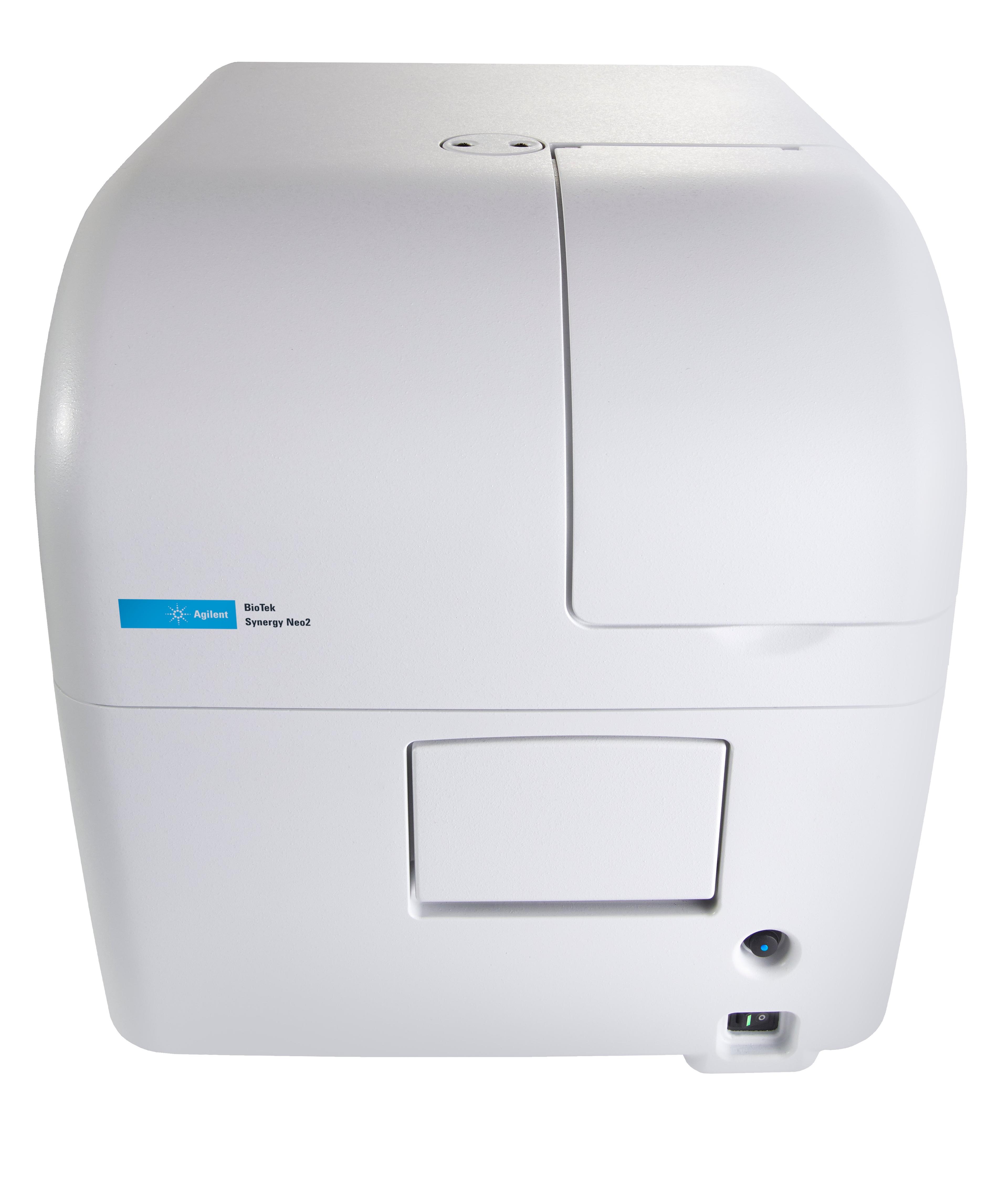
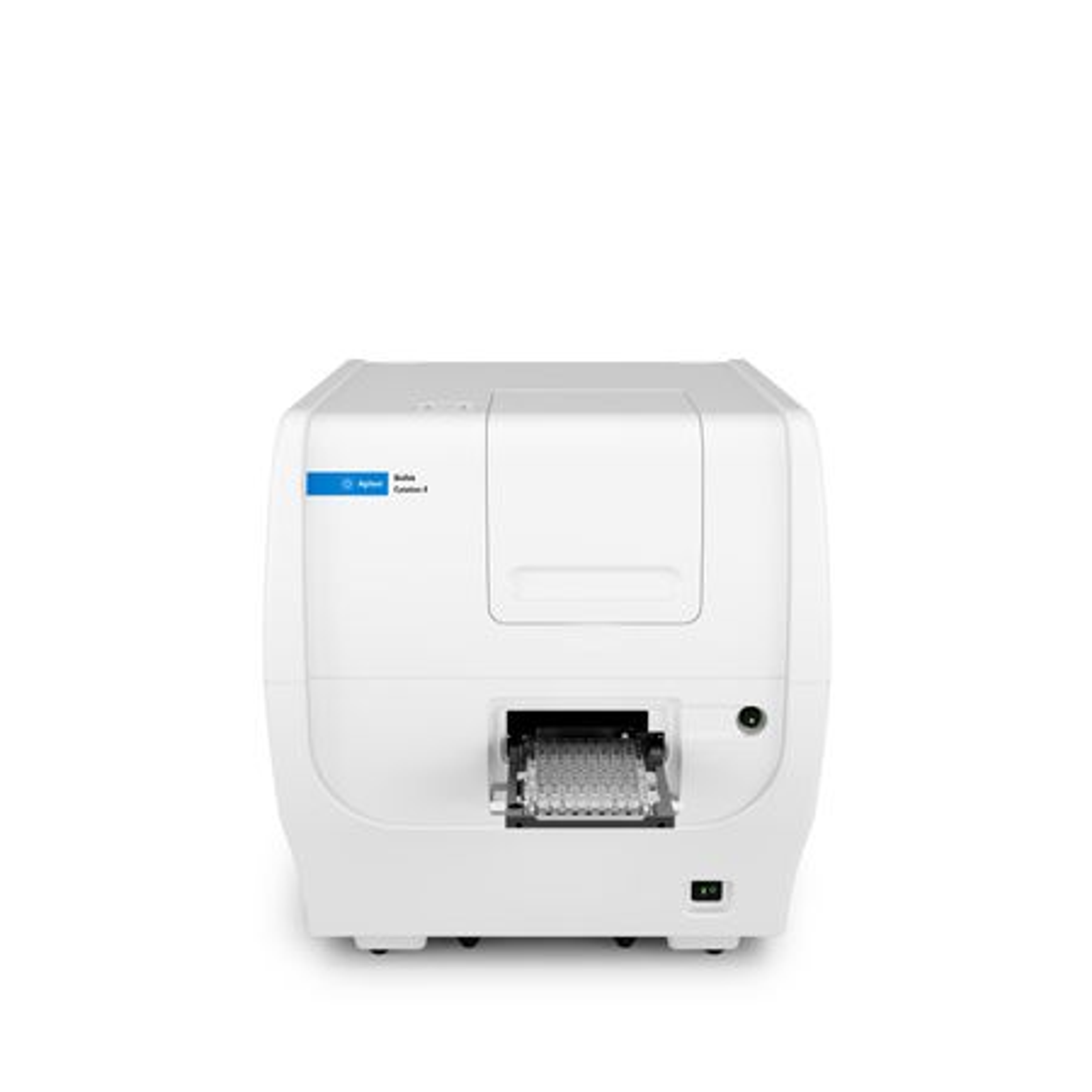
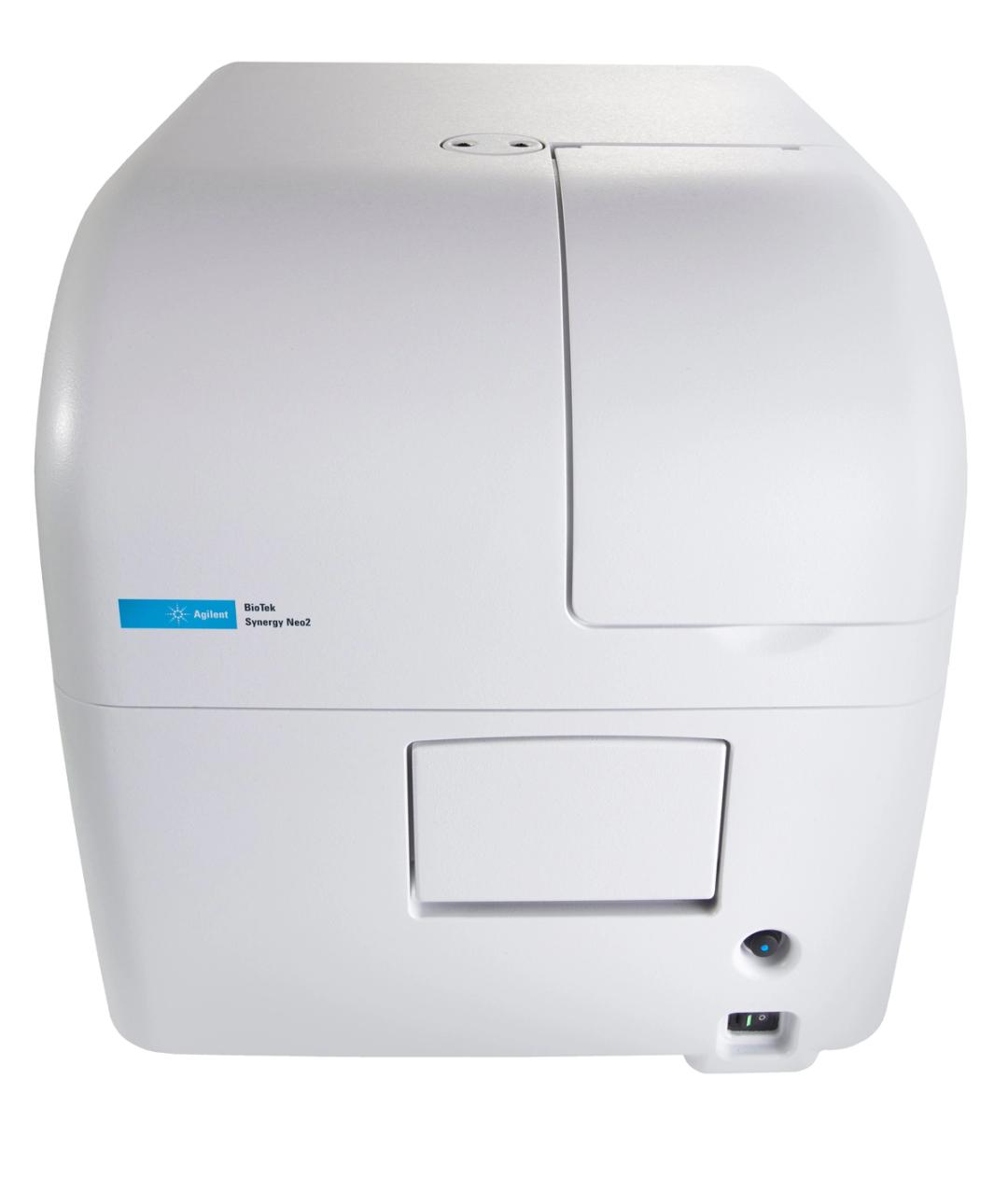
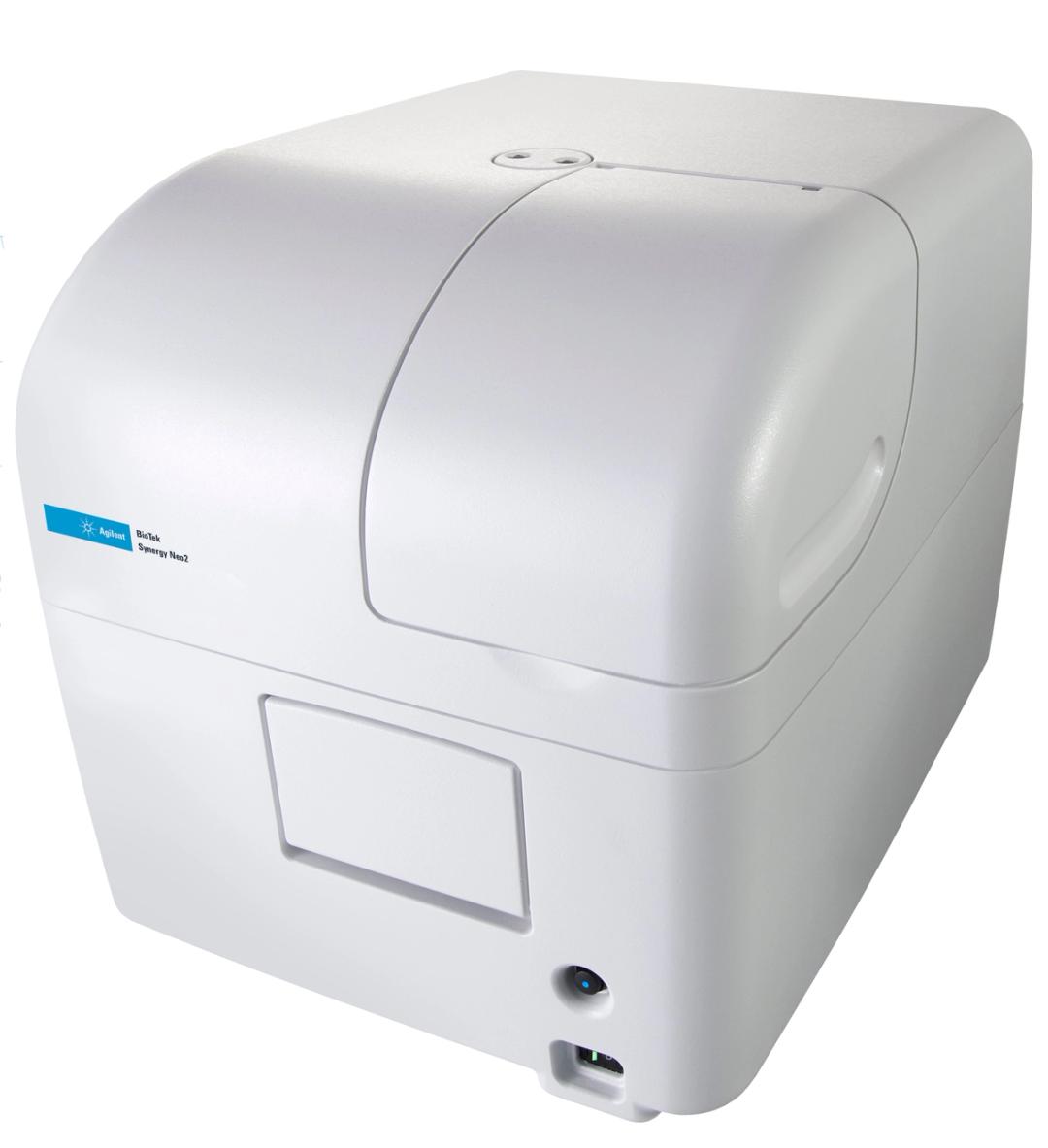
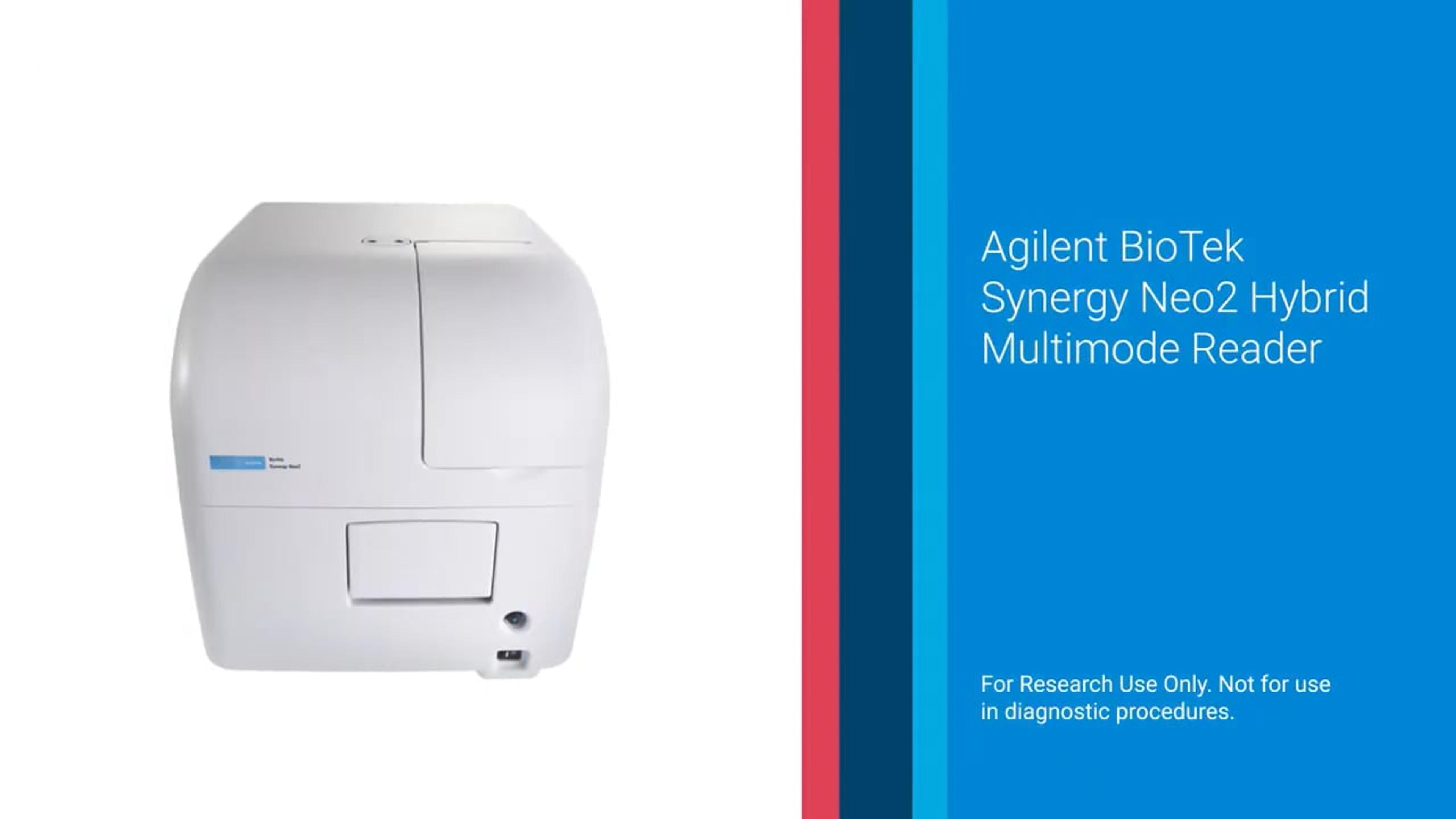
Agilent BioTek Synergy Neo2 Hybrid Multimode Reader
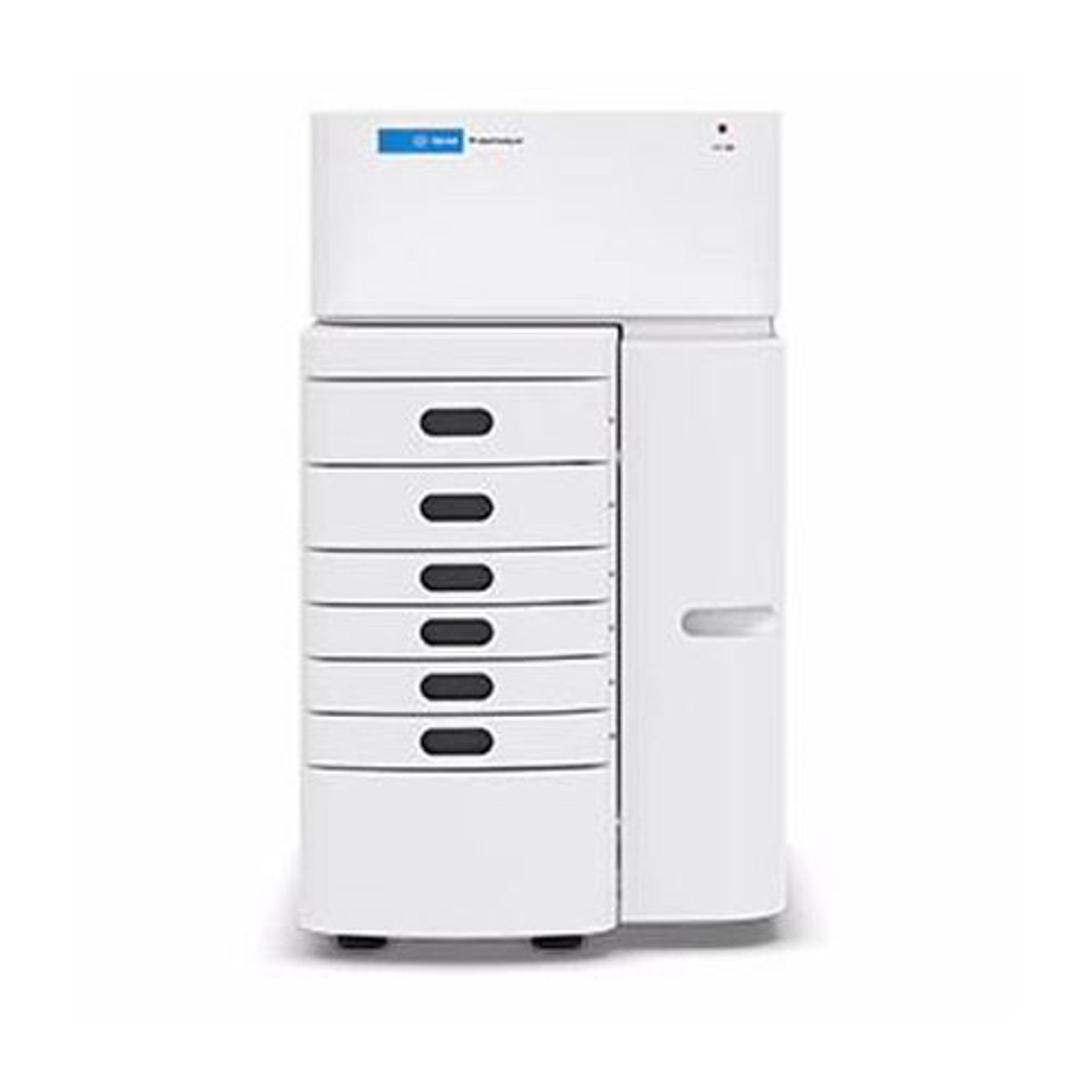
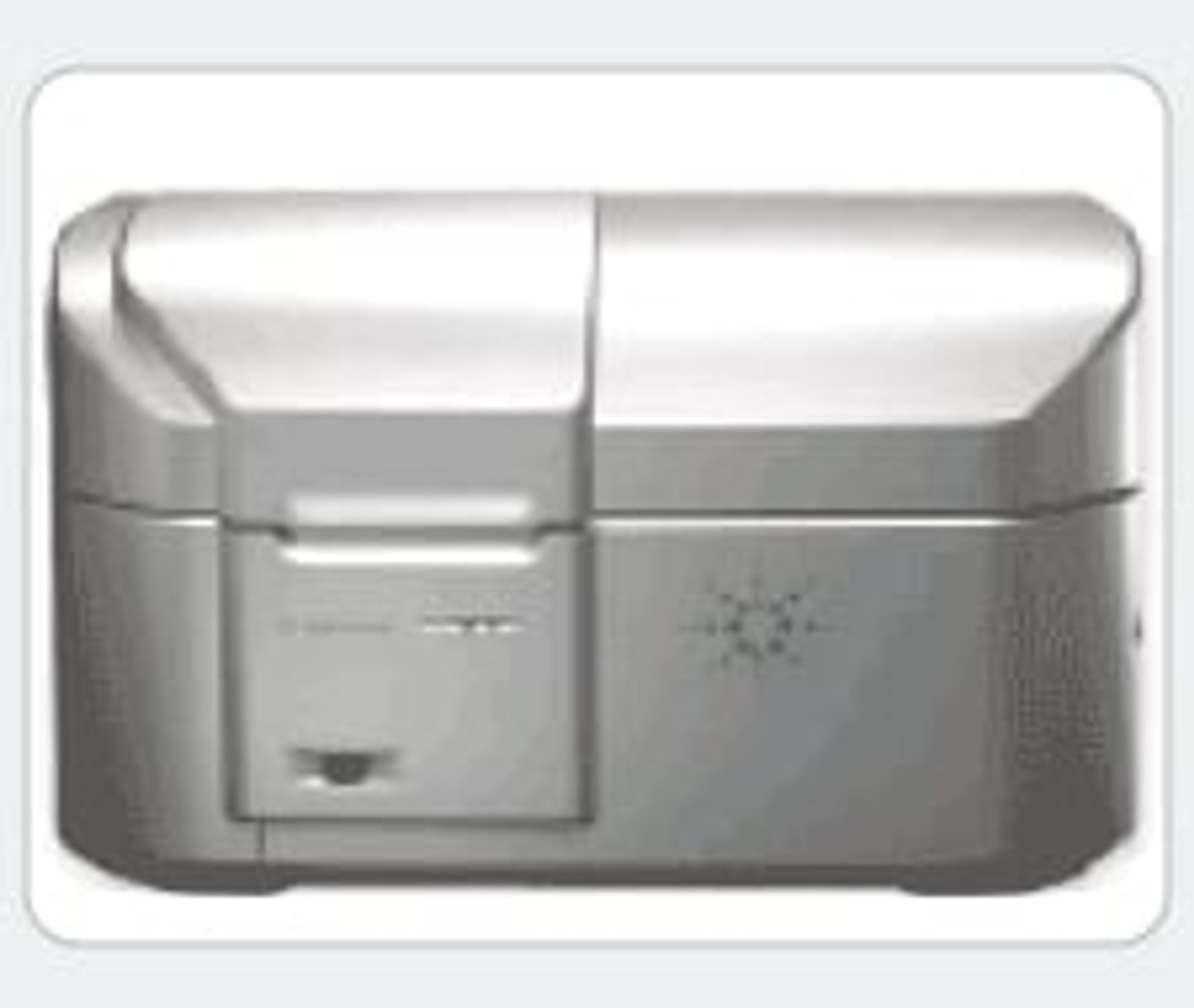
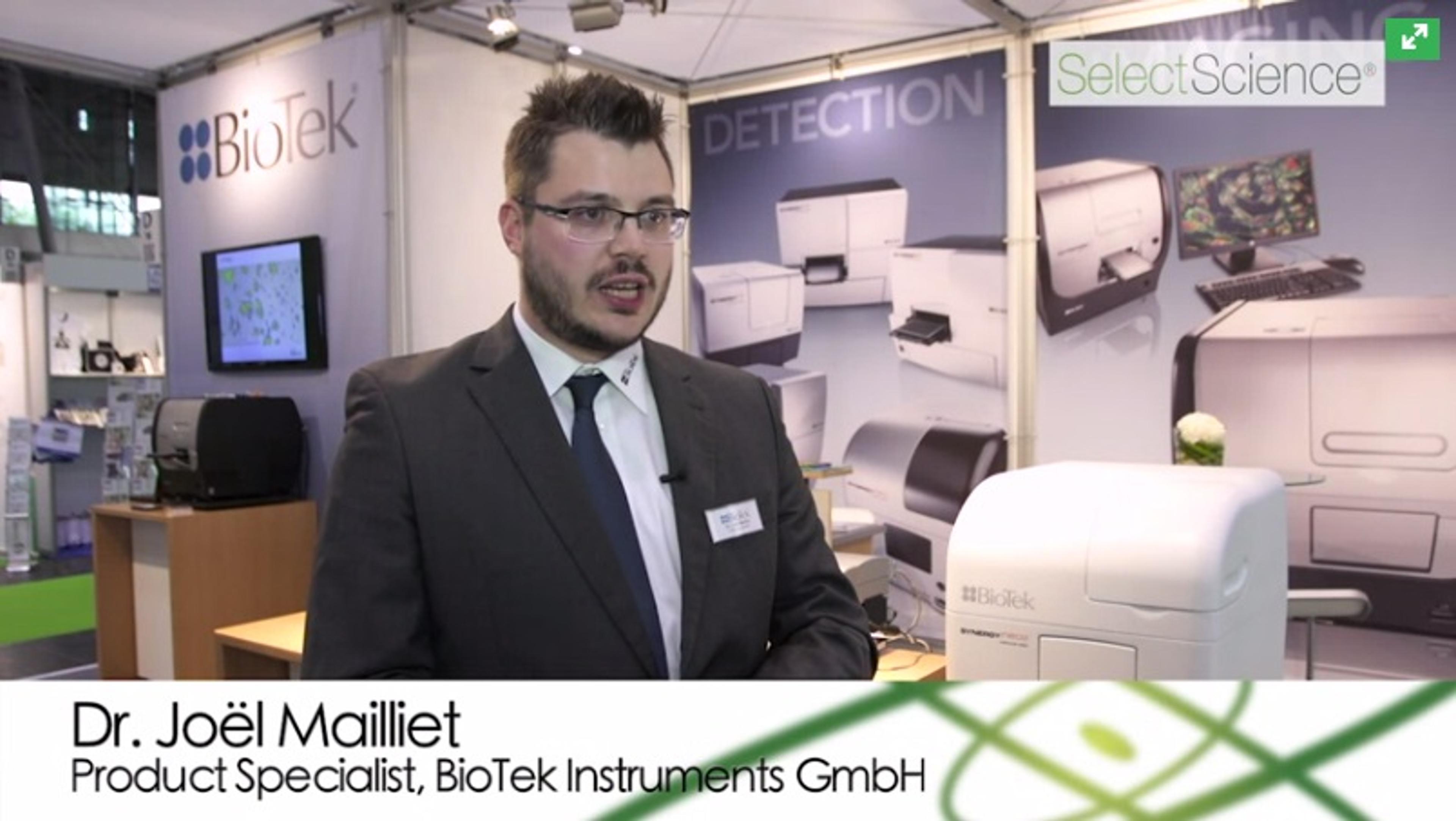
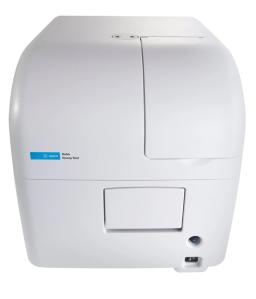
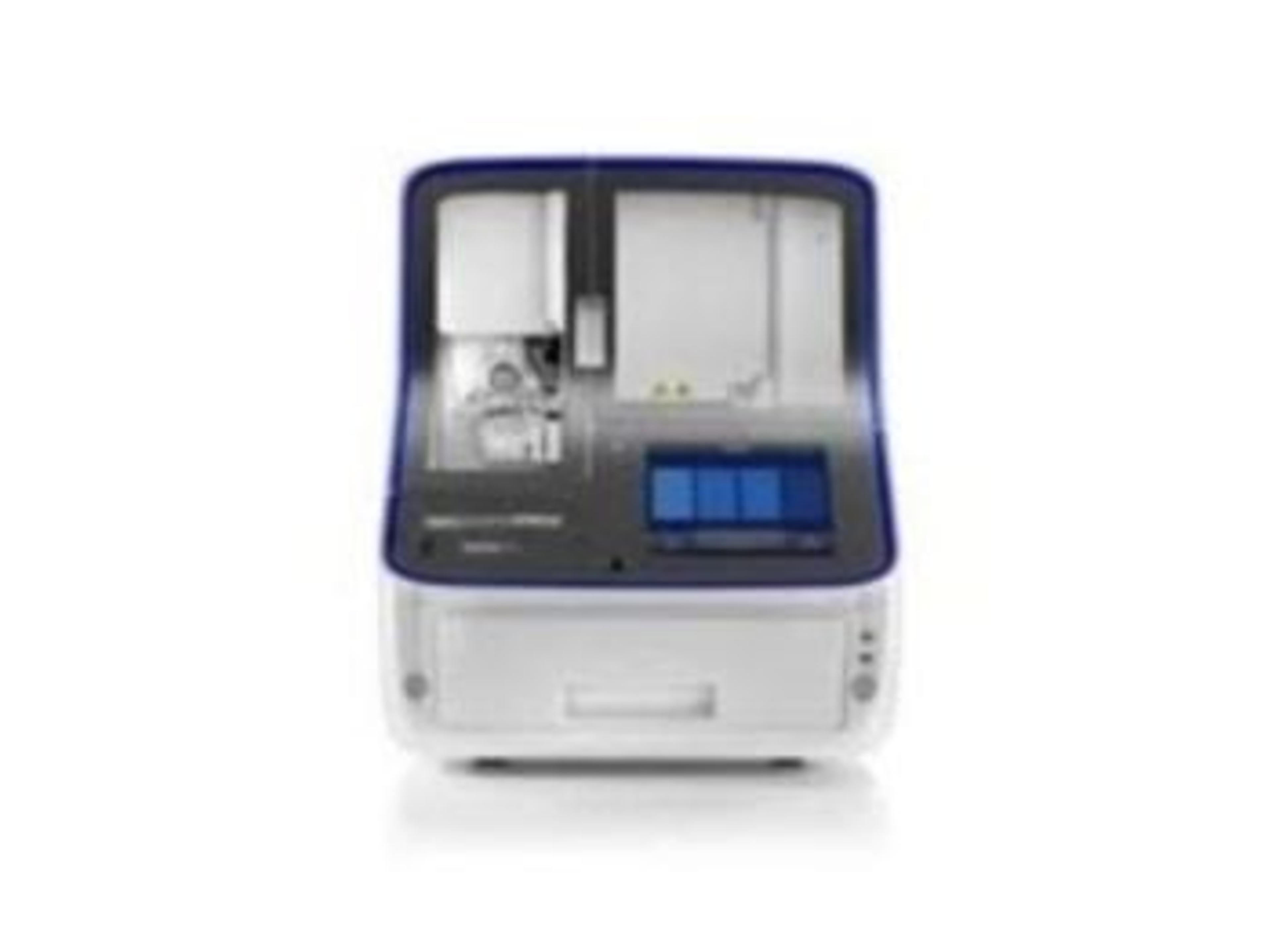
Agilent BioTek Synergy Neo2 multimode microplate reader features proprietary Hybrid Technology, with independent optical paths that ensure excellent performance in all detection modes. Variable bandwidth quad monochromators, sensitive high transmission filter-based optics, laser TRF, and up to 4 PMTs provide ultrafast measurements.








Receive your quote directly from the manufacturer.
The Neo2 is a reliable, easy to use, multi-mode plate reader.
Fluorescence and fluorescence polarization
The Gen5 software is customizable and easy to use. It's user-friendly interface allows for flexibility of data acquisition and output. Reliable!
Review Date: 6 Mar 2020 | Agilent Technologies
Very robust.
Plate reader
Very robust.
Review Date: 28 Jan 2020 | Agilent Technologies
Increased throughput and reproducibility in our assays.
Biochemical assays
We have been happy with how the combination of these systems has helped increase throughput and reproducibility in our assays. The price points were affordable as well.
Review Date: 28 Jan 2020 | Agilent Technologies
Instrument now 12 years old and still going strong.
Potency assays
Very easy to use, Good service and help if needed. Equipment just keep going on.
Review Date: 27 Jan 2020 | Agilent Technologies
Excellent
Luciferase assay
Love to use this product. Very simple to use. Economic also.
Review Date: 13 Dec 2019 | Agilent Technologies
Great luminescence measurement!
Measurement of luminescence
The instrument was chosen for the measurement of luminescence using kits for analyses of samples. In addition, It is equipped with software easy to use. It is possible to shake and control the temperature of incubation. It is also equipped with a reagent injector for automatic measurements. The instrument is used with all the possible plates used in our laboratory.
Review Date: 22 Jan 2019 | Agilent Technologies
Helped our high-throughput lab.
DNA Quantification
This is a high-throughput option for DNA quantification, and is a much needed upgrade for our lab. Using the Take3 Trio plates, we can get our data points in half the time. It also offers more export options than our previous instrument.
Review Date: 1 Nov 2018 | Agilent Technologies
Very reliable and precise instrument, I'm completely satisfied by its performance!
Protein and DNA concentration measurement, CyQuant-NF cell growth assay
The results of absorbance and fluorescence measurements are precise and reproducible, the dynamic range is wide and robust. Software provides useful tools for data analysis and export (I no longer need to use MS Excel or GraphPad Prism to plot standard curves). The only minor issue is that after being switched on the instrument takes 4-5 minutes to warm up, but it is not reflected in the software. If you try to make any measurement during warm-up period, the software displays an error message and you have to restart it. It would be great to have an indicator clearly displaying if the machine is ready for work or not.
Review Date: 21 Oct 2018 | Agilent Technologies
Get it!
Various biomedical applications
Very useful product. Powerful and user friendly. Highly recommended.
Review Date: 19 Oct 2018 | Agilent Technologies
It is a "must have" instrument to a Genomics Core Lab.
Nucleic acid samples
It is very easy to use and the results are consistent.
Review Date: 17 Oct 2018 | Agilent Technologies
Agilent BioTek Synergy Neo2 multimode microplate reader features proprietary Hybrid Technology, with independent optical paths that ensure excellent performance in all detection modes. Variable bandwidth quad monochromators, sensitive high transmission filter-based optics, laser TRF, and up to 4 PMTs provide ultrafast measurements.
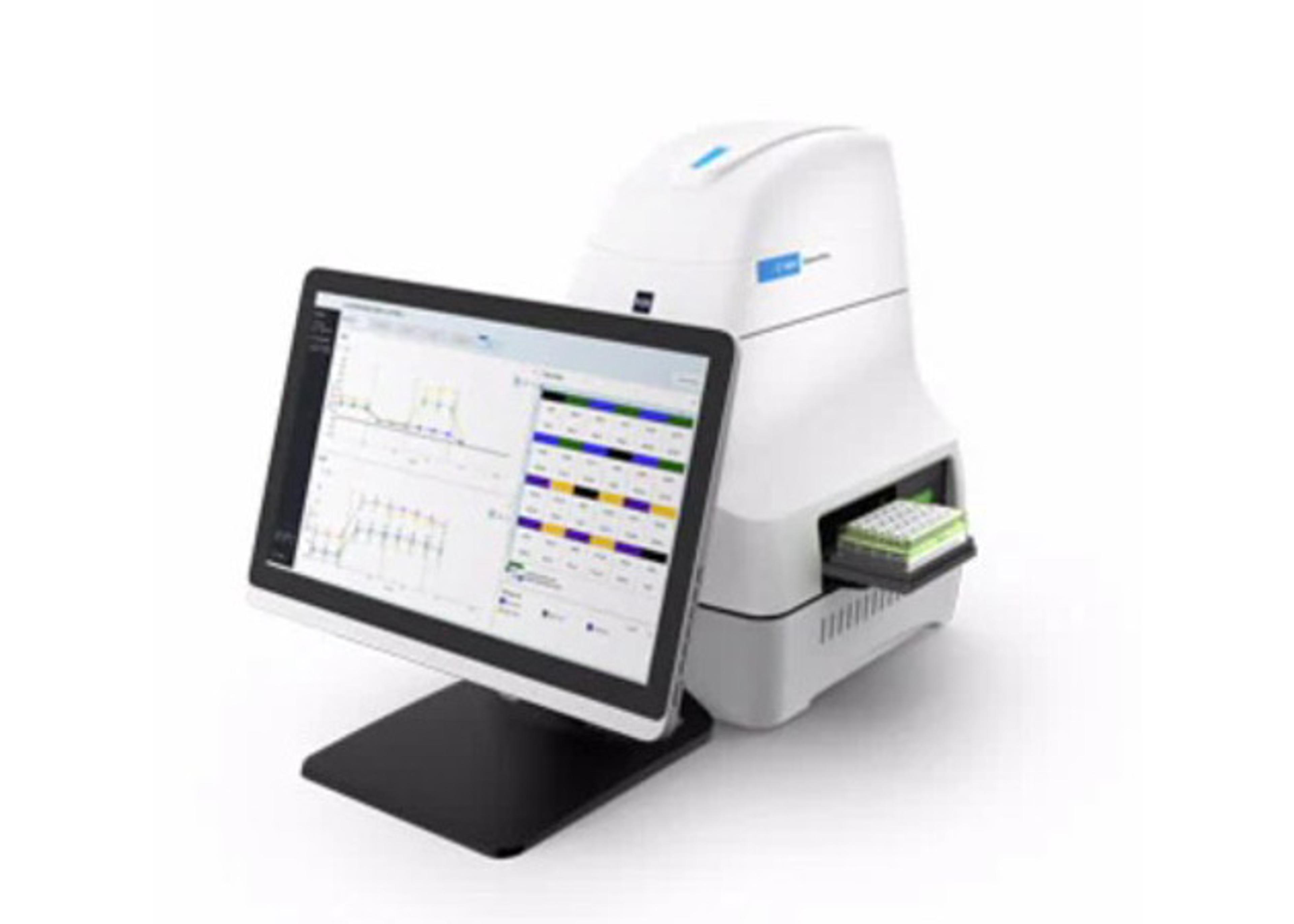
Advanced environmental controls, including CO2/O2 control, incubation to 70°C, and variable shaking support live cell assays. BioStack Neo delivers walk-away automation, high throughput, barcode-labeled filter cubes to streamline workflows and limit errors. Powerful Agilent BioTekGen6 software provides complete reader control and powerful data analysis.

Kinetic degradation of IMiD molecular glues and their target families
In this application note, Agilent outlines the automation of parallel degradation and viability screening of several key immunomodulatory drug (IMiD) molecular glue targets, IKZF1 (Ikaros), GSPT1, and IKZF2 (Helios) with various IMiDs using the Promega Nano-Glo® HiBiT technology, in conjunction with the Agilent BioTek BioSpa 8 automated incubator and the Agilent BioTek Synergy Neo2 hybrid multimode reader. Targeted protein degradation of disease-causing proteins has proven to be a powerful therapeutic approach. The ability to monitor the specificity of degradation amongst related target classes at endogenous protein levels, continuously in live cells, is critical for understanding the efficacy and mechanism of these compounds.
Benchtop ELISA automation with BenchCel Microplate Handler
In this technical note, BioTek Instruments outlines an automated ELISA protocol using the BenchCel Microplate Handler, a versatile benchtop system designed to move microplates between microplate washer-dispensers and microplate readers.
Rapid Measurement of IgG Using Fluorescence Polarization
The accurate, rapid and high-throughput measurement of IgG is essential in the development, and the subsequent manufacture of most therapeutic antibodies, as monoclonal antibodies are becoming increasingly dominant in biopharmaceuticals. In this application note, we describe the use of the Synergy™ Neo2 Hybrid Multi-Mode Reader to rapidly determine IgG concentrations using the fluorescence polarization based Valita™TITER assay kit provided by Valitacell.
Monitoring of Kinase Activity using Next-Generation CSox-Based Substrate Sensors
There are more than 500 protein kinases, many of which have been shown to be dysregulated in disease states and comprise greater than 30% of all drug developments. In this application note, researchers combine chelation-enhanced fluorescence (CHEF) with the sulfonamido-oxine (Sox) chromophore to measure the activity of protein kinases with a direct, homogeneous and continuous format.
Protein Quantitation using NanoOrange® Fluorescence
Fluorescent techniques have become available that eliminate many of the problems associated with the traditional methods of measuring total protein content. This application note describes a fluorescent method to quantitate total protein using BioTek's Synergy™ Neo2 Multi-Mode Reader. It demonstrates that this method offers several advantages, including reduced manual labor to obtain data, smaller reaction volumes and high-throughput capacity.
Optimization of a Multi-Mode Detection Model for Measuring Real-time Cellular Respiration and Mitochondrial Function using Fluorophoric Biosensors
In this application note, new tools designed to optimize cellular metabolism characterization are discussed. One of these tools is a simple mix-and-measure assay compatible with a variety of cellular matrices that utilizes fluorophoric probes to measure oxygen consumption rates (OCR), extracellular acidification (ECA), and intracellular oxygen levels which are useful to inform on the activity of the electron transport chain (ETC) and glycolytic flux. These probes can be detected using standard fluorescence, time-resolved fluorescence, or lifetime fluorescence with reduced background and increased signal dynamic range dependent on the detection mode.
Investigation of Protein:Protein Interactions (PPI) using a Novel Bioluminescence Resonance Energy Transfer (BRET) Proximitybased, High Throughput Screening Assay
This application note describes a study investigating dynamic protein:protein interactions within a biologically relevant environment, using a live-cell Bioluminescence Resonance Energy Transfer (BRET) assay. This assay method used a Synergy™ Neo2 for rapid detection of multiple signals.
Fluorescence Determinations Using the Extended Dynamic Range Measurement Option of the Synergy™ Neo2
Research microplate readers used for low light measurements such as fluorescence or luminescence typically employ photomultiplier tubes (PMTs) to amplify and measure the emitted light source. Readers use physical parameters such as probe z-height and well centering, along with collection time to optimize the signal collection. In addition to the physical parameters these devices also allow the researcher to alter the gain setting on the PMT as a means to increase or decrease the signal amplification. One of the more difficult concepts to grasp when converting an absorbance based assay to one that uses fluorescence or luminescence based detection is the selection of the gain or sensitivity settings associated with a PMT. This white paper from BioTek explains how to use the Synergy Neo2 for fluorescence determinations and optimize it’s extended dynamic range measurement.
Low-volume, High Throughput Workflow for Analysis of Nucleic Acid Samples for Biobanking
Accurate quantification of nucleic acids remains a critical step prior to performing downstream processes such as sequencing, mutagenesis, and qPCR. The most common methods of analysis are fluorometric and spectrophotometric methods where the former is used for applications requiring high sensitivity; the latter for quantification of purity and yield from nucleic acid extraction procedures resulting in larger volumes and samples of higher concentration. Quantification is commonly performed in a cuvette or microplate based format. Increasingly, there has been interest in sample conservation and higher throughput analyses more amenable to a microplate format given the ability to analyze smaller volumes, increased sample capabilities, and incorporate automation. This application note demonstrates a higher throughput workflow for the analysis of biobanking samples.
Utility of Variable Bandwidth Monochromators for Quantification of Fluorescent Probes in Produced Effluent Water
This application note demonstrates the ability to record excitation and emission spectra for fluorescent probes used in produced effluent water using the monochromator-based detection system of a microplate reader. Monitoring of contamination in water streams from oil production and refining is critical to meet stringent regulations for returning produced water to the environment, and is regulated by the Environmental Protection Agency (EPA) in the US. The incorporation of a fluorescent probe can deliver a high level of sensitivity and can be used to monitor a range of pollutants.
Discover the Agilent BioTek Synergy Neo2 Hybrid multimode reader for screening laboratories
Discover the Agilent BioTek Synergy Neo2, a hybrid multimode reader specifically designed for screening laboratories, offering speed and ultra-high performance. It features variable bandwidth quad monochromators, high-transmission filter-based optics, laser time-resolved fluorescence (TRF), and up to four photomultiplier tubes (PMTs) for rapid measurements with outstanding results. Advanced environmental controls, such as CO2/O2 regulation and incubation up to 70°C, along with variable shaking, support live cell assays. Cell-based detection is enhanced by direct bottom illumination. The powerful Gen5 Software provides complete control of the reader, advanced data analysis, automation, and seamless Laboratory Information Management System (LIMS) integration.
BioTek Receive Reviewers' Choice Award for Drug Discovery & Development Product of the Year 2016
Based on reviews published on the SelectScience website, the Reviewers' Choice Award for Drug Discovery & Development Product of the Year 2016 was won by BioTek Instruments, Inc. for its Synergy™ Neo2 Multi-Mode Reader. Hear Briar Alpert, President, BioTek Instruments, Inc., explain the significance of winning this award at SLAS2017.
The BioTek Instruments Inc. Synergy Neo2 Wins Best New Life Sciences Product of 2015
Lenore Buehrer, Senior Product Marketing Manager for the BioTek Instruments, Inc. Synergy™ Neo2 shares her thoughts on winning the Scientists' Choice Award® for Best New Life Sciences Product of 2015.
Hybrid Optics and Innovative Flexibility with the Synergy Neo2 from BioTek
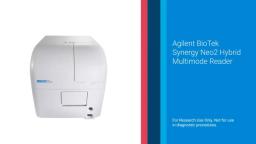
In this video, Dr. Joël Mailliet, Product Specialist at BioTek Instruments GmbH presents the Synergy Neo2 HTS multimode reader. The Synergy Neo2 combines patented hybrid optics, with unbeatable flexibility. Monochomator and fiber optics allow user-selected wavelengths and bandwidths, increasing assay specificity and selectivity. Optional gas control, autosampling and dual reagent injectors add versatility and flexibility, making the Synergy Neo2 ideal for fast, sensitive high throughput screening.
10 remarkable products accelerating science in the life sciences
Explore the products you’ve told us are advancing science and research in Life Sciences

Synergy Neo2 and Synergy H1 now available with expanded temperature control range
Both multi-mode readers feature a modular architecture so that researchers may purchase based on their immediate needs and upgrade the unit

New Digital Marketing Awards Recognize Scientific, Technological & Communications Excellence
Party during Neuroscience 2018 celebrates the importance of effective conversation between scientists and manufacturers

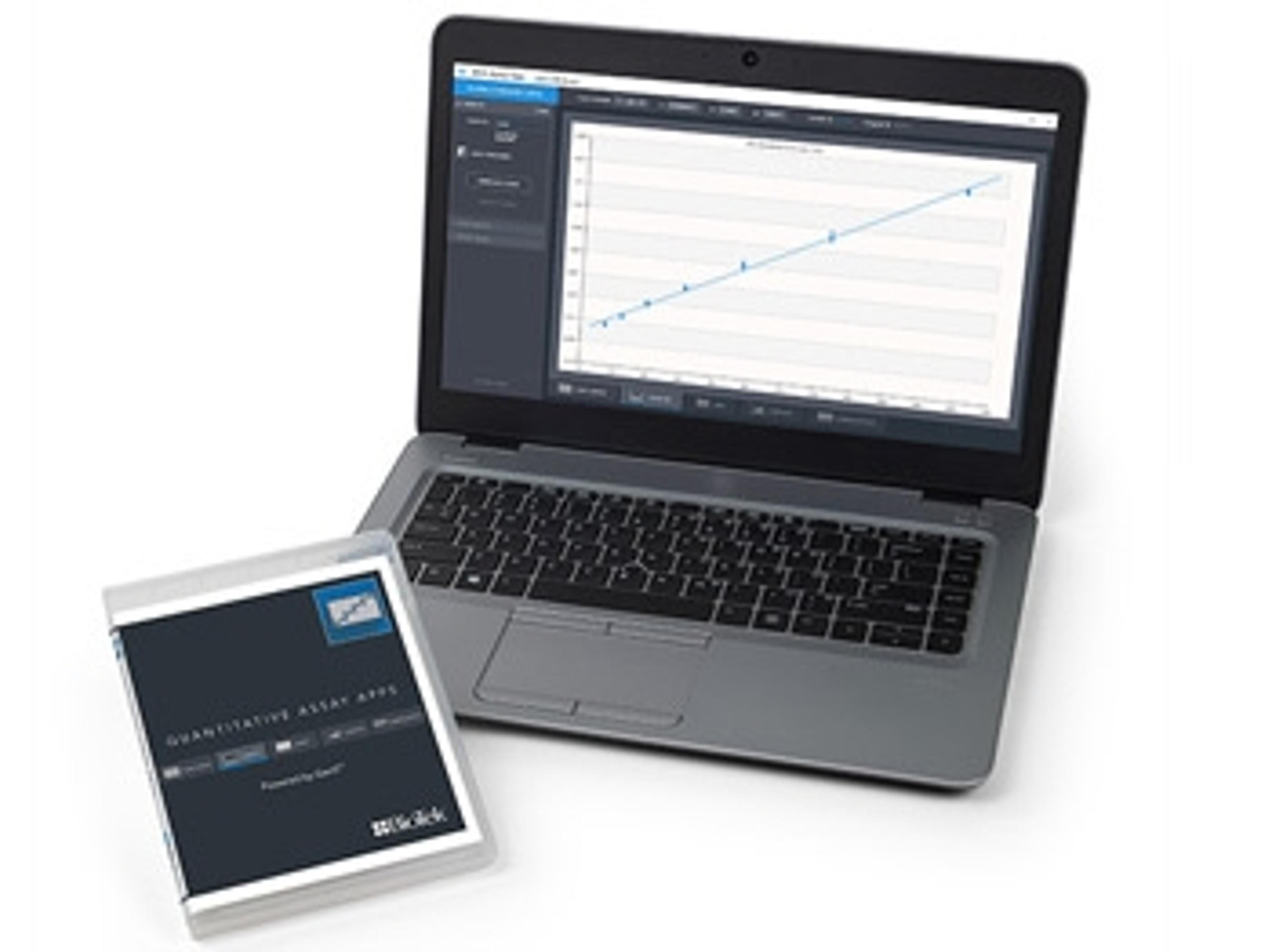
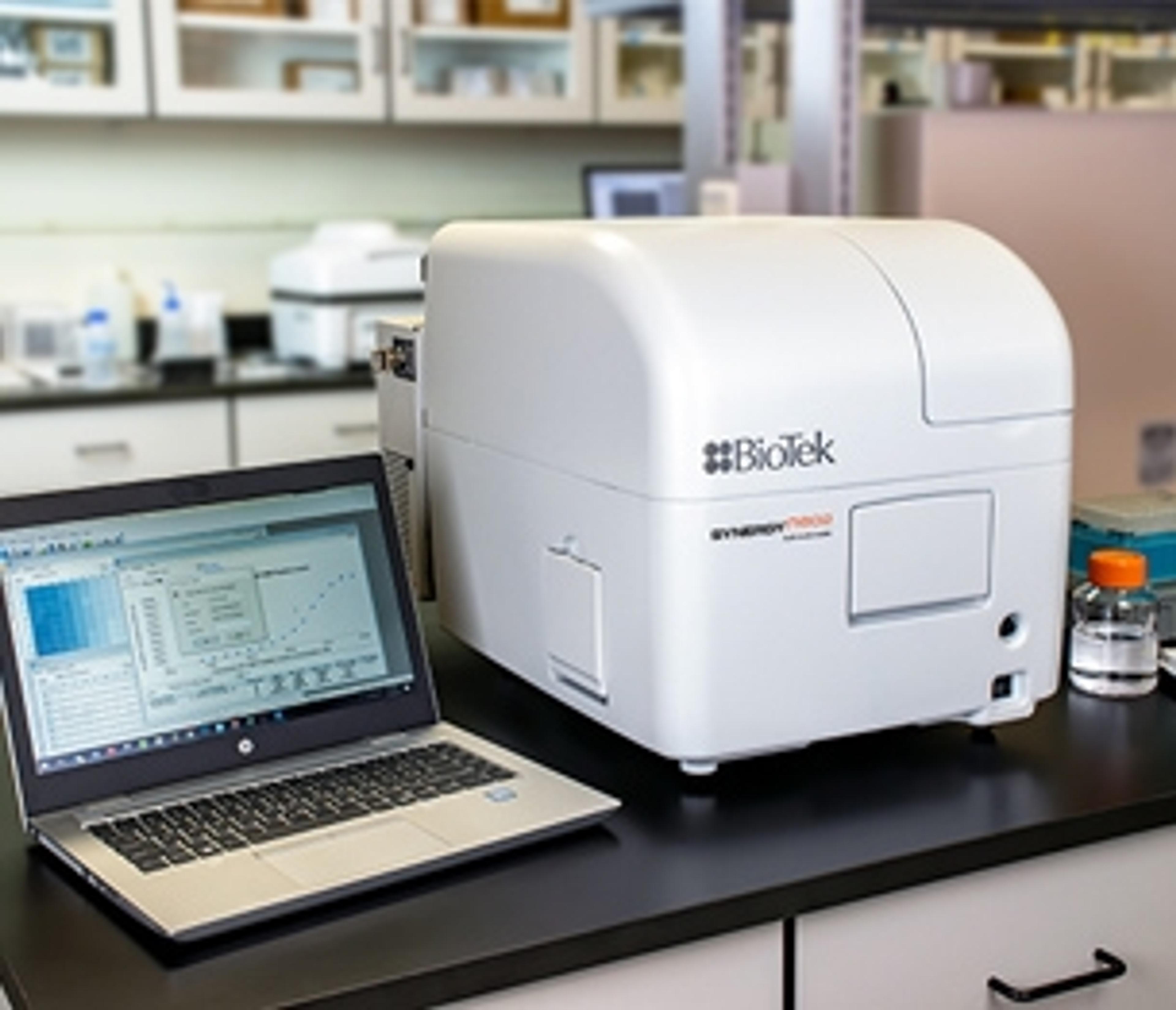

Synergy™ Neo2 Now Available with TRF Laser
BioTek’s multi-mode microplate reader now offers an optional time-resolved fluorescence (TRF) laser along with its existing range of capabilities

Drug Discovery Highlights of 2018: Innovative Technologies & Novel Approaches
SelectScience reflects on the biggest and best drug discovery stories of the year
Science Industry Celebrates Successful First Year of ‘Invaluable’ Seals of Quality
Waters, BioTek Instruments, PerkinElmer, Hamilton among the latest companies recognized for top-rated lab products that scientists worldwide love to use