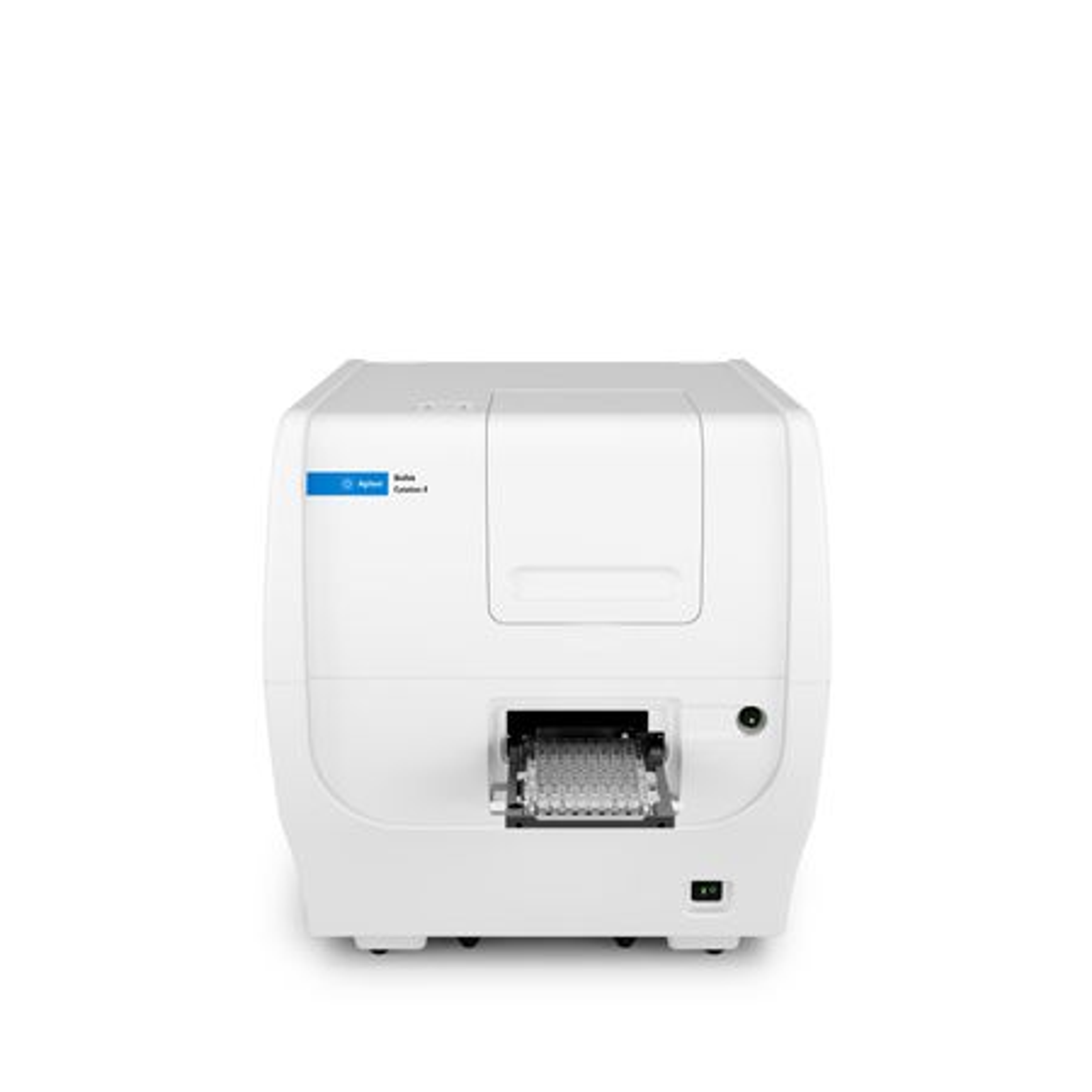
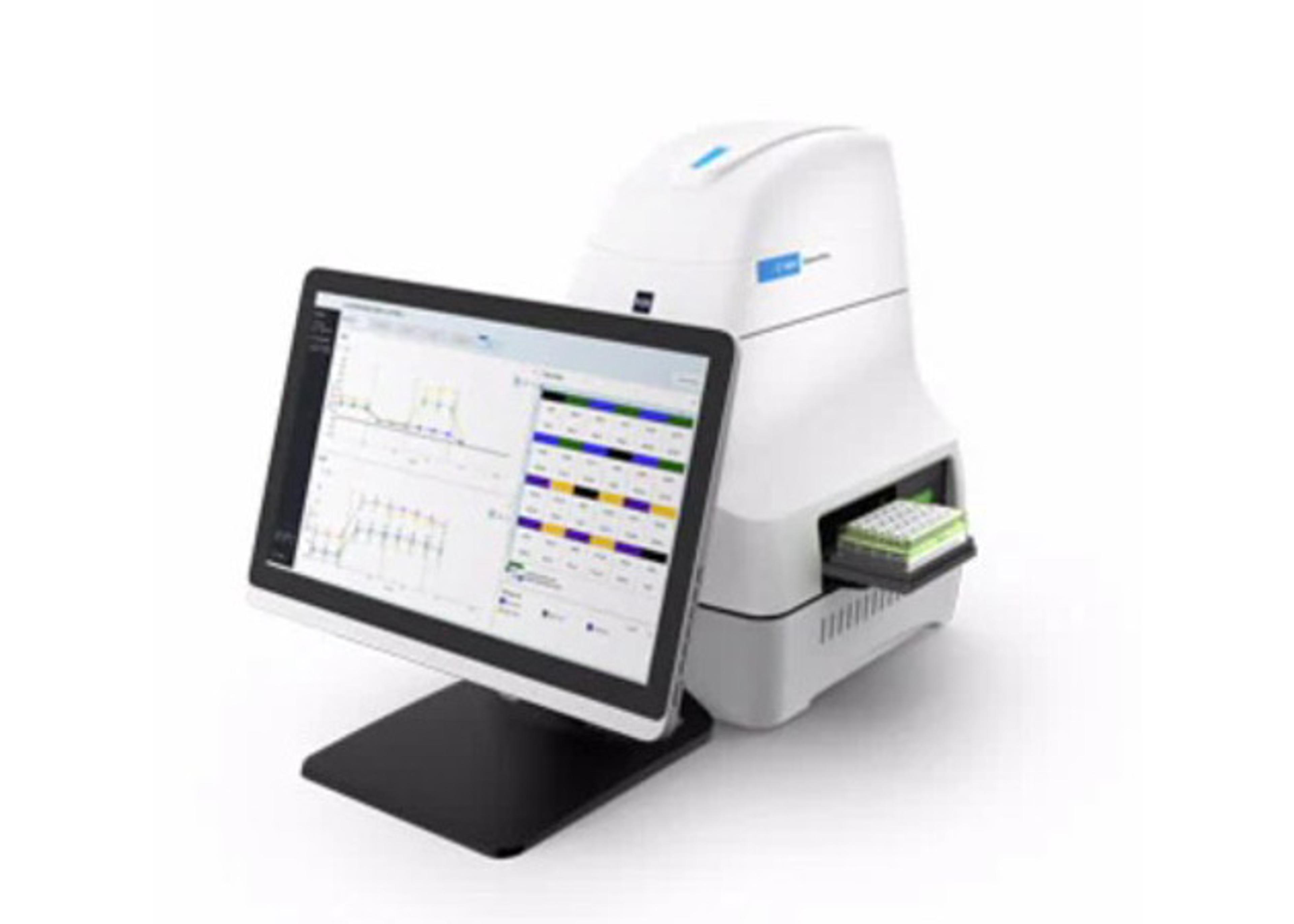
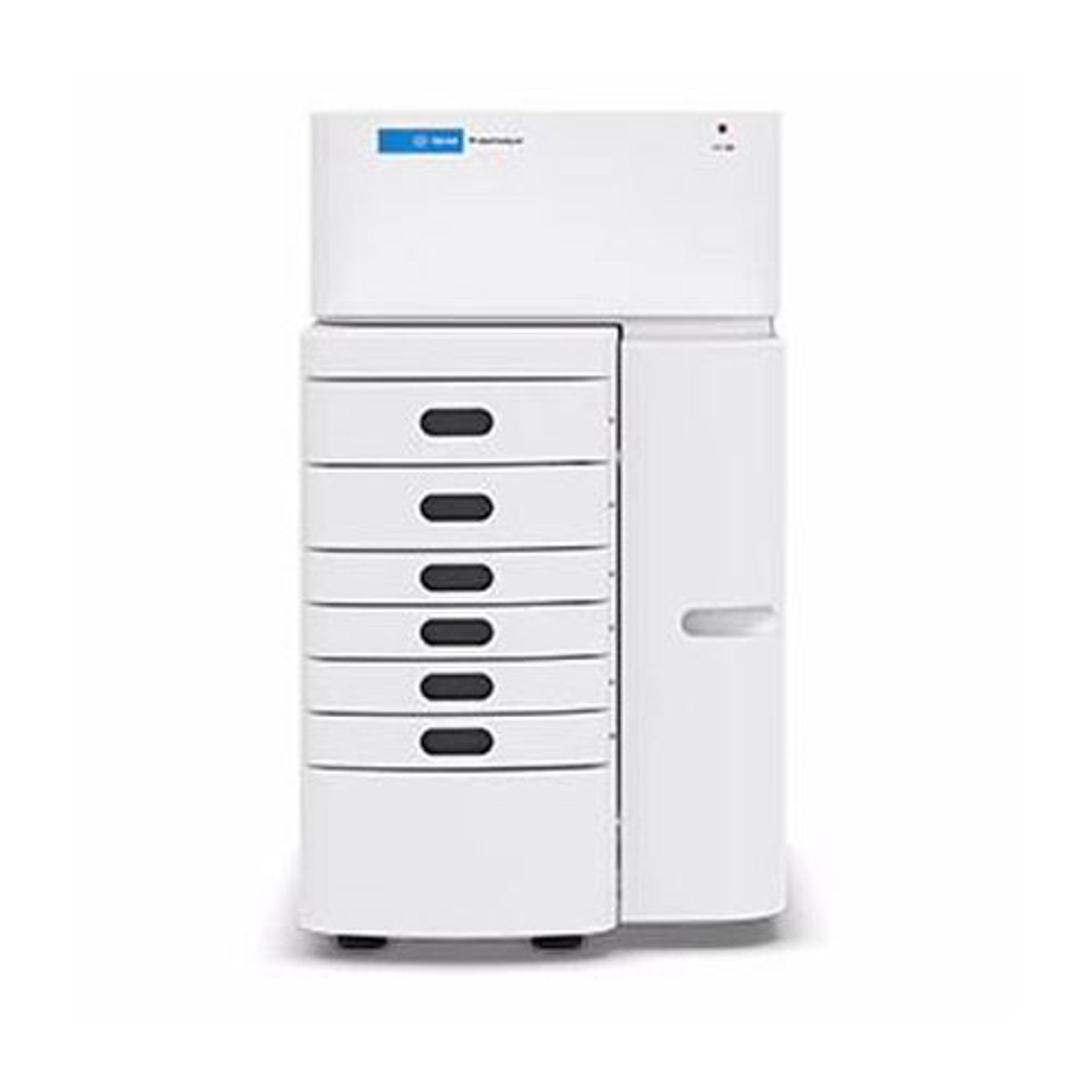
Agilent BioTek Synergy H1 Multimode Reader
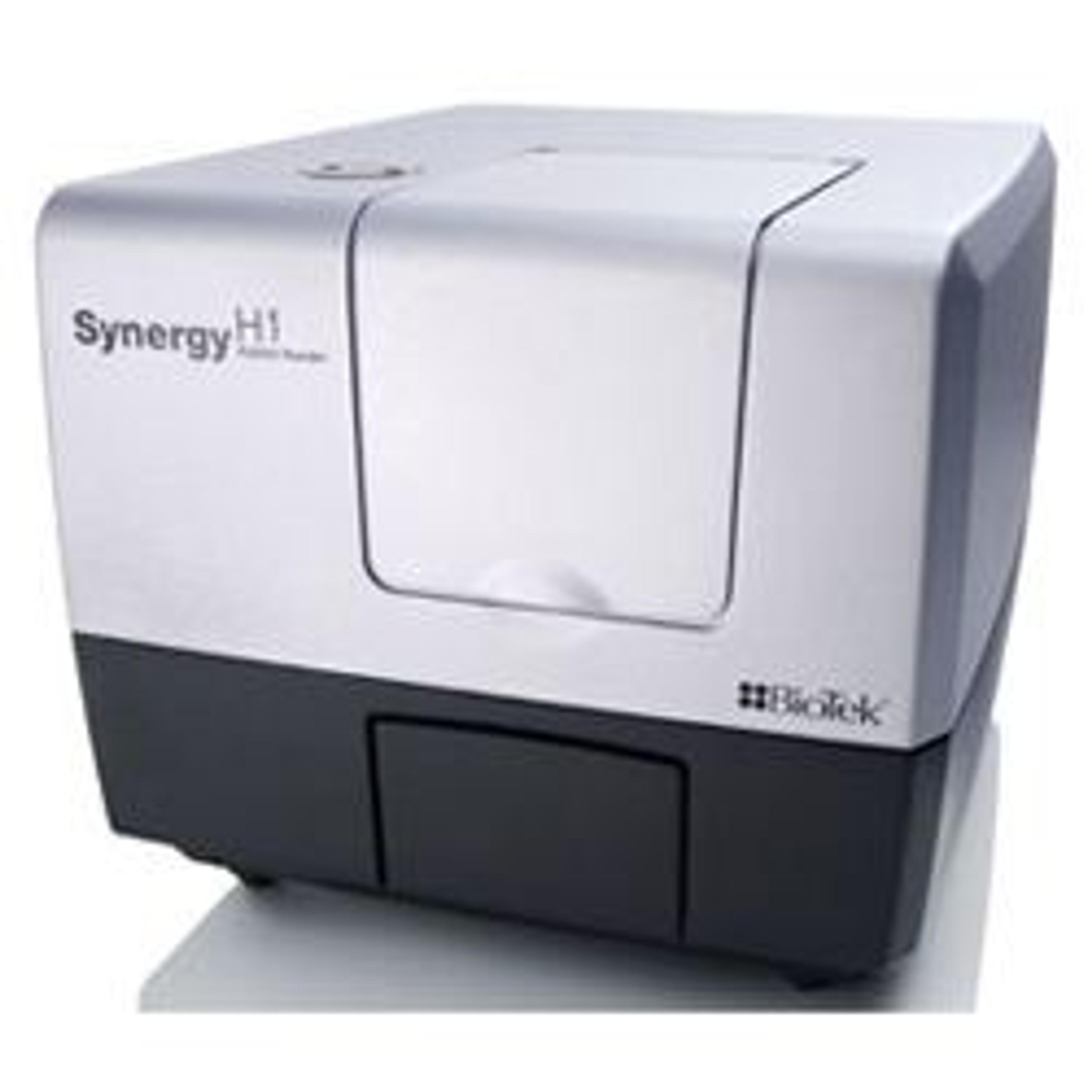
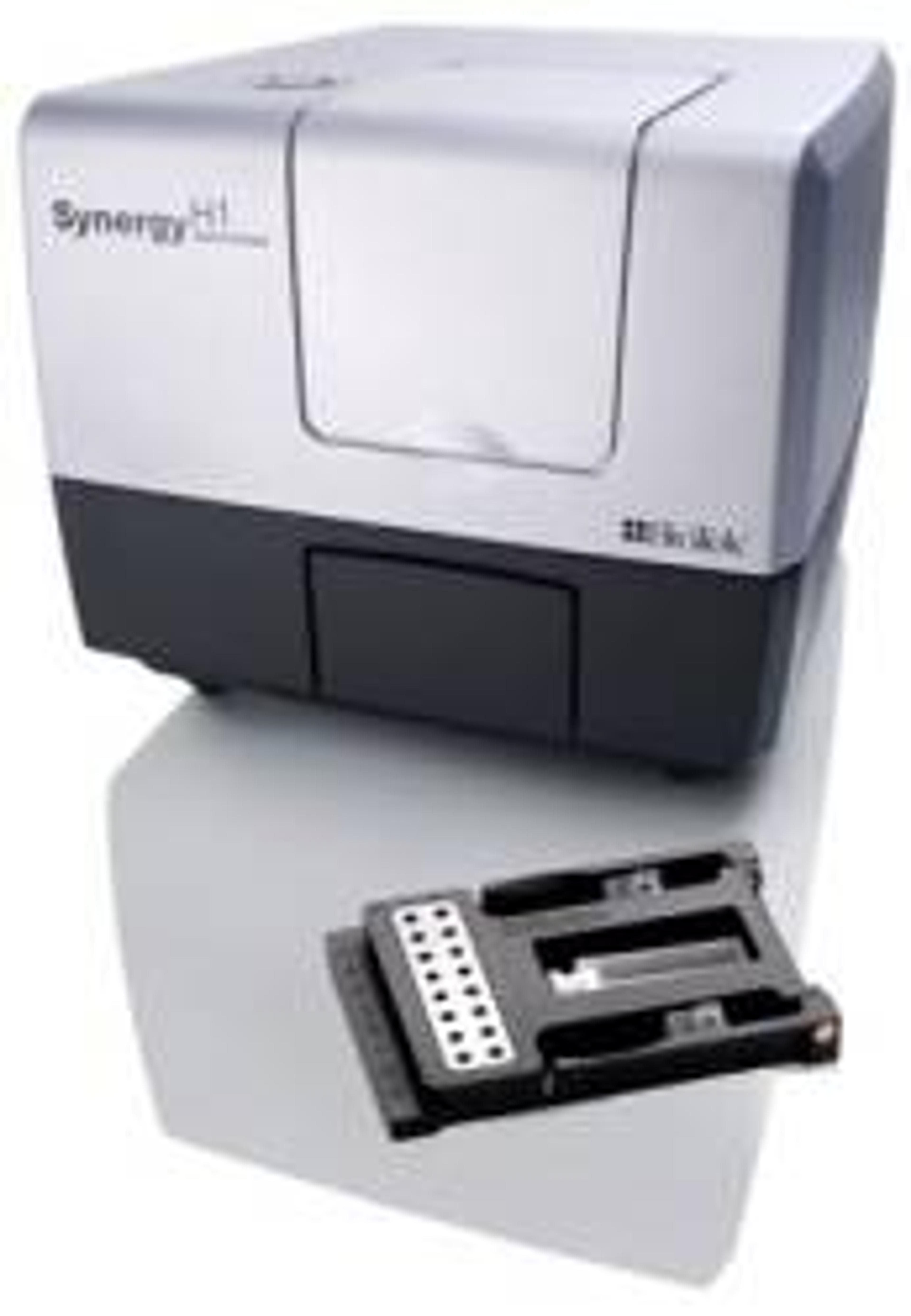
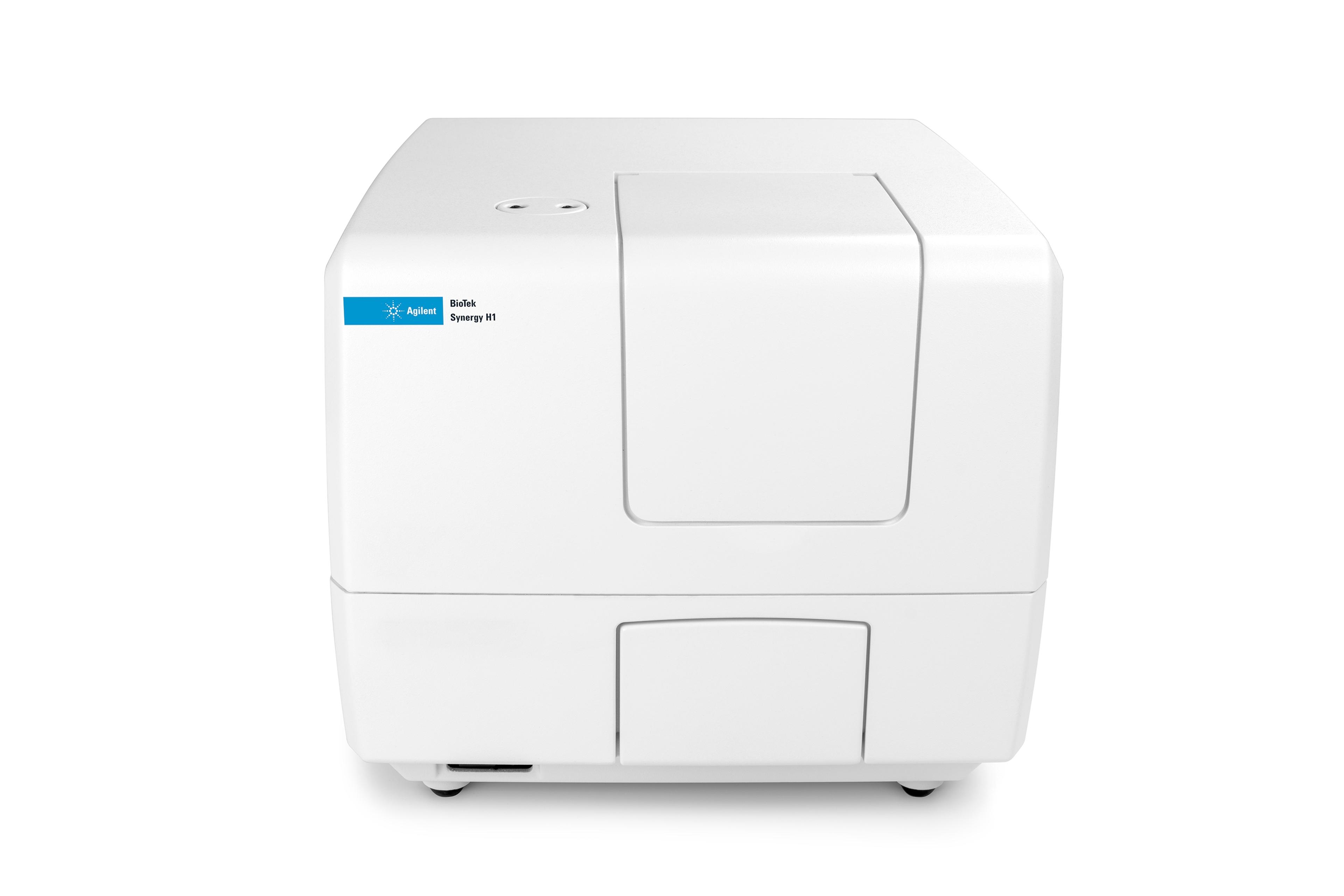
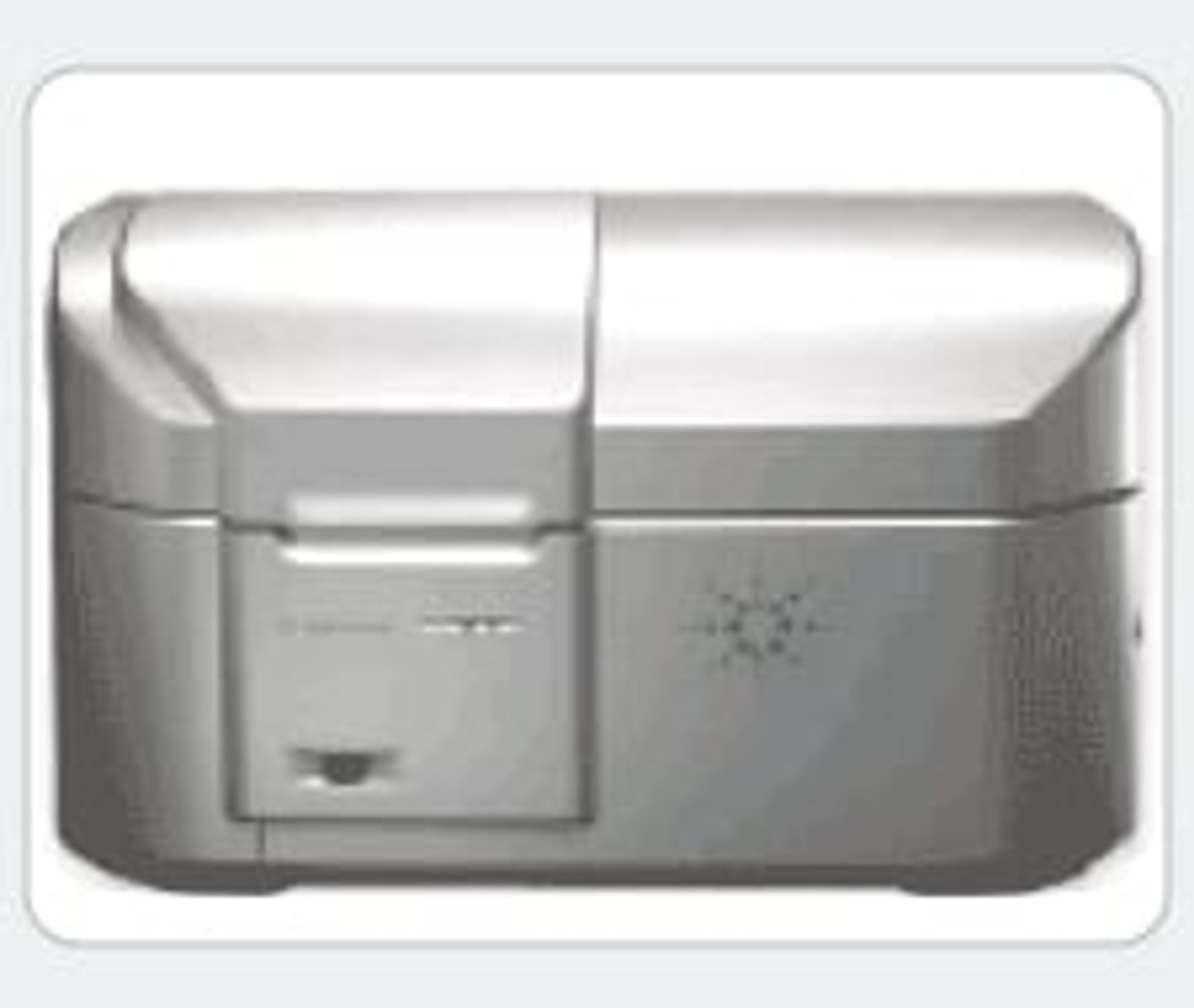
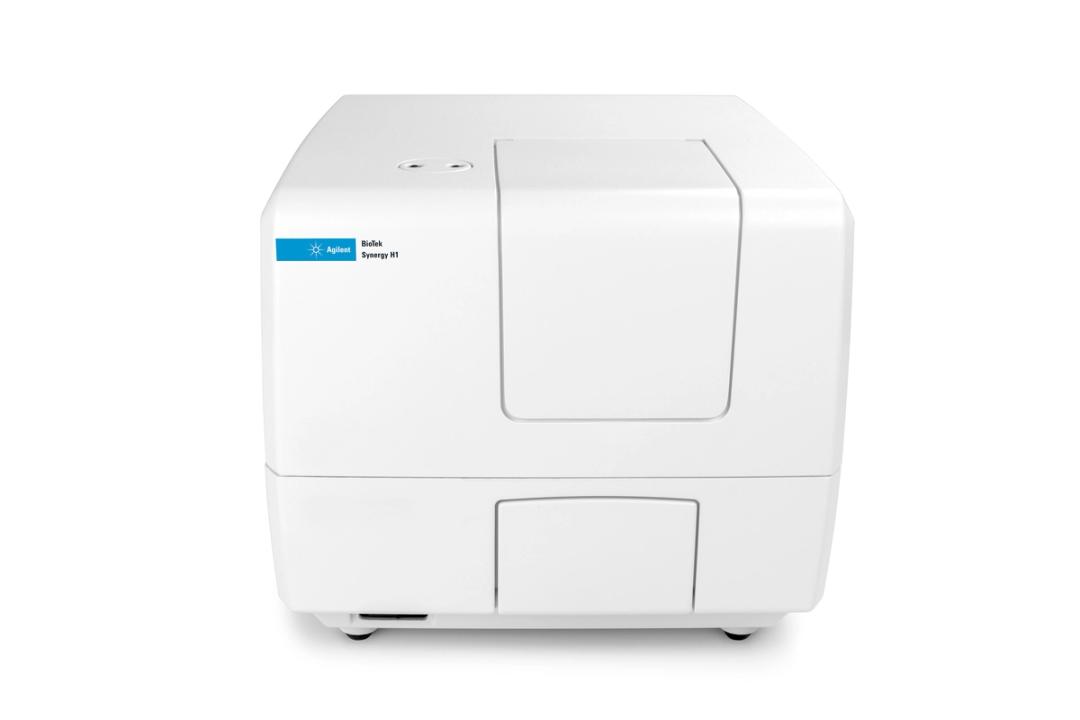
Agilent BioTek Synergy H1 is a modular multi-mode microplate reader, with monochromator-based optics and filter-based optics. The proprietary Hybrid Technology offers flexibility and sensitivity across a broad range of applications. The modular platform allows upgrading to expand functionality as your laboratory workflows change.



Receive your quote directly from the manufacturer.
Reliable multimode plate reader for longer time periods of absorption and fluorescence recording
Microbiology, FP expression, bacterial growth, MIC determination
In our laboratory, we work with bacteria and record growth curves over a period of hours to days. Therefore, a constant temperature and constant shaking to keep the bacteria in suspension are crucial. We also alternate between absorption (e.g. OD600) and fluorescence detection (synthesis of fluorescent proteins). Our Agilent Synergy H1 multimode plate reader reliably fulfills these requirements. In addition, we can use the area scanning mode to analyze the structure of large bacterial colonies.
Review Date: 12 Aug 2024 | Agilent Technologies
User-friendly and very fast
analyze protein binding and fluorescence
The Instrument is easy to use and the interface is user-friendly. Low downtime and fast processing save time and allow us to perform more experiments. Excellent post-sales service for any breakdown.
Review Date: 29 Sept 2023 | Agilent Technologies
Great instrument, would highly recommend if it fits your experimental needs.
Characterizing metal ion sensor activity and kinetics
Our lab purchased the BioTek Synergy H1 a few months ago and it has proven to be a great instrument so far, with many of the capabilities still to be utilized. It is versatile, customizable and very user-friendly, with a great software interface. In addition, data is consistent and experiments are easily repeatable and comparable, as long as you are conscious of and familiar with the limitations of your own experiment. I routinely use it for kinetics experiments lasting 12 hours, so the temperature control and the ability to build your own protocols make it great for compiling a large range of data that would otherwise be tedious to collect, and importantly, susceptible to human error.
Review Date: 7 Feb 2022 | Agilent Technologies
Good equipment and easy to use
Elisa, Fluorescence reader
Good equipment, High sensitivity, easy to use. For next versions, better change de filters mode and upgrade to a automatic wavelength change.
Review Date: 7 Feb 2022 | Agilent Technologies
Very user-unfriendly
Cell viability
I absolutely hated using this machine. It took forever to figure out how to set up my protocol and change the plate format. Also, I lost some of my data because apparently, I was creating multiple identical reports of the protocol instead of saving the latest plate reading. I've used a lot of lab equipment and never had such a problem with any of it. It's awful. I'd use the old SpectraMax if it weren't broken, that's how much I hate this thing.
Review Date: 7 Dec 2021 | Agilent Technologies
Best multi-reader on the market.
Kinetics, chemiluminescence, fluorescence
BioTek has the best after sales care. Gen5 software is very easy to use and reliable.
Review Date: 7 Apr 2021 | Agilent Technologies
Unquestionable product quality.
Analyze DNA in samples
BioTek's Synergy is an easy to use instrument that allows flexibility of assays and analysis. The customer support team and local rep have always been highly responsive to our lab's needs.
Review Date: 18 Nov 2020 | Agilent Technologies
Great results.
Immunoassays
I always get high quality and reproducible results. The support staff are very helpful.
Review Date: 18 Nov 2020 | Agilent Technologies
Reproducible results with many functionalities in one device.
Measuring reporter luminescence or fluorescence in mammalian cells
This device has many functionalities in one product. It's ability to measure absorbance (UV-Vis), fluorescence intensity and luminescence with a time-resolved measurement option which is great value for money. You only need to buy 1 device instead of separate pieces of equipment for each type of measurement. Also, the product gives reliable and reproducible results. I usually have 3 independent biological replicates (experiments I perform with live cells on different days from scratch) which generally have very little variation in measurements. Finally, the device is really easy to use with straightforward software that makes it easy to generate a protocol with different steps (setting temperature, shaking, reading, etc.) which can be also saved and used later. This would be the first instrument I'd want if I was establishing a laboratory.
Review Date: 31 May 2020 | Agilent Technologies
Provide accurate and precise results.
Biochemical analysis
I found the product effective to use and it provided highly precise and accurate result. It is easy to use, handle and clean.
Review Date: 26 Feb 2020 | Agilent Technologies
Agilent BioTek Synergy H1 is a modular multi-mode microplate reader, with monochromator-based optics and filter-based optics. The Hybrid Technology offers flexibility and sensitivity across a broad range of applications. The modular platform allows upgrading to expand functionality as your laboratory workflows change.
Synergy H1 offers continuously variable bandwidth monochromators for fluorescence excitation and emission wavelength selection. Fluorescence bandwidth can be set between 9 and 50 nm, in 1 nm increments, allowing users to fully optimize reader settings to drive the best assay performance compared to fixed bandwidth systems. The Agilent BioTek Gen6 data analysis software controls operations and provides powerful data analysis, exporting, and reporting.

Monitoring of Kinase Activity using Next-Generation CSox-Based Substrate Sensors
There are more than 500 protein kinases, many of which have been shown to be dysregulated in disease states and comprise greater than 30% of all drug developments. In this application note, researchers combine chelation-enhanced fluorescence (CHEF) with the sulfonamido-oxine (Sox) chromophore to measure the activity of protein kinases with a direct, homogeneous and continuous format.
Optimization of a Multi-Mode Detection Model for Measuring Real-time Cellular Respiration and Mitochondrial Function using Fluorophoric Biosensors
In this application note, new tools designed to optimize cellular metabolism characterization are discussed. One of these tools is a simple mix-and-measure assay compatible with a variety of cellular matrices that utilizes fluorophoric probes to measure oxygen consumption rates (OCR), extracellular acidification (ECA), and intracellular oxygen levels which are useful to inform on the activity of the electron transport chain (ETC) and glycolytic flux. These probes can be detected using standard fluorescence, time-resolved fluorescence, or lifetime fluorescence with reduced background and increased signal dynamic range dependent on the detection mode.
Monitoring Saccharomyces cerevisiea Growth with Brightfield Microscopy in Real Time
In this application note describes the use of the Lionheart™ FX Automated Live Cell Imager and the ONIX2 Microfluidic Platform to monitor yeast cell growth through the analysis of kinetic brightfield images of yeast cells under a variety of conditions in real time. The yeast under inspection is the yeast Saccharomyces cerevisiae. Strains of the yeast Saccharomyces cerevisiea serve critical roles in the production of many different products including food staples, medicines, and biofuels.
Optimization of a Multi-Mode Detection Model for Measuring Real-Time Cellular Respiration and Mitochondrial Function Using Fluorophoric Biosensors
Characterization of cellular metabolism is being aided by the development of new tools designed to provide ease-of-use, higher throughput, and multiplexed data markers for analysis. This application note demonstrates that Luxcel probes can be detected using a variety of BioTek readers to inform cellular metabolic analysis. The results also show that BioTek readers and Luxcel probes are compatible for analyzing extracellular oxygen consumption rates and intracellular O2 levels of live cell response to drug treatment.
UV Fluorescence Polarization as a Means to Investigate Protein Conformational and Mass Change Using Intrinsic Tryptophan Fluorescence in Conjunction with UV-capable Polarizers
The essential amino acid tryptophan is intrinsically fluorescent with excitation in the UV range of the spectrum. This physical characteristic can be used to investigate peptides and proteins that contain this amino acid. This application note describes the use of the Synergy H1 reader in conjunction with UV-capable fluorescence polarizers to investigate conformational and mass changes of proteins in solution.
Synergy™ Microplate Readers and HTRF® Detection
This application guide discusses the principles of HTRF® detection and proximity assays in general based on time-resolved fluorescence resonance energy transfer. Learn how the Synergy™ product line of Multi-Mode Microplate Readers has been designed specifically for high performance HTRF assays and finally describe some specific applications pertinent to modern drug discovery for both small molecule and biomolecular putative therapeutics.
Validation And Comparison Of Single-Step Flash And Dual-Spectral Luciferase Reporter Gene Assays Using The Synergy™ Line Of Microplate Readers
Here we investigate the performance of a new type of dual luciferase assay using two luciferases with spectrally resolvable light emissions in either 96- or 384-well density microplates using the Thermo Scientific Gaussia-Firefly Luciferase Dual Assay or Gaussia and Renilla Luciferase Flash Assay Kits, respectively. Assay optimization was performed and assay performance was compared across several BioTek Synergy™ Multi- Mode Microplate Readers configured with injectors using lysate containing expressed luciferase enzymes.
Spectrophotometric Nucleic Acid Quantification in Microplates and Micro-Volumes
There are fluorometric and spectrophotometric methods for nucleic acid quantification. The former is used for applications requiring high sensitivity due to minute available amounts of nucleic acid; the latter is more conventionally used from common nucleic acid extraction procedures. In this application guide discusses spectrophotometric methodology as performed in microplate instrumentation and in specialized micro-volume accessories.
An Automated DELFIA ADCC Assay Method using a CD16.NK-92 Cell Line
This application note discusses an automated, non-radioactive ADCC assay used in mAb immunotherapeutic development. Results demonstrate that when automated using Biotek instrumentation, the cell-based assay reduces active labor time. In addition, an increase in consistency and robustness are shown over time and across users.
Automated Bioluminescent ADCC Reporter Bioassay Using Bioengineered Jurkat Cells
This application note demonstrates a simple, homogeneous, non-radioactive, mix-and-read assay platform for ADCC studies using luminescent detection and genetically engineered cells. The combination of assay chemistry, appropriate cell models, and automated instrumentation can increase productivity and throughput, simplify processes, and generate high-quality, reproducible results for the discovery of new antibody therapeutics.
Biocontrol of Invertebrate Pests Using Natural Agents: Investigating Host-Pathogen Interactions with the BioTek Synergy H1
Biocontrol agents provide a safer alternative to chemical pesticides and insecticides for the agricultural and forestry industries, as well as human health. In this video, Dr Bethany Greenfield, Post-Doctoral Research Assistant in the Biocontrol and Natural Products (BANP) Group at Swansea University, describes her research into the use of Metarhizium anisopliae for the control of mosquitoes. Hear how the BioTek Synergy H1 enables the group to efficiently perform a range of analyses, from protein quantification to measuring insect stress response.

Synergy Neo2 and Synergy H1 now available with expanded temperature control range
Both multi-mode readers feature a modular architecture so that researchers may purchase based on their immediate needs and upgrade the unit

Synergy H1’s continuously variable bandwidth monochromators optimize assay performance
These monochromators aim to achieve greater levels of assay sensitivity and specificity compared to fixed bandwidth systems