Meet your winners in the 2022 Scientists’ Choice Awards for Life Sciences

Beckman Coulter Life Sciences, Zymo Research, and Corning Life Sciences among those recognized at AACR 2022

11 Apr 2022

Blake Forman
Content Creator

Editorial article

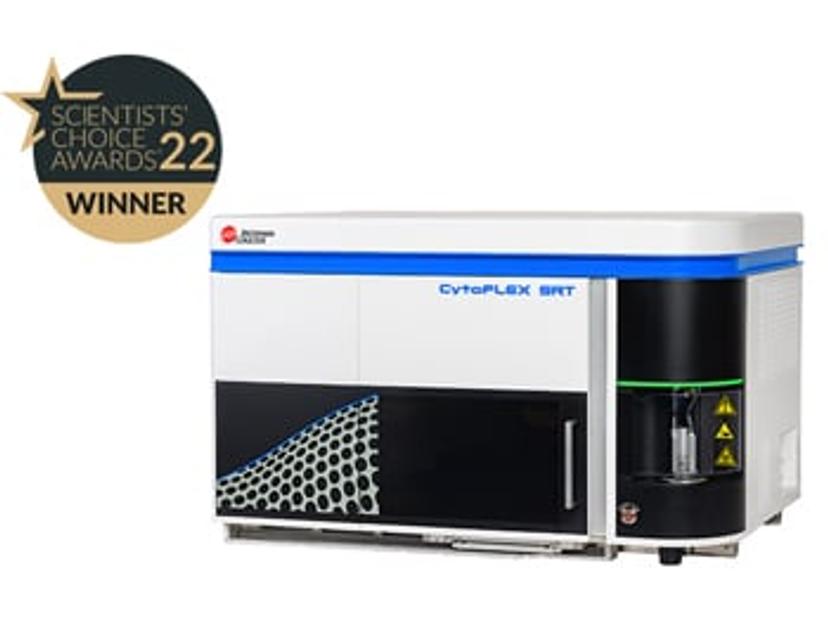
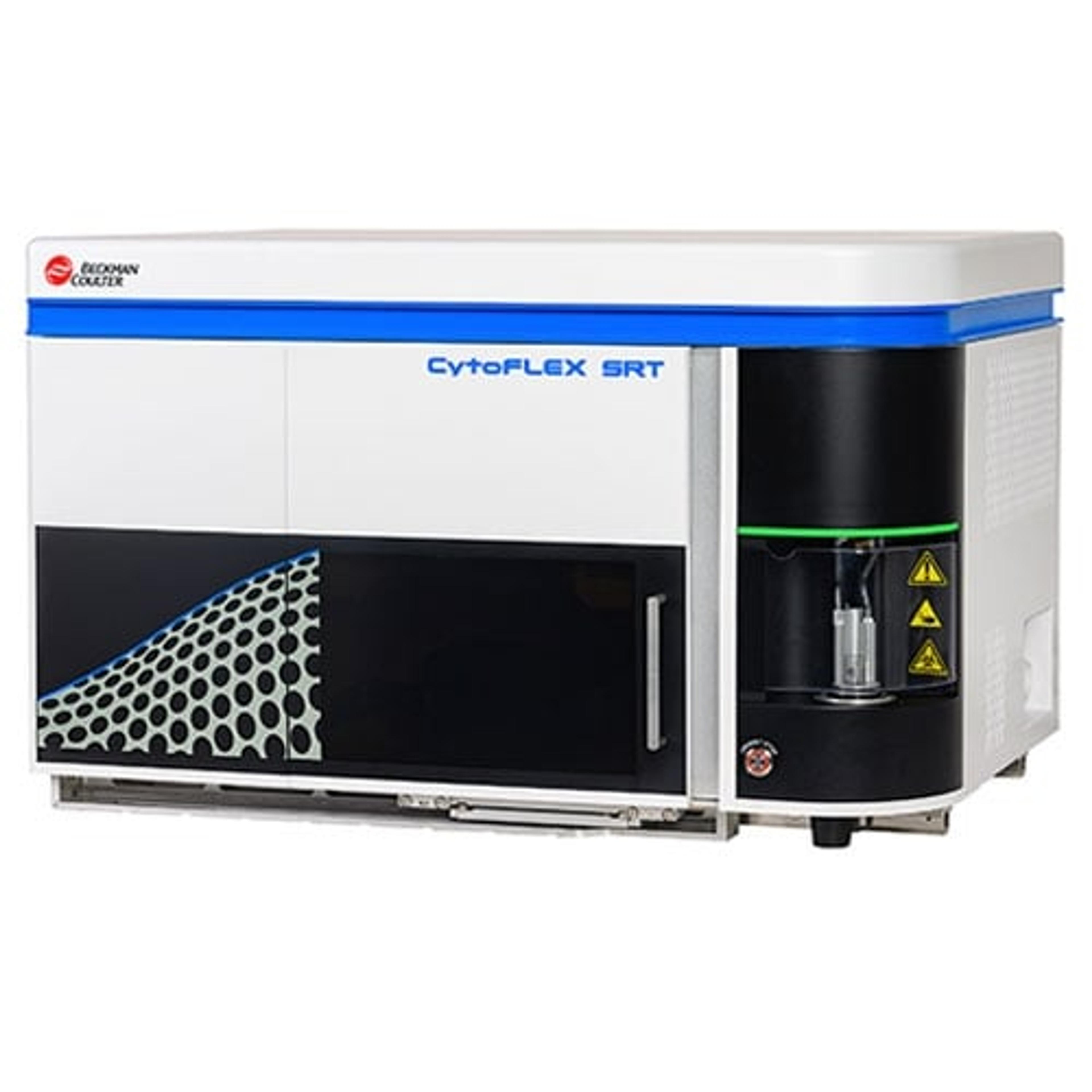
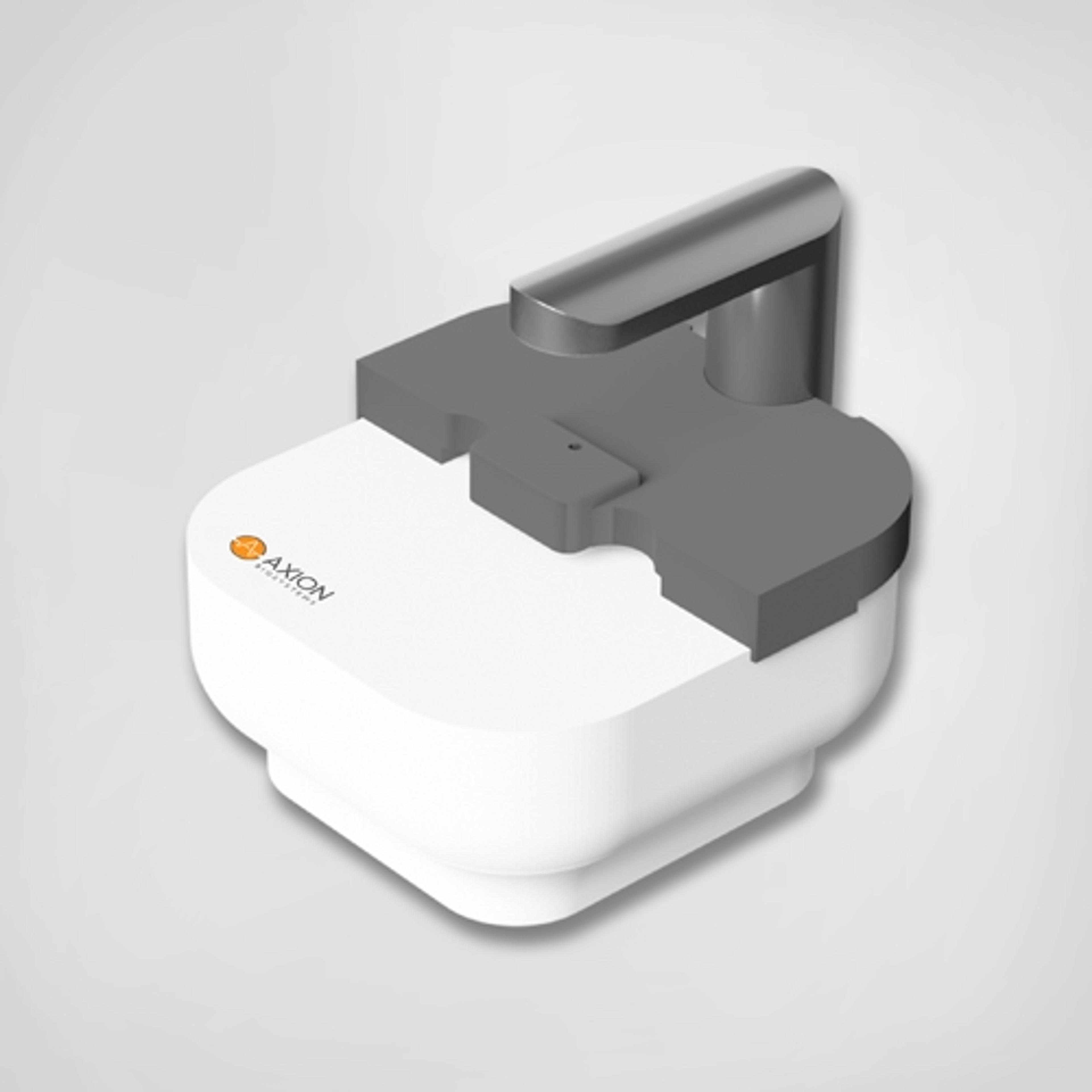
CytoFLEX SRT Benchtop Cell Sorter wins Best New Life Sciences Product 2022
CytoFLEX SRT Benchtop Cell Sorter from Beckman Coulter Life Sciences is the winner of Best New Life Sciences Product of 2021

The world’s most innovative and effective life science technologies have been recognized at the American Association for Cancer Research (AACR) Annual Meeting in New Orleans, USA. Winners of the 2022 Scientists’ Choice Awards® were announced live by SelectScience CEO, Kerry Parker, and Editor, Dr. Lois Manton-O’Byrne, to an audience of industry leaders and scientists.

Now in their 15th year, the awards are unique in the industry as they are chosen by scientists. Each year, we invite scientists around the globe to participate by nominating, reviewing, and voting for the lab products that have had the greatest impact on their work. This year, more scientists than ever got involved — read on to reveal their chosen winners.

Best New Life Sciences Product of 2021

The award for Best New Life Sciences Product of 2021 goes to the CytoFLEX SRT Benchtop Cell Sorter by Beckman Coulter Life Sciences, as voted for by scientists around the world.

The CytoFLEX SRT Benchtop Cell Sorter is a benchtop sorter capable of complex sort logic, including 4-way sorting, mixed mode sorting, and the ability to catch aborts and preserve precious cells. The Violet-Blue-Yellow Green-Red (V-B-Y-R) Series has 15 fluorescent detectors when fully activated. It can be purchased with as few as five with an option to activate additional lasers and detectors with an activation key.

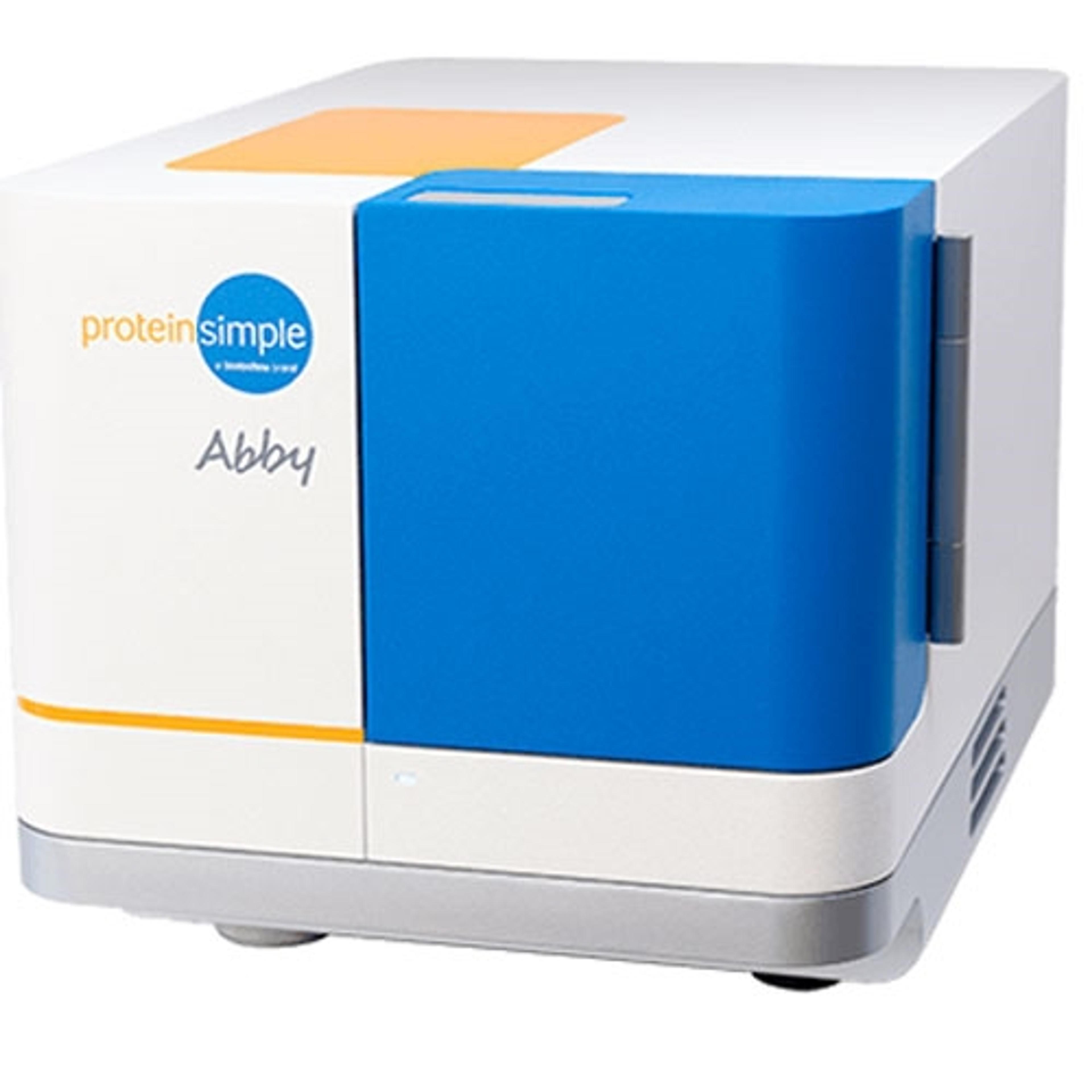
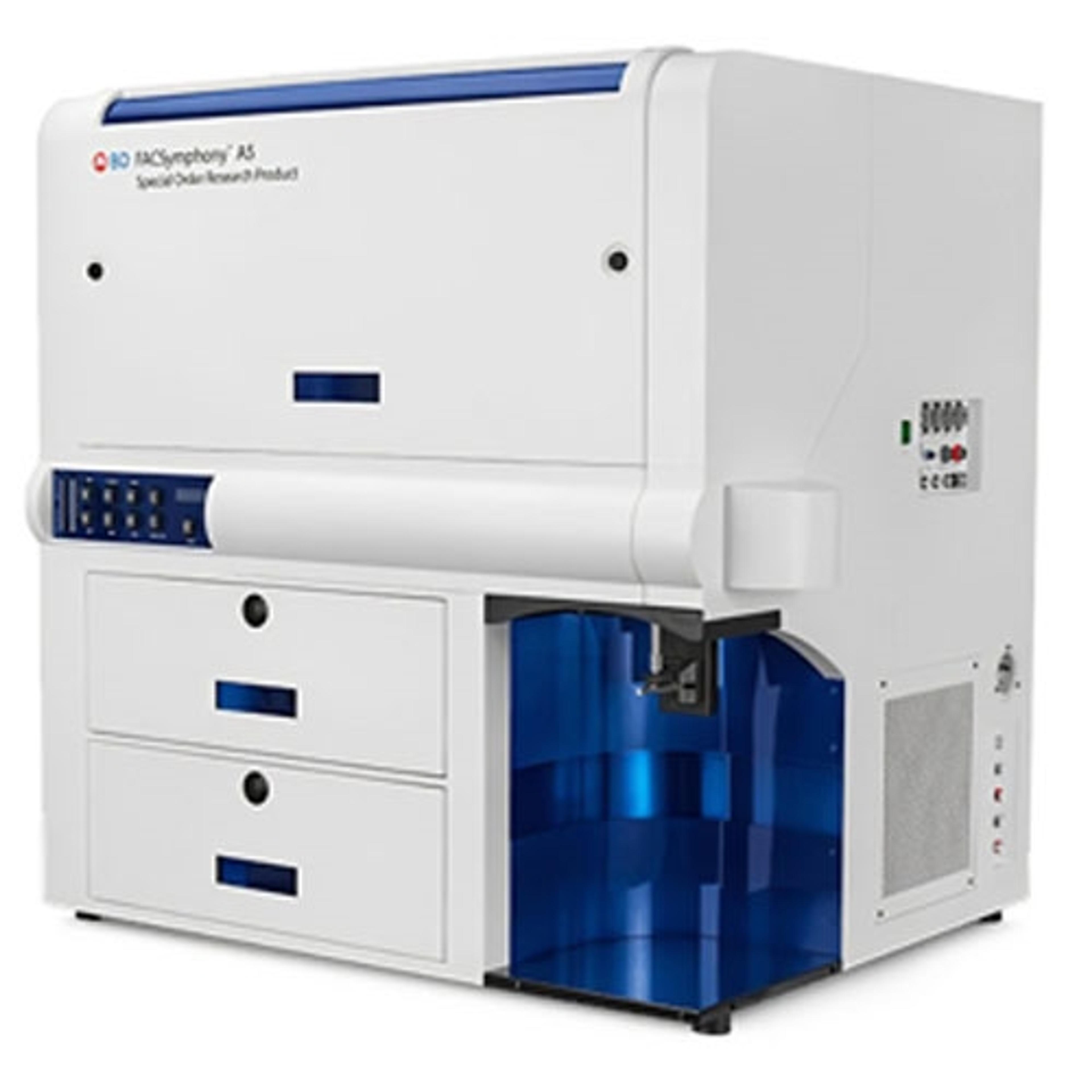
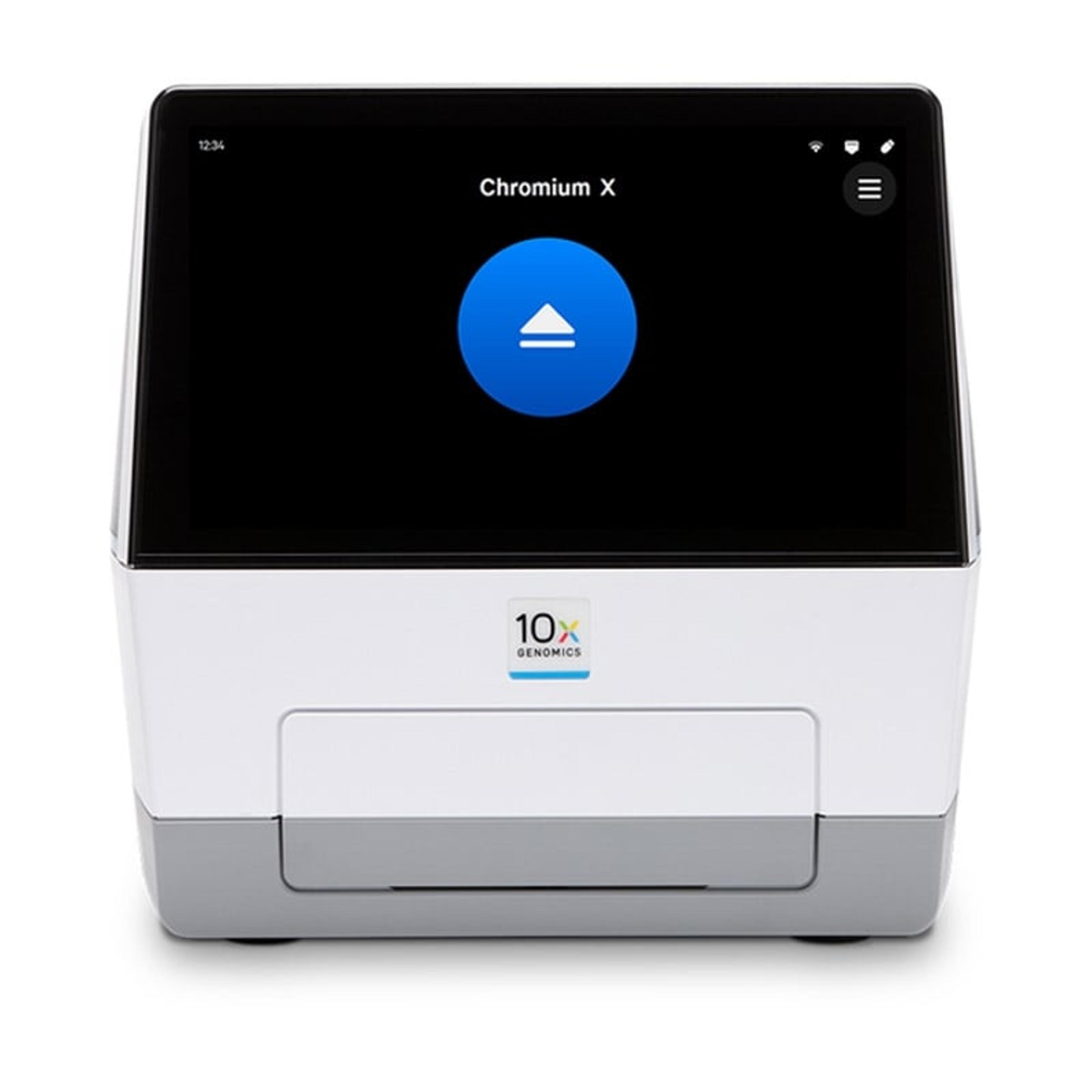
Your runners-up are:

Life Sciences Reviewer of the Year

Communication in science has never been more important. Each month, hundreds of scientists share their opinions and experiences of lab products through reviews on SelectScience and these awards would not be possible without this valuable input.

This new award goes to someone we consider to be a real champion of science communication: Samer Sansil, core staff scientist at Moffitt Cancer Center, and SelectScience reviewer. Find out why Sansil believes lab product reviews are so important in this article>>

“We’re very fortunate to have SelectScience as a platform that bridges the gap between researchers and manufacturers but also provides an innovative outlet for scientists to present their expertise.”

Saner Sansil, core staff scientist, Moffitt Cancer Center

Reviewers' Choice: Life Sciences Company of the Year

This year’s coveted Reviewers’ Choice Award for Life Sciences Company of the Year goes to Zymo Research, in acknowledgment of the consistently positive feedback it has received from scientists sharing their opinions via reviews on the SelectScience website over the past year.

Reviewers' Choice: Life Sciences Customer Service of the Year

In recognition of receiving consistently positive after-sales feedback from scientists around the globe via SelectScience reviews, DeNovix takes home the customer service award.

Life Sciences Video Interview of the Year – in association with The Scientists’ Channel

Scientists' Choice Awards winner of the Video Interview of the Year
Emmanuel Okwelogu accepts the award for Life Sciences Video Interview of the Year

This year’s winning video ‘How biomarkers can identify cancer in its early stages' is an interview with Emmanuel Okwelogu a Ph.D, researcher at the University of Manchester, UK.

In the winning video, Okwelogu discusses his research using 2D nanomaterials for the discovery of novel biomarkers that can aid the early detection of certain cancers. Okwelogu also highlights how biosafety cabinets from NuAire, Inc. are critical to preventing downstream experimental failures. In a short acceptance video, Okwelogu highlights the impact a global platform like The Scientists' Channel has on progressing scientific advancements.

Watch here

Life Sciences Virtual Summit Presentation of the Year

This year’s winner of Life Sciences Virtual Summit Presentation of the Year is Dr. Tone Frost Bathen, Head of the MR Cancer Group, in collaboration with Bruker BioSpin for her presentation ‘NMR-based metabolomics in breast cancer research’. This presentation was presented at the SelectScience® Virtual Cancer and Immunology Research Summit 2021.

Life Sciences Editorial Article of the Year

This year’s winning article is titled ‘Here’s how experts are breaking down barriers in flow cytometry’ and features technology from Thermo Fisher Scientific.

In this exclusive interview, Dr. Kathryn Fox reveals how she is overcoming flow cytometry limitations in her role as an instrumentation technologist at the Carbone Cancer Center at University of Wisconsin-Madison School of Medicine and Public Health, and describes how the Attune CytPix Flow Cytometer from Thermo Fisher Scientific helps her customers improve the quality of their research.

“I’m delighted to hear that our work is interesting and helpful to scientists beyond our own facility. I’m grateful to SelectScience for their role in sharing information that helps us all improve our research. I hope this article will encourage scientists to look for opportunities to get more impact from their experiments without having to make huge changes to their work.”

Dr. Kathryn Fox, instrumentation technologist, Carbone Cancer Center

Winners of the Life Sciences Scientists' Choice Awards 2022 collect their awards at AACR
Clockwise from top left: Amy Jeffries, Beckman Coulter Life Sciences, collects the award for Best New Life Sciences Product. Alejandro Montoya, Corning Life Sciences, collects the award for Life Sciences Application eBook of the Year. Victoria Yatsula, Sartorius Group, collects the award for Life Sciences Email of the Year. Glen Gregory, Bruker BioSpin, collects the award for Life Sciences Virtual Summit Presentation of the Year.

Life Sciences Application eBook of the Year

The Life Sciences eBook of the Year Award goes to Corning Life Sciences for ‘Liquid handling: A guide to pipetting success'. This application compendium presents a guide on how to enhance liquid handling procedures and effective ways to achieve optimum results using Corning® Lambda™ EliteTouch™ Pipettors.

Life Sciences Webinar of the Year

This year’s Webinar of the Year is awarded to 10x Genomics. The webinar, titled ‘What is single-cell sequencing and why does it matter?’, available to watch on demand, discusses different methods commonly used for single-cell sequencing, with a focus on gene expression.

Life Sciences Email of the Year

The winner in the Email of the Year category goes to ‘Immune cell characterization: Flow cytometry explained', from Sartorius Group. The winning email featured a free download of a new eBook on how to apply flow cytometry to investigate T cell phenotype and function.

Seals of Quality logos
There are four levels of Seal of Quality — Platinum, Gold, Silver, Bronze — which are allocated to products based on the number of reviews they receive from scientists and the average rating of those reviews

Seals of Quality at the AACR Annual Meeting

Alongside this year’s Scientists’ Choice Awards for Life Sciences celebration, we announced a new recipient of the coveted Seals of Quality, in recognition of outstanding feedback from scientists globally.

Seals of Quality recognize the top 0.1% of products that consistently receive the highest customer review ratings on SelectScience® and are designed to help scientists and healthcare professionals worldwide immediately recognize the instruments and services their peers rate the highest.

The CLARIOstar® Plus Multi-mode Microplate Reader from BMG LABTECH has earned a Silver Seal for receiving 79 reviews, with a respectable star rating of 4.8 out of 5. Reviewer Andrew Reece, Southern Research, commented: “We are extremely happy with both the performance of our instrument and the high level of customer care we receive from the BMG brand.”

Seals of Quality awards were also presented to previous winners, including:

Your reviews make a difference

The Seals of Quality started in 2017, with the goal to assist scientists in making important purchasing decisions by recognizing the products that have consistently received the highest review ratings. There are now over 72 lab products currently permitted to display a SelectScience® Seal of Quality.

New Seals of Quality are announced quarterly and alongside the Scientists’ Choice Awards.

SelectScience CEO, Kerry Parker, said: “I would like to take this opportunity to thank all our reviewers around the world for sharing their valuable opinions and also to congratulate these new Seal of Quality winners, who have been recognized by the people who matter most, their customers.”

Do you use any of these lab products? Share your opinion today by leaving a lab product review>>

Visit the Scientists’ Choice Awards website for more information

Links

Tags

AntibodiesAntibodies are used in techniques such as confocal and fluorescence microscopy, flow cytometry, ELISA, ELISPOT, immunohistochemistry, western blotting and immunopreciptation. Select specific antigen reactivity, high specific affinity, low non-specific binding, monoclonal or polyclonal, primary or secondary antibodies and associated conjugates such as an enzyme or dye for visualization.Western BlottingWestern blotting equipment is used to transfer and identify specific proteins within a sample, reveal protein modifications, as well as give a semi-quantitative estimation of their concentration. Western blotting equipment includes all apparatus necessary to transfer proteins from gel to membrane and subsequent processing steps. Protein transfer can be performed by electroblotting with wet, semi-dry and dry transfer systems onto nitrocellulose and PVDF membranes. Blocking, washing and labeling of membranes follows, involving buffers, blocking reagents, blotting / incubation trays, labeling reagents, immunoblotting assays, antibodies and conjugates. Automated equipment for these steps is available to accelerate your lab workflow. Finally, detection and imaging of proteins can be conducted using gel documentation and imaging systems. Find the best western blotting equipment in our peer-reviewed product directory: compare products, check customer reviews and receive pricing direct from manufacturers.Cell / Tissue CultureCell culture or tissue culture is used to study the biology of cells or tissues and to isolate cellular products in an environment which can be manipulated and well defined. Accurately control your culture environment with bioreactors or culture incubators, bind your cells to a surface or together with an extracellular matrix. Distinguish cell types with differential media or proliferate cells with certain characteristics using selective media. Enrich your media with supplements such as growth factors, sera and vitamins. Find the best cell and tissue culture products, kits and equipment in our peer-reviewed product directory: compare products, check customer reviews and receive pricing direct from manufacturers.ELISAEnzyme-linked immunosorbent assays (ELISA), also known as enzyme immunoassays (EIA), are used for the detection and quantification of proteins, peptides and antibodies in a sample. ELISA often comes in kit format, with pre-selected antibody pairs to detect specific proteins or biomarkers of diseases such as diabetes and obesity, or cardiovascular and neurological disorders. Detection is made possible with chemiluminescent, fluorescent or colorimetric substrates and detection instruments such as microplate / ELISA readers. Other kits available include: Enzyme-linked immunospot (ELISPOT) assays for the quantification of protein-producing cells and chemiluminescent immunoassays (CLIA) kits. Find the best ELISA kits and products in our peer-reviewed product directory: compare products, check customer reviews and receive pricing direct from manufacturers.MicroplatesMicroplates are multi-well plates used to increase the throughput of biological investigations. The number of wells microplates contain can range from 6 to 3243 wells, with the 96-well format being the most commonly used. Microplates can come tailored for a range of applications including cell culture, PCR, filtration, storage, non-binding surface, protein crystallization, as well as pre-coated, deep well and normal Standard microplates. Additionally, options for microplate colors include clear , black, white or black with clear bottom and white with clear bottom for absorbance microplate reader applications. Find the best microplates for your lab in our peer-reviewed product directory: compare products, check customer reviews and receive pricing direct from manufacturers.PCR and Thermal CyclingPolymerase chain reaction (PCR) kits and thermal cyclers are used for the in vitro amplification of DNA permitting subsequent analysis and experimental procedures. Explore a range of high-quality polymerase, primers and nucleotides or simplify your workflow with a PCR mastermix. Find reverse transcription PCR (RT-PCR) and cDNA synthesis kits for RNA products and libraries. Quantitatively measure the amplification of DNA with real-time PCR (qPCR) and droplet digital PCR (ddPCR) kits and systems, and discover automated PCR setup solutions to increase throughput. Alternative DNA amplification methods also include recombinase polymerase amplification (RPA) kits. Find the best PCR kits and thermal cyclers and purification equipment in our peer-reviewed product directory: compare products, check customer reviews and receive pricing direct from manufacturers.Gel Doc / Image AnalysisGel documentation (gel doc) or gel imaging systems are used for the analysis of proteins, antibodies and nucleic acid immobilized in polyacrylamide or agarose gels, membranes or microarrays. Explore a range of a gel imaging systems, densitometers, scanners, transilluminators or UV lamp + CCD cameras for your image analysis solutions. Colorimetric, fluorescent and/or radioisotopic samples can be visualized and documented for further analysis. See gel doc / Image analysis software for quantitative 1D and 2D analysis of your samples. Find the best gel doc / image analysis products in our peer-reviewed product directory: compare products, check customer reviews and receive pricing direct from manufacturers.Microplate Readers / DetectorsMicroplate readers are used to automate the detection and analysis of labeled or label-free components in microplates during assays or live-cell monitoring. Microplate readers are generally distinguished by their mode of detection. Types include absorbance, luminescence, fluorescence intensity, fluorescence polarization, TRF / FRET and multimode microplate readers. Microplate readers deliver a high throughput of samples by reading multiple wells simultaneously, with the 96-well format the most commonly used. As a result, microplate readers are often used in the drug discovery, bioassays, research and pharmaceutical industries for screening applications. Microplate loading can also be automated, with robotic microplate stackers to increase throughput. Find the best microplate readers in our peer-reviewed product directory: compare products, check customer reviews and receive pricing direct from manufacturers.MicrobiologyMicrobiology is the study of microorganisms including protists, prokaryotes, fungi, and, often, viruses. Microorganisms are a useful research tool as genetic vectors and, in immunology, for antibiotic susceptibility testing, cellular biology and genetics. Microorganisms commonly grow readily in incubators with microbial culture media; this can contain chromogenic supplements to differentiate between cell lines. Estimate your culture’s density of microorganisms with colony counters, or screen and select colonies for desirable clones with automated colony pickers. Additionally, equipment is available to monitor environments for the presence of microbes and identify with microbial identification instruments. Find the best microbiology products in our peer-reviewed product directory: compare products, check customer reviews and receive pricing direct from manufacturers.Flow Cytometry / Cell CountingFlow cytometers are used to count, sort and examine multiple characteristics of cells. Other cell analysis equipment includes image cytometers, cell counters, fluorescence-activated cell sorters (FACS), magnetic-activated cell sorters (MACS), and a range of flow cytometry assay kits. Flow cytometers can reveal information on cell viability, cell proliferation, apoptosis and cell cycle progression, as well as identify cell populations and intracellular or cell-surface molecules. Additionally, some flow cytometers, known as FACS, have an additional sorting function after analysis. Cell counters and image cytometers count live and dead cell populations and can also conduct cell proliferation assays. Find the best flow cytometers, cell counters and cell sorters in our peer-reviewed product directory: compare products, check customer reviews and receive pricing direct from manufacturers.Microarray AnalysisMicroarrays, also known as biochips, are used for the detection and analysis of multiple genes, proteins, antibodies, or biomarkers on a single microchip. This can reveal information on protein or gene expression, single nucleotide polymorphism (SNP), copy number variation (CNV), epigenetics and patient health in clinical diagnostic tests. Discover a range of microarray scanners and prefabricated antibody, protein, RNA and DNA microarrays for your analysis or consider creating your own custom microarrays with a microarray printer. Find the best microarray products in our peer-reviewed product directory: compare products, check customer reviews and receive pricing direct from manufacturers.Cell-Based AssaysCell-based assays are used to monitor the presence, quantity and activities of a desired cellular analyte including drug molecules or biomarkers. This can reveal information on cell health (apoptosis, cytotoxicity, viability and proliferation assays), cell metabolism, cell migration and cell signaling mechanisms. Find the best cell-based assay products, kits and equipment with our peer reviewed product directory: compare products, check customer reviews and receiving pricing direct from manufacturers.Gene Expression and Molecular CloningMolecular cloning is a set of techniques that utilizes vectors to transfer recombinant DNA into host cells and is an essential tool for investigating the expression of genes and proteins in bacterial or mammalian cells. A variety of vectors optimized for gene cloning and expression in a range of host organisms are available, alongside competent cells for genetic replication. Here, you can explore a range of molecular tools, high-quality genomic and cDNA libraries, premade clones, transformation and transfection reagents and mutagenesis or gene expression detection assays and expression arrays. Find the best gene expression and molecular cloning products in our peer-reviewed product directory: compare products, check customer reviews and receive pricing direct from manufacturers.In Vivo Imaging Systems<i>In vivo</i> imaging systems, including pre-clinical imaging systems and medical imaging systems are used to non-invasively visualize and capture images of live animals and plants. Monitor the natural processes or diseases of your subjects using small-animal pre-clinical imaging systems, including single photon positron emission tomography (SPECT), positron emission tomography (PET), computed tomography (micro-CT), magnetic resonance imaging (MRI), X-ray radiography, ultrasound, fluorescence and bioluminescence imagers. Multimodal systems and software solutions are also available for correlative analysis of organ, tissue, cell, or molecular-level processes. Find the best in vivo imaging products in our peer-reviewed product directory: compare products, check customer reviews and receive pricing direct from manufacturers.Next Generation SequencingNext-generation sequencing (NGS), also known as whole-genome sequencing, high-throughput sequencing and massive parallel sequencing, produces and analyses thousands to millions of nucleotide sequences at once. Sequencing systems operate via varying technologies depending on the manufacturer, including sequencing by synthesis, ligation, pyrosequencing, ion semiconductor and single-molecule real-time sequencing. For NGS, library preparation is paramount to successful sequencing. In this section, explore a range of library preparation kits, from targeted, amplicon-based or hybridization-based kits including epigenomic, transcriptomic and genomic workflows to fragmentation kits. Find the best next-generation sequencing products in our peer-reviewed product directory: compare products, check customer reviews and receive pricing direct from manufacturers.