
How allergy testing technologies are evolving in the clinical laboratory
Automated immunoassays and component-level testing support more precise allergy diagnostics
3 Jul 2026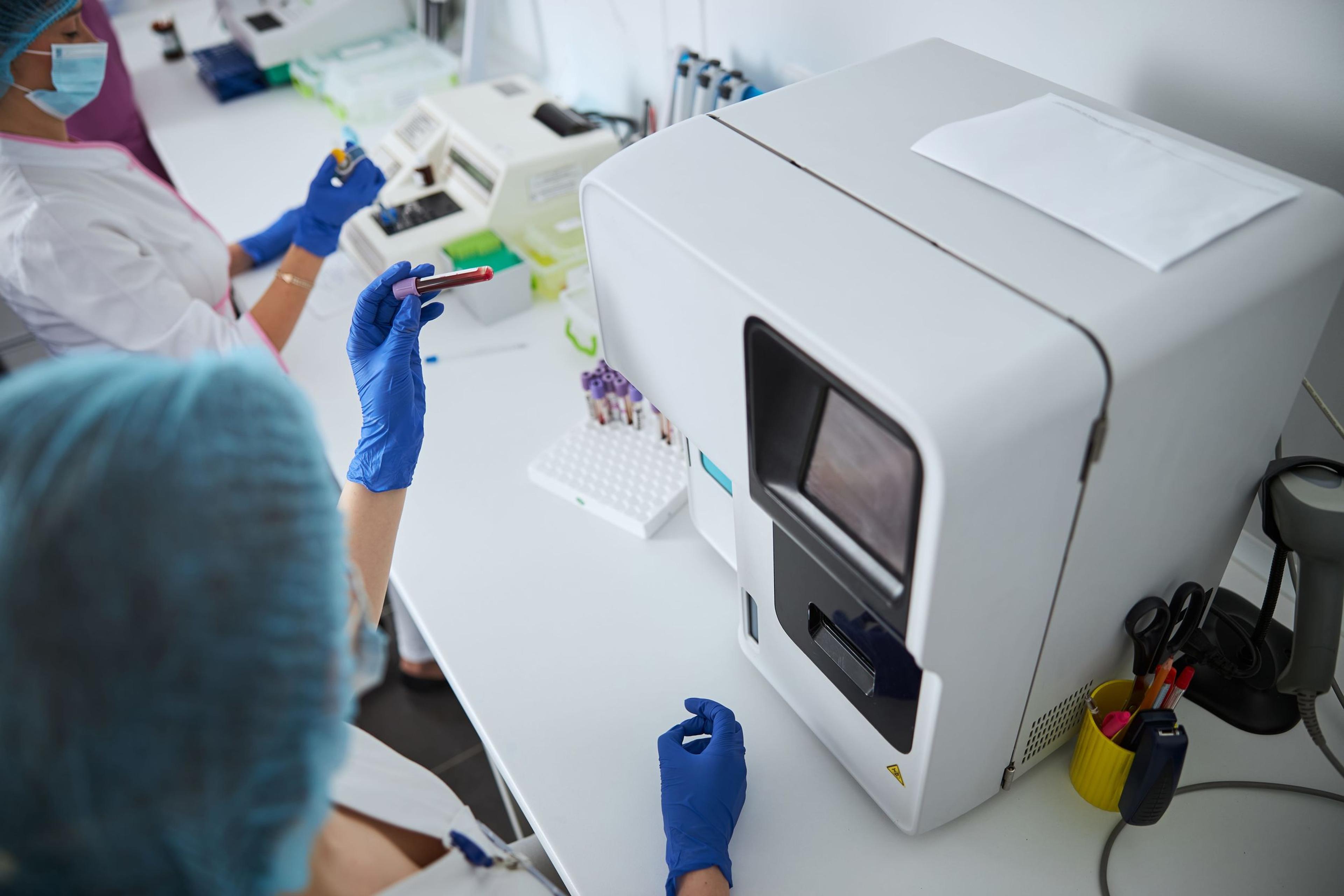
As Allergy Awareness Week highlights the growing burden of allergic disease, laboratory professionals are increasingly focused on how advances in diagnostic technologies can support more accurate testing and better patient management.
In hospital and clinical laboratory settings, allergy diagnostics has evolved significantly beyond simple screening approaches. Today’s workflows combine automated immunoassay platforms, component-level analysis, and, in some cases, functional testing to provide more clinically meaningful insight. For laboratory scientists, understanding how these different test types and platforms fit together is becoming increasingly important.
Key approaches in modern allergy testing
Most routine laboratory testing focuses on detecting allergen-specific IgE, but it is now well established that sensitization alone does not always equate to clinical allergy. As a result, laboratories are moving towards more layered diagnostic strategies that combine multiple approaches.
- Specific IgE testing remains the backbone of laboratory allergy diagnostics, supporting identification of sensitization to individual allergens.
- Component-resolved diagnostics enable testing at the molecular level, helping distinguish true allergy from cross-reactivity and supporting risk stratification. Read more in this SelectScience article on advanced diagnostic methods for food allergy testing.
- Multiplex testing allows simultaneous assessment of large allergen panels, particularly useful in complex or polysensitized patients.
- Functional assays, such as the basophil activation test, are increasingly used in specialist settings to assess the clinical relevance of sensitization. Learn more in this webinar.
For laboratory professionals, the challenge is not only generating results, but also ensuring those results are interpreted appropriately in the context of clinical history. This reinforces the importance of strong communication between laboratories and clinicians.

An allergist measures a patient’s response during skin prick allergy testing
Key allergy testing platforms in clinical laboratories
Automated immunoassay systems form the foundation of allergy testing in many hospital laboratories, providing the throughput, standardization, and reproducibility required for routine diagnostics.
One widely used example is the IMMULITE 2000/2000 XPi 3gAllergy Specific IgE Assay from Siemens Healthineers, which supports quantitative specific IgE testing in high-throughput clinical environments. Systems such as IMMULITE enable laboratories to deliver consistent results at scale, supporting routine allergy workflows.
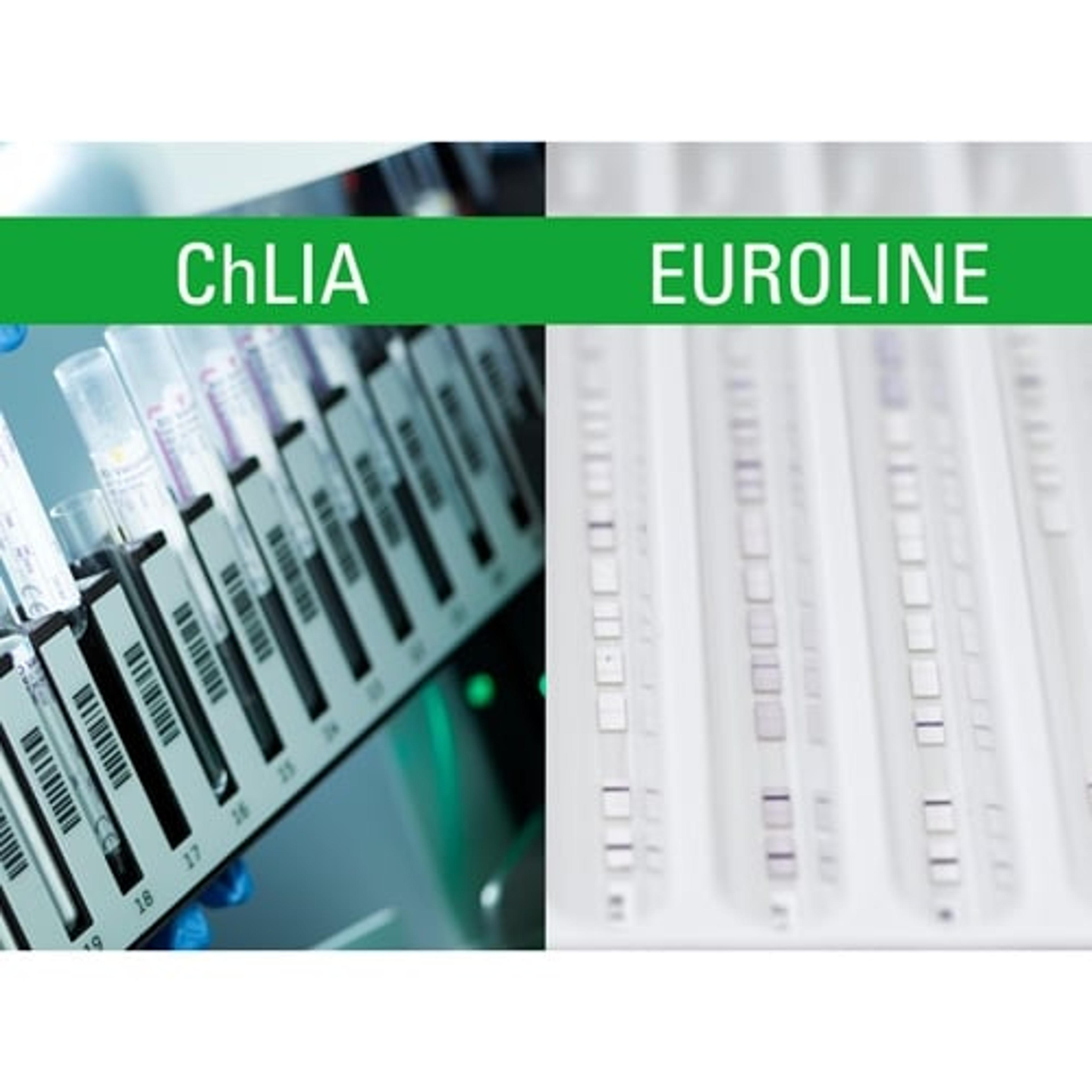
Other established platforms include systems from EUROIMMUN, which offer automated immunoassay solutions with broad allergen menus and support for both single-target and multiplex-style testing approaches. The Allergy Diagnostic Tests portfolio includes options for specific IgE analysis across common allergen groups, reflecting a wider trend towards flexible, scalable systems that can be integrated into routine laboratory practice while expanding testing capability.
Additional technologies, such as ImmunoCAP and other microarray-based platforms, are also widely used in clinical and specialist settings, particularly where more detailed allergen profiling is required. However, an important consideration across all platforms is that results are not directly interchangeable, and laboratories must be cautious when comparing values across different systems.
Practical considerations for laboratory professionals
While testing technologies continue to advance, several practical factors remain critical in routine allergy diagnostics:
- Platform variability can influence quantitative results, reinforcing the need for consistency within a laboratory’s testing strategy
- Cross-reactivity between allergens can complicate interpretation, particularly in food and pollen-related allergies
- Result interpretation requires careful integration with clinical context, as sensitization does not always indicate clinical disease
- Workflow efficiency and automation are increasingly important as test volumes grow
These factors highlight that technological capability alone is not enough. Diagnostic value depends on how tests are implemented and interpreted within clinical pathways.
Emerging trends in allergy diagnostics
The field is continuing to move towards more precise and data-rich approaches, including:
- Increased adoption of component-resolved diagnostics for improved risk assessment
- Growing use of multiplex testing platforms for more personalized allergy profiling
- Integration of functional assays in complex or ambiguous cases
- Greater emphasis on decision support and interpretation frameworks to guide clinicians
These developments point to a future where allergy diagnostics is more automated, informative, and clinically actionable.
Supporting improved allergy diagnostics
Developing robust and reliable allergy testing workflows also depends on reagent quality and assay performance. For example, high-specificity anti-IgE antibodies are critical for ensuring sensitivity and accuracy in immunoassay-based systems.
Related resources from Jackson ImmunoResearch demonstrate how optimized antibody reagents can support assay development and performance across immunology workflows. Explore this resource on anti-human IgE antibodies for serology and diagnostic workflows.
Explore more in our Allergy Awareness feature
This overview highlights how allergy diagnostics is evolving across platforms and approaches, but there is much more to explore.
Visit the SelectScience Allergy Awareness feature to discover the latest technologies, products, and expert insights shaping allergy testing, from automated immunoassays to emerging diagnostic strategies that support more precise and confident clinical decision-making.
Related products
Request Quote for All Products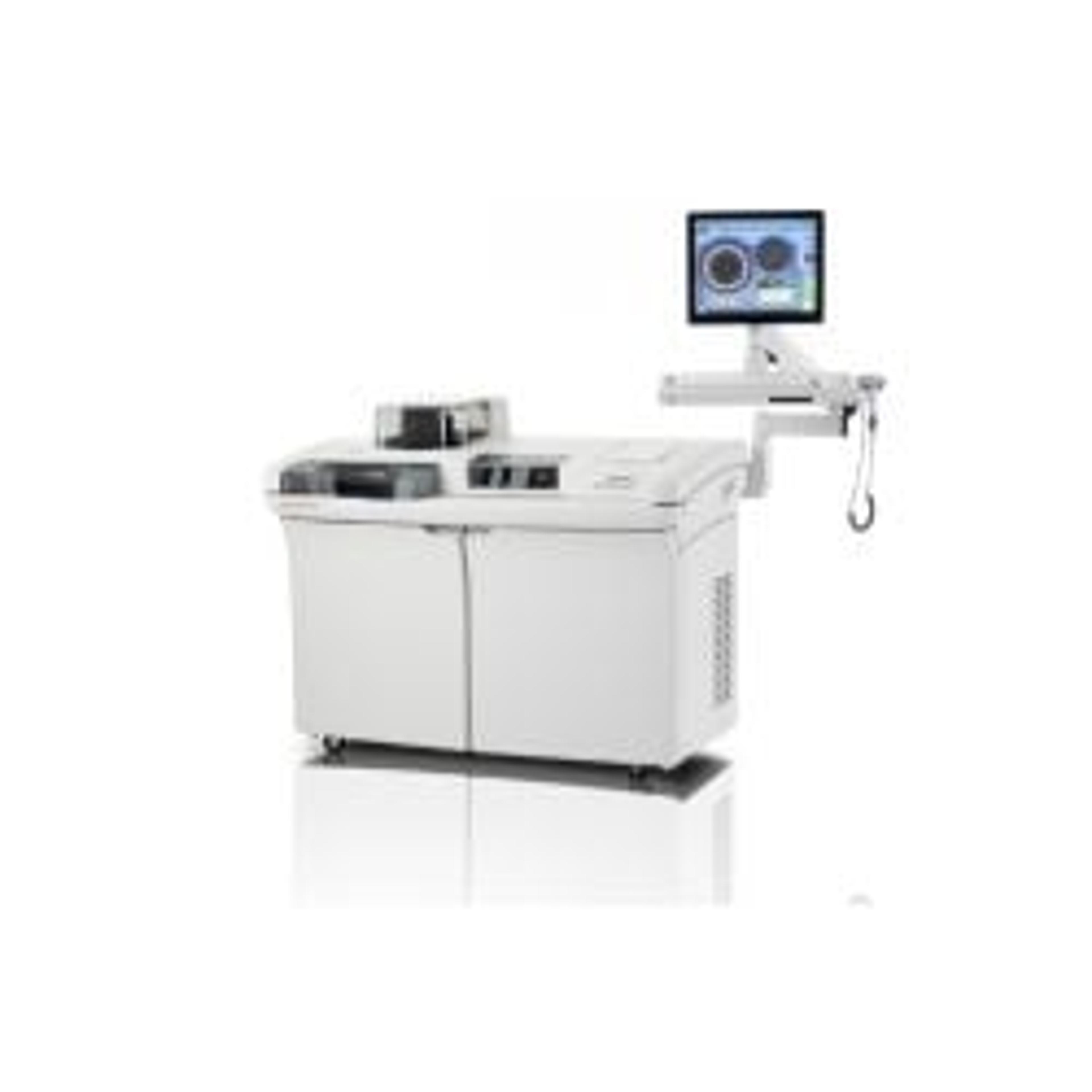
IMMULITE 2000/2000 XPi Immunoassay System
Siemens HealthineersProviding multiple tests on a single, easy-to-use, and compact analyzer, the IMMULITE ® 2000 XPi Immunoassay System makes it simple to scale your capabilities without disrupting regular day-to-day operations.
Allergy Diagnostic Tests
EuroimmunEuroimmun offers a comprehensive range of assays for in vitro analysis of specific IgE (sIgE). EUROLINE profiles provide multiplex detection of sIgE against up to 54 allergens targeted to specific indications or regions. Chemiluminescence immunoassays (ChLIA) on the benchtop IDS-iSYS system provide quantitative detection of sIgE against individual parameters, which are selected according to the patient’s requirements.
Tags
Frequently asked questions
Show frequently asked questions
How are modern allergy diagnostics evolving in hospital and clinical laboratories?
Modern allergy diagnostics now combine automated immunoassay platforms, component-resolved diagnostics, multiplex testing, and functional assays like the basophil activation test. These layered strategies move beyond simple IgE screening to provide more clinically meaningful insight, support risk stratification, and improve patient management, especially when integrated with clinical history and strong communication between laboratory professionals and clinicians.
What are the key allergy testing platforms and technologies used in clinical laboratories?
Key platforms include automated immunoassay systems such as the IMMULITE 2000/2000 XPi 3gAllergy Specific IgE Assay from Siemens Healthineers and EUROIMMUN Allergy Diagnostic Tests. Additional technologies like ImmunoCAP and microarray-based platforms support detailed allergen profiling. These systems enable quantitative specific IgE testing, broad allergen menus, and multiplex-style approaches, though results are not directly interchangeable across platforms.
What emerging trends are shaping the future of allergy diagnostics and patient care?
Emerging trends include increased adoption of component-resolved diagnostics for improved risk assessment, wider use of multiplex testing for personalized allergy profiling, and integration of functional assays in complex cases. There is also growing emphasis on decision support frameworks and high-quality reagents, such as optimized anti-human IgE antibodies, to enhance assay performance and make allergy diagnostics more automated, informative, and clinically actionable.