
Advances in allergy diagnostics and care
Explore the latest assays, automation, and clinical insights improving allergy testing and diagnosis
Interested in the latest advances in allergy diagnostics are improving testing and care?
Allergic disease remains a growing challenge for healthcare systems worldwide, affecting both children and adults and placing increasing pressure on clinical services. It is estimated that allergies affect up to 30–40% of the global population, with prevalence continuing to rise across both developed and developing regions. This increase is thought to be driven by a combination of environmental exposure, urbanisation, dietary changes, and genetic predisposition, creating a complex and evolving public health challenge.
For patients, allergic disease can range from mild but persistent symptoms to severe, life-threatening reactions, significantly impacting quality of life and long-term health outcomes. For healthcare providers and lab professionals, this growing burden brings added complexity, particularly when it comes to achieving accurate and timely diagnosis. Differentiating true allergy from sensitization, identifying specific triggers, and supporting appropriate patient management all depend on reliable, high-quality diagnostic testing.
Allergy Awareness Week provides a timely moment to reflect on the importance of earlier recognition and more effective care strategies and this SelectScience® Editorial Feature brings together the latest advances in allergy diagnostics and testing. Explore how automated specific IgE workflows, chemiluminescence immunoassays, and high-specificity antibody tools are helping labs improve efficiency, reliability, and confidence in allergy testing across clinical and research settings.
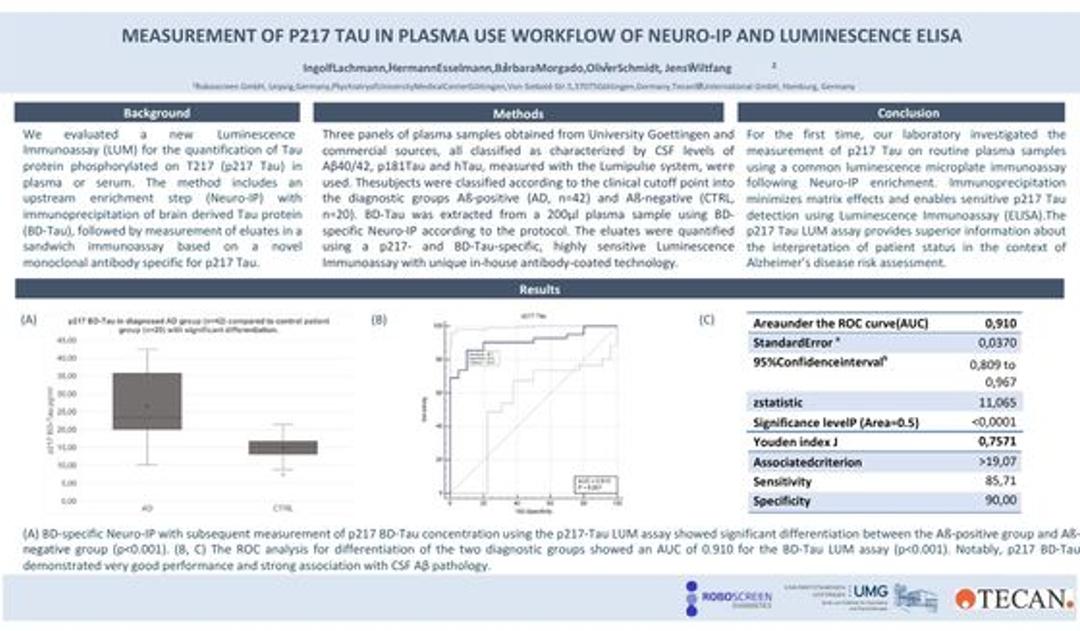
Sensitive IgE detection for serology and diagnostic workflows
Discover how Jackson ImmunoResearch's epsilon chain-specific anti-human IgE antibodies support sensitive, low cross-reactivity detection across ELISA, lateral flow, flow cytometry, western blot, and CLIA applications.
Download resource
How can automated systems streamline specific IgE testing?
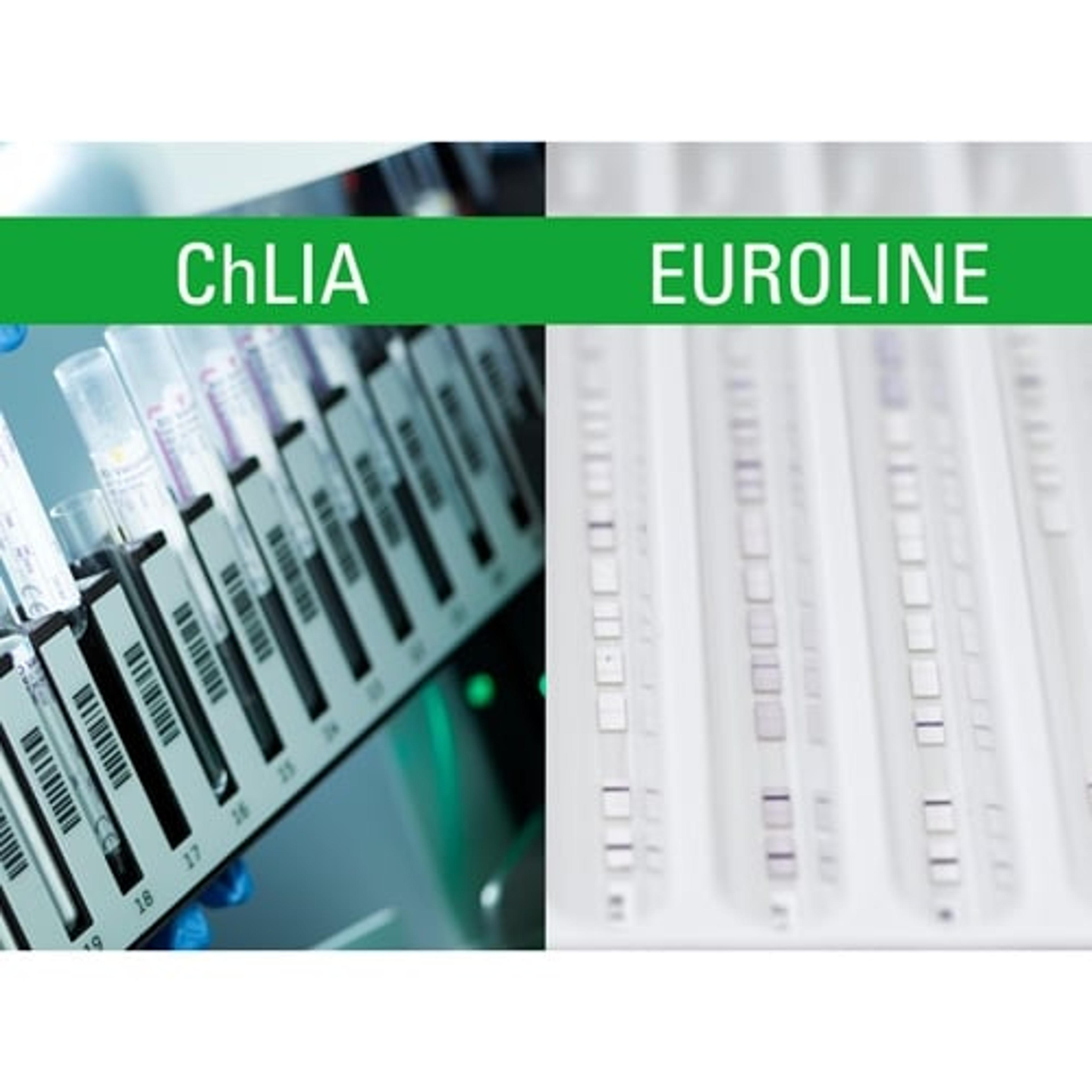
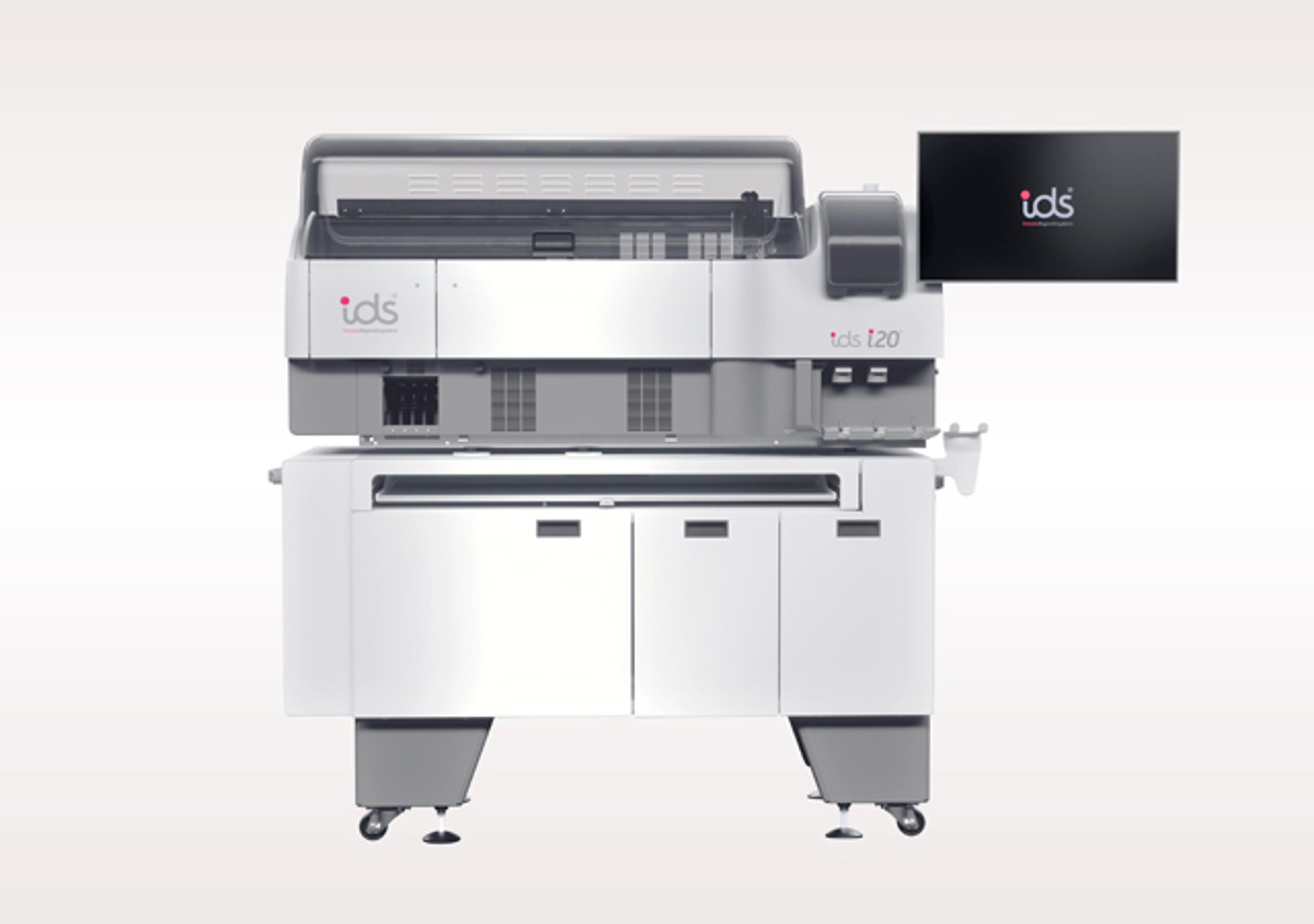
EUROIMMUN and IDS show how fully automated ChLIA systems support efficient, reliable specific IgE testing, combining broad allergen coverage with rapid turnaround and random-access workflow for routine allergy diagnostics.
Read article
Food allergy diagnosis strengthened with advanced testing approaches
This article examines how modern diagnostic tools are helping labs and clinicians refine food allergy assessment. Explore the role of serum-specific IgE, component-resolved diagnostics, and basophil activation testing in supporting more precise interpretation and patient management.
Read article
Modern approaches to food allergy diagnosis
This SelectScience webinar explores how modern diagnostic approaches are transforming food allergy testing, supporting more accurate clinical decision-making and patient management. Discover how techniques such as serum-specific IgE measurement, component-resolved diagnostics, and basophil activation testing can be applied together to improve risk assessment and interpretation.
Watch on demand
How allergy testing is evolving in the clinical laboratory
This SelectScience overview explores how allergy testing technologies are evolving in the clinical laboratory, supporting more accurate interpretation and better patient management. Discover how approaches such as specific IgE testing, component-resolved diagnostics, multiplex testing, and functional assays are helping laboratories deliver more clinically meaningful allergy insights.
Read article
FAQs for modern allergy testing
What are the main types of allergy testing used in clinical diagnosis?
Allergy diagnosis typically combines in vivo tests (performed on the patient) and in vitro lab tests (performed on biological samples).
- Skin prick testing (SPT) are first-line, rapid test for IgE-mediated allergies
- Specific IgE blood tests quantify allergen-specific antibodies in serum
- Patch testing detects delayed (Type IV) allergic reactions such as contact dermatitis
- Oral food challenges are the gold standard for confirming food allergies
Lab-based methods, especially specific IgE measurement, are central to modern allergy diagnostics, helping confirm sensitization and guide treatment decisions.
How do lab tests like specific IgE assays detect allergies?
Lab allergy tests measure immunoglobulin E (IgE) antibodies, which are produced when the immune system reacts to allergens.
- Techniques such as ELISA (enzyme-linked immunosorbent assay) and fluorescent enzyme immunoassays detect and quantify allergen-specific IgE in blood
- Platforms like ImmunoCAP provide highly sensitive, quantitative results across hundreds of allergens
- Elevated specific IgE levels indicate sensitization to particular allergens, supporting diagnosis when interpreted alongside clinical history
These assays are particularly useful when skin testing is not possible, such as in patients with severe eczema or those taking antihistamines.
What advanced lab methods are used in modern allergy diagnostics?
Beyond traditional IgE testing, advanced methods provide deeper insight into allergic mechanisms:
- Component-resolved diagnostics (CRD) identify IgE responses to individual allergen molecules
- Basophil activation tests (BAT) assess functional immune cell responses to allergens using flow cytometry
- Multiplex allergen arrays enable simultaneous detection of sensitization to dozens or hundreds of allergen components
These approaches improve diagnostic precision, help distinguish true allergy from cross-reactivity, and are increasingly used in complex cases such as food allergy.
What lab equipment is used for allergy testing and diagnostics?
Modern allergy labs rely on a range of specialised instruments and automated systems, including:
- Immunoassay analyzers (e.g., Phadia™ systems) for automated IgE testing
- Multiplex assay platforms for high-throughput allergen screening
- Flow cytometers for cellular assays such as basophil activation testing
- Sample processing systems (centrifuges, pipetting robots, reagent handling systems)
Automated analyzers enable high-throughput, reproducible testing and can process thousands of samples, supporting routine clinical workflows and large-scale screening.
Why are lab methods essential for accurate allergy diagnosis?
Lab diagnostics play a crucial role in allergy testing because they:
- Provide objective, quantitative data on immune responses
- Help differentiate sensitization vs. clinically relevant allergy
- Enable testing when in vivo methods are unsafe or impractical
- Support personalized treatment decisions, including immunotherapy selection
Advances in automation, assay sensitivity, and multiplexing are transforming allergy diagnostics into a data-driven, precision medicine field, improving accuracy and patient outcomes.
Latest news, resources, and products




Interested in more?
Become a SelectScience member for free and get the latest news straight to your inbox.