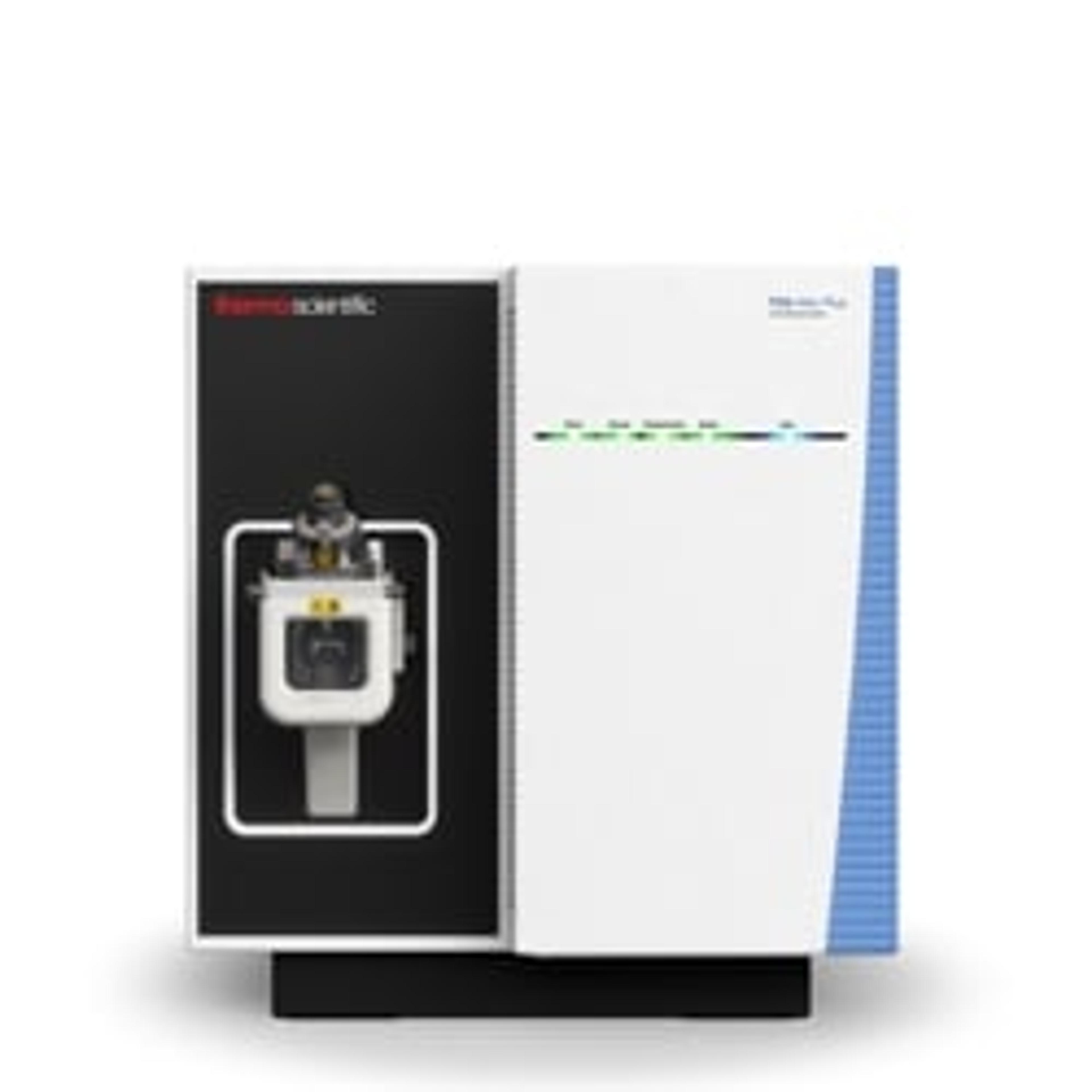
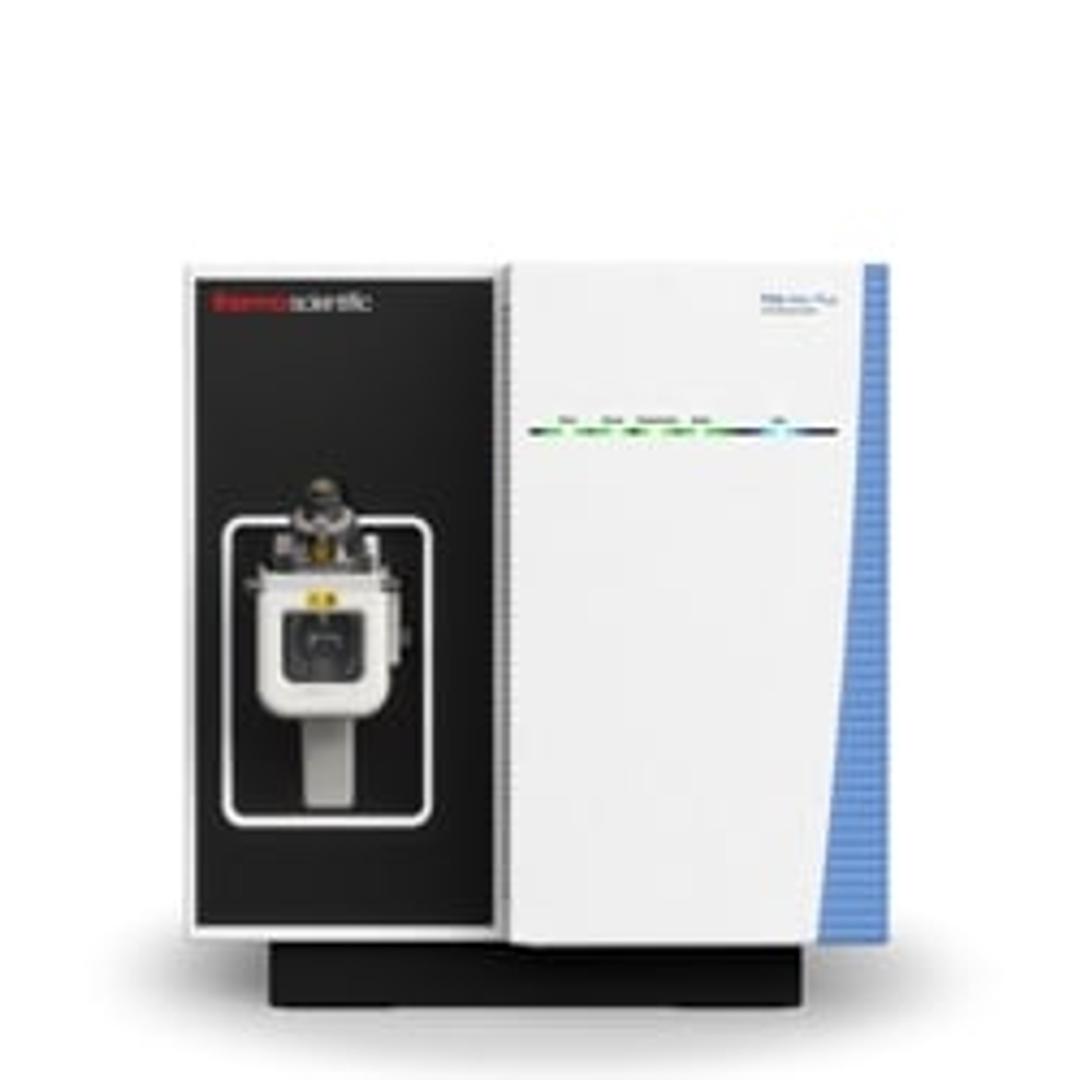
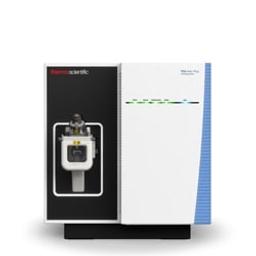
Thermo Scientific™ TSQ Altis™ Plus Triple Quadrupole Mass Spectrometer
Ultimate quantitative performance made possible
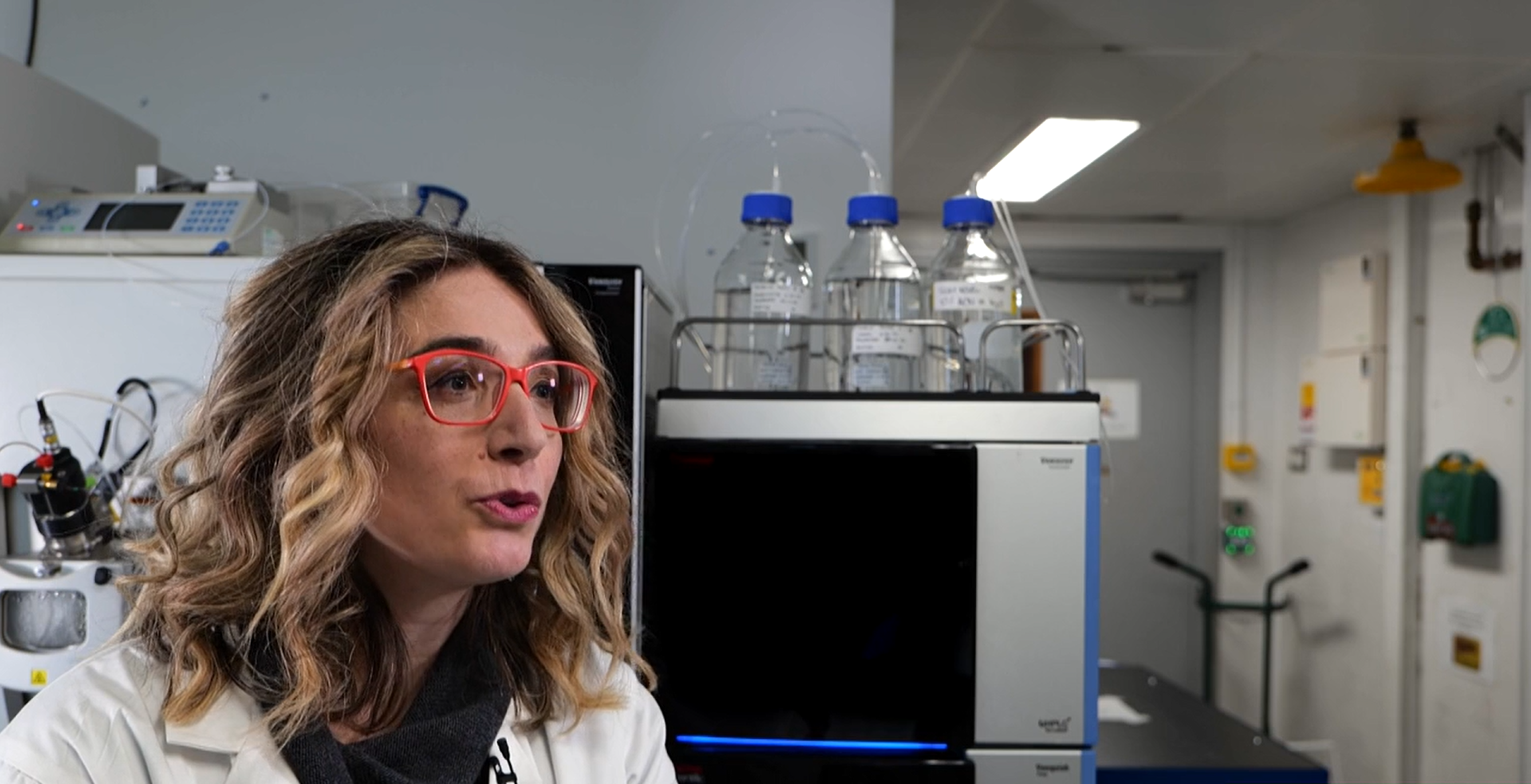
Dr. Erika Castrignanò, Principal Analyst at King's College London's Drug Control Centre discusses wastewater analysis.

Professor Kim Wolff, Head of the Drug Control Centre at King's College London discusses ensuring fairness in elite-level sports using forensic toxicology
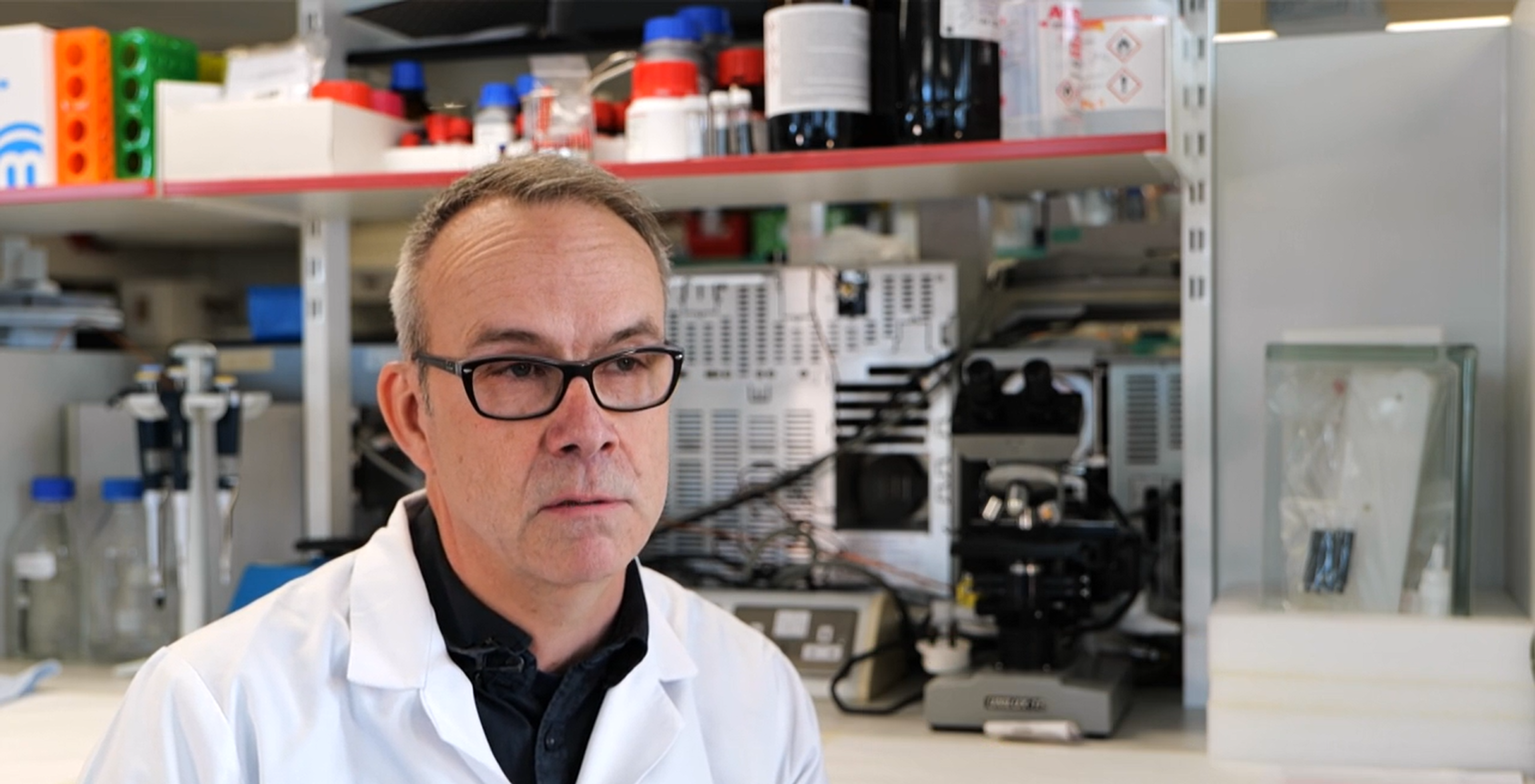
Christiaan Bartlett, King's College London, discusses biological passports at the Olympics


The supplier does not provide quotations for this product through SelectScience. You can search for similar products in our Product Directory.
Great
Very good instrument and with precision for detection of very small amounts of heavy metal in micro
The experience of using gc-ms and LCMS is very useful and precise with accurate results in a chemical analysis.
Review Date: 10 Dec 2023 | Thermo Fisher Scientific
Excellent result and made our job very easy.
Analysis of PFAS
Robust instrument with high precision, easy to handle with excellent reproducibility.
Review Date: 28 Sept 2022 | Thermo Fisher Scientific
Leadership in quantitative analyses requires ultimate instrument performance. The Thermo Scientific™ TSQ Altis™ Plus triple quadrupole mass spectrometer redefines ultimate performance and flexibility to address your most demanding quantitation workflows with ease.
With superior acquisition speed, enhanced sensitivity, stability, and optional differential ion mobility, the instrument delivers unprecedented quantitative accuracy and precision for lowest-level quantitation in complex matrices. Advanced software with compound databases and templates streamline rigorous method development.
Ultimate selectivity | Sensitivity | Speed

Direct injection of drinking water for the analysis of 54 PFAS compounds by LC-MS/MS
Per- and polyfluoroalkyl substances (PFAS) are a large, diverse group of synthetic compounds containing chains of linked carbon and fluorine atoms, and environmental exposure to PFAS has been linked to a variety of health issues in humans. To evaluate the health risk, an expanding list of governmental regulatory agencies have established validated methods stating the quantitative levels for individual or collective PFAS. Thermo Fisher Scientific aims to demonstrate the quantitative measurement of 54 PFAS compounds in water samples by direct injection with precision and accuracy that meets current European regulatory reporting requirements.
Analysis of testosterone from human serum using FAIMS technology
LC/MS assays developed for the analysis of testosterone often exhibit high background signal that is difficult to eliminate by LC separation alone. This limits signal-to-noise ratio and ultimately limit of quantification of the assay. The FAIMS Pro Duo interface spatially separates ions based on alternating high and low electric fields applied to a set of cylindrical electrodes, enabling attenuation of matrix signal and increasing signal-to-noise.
This technical note from Thermo Fisher Scientific demonstrates improved limit of quantification for testosterone in human serum, utilizing the FAIMS Pro Duo interface on the TSQ Altis Plus mass spectrometer. Use of the FAIMS Pro Duo interface increased sensitivity 2-fold from 1 pg/mL to 0.5 pg/mL.
Automated sample preparation followed by sensitive analysis by GC-MS/MS for environmental contaminants in surface waters
In this application note, Thermo Fisher Scientific discusses the ongoing concern regarding environmental contaminants and the need for efficient sample analysis in laboratories. It highlights the importance of saving on solvent costs and minimizing sample preparation time without compromising analytical results. The study demonstrates the use of the Thermo Scientific TSQ™ 9000 triple quadrupole mass spectrometer with advanced features for automated sample preparation and detection of contaminants in surface water. The experimental setup includes automated sample preparation using the Triplus™ RSH autosampler and GC-MS analysis. The results show linearity, sensitivity, and repeatability for various contaminants in surface water samples.

Overcome anti-doping analysis obstacles with cutting-edge technologies
Innovation in analytical technologies can enable anti-doping authorities and testing laboratories to stay ahead of evolving doping techniques and illicit substances to ensure a trustworthy and clean sporting environment. Continued enhancement of such technologies, including heightened sensitivity and accelerated processing speeds, plays a pivotal role in shaping the trajectory of future anti-doping endeavors.
In this eBook, we provide information and solutions to ensure you are up to date with the latest advancements in anti-doping technologies. The aim of this guide is to provide you with the cutting-edge tools and methodologies that stand at the forefront of the fight against doping, ensuring a fair and integrity-driven landscape in the world of sports.
Explore the content to:
- Conduct a robust analysis of banned substances in equine plasma
- Utilize an all-in-one LC-MS/MS solution for toxicology
- Stay ahead of regulations for steroid analysis in urine
- Gain unstoppable confidence with user-centric GC-MS/MS systems
- Solve the challenges in your analytical testing labs
- Set the new standard in productivity
- Couple GC-IRMS with quadrupole GC/MS for confirmatory analysis
- Discover a novel technique for the detection of polar compounds
Analytical methods for veterinary drug residue testing in meat and dairy products
Food safety is of paramount importance to public health, and animal products destined for human consumption are closely monitored by global food agencies to ensure that Maximum Residue Limits (MRLs) are not exceeded.
In this veterinary drug residue testing eBook, we consider the Thermo Fisher Scientific suite of LC-MS/MS technologies and their add-ons through a range of case studies demonstrating their use in meat and milk veterinary drug residue testing. We will explore how these analytical methods can tackle specific groups of compounds or high-throughput simultaneous screening of multiple residues, overcoming muscle matrix problems and improving Limits of Quantification (LOQs).
A quantitative LC-MS/MS method for 15 mycotoxins in corn-based animal feed
In this application note, Thermo Fisher Scientific presents a fast method to quantitate 15 mycotoxin compounds of interest in corn-based mixtures of animal feed.
Unmasking the rising threat of mycotoxins in the global food and feed supply chain
In this infographic, we explore how a rise in global temperatures due to climate change could mean countries in cool or temperate climates are more at risk for mycotoxin contamination in food and animal feed supply chains. Discover insights into legislation, global prevalence, socioeconomic impacts, and how manufacturers are innovating to help institutions optimize their testing capabilities to comply with international trade regulations and ultimately, ensure food safety.
Tackling the residual problem of pesticides: A challenge in the global food supply chain
Residual pesticide testing is an important factor in ensuring global food safety and improved nutrition. In this informative infographic, we explore the international impact of the pesticide problem, socioeconomic risks involved in pesticide use, what can be done, and how scientists can streamline their path to multi-residue testing.
Wastewater analysis tackling sports doping at highest level
Discover how Dr. Erika Castrignanò, Principal Analyst at King's College London's Drug Control Centre, employs liquid chromatography and mass spectrometry for sports testing. Explore the principles of wastewater-based epidemiology and its impact on combating doping in elite sports, as well as understanding drug consumption in wider communities.
Innovative forensic toxicology ensuring fairness in elite-level sports
Professor. Kim Wolff, Director of King's Forensics and Head of the Drug Control Centre at King's College London, specializes in forensic toxicology and anti-doping science. Wolff discusses the overlap between the two fields, emphasizing the need for sensitive methods to detect drugs at major events. Find out how innovations like dried blood spot testing and a new instrument from Thermo Fisher Scientific, helps Wolff’s team differentiate between synthetic and natural steroids used by athletes.
24-hour biological passports keeping the Olympics clean
Join Christiaan Barlett, Lab Operations Manager at King's College London's Drug Control Centre, as he discusses athlete biological passports, an innovative system for the detection of blood, steroid, and growth hormone doping, ensuring fair competition in elite-level sporting events like the Olympics. During the Paris 2024 Olympic games, the turnaround time for passport testing changes from 20 days to an astonishing 24 hours, so that cheats can be detected quickly. Bartlett explains how this is possible with the highest possible accuracy.
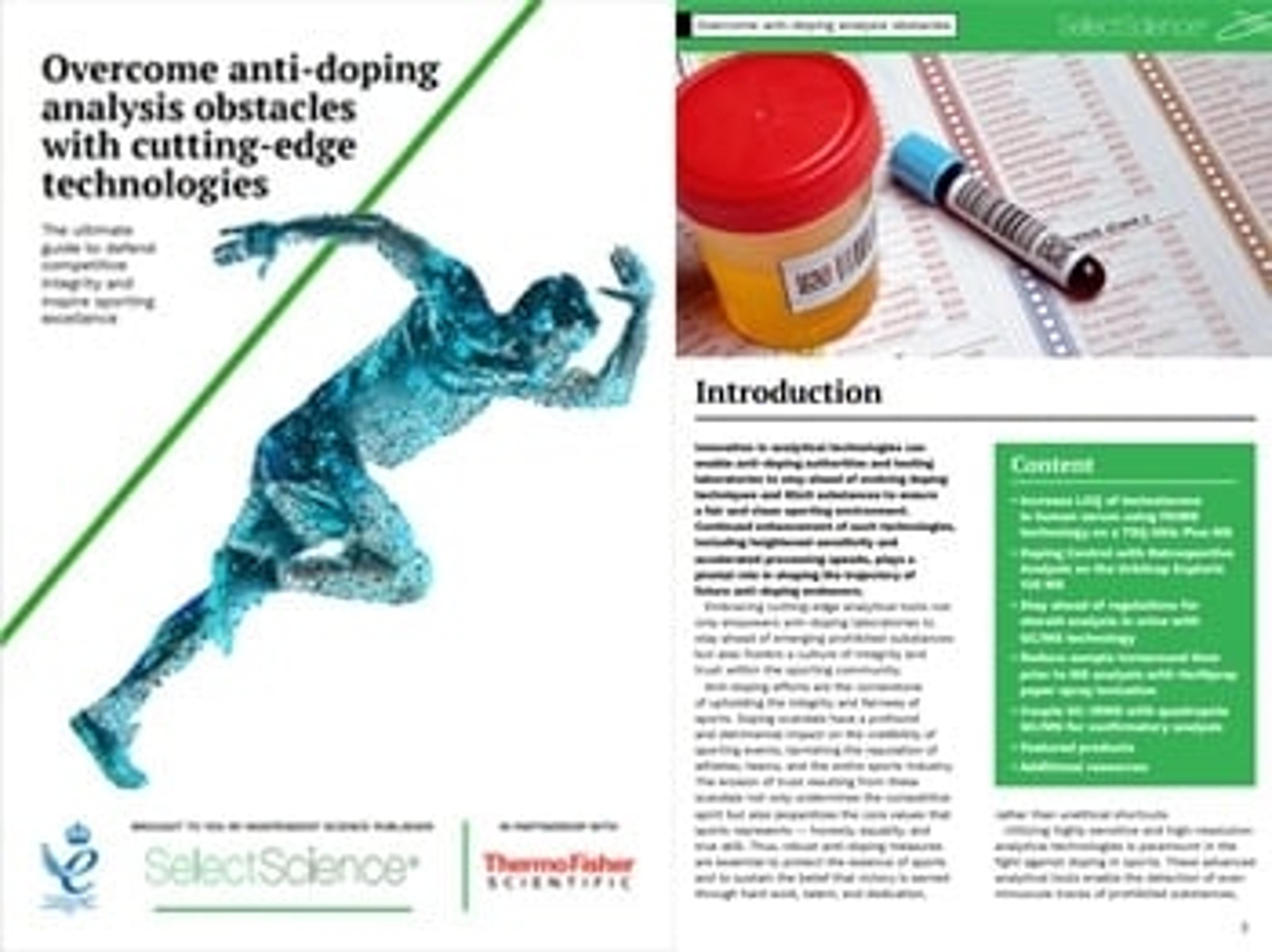
Overcome anti-doping analysis obstacles
In this new eBook, find cutting-edge technologies to solve anti-doping analysis challenges

Methods for the analysis of SVOCs in water samples
Explore cutting-edge approaches for advancing semi-volatile organic compounds (SVOCs) analysis in water samples
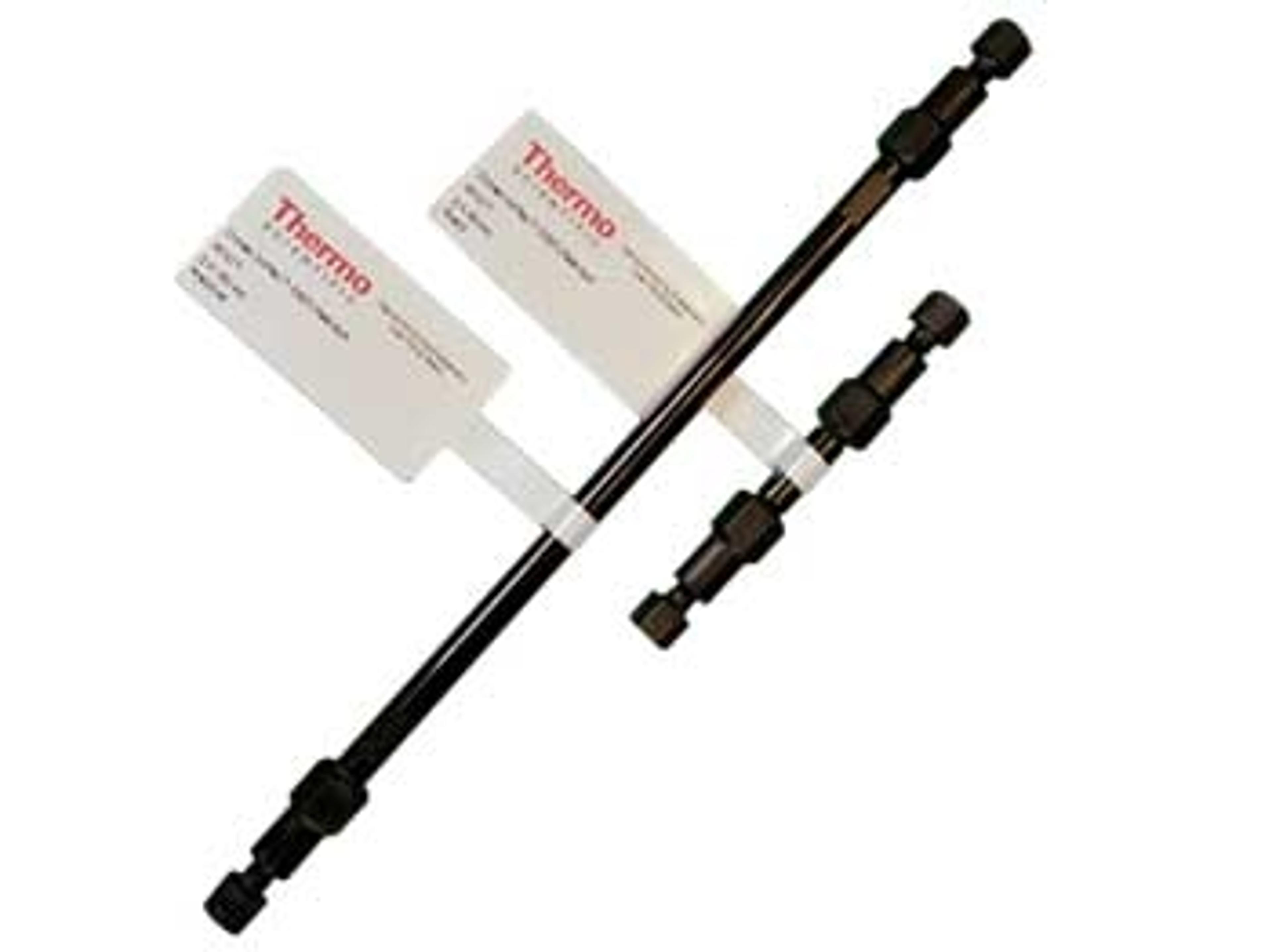
Revolutionizing quat pesticide determination and quantitation workflows to protect food supply
The Thermo Scientific Dionex IonPac CS21 ion exchange column enables reliable, accurate, and compliant food safety analysis