MCO-170AICUVL-PA
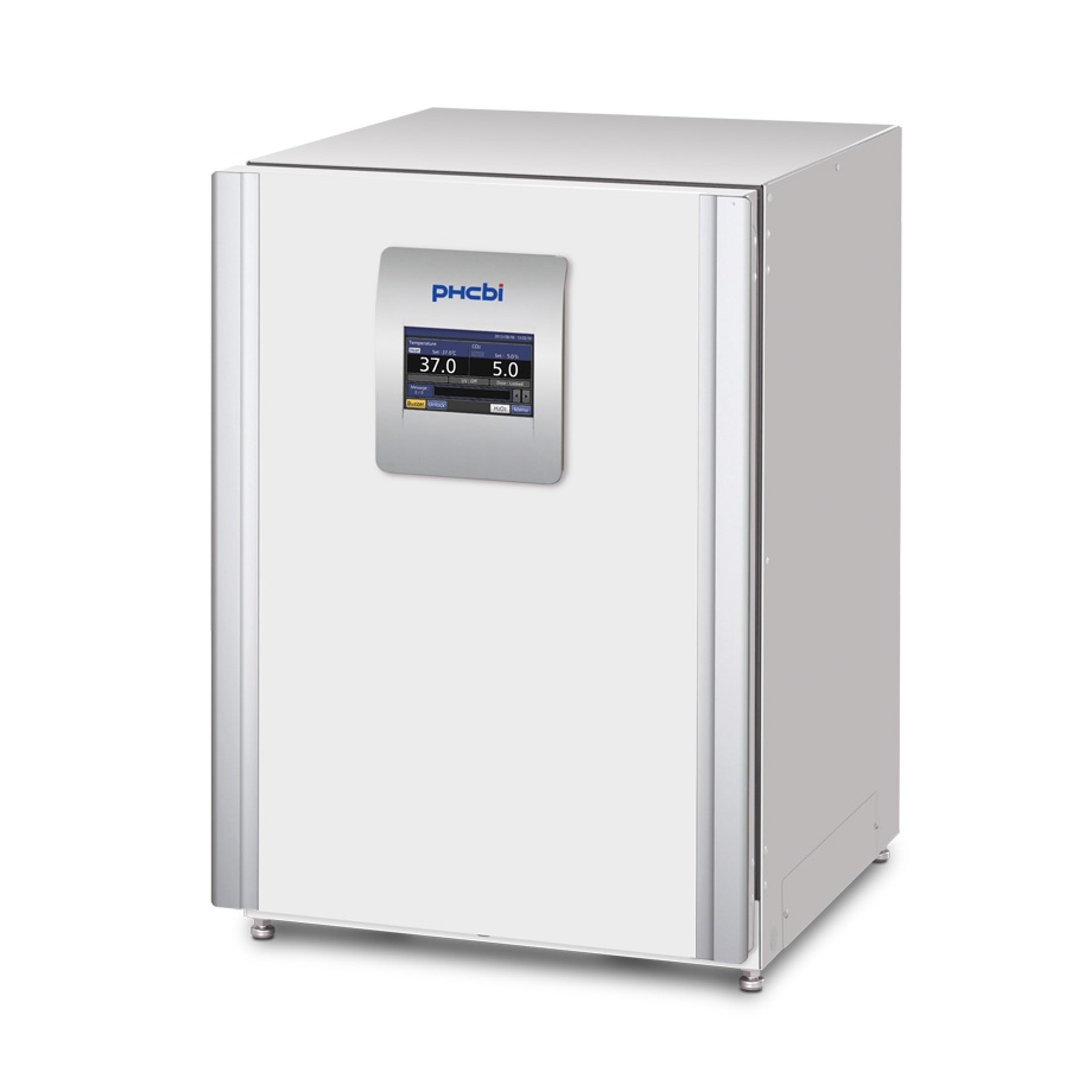
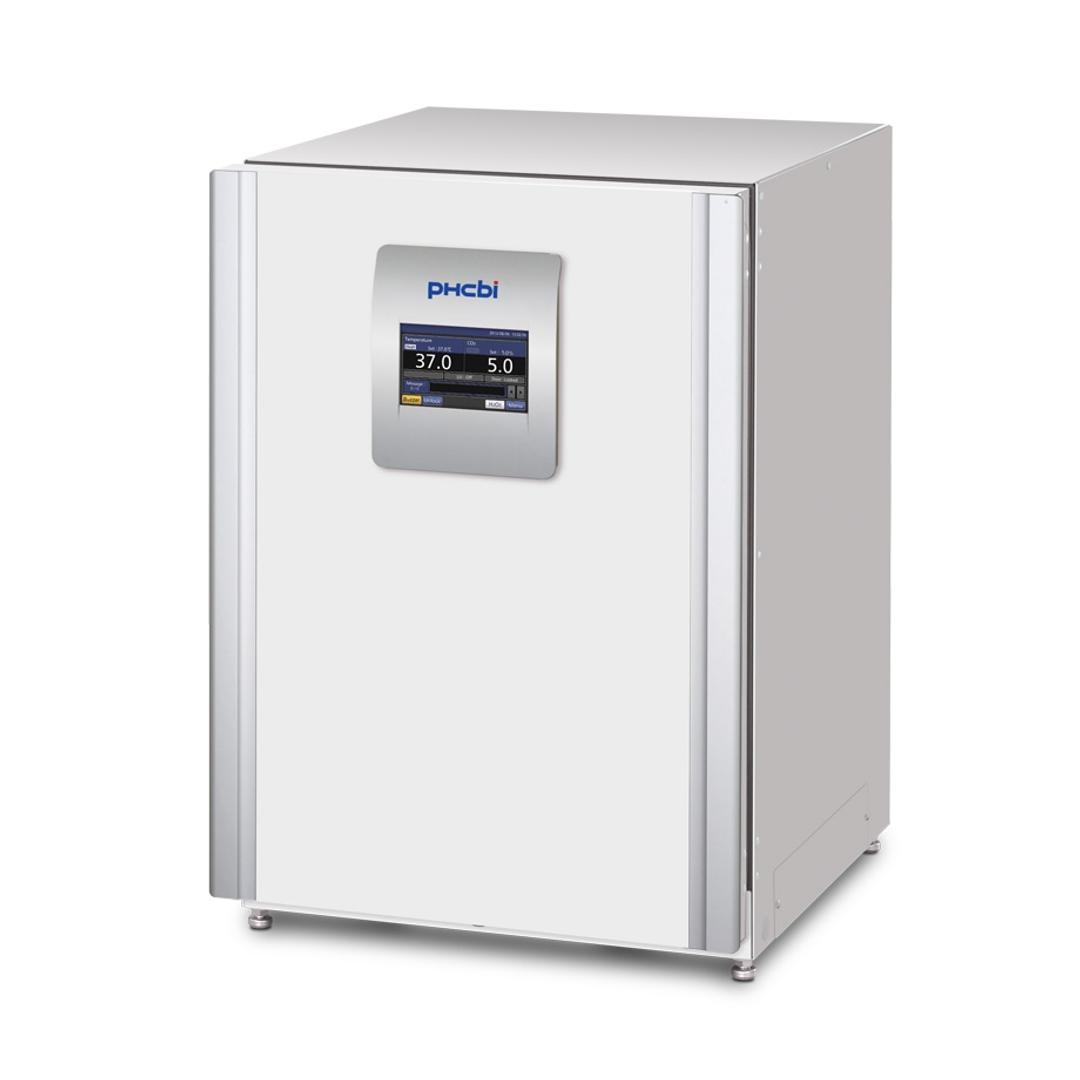
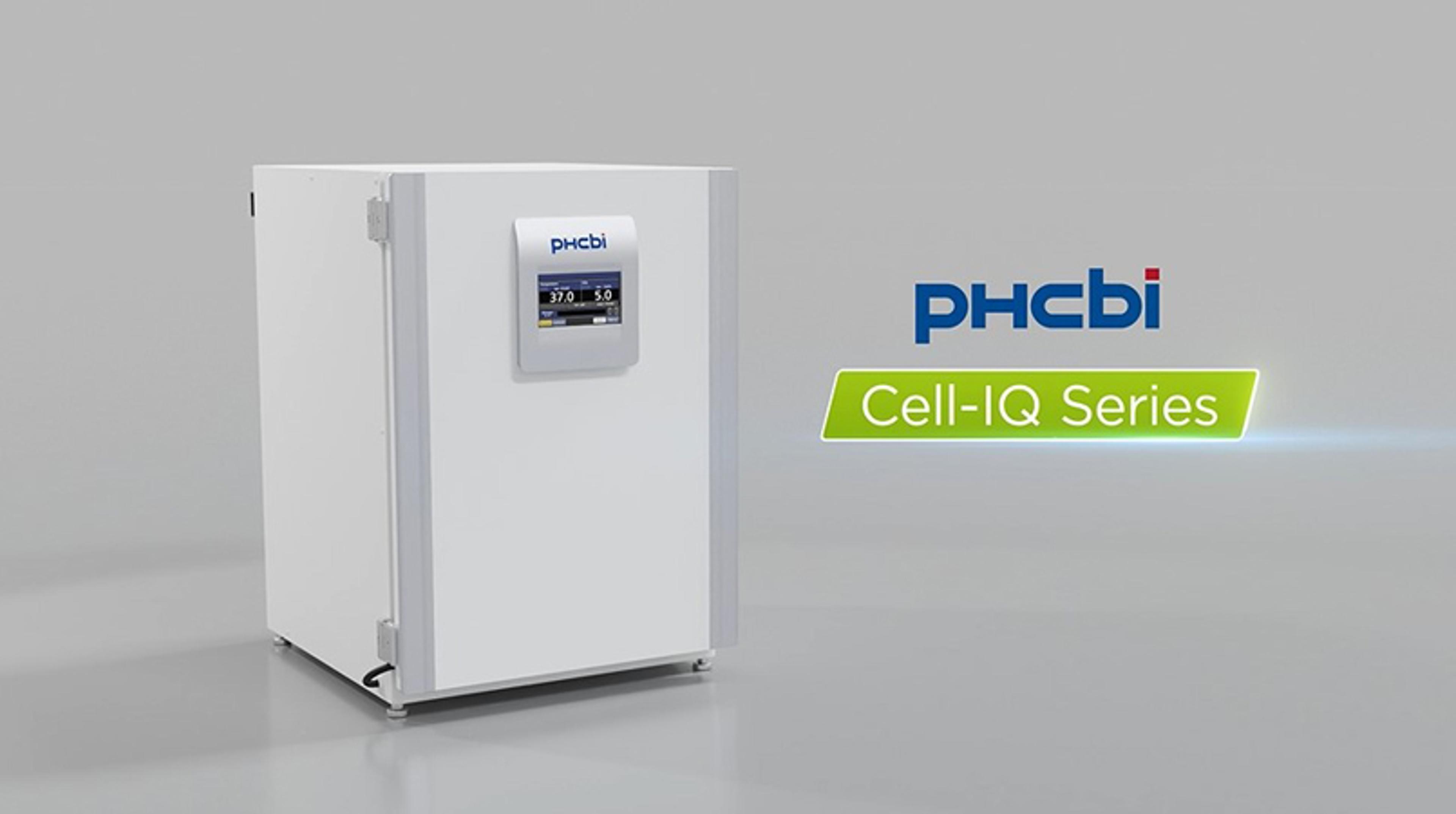
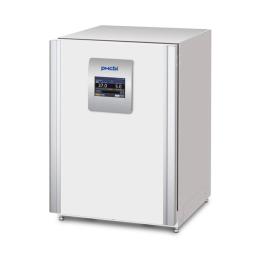
Cell-IQ™ Series 5.8 cu.ft. CO2 Laboratory Incubator that optimizes cell culture outcomes and reproducibility



The supplier does not provide quotations for this product through SelectScience. You can search for similar products in our Product Directory.
The PHCbi Cell-IQ CO2 incubator design and touchscreen panel deliver exceptional ease of use, effortless cleaning and maintenance as well as outstanding performance with multilevel contamination control.
The MCO-170AICUVL-PA laboratory incubator is designed for demanding and regulated applications in the biomedical, pharmaceutical, medical research and clinical laboratory applications.
The Cell-IQ CO2 incubator offers the ideal environment for all your research needs. The MCO-170AICUVL-PA unit includes a touchscreen control panel that delivers improved usability, an optimized interior structure with technology for rapid cleaning, and a proprietary infrared sensor for stabilizing temperature, CO2, and humidity levels.The PHCbi Cell-IQ CO2 incubator design and touchscreen panel deliver exceptional ease of use, effortless cleaning and maintenance as well as outstanding performance with multilevel contamination control.
The MCO-170AICUVL-PA laboratory incubator is designed for demanding and regulated applications in the biomedical, pharmaceutical, medical research and clinical laboratory applications.
The Cell-IQ CO2 incubator offers the ideal environment for all your research needs. The MCO-170AICUVL-PA unit includes a touchscreen control panel that delivers improved usability, an optimized interior structure with technology for rapid cleaning, and a proprietary infrared sensor for stabilizing temperature, CO2, and humidity levels.
Brochures

Product collection overview
In this brochure, PHCbi presents its product lines that are designed to support the life science equation from incubation to storage, from ultra-low temperature freezers, high-performance biomedical refrigerators to laboratory incubators and plant growth chambers.
Optimizing cell culture workflows for improved results
Cell culture is one of the most widely used techniques in cellular and molecular biology. The cell culture workflow process involves the cultivation of cells outside a living organism under controlled conditions, which enables researchers to study the physiology and biochemistry of cells.
To provide the necessary conditions, it is essential that the laboratory remains sterile – cell culture contamination is the most common problem encountered and can lead to serious losses. Although cell culture is known as a valuable technique, it is also associated with environmental variability, incorrect storage facilities, and media inefficiency. Adhering to best practices and using suitable incubators is therefore critical for cell culture success.
This free-to-download application eBook is a clear guide to optimizing cell culture workflows; it explores the benefits of switching from using HEPA filters to UV technology to advance your research and demonstrates a simple way to improve reproducibility, accuracy, and sustainability in your lab.
This cell culture eBook will also cover:
- Self-decontaminating incubators used to accelerate CAR-T therapy
- Real-world case studies with leading scientists
- Incubators designed to expertly manage contamination
- Replicating in vivo conditions
Who should download this eBook?
• Research scientists working with cell culture workflows
• Scientists looking to switch from HEPA filters to UV technology
• Scientists working with CAR-T cells
Contamination control during biopharmaceutical processing
The manufacture of biotherapeutic products from living cells is a complex, multi-step process that requires meticulous planning and a well-trained workforce. In this white paper, PHCbi describes how to manage contamination within biotherapeutic workflows. Download now to explore the impacts of bioburden, good manufacturing practices, strategies for contamination control during biopharmaceutical development, and much more.
Streamlined high-throughput drug screening with PrimeSurface white 384 well 3D plates
Using PrimeSurface white plates, cancer spheroid cells can be formed and tested for drug screening using luminescence viability assays in the same well without the need for sample transfer. This technical note by PHCbi, demonstrates the cell viability of 4 different tumor cells and a streamlined method of intracellular ATP measurement using CellTiter Glo® (Promega Co., Ltd).
Hear from the 2021 Drug Discovery & Development Video of the Year winners
Susie Harborth, Executive Vice President at Breakthrough Properties, and Murray Wigmore, VP Sales and Marketing, PHCbi, share their thoughts about winning the Scientits' Choice Award for Drug Discovery & Development Video of the Year Award.
In the winning video ‘Supporting science: Discover the technology enabling innovation communities in bioscience’ Harborth explains how a collaboration with PHCbi has been critical to her company's goal of delivering high-quality resources and environments that enable scientists to develop pioneering therapies, diagnostics and vaccinations.
PHCbi introduces the Cell-IQ Series that delivers optimal *in vitro* environments
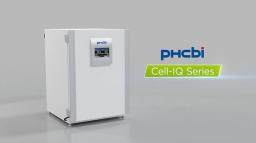
In this video, PHCbi introduces the Cell-IQ Series incubators which closely mimic in vivo conditions for optimal cell growth by providing real-time CO2 , temperature, and humidity measurements.

5 top trending videos on cell preparation, incubation and storage
Watch exclusive interviews with leading industry experts on the importance of precision cold storage equipment