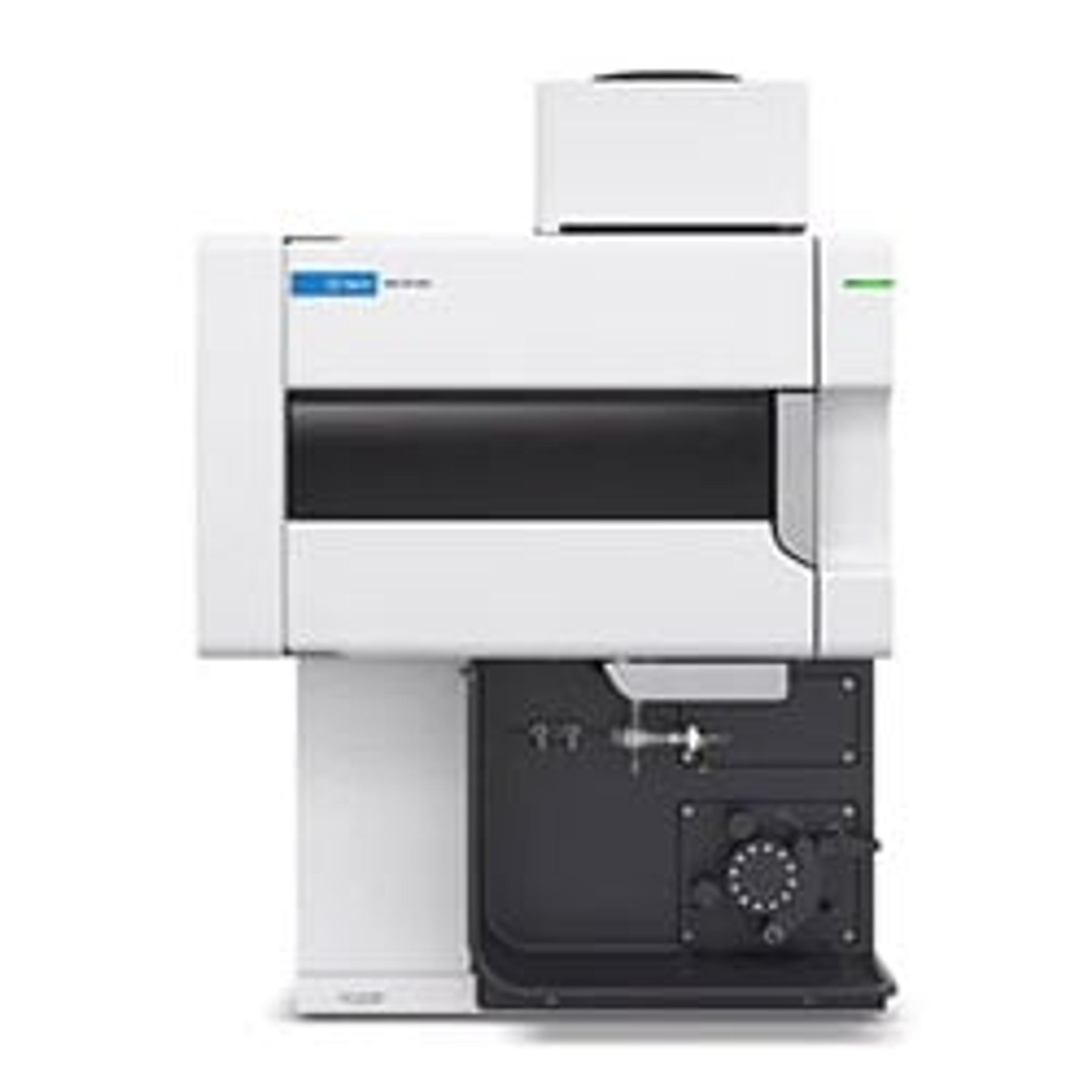
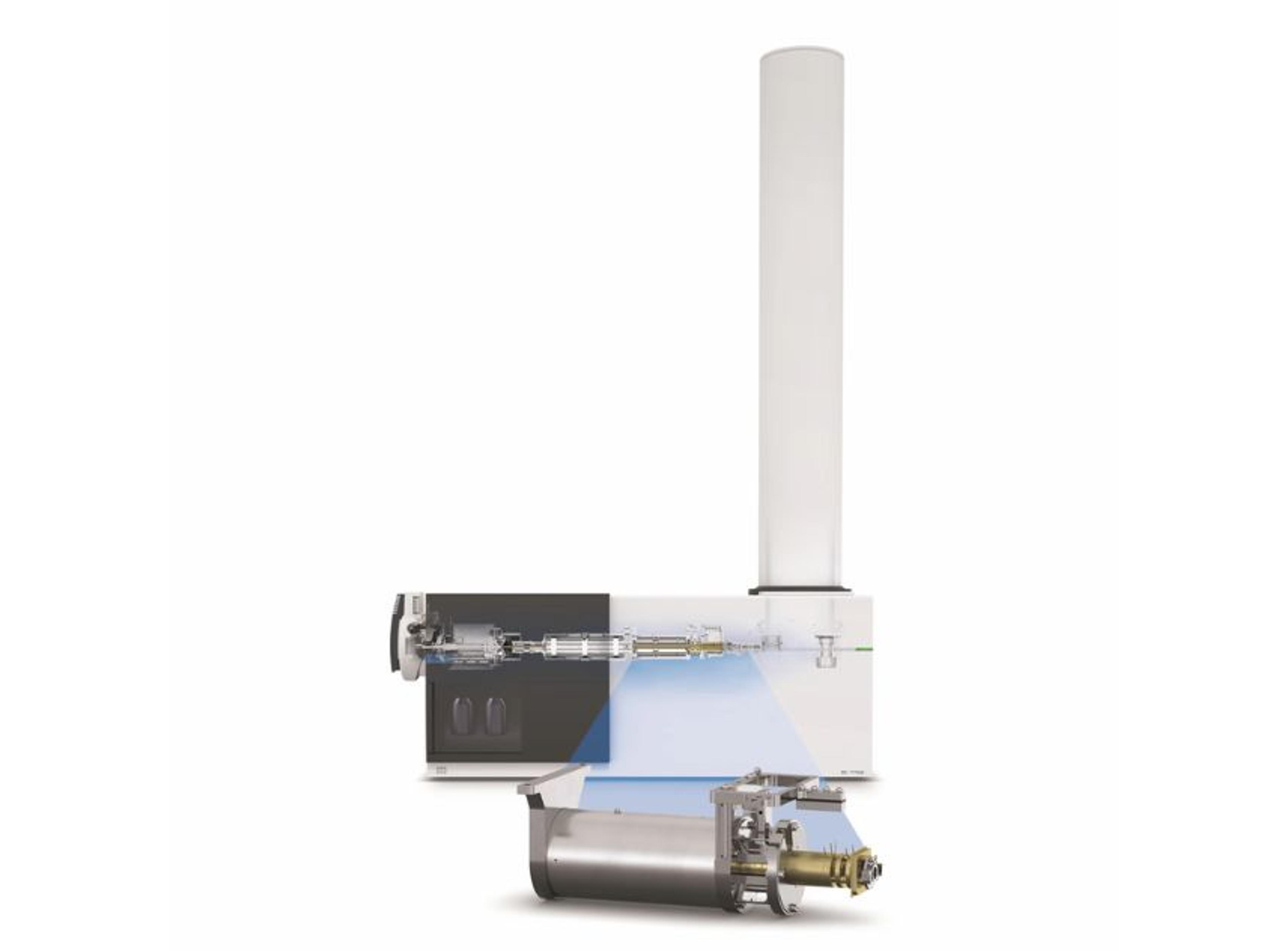
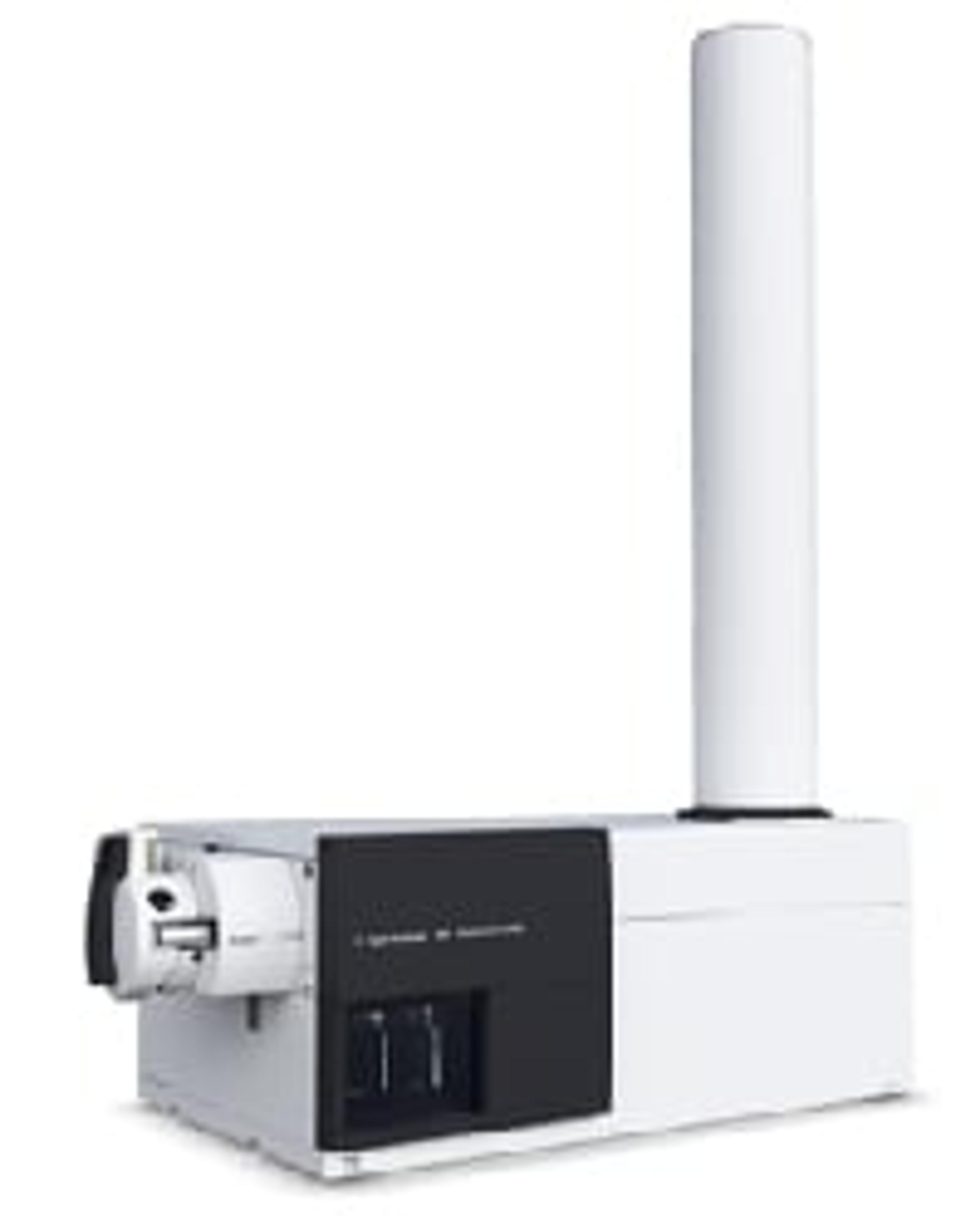
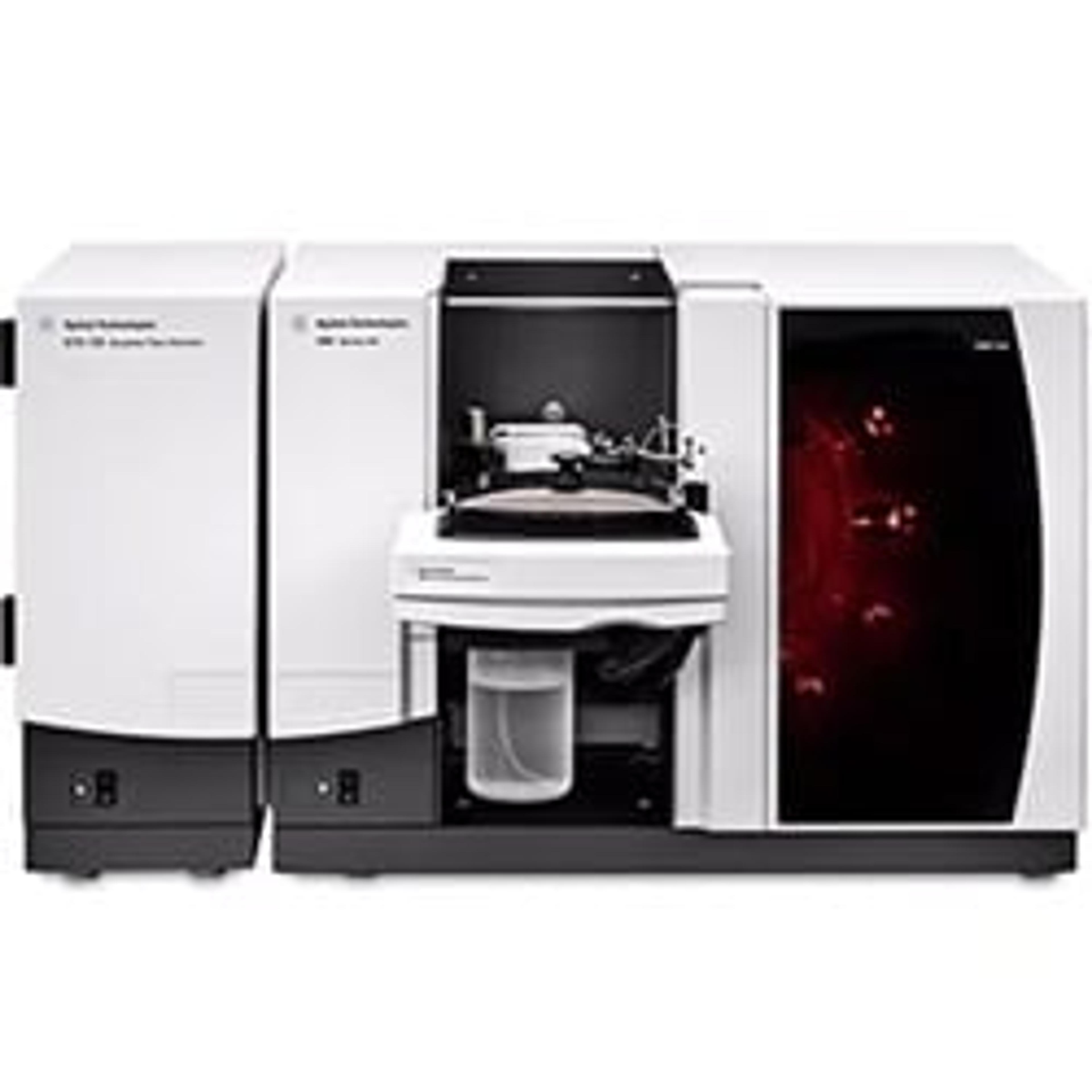
Agilent 5800 ICP-OES Instrument
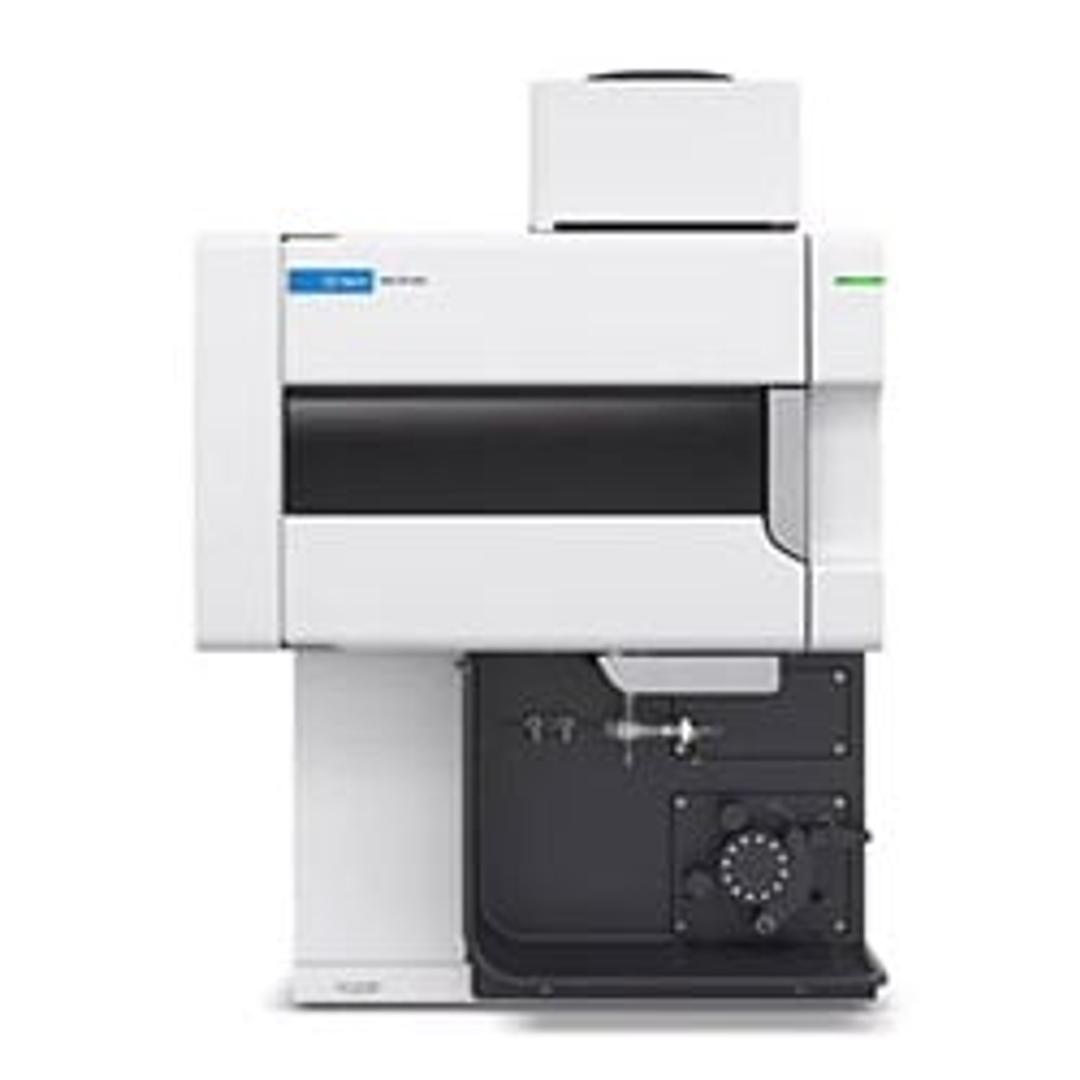
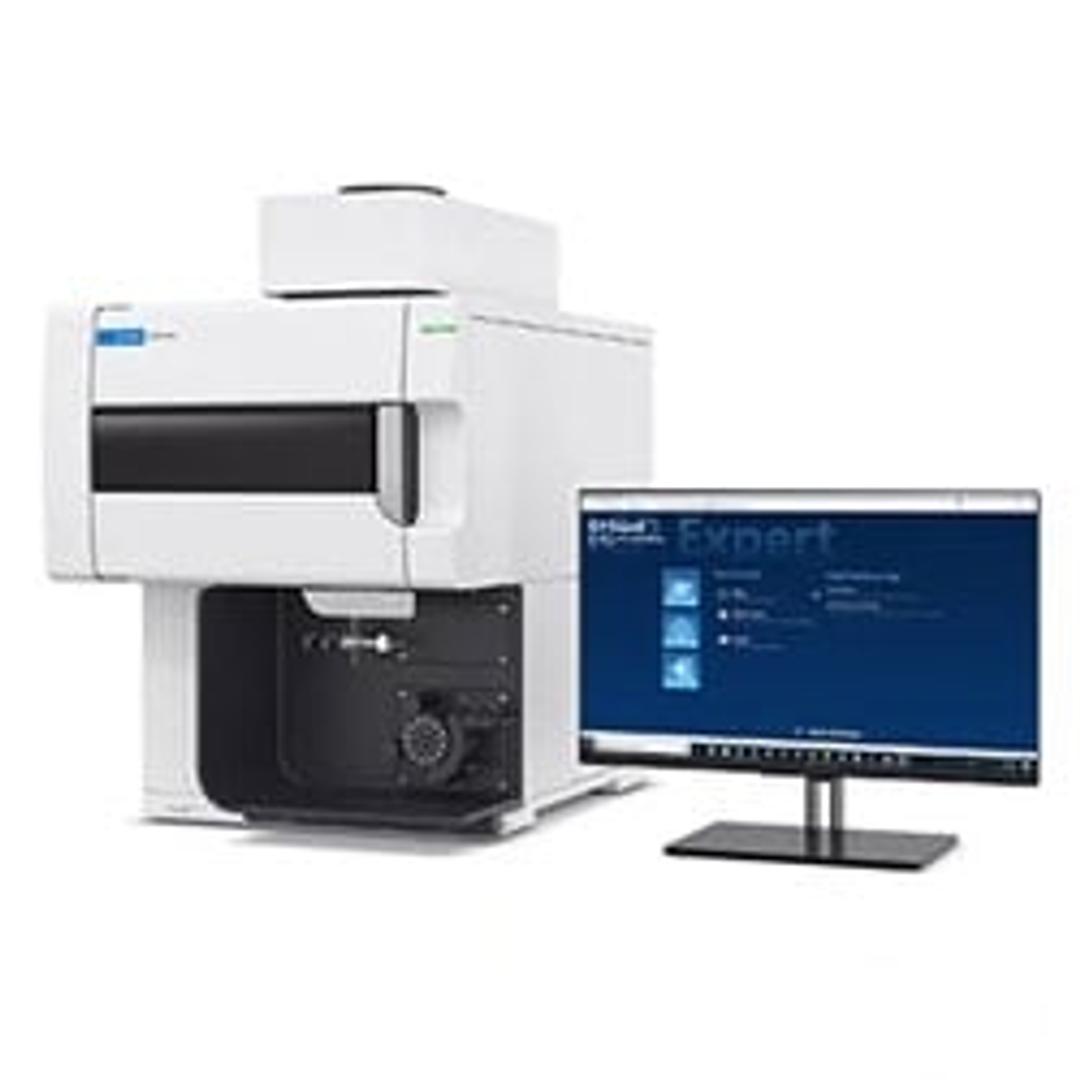
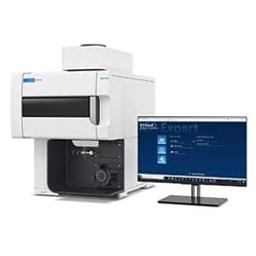
The Agilent 5800 ICP-OES is an ICP-OES Instrument designed for busy labs looking to reclaim wasted time. This smart ICP, with its ecosystem of embedded sensors, algorithms and diagnostics can identify problems before they happen, maximizing uptime and minimizing the number of samples you need to remeasure.









Receive your quote directly from the manufacturer.
Great and simple to handle hardware and the software.
Pharmaceuticals samples
In my opinion, all the technologies of ICP-OES are very good but the handling of the hardware using the software plays an important role in the view of workstation/server-based. The Agilent ICP Expert software is user-friendly and easy to handle by the trainee-level scientist itself. Also, I would like to acknowledge the list of members of Agilent such as Ms. Linda, Agilent sales team, Mr. Theo, Agilent Service team, Ms. Alex, Agilent customer/technical support.
Review Date: 8 Jul 2022 | Agilent Technologies
Value for money and time!!
Metal & Alloys
Agilent 5800RV ICP-OES was purchased in 2021. Equipment is user-friendly and value for money. A wide range of wavelengths available in ICP-OES for elemental analysis in complex metallurgical samples explores more options for choosing selective wavelengths which are independent of interferences. This equipment is best/ideal for alloying elements and some elements in ppm levels e.g. B&As. For low concentration elements particularly in ppm levels, a dual view and extra options may be feasible.
Review Date: 24 May 2022 | Agilent Technologies
Great results with this instrument!
Food Testing
This instrument has such a great design. The updated software also makes it extremely user friendly. Easy to take apart, clean, etc.
Review Date: 25 Mar 2022 | Agilent Technologies
Reproducible results; Wish there was more resources available.
Analyze elemental concentrations of various metal alloys (acid digestion)
The equipment provides our laboratory with great, reproducible results. However, we are struggling to get the equipment up and running with a solid procedure and it seems that there are little to no useful resources available through this process. It has made getting a solid procedure quite difficult. More resources on instrument operation and troubleshooting would be helpful!
Review Date: 18 Nov 2021 | Agilent Technologies
Lower detection limits! Easy to use!
Trace metals analysis in food
I love that the software is so easy to use. The design of the instrument is simple enough and having such great software has been a game-changer for analysis and method development.
Review Date: 17 Nov 2021 | Agilent Technologies
Accurate results and easy to do sample preparation.
Analysis of elemental impurities in water samples
Very useful to analyze elemental impurities in water and soil samples. Very clear sample preparation guideline.
Review Date: 14 May 2021 | Agilent Technologies
The Agilent 5800 ICP-OES is an ICP-OES Instrument designed for busy labs looking to reclaim wasted time. This smart ICP, with its ecosystem of embedded sensors, algorithms and diagnostics can identify problems before they happen, maximizing uptime and minimizing the number of samples you need to remeasure.
No other inductively coupled plasma - optical emission spectrometer (ICP-OES) can give you this level of insight into both your samples and instrument health, so let the 5800 ICP-OES, with the powerful ICP Expert software, help you to get the right result, first time, every time.
Features:
- Learn more about your samples using Agilent's unique IntelliQuant feature. Capturing data from the entire wavelength range, IntelliQuant identifies spectral interferences and provides recommendations to ensure you get the right answers every time.
- Track your instrument health the smart way reducing downtime and maintenance costs with sensors and counters that guide the user when maintenance is needed
- Prevent wasted time and the cost of troubleshooting with the Neb Alert feature that continuously monitors the nebulizer, alerting you when the nebulizer needs cleaning or is leaking
- ICP Expert includes data analytics and smart algorithms that help take the guesswork out of method development and automate troubleshooting, including Fitted Background Correction (FBC), Fast Automated Curve-fitting Technique (FACT), Inter Element Correction (IEC), and IntelliQuant
- Reduce cleaning downtime and ensure fewer replacement torches with the vertically oriented torch design
- As the smallest ICP-OES instrument available, the 5800 not only saves valuable bench space, but reduces costs of ownership as well. The optical layout is compact, so is quick to purge, reducing the wait time before samples can be measured.
Brochures

Agilent automation for ICP workflows
Agilent Technologies offers a completely integrated ICP workflow automation system – comprising hardware, software, and support – designed to free up analysts for more productive pursuits. Agilent's simple and reliable single-vendor solution integrates automated calibration, dilution, analysis, and reporting to lower cost-per-sample and turnaround time while improving the quality of results. Explore the features of Agilent's ICP workflow automation system, comprising the ADS 2 Autodilutor, Advanced Valve System, and SPS 4 Autosampler, fully integrated with the ICP-OES and ICP-MS instruments. Learn how the system can increase productivity and improve workflow efficiency in the lab.
Capabilities and operation of Agilent's Advanced Dilution System 2
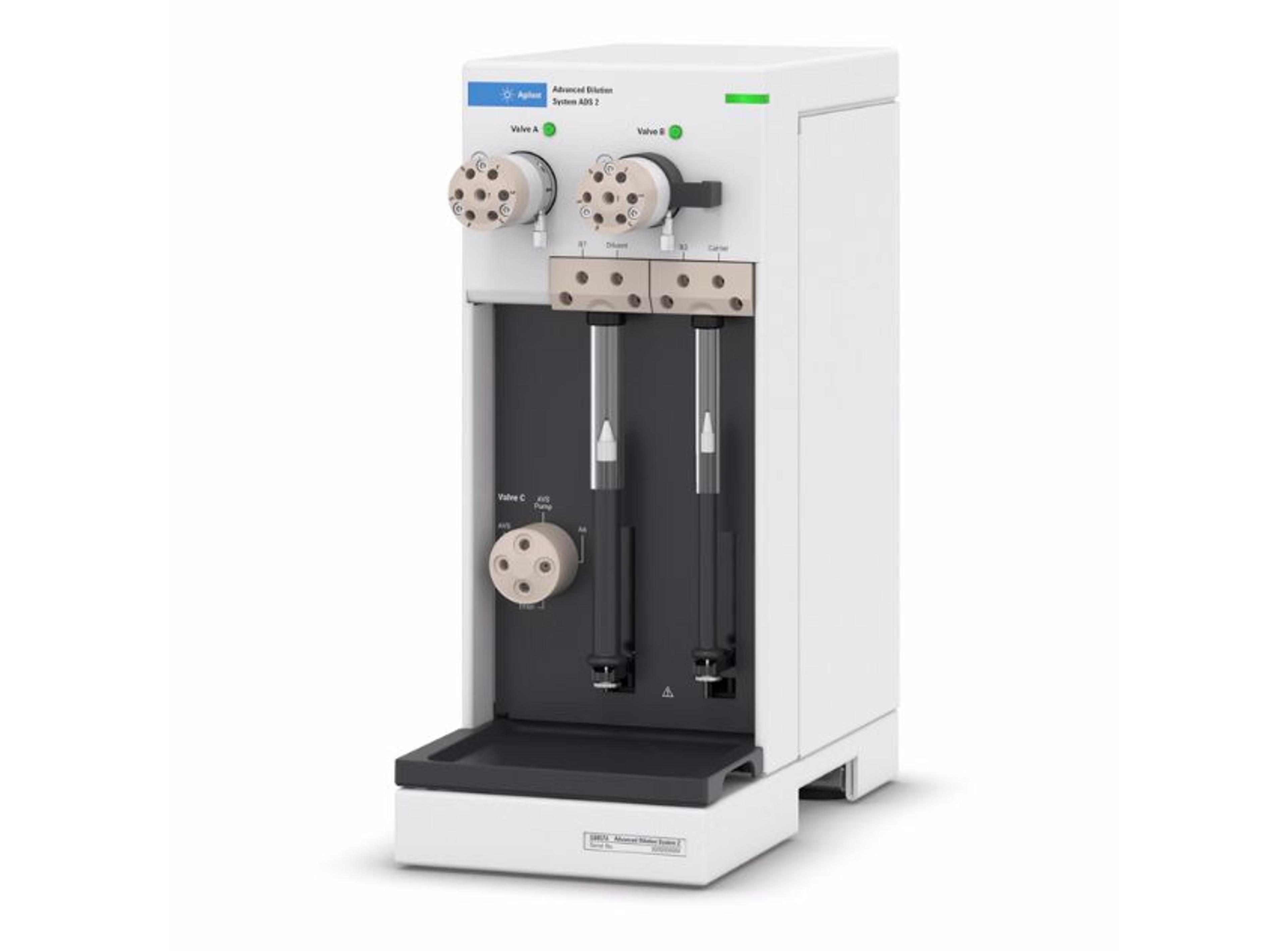
To increase the efficiency of labs equipped with Agilent ICP-OES or ICP-MS instrumentation, Agilent Technologies has developed the Advanced Dilution System 2 (ADS 2) – a fully integrated inline autodilution system designed for routine, high-throughput applications. The ADS 2 can automatically dilute stock standards and samples up to 400 times, making it ideal for the auto-preparation of calibration standards and samples, or dilution of over-range samples. Explore the features, applications, and benefits of AGS 2 that are helping to automate calibration and sample dilution for ICP-OES and ICP-MS technologies.
A practical guide to elemental analysis of lithium-ion battery materials using ICP-OES
In this application note, Agilent Technologies gives an overview of the regulations and standards for batteries and battery materials and the typical elemental analysis testing for each stage of the battery lifecycle.
The lithium battery industry requires the analysis of the elemental composition of materials along the value chain:
- Lithium and other minerals extraction: identification and quantification of elements in ores and brines, and of metal and magnetic impurities in the refining process
- Lithium battery research and development: studying the interactions between components, studying the impact of different elements used in batteries to improve battery safety, performance, cycle life, power density, and energy density, measuring elements in decomposition products
- Lithium battery manufacturing quality control: measuring impurities in anode, cathode and electrolyte materials, controlling any restricted elements such as lead, mercury, and chromium
- Manufacturing environmental monitoring: ensuring factory discharges comply with regulated limits
- Lithium battery recycling and resource recovery of valuable metal elements (Ni, Co, Mn, Li, etc.)
Sustainability: Innovation’s new frontier
In this infographic, learn more about the current challenges laboratories face when it comes to achieving sustainability goals and discover Agilent innovations and initiatives designed to help laboratories with going green.
Measuring inorganic impurities in semiconductor manufacturing
The new edition of the Agilent ICP-QQQ Semiconductor Applications Compendium contains 20+ optimized methods to measure impurities in:
- Wafer precursor and substrate materials
- Ultrapure water and hydrogen peroxide
- Acids and other process chemicals
- Solvents and other organic chemicals
- High purity metals
- Precursor and process gases
The methods include instrument configuration and tuning parameters, sample and standard preparation details and representative results.
The compendium will be a valuable resource for suppliers to fab plants aiming to control inorganic impurities to meet product specifications.
Handbook of ICP-QQQ applications using the Agilent 8800 and 8900
This handbook details the array of applications that can be undertaken using the Agilent 8800 and 8900 instruments. The Agilent 8800 ICP-QQQ signaled a major advance in ICP-MS technology and redefined performance for trace element analysis. Compared to existing quadrupole ICP-MS instruments, the 8800 ICP-QQQ promised significant analytical benefits across many applications. Building on the success of the 8800, the 8900 ICP-QQQ provides performance and productivity improvements to address an even wider range of applications.
How to stop wasting time remeasuring ICP-OES samples
In an online poll, conducted in 2019, over 200 respondents indicated the percentage of ICP-OES samples they were having to measure more than once. On average, they were remeasuring 15% of their samples. Are you spending too much time remeasuring samples when you could be spending it on valuable work? Find out how to solve this problem and save time, by downloading Agilent's new eBook.
How to reduce ICP-OES remeasurement caused by sample problems and errors
Inductively coupled plasma optical emission spectroscopy (ICP-OES) is a well-established technique for the measurement of elements in solution. However, many scientists can end up having to spend hours of valuable lab time preparing and remeasuring samples. This eBook can help: download it now for tips and tricks from an ICP-OES expert on how to prevent the time-wasting remeasurement of samples.
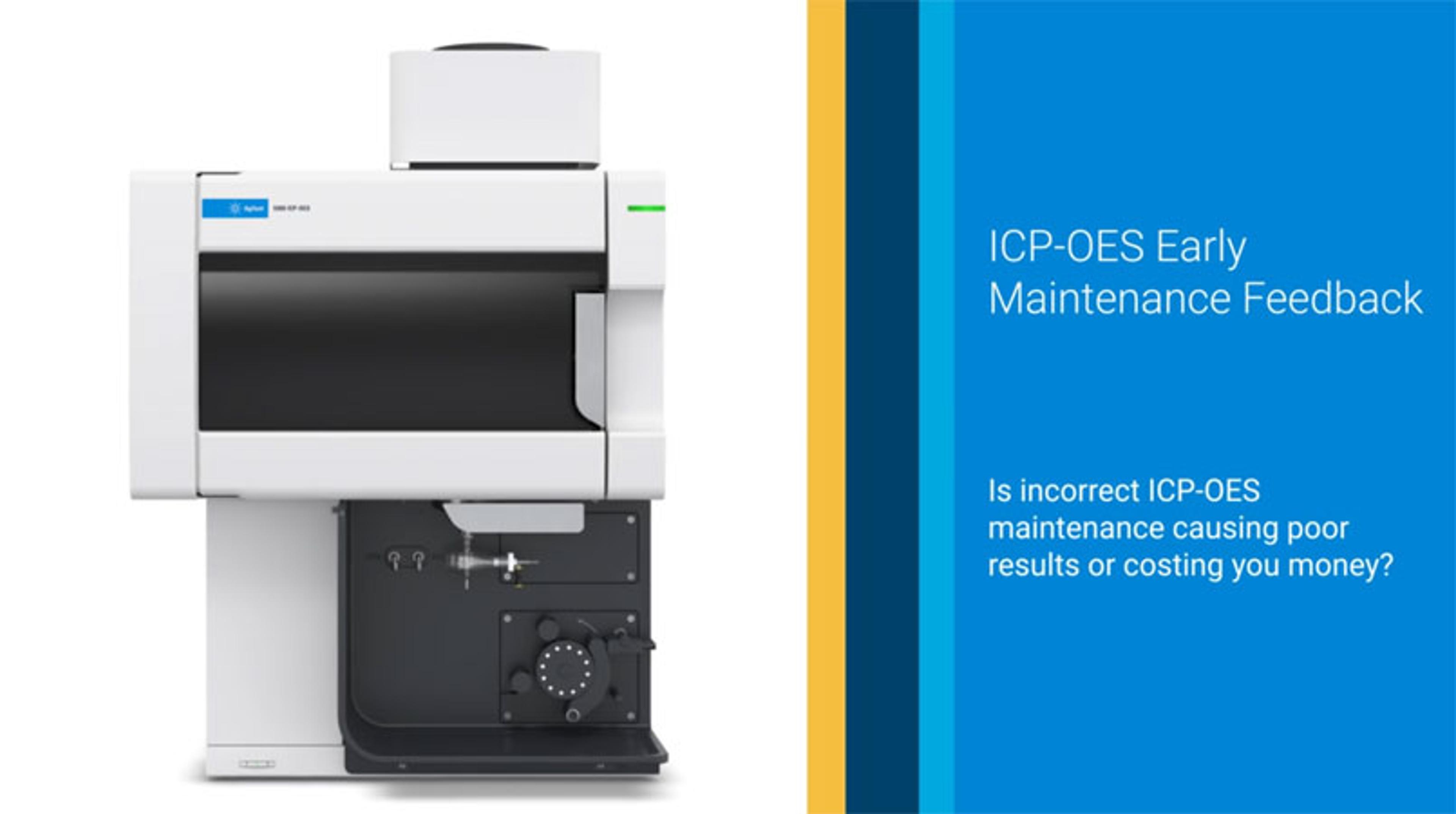
How to prevent common ICP-OES instrument problems
Agilent's service data indicates that up to 30% of ICP-OES service calls are unnecessary and that the instrument operator could have avoided the problem if only they knew how. Save yourself the time and hassle of a service call by downloading this eBook listing the common instrument problems and expert tips on how to steer clear of them.
Unproductive time traps in ICP-MS analysis and how to avoid them
Whether you are new to ICP-MS or an experienced analyst, knowing how to avoid or minimize common time wasting activities will make your life easier and your results more reliable.
Many of the tips and techniques in this ebook are relevant to any lab and any ICP-MS instrument. From ways to avoid over range results through to knowing how much instrument maintenance is the right amount, the ebook covers every step of owning and using an ICP-MS:
- Learning a new instrument
- Developing new methods
- Daily checks, cleaning, and tuning
- Sample/standard preparation
- Screening samples before analysis
- Setting up a sample sequence
- Monitoring sample analysis
- Reviewing and reporting results
- Remeasuring samples
- Instrument maintenance and downtime
Download this free ebook for tips and techniques to help you avoid or minimize common time traps in ICP-MS workflows.
Analysis of waste samples according to US EPA Method 6010D
In this application note, Agilent Technologies demonstrates how the Agilent 5800 Vertical Dual View (VDV) ICP-OES fitted with an AVS 7 switching valve can be used to simplify method development and quality assure results during the analysis of soils, sediments, and sludges according to the US EPA 6010D standard method.

Overcoming high matrix sample analysis challenges by optimizing ICP methods
May 7, 2025 at 16:00 BST / 17:00 CEST / 11:00 EDT / 08:00 PDT
Performing trace and ultra-trace elemental analysis is important to meet regulations in various industries including environmental and food testing. However, often the presence of high total dissolved solids (TDS) in samples introduces challenges in spectroscopy analysis such as spectral interferences, nebulizer blockages, and the need for frequent dilutions. These issues can result in sample re-runs and increased instrument maintenance.
Discover an innovative solution that prioritizes both the hardware and software of Inductively Coupled Plasma-Optical Emission Spectroscopy (ICP-OES) and Inductively Coupled Plasma-Mass Spectrometry (ICP-MS) instruments, that can help analysts generate high-quality data easier and more quickly with less user intervention.
Join Dr. Raimund Wahlen, Product Specialist at Agilent Technologies, and Dr. Pierre Burckel, Application Engineer in Atomic Spectroscopy, at Agilent Technologies as they introduce the IntelliQuant feature on Agilent ICP platforms.
Learn how this semiquantitative analysis tool can quickly provide a full picture of the entire sample composition for method development and thereby guide the analyst in deciding which wavelengths, or isotopes, are the best options for target analytes or internal standard elements.
Different high TDS nebulizers are compared and evaluated in terms of their sensitivity, precision, tolerance to total dissolved solids, particle size handling, and maintenance requirements. Finally, automated hardware features to address high levels of dissolved solids in solutions will be discussed.
Certificate of attendance
If you attend the live webinar, you will automatically receive a certificate of attendance, including a learning outcomes summary, for continuing education purposes.
If you view the on-demand webinar, you can request a certificate of attendance by emailing editor@selectscience.net.
Webinar details
- Cost: Free to attend
- Location: Online
- Duration: 60 minutes
Registration is required to secure your place. If you register but can’t attend live, you will receive a link to the on‑demand recording once it becomes available.
Solutions for common metals lab stresses
Agilent’s automated sample dilution systems can solve a range of common problems in a metals analysis lab. Discover how the use of an autosampler means analyses can be performed 24/7, how a switching valve doubles sample throughput, and how the autodilutor automates sample dilutions and standard preparation. Explore how these components work seamlessly together, reducing pressure on laboratories with a single-vendor solution that enables the automation of ICP-OES and ICP-MS analyses.
Introducing the Agilent ADS 2 autodilutor
Explore Agilent’s new Advanced Dilution System 2 (ADS 2) autodilutor, which creates an intelligent, all-Agilent automation system for ICP-OES and ICP-MS analyses. Discover how you can simplify your laboratory workflow by automating several laborious and error-prone tasks, such as preparing calibration standards, diluting samples before analysis, and preparing reactive dilutions for over-range samples and QC solution failures.
Discover unknown elements in your samples before they cause trouble
Got an ICP-OES sample from a new source? Not sure if there are any elements in it that might cause interferences?
In this video, Agilent Technologies provides an insight into how to use its Intelliquant screening software to determine all the elements in an unknown sample along with their concentrations. This promises to quickly screen ICP-OES samples without the need for any method development or element selection.
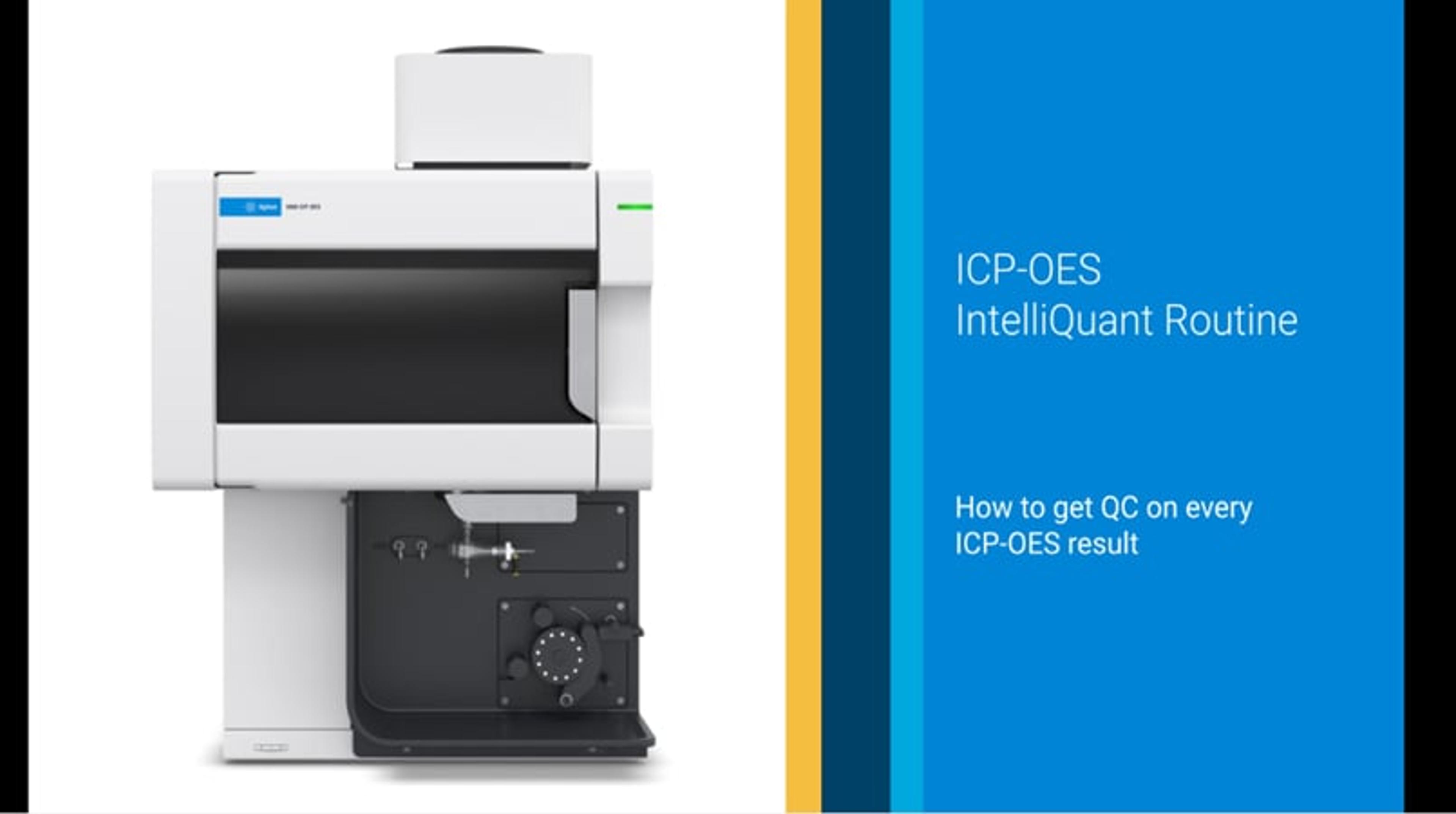
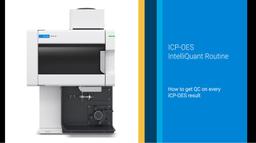
How to get quality control on every sample
Agilent Technologies’ ICP-OES IntelliQuant Routine helps to improve the efficiency of your analysis.
In this video, discover how to get quality control on the results for every sample you measure using ICP-OES without making up any extra solutions.
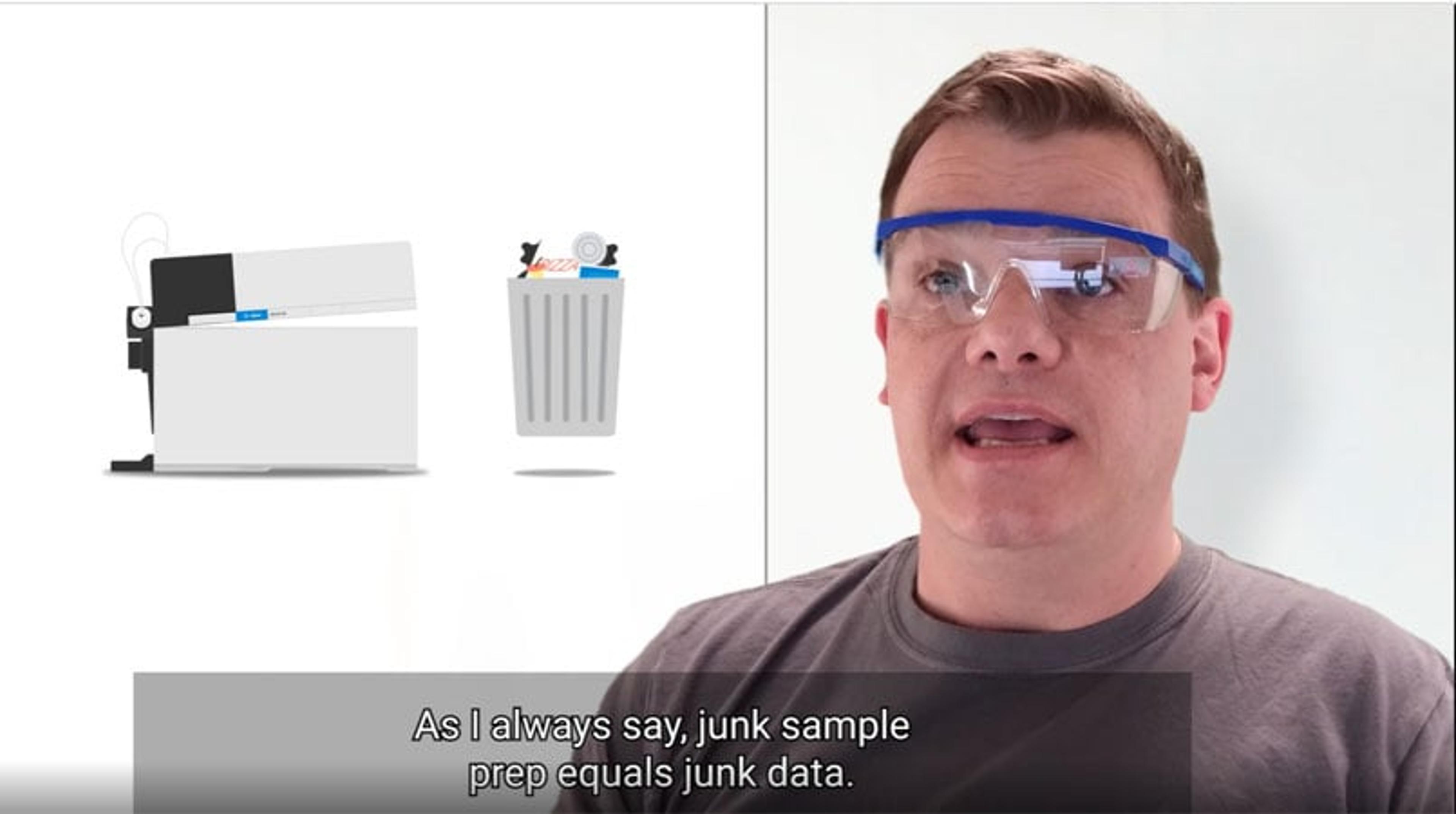
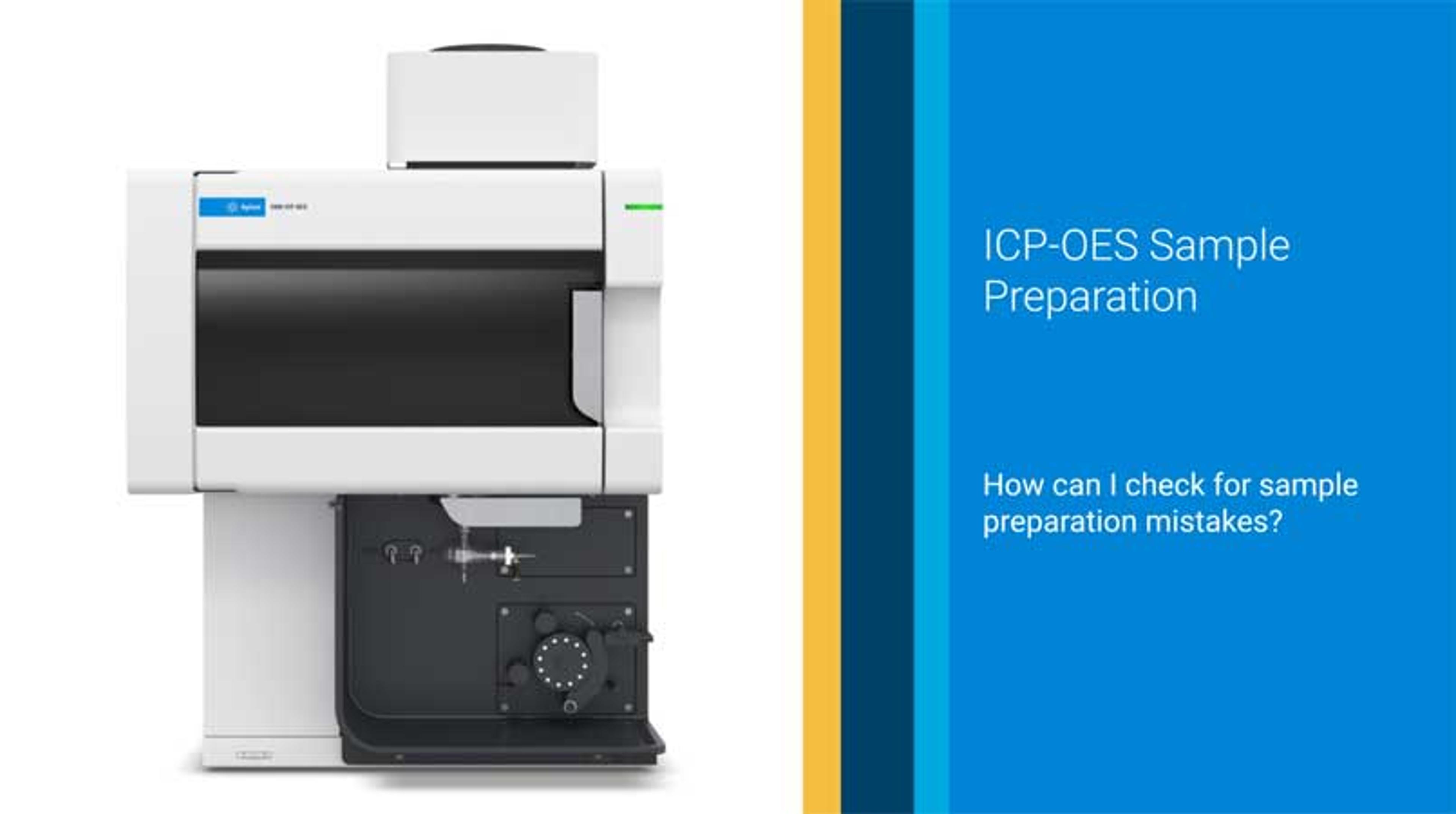
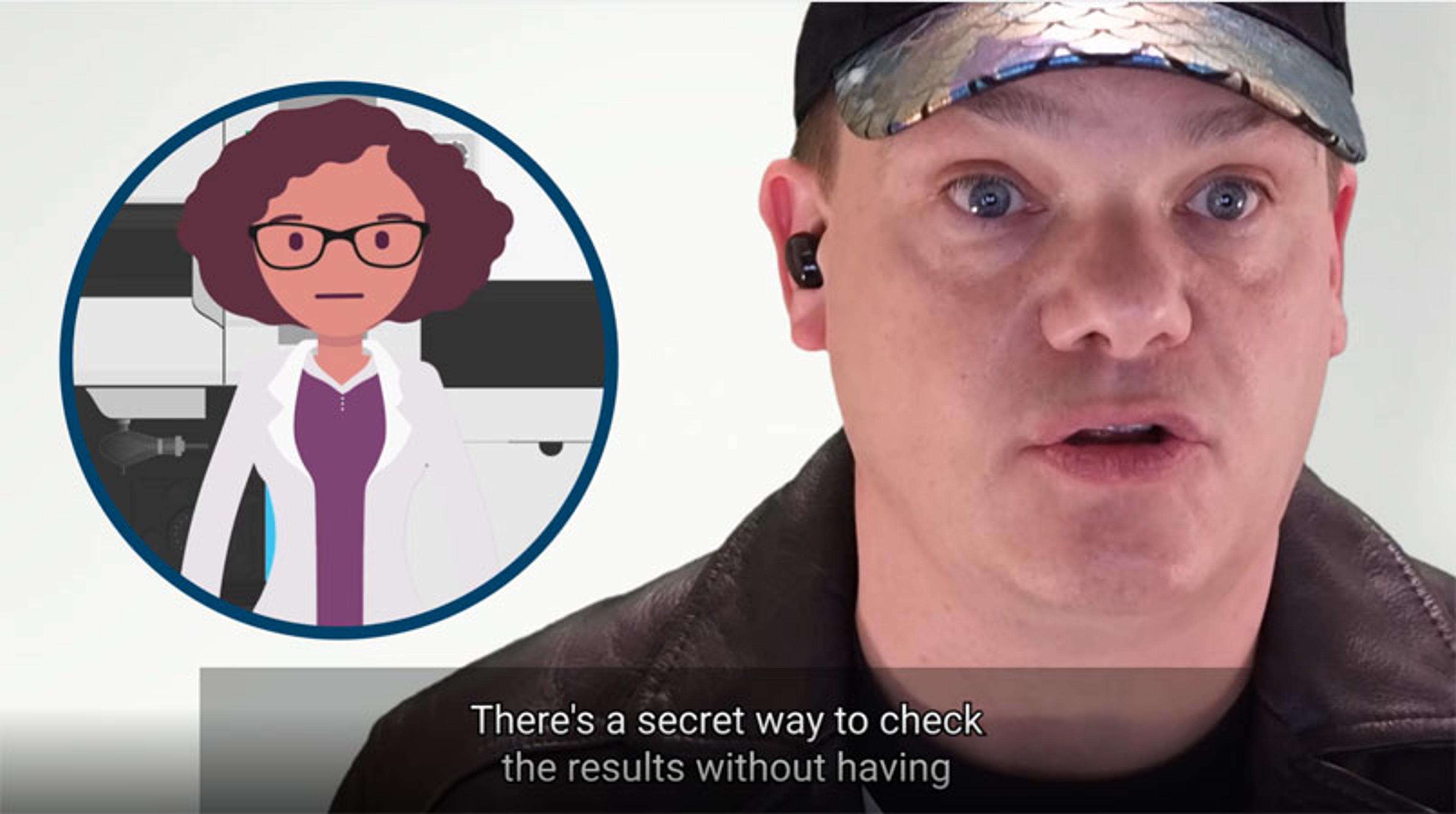
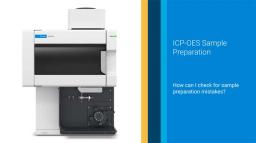
How to spot ICP-OES sample preparation mistakes
In this video, learn how to spot sample preparation mistakes using Agilent’s IntelliQuant early-warning system
How to double-check an ICP-MS result without rerunning the sample
Ever doubted a result and wished you could quickly confirm it was correct without having to rerun the sample? Now you can with the IntelliQuant function.
Celebrating 10+ years of advances enabled by proven MS/MS technology
In this video, Agilent Technologies shares what an Agilent ICP-QQQ could do for your lab. For more information, explore Agilent's comprehensive ICP-QQQ applications bibliography here >>
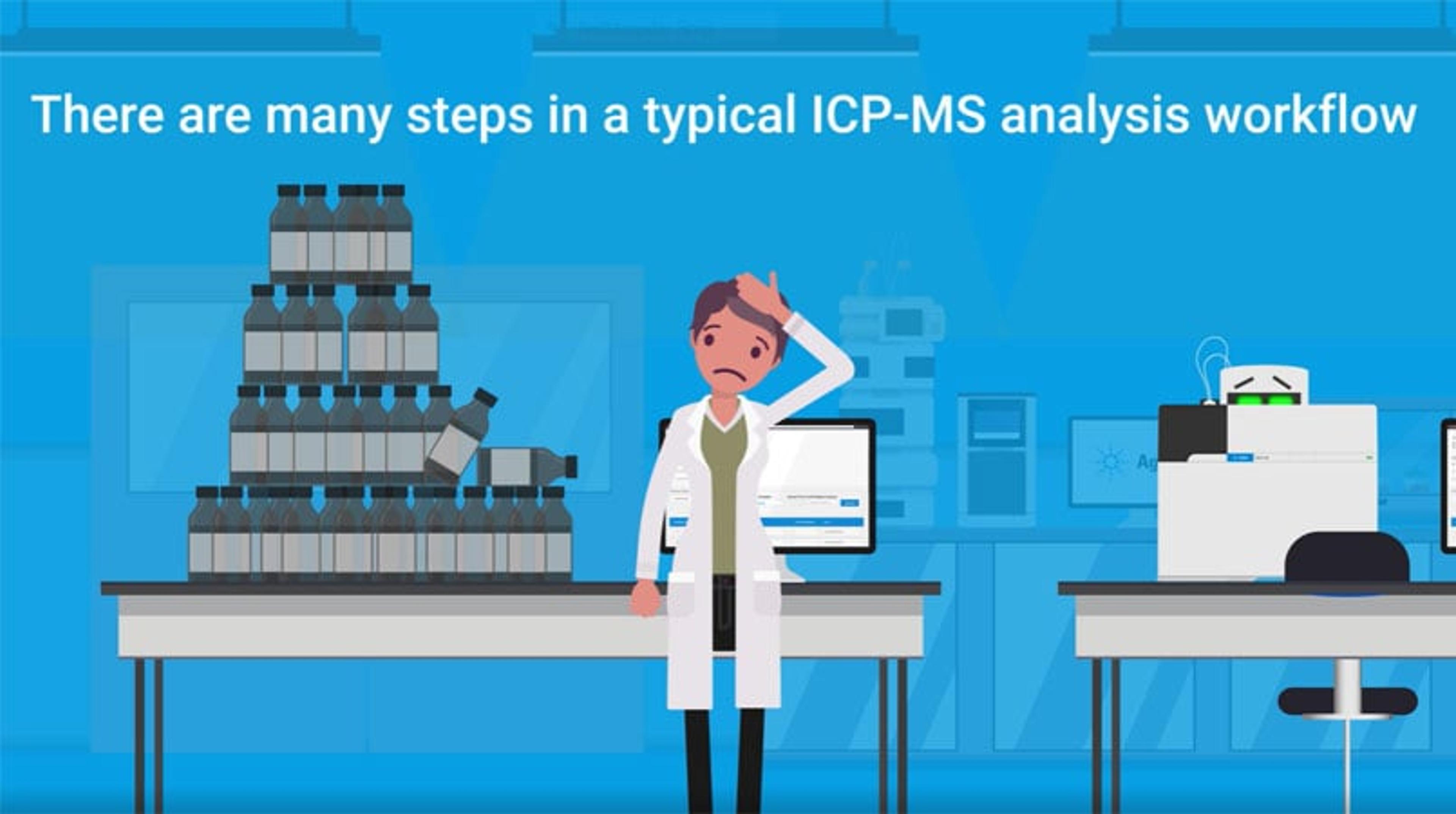
Free your ICP-MS workflow from common time traps
There are many steps in a typical ICP-MS workflow and each step can have hidden time traps. Discover how you can escape the unproductive and often unnecessary activities that may be impacting your lab.
Using helium mode to deal with tricky chemistry in ICP-MS analysis
Learn how helium mode in a collision reaction cell can reduce the complexities of sample preparation when dealing with ICP-MS samples with tricky chemistry problems.

New interactive atomic spectroscopy content hub launched
With spotlights on ICP-OES, ICP-MS, and ICP-QQQ, get ahead with this eye-catching application-focused resource