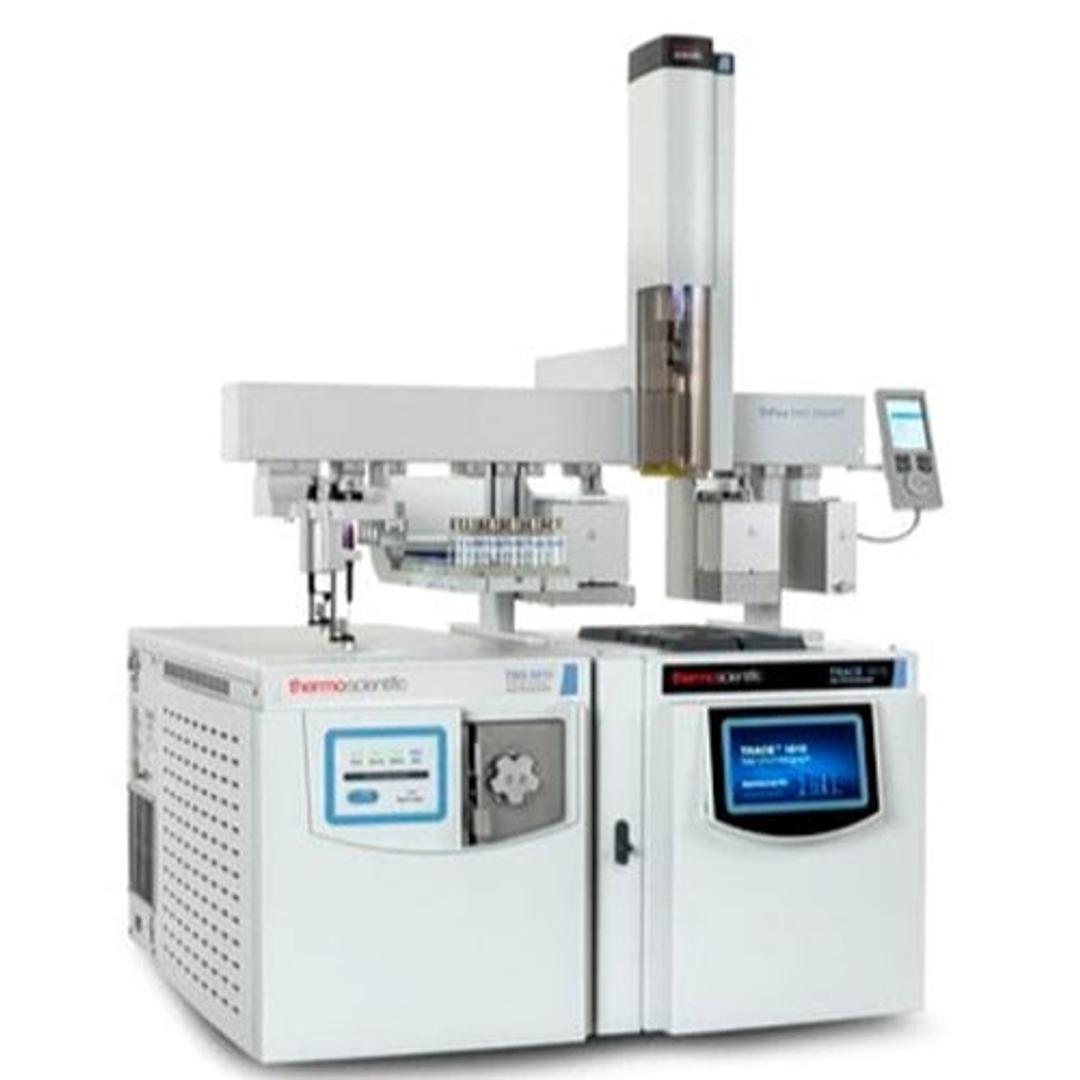
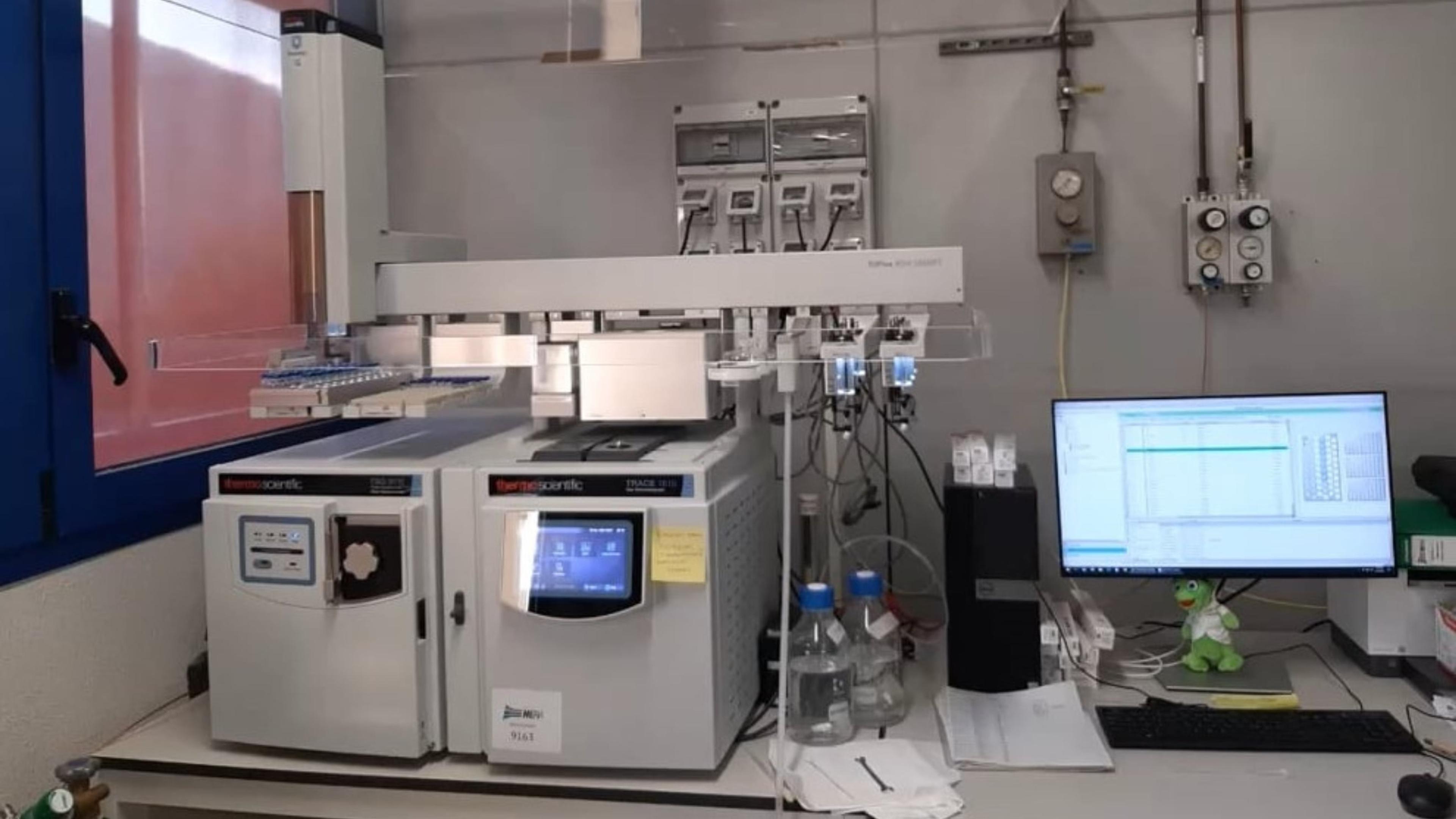
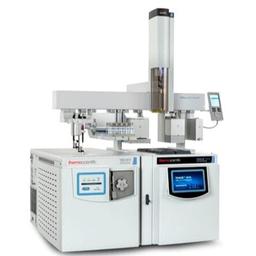
TSQ™ 9610 Triple Quadrupole GC-MS
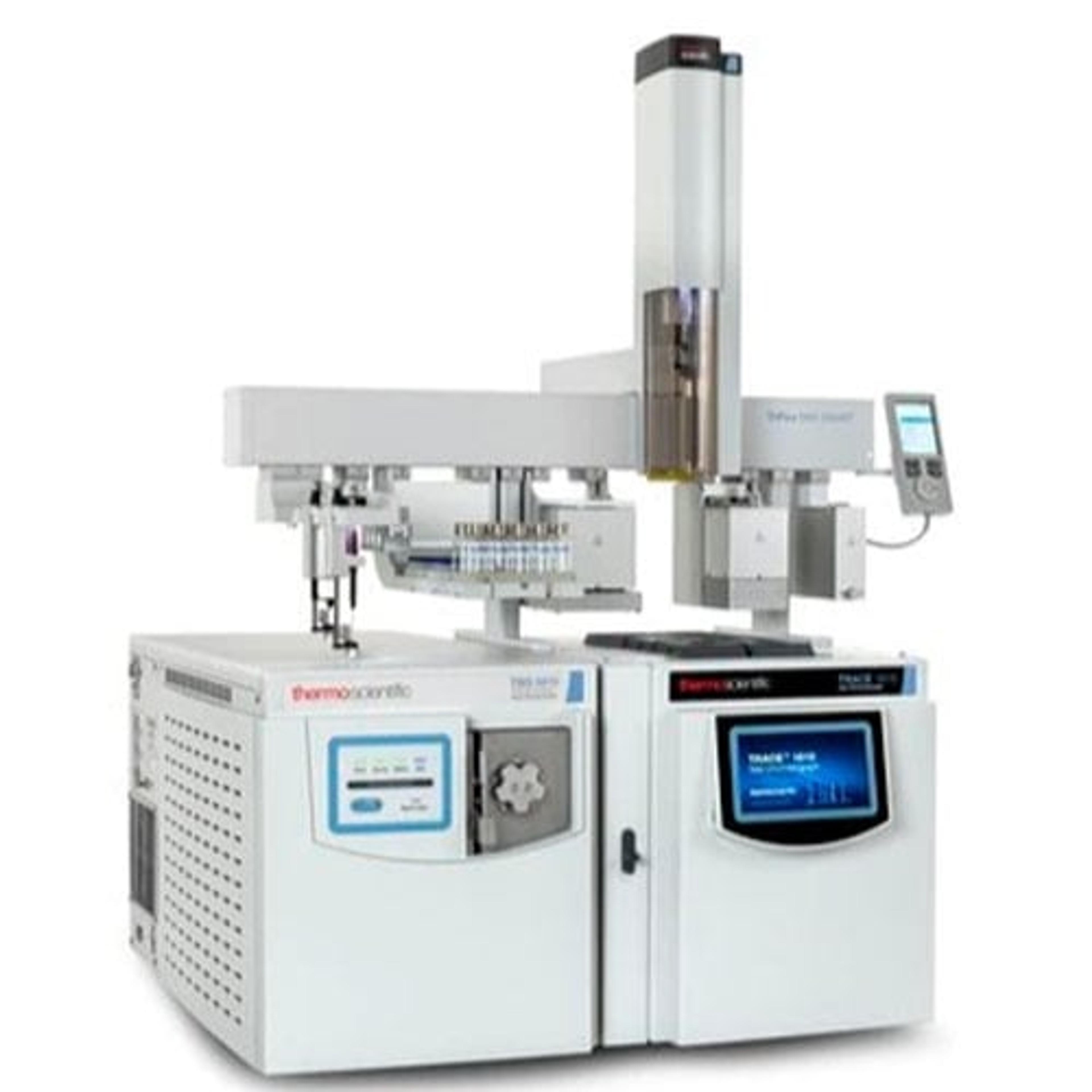
Featuring new extended linear dynamic range combined with proven high sensitivity, stay ahead of the toughest regulatory methods and business demands with the Thermo Scientific™ TSQ™ 9610 Triple Quadrupole GC-MS/MS System. User-centric Thermo Scientific™ NeverVent™ technology, extended-life detector, and intelligent software eliminate unnecessary downtime to maximize your sample throughput and return on investment.
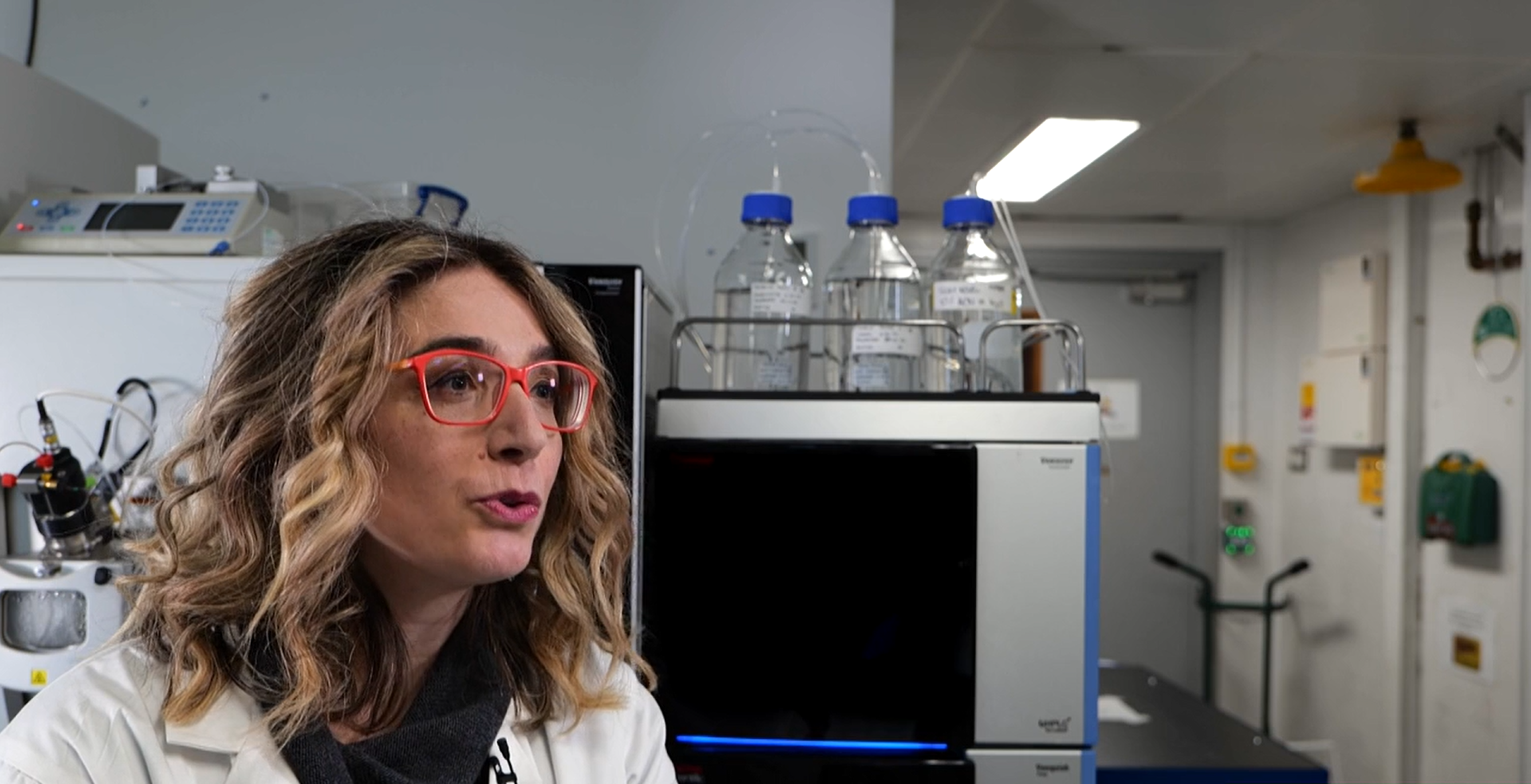
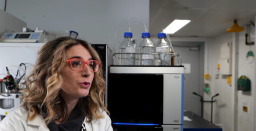
Dr. Erika Castrignanò, Principal Analyst at King's College London's Drug Control Centre discusses wastewater analysis.

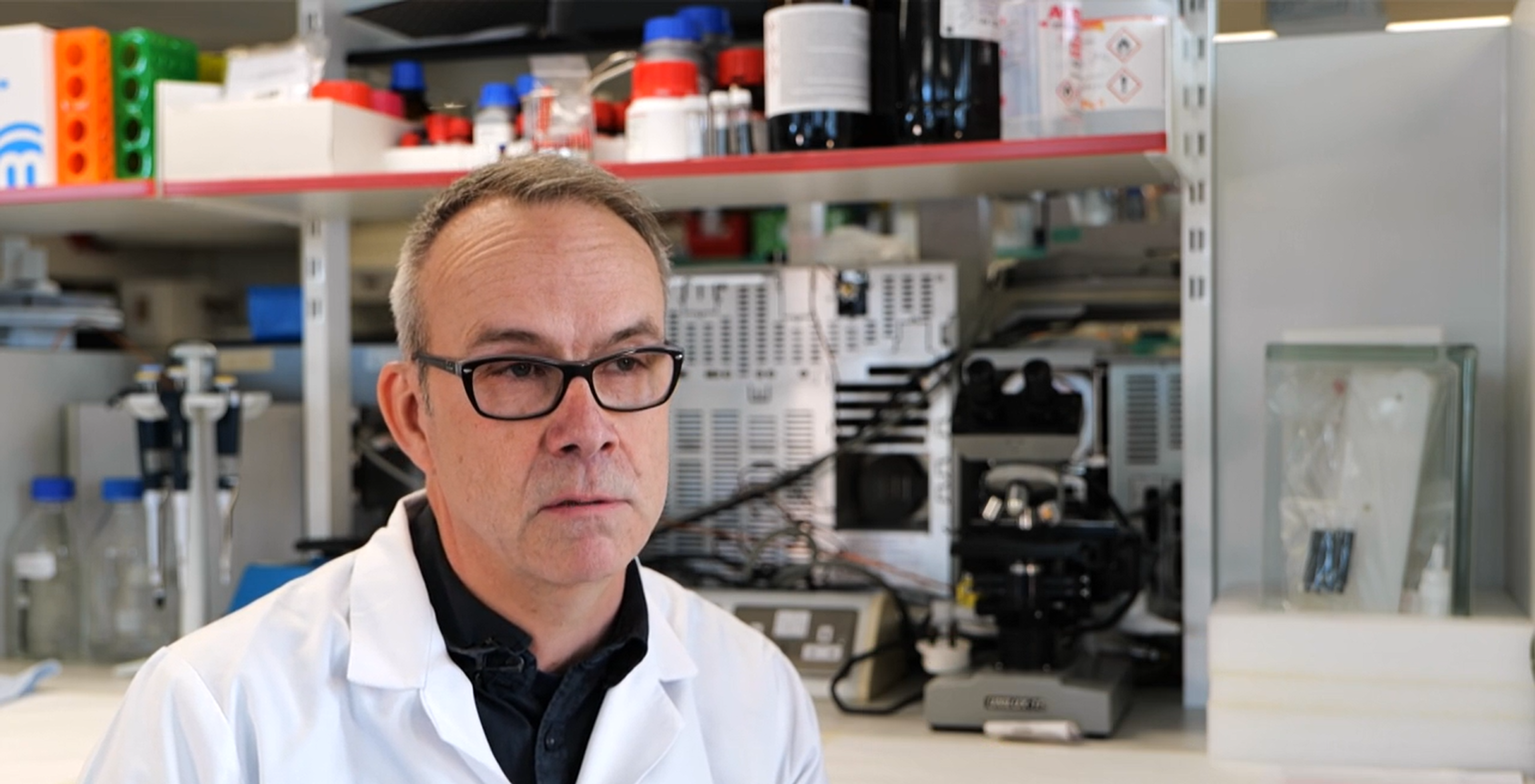
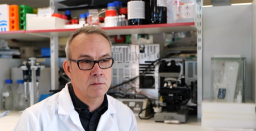
Professor Kim Wolff, Head of the Drug Control Centre at King's College London discusses ensuring fairness in elite-level sports using forensic toxicology
Christiaan Bartlett, King's College London, discusses biological passports at the Olympics


The supplier does not provide quotations for this product through SelectScience. You can search for similar products in our Product Directory.
Increase instrument uptime
Eliminate unnecessary, unplanned instrument downtime to deliver high-confidence quantitative results, day after day. The TSQ 9610 Triple Quadrupole GC-MS/MS System combines unstoppable robustness with the ability to change the GC column and clean the ion source without interrupting analytical workflows.
Maximize sample throughput
When high sample throughput is essential, the system delivers results on time and with ease. Automated workflows and simplified operation ensure every user produces consistent results, sample after sample. Extended linear range and rapid selected reaction monitoring (SRM) scanning enable method consolidation so you can analyze more compounds in a single run. When these capabilities are combined with best-in-class uptime and sensitivity, you stay ahead of any productivity demand.
Realize rapid return on investment
Ensuring your system delivers results as soon as it’s installed is necessary to achieve rapid ROI. With built-in intelligence that simplifies instrument setup, analytical methods, and everyday operation, the TSQ 9610 Triple Quadrupole GC-MS/MS System is designed for accelerated deployment. Reduced needs for operator training and faster time to full productivity together with maximum sample throughput provide fast return on your instrument
Brochures

Simplify the complexity of dioxin analysis
Explore the Thermo Scientific™ dioxin analysis portfolio which allows analysts to meet the most rigorous of challenges associated with dioxin analysis. The portfolio includes worldwide compliant magnetic sector technology, high resolution accurate mass spectrometry for comprehensive characterization of samples and GC triple quadrupoles for an easy-to-implement analytical workflow for dioxin analysis. The Thermo Scientific™ TSQ™ 9610 GC-MS/MS system is part of an integrated, sample-to-result GC-MS/MS-based analytical workflow developed to deliver robust and sensitive quantitation of polychlorinated dibenzo-p-dioxins (PCDD), polychlorinated dibenzo furans (PCDF) and dioxin-like polychlorinated biphenyls (dl-PCBs), in food and feed samples in compliance with the latest EU regulations (EU Regulation 664/2017).
Optimize sample throughput and precision with the TSQ 9610 GC-MS/MS for environmental and food testing
Ensuring the regulatory limits for environmental and food analysis can be met day in and day out is extremely important for analytical testing laboratories. Discover how the Thermo Scientific™ TSQ™ 9610 GC-MS/MS enhances sample throughput and accuracy in analytical testing laboratories. Ideal for environmental and food analysis, this advanced system ensures compliance with U.S. EPA standards, boosts sensitivity, and streamlines analytical methods.
A rapid, sensitive, and consolidated method for PCBs and PAHs using GC-MS/MS
Polychlorinated biphenyls (PCBs) and polyaromatic hydrocarbons (PAHs) are toxic organic pollutants that can contaminate various food and environmental matrices, including soils, water, sun cream, and salmon. GC-MS, and increasingly GC-MS/MS, are being utilized by analytical testing laboratories to analyze PAHs and PCBs. GC-MS/MS offers an increase in selectivity, allowing matrix interferences to be significantly reduced. Discover how the Thermo Scientific™ TSQ™ 9610 triple quadrupole GC-MS/MS system equipped with the Advanced Electron Ionization (AEI) source delivers consistent and reliable analytical performance for analysis of PAHs and PCBs in water samples.
Improved laboratory productivity with a single GC-MS/MS configuration for multipurpose environmental analysis
In the field of environmental monitoring, a large variety of compound classes may be required for analysis, including both common and emerging contaminants. Currently, samples often undergo several analyses on different instrument configurations, requiring a variety of protocols and instrument setups in the same laboratory. Thermo Fisher Scientific highlights a single instrument configuration, based on triple quadrupole GC-MS, to perform the analysis of various compound classes commonly monitored in the environment. Discover how this enables environmental laboratories to standardize on a single hardware configuration, facilitating laboratory capacity and simplifying workflows.
PCDD/Fs analysis using triple quadrupole GC-MS with helium-saving technology
Explore the performance of the Thermo Scientific™ HeSaver-H2 Safer™ technology for the iConnect™ split/splitless (SSL) injector on the Thermo Scientific™ TRACE™ 1600 Series GC systems for the analysis of polychlorinated dibenzo-p-dioxins (PCDDs).
PCDD/Furans and their toxicity at trace levels continue to be a concern for regulatory agencies. The Thermo Scientific™ DFS™ Magnetic Sector gas chromatography high-resolution mass spectrometer (GC-HRMS) is the gold standard in dioxin analysis, providing worldwide compliance in environmental samples as outlined in the US Environmental Protection Agency (EPA) Method 1613 and in food and feed under EU Regulations 644/2017 and 771/2017 for the analysis of PCDDs/PCDFs.
Overcome anti-doping analysis obstacles with cutting-edge technologies
Innovation in analytical technologies can enable anti-doping authorities and testing laboratories to stay ahead of evolving doping techniques and illicit substances to ensure a trustworthy and clean sporting environment. Continued enhancement of such technologies, including heightened sensitivity and accelerated processing speeds, plays a pivotal role in shaping the trajectory of future anti-doping endeavors.
In this eBook, we provide information and solutions to ensure you are up to date with the latest advancements in anti-doping technologies. The aim of this guide is to provide you with the cutting-edge tools and methodologies that stand at the forefront of the fight against doping, ensuring a fair and integrity-driven landscape in the world of sports.
Explore the content to:
- Conduct a robust analysis of banned substances in equine plasma
- Utilize an all-in-one LC-MS/MS solution for toxicology
- Stay ahead of regulations for steroid analysis in urine
- Gain unstoppable confidence with user-centric GC-MS/MS systems
- Solve the challenges in your analytical testing labs
- Set the new standard in productivity
- Couple GC-IRMS with quadrupole GC/MS for confirmatory analysis
- Discover a novel technique for the detection of polar compounds
Staying ahead of regulations for the analysis of steroids in urine with GC-MS/MS
The goal of this technical note is to demonstrate the utility of the Thermo Scientific™ TRACE™ 1610 GC system and Thermo Scientific™ TSQ™ 9610 triple quadrupole GC-MS system for the anti-doping controls.
Trends in untargeted food analysis
One of the fastest growing issues faced by the food industry is the increasing threat of unknown and emerging food contaminants. Whilst analytical approaches to untargeted food analysis have improved significantly, this type of testing can still be a daunting and time-consuming process for food scientists.
In this whitepaper, discover the importance of untargeted food analysis and learn about analytical techniques that can be used to identify unknown food contaminants. Learn about the three main areas of concern: mycotoxins, pesticides and food contact materials. Hear from experts in the industry, explore current challenges and learn about future considerations for this field of analysis.
Download your free copy to learn more about:
- Evolving challenges in food analysis
- The regulatory landscape of untargeted food analysis
- Addressing the combined analysis challenge
- Future directions for untargeted food analysis
Food safety and labeling issues for testing laboratories
The challenges for performing food analysis in testing laboratories has never been greater. There are an increasing number of compounds to detect, analyze and quantify to ensure that foods and beverages meet regulatory compliance and safety standards, and that labeling information is clearly and accurately communicated to consumers.
This eBook outlines various ways that laboratories can meet the demands to support food and beverage safety testing for a range of chemical residues and contaminants.
This eBook will cover:
- Pesticide residues
- Mycotoxins
- Environmental contaminants
- Trace metals and toxic contaminants
- Food contact materials
- Veterinary drug residues
- Essential labeling and authenticity testing
Cost savings and increased data quality through automation
HERAtech presents its novel automated sample preparation workflow for pesticides and PAHs in surface water with online GC-MS/MS analysis – enabling cost savings through higher sample throughput, reduced solvent consumption and labour time-saving optimization through less downtime. Discover how to optimize your laboratory workflow with unattended operations using Thermo Scientific™ Chromeleon™ CDS software to control the entire system.
Wastewater analysis tackling sports doping at highest level
Discover how Dr. Erika Castrignanò, Principal Analyst at King's College London's Drug Control Centre, employs liquid chromatography and mass spectrometry for sports testing. Explore the principles of wastewater-based epidemiology and its impact on combating doping in elite sports, as well as understanding drug consumption in wider communities.
Innovative forensic toxicology ensuring fairness in elite-level sports
Professor. Kim Wolff, Director of King's Forensics and Head of the Drug Control Centre at King's College London, specializes in forensic toxicology and anti-doping science. Wolff discusses the overlap between the two fields, emphasizing the need for sensitive methods to detect drugs at major events. Find out how innovations like dried blood spot testing and a new instrument from Thermo Fisher Scientific, helps Wolff’s team differentiate between synthetic and natural steroids used by athletes.
24-hour biological passports keeping the Olympics clean
Join Christiaan Barlett, Lab Operations Manager at King's College London's Drug Control Centre, as he discusses athlete biological passports, an innovative system for the detection of blood, steroid, and growth hormone doping, ensuring fair competition in elite-level sporting events like the Olympics. During the Paris 2024 Olympic games, the turnaround time for passport testing changes from 20 days to an astonishing 24 hours, so that cheats can be detected quickly. Bartlett explains how this is possible with the highest possible accuracy.
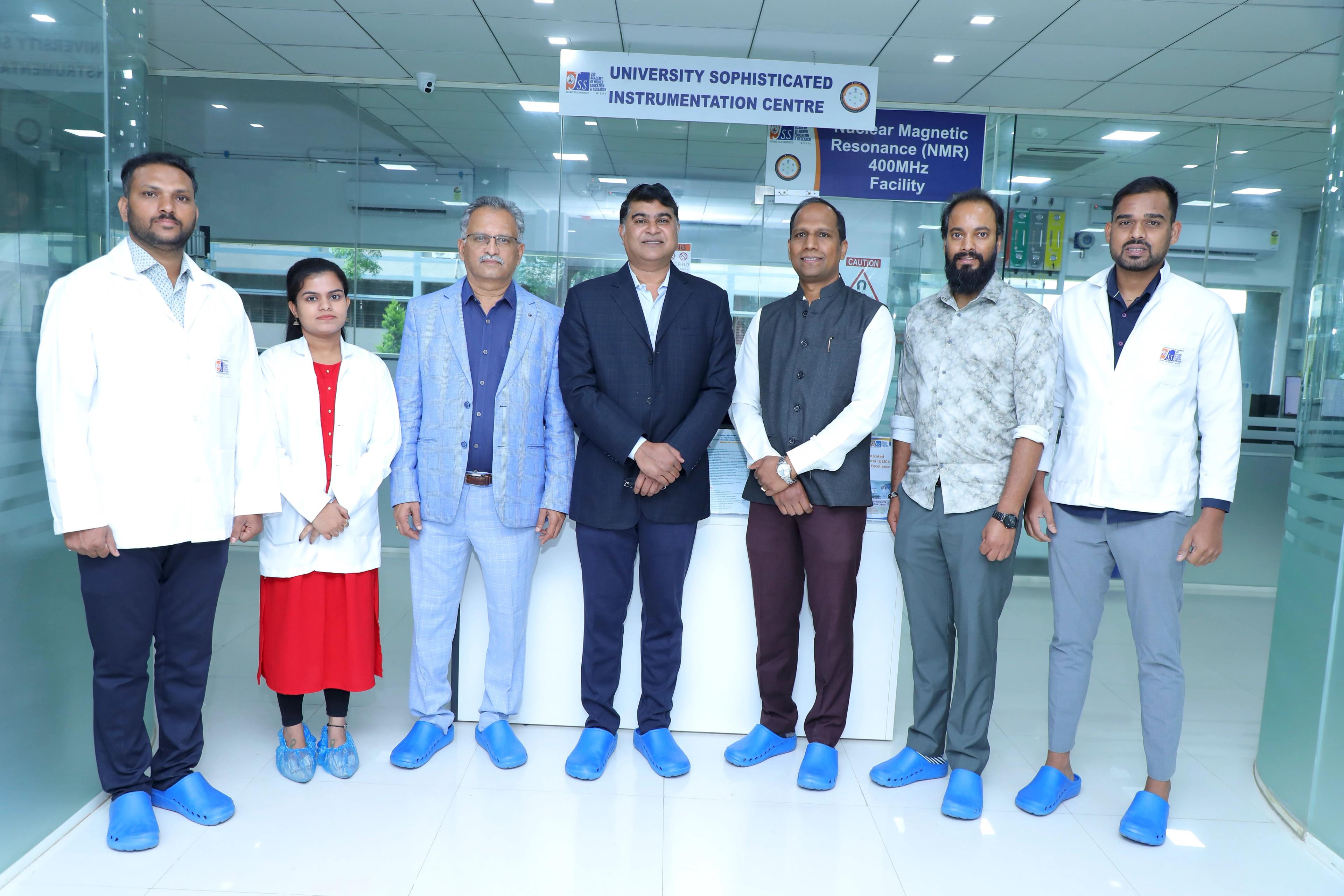
State-of-the-art scientific tools key to advancing healthcare research
Dr. Komal Javarappa discusses the critical technologies supporting translational research and patient care at JSS AHER