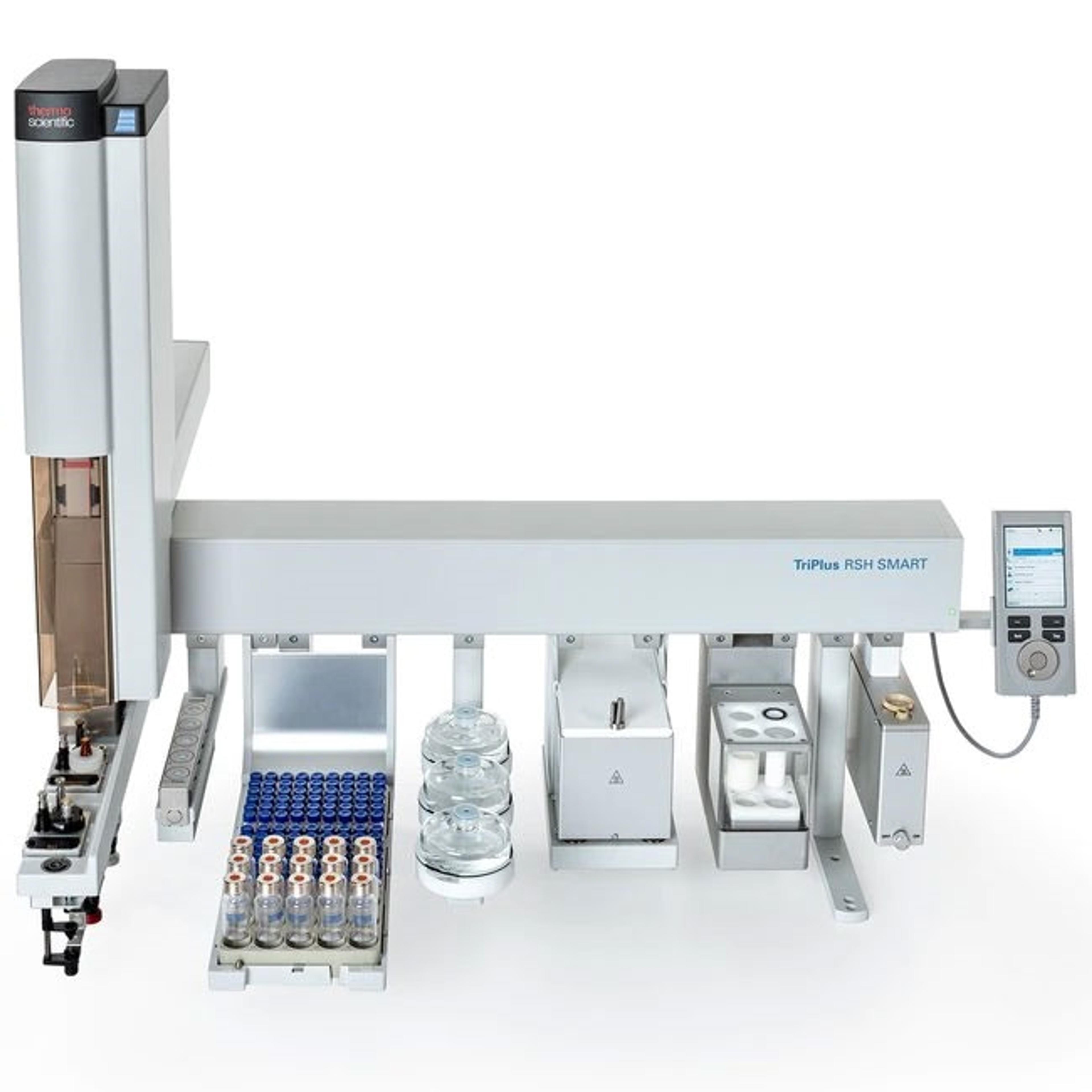
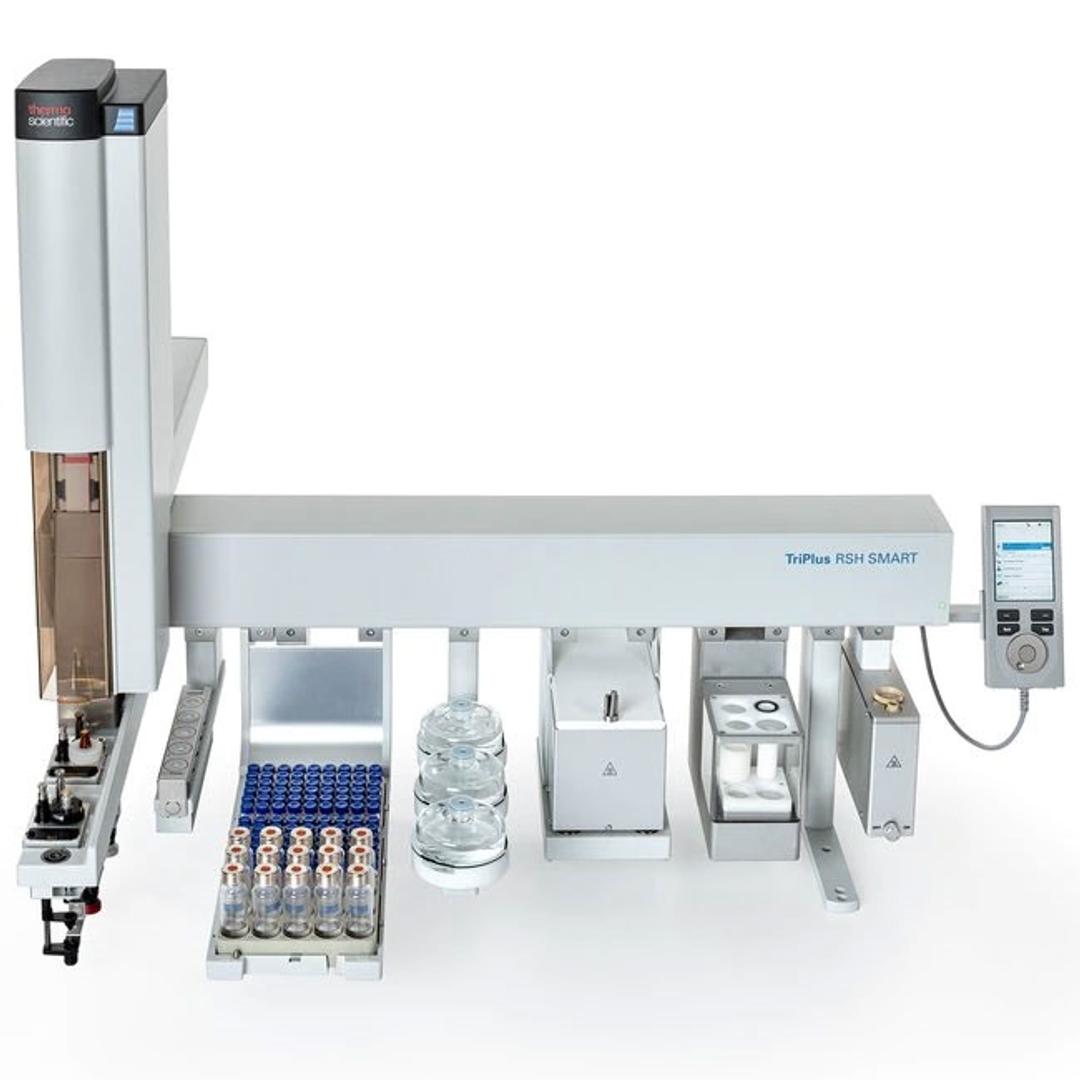
Thermo Scientific™ TriPlus™ RSH SMART
Expand automated sampling capabilities for GC and GC-MS beyond liquid, headspace, and solid phase microextraction (SPME) injections.

The supplier does not provide quotations for this product through SelectScience. You can search for similar products in our Product Directory.
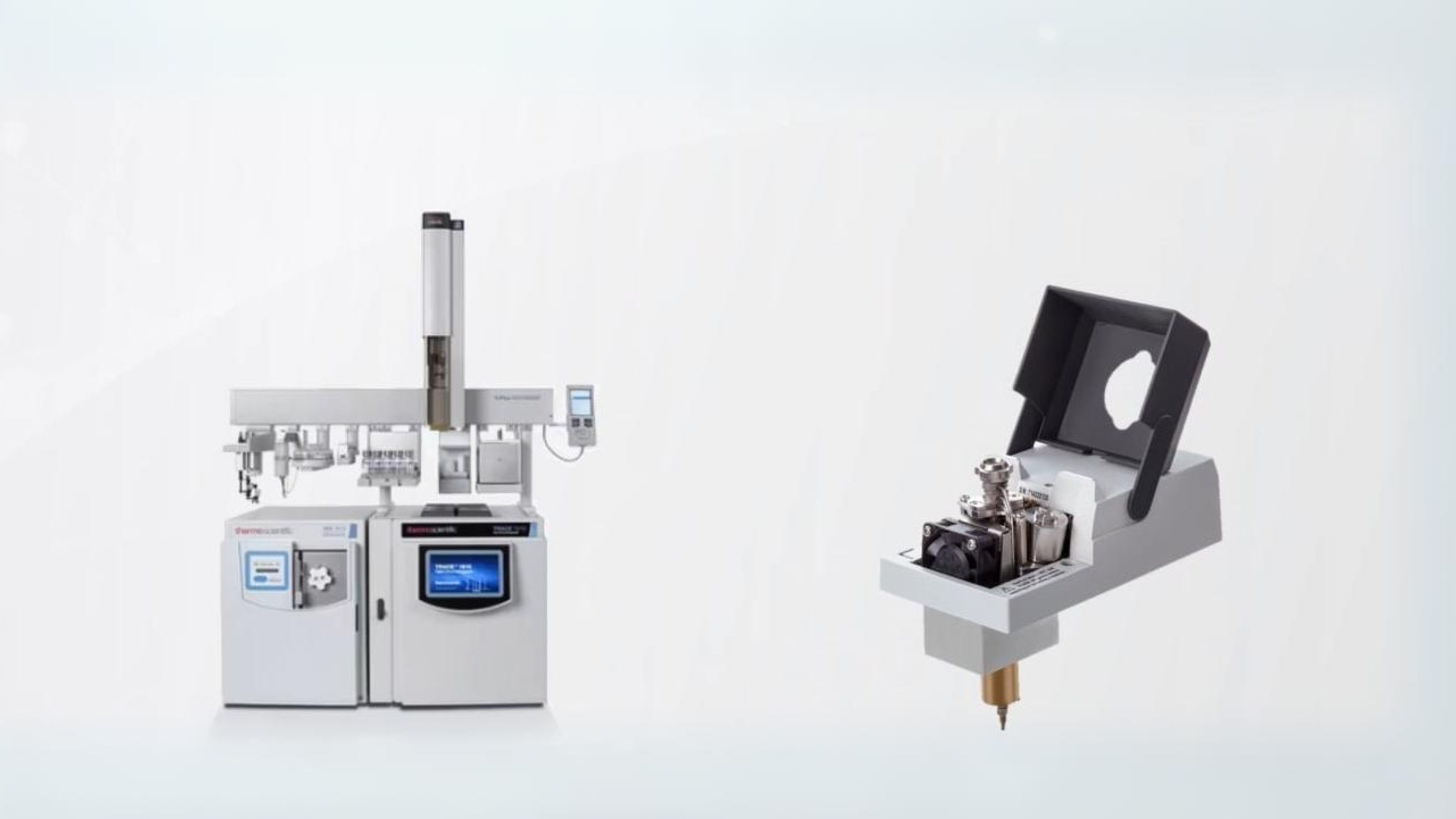
The advanced, built-in robotics of the Thermo Scientific™ TriPlus™ RSH SMART Autosampler deliver exceptional precision, sample handling flexibility, and reliable unattended operation. Enabling SMART consumables tracking, it offers easier, safer and traceable operations. Accurate and repeatable sample preparation and injection are essential to achieving the highest quality GC/GC-MS results. Enhance data quality and laboratory efficiency by automating your entire sample handling workflow.

Maximize sensitivity and accuracy in VOC analysis with ITEX-DHS and cryogen-free refocusing technology
Explore how ITEX-DHS (In-Tube Extraction-Dynamic Headspace) coupled with cryogen-free refocusing enhances the analysis of volatile (VOC) and very volatile organic compounds (VVOCs). This advanced technology achieves lower detection limits for VOCs in water, improving sensitivity and accuracy. Ideal for detecting contaminants like benzene, toluene, and chlorinated compounds, ITEX-DHS provides critical insights into environmental and health risks associated with VOCs.
Improved laboratory productivity with a single GC-MS/MS configuration for multipurpose environmental analysis
In the field of environmental monitoring, a large variety of compound classes may be required for analysis, including both common and emerging contaminants. Currently, samples often undergo several analyses on different instrument configurations, requiring a variety of protocols and instrument setups in the same laboratory. Thermo Fisher Scientific highlights a single instrument configuration, based on triple quadrupole GC-MS, to perform the analysis of various compound classes commonly monitored in the environment. Discover how this enables environmental laboratories to standardize on a single hardware configuration, facilitating laboratory capacity and simplifying workflows.
Analytical methods for veterinary drug residue testing in meat and dairy products
Food safety is of paramount importance to public health, and animal products destined for human consumption are closely monitored by global food agencies to ensure that Maximum Residue Limits (MRLs) are not exceeded.
In this veterinary drug residue testing eBook, we consider the Thermo Fisher Scientific suite of LC-MS/MS technologies and their add-ons through a range of case studies demonstrating their use in meat and milk veterinary drug residue testing. We will explore how these analytical methods can tackle specific groups of compounds or high-throughput simultaneous screening of multiple residues, overcoming muscle matrix problems and improving Limits of Quantification (LOQs).
Improvements for the analysis of VVOCs using static and dynamic headspace
In environmental laboratories, analyses of volatile organic compounds (VOCs) and very volatile organic compounds (VVOCs) in water are performed on a routine basis. Dr. Daniela Cavagnino, Product Marketing Manager GC & Autosampler, Thermo Fisher Scientific, discusses these analyses, focusing on headspace sampling techniques. Explore a simple approach to enrich headspace concentration to achieve trace level sensitivity.