TexturePro CT Software
Collect data and perform detailed data analysis with real-time graphic plotting

The supplier does not provide quotations for this product through SelectScience. You can search for similar products in our Product Directory.
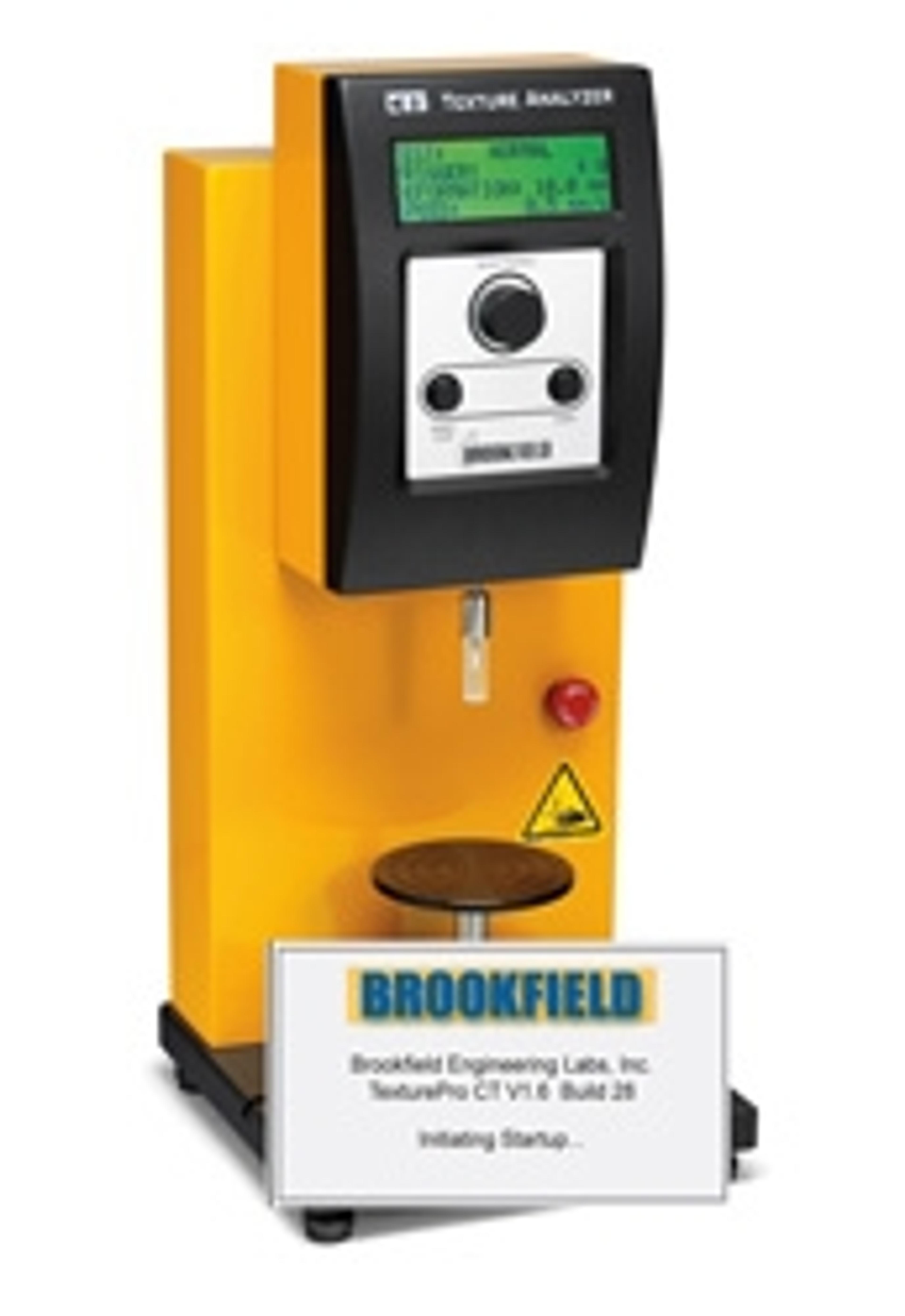
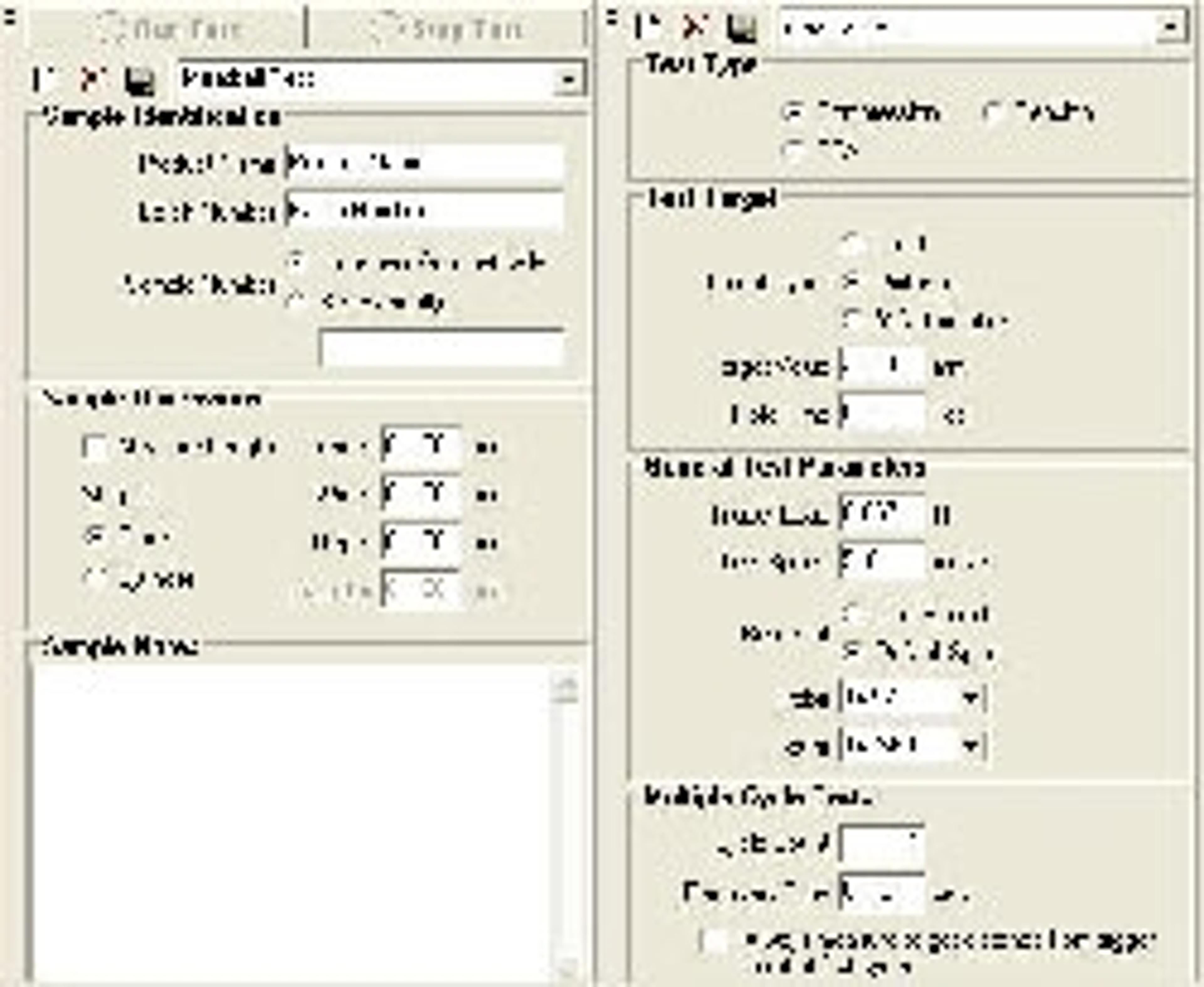
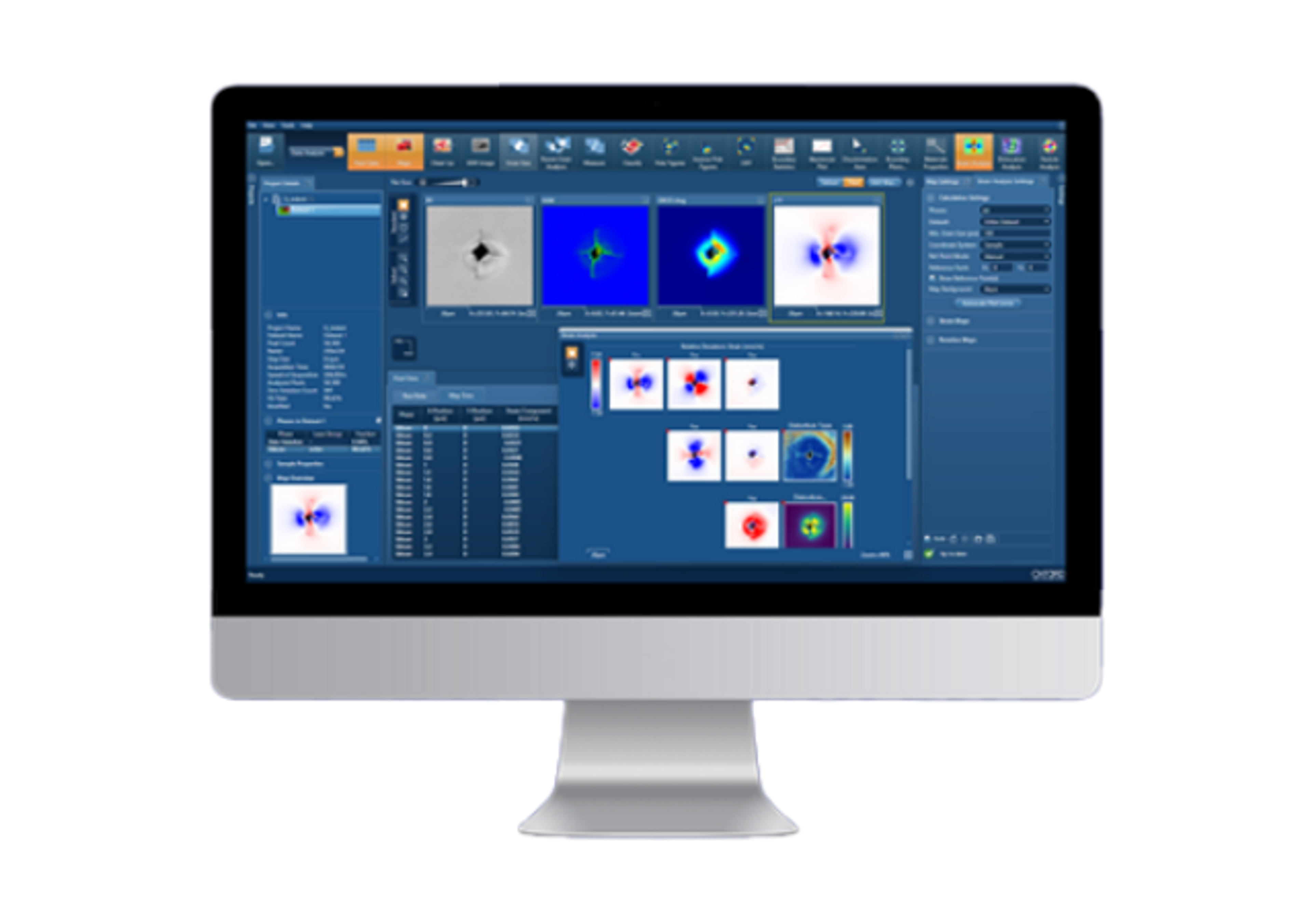
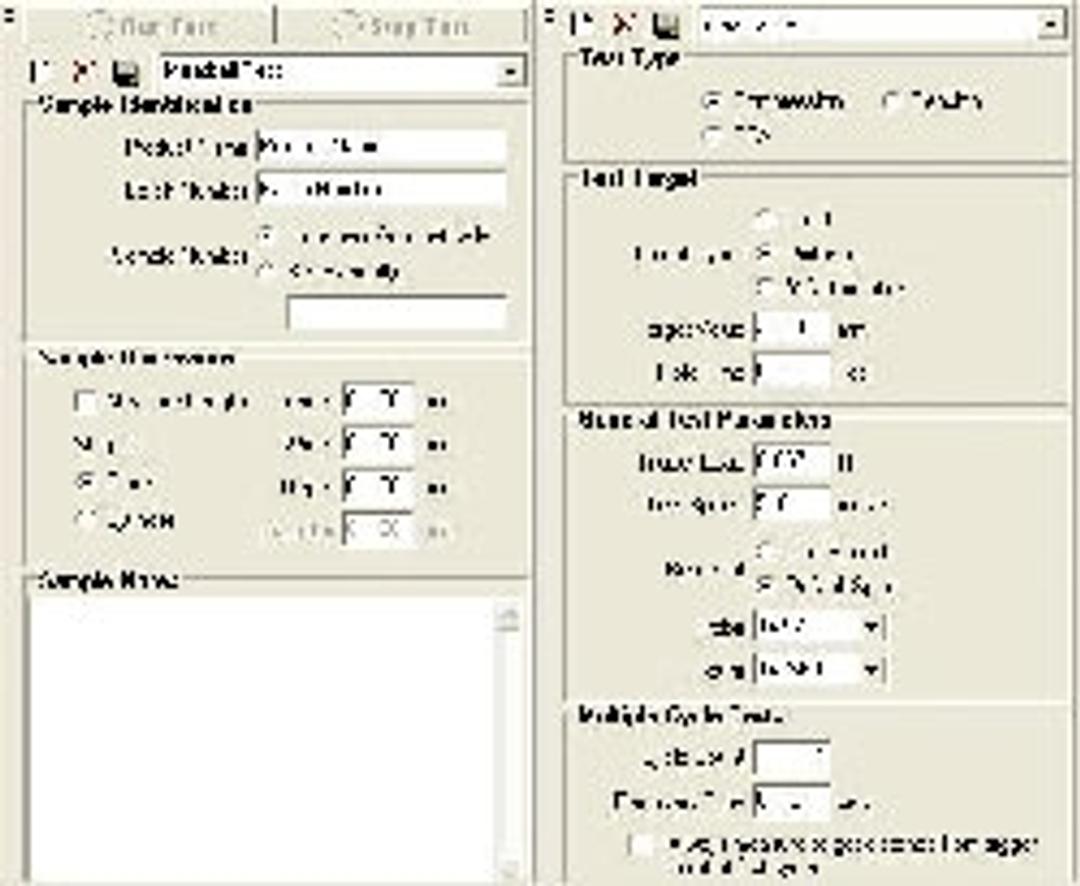
Take control of your CT3 Texture Analyzer with this powerful, easy-to-use software! Collect data and perform detailed data analysis with real time graphic plotting during the test. Easily create custom reports and graphs right from the menu screen.
TexturePro CT Software Features: Easily select test parameters Database file structure for easy-to-manage files Sample identification set-up screen helps new operators quickly get started; test method setup defines a variety of parameters Intuitive set up for test methods and database file structures in a single window Data is captured as a graph and stored in tabular database format Advanced data analysis with built-in parameter calculations such as springiness, chewiness, hardness and much more! Evaluate mean and standard deviation of each result parameter for up to 30 samples
TexturePro CT Software Features:
- Easily select test parameters
- Database file structure for easy-to-manage files
- Sample identification set-up screen helps new operators quickly get started; test method setup defines a variety of parameters
- Intuitive set up for test methods and database file structures in a single window
- Data is captured as a graph and stored in tabular database format
- Advanced data analysis with built-in parameter calculations such as springiness, chewiness, hardness and much more!
- Evaluate mean and standard deviation of each result parameter for up to 30 samples
- 21CFR Part 11 compliant
- Capacity to run on 32bit or 64bit operating systems
- New rupture test used to determine the break point of a sample

Penetrative Evaluation of the Firmness And Stickiness of Cheese Spread Triangles using the CT3 Texture Analyzer
Cheese is made from curd by coagulating the casein in milk. The type of curd that develops depends upon the handling techniques, moisture content and aging durations. Texture analysis plays an integral part in the development of low fat products where a developer may want to mimic the textural profile of a product’s full-fat counterpart. In this application note, the CT3 Texture Analyzer was used with a cylinder probe to determine the consistencies and firmness of soft cheese.
Evaluating the Hardness of Dry Cooked Beans
This application note evaluates the hardness of dry cooked beans by bulk compression. The compression test is a common method used to measure the force required to cause sample failure, characterizing the hardness of a sample.
Evaluating the Firmness of Vegetable Burgers Using the Junior Multiple Punch Assembly Fixture.
The penetration test used in this application measures the firmness of vegetable burgers and can be used as a QC and R&D tool to optimize the texture of the product and ensure consistency in production. Using the multiple punch assembly, the burger can be tested simultaneously at multiple sites giving an average measurement of the firmness of the burger.
Texture Analysis of Potato Chips using the CT3 Texture Analyzer
This application note describes a method for the evaluation of hardness of a premium brand and budget brand potato chips by bulk compression. The CT3 Texture Analyzer and the Ottawa cell are used to assess the textural qualities of crisps. Weighed samples are placed into an Ottawa cell and compressed by a plunger at a given speed and hardness is determined by the maximum force. The method finds that the budget chips are twice as hard and less brittle in comparison to the premium chips.
Quantification of the Structural Properties of Cake as an Indicator of Baking Conditions Using Texture Profile Analysis
This application note demonstrates the texture profile analysis of two commercially available Madeira cakes during deformation, measuring a number of parameters including hardness, springiness and chewiness. The CT3 Texture Analyzer was used to analyze the samples at 3 different levels of deformation − 25%, 50% and 75% − imposed using a cylindrical Perspex probe.
Evaluation by Compression Testing of Bulk Dry Cooking Lentils
Compression testing is a common method in food testing for measuring the force required for sample failure, with a high force characterizing a hard sample, as it is important to fully understand the properties of a food item when considering packaging and shipping. In this application note, the hardness of cooked dry lentils was measured using the CT3 Texture Analyzer from Brookfield Engineering.
Evaluation of Film Burst Strength of Pharmaceutical Films Using the CT3 Texture Analyser
In this application note, the strength of a pharmaceutical film material was quantified using the CT3 Texture Analyzer from Brookfield Engineering. The rupture point of the material was determined through application of force through a probe, which is a common method for quality testing of drug packaging by simulating stress occurring during packaging or transport.
Can You Syringe a BioScience Material?
Bioscience engineering is producing an array of new materials for use in the human body. Dental adhesives, ophthalmic fluids, bone joint fillers are but a few of the examples. Physical property testing is needed to qualify the performance of these materials, both in terms of how they handle as well as their final application within the body. This application note evaluates the extrusion force required to expel bioscience materials from a syringe using the CT3 Texture Analyzer.