sciFLEXARRAYER S3
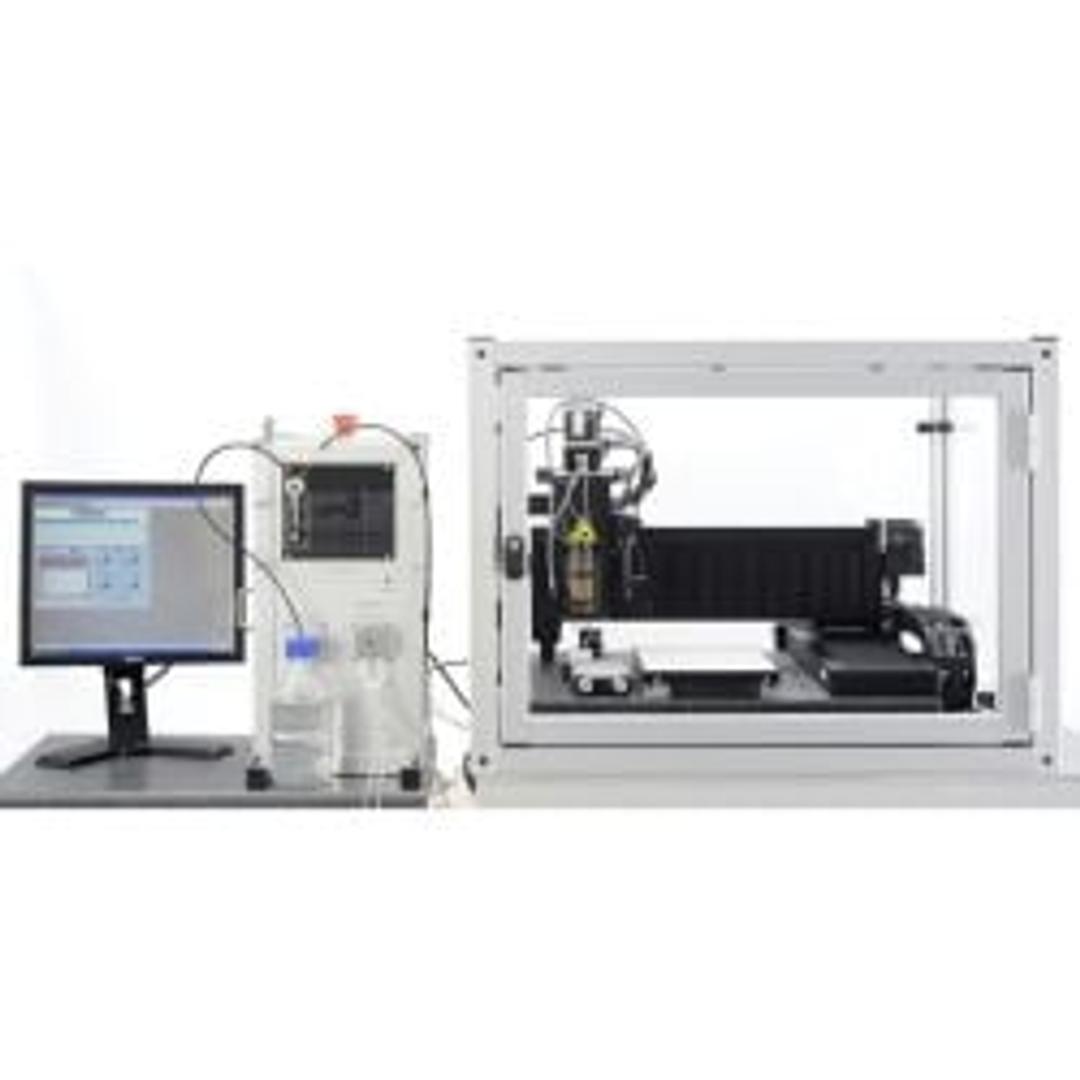
sciFLEXARRAYER S3 - the versatile tool for high-precision microdispensing










The supplier does not provide quotations for this product through SelectScience. You can search for similar products in our Product Directory.
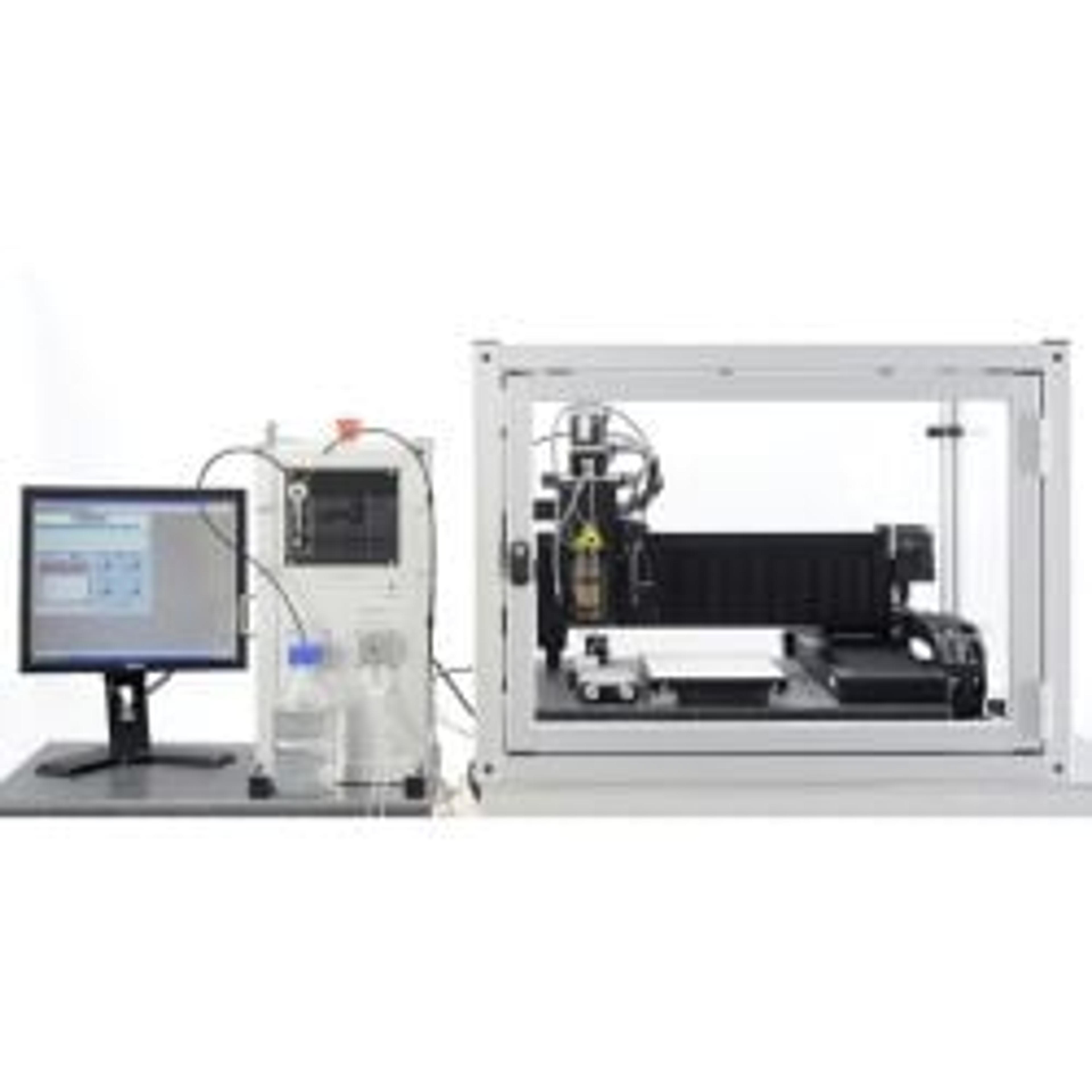
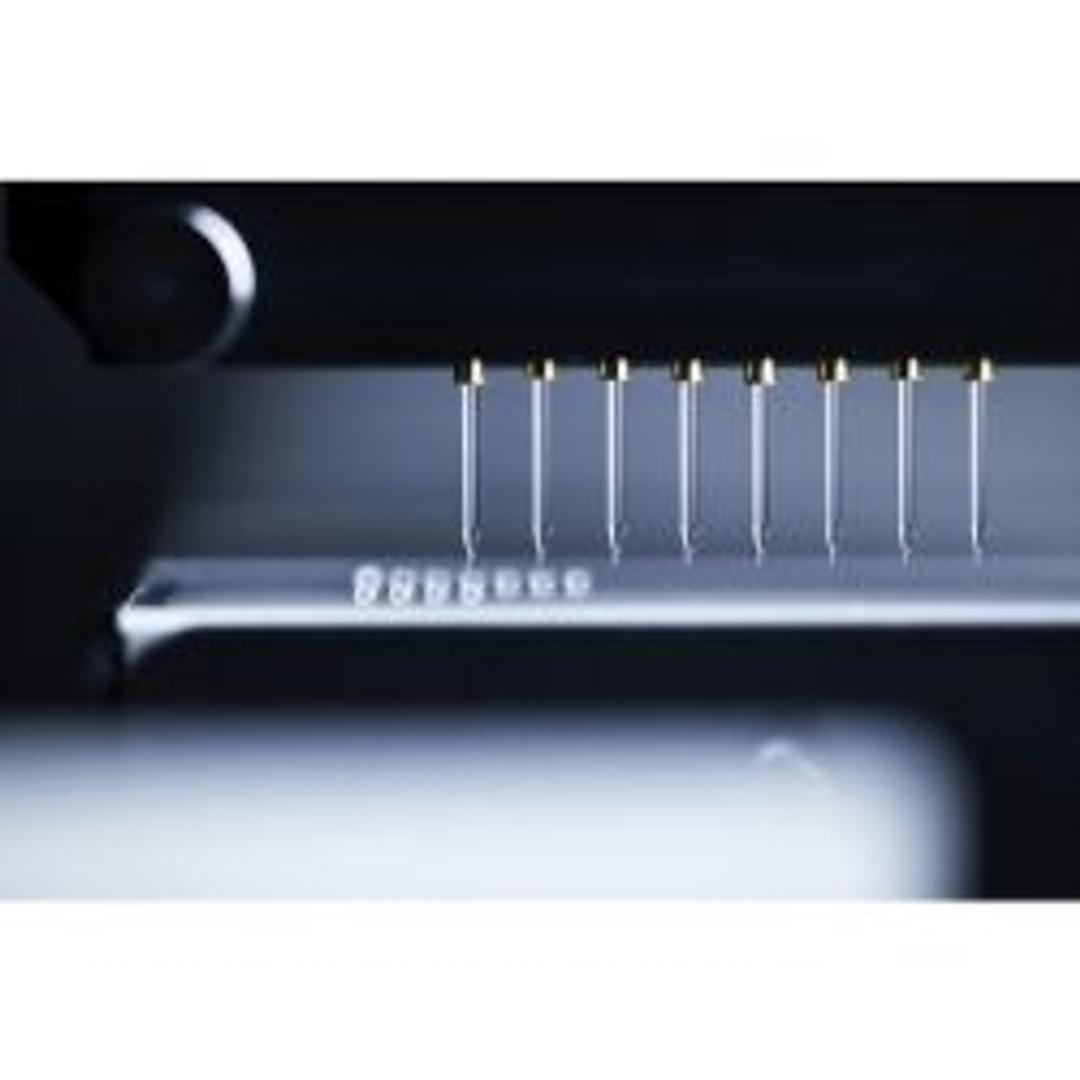
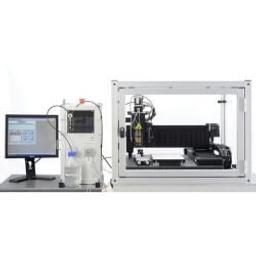
The sciFLEXARRAYER S3 provides a high precision and accuracy. With its space-saving design the sciFLEXARRAYER S3 is an economical entry unit for academic and R&D labs. In addition to the proprietary sciDROP PICO technology it can be equipped with the sciDROP NANO technology, making it also a perfect match for lateral flow device spotting.
- Microarray printing with superior spot morphology, high accuracy and reproducibility
- Quality control of supports, array parameters and array functionality
- Printing of most bioarray formats like microplates, slides, wafers, multiplex-capable lateral flow rapid tests, microfluidics and a variety of biosensors
- CV of drop volumes less than 2%
- Research in clinical diagnostics, pharmaceutics, veterinary, plant and food analytics and life science
- Genomics, proteomics and glycomics and single cell applications

Rapid and Multi-Analyte Diagnostic Microarrays
An important trend in diagnostics is dedicated multi-analyte detection, i.e. the limited number of relevant components that provides the required answer with acceptable reliability. Often the detection of 5 to 10 different analytes is sufficient to reach this goal. This application note presents a microarray approach for the detection of bovine mastitis, a disease common in dairy cattle.
RAPCARL: A rapid Carbohydrate Array Lateral Flow Test Technology for simultaneous detection of thirteen different species from S. pneumoniae, N. meningitides and H. influenzae
Diagnostics of infectious diseases based on carbohydrate antigens is a sensitive alternative to commonly used capturing protein agents on lateral flow test strips. This application note describes a rapid test technology for 13 major disease-causing bacteria strains from Streptococcus pneumoniae, Neisseria meningitides and Haemophilus influenzae using polysaccharides on lateral flow membranes.
Immobilization and Activity of Bacteria for Prokaryotic Chips
The immobilization of bacteria is an important step in the development of prokaryotic cell chips. In this application note, the sciFLEXARRAYER S3 is used to spot bacteria in nanoliter volumes. The activity of the bacteria was then tested, and in most cases the bacteria maintained their activities after 24 hours, indicating that the bacteria survived the spotting process.
Increasing Speed While Decreasing Cost: PCR in Nanoliter Volumes
The combination of precise dispensing in the pico- and nanoliter range and miniaturized microtitreplate formats enables researchers to perform PCR using nanoliter volumes. These small reaction volumes allow a complete PCR to be finished in as little as 10 minutes and require around 10% of the reagents. This leads especially in high throughput environments to massive cost reductions. This application note describes the set-up of PCR in nanoliter volumes using the sciFLEXARRAYER S5.
Performance Evaluation for SCIENIONs sciDROP PICO and sciDROP NANO Technology Using the Artel Dual-dye Ratiometric Photometry
An essential component of today's research in life science is the use of automated liquid handling equipment. The transferred volumes are becoming increasingly small down to nano- and picoliter range. Verifying the absolute transferred volume and the well-to-well reproducibility is important to ensure the quality of the process but there are only a few methods available that can quickly and accurately measure dispensed volumes in this low range. The results presented in this application note show outstanding accuracy and reproducibility of the sciFLEXARRAYER in dispensing of volumes ranging from 5 nl to 1000 nl.
Microwell Preparation and Multiplexed Cell Encapsulation and Culture
Miniaturization and multiplexing of cell culture on biochip is attracting a growing interest with the development of single-cell assays and cell-based biosensors. Here, our collaborators report rapid methods for microwell preparation and controlled dispensing of different cell lines within these fabricated microwells.
Advanced Applications with DNA Microarray using sciPOLY3D
sciPOLY3D opens the door to immobilize DNA probes without a functional group directly to an unmodified polymer support and acts as a surface-attached hydrogel, where probe oligonucleotides are embedded covalently. Thus anchorage of the probes to the surface is on the one hand very robust and withstands very stringent washing procedures or even elevated temperatures up to 100 °C. This feature renders it suitable for chipbased PCR and melting curve applications.
Protein Microarrays on Unmodified Polymer Supports using sciPOLY3D
Most conventional immobilization strategies for proteins rely on adsorptive immobilization only or surface functionalization of the whole substrate with e.g. carboxy or epoxy moieties. sciPOLY3D proteins by SCIENION AG can be covalently attached to virtually all polymers without pre-treatment, simplifying and speeding up whole process of microarray printing and allowing to be integrated into a high-throughput production line.
Comprehensive Comparison of Protein Microarray Supports using Contact and Non-Contact Systems
The quality of biochips depends on both the support membrane and the deposition technology. This application note compares Nitrocellulose Membranes (NC) Sartorius white (SCHOTT Nexterion Slides NC-W) and Sartorius black (SCHOTT Nexterion Slides NC-D*), to other comerically available NC slides. The probe deposition was performed using a split-pin spotter (Genetix Qarray mini), pin and ring spotter (Affymetrix 417 Arrayer) and a non-contact spotter (sciFlex Arrayer S3).
Carbohydrate Microarray for the Detection of Antibodies in Human Serum
Carbohydrate specific antibodies play an important role in human disease, meaning that carbohydrate assays are highly desirable for diagnostic purposes. This application note presents a study in which a selection of glycans were printed on glass slides using a sciFLEXARRAYER and detected using both a colorimetric and fluorescent based method. It was found that both methods reliably detected the binding of anti-carbohydrate antibodies from human serum to the microarray.
Precise Liquid Handling and Multiplex Assays from Scienion
Scienion offers solutions for the precise and accurate handling of biomolecules in diagnostics, materials and life sciences. At the AACC 2017 Clinical Lab Expo, Scienion showcased a range of new, highly affordable, multiplex diagnostics, as well as sample preparation tools for single cell analytics. Watch this video to learn more about the company’s portfolio, from Dr. Holger Eickhoff, CEO of Scienion.
Detecting 40 Biomarkers with One Drop of Blood
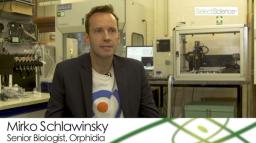
Mirko Schlawinsky, senior biologist at Orphidia, explains his work on a point-of-care device that can measure 40 or more biomarkers in parallel using only one drop of blood. To develop these microfluidic chips, the team at Orphidia employ automated ‘spotting’ using the sciFLEXARRAYER.
Bioengineering Point-of-Decision Diagnostic Devices at Imperial College London
Dr. Tony Cass, Professor of Chemical Biology, Imperial College London, describes his research on point-of-decision diagnostics. His lab creates devices that combine material science and bioengineering, enabling diverse applications such as glucose measurements in diabetes and measuring arsenic in drinking water. Cass is a Fellow of both the Royal Society of Chemistry and Society of Biology.
Nanoliter-Scale Liquid Dispensing to Develop Sensors for Water Contamination
With a goal of developing environmental sensors to detect contaminants in drinking waters, Dr. Nikolas Daskalakis, scientific consultant at Bio-Nano Consulting, uses the sciFLEXARRAYER to perform precise, non-contact dispensing of sub-nanoliters of fluid on substrates.
Scienion Technology Enables the Development of Multiplex Point of Care Devices
Mbio Diagnostics produces multiplex point of care devices based on an array of biomarkers. Watch this video, filmed during the AACC Clinical Lab Expo 2017, to hear Christopher Myatt, Founder and CEO of Mbio, discuss how these arrays are printed using Scienion technology. Discover the advantages of using this technology, and find out why multiplex testing is so important for healthcare.
Multiplex Technology for Efficient Diagnostics & Improved Patient Care
Multiplexing is desirable for both diagnostics and clinical research, enabling accurate, timely and efficient diagnosis for better patient care. Watch this video with Shawn Guse, CEO of Intuitive Biosciences, Inc., filmed at the AACC 2017 Clinical Lab Expo, to find out more about the technology enabling the development of multiplex assays.