Polysaccharide HPLC & SFC Columns: CHIRAL ART
Coated and immobilized CHIRAL ART polysaccharide columns by YMC offer wide selectivity range, high stability and attractive pricing.
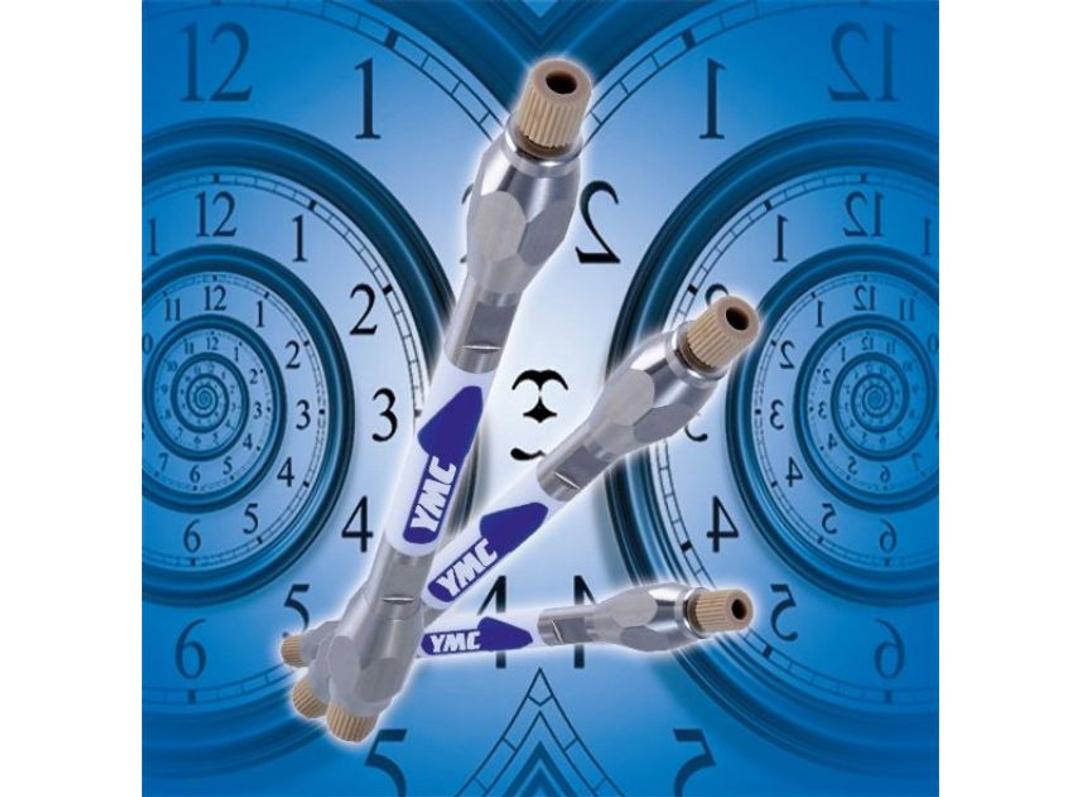
Polysaccharide HPLC & SFC Columns from YMC: CHIRAL ART
Receive your quote directly from the manufacturer.
Excellent products and service.
Environmental analysis of chiral drugs
An excellent range of products. Chromatography gave excellent reproducibility, even for very complex environmental samples. Support received by YMC and Crawford Scientific was fantastic.
Review Date: 31 Aug 2020 | YMC Europe
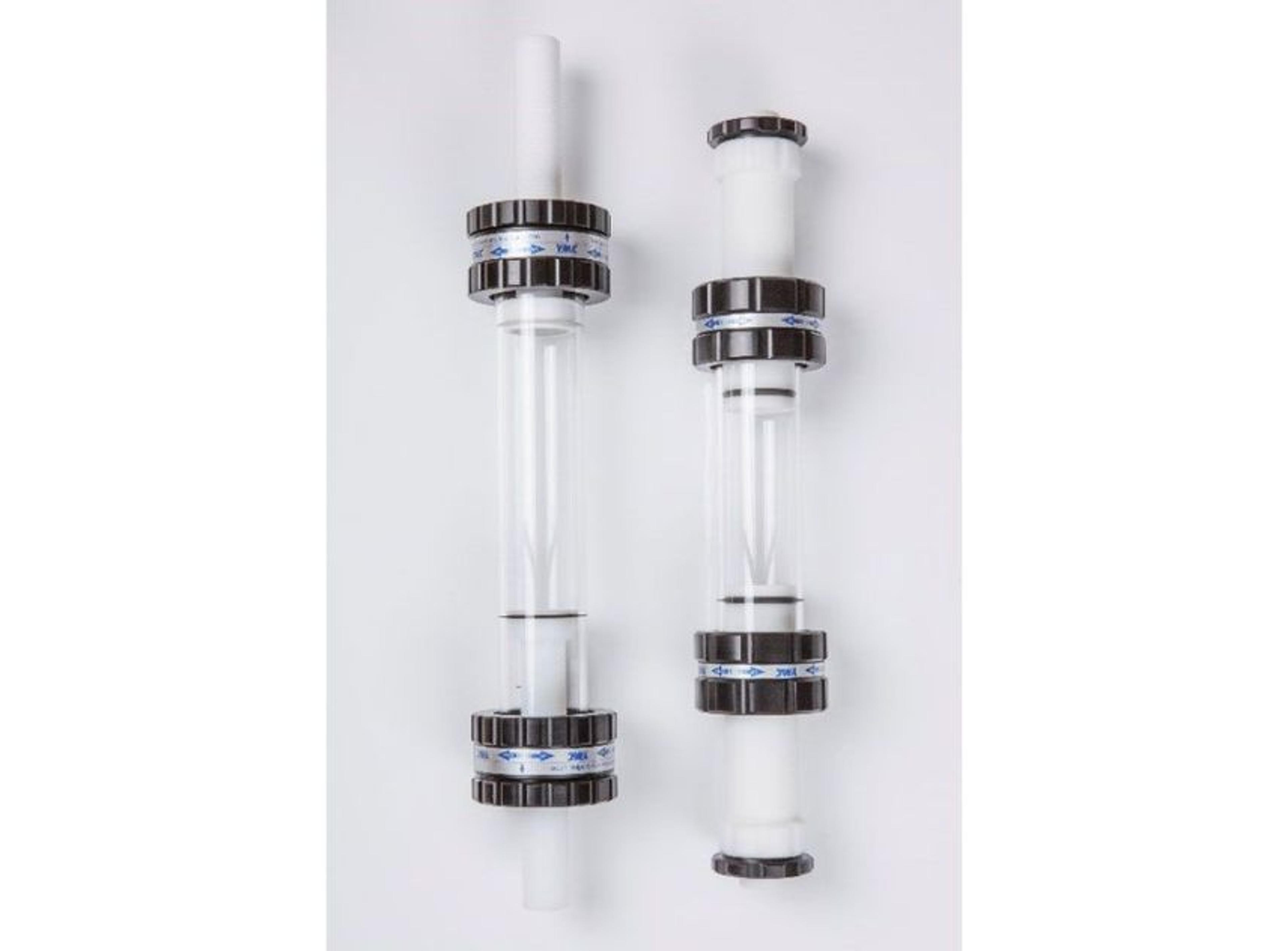
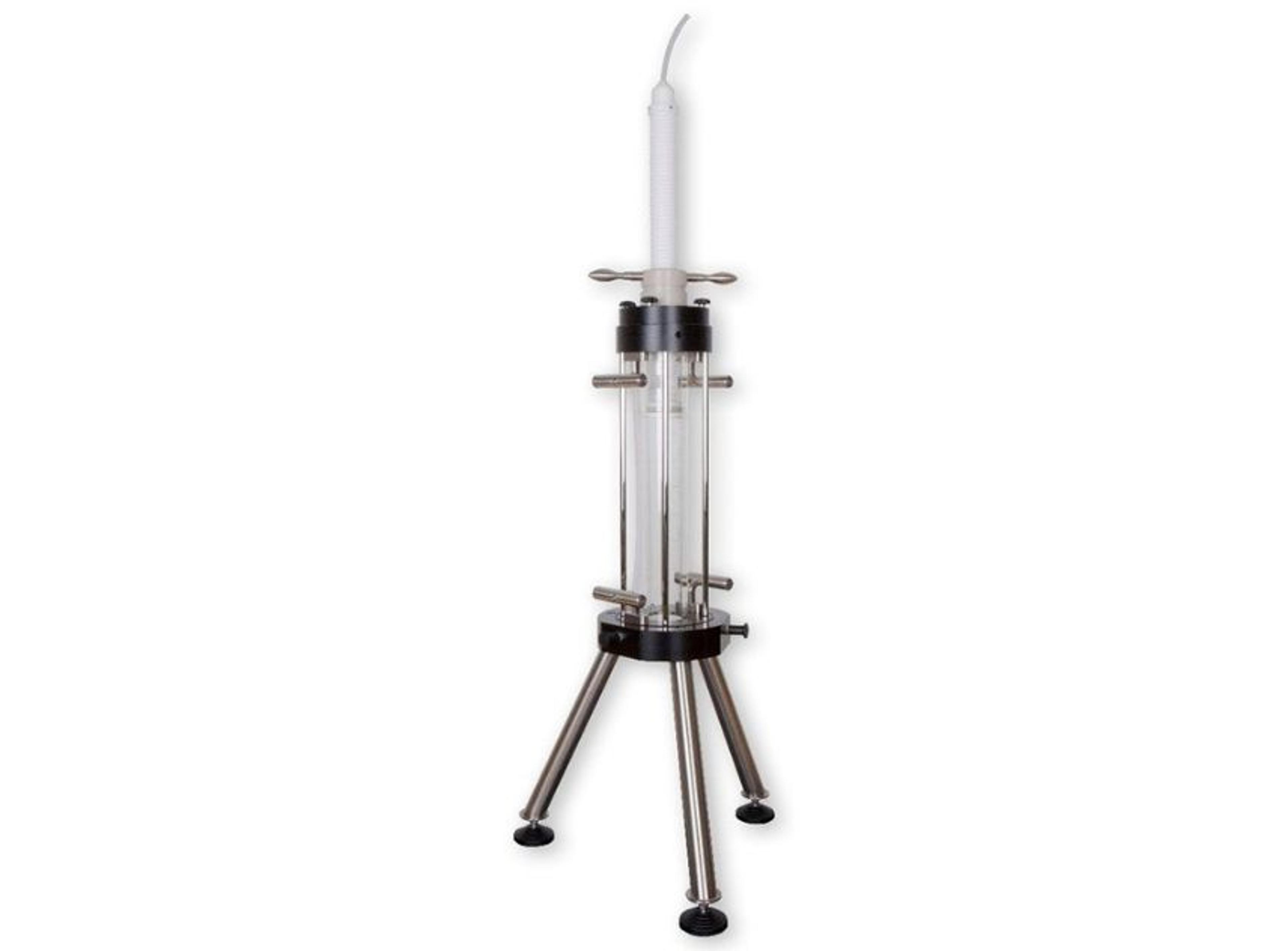
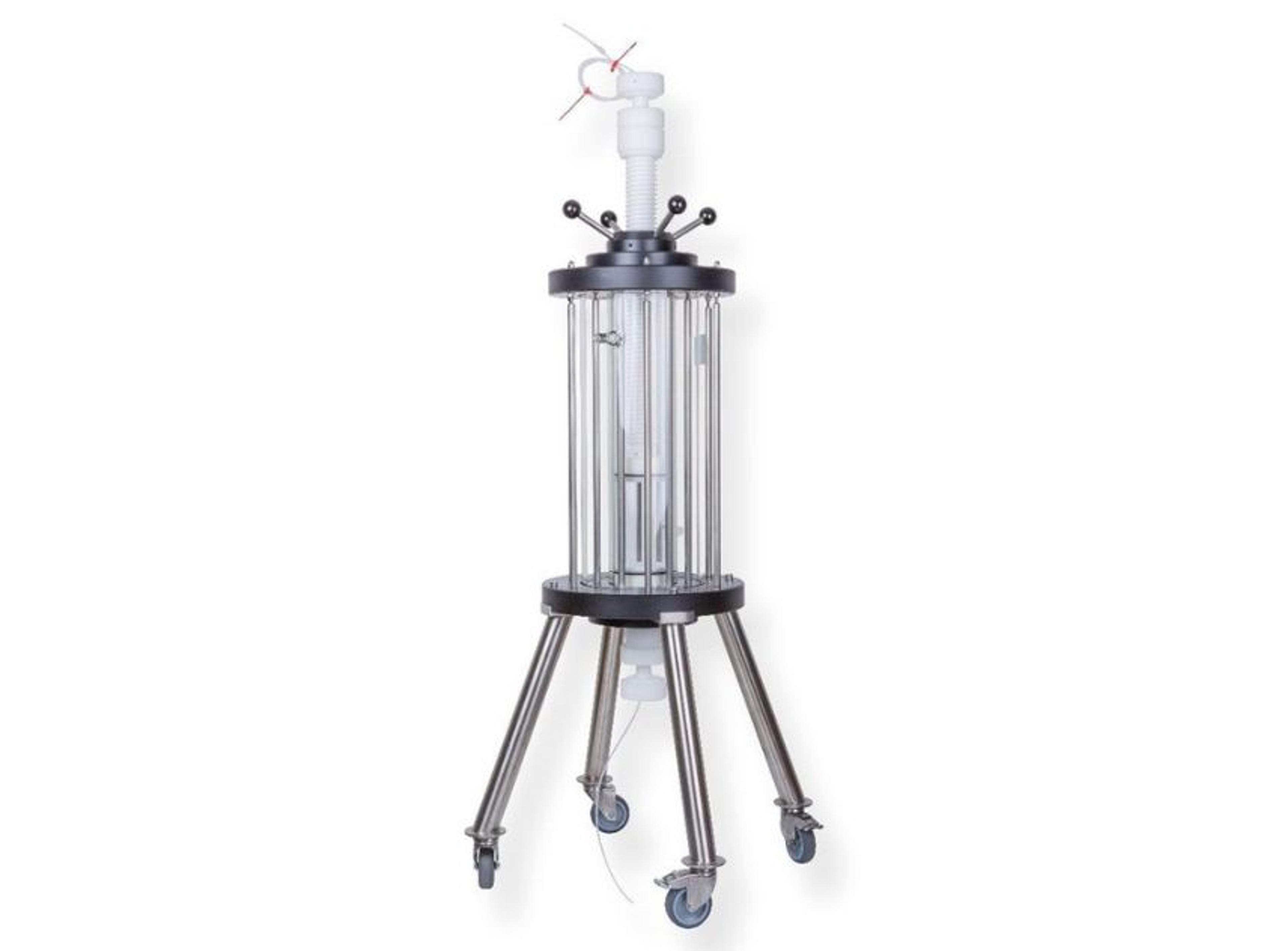
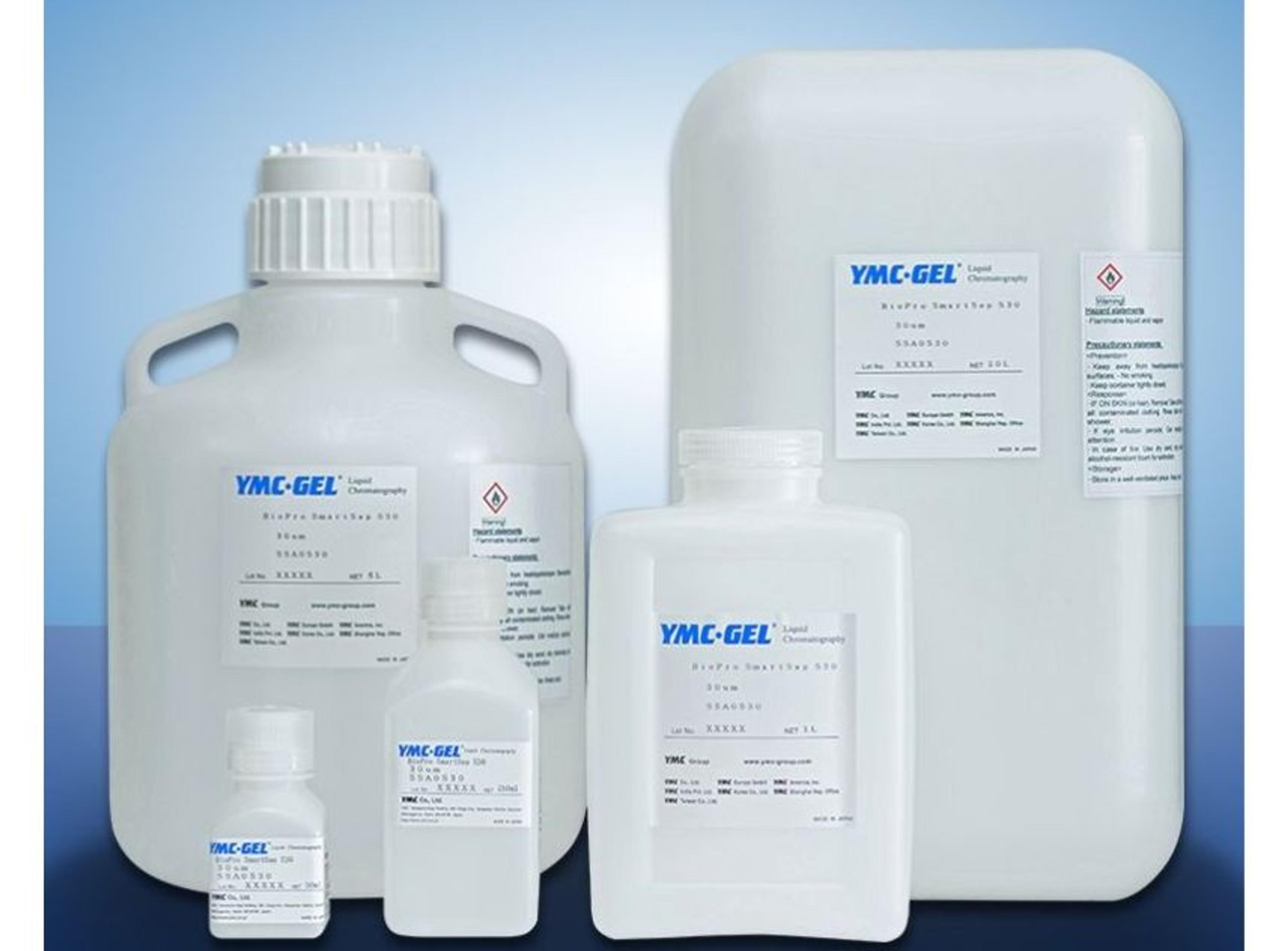
Immobilized and coated CHIRAL ART polysaccharide columns from YMC offer a wide selectivity range, high stability, and attractive pricing. Coated CHIRAL ART Amylose-C Neo and Cellulose-C (alternative to AD and OD), as well as immobilized Amylose-SA, Cellulose-SB, Cellulose-SC, Cellulose-SJ (alternative to IA, IB, IC, and IJ) and the latest immobilized Cellulose-SZ (alternative to IM), are available in analytical (3, 5 µm) and semi-preparative HPLC columns and as bulk media (10, 20 µm). Seamless scalability is provided from HPLC to the preparative scale. CHIRAL ART columns cover the whole range of robust NP, RP, and SFC separations and guarantee attractive prices.
CHIRAL ART Columns Features:
- Coated and immobilized polysaccharides
- Stable in NP, RP and SFC mode
- Wide application range
- Reduced background signal for MS
- High efficiency long-lasting semi-preparative YMC-Actus columns
- Extremely attractive pricing for CHIRAL ART Columns
Characteristics:
- Particle sizes: 3, 5, 10, 20 µm
- Separation modes: NP, RP, SFC
- Pressure limit: 300 bar

Analysis and purification of oligonucleotides by anion exchange and ion-pairing reversed phase chromatography
In this whitepaper, YMC Europe provides useful information for all chromatographers who deal with the analysis and/or purification of oligonucleotides. Therapeutic oligonucleotides (TOs) are synthetic DNA or RNA oligomers designed to target specific genes or transcriptional pathways with the purpose of treating a wide range of diseases, including cancer, genetic disorders, and viral infections. The focus of this whitepaper is on anion exchange chromatography (AEX) and ion pair reversed phase chromatography (IP-RP). For both modes, the main aspects are the selection of a suitable stationary and mobile phase as well as the optimum temperature.
Rapid Analysis of Pesticides
This application note presents the rapid analysis of pesticides used on a golf course, the simultaneous separation of pesticides by LC/MS, and method transfer from HPLC to UHPLC.
Robust and Efficient Purification of Enantiomers Using YMC´s Polysaccharide-Type Chiral Stationary Phases
Until now, there have been 5 different chiral stationary phases available from YMC which can cover more than 90% of all chiral racemic separations. The latest addition to the YMC chiral toolkit is CHIRAL ART Cellulose-SJ. This new immobilised chiral selector offers unique selectivity which complements the other members of the family of YMC chiral phases.
Fast and Easy Achiral & Chiral Analysis of Cannabinoids
The analysis of the original composition of plant material is necessary for such purposes as phenotype determination and quality control of medical cannabis used for therapeutic treatment. HPLC permits the determination of the original composition of plant cannabinoids by direct analysis. In this application note two fast methods are presented achieving high-performance in less than 9 min.
Chiral LC-MS-Analysis of the Fungicide Tebuconazole
Tebuconazole is a chiral racemic fungicide used as a pesticide as well as a wood preservative. Bayer AG (Crop Science Division), the manufacturer of this agent, was looking for an effective LC-MS compatible method for separating Tebuconazole. This application note presents a method of analysis including a reversed phase separation mode and a mobile phase containing acid for ionization.
Enantioselective Determination of β-Blockers in Human Plasma and Saliva
In this application note, a success story with CHIRAL ART from phase screening, performed by YMC Europe GmbH in Dinslaken, to a published method for the enantioselective determination of the two β-blockers metoprolol and propranolol with CHIRAL ART Cellulose-SB in complex sample matrices like human plasma and saliva is presented.
Enantioselective Separation of Basic Compounds in SFC Mode
The enantioselective separation of chiral basic substances is of high interest especially in the pharmaceutical sector, as many pharmaceuticals are chiral bases. Often, one enantiomer shows higher pharmacological activity. The other one may be inactive or even toxic. More and more chiral separations are being performed in SFC mode, but there still remain some challenges for basic compounds. This application note describes the use of CHIRAL ART Amylose-SA for the determination and separation of 27 biologically active basic compounds.
LC-MS Separation of the Fungicide Spiroxamine
This application note demonstrates a method for the LC-based chiral separation of spiroxamine that can be coupled to LC-MS/MS in the background of analyses of residues of spiroxamine at trace concentrations. This method was developed by YMC using a CHIRAL ART Amylose-SA column using water, ethanol and diethylamine.
Chiral Method Optimization for Ionic Compounds in Reversed Phase Mode
Immobilized CHIRAL ART columns from YMC can be used in both: normal phase and reverse phase mode, as they are stable to non-aqueous and aqueous eluents. Working in reversed phase mode is beneficial especially when applying hydrophilic compounds with limited solubility in organic solvents. This application note demonstrates the optimization of a chiral separation method, using warfarin as an example.
Chiral Separation of the Fungicide Metalaxyl
Metalaxyl is a fungicide used to fight plant diseases (downey mildew) in agricultural applications. Metalaxyl is a racemic phenylamide, with two enantiomers. (R)-Metalaxyl has a higher activity (Metalaxyl-M, Mefenoxam). In Germany, Switzerland and Austria only the application of this active enantiomer is permitted. The valid determination and quantification of Metalaxyl residues is very important for monitoring food, soils and ground water. This application note demonstrates the use of CHIRAL ART Cellulose-SB from YMC to separate the enantiomers of Metalaxyl.