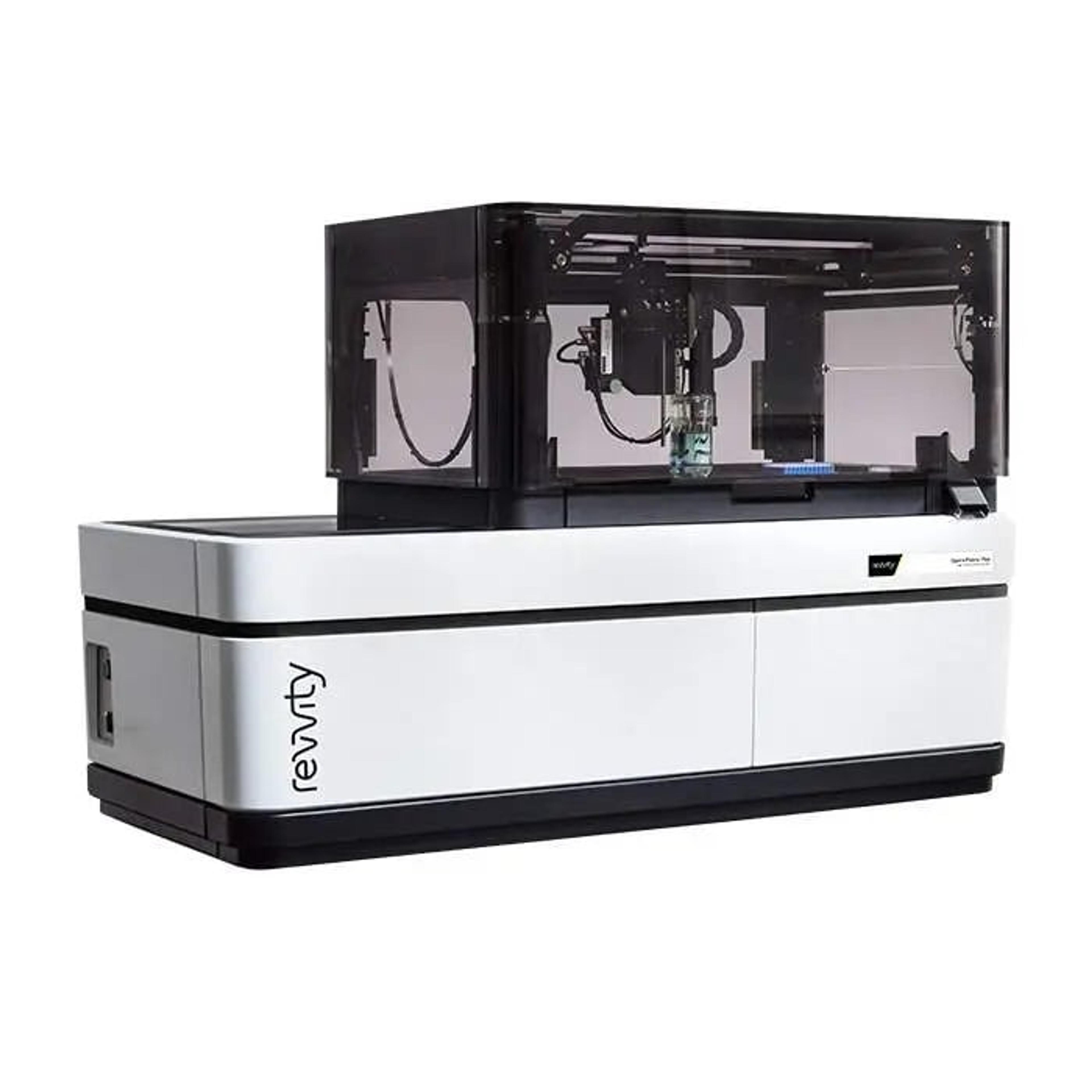
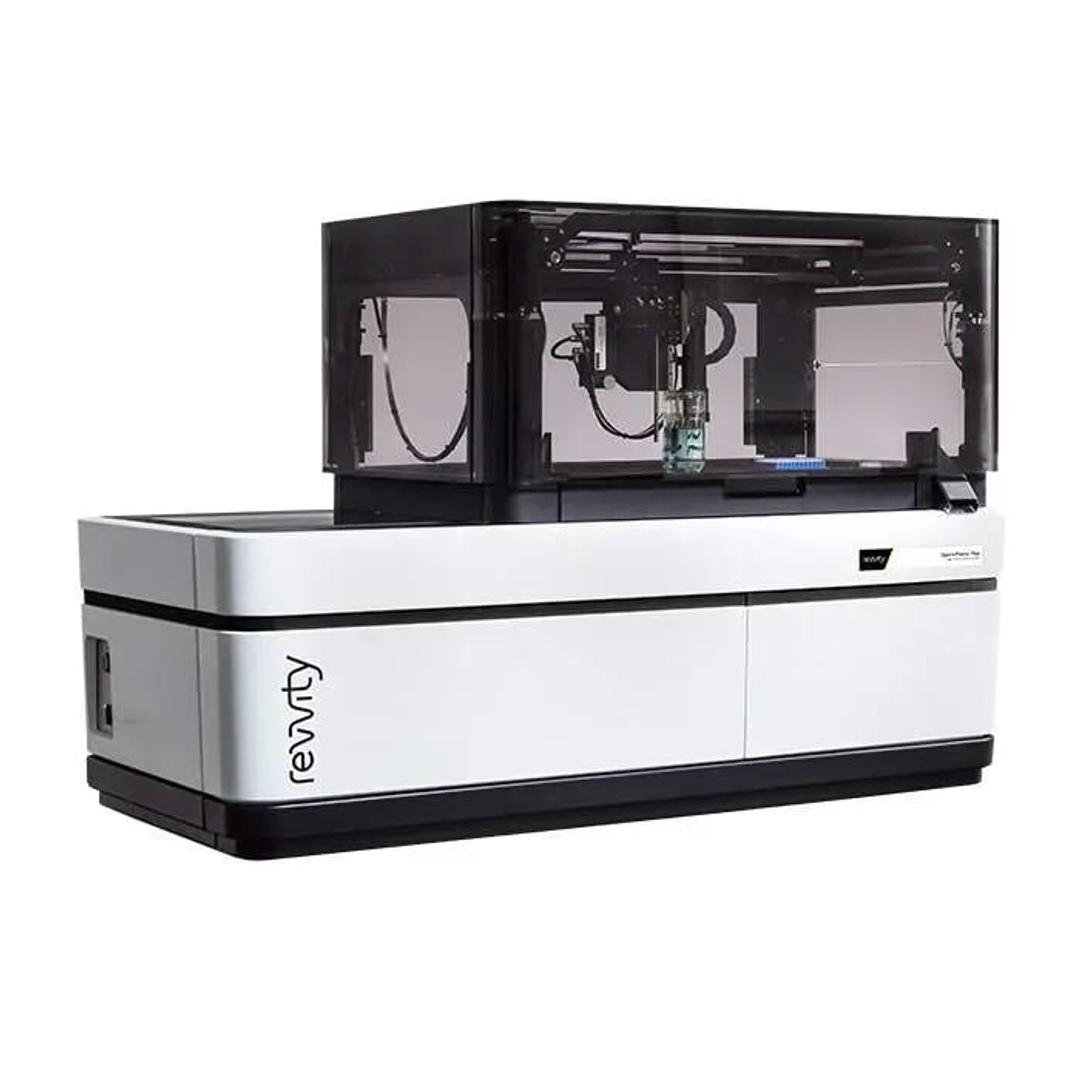
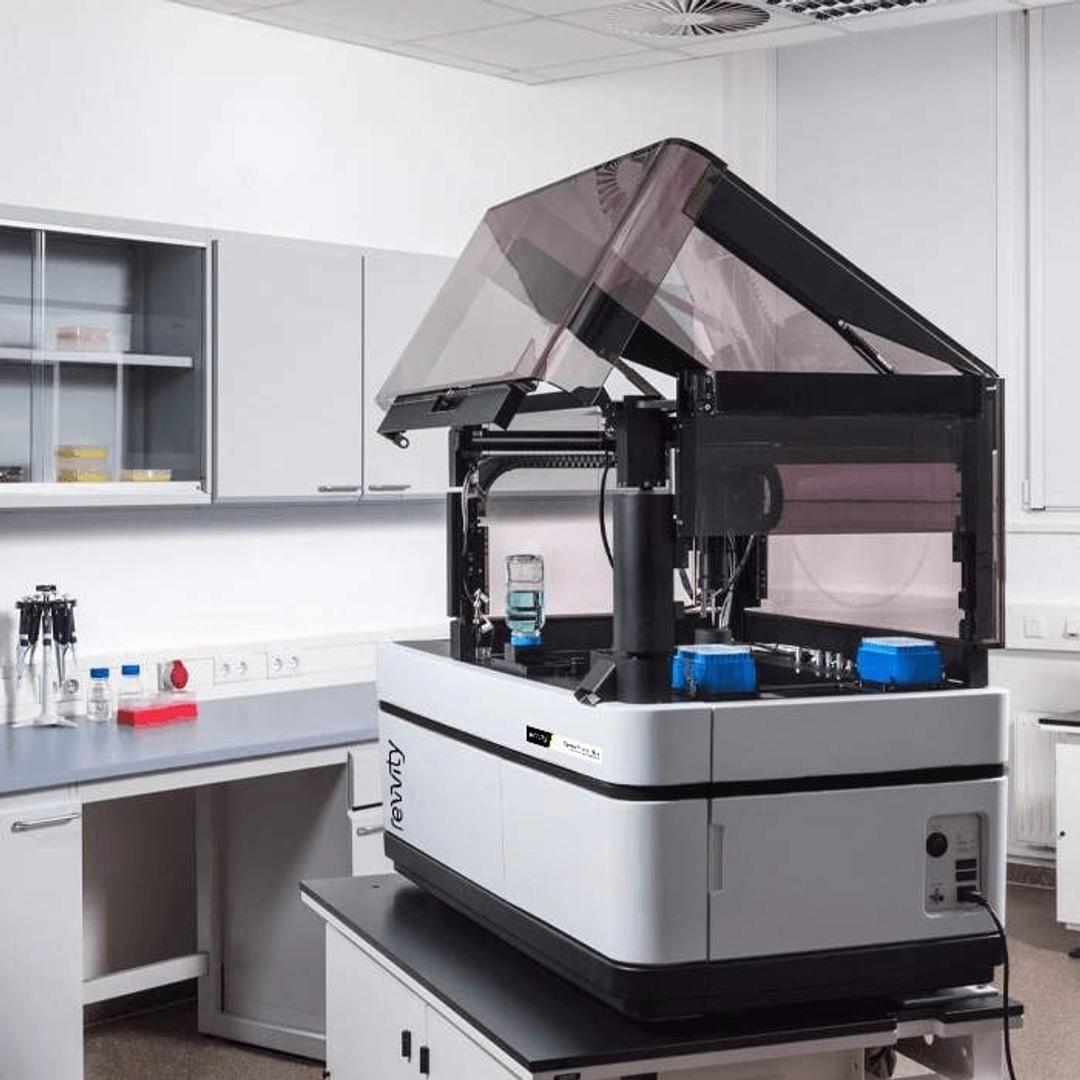
Opera Phenix High Content Screening System
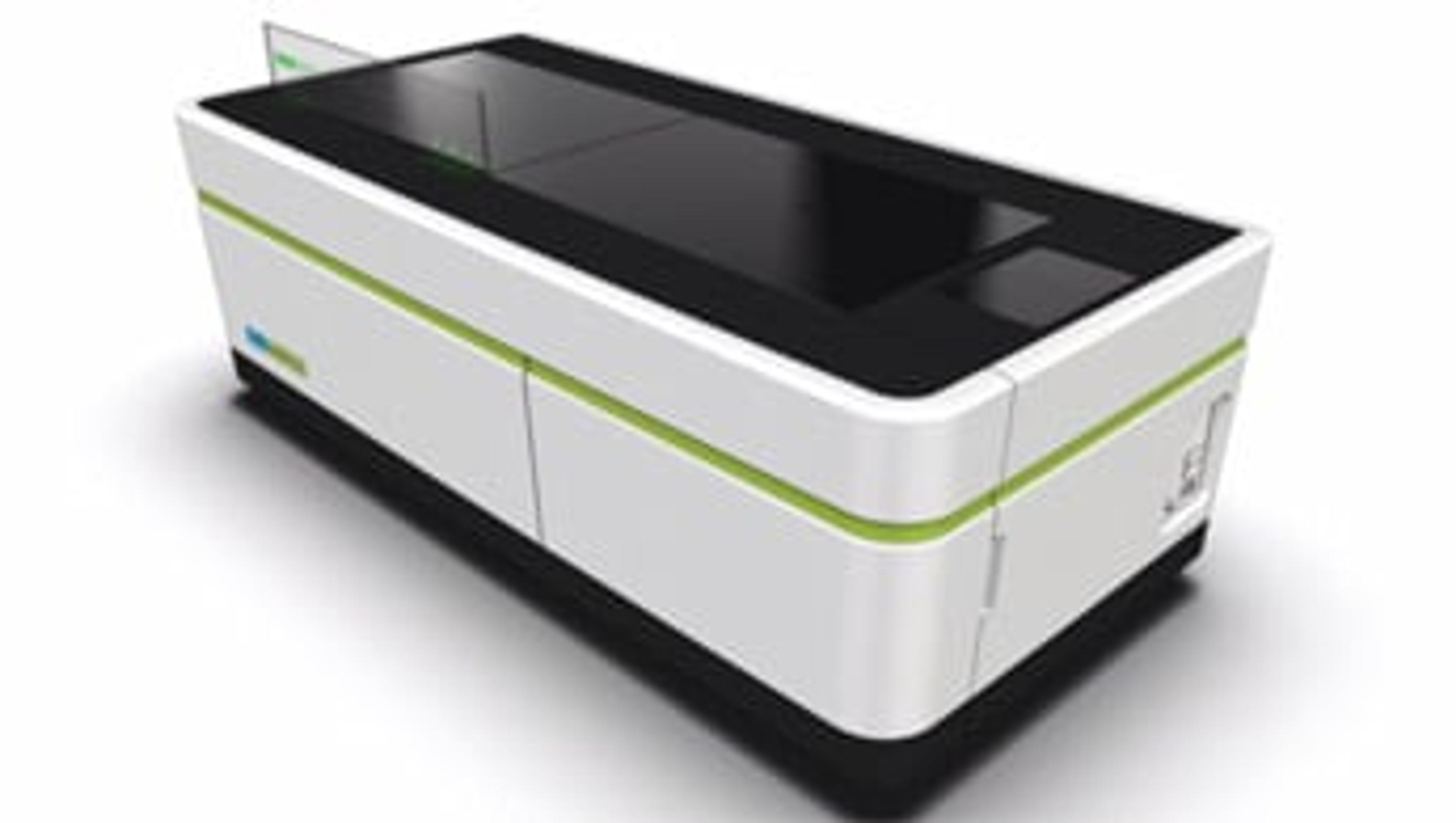
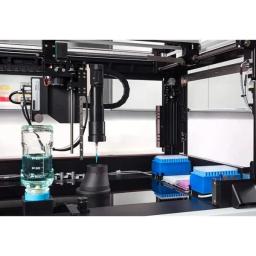
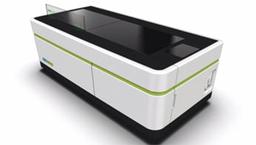
The Opera Phenix ® Plus High-Content Screening System is the premier confocal solution for today' most demanding high content applications. Drawing on over a decade of experience with the industry-leading Opera ® and Opera ® Phenix system, the Opera Phenix Plus is designed for high-throughput high-content assays, phenotypic screening, assays using complex disease models, such as live cells, primary cells and microtissues,…



The supplier does not provide quotations for this product through SelectScience. You can search for similar products in our Product Directory.
Crucial for drug discovery and HCA.
High content imaging
Excellent for canned HCA with excellent resolution.
Review Date: 7 Apr 2021 | Revvity
Great instrument, proud to have it.
Phenotypic assays and screens
It is a very powerful high content screening system, offering high speed and high resolution analysis. It is the only HCS system that can use water lenses. It can be configured with up to 4 cameras, which enables high speed and bleed through between channels. The software is intuitive and easy to learn. The price is relatively high but given the unique features, it may be worth the money.
Review Date: 19 May 2020 | Revvity
Great instrument, I can't live without it!
High-content screening, confocal image acquisition
Very high quality confocal microscopic images can be acquired.
Review Date: 8 May 2019 | Revvity
Deeper Insights From Your Most Demanding Assays
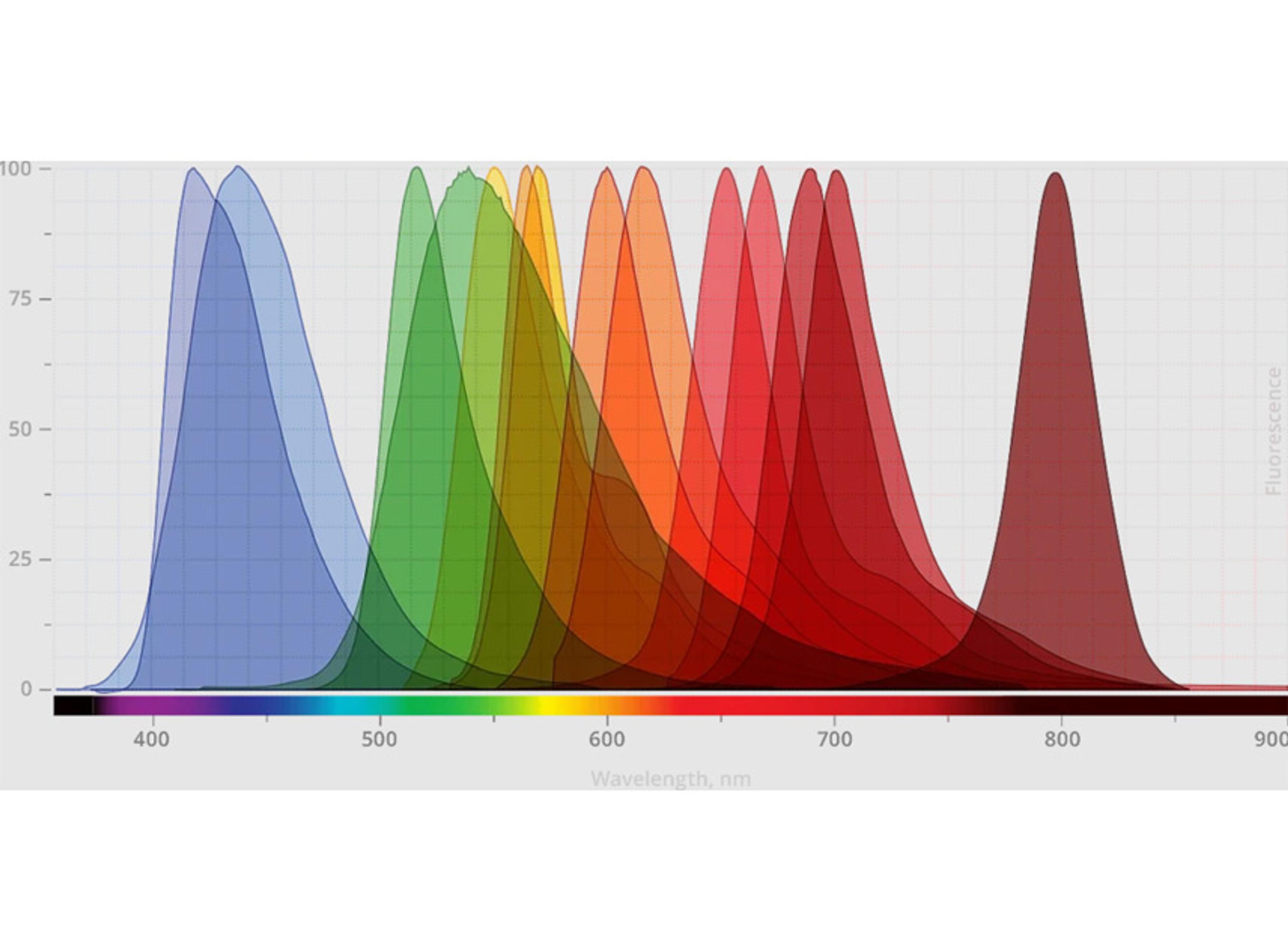
The Opera Phenix Plus high-content screening system’s innovative optical design lets you generate richer information through extremely sensitive confocal imaging and at higher throughput than ever through simultaneous acquisition. Because spectral crosstalk is reduced to a minimum, it delivers speed without compromising sensitivity. With proven automated water immersion lenses, you’ll achieve higher throughput and richer content, making it the ideal high-content screening system for discriminating phenotypes and studying complex disease models. And with its liquid handling option and fast imaging frame rate, you can tackle fast-response assays such as calcium flux or cardiomyocyte beating.
Speed or Sensitivity – No Compromise
Proprietary Synchrony™ Optics combine a microlens enhanced Nipkow spinning disk with dual view confocal optics to separate fluorescence excitation and emission during simultaneous acquisition minimizing spectral crosstalk – for greater speed and higher sensitivity.
- Up to four large format sCMOS cameras with simultaneous acquisition in up to four channels, so you can generate images of exceptional quality - faster than ever
- Custom-designed high NA water immersion objectives to capture more photons and provide high image resolution even in thick samples
- State-of-the-art sCMOS image sensors deliver low signal-to-background noise, a wide dynamic range and high resolution – ideal for sensitive and quantitative measurements at short exposure times
- Spinning microlens disk with increased pinhole-to-pinhole distance to further reduce out-of-focus noise in thick samples such as microtissues
- Spinning disk optics and precise synchronization of the excitation laser and camera to minimize phototoxicity and bleaching for live cell assays
- Widefield or confocal imaging modes depending on your assay requirements
- Fast laser-based autofocus to ensure sharp confocal images from every field
- Modular design to adapt the system to your changing application needs – choose from single, dual or four camera configuration with four solid state lasers or a five laser system optimized for FRET applications
Capture Fast Cellular Responses
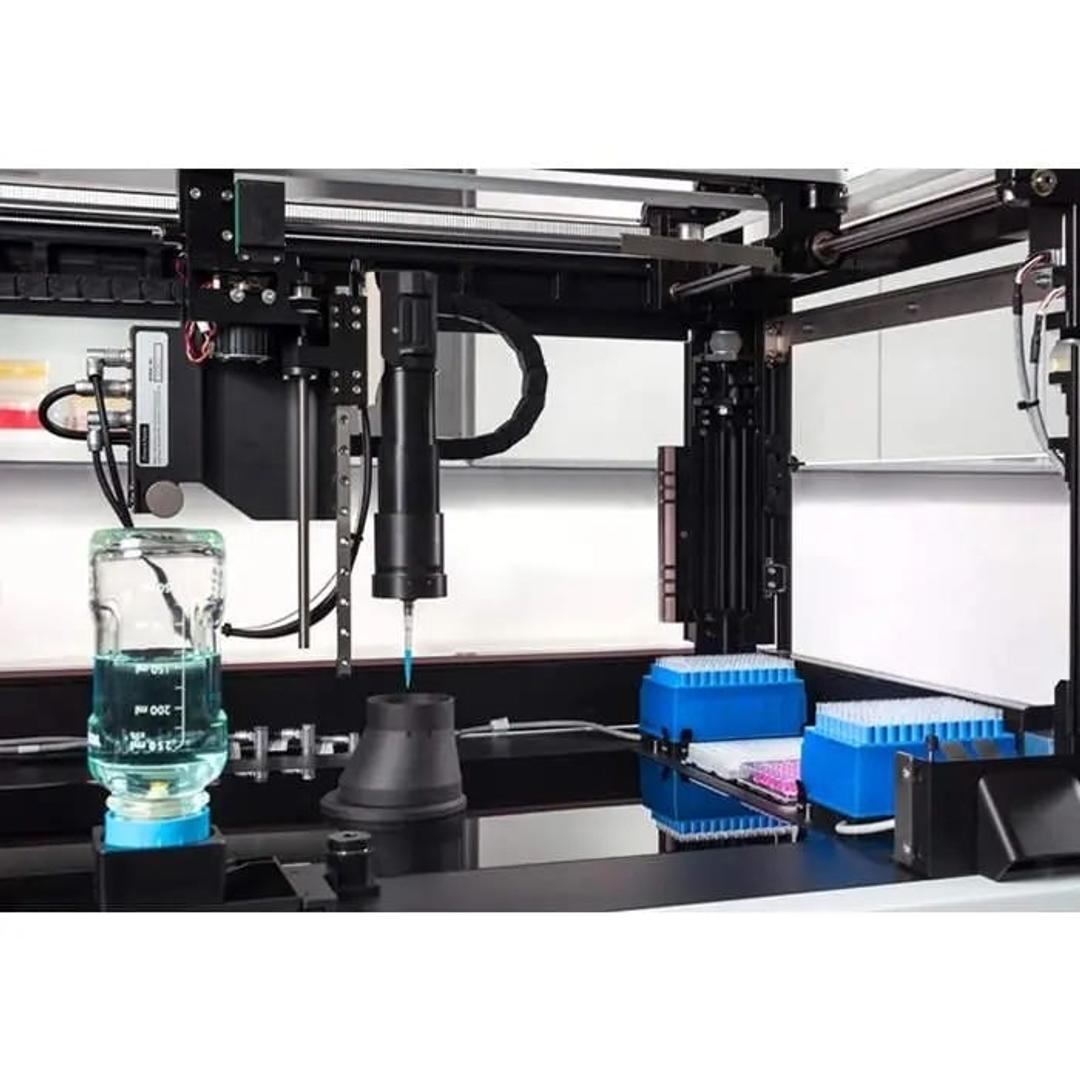
The system’s imaging frame rate of up to 100fps is well-suited to assays that measure the beat-rate of cultured cardiomyocytes, as often used in cardiotoxicity studies. And the fast imaging frame rate, together with the dispense and read capabilities of the optional pipettor module, enables fast response assays in which cell responses occur within milliseconds to seconds – notably calcium flux assays.
- Tip-based pipettor compatible with Revvity 20µl and 200µl tips, 1-200µl in 1µl increments
- Compound addition from one compound plate and one reservoir, up to 2 additions per well
- Compatible with 96- and 384-well sample plates
- Environmental control - temperature, CO2, and humidity
- Compatible with automated exchange of sample plate, tip racks and compound plate
- Liquid handling module is compatible with brightfield imaging
It All Comes Together in Harmony® – Acquisition to Analysis Made Easy
- Intuitive workflow user-interface guides you through the entire process, from acquisition to analysis and evaluation
- Templates for set-up of acquisition channels and parameters to get you productive right away
- Ready-made solutions for common image analysis tasks so you can simply select and go
- Image analysis building blocks that allow you to create, configure, and customize your own high content analysis applications
- Advanced analysis features such as texture and STAR morphology analysis for detailed descriptions of cellular morphology and robust differentiation of cellular phenotypes
- Data management for automatic storage of analysis results and metadata, such as assay layout, instrument, settings, plus user-defined keywords, and annotations
Your Total Solution for High Content Screening
- Get better results from your Opera Phenix Plus system with our microplates for high content screening, such as the PhenoPlate™ 384-well microplates designed for optimal performance in high content imaging applications and our CellCarrier Spheroid ULA plates for imaging 3D models
- Improve throughput and productivity, and reduce variability and reagent costs by automating your Opera Phenix system, or benefit from automated workflows with the explorer™ G3 workstations for cell painting, 3D cell culture or phenotypic screening
- Export results automatically into Signals Image Artist™ Image Analysis and Management platform, so you can access, re-analyze, store, and share all your cell image data from Opera Phenix Plus and other HCS systems
- Use with Signals VitroVivo to perform screening data analysis and validation, QC analyses, calculate reliable normalization, multivariate hit stratification, dose response curves, and drug response profiling
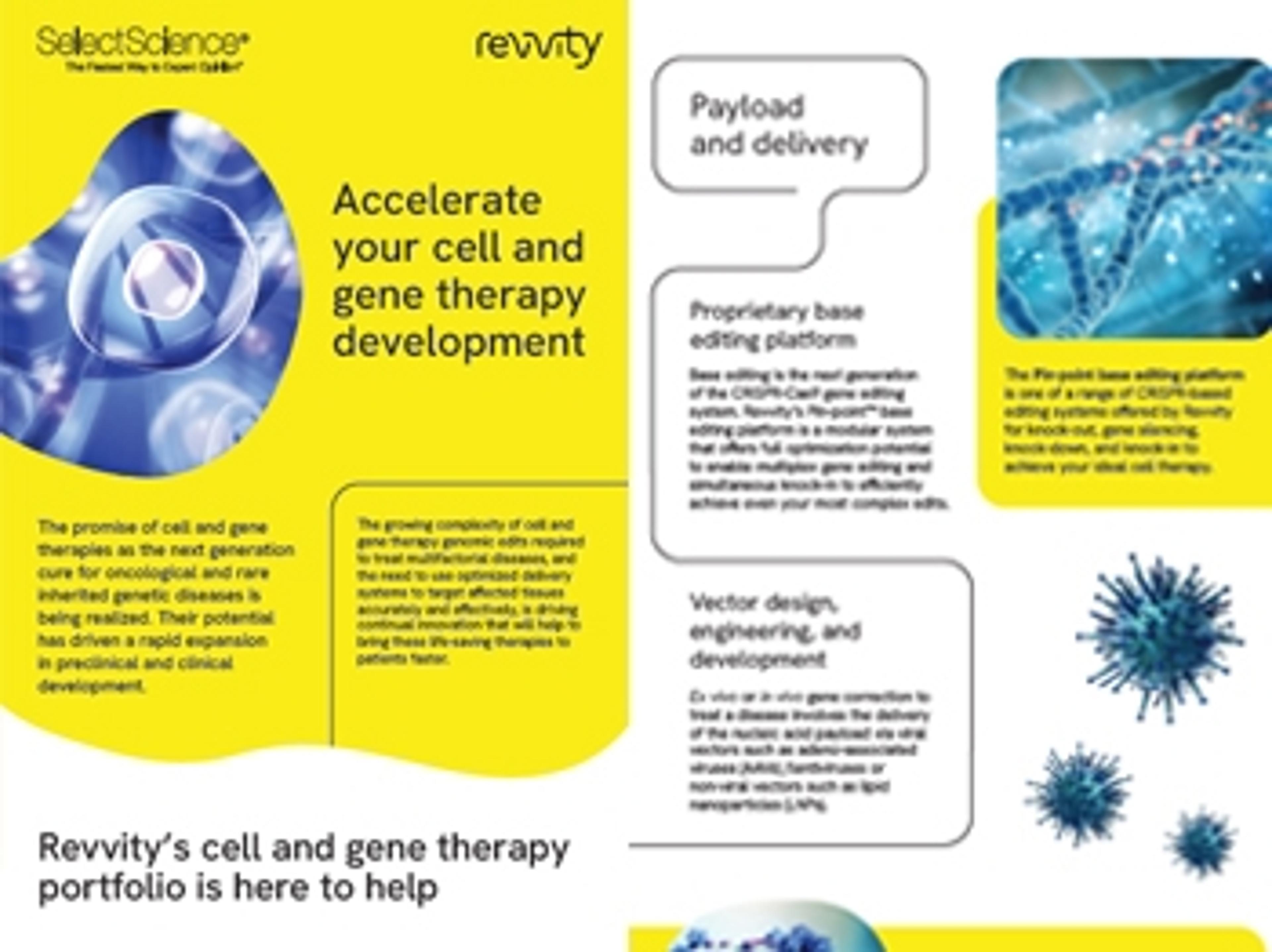
Accelerate your cell and gene therapy development
The promise of cell and gene therapies as the next generation cure for oncological and rare inherited genetic diseases is being realized. Their potential has driven a rapid expansion in both preclinical and clinical research and development.
The increasing complexity of cell and gene therapy genomic edits required to treat multifactorial diseases, and the need for precision-targeted delivery systems, is driving continual innovation aimed at expediting the availability of these life-saving treatments to patients.
This infographic provides an overview of Revvity's comprehensive cell and gene therapy solutions, emphasizing the role of innovation and automation in streamlining the therapy development workflow.

Opera Phenix High Content Screening System Technical Performance: Improved 3D Imaging
Spinning disk confocal microscopy is a common tool for live cell microscopy and reduces background fluorescence from out of focus planes. However, for 3D imaging, confocal image quality can be limited by a phenomenon known as ‘pinhole crosstalk’. Out-of-focus light and scattered emission bleeds through neighboring pinholes and increases the background haze. This can lead to blurred images in conventional spinning disk systems. The confocal scanning unit of the Opera Phenix™ High Content Screening System provides an increased distance between pinholes to reduce the pinhole crosstalk. This leads to improved 3D image quality.
Imaging Bile Canaliculi in 3D Liver Microtissues Using the Opera Phenix High Content Screening System
Analyzing transport of biliary metabolites is essential to predict pharmacokinetics and hepatotoxicity during drug development. A functional impairment of hepatobilary transporters, such as bile salt export pump (BSEP) and multidrug resistance-associated protein 2 (MRP-2), is strongly associated with an increased risk of cholestatic liver injury. Traditional models lack the functional complexity of the natural 3-dimensional (3D) liver environment. Here, we describe a 3D high content screening assay to study hepatobiliary transporter function in InSphero human liver microtissues using the Opera Phenix™ High Content Screening System.
Standardizing Secondary Phenotype Image Analysis with PerkinElmer’s High Content Profiler
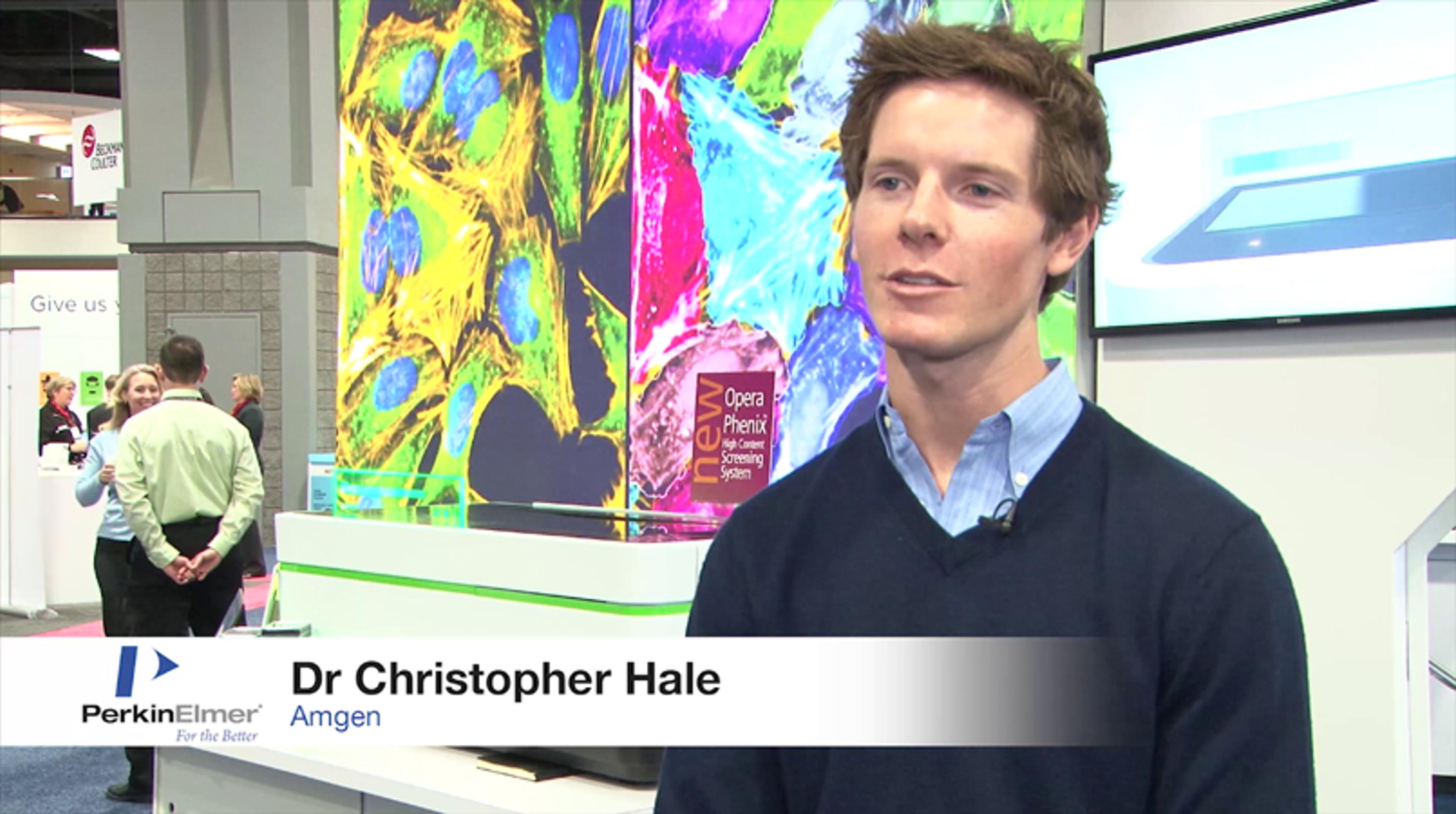
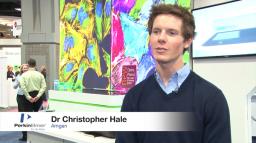
Dr. Christopher Hale from Amgen is committed to unlocking the potential of biology for patients suffering from serious illnesses by discovering, developing, manufacturing and delivering innovative human therapeutics. In this video, Dr. Christopher Hale advocates the use of PerkinElmer’s High Content Profiler which enables him to standardise his workflow, run quality control on data sets, run principal component analysis and much more. He also discusses how his work is made possible thanks to PerkinElmer’s Operetta and Opera Phenix high content screening systems, which are both easy-to-use and suited to long term assays and confocal imaging.
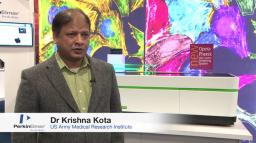
Assessment of Cellular Phenotypic Changes during Viral Infection using High Content Screening
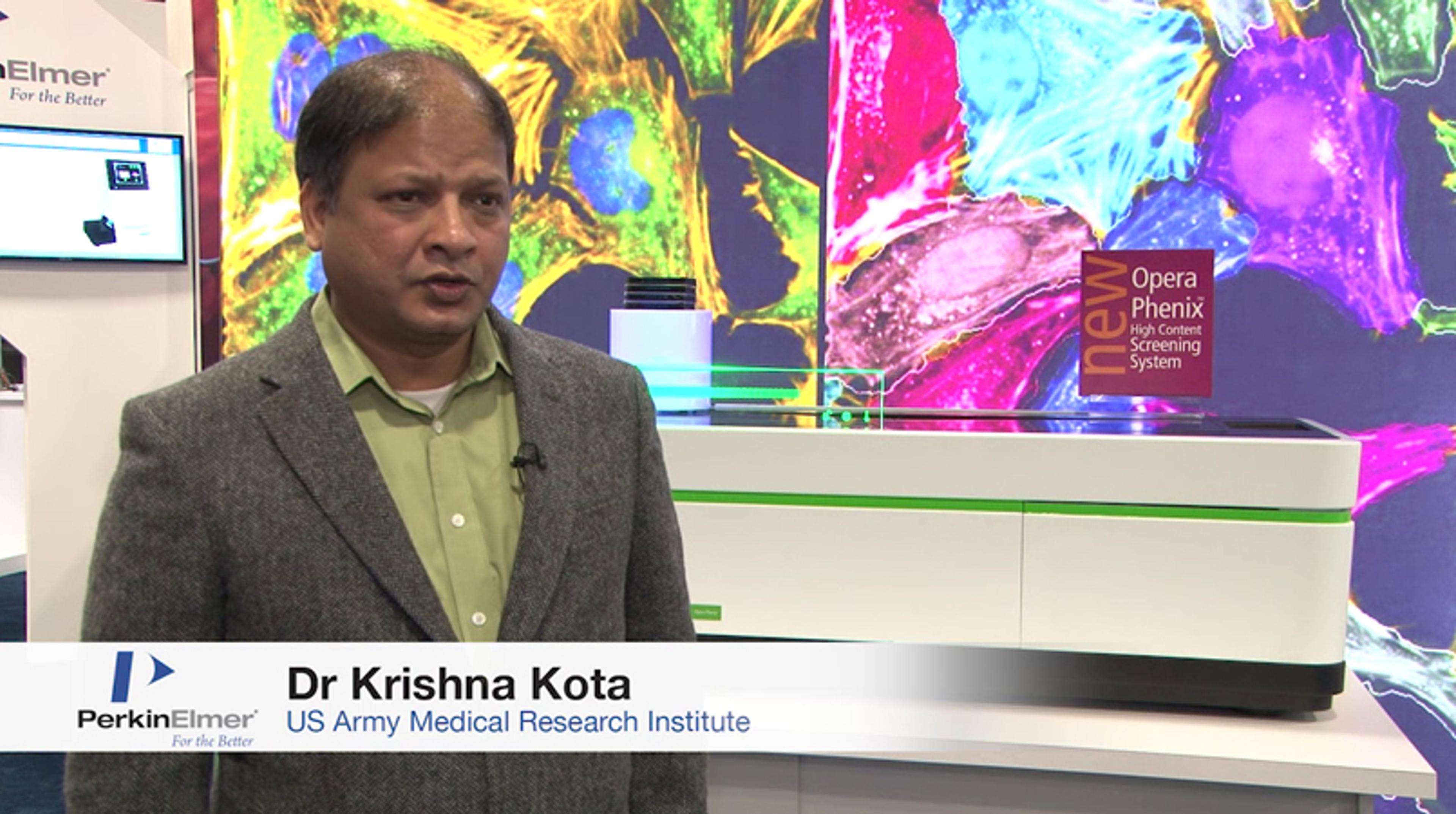
Dr. Krishna Kota, from United States Army Medical Research, is continually researching highly pathogenic viruses and bacteria to find suitable therapeutics. He uses PerkinElmer’s Opera Phenix High Content Screening System to aid his work in understanding the disease and the pathways in which the virus is modulating. Using this system enables him to observe phenotypic changes in cells thanks to Opera Phenix’s high resolution images and confocal nature, supporting the discovery of small molecules that could eventually lead to drug candidates. Dr. Krishna Kota also discusses the importance of the Colombus Image Data Storage and Analysis System and the High Content Profiler in analysing multiple parameters which are present where viral infection is being monitored.
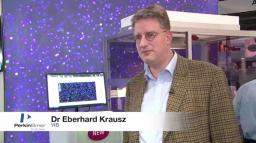
Leveraging High Content Phenotypic Screening to Study More Complex and Predictive Disease Models for Drug Discovery
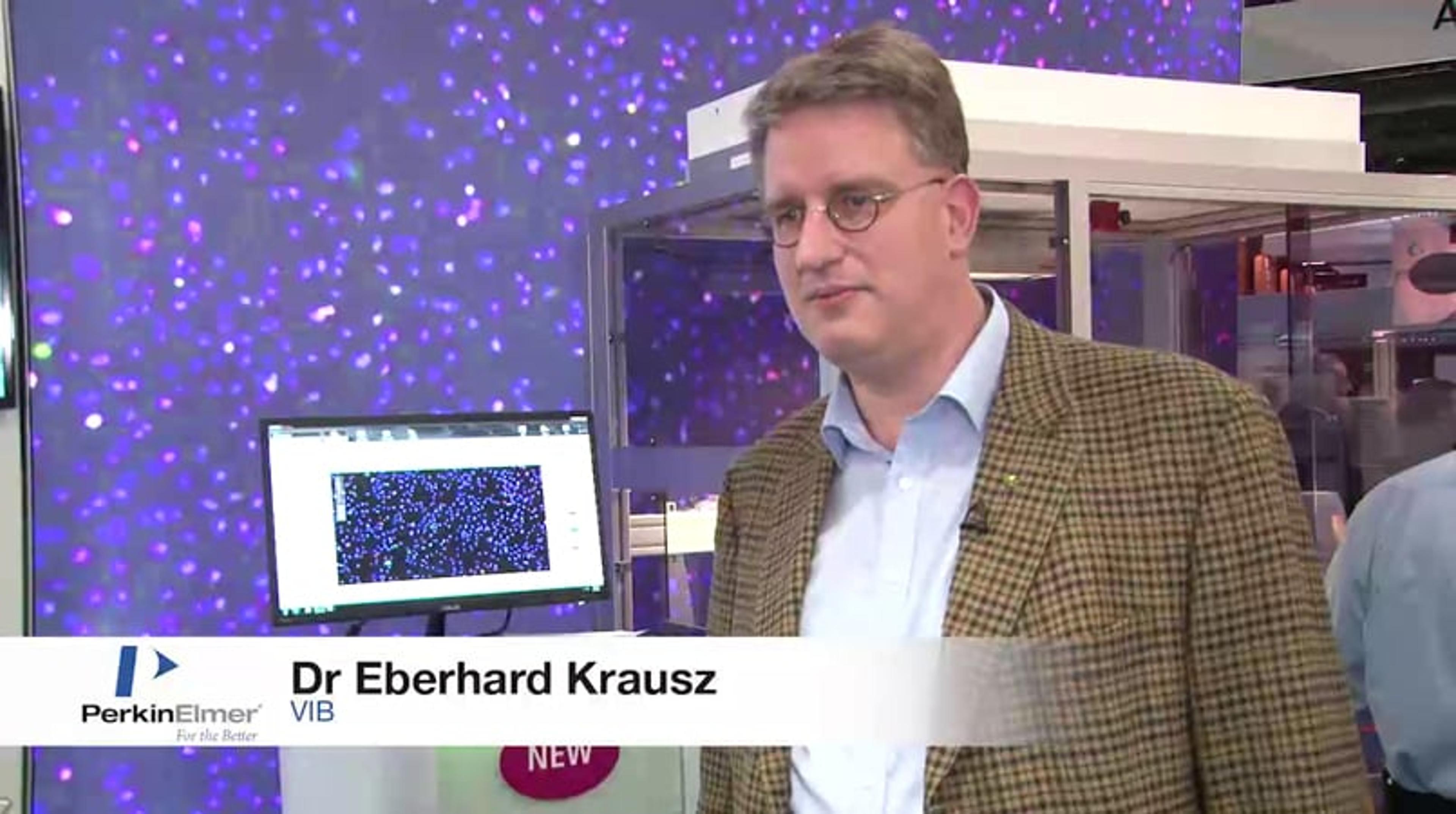
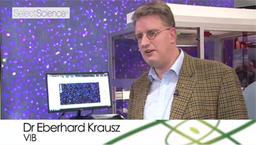
Dr. Eberhard Krausz, from VIB, has the responsibility of translating research findings into drug discovery programs. Advocating the use of cell based screening and assay approaches to drug discovery, Dr. Eberhard discusses in this video how he first began using PerkinElmer’s instruments over ten years ago. Dr. Eberhard recommends PerkinElmer’s latest Opera Phenix High Content Screening System, suggesting it will continue to aid in future studies of complex, predictive disease models to identify new chemicals for drug discovery and development.
SLAS2015 Overview
Watch this short summary of manufacturer and scientist interviews from the recent SLAS conference in Washington D.C., USA. The main report highlights the new innovations and products displayed.
PerkinElmer’s Phenotypic Screening Solutions for Higher Physiological Relevance
Hear how scientists are using PerkinElmer’s HCS systems and informatics platforms to accelerate their phenotypic screening workflows and better understand disease.
New Opera Phenix High Content Screening System from PerkinElmer
Watch this video to learn about PerkinElmer’s new Opera Phenix High Content Screening System, designed to provide the speed and sensitivity for even the most challenging high content screening applications, from phonotypic screening to working with complex disease models.
How PerkinElmer is helping to combat COVID-19
It's comprehensive SARS-COV-2 offerings span RT-PCR, high throughput RNA extraction, automation, ELISA and lateral flow based serology testing.

Steve Rees, of AstraZeneca, Discusses Cutting-edge Technologies for Drug Target Validation
Steve Rees, Vice-President of Screening Sciences and Sample Management, Talks to Kerry Parker