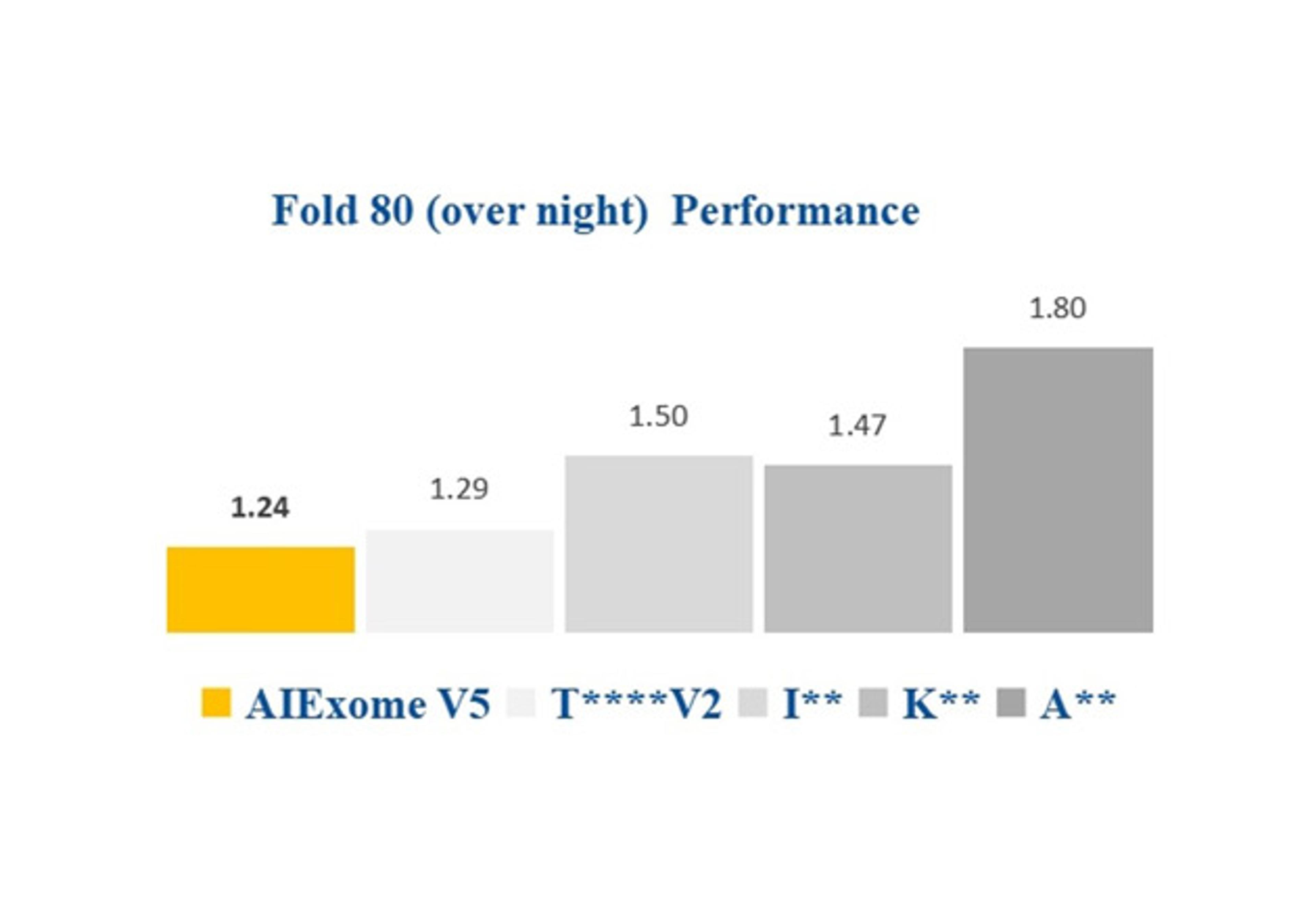
MRD Panel Design
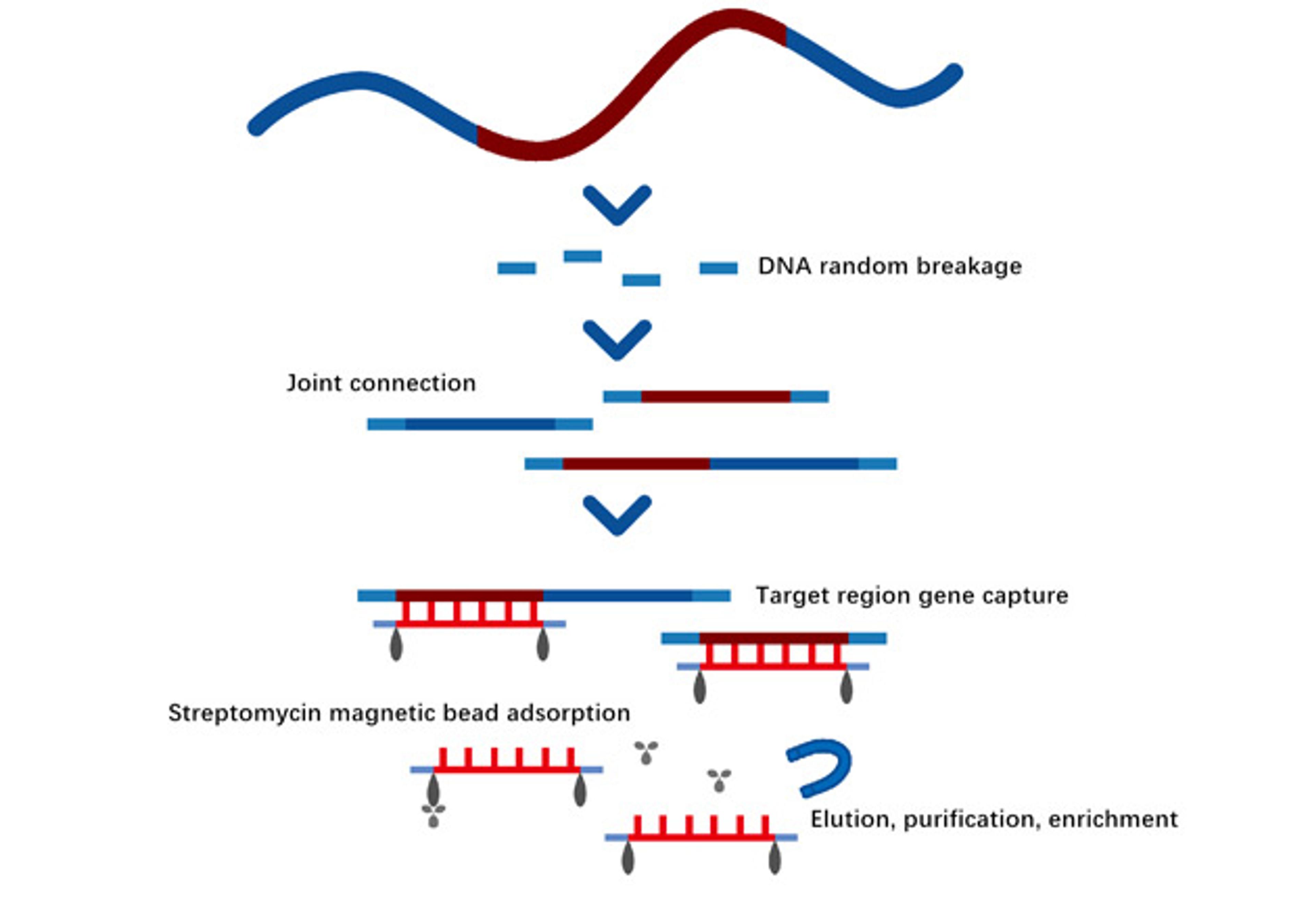
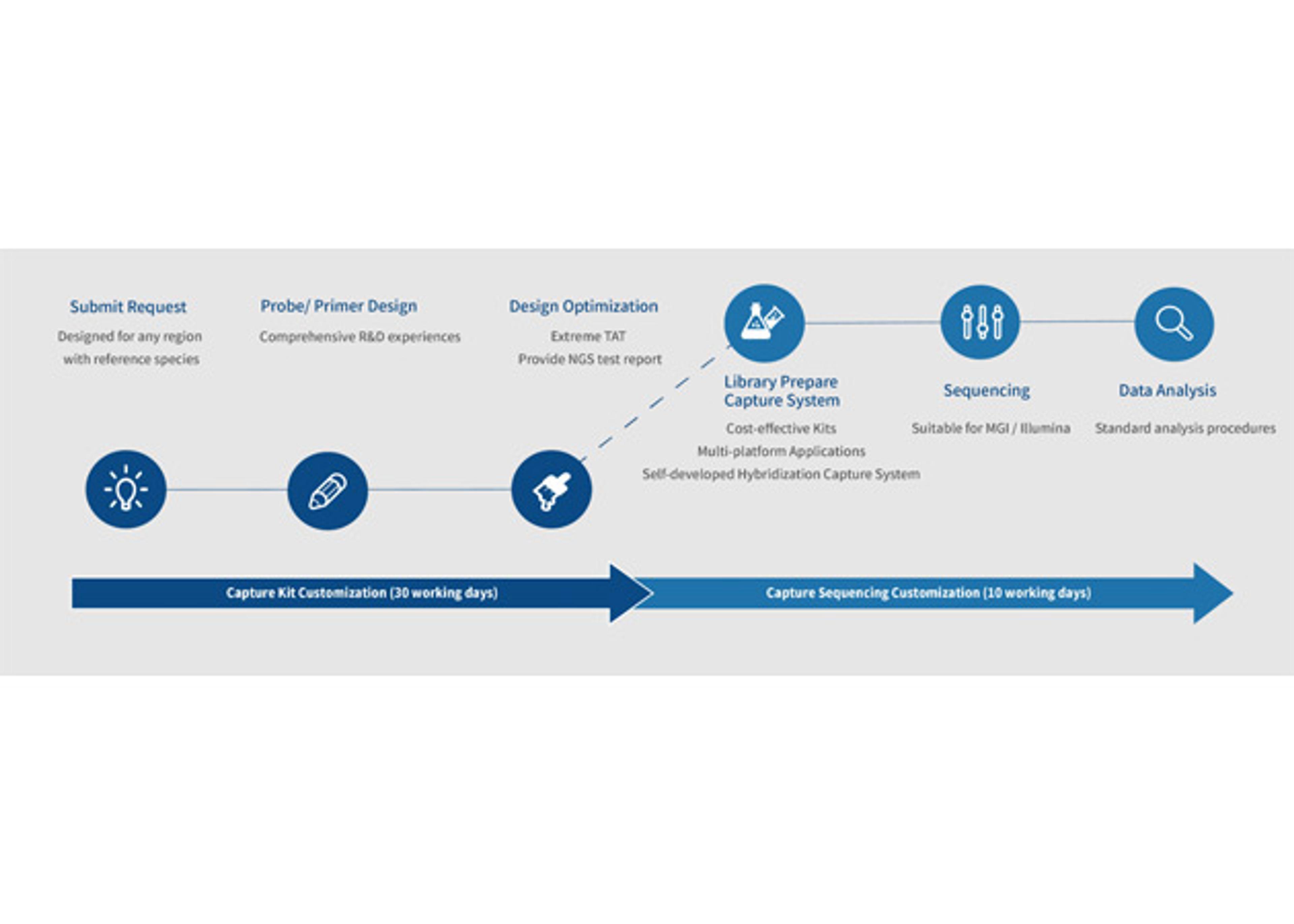
Based on tumor-informed assays, combined with independently developed hybridization capture systems and high-throughput MRD Panel synthesis, we have launched a comprehensive MRD hybridization capture reagent set—including hybridization capture reagents, blocking sequences, and capture beads. Paired with free customized MRD Panels, this solution delivers a cost-effective and highly stable MRD detection protocol, promoting the p…

Receive your quote directly from the manufacturer.
Advantages
- Full-process supporting reagents—ensuring stable and efficient operation throughout the entire workflow
- Highly compatible hybridization capture reagents—compatible with all probe types, and applicable to multiple hybridization and rapid hybridization scenarios
- High-throughput MRD Panel customization—zero-cost support for large sample volume requirements
- Increased monitoring sites for personalized MRD Panels—significantly enhanced detection sensitivity
Performance
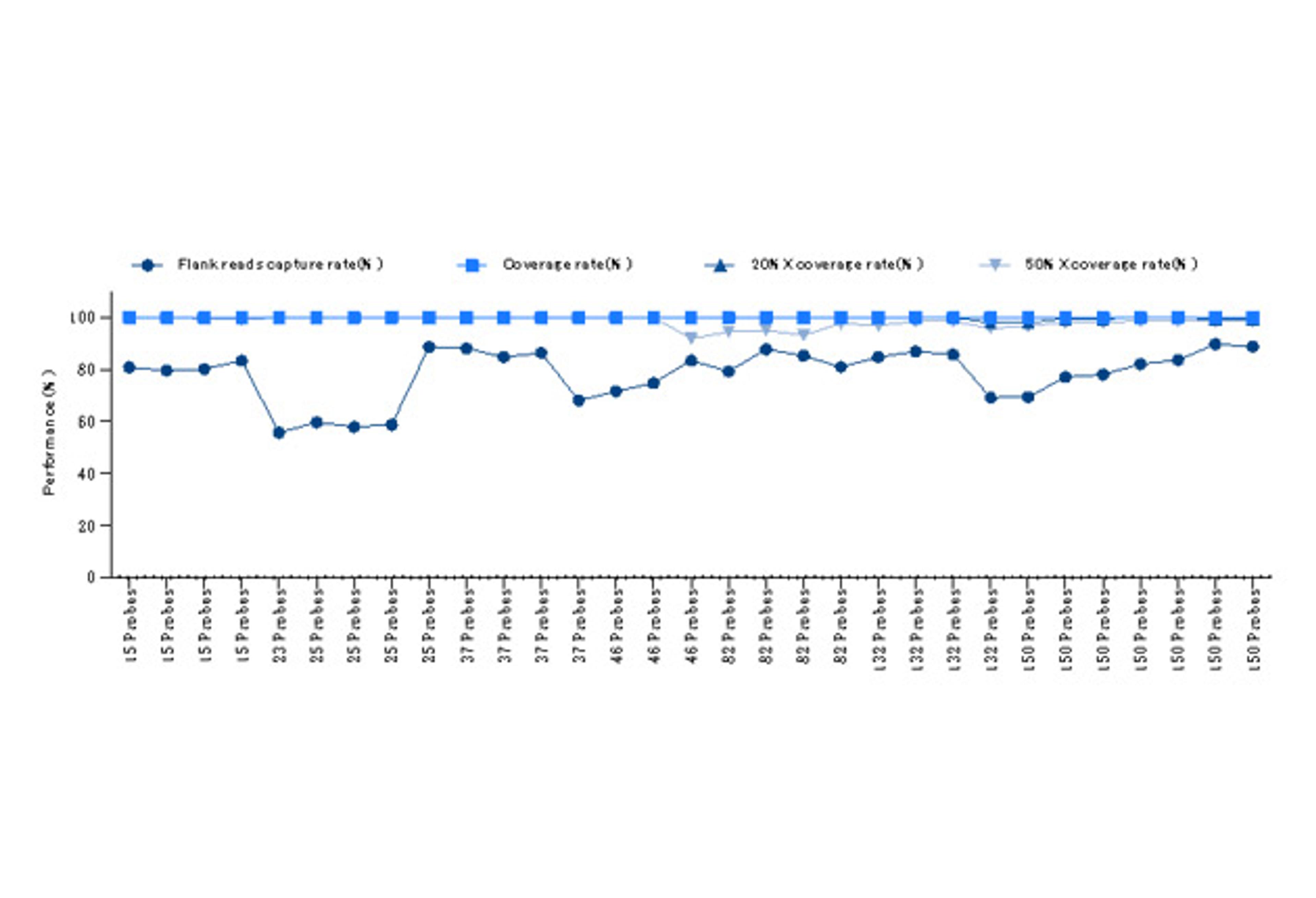
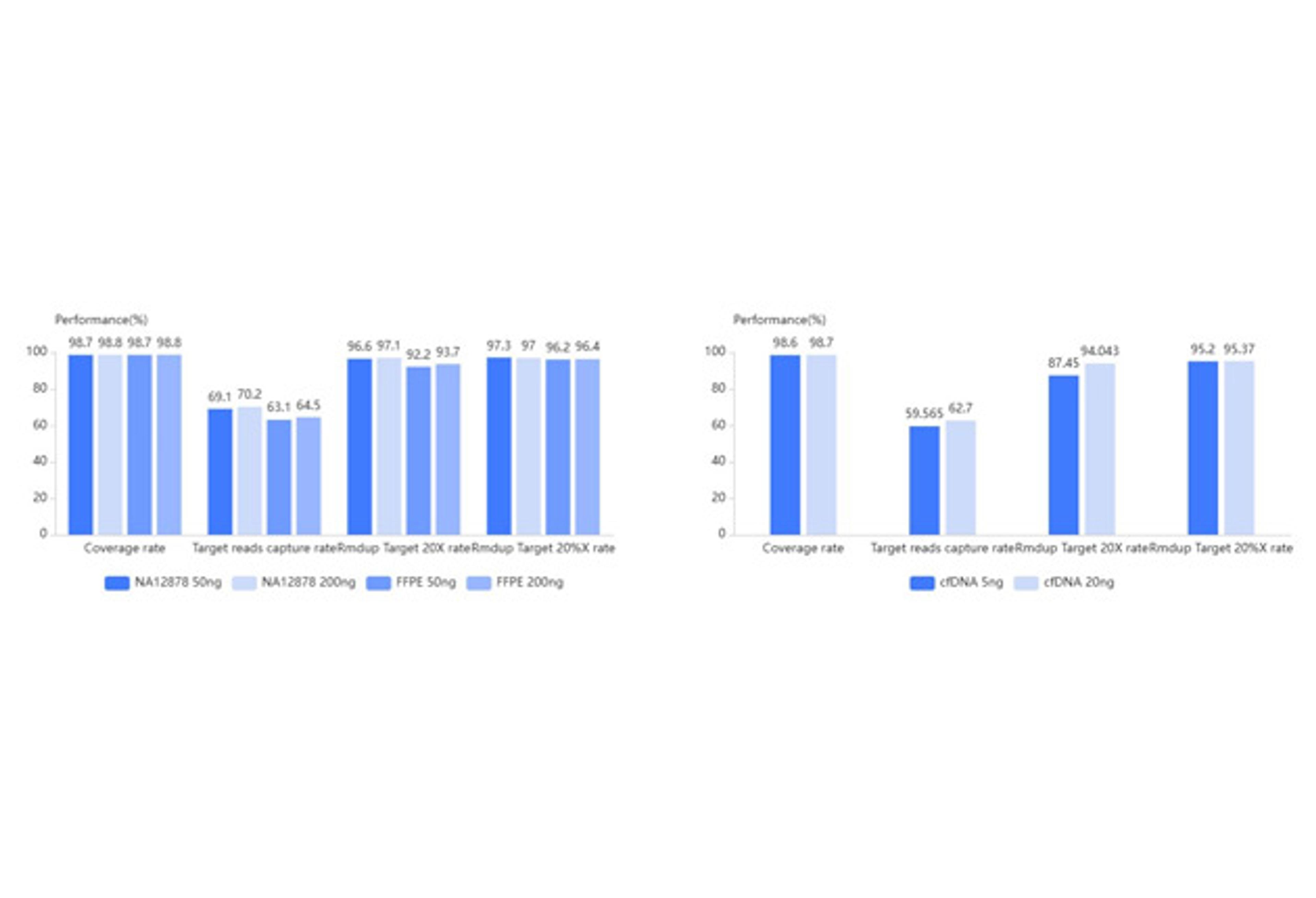
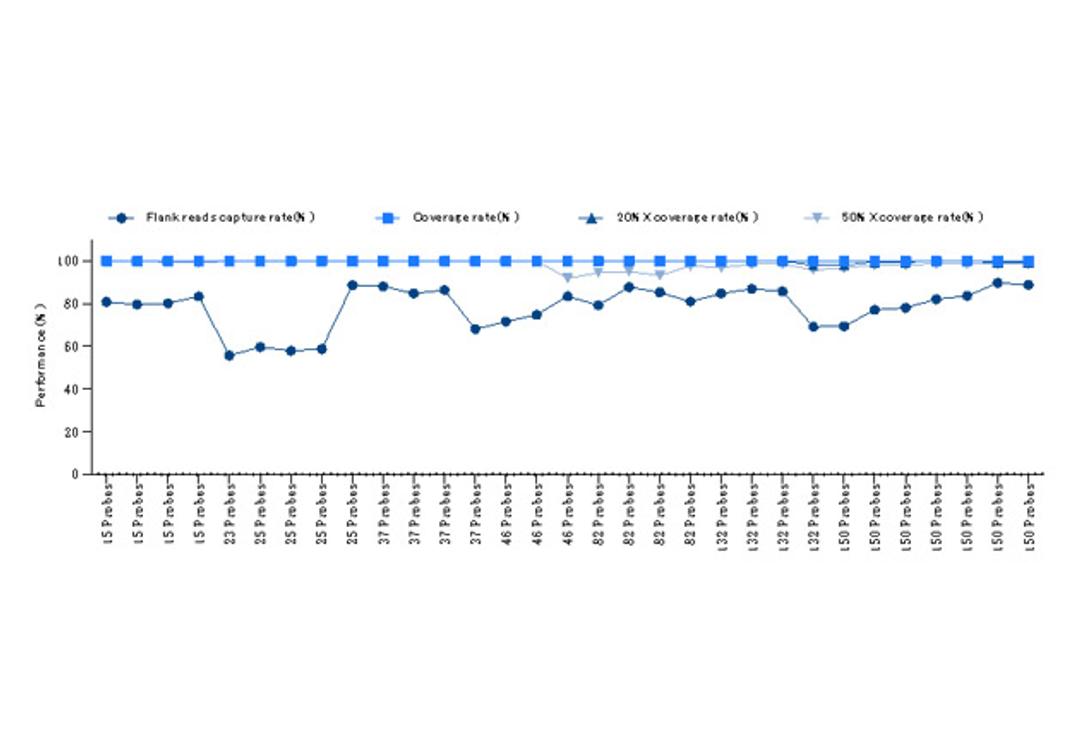
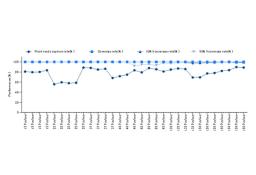
Based on iGeneTech’s MRD Panel comprehensive solution, 33 distinct synthesized MRD Panels (covering 15 to 150 loci) were tested for capture performance. All tested MRD Panels demonstrated excellent capture performance.
Probe Storage Stability Test
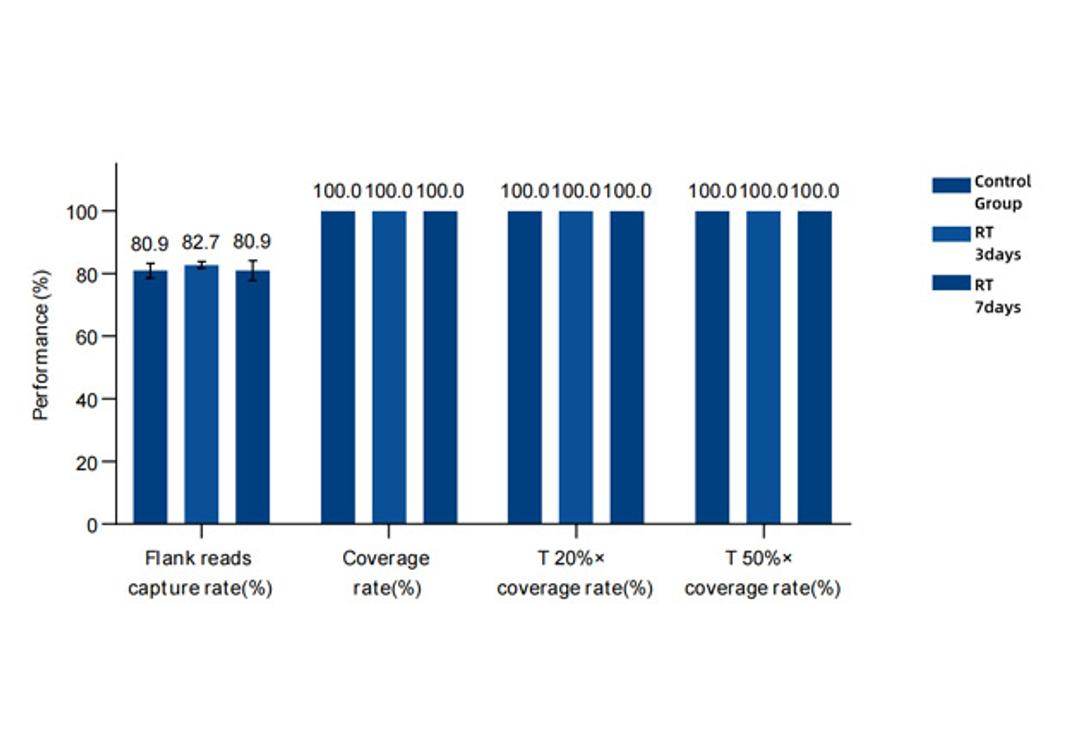
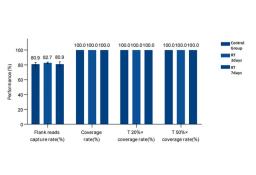
A 34-locus MRD Panel was used for the test, with a single-hybridization library input amount of 750 ng, and sequencing was performed on the NovaSeq 6000 platform using the PE150 strategy. Capture tests were conducted on the MRD Panel probes after 3 and 7 days of storage at room temperature, while the control probes were stored at -20 ℃. The test data demonstrated that the MRD Panel maintained stable capture performance after 3–7 days of storage at room temperature.
Probe Freeze-Thaw Stability Test
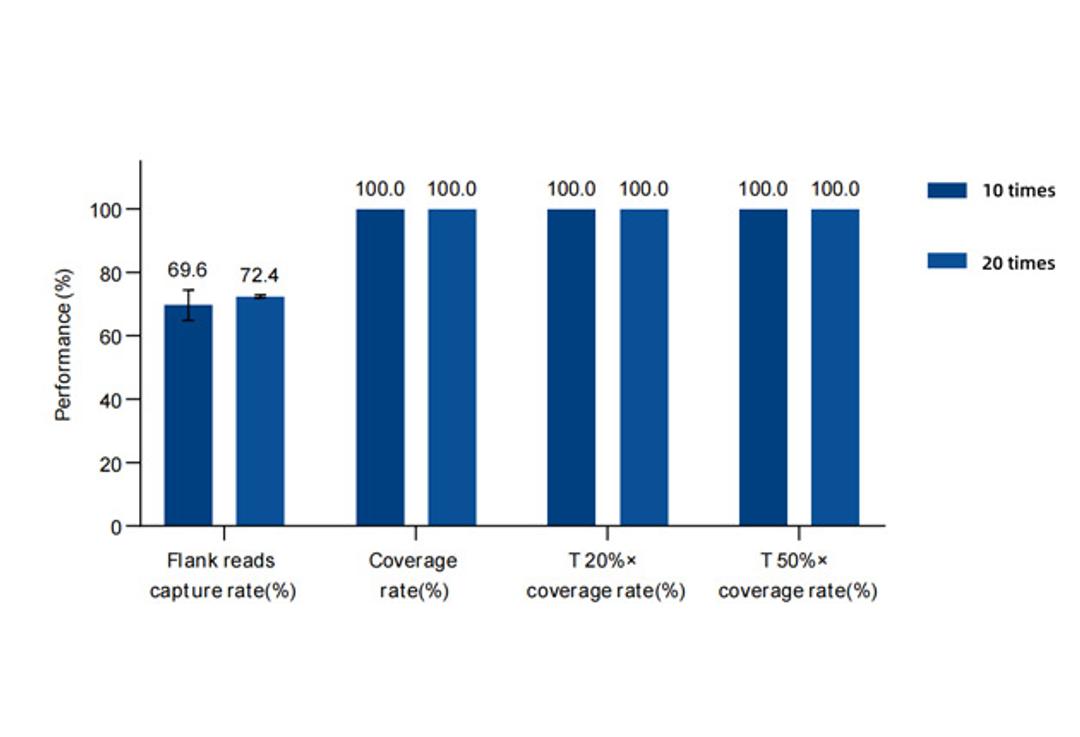
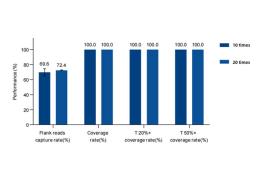
A 25-locus MRD Panel was used for the test, with a single-hybridization library input amount of 750 ng, and sequencing was performed on the NovaSeq 6000 platform using the PE150 strategy. Capture tests were conducted on the MRD Panel probes after 10 and 20 repeated freeze-thaw cycles, while the control probes were stored at -20℃. The test data demonstrated that the MRD Panel maintained stable capture performance after 10 and 20 repeated freeze-thaw cycles.