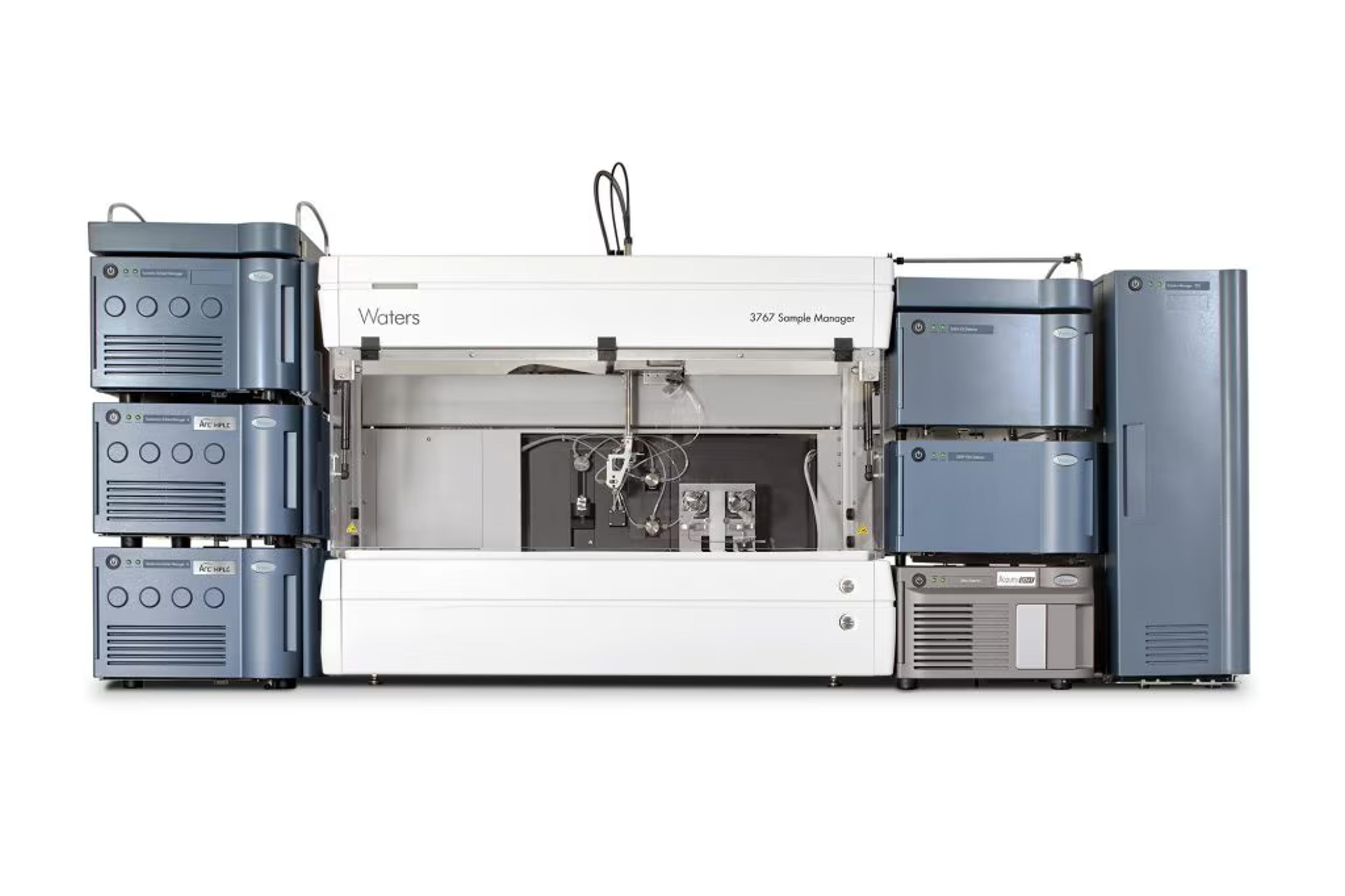
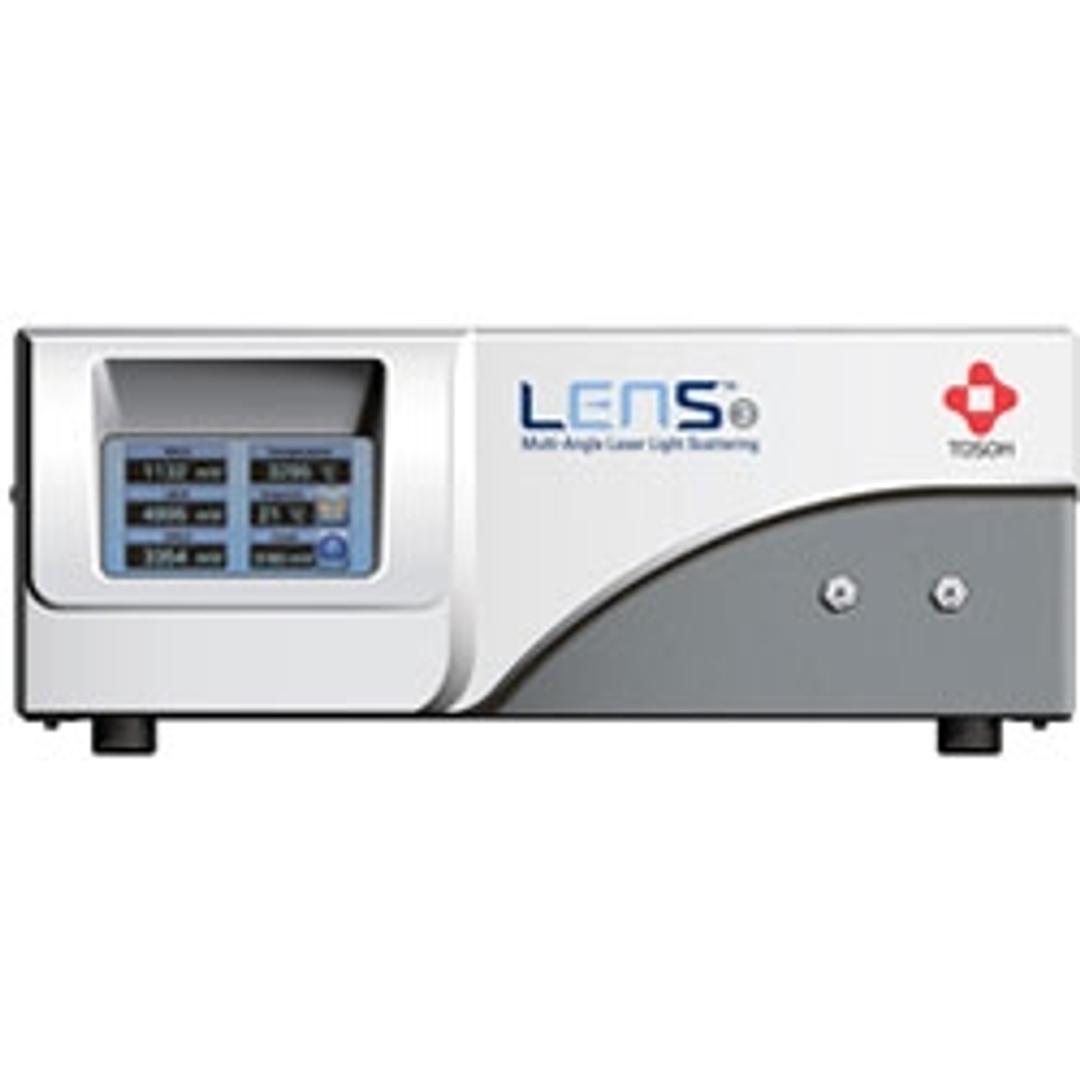
LenS3 MALS and MALS-V Multi-Angle Light Scattering Detector Series
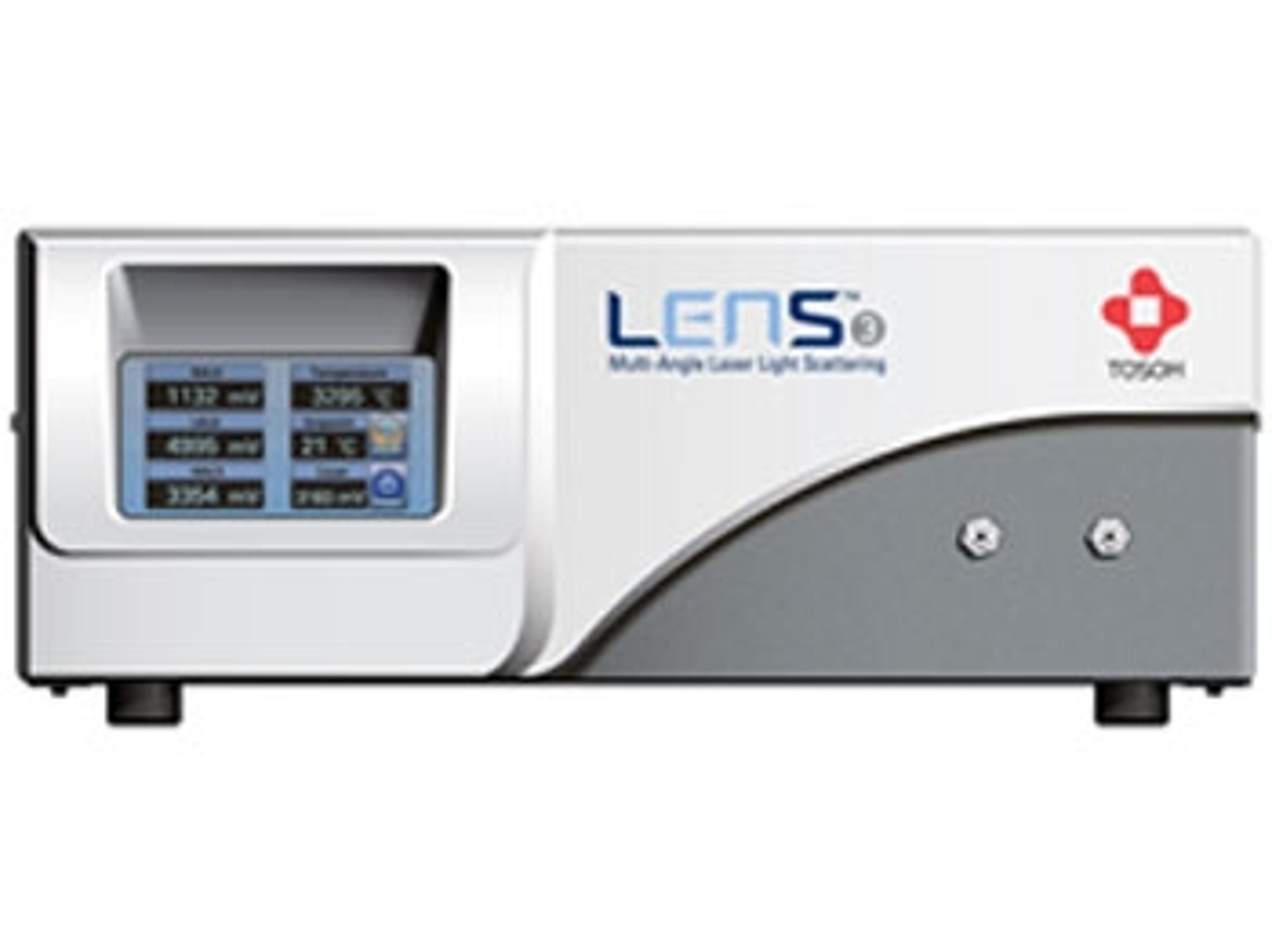
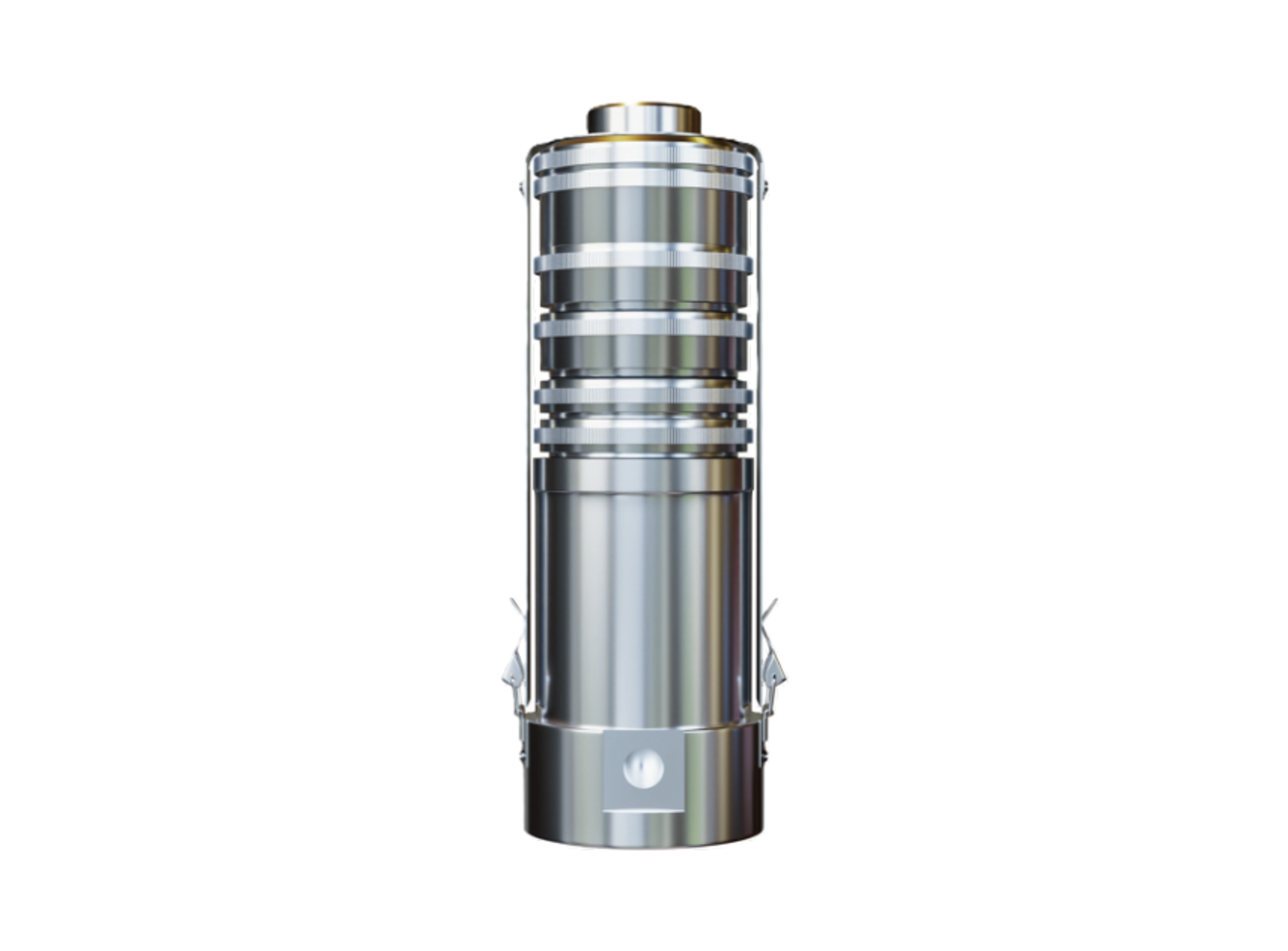
The LenS3 MALS detector offers a revolutionary approach for the measurement of molecular weight (MW) and radius of gyration (Rg) of synthetic polymers, polysaccharides, proteins, and biopolymers. A novel optical design, a unique cell-block assembly, and a new calculation methodology make the LenS3 MALS detector the first groundbreaking innovation in the light scattering technology arena in decades!



The supplier does not provide quotations for this product through SelectScience. You can search for similar products in our Product Directory.
Get a In House Demo when buying a MALS
SEC of Proteins for molecular weight
Initially, this detector worked well and did all the analysis we would want for characterizing protein Mw, Mn). After 3 months it failed and had to be sent back to the manufacturer. I am waiting for a diagnosis of what is wrong. It takes an overnight equilibration to stabilize the detector and it uses a pre-filter (0.2 microns) going into the detector and a post filter (0.1 microns). The filter backpressure goes up and stops the analysis after 24 hours (sometimes earlier). The instrument was initially installed (validated) with only a 0.45-micron mobile phase. I was told by one company tech rep to filter using 0.05-micron filter). I never heard of anyone doing this for any other analysis, such as LC-MS. This detector is about 1/2 the cost of the next rival MALS manufacturer. For anyone thinking about getting one, it would be wise to have a demo in your lab and know what it takes to get this going. I have to say the other manufacturers were very slow to demo their equipment. TOSOS was very responsive.
Review Date: 15 Nov 2021 | Tosoh Bioscience - Separations
The LenS3 MALS detector offers a revolutionary approach for the measurement of molecular weight (MW) and radius of gyration (Rg) of synthetic polymers, polysaccharides, proteins, and biopolymers. A novel optical design, a unique cell-block assembly, and a new calculation methodology make the LenS3 MALS detector the first groundbreaking innovation in the light scattering technology arena in decades! The new member of the LenS3 family, the LenS3 MALS-V dual detector, is the first integrated light scattering and viscometry dual detector. Combined with the EcoSEC Elite GPC system and TSKgel columns, it offers a complete, cost-effective, high-performance approach for triple detection GPC.
Featuring a patent pending cell geometry and a lower wavelength laser (at 514 nm), the LenS3 MALS detector allows direct measurement of molecular weight and provides best-in-class sensitivity. In addition, with an improved normalization process and a new method for utilizing the angular dependence, the determination of radius of gyration of smaller macromolecules below 10 nm in gyration size, Rg, is now possible for the first time in history!
The LenS3 MALS and LenS3 MALS-V detectors are driven by SECview™ software, capable of GPC system/hardware control, multi-channel data acquisition, data processing and analysis. Totally focused around enhancing the user-interface experience, SECview is a welcoming fresh perspective that streamlines the complex calculations required by the advanced detectors and is the only GPC/SEC data processing module today that performs analysis of sample-of-interest using multiple calibration methods simultaneously.
Brochures

A new paradigm in light scattering technology
In this product brochure, Tosoh Bioscience showcases its comprehensive suite of instruments, columns, and software tailored for the thorough characterization of biopharmaceutical macromolecules, sustainable polymers, and common engineering plastics. The TSKgel® GPC/SEC columns have been designed to offer high resolution, excellent reproducibility, and long column life, catering to a wide range of GPC/SEC applications. The LenS™3 multi-angle light scattering (MALS) detectors provide a method for measuring molecular weight and size distributions of various biomolecules and polymers, powered by user-friendly SECview™ software. Additionally, the EcoSEC™GPC systems offer fully automated solutions for gel permeation chromatography, ensuring robust polymer analysis with the highest reproducibility, incorporating advanced features like dual pump solvent systems and efficient refractometry detection.
Decoding the structure of natural polymers with advanced GPC/SEC
In this video from Tosoh, learn more about different polymer properties and their associated parameters. Discover how triple detection can be used for the full characterization of polysaccharides, and explore how gel permeation chromatography with refractive index and light scattering detection can be used to identify necessary parameters.
One system fits all – Analyze small to large macromolecules without compromises
In this video, Tosoh Bioscience discusses how light scattering can be used as a tool in macromolecular characterization and shares case studies exploring how analytical techniques can be used to gain more information about macromolecules.

Advancements in materials characterization: From decoding polymers and battery materials to harnessing the power of atomic force microscopy
Explore advanced technologies and the latest resources to support your materials characterization

Explore the latest technologies advancing materials characterization
From battery material research to real-time reaction monitoring, macromolecule analysis and more, advance your materials characterization with these free resources