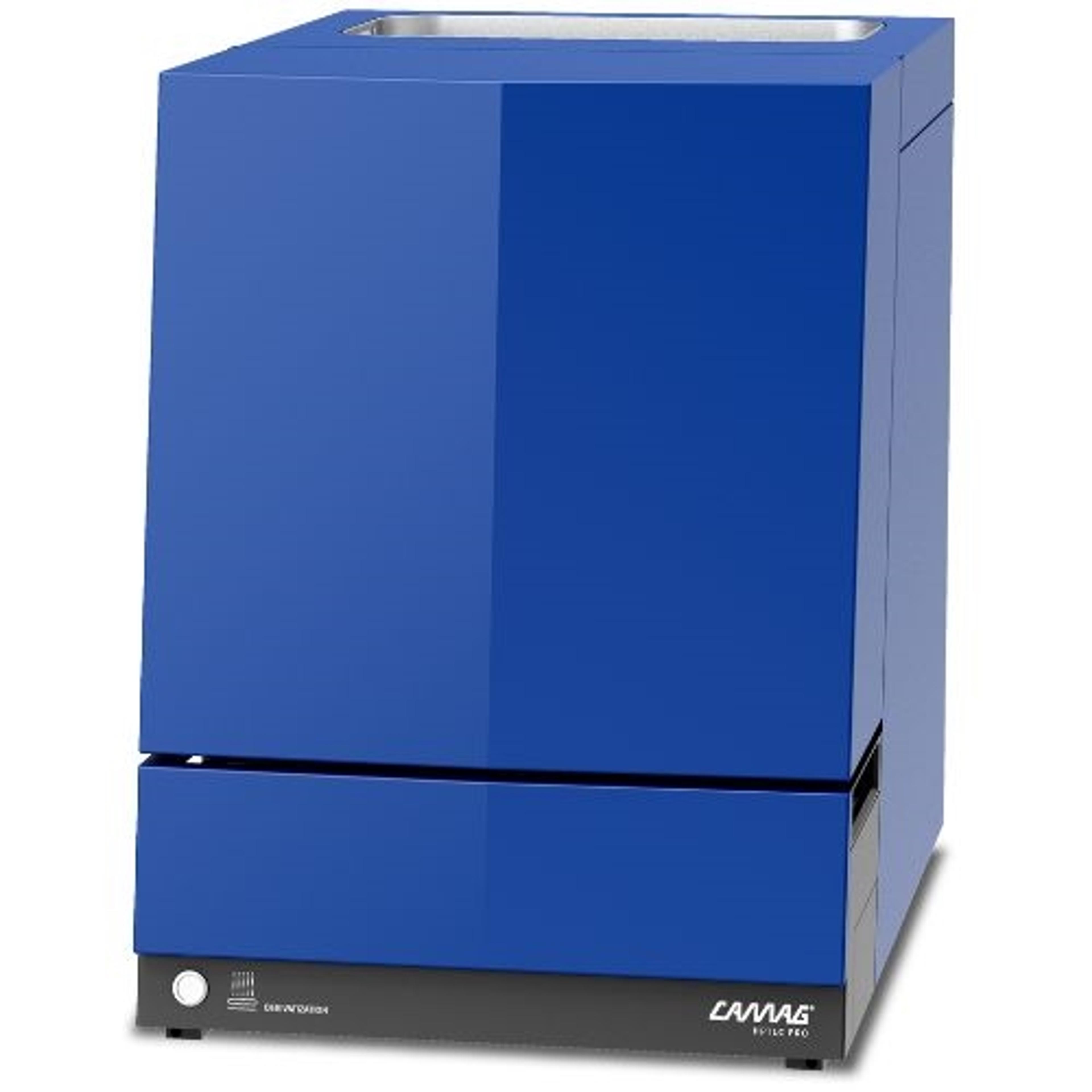
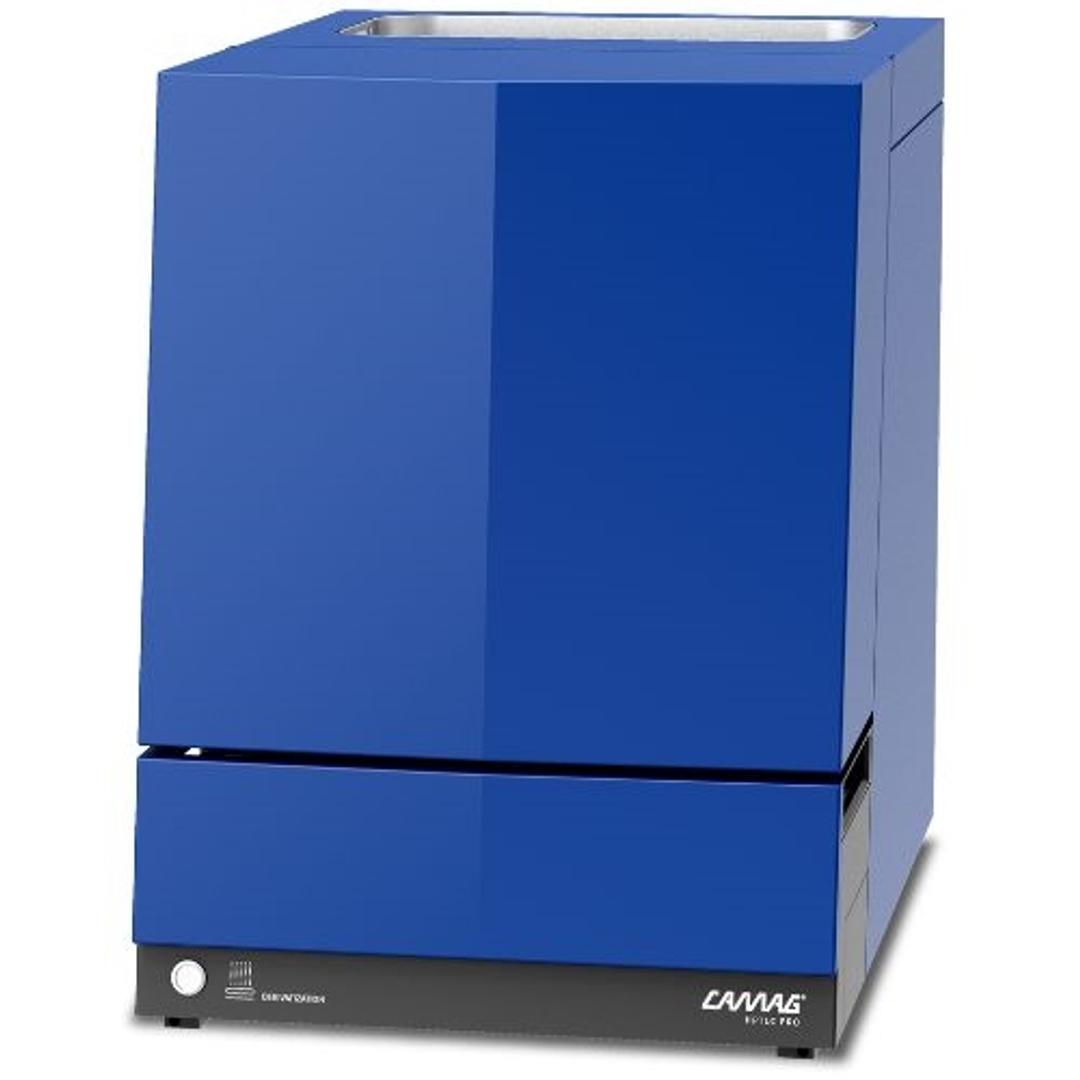
HPTLC PRO Module DERIVATIZATION
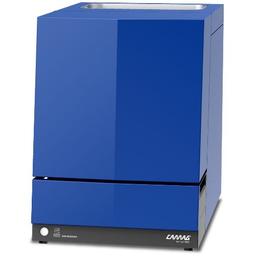
Derivatization is often used to visualize specific substance classes after separation on HPTLC glass plates (20 x 10 cm). Due to its unique and patented “micro droplet” spraying technology, the fully-automated HPTLC PRO Module DERIVATIZATION ensures homogeneity and reproducibility in applying derivatization reagents.

The supplier does not provide quotations for this product through SelectScience. You can search for similar products in our Product Directory.
The HPTLC PRO Module DERIVATIZATION is part of the CAMAG® HPTLC PRO SYSTEM – the first fully automated HPTLC system worldwide.
The HPTLC PRO Module DERIVATIZATION is designed for the fully automatic derivatization of HPTLC glass plates (20 x 10 cm) and uniquely combines two steps in a single device: high-precision spraying of derivatization reagents and heating of the plate. Employing the patented micro-droplet spraying technology, the Module DERIVATIZATION enables maximum homogeneity in applying derivatization reagents. The integrated plate heating unit ensures a uniform heat distribution across the plate.
To suit the viscosity of the spraying reagents, four different nozzles are available. Spraying at slightly reduced pressure further improves the spraying process. Equipped with a fully automated nozzle changer and cleaning station, the Module DERIVATIZATION effectively avoids cross-contamination.
Key Features
- Part of the fully automated HPTLC PRO SYSTEM
- Nozzle changer to choose nozzles from three different nozzle parking positions
- Integrated plate heating unit
- Handling of two different reagents
- HPTLC glass plates (20 x 10 cm)
- Software-controlled by visionCATS
Key Benefits
- Spraying and heating in a single device
- Maximum homogeneity in reagent and heat distribution
- Highest user safety through automation and fume hood connection
- Optimal cleaning procedure between nozzle changes
- Low reagent consumption (3 mL)

Quantification of carbohydrates in various matrices
CAMAG highlights methods for the quantification of carbohydrates in various matrices using the HPTLC PRO System. The quantification of carbohydrates can be challenging due to their high polarity, low volatility, lack of a chromophore, and their common occurrence in complex matrices. The HPTLC PRO allows for the separation of mono- and oligosaccharides after minimal sample preparation and sensitive detection and quantification of these compounds after post-chromatographic derivatization. The note provides a method that can reliably and accurately quantify carbohydrates in different matrices using the HPTLC PRO System.
CAMAG HPTLC PRO – Fully automated high-performance thin-layer chromatography
In this video, CAMAG presents a webinar where a fully automated system for high-performance thin-layer chromatography (HPTLC) is discussed. Dr. Melanie Broszat, scientific business development manager at CAMAG, explains the various components of the system, including the sample application device, the plate handler, and the data analysis software, and describes how they work together to automate the entire process of conducting an HPTLC experiment. By automating the process, the system reduces user error and increases the reproducibility and accuracy of results. The video also provides examples of applications for the system, such as the analysis of medicinal plants and food samples, and highlights the benefits of using HPTLC in these fields.