Fragment Analyzer Systems
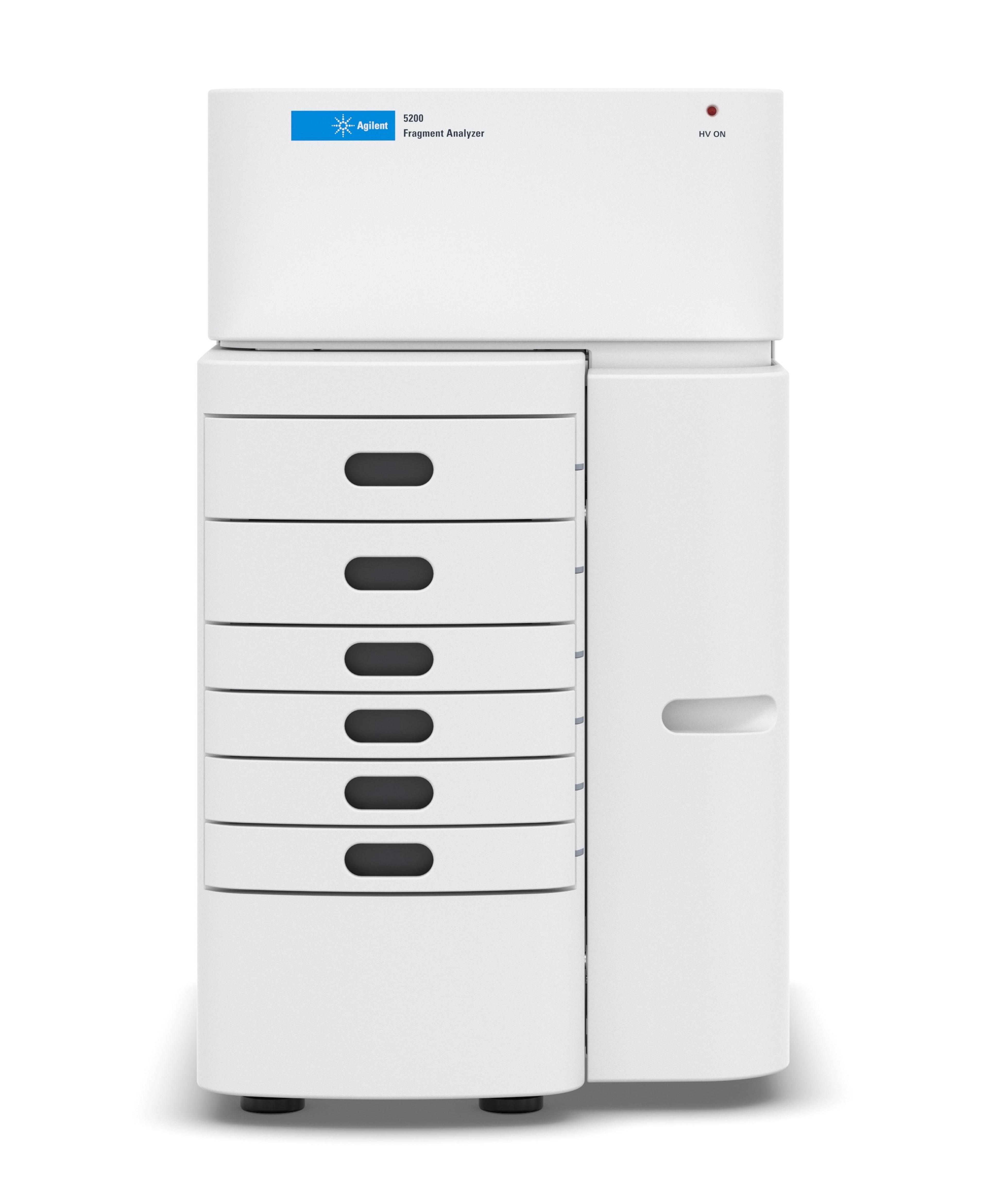
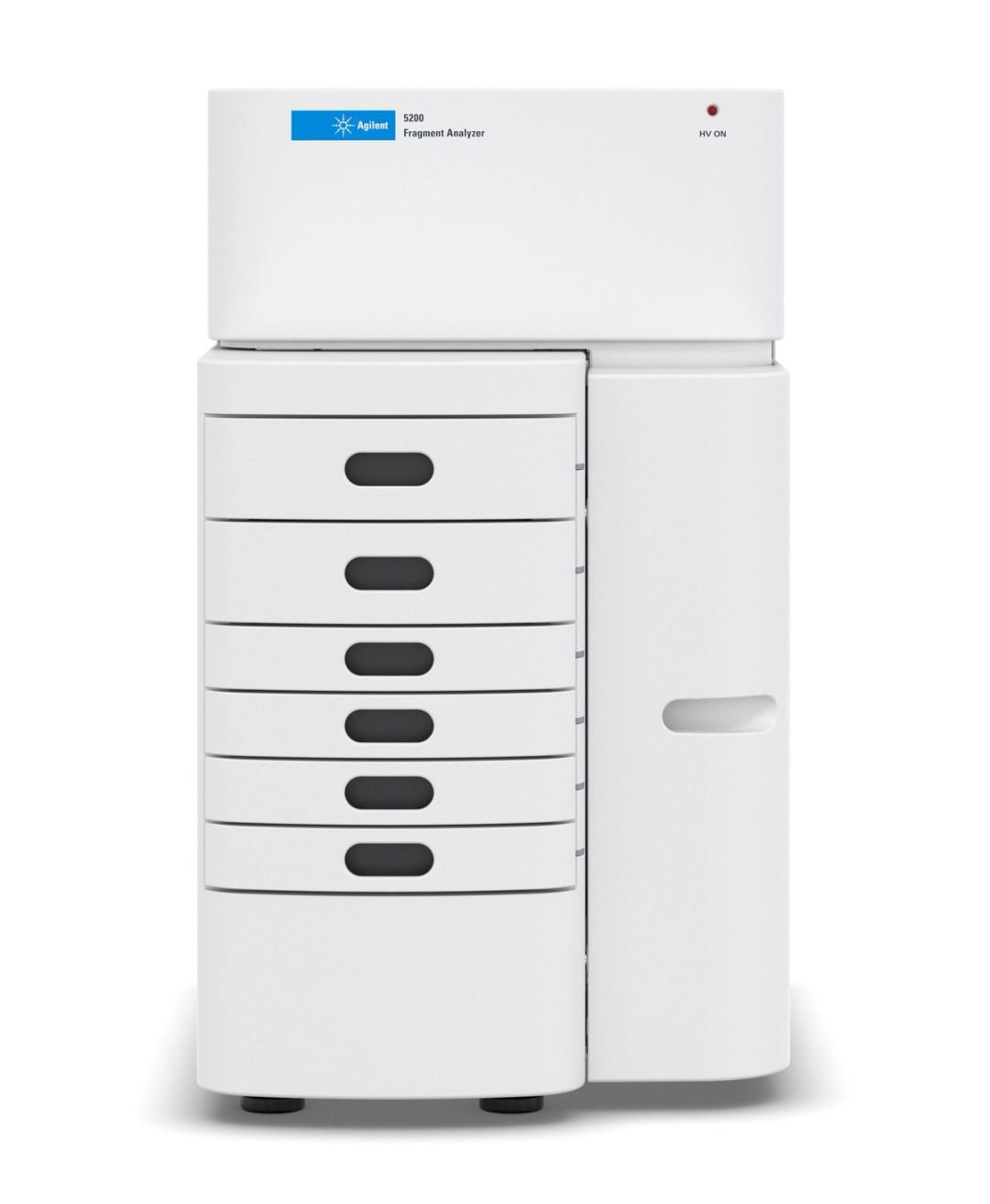
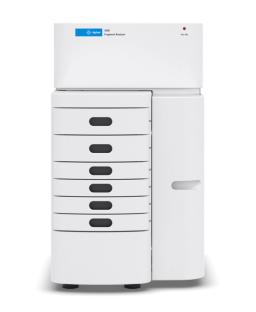
The Agilent Fragment Analyzer systems are fluorescence-based capillary electrophoresis instruments for the accurate sizing, quantification, and qualification of nucleic acids (DNA and RNA).

The supplier does not provide quotations for this product through SelectScience. You can search for similar products in our Product Directory.
Invaluable instrument.
Analyzer in tissues
It's an invaluable instrument and it's secure, versatile and easy to use.
Review Date: 2 Jun 2024 | Agilent Technologies
Best for Nucleic acid research. Make your research more Credible!!
Analyze fragmentation of genomic DNA or NGS library
I have gained more insight into my nucleic acid samples such as DNA and RNA and NGS libraries using Agilent Fragment Analysis system. It is really easy to use such as loading load samples and analyzing the acquired data using Prosize software. This is the best choice to clarify the fragmentation pattern of circulating cell-free DNA of my samples. In addition, this system provides highly accurate DNA concentrations of samples.
Review Date: 10 Nov 2022 | Agilent Technologies
very good results,easy to use
Analyzer in food
The Fragment Analyzer is far superior to its competitors in terms of ease of use and quality of results. The longer capillaries allow for greater resolution than the LabChip or the BioAnalyzer. The ProSize software is intuitive but could stand a few upgrades in terms of allowing specific group color-coding ,very easy to use and comfortable for all
Review Date: 28 Jul 2022 | Agilent Technologies
Great product for food testing
Food testing
This instrument performs beautifully with clean, accurate results and high resolution. The high throughput aspect lets us set up a few plates overnight and come in to data the next day instead of occupying our time for, several days. So glad we purchased it!
Review Date: 1 Apr 2022 | Agilent Technologies
In house lab use, we save money by being able to analyze our own product.
Electrophoresis
The Fragment Analyzer is far superior to its competitors in terms of ease of use and quality of results. The longer capillaries allow for greater resolution than the LabChip or the BioAnalyzer. The ProSize software is intuitive but could stand a few upgrades in terms of allowing specific group color-coding.
Review Date: 29 Mar 2022 | Agilent Technologies
In house lab use, we save money by being able to analyze our own product.
Electrophoresis
This instrument performs beautifully with clean, accurate results and high resolution. The high throughput aspect lets us set up a few plates overnight and come in to data the next day instead of occupying our time for, several days. So glad we purchased it!
Review Date: 23 Dec 2021 | Agilent Technologies
Great results
Used in the lab by my company
I highly recommend this product.
Review Date: 17 Nov 2021 | Agilent Technologies
Great results.
Food testing
Did what needed to be done.
Review Date: 17 Nov 2021 | Agilent Technologies
Great results, reliable, precise.
Analyze various samples within our lines of product
In house lab use, we save money by being able to analyze our own product.
Review Date: 17 Nov 2021 | Agilent Technologies
Wonderful instrument for high throughput screening.
Sizing analysis and quality
The Fragment Analyzer is far superior to its competitors in terms of ease of use and quality of results. The longer capillaries allow for greater resolution than the LabChip or the BioAnalyzer. The ProSize software is intuitive but could stand a few upgrades in terms of allowing specific group color-coding.
Review Date: 28 Jan 2020 | Agilent Technologies
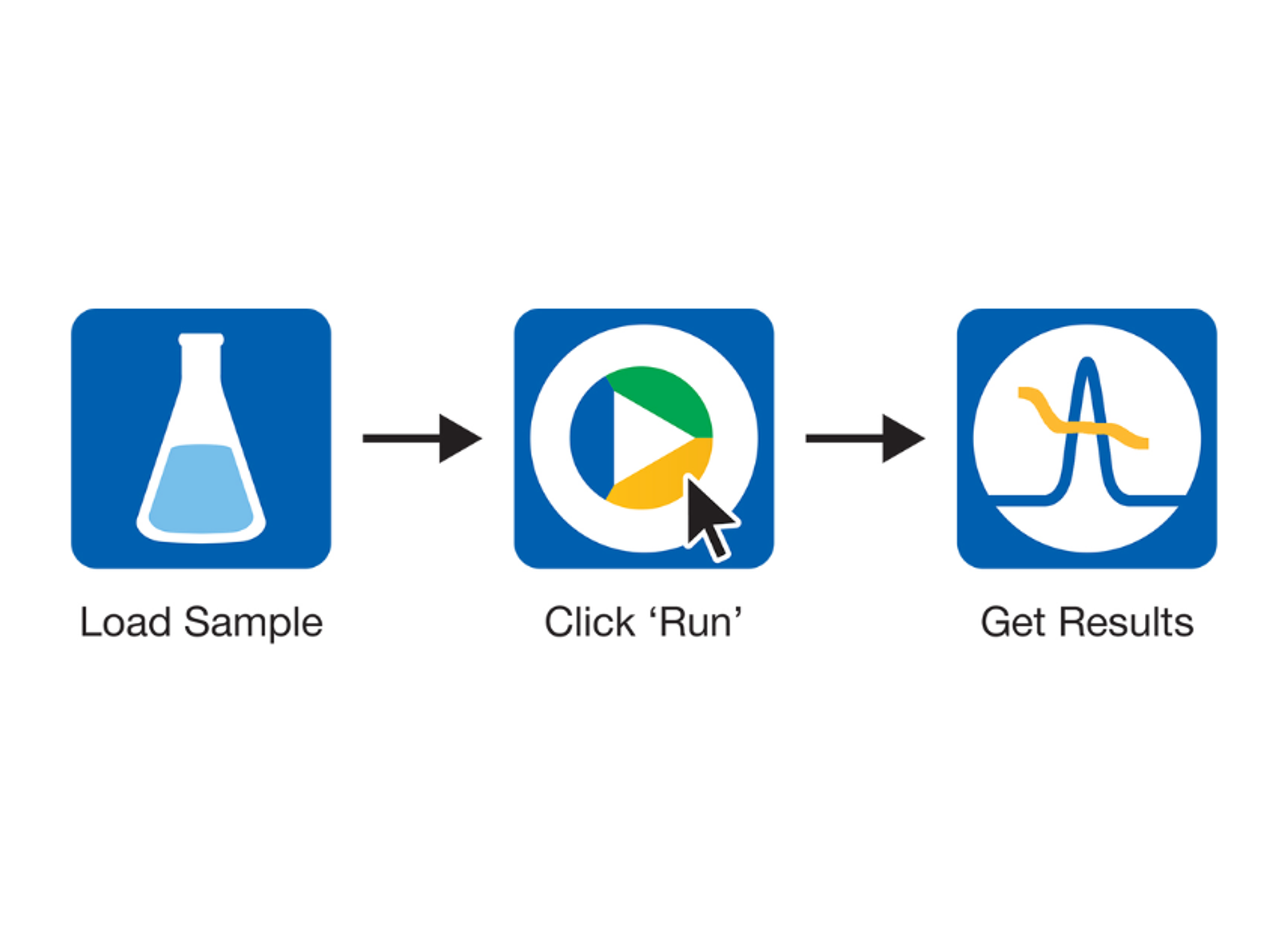
Transform your molecular biology and genomics workflows with an automated nucleic acid quality control (QC) system. The Agilent Fragment Analyzer systems allow users to set up a separation in minutes, and get results in approximately 1 hour.
Recommended by leading short and long-read next-generation sequencing companies, and preferred by NGS laboratories for its high separation resolution and sensitive detection, this versatile system performs a range of applications from small RNA analysis, to CRISPR mutation screening to QC of cfDNA.
Dramatically reducing hands-on time, the Fragment Analyzer cuts the risk of sample contamination while streamlining laboratory operations. From a few samples per day, right up to 96 an hour, it is the ultimate workhorse for nucleic acid analysis. The versatility of the Fragment Analyzer is ideal for core facilities and other dynamic molecular biology environments that routinely switch applications and sample types.
Features & benefits:
- Fast run times – Get more done in less time. Separate 12, 48, or 96 sample in parallel in approximately 1 hour.
- Accurate sizing – Confident sizing of nucleic acid smears and fragments with accuracy at 5% and 2%, respectively.
- Flexible throughput – Adapt to any throughput demand with 12, 48, or 96 capillary arrays.
- Wide dynamic range – Input concentrations cover two orders of magnitude, providing users with a broad range of detection.
- High separation resolution – Achieve as low as 3 bp resolution for fragments <300 bp. Enables accurate sizing across a wide range of fragment and smear sizes.
- Reliable performance – A durable instrument design ensures optimal performance from day one.
- User-friendly software – Intuitive instrument operation and powerful post-separation analysis.
Brochures
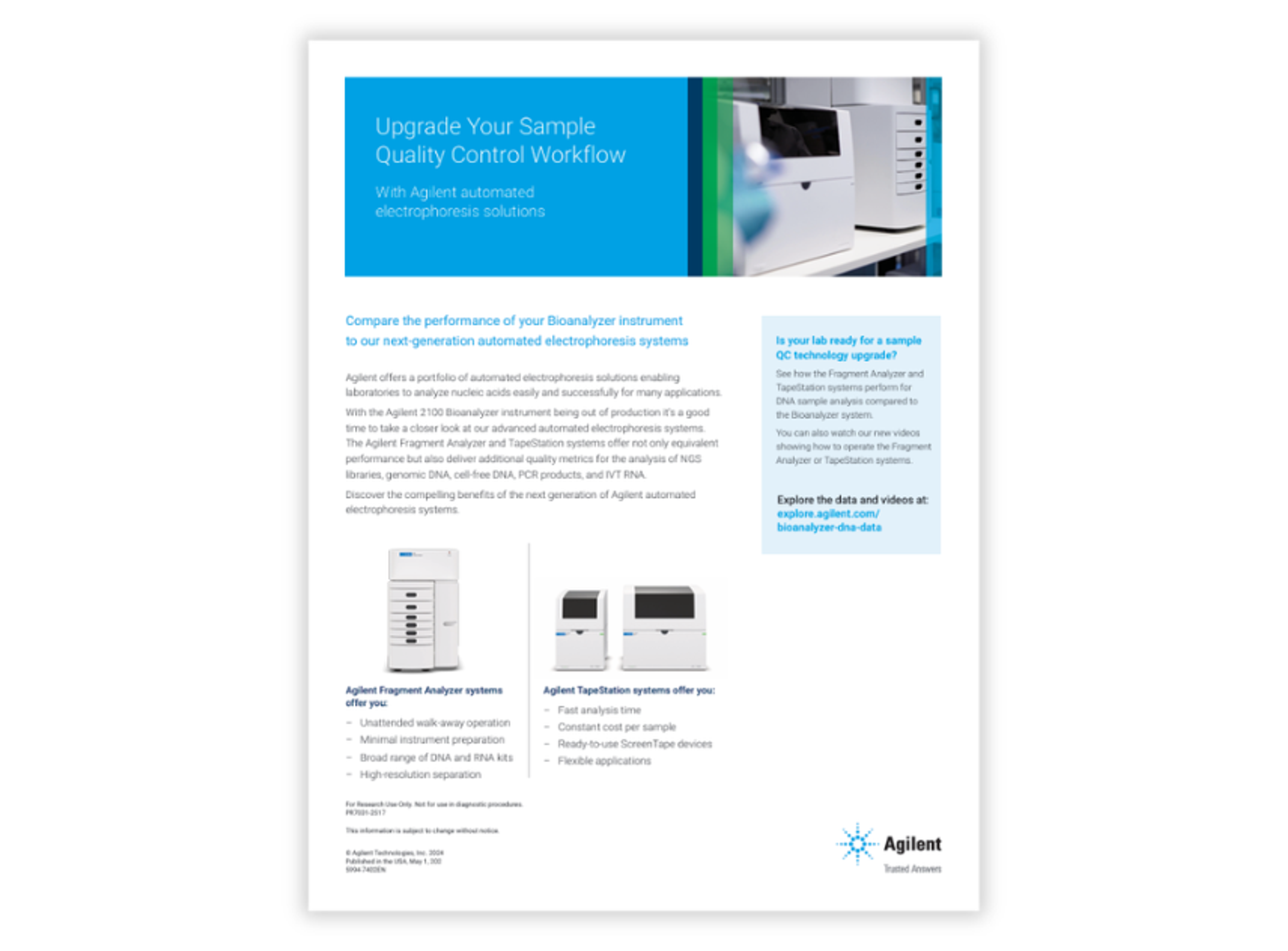
Upgrade your sample quality control workflow
In this flyer, discover Agilent Technologies' portfolio of automated electrophoresis solutions that enable laboratories to easily and effectively analyze nucleic acids for a wide range of applications.
Resource details:
Resource type: Product brochure
Page count: 1
Read time: 2 mins
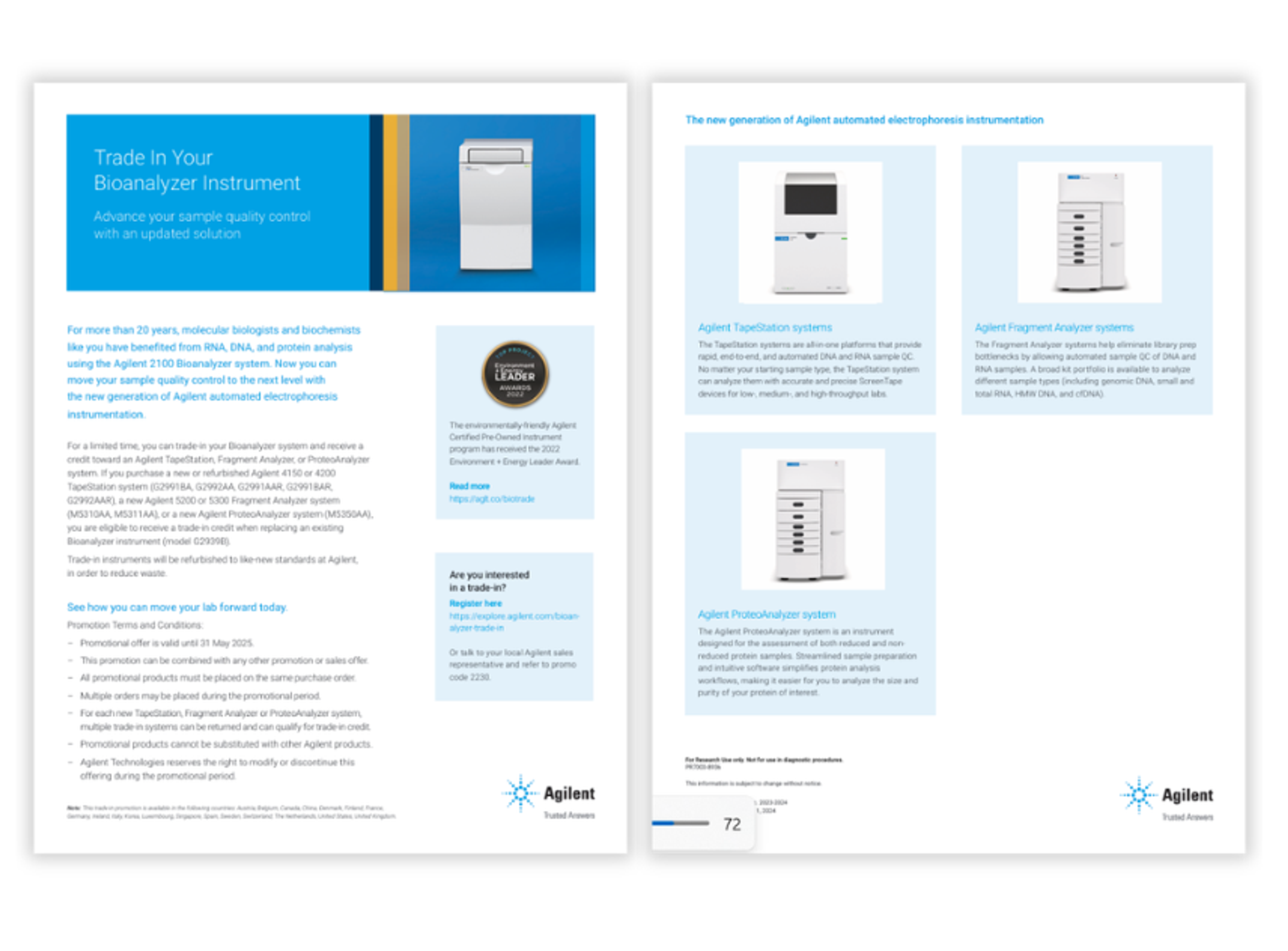
Trade in your bioanalyzer instrument
In this flyer, find out how you can trade in your Bioanalyzer system with Agilent Technologies for a limited time and receive credit toward an Agilent TapeStation, Fragment Analyzer, or ProteoAnalyzer system.
Resource details:
Resource type: Product brochure
Page count: 2
Read time: 3 mins
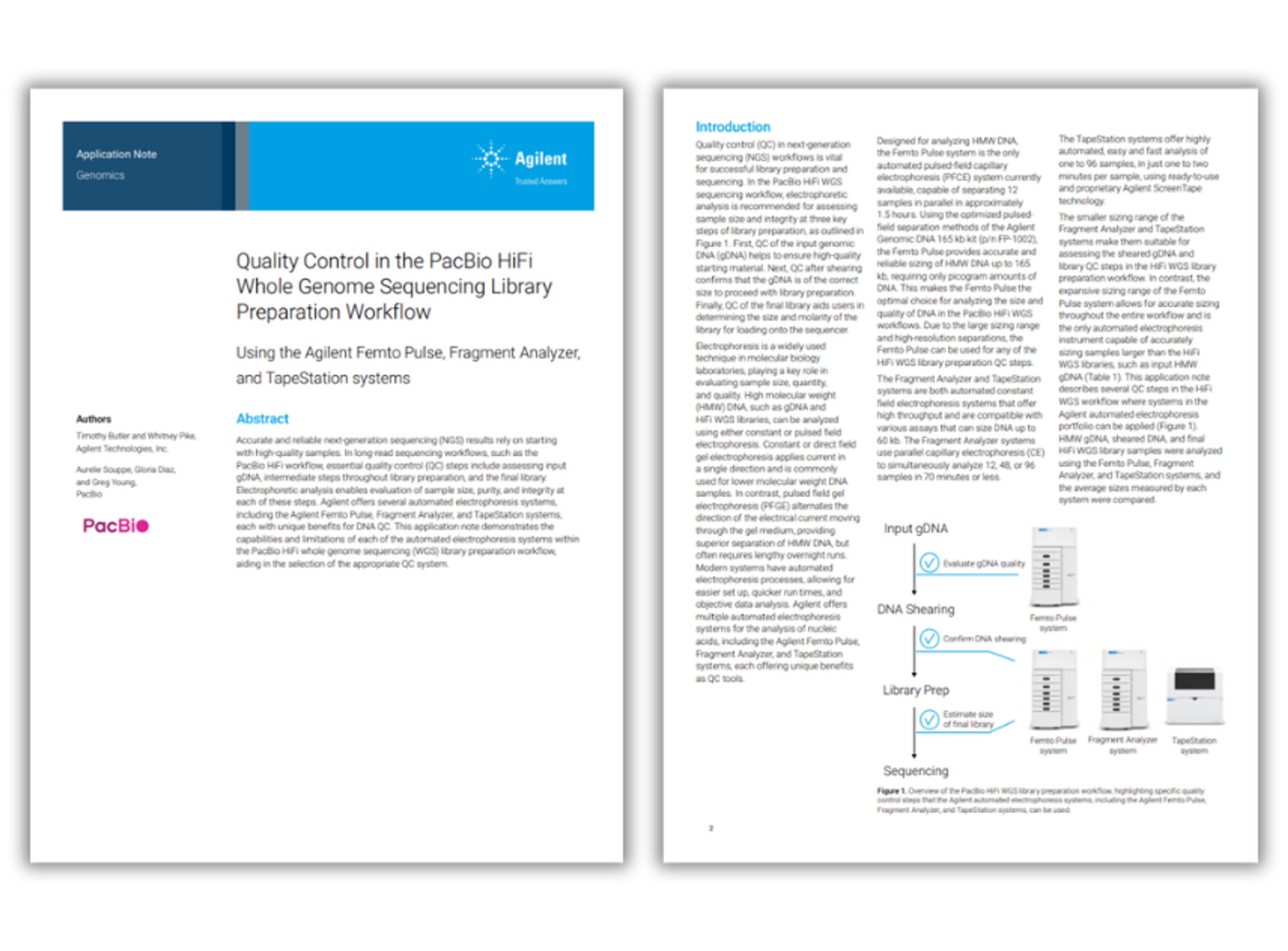
Quality control in the PacBio HiFi whole genome sequencing library preparation workflow
Accurate and reliable next-generation sequencing (NGS) results rely on starting with high-quality samples. In long-read sequencing workflows, such as the PacBio HiFi workflow, essential quality control (QC) steps include assessing input gDNA, intermediate steps throughout library preparation, and the final library. Electrophoretic analysis enables evaluation of sample size, purity, and integrity at each of these steps. Agilent offers several automated electrophoresis systems, including the Agilent Femto Pulse, Fragment Analyzer, and TapeStation systems, each with unique benefits for DNA QC.
This application note demonstrates the capabilities and limitations of each of the automated electrophoresis systems within the PacBio HiFi whole genome sequencing (WGS) library preparation workflow, aiding in the selection of the appropriate QC system.
Resource details:
- Resource type: Application note
- Page count: 9
- Read time: 14 mins
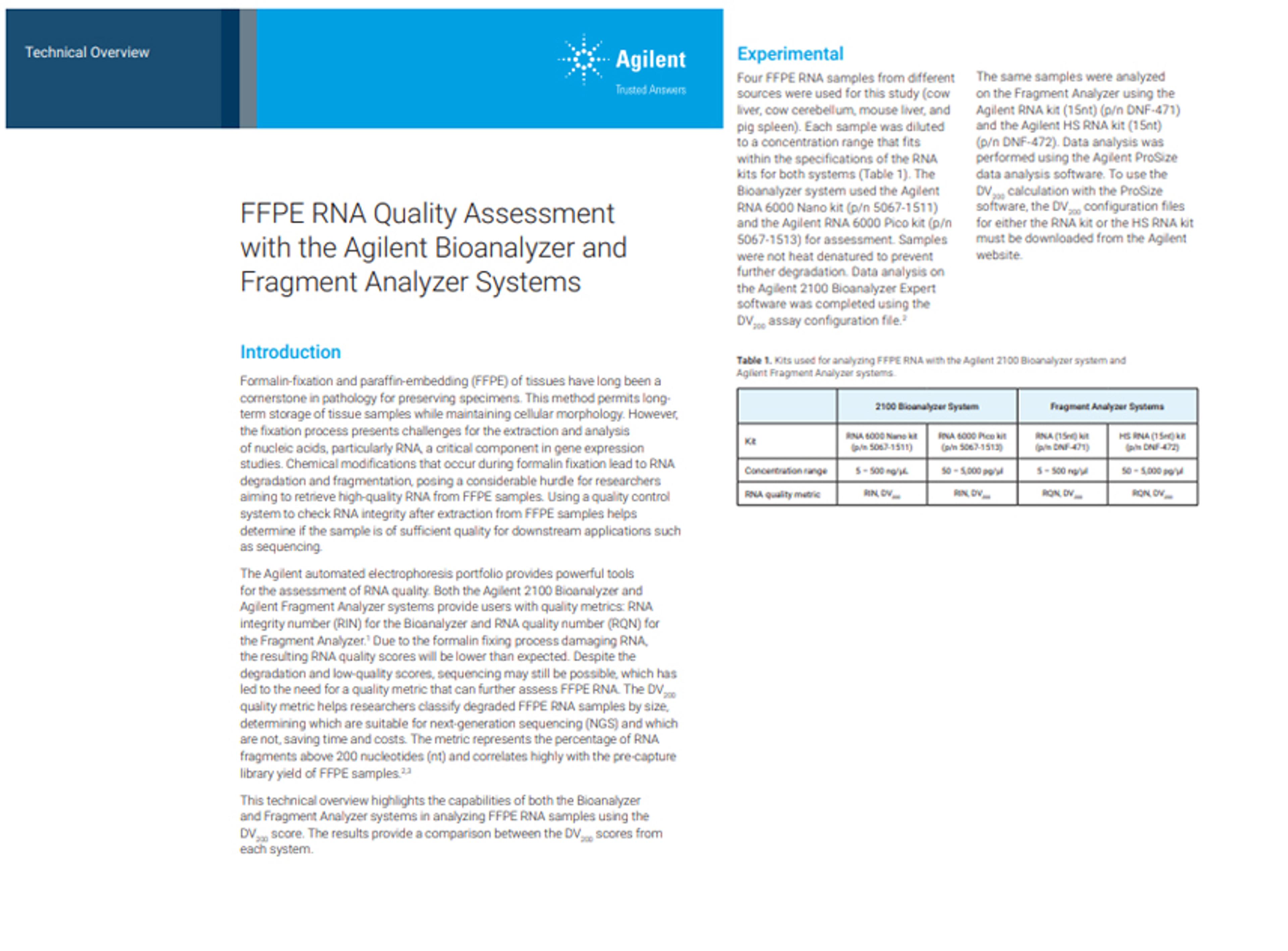
FFPE RNA quality assessment with the Agilent Bioanalyzer and Fragment Analyzer systems
Formalin-fixation and paraffin-embedding (FFPE) of tissues have long been a cornerstone in pathology for preserving specimens. Chemical modifications that occur during formalin fixation lead to RNA degradation and fragmentation, posing a considerable hurdle for researchers aiming to retrieve high-quality RNA from FFPE samples. Using a quality control system to check RNA integrity after extraction from FFPE samples helps determine if the sample is of sufficient quality for downstream applications such as sequencing.
Explore the capabilities of both the Agilent Bioanalyzer and Fragment Analyzer systems in analyzing FFPE RNA samples using the DV200 score. The DV200 quality metric helps researchers classify degraded FFPE RNA samples by size, determining which are suitable for next-generation sequencing and which are not, saving time and costs. The results provide a comparison between the DV200 scores from each system.
Resource details:
Resource type: Application note
Page count: 5
Read time: 8 mins
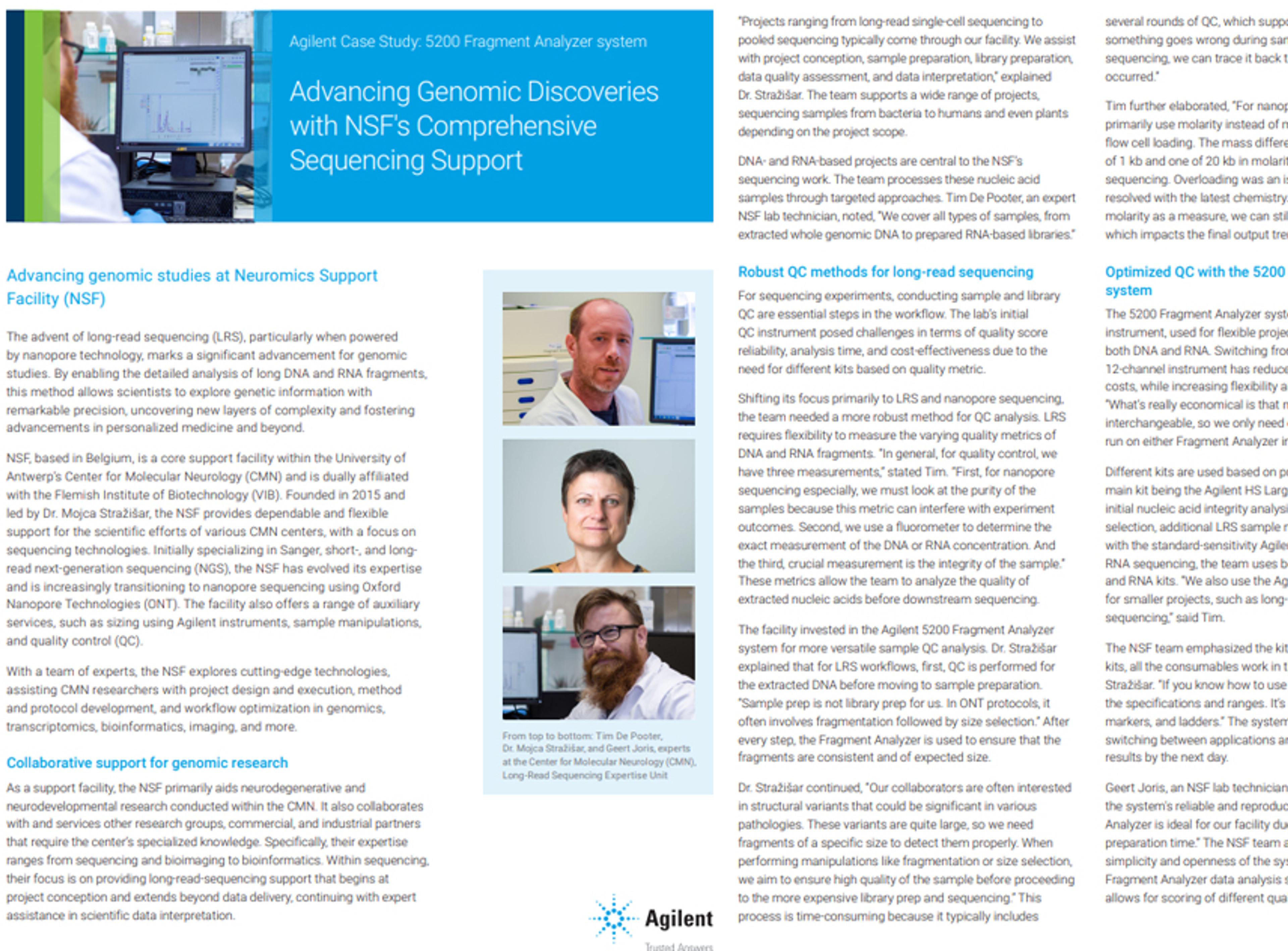
Advancing genomic discoveries with NSF's comprehensive sequencing support
After shifting its focus primarily to long-read sequencing and nanopore sequencing, the team at the Neuromics Support Facility (NSF) in Belgium needed a more robust method for QC analysis. Explore how they utilize the Agilent 5200 Fragment Analyzer system for flexible projects that require the analysis of both DNA and RNA. Discover how switching from the 96-channel to the 12-channel instrument has reduced consumable usage and costs, while increasing flexibility and versatility.
Resource details:
Resource type: Application note
Page count: 3
Read time: 5 mins
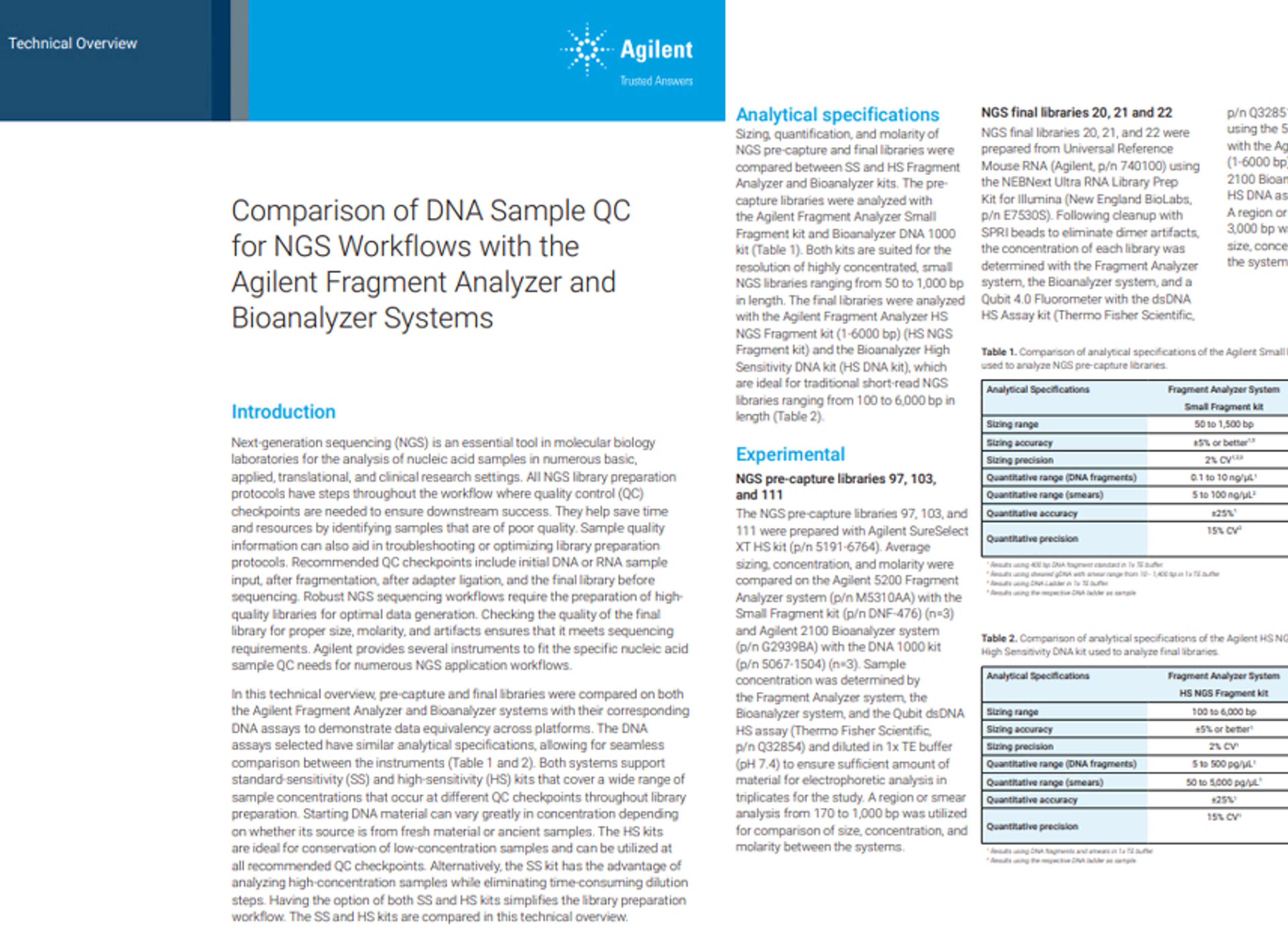
Comparison of DNA sample QC for NGS workflows with the Agilent Fragment Analyzer and Bioanalyzer systems
Agilent Technologies compares pre-capture and final libraries on both its Fragment Analyzer and its Bioanalyzer systems with its corresponding DNA assays to demonstrate data equivalency across platforms. Explore the results and find out how reliable and comparable QC results can be obtained from either the Fragment Analyzer and the Bioanalyzer systems, providing ease of mind when gathering data between two labs or transferring QC protocols from one system to the other.
Resource details:
Resource type: Application note
Page count: 10
Read time: 15 mins
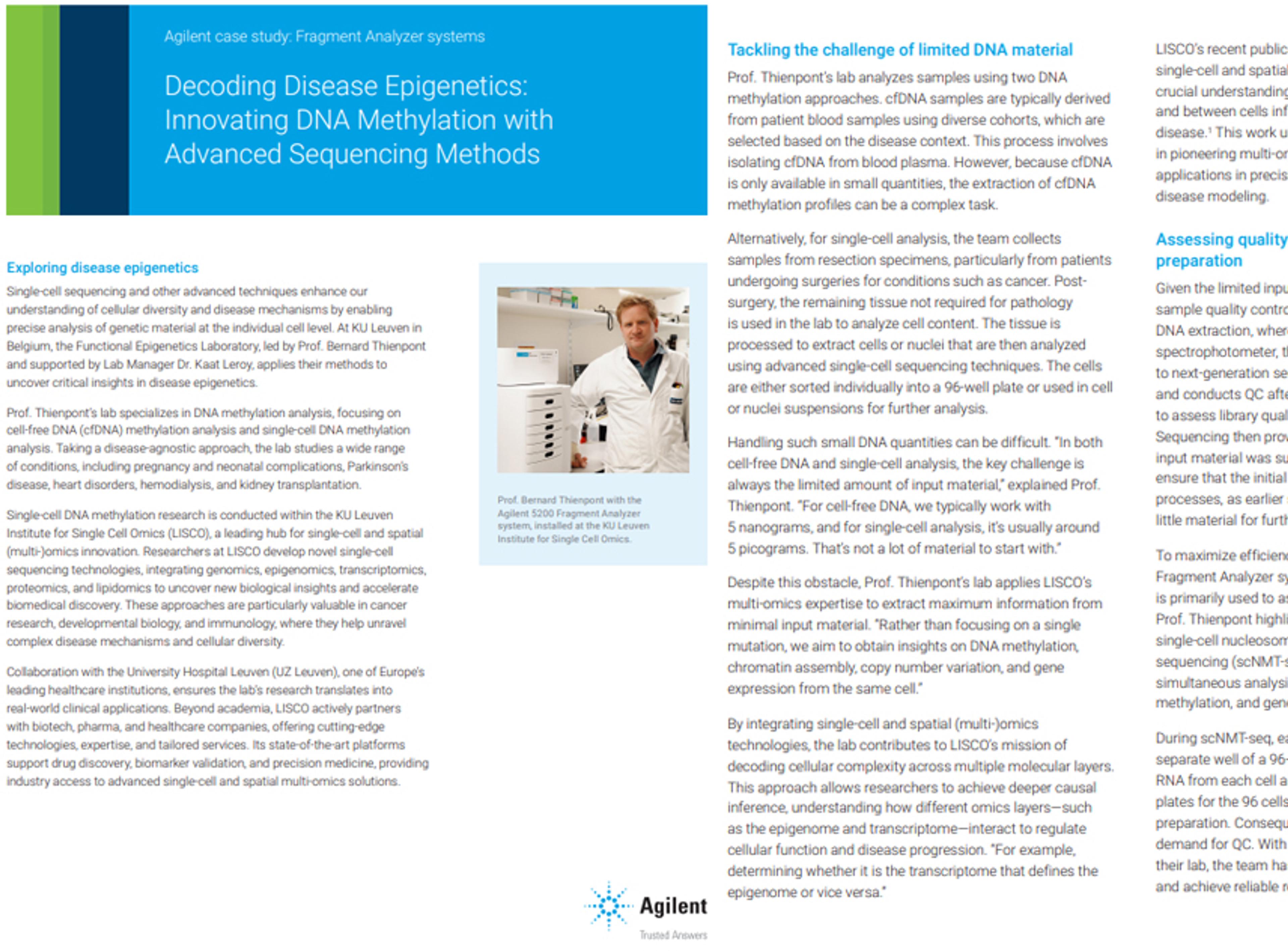
Decoding disease epigenetics: Innovating DNA methylation with advanced sequencing methods
Explore how the Functional Epigenetics Laboratory at KU Leuven in Belgium has integrated the Agilent Fragment Analyzer system into its workflow to maximize efficiency, especially during single-cell nucleosome, methylome, and transcriptome sequencing (scNMT-seq). This technique allows for the simultaneous analysis of chromatin accessibility, DNA methylation, and gene expression within individual cells.
Discover how the lab also uses the Agilent HS NGS Fragment kits with the Fragment Analyzer due to the high-sensitivity analysis, which is crucial for NGS library QC from limited DNA amounts. The libraries often contain minimal DNA after the scNMT-seq protocol, making these kits essential.
Resource details:
Resource type: Application note
Page count: 3
Read time: 5 mins
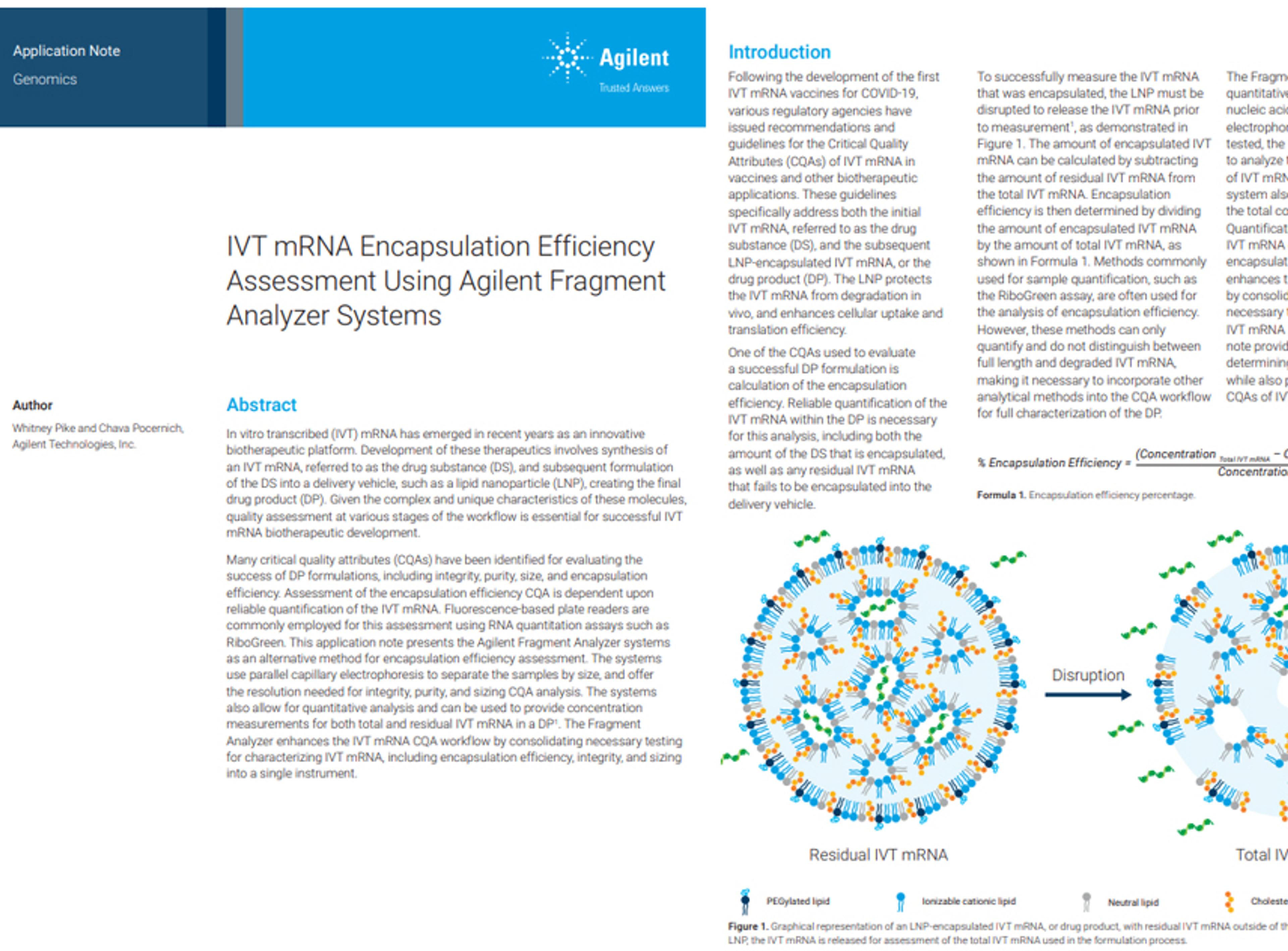
IVT mRNA encapsulation efficiency assessment using Agilent Fragment Analyzer systems
Explore the Agilent Fragment Analyzer systems and discover how they can perform both quantitative and qualitative nucleic acid analysis using parallel capillary electrophoresis and are routinely used in the characterization of in vitro transcribed (IVT) mRNA drug substance (DS) and drug product (DP). Critical quality attributes (CQAs) commonly assessed with the systems include integrity, size, and purity. The systems can also be used to streamline the IVT mRNA CQA workflow, consolidating essential tests for characterizing IVT mRNA onto one platform.
Resource details:
Resource type: Application note
Page count: 7
Read time: 11 mins
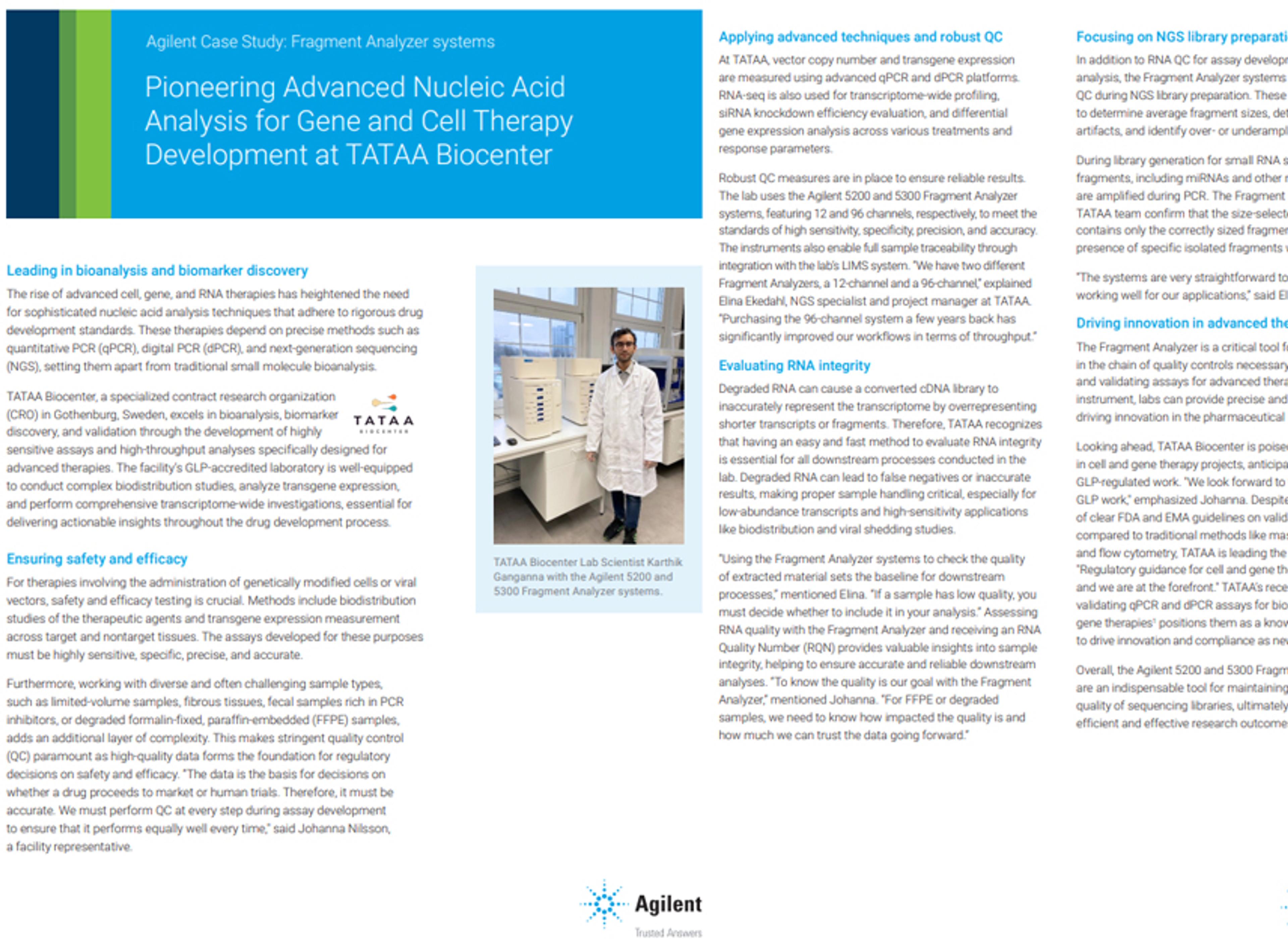
Pioneering advanced nucleic acid analysis for gene and cell therapy development at TATAA Biocenter
Explore how the TATAA Biocenter, a specialized contract research organization (CRO) in Gothenburg, Sweden, uses the Agilent 5200 and 5300 Fragment Analyzer systems, featuring 12- and 96 channels, respectively, to meet the standards of high sensitivity, specificity, precision, and accuracy. The instruments also enable full sample traceability through integration with the lab’s LIMS system.
Discover how in addition to RNA QC for assay development and biomarker analysis, the Fragment Analyzer systems also play a key role in QC during NGS library preparation, as they are used to determine average fragment sizes, detect adapter-dimer artifacts, and identify over- or underamplification of the library.
Resource details:
Resource type: Application note
Page count: 3
Read time: 5 mins

DNA shearing devices for short- and long-read sequencing
One of the main focuses of Hologic Diagenode’s epigenetics department is developing DNA and chromatin shearing devices for short- and long-read sequencing. During DNA sizing and quality analysis, the team opted to use the Agilent Femto Pulse and Fragment Analyzer systems, which can also be utilized for applications such as RNA, chromatin-based methylation studies, and NGS library profiling. Hologic Diagenode explains how its team uses these Agilent systems to achieve higher throughout and greater flexibility in its work, supporting the goal of getting new devices to customers.
Successful biopharma production and quality control with automated electrophoresis
In this case study from Agilent Technologies, explore how Kaneka Eurogentec, a contract development and manufacturing organization (CDMO) based in Belgium, produces biopharmaceutical critical raw materials including RNA-based, DNA-based, and protein-based biomolecules. Learn how the company's biomolecules, such as mRNAs, are made in current good manufacturing practice (cGMP) facilities, therefore requiring rigorous quality testing throughout production.
Detection of adapter dimers in NGS libraries with the Agilent Fragment Analyzer and TapeStation Systems
In this application note, Agilent Technologies explains the significance of minimizing adapter dimers in NGS libraries before sequencing. Adapter dimers are formed when two adapters ligate to each other without any insert, leading to erroneous sequencing data. Even small amounts of adapter dimers can cause detrimental sequencing results by affecting library quantification, flow cell loading, clustering efficiency, diversity, and genome coverage. In this note, Agilent's Fragment Analyzer and TapeStation Systems is introduced as a way to accurately and reliably detect adapter dimers below the recommended threshold of 0.5%, providing valuable data to evaluate library quality and make important decisions regarding subsequent analysis.
From Start to Finish: How Agilent Can Support Better Decisions in IVT mRNA-Based Biopharmaceutical Analysis
Tuesday, January 21 at 16:00 GMT / 17:00 CET / 11:00 EST / 8:00 PST
Development and production of IVT mRNA vaccines require measurements of Critical Quality Attributes (CQAs), such as identity, purity, quality, and quantity. Orthogonal methods developed for such purposes are outlined in the USP guidelines for mRNA vaccines.
Agilent Technologies provides many analytical solutions that are used by leading pharmaceutical companies in early-stage drug development through production quality control (QC) and final product release. These systems help users save time and money with optimized workflows, streamlined processes, and fast time-to-results.
Whitney Pike, M.Sc, Application Scientist and Dr. Sonja Schneider, Manager, Application Development, Agilent Technologies, will discuss how automated electrophoresis and LC/MS systems solutions from Agilent provide reliable insights for IVT mRNA workflows at many steps, from QC of the initial plasmid DNA, throughout the IVT process, to the finished mRNA drug product.
Certificate of attendance
If you attend the live webinar, you will automatically receive a certificate of attendance, including a learning outcomes summary, for continuing education purposes.
If you view the on-demand webinar, you can request a certificate of attendance by emailing editor@selectscience.net.
Webinar details
- Cost: Free to attend
- Location: Online
- Duration: 60 minutes
Registration is required to secure your place. If you register but can’t attend live, you will receive a link to the on‑demand recording once it becomes available.
For Research Use Only. Not for use in diagnostic procedures. PR7001-2498
Ensuring quality control in next-generation sequencing
Explore the various systems from Agilent Technologies including the Bioanalyzer, TapeStation, and Fragment Analyzer, that can address challenges in next-generation sequencing (NGS) quality control. Gain top tips on how you can improve your workflow and transform your NGS applications with reliable quality metrics.
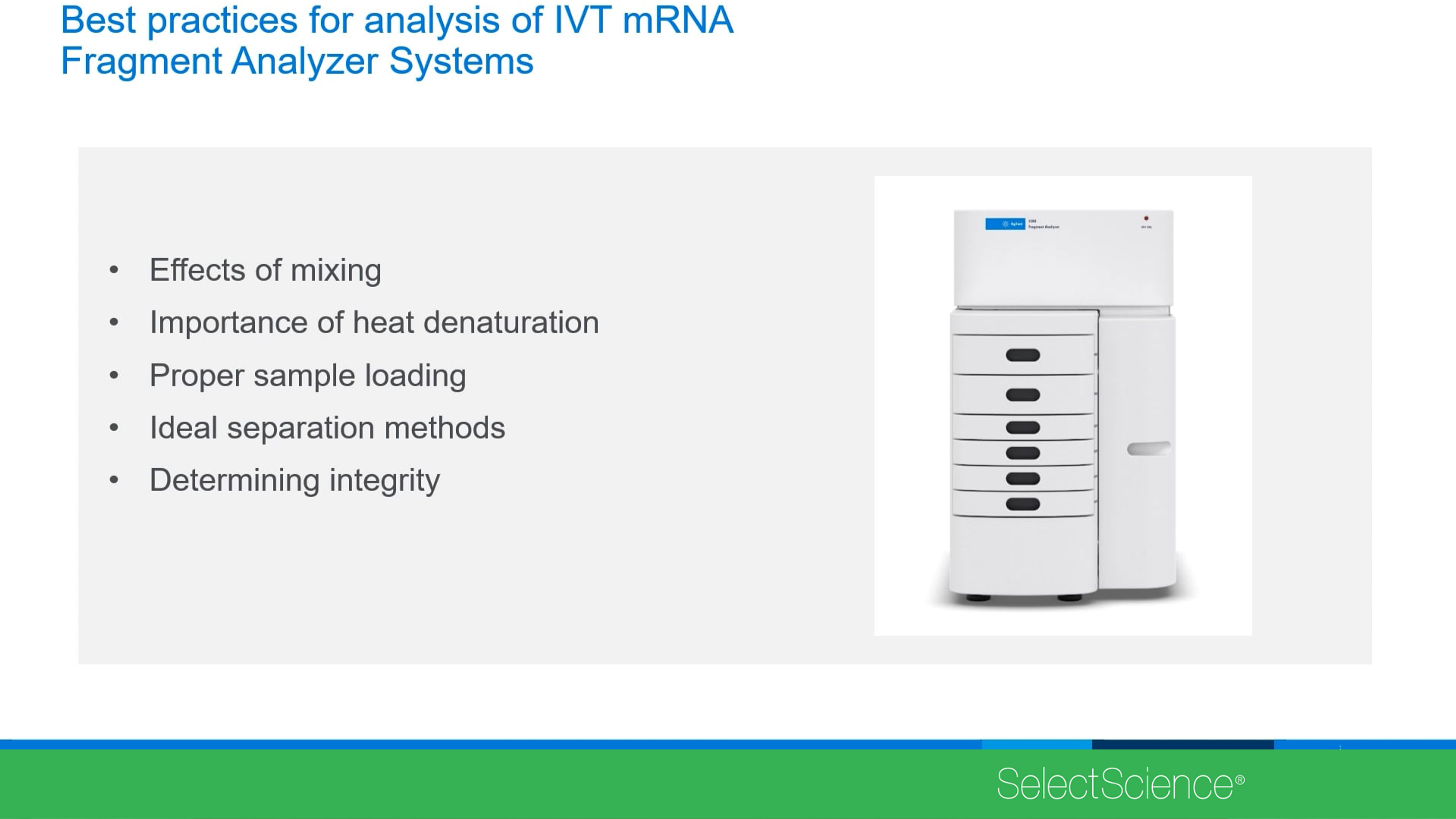
Best practices for analysis of IVT mRNA with the Fragment Analyzer
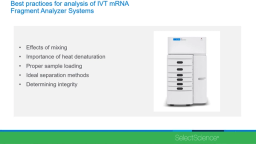
Find best practices and guidance on how to analyze in vitro transcription messenger RNA (IVT mRNA) using the Fragment Analyzer from Agilent Technologies. Learn how various factors can affect the yield and quality such as mixing, denaturing and sample loading, to improve your analysis.
Sample QC control in multiple workflows
Discover Agilent’s automated electrophoresis solutions designed to help ensure experimental success through accurate sample quality assessment. With a focus on NGS and protein QC, these solutions offer flexible throughput and high-resolution performance to support and streamline your workflow.
Agilent showcases comprehensive cancer portfolio solutions at AACR 2023
From cancer research to diagnostic solutions