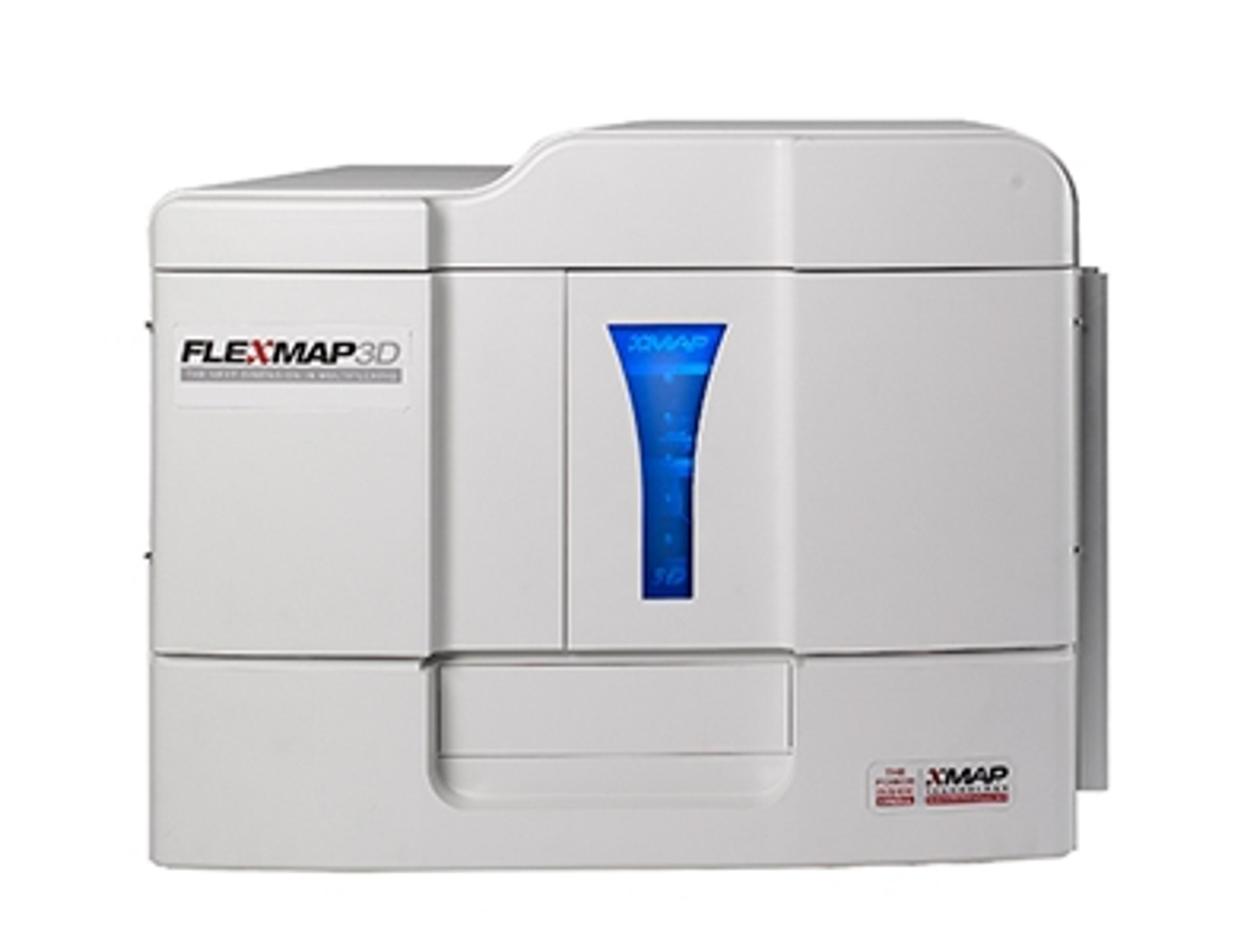
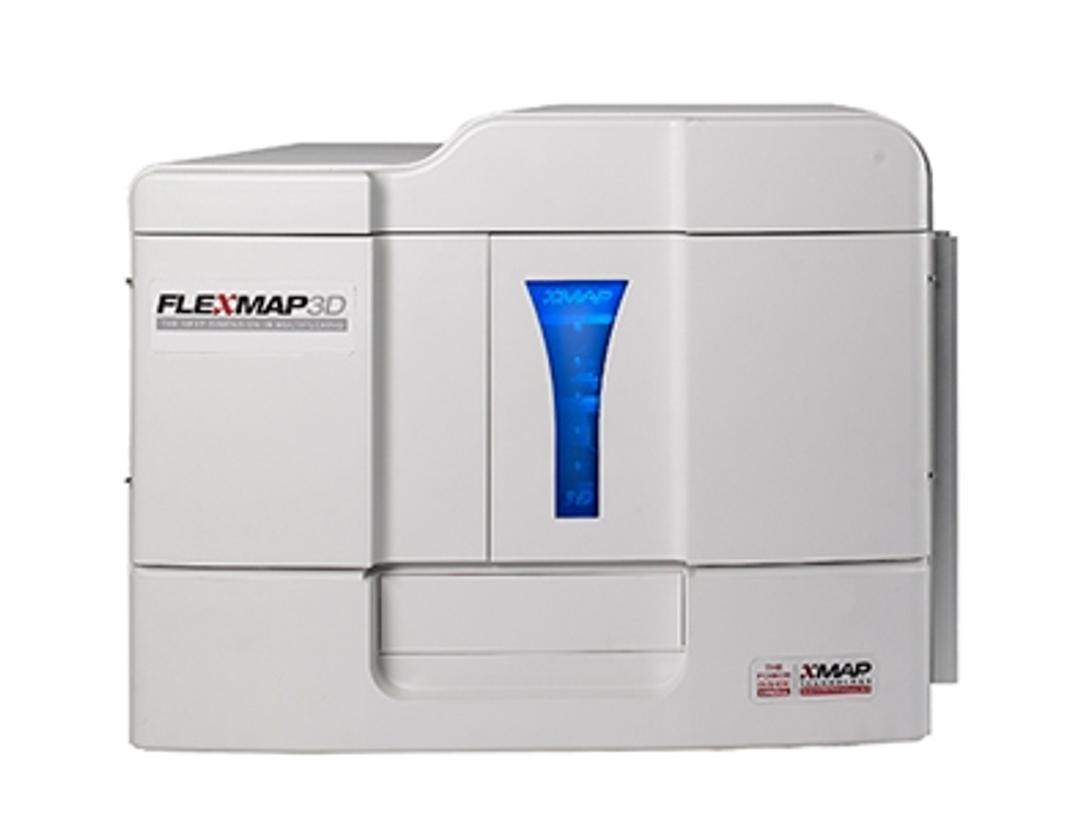
FLEXMAP 3D® Multiplexing Instrument
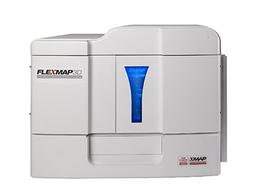
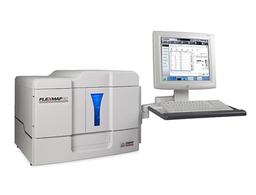
The FLEXMAP 3D® detects up to 500 protein or nucleic acid analytes from a single aliquot of sample in a single reaction well, enabling you to generate more data while saving sample, time, and reagents. Fast read time, compatibility with both 96- and 384-well plates, and ease of integration with front-end automation systems make the FLEXMAP 3D the platform of choice for high-throughput bioassay applications. The xMAP® multi…



























The supplier does not provide quotations for this product through SelectScience. You can search for similar products in our Product Directory.
A+++ equipment
Biomarkers/immunoassays
User friendly interface. Durable calibration and service
Review Date: 30 Jul 2018 | Luminex
Love the FLEXMAP 3D!
HLA/SSO TYPING AND AB DETECTION
Reproducibility of results has been fantastic! We switched from the Luminex 200 and results are comparable. Quicker analysis/run time and ease of maintenance!
Review Date: 27 Jun 2017 | Luminex
Beating heart of our facility, could not live without them.
Immune phenotyping
Good stable machinery, we have multiple at our facility for several years now with minimal down time. Acquisition software could be improved, though this is a minor issue.
Review Date: 27 Jun 2017 | Luminex
The FLEXMAP 3D® detects up to 500 protein or nucleic acid analytes from a single aliquot of sample in a single reaction well, enabling you to generate more data while saving sample, time, and reagents. Fast read time, compatibility with both 96- and 384-well plates, and ease of integration with front-end automation systems make the FLEXMAP 3D the platform of choice for high-throughput bioassay applications.
The xMAP® multiplexing platform is composed of an instrument and associated reagents:
- The FLEXMAP 3D® instrument is based on the principles of flow cytometry, which integrates key xMAP detection components such as lasers, optics, fluidics and high-speed digital signal processors.
- xMAP microspheres are a family of 500 fluorescently dyed carboxylated polystyrene microspheres that act as both the surface for the solution phase assay and the spectral identifier that the instrument detects. The open architecture of xMAP Technology enables users to build custom multiplex assays or select from a broad menu commercially available kits.
Instrument Details:
- Multiplex Capacity: 500
- Microtiter Plate: 96 well and 384 well
- Throughput: ~ 20 min/96-well plate (up to 144,000 tests/hour); ~ 75 mins/384-well plate (up to 153,600 tests/hour)
- Dynamic Range: 4.5 logs
- Sensitivity: Detects a minimum of 500 fluorochromes of phycoerythrin (PE) per xMAP microsphere
- Optics: Lasers/APDs/PMTs
- Hardware: Flow Cytometry based with dual sample fluidics paths and rapid sampling rate
- Software: xPONENT® Software offers interfacing options for front-end automation platforms and Laboratory Information Systems (LIS)
- Dimensions: 23” W x 25.7” D x 18” H (58.4 cm W x 65.3 cm D x 45.7 cm H)
- Weight: Up to 91 kg (200 lbs), including the instrument, monitor arm, monitor, and accessories, such as the keyboard, mouse and barcode scanner
- xMAP Reagent Compatibility: Magnetic and nonmagnetic microspheres

Multiplex Methods to Examine Epigentic Modifications
This whitepaper explains how multiplex methods deep bisulfite sequencing and bisulfite PCR-Luminex can be used for DNA methylation analysis in research examining epigenetic modification.
Flexible Respiratory Pathogen Testing
Until recently, none of the commercially available multiplex molecular tests could provide the flexibility to satisfy clinicians' desire for both targeted and broad respiratory pathogen testing in a cost-effective manner for the lab and patient. The VERIEGENE® Respiratory Pathogens Flex Test (RP Flex) is the first commercial test that allows the user to choose any combination of 16 viral and bacterial targets for an individual sample at the time of test ordering, based on the clinician and patient’s needs. The purpose of this white paper is to deliver an overview of the advantages of using VERIEGENE® for your diagnostic needs.
Detection of Vaginitis Causing Pathogens
Vaginitis results in >13 million physician office visits per year, and costs over $1 billion to the US healthcare system annually. However, up to 72% of women with vaginitis may remain undiagnosed or misdiagnosed. In this white paper, Luminex presents a summary of the condition and potential ways to effectively diagnose it in patients.
xTAG Gastrointestinal Pathogen Panel for State-of-the-Art Molecular GI Testing
Timely and accurate identification of suspected pathogens in stool specimens from gastroenteritis patients can be challenging due to the similar clinical signs and symptoms in many diarrheal diseases. In this white paper, Luminex describes the use of the xTAG® Gastrointestinal Pathogen Panel (GPP) to accurately identify pathogen species involved in diarrheal and gastrointestinal infections.
Mapping the Human Proteome with Highly Multiplexed Affinity-Based Proteomics
Associate Professor Jochen Schwenk discusses how bead-based affinity proteomics, using xMAP technology, is enabling researchers at the KTH Royal Institute of Technology, Stockholm, to map the entire human proteome.
Multiplex Immunoassay Reveals Serum Biomarkers of Kidney Disease
IgA Nephropathy (IgAN) is the most common primary glomerulonephritis worldwide. In this presentation, David Wimbury, a Ph.D. student at University of Leicester, UK, describes a Luminex-based multiplexing immunoassay to investigate the relationship between levels of serum biomarkers associated with B and T cell activation and the development of IgAN. His research highlights the importance of controlling for renal function in serum biomarkers when studying associations between biomarkers and IgAN.
Multiplexed Immunoassay as a Diagnostic Tool in Ecotoxicology
In this presentation, Dr. Stéphane Azoulay, Associate Professor at Université Côte d'Azur, describes the development and application of a multiplex immunoassay to detect biomarkers for use in hazard assessment of aquatic systems.
Multiplexed Anti-Cytokine Profiling in Human Disease
Anti-cytokine autoantibodies are an emerging field, as their role is increasingly recognized in infectious diseases and inflammation and also as diagnostic tools in various syndromic presentations. In this presentation, Dr. Rainer Döffinger, Cambridge University Hospital, describes the development of a comprehensive panel to screen for serum anti-cytokine autoantibodies using Luminex xMAP technology.
Luminex-Based Diagnostic Test Reduces Unneeded Prostate Biopsies and Improves Detection of Prostate Cancer
In this presentation, Ramy Huber, MSc., research associate, ProteoMediX AG, describes how Luminex xMAP technology was used to develop a novel immunoassay for biomarkers associated with prostate cancer. Learn how the method has the potential to significantly lower the rate of unnecessary prostate biopsies which are negative for cancer by more than 50%. Learn about current issues surrounding prostate cancer diagnosis, Luminex assay development and clinical testing of the new assay.
Assessing Immune Responses to Pneumococcal Polysaccharide and Conjugate Vaccines with Luminex Assays
A major cause of morbidity and mortality is streptococcus pneumoniae. In this video, Siân Faustini, Ph.D. student at the University of Birmingham, UK, presents her results on assessing immune responses to pneumococcal polysaccharide and conjugate vaccines in HIV. Faustini demonstrates differences in IgG subclass responses to vaccines by using a combination of multiplexed Luminex immunological assays.
Multiplex Screening Assay Detects Antibiotics in Raw Milk
The intensive use of antibiotics in animal husbandry and public health care has seen an increase in antimicrobial resistant strains of bacteria. In this video, Jeroen Peters, researcher at RIKILT Wageningen University, Netherlands, presents his findings on the detection of antibiotics using the Luminex multiplex screening technology xMAP®, further demonstrating its validation in raw milk analysis. The presented screening assay could support governmental inspection and may help to further reduce the use of antimicrobials in animal production.
A Powerful Multiplex Serological Assay for Avian Influenza in Poultry
Evelien Germeraad, MSc., researcher at the Wageningen Bioveterinary Research, Wageningen University & Research, Netherlands, describes a powerful method for the fast identification of avian influenza virus subtypes in poultry sera. Hear how the multiplex serological assay based on Luminex xMAP® technology enables the detection of haemagglutinin and neuraminidase surface protein subtypes simultaneously in one assay.
Profiling Gut Microbiota using Luminex xMAP Technology
In this presentation, Finn Terje Hegge, chief technical officer of Genetic Analysis (GA), presents its standardized DNA probe-based assay for profiling the gut microbiota. He explains how Luminex xMAP® technology, in combination with the MagPlex® Microspheres, is well suited for the final steps of sorting and detection. Learn how GA is currently developing its clinically validated assay with this Luminex technology.
Multiplex Assay Reveals Common Biomarker Patterns Associated with Autoimmune Diseases and Cancer
The excessive production of harmful autoantibodies is a hallmark of autoimmune disease. Recent research has also shown that autoantibody production is useful to characterize cancer patients. The characterization of patient sub groups is essential for the efficient development of therapies for both autoimmune disease and cancer. In this presentation, Hans-Dieter Zucht, Head of Technology, Protagen AG, describes the use of a Luminex-based assay to detect common reactivity patterns of human autoantibodies against endogenous protein targets, using clustered autoantibody reactivities.

11 Experts Share Biomarker Research Insights
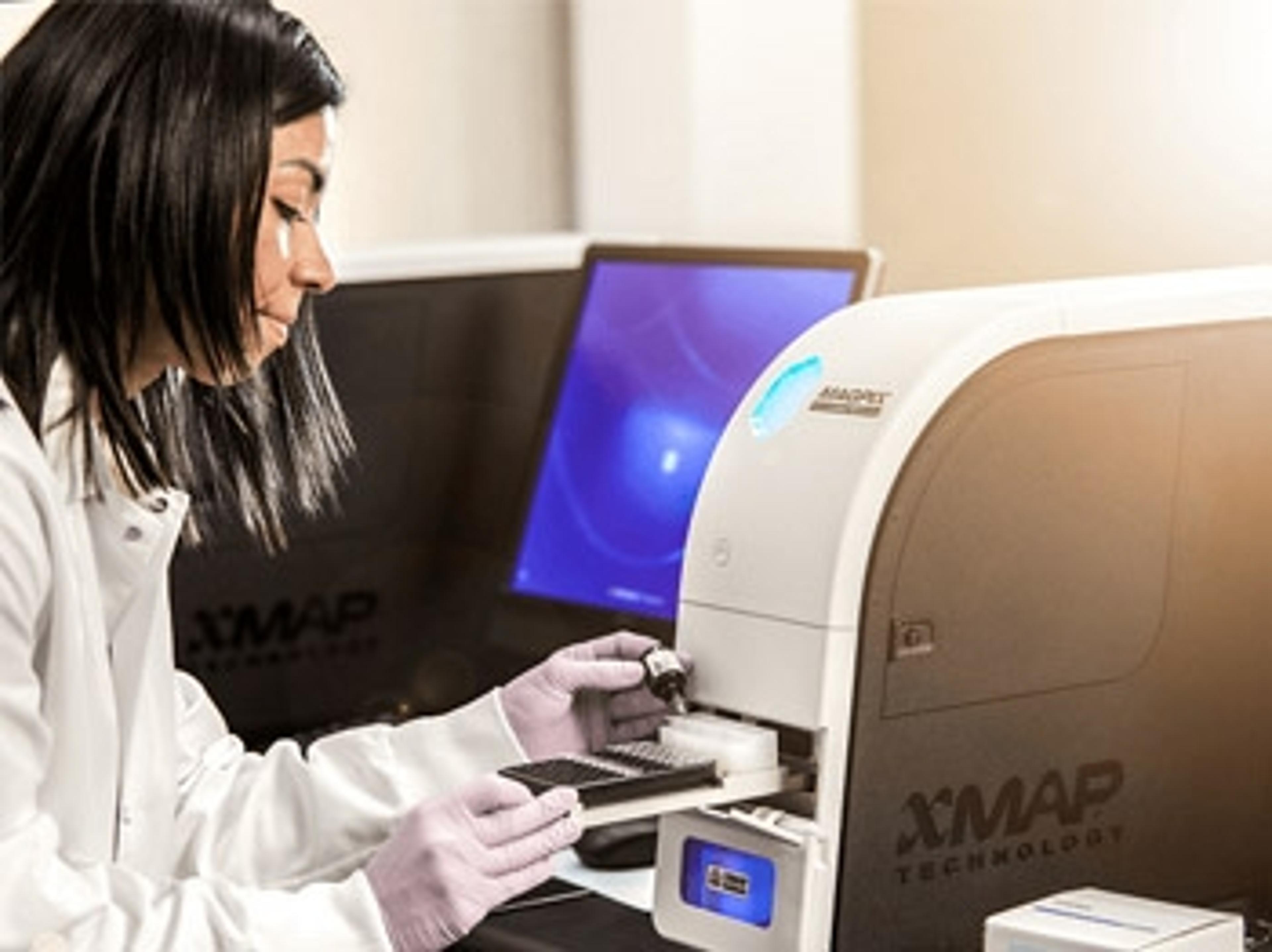
We bring you insights, tips and knowledge from 11 experts as they tackle biomarker research using diverse methods