11 Experts Share Biomarker Research Insights
We bring you insights, tips and knowledge from 11 experts as they tackle biomarker research using diverse methods
28 Aug 2018Biomarkers form the fundamental unit of translational research, ultimately paving a path for therapeutics and diagnostics. Here, we've compiled interviews of 11 scientists who use different techniques, varied assays but all with one goal - to identify true biomarkers of a disease.
1. Exceptional LC-MS Sensitivity and Reproducibility with PharmaFluidics’ New Trapping Column
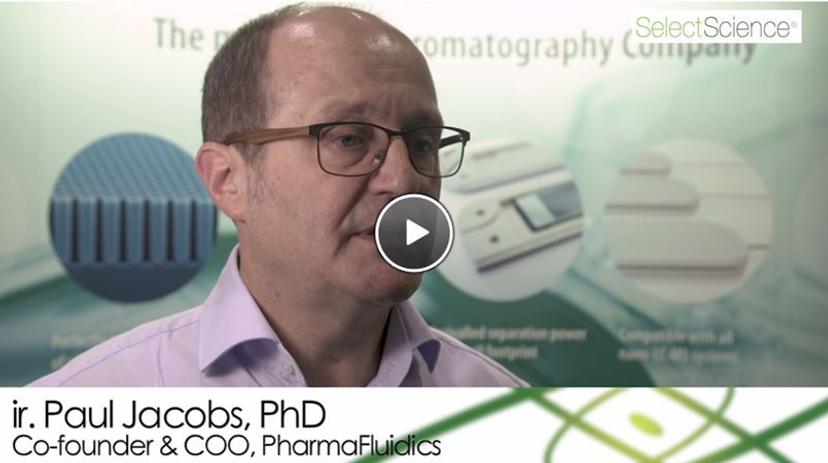
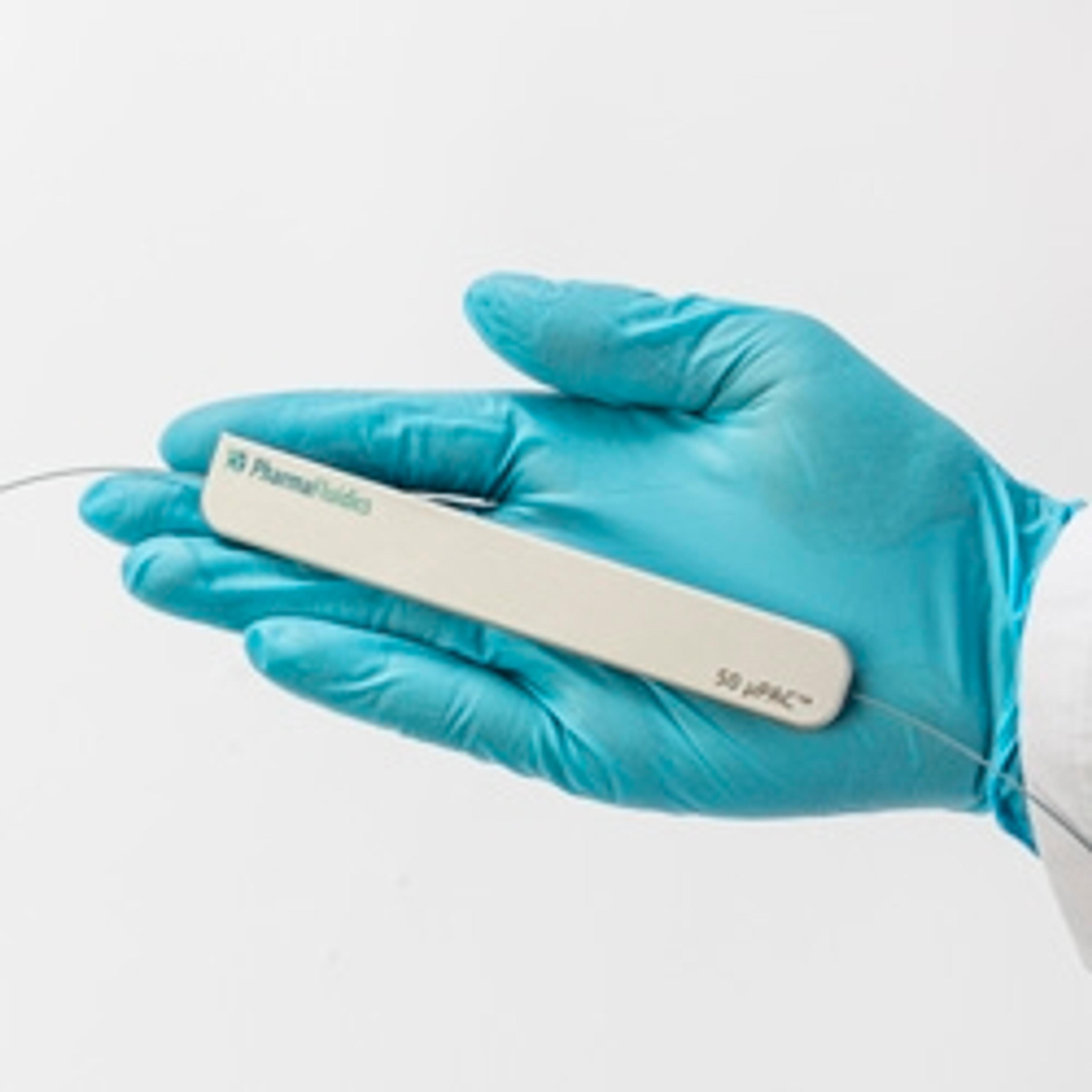
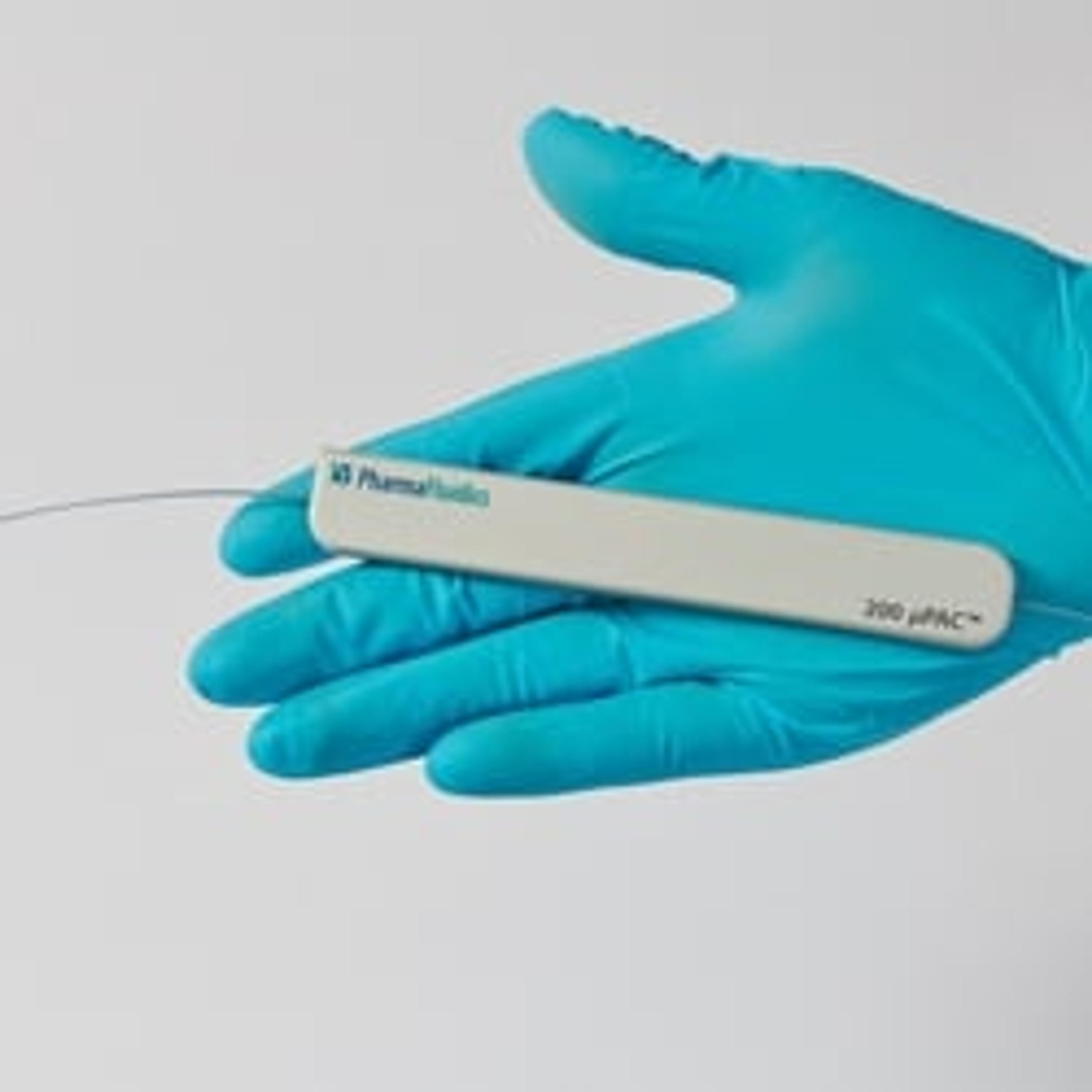
Ir. Paul Jacobs, COO of PharmaFluidics, discusses its new micropillar array ‘trapping’ column launched at Pittcon 2018. This novel technology complements the already existing analytical column in chromatographic systems to enable higher flow rates, sample enrichment, and sample de-salting. Coupled with state-of-the-art mass spectrometry platforms, the trapping column will bring highly efficient and reproducible biomolecular separation to the user.
2. Introducing a High-Quality, Touchscreen Imager for Genomic and Proteomic Analysis
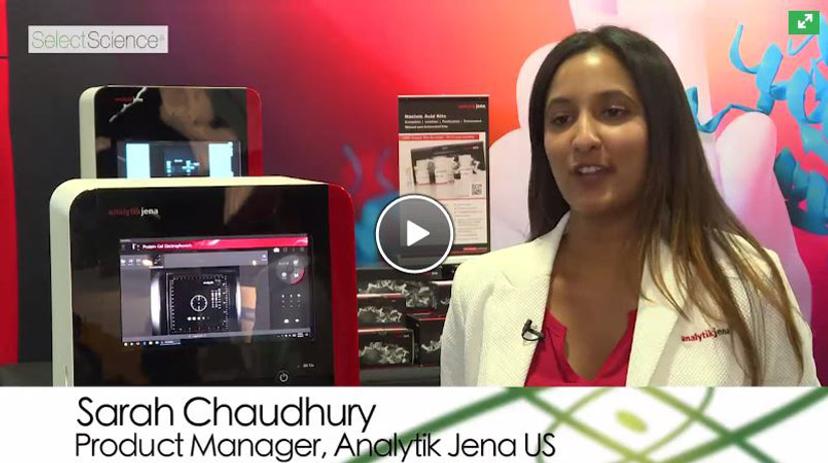
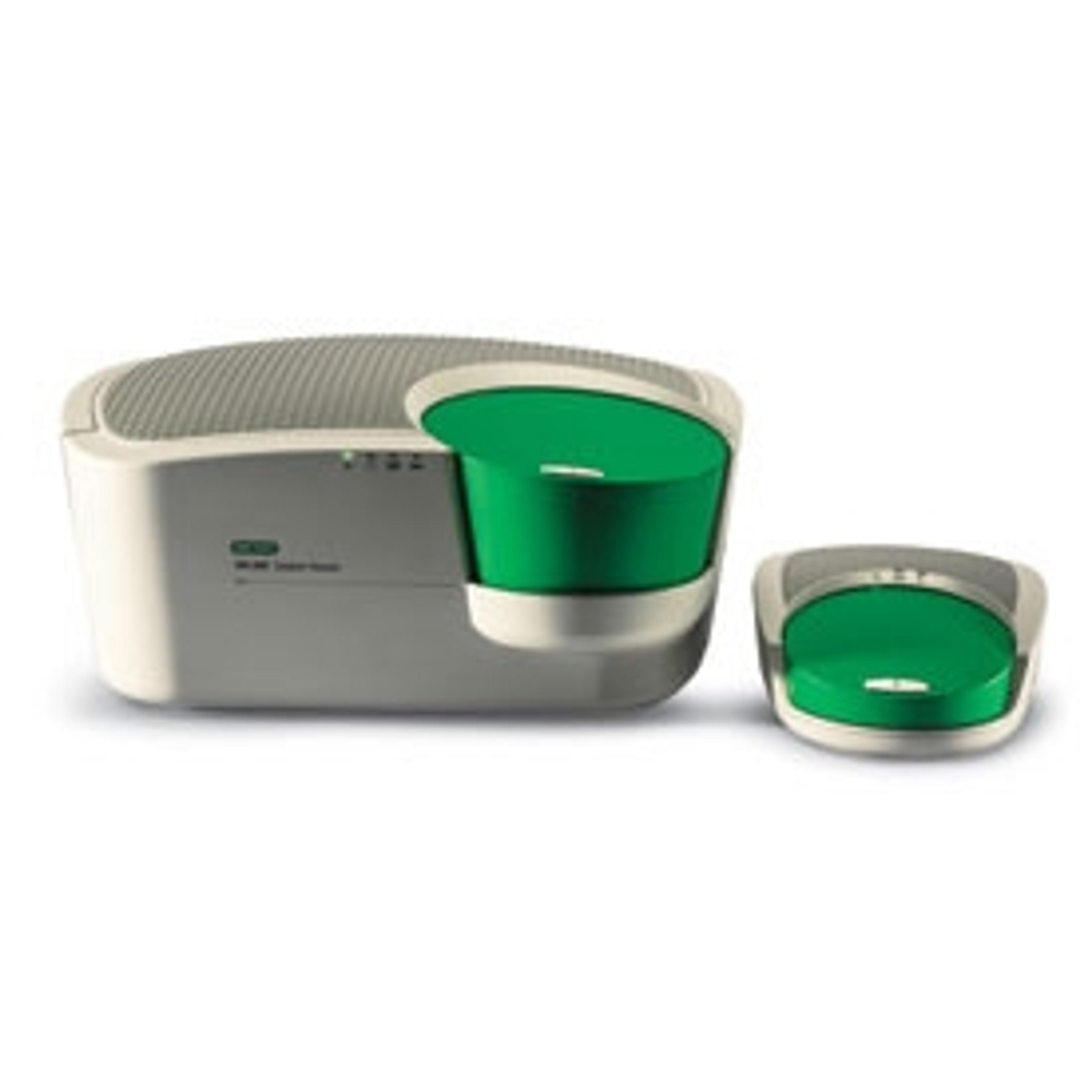
Sarah Chaudhery, Product Manager, Analytik Jena US, introduces the UVP ChemStudio touch, a new series of imagers for laboratories performing genomic and proteomic analyses at AACR 2017. Sarah discusses the features which make the UVP ChemStudio touch suitable for a wide range of applications, such as the option to add additional light sources, as well as describing the benefits of the high-performance specifications and integrated touchscreen to the user.
3. Detecting Somatic Mutations in Liquid Biopsies using Droplet Digital PCR (ddPCR)
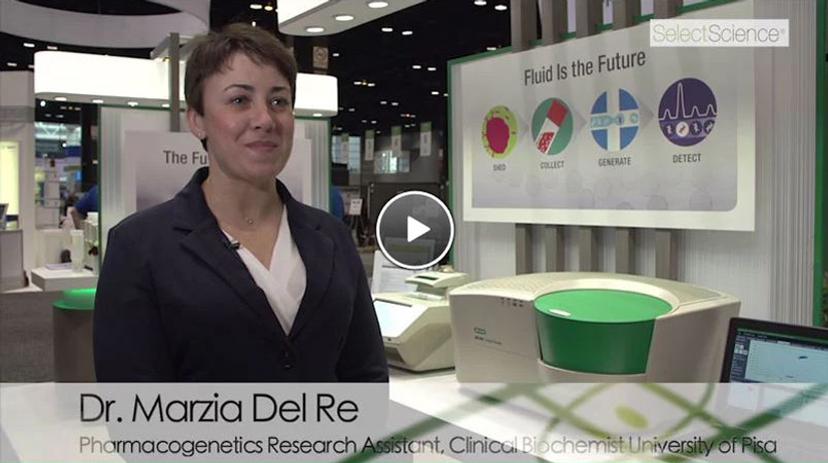
Clinical pharmacologist, Dr. Marzia Del Re, describes how she detects new mutations for drug resistance in liquid biopsies using Bio-Rad's Droplet Digital PCR system. The QX200TM ddPCRTM System, as Del Re explains, not only helps identify the mutation but also quantifies it.
4. Advances in LC-MS Methods for Quantitation of Drugs and Biomarkers in Biological Matrices

James Howard, Scientist, Bioanalytical Sciences, Drug Development Services at LGC, explains how higher sensitivity in peptide bioanalysis is achieved through supercharging reagent, m-NBA (meta nitrobenzyl alcohol). Watch this video to find out how LGC develop LC-MS methods to overcome the challenges that come with the requirement of high sensitivity.
5. Multiplex Assay Reveals Common Biomarker Patterns Associated with Autoimmune Diseases and Cancer

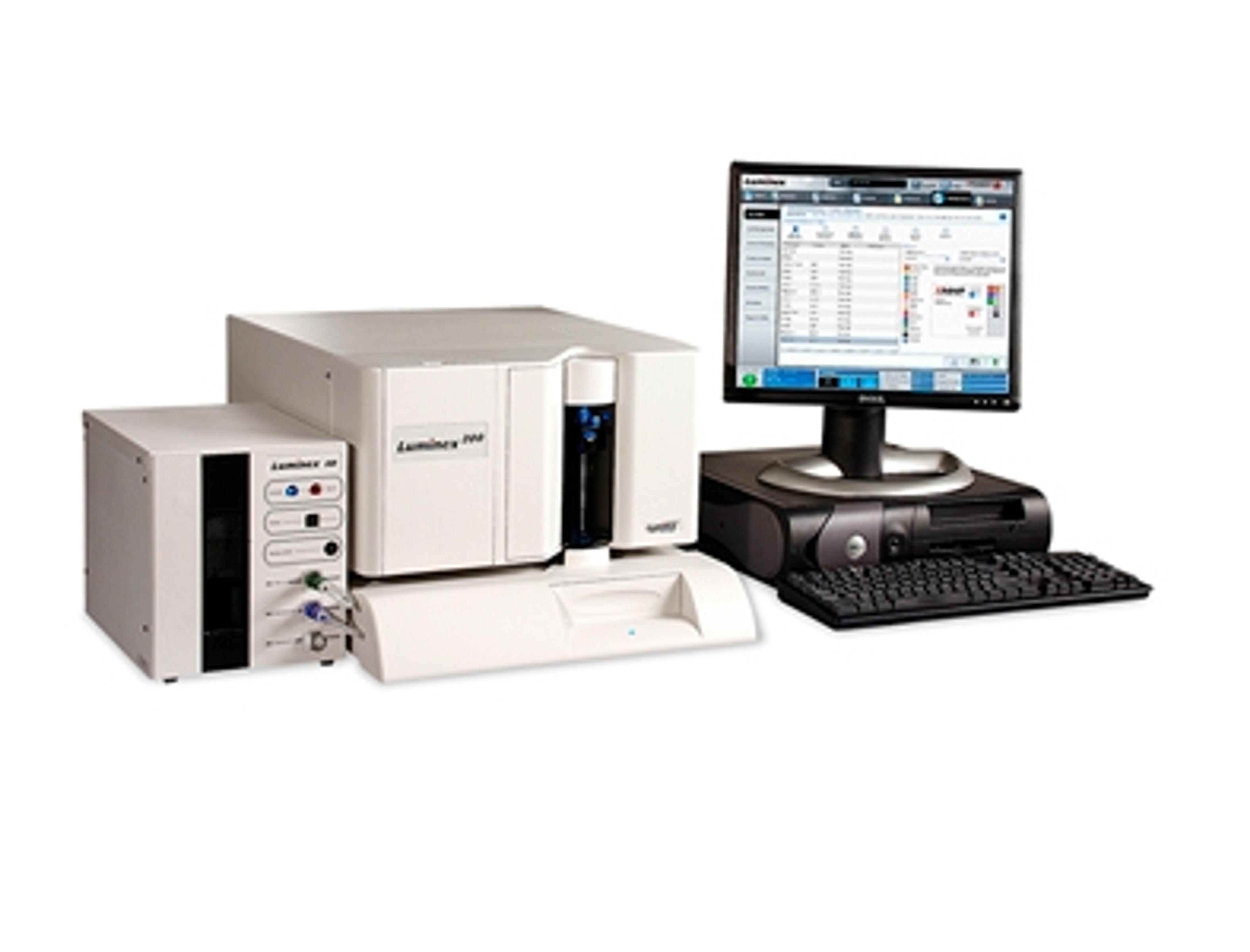
The excessive production of harmful autoantibodies is a hallmark of autoimmune disease. Recent research has also shown that autoantibody production is useful to characterize cancer patients. The characterization of patient sub groups is essential for the efficient development of therapies for both autoimmune disease and cancer. In this presentation, Hans-Dieter Zucht, Head of Technology, Protagen AG, describes the use of a Luminex-based assay to detect common reactivity patterns of human autoantibodies against endogenous protein targets, using clustered autoantibody reactivities.
6. Methods for Sample Preparation and Single Cell Sequencing of Solid Tumors
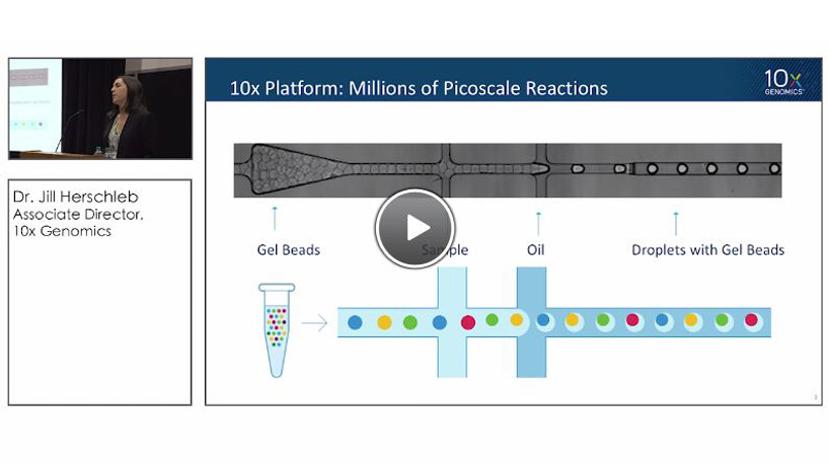
In this engaging presentation at AACR 2018, Dr. Jill Herschleb, Associate Director at 10x Genomics, explains why methods matter in single-cell analyses of tumors. Herschleb describes the tumor dissociation workflow, offers best practices for processing tumor tissue and presents a case study where her team sequenced 84,042 single cells from nine tumors.
7. Multiplex Immunoassay Reveals Serum Biomarkers of Kidney Disease

IgA Nephropathy (IgAN) is the most common primary glomerulonephritis worldwide. In this presentation, David Wimbury, a Ph.D. student at University of Leicester, UK, describes a Luminex-based multiplexing immunoassay to investigate the relationship between levels of serum biomarkers associated with B and T cell activation and the development of IgAN. His research highlights the importance of controlling for renal function in serum biomarkers when studying associations between biomarkers and IgAN.
8. Detecting 40 Biomarkers with One Drop of Blood
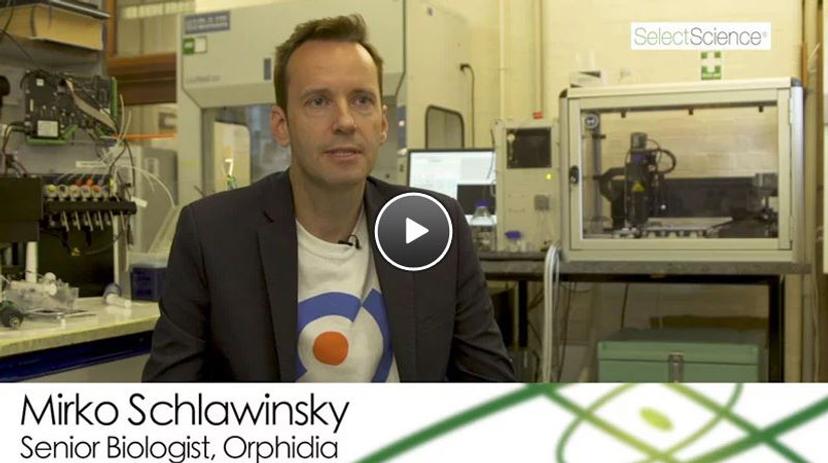
Mirko Schlawinsky, senior biologist at Orphidia, explains his work on a point-of-care device that can measure 40 or more biomarkers in parallel using only one drop of blood. To develop these microfluidic chips, the team at Orphidia employ automated ‘spotting’ using the sciFLEXARRAYER.
9. The Future of Precision Medicine: Proteomic Analysis by Mass Spectrometry
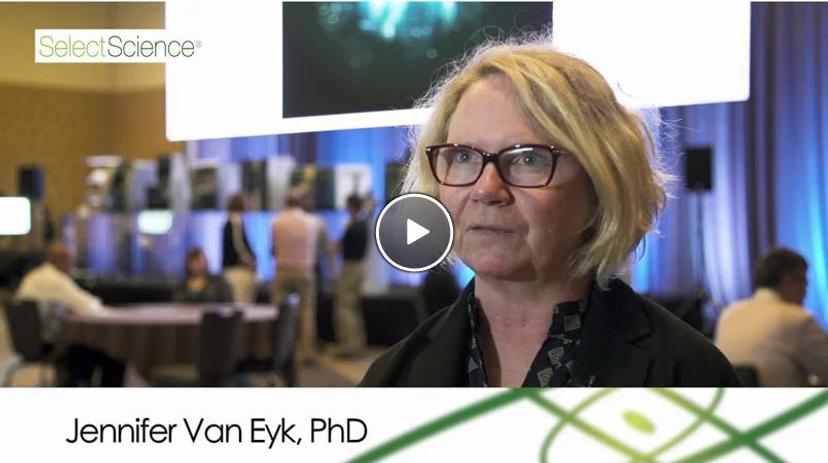
Dr. Jennifer Van Eyk describes the importance of proteomics on precision medicine. She speaks about the impact that mass spectrometry has on clinical labs, and provides insights into how remote monitoring and molecular phenotyping can influence patient care.
10. Identifying Biomarkers That Can Predict the Development of Type I Diabetes
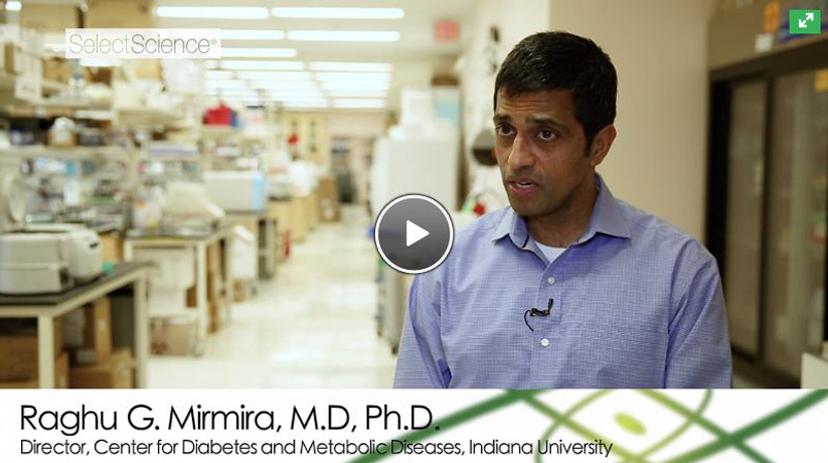
Diabetes is one of the world’s most prevalent diseases, with estimates indicating that over four hundred million people worldwide are afflicted with either Type I or Type II diabetes. Professor Raghu G Mirmira, Indiana University School of Medicine, describes how his team is working to prevent people from developing the disease. They are primarily focused on the pathways of Type I diabetes, an autoimmune condition, which they hope to detect by identifying early disease biomarkers.
11. Quick, Sensitive Detection of Alzheimer's Disease Biomarkers using Multiplexing
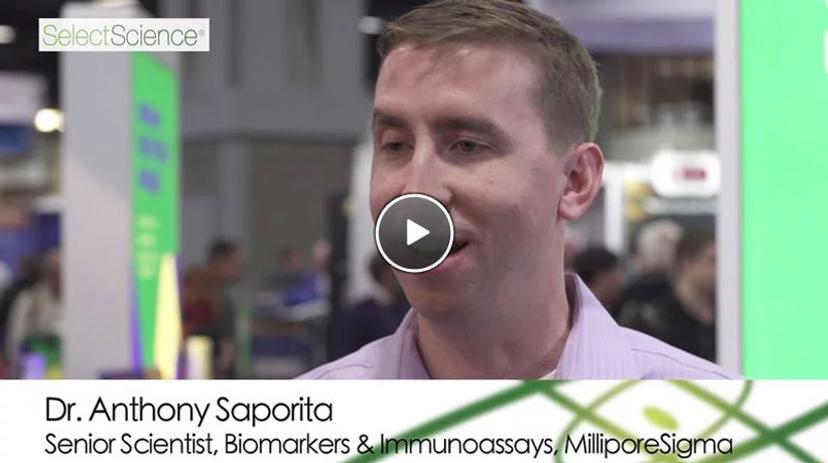
In a poster presentation at the Neuroscience 2017 conference, Dr. Anthony Saporita, senior scientist at MilliporeSigma, explains how multiplex technology can be applied to detect biomarkers in Alzheimer’s disease. He further discusses the launch of the highly sensitive SMC kits for Aβ42 detection in human CSF and plasma.
Visit our Biomarker Research special feature page for more videos, articles, and methods.