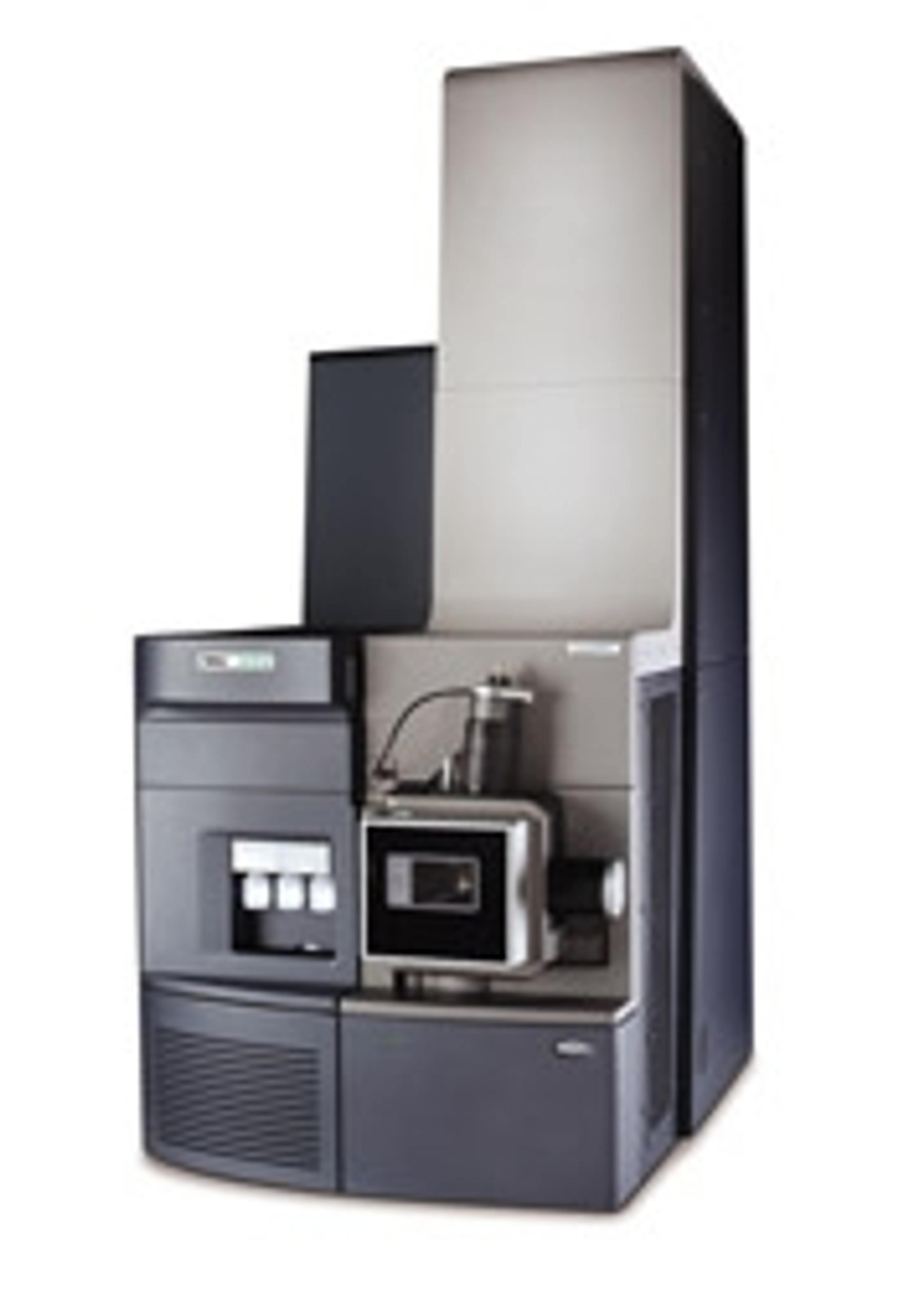
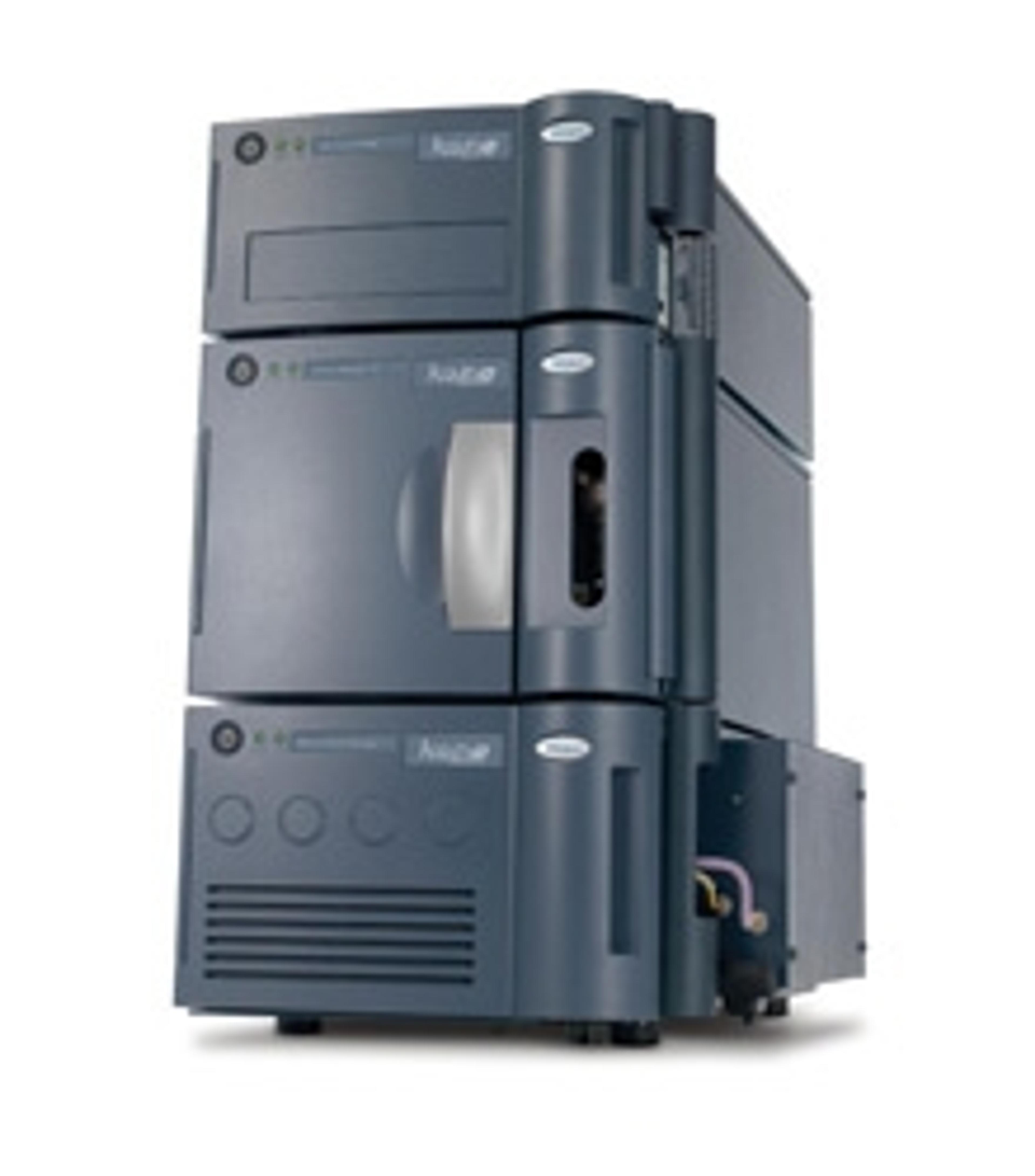
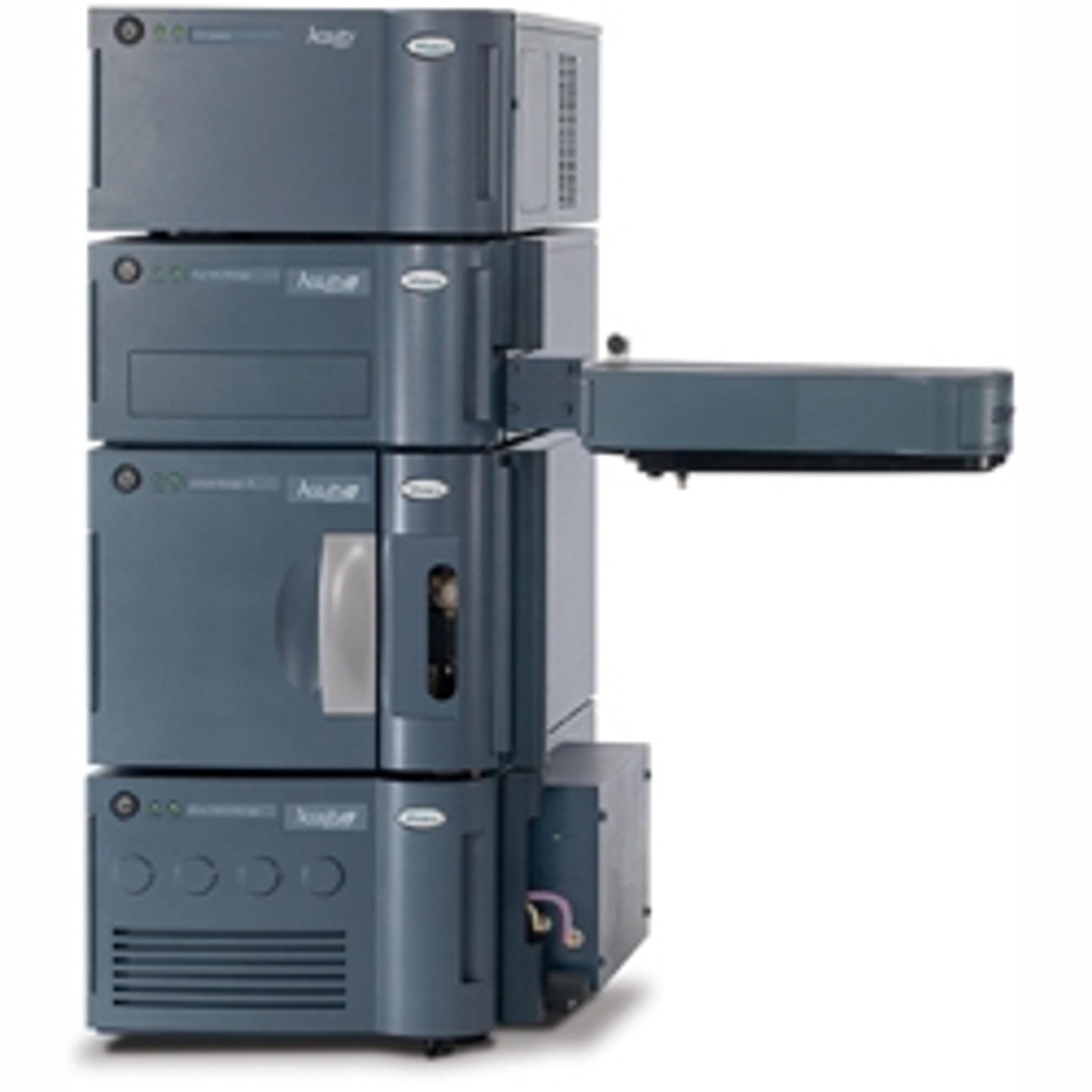
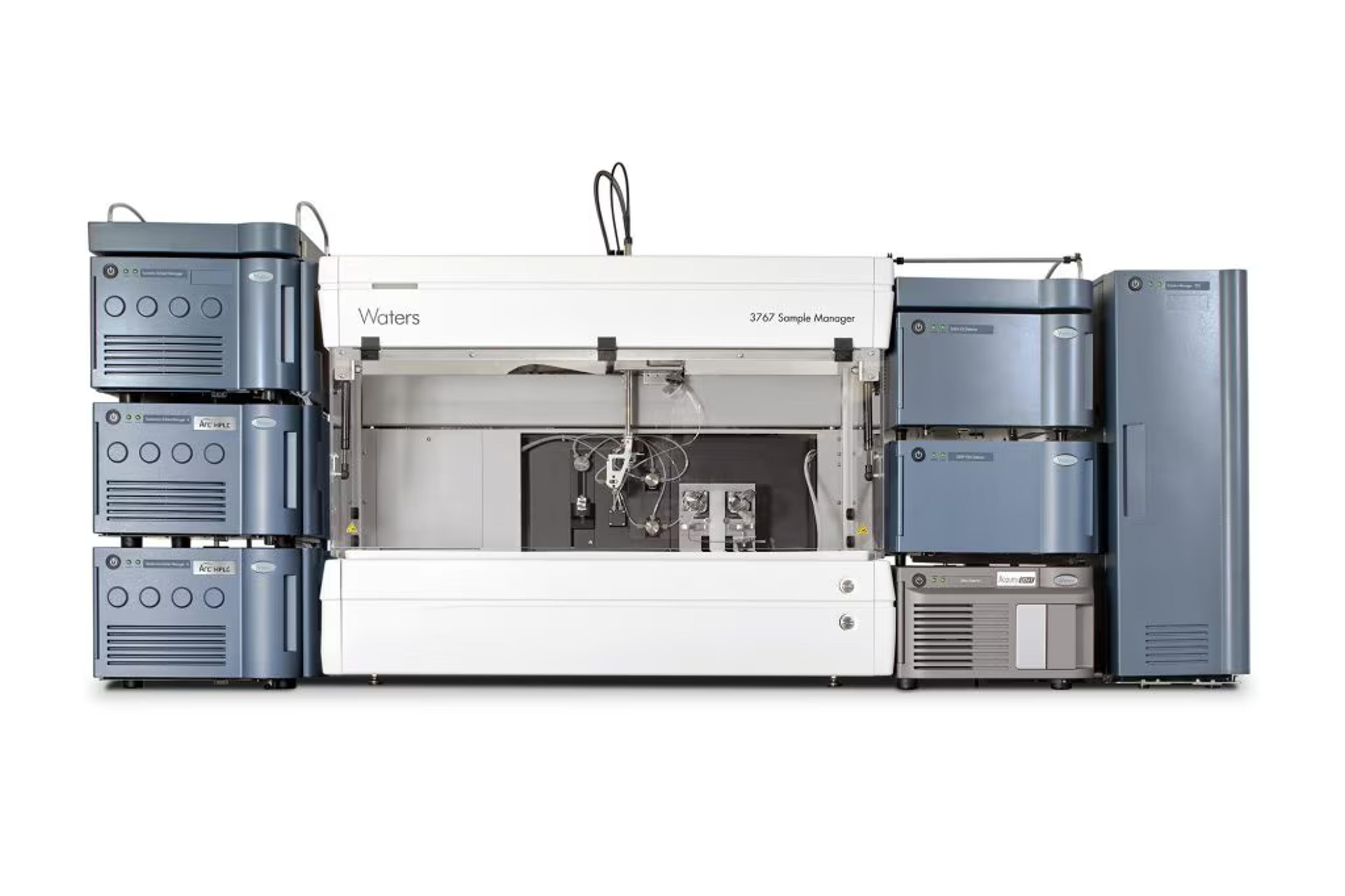
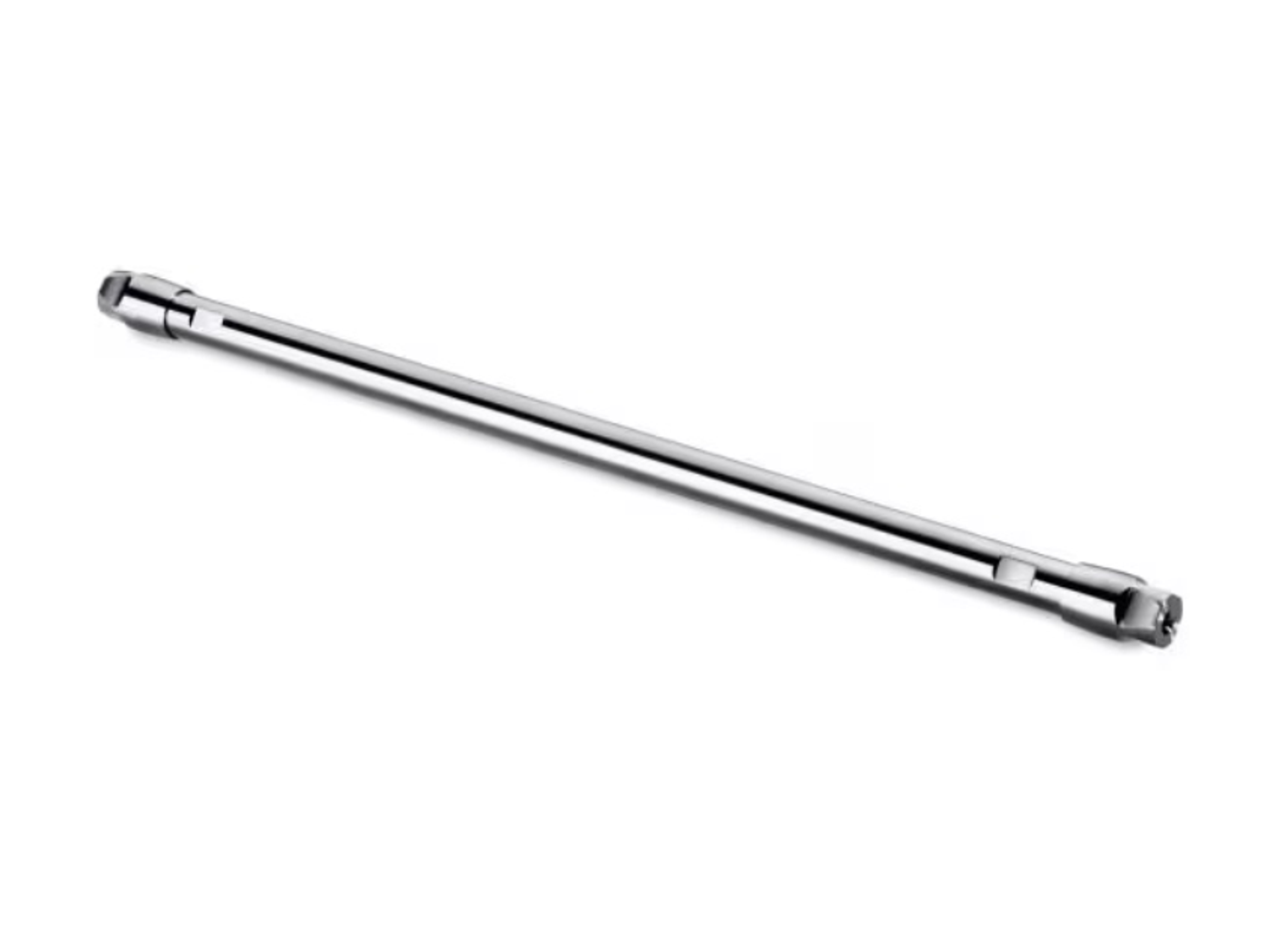
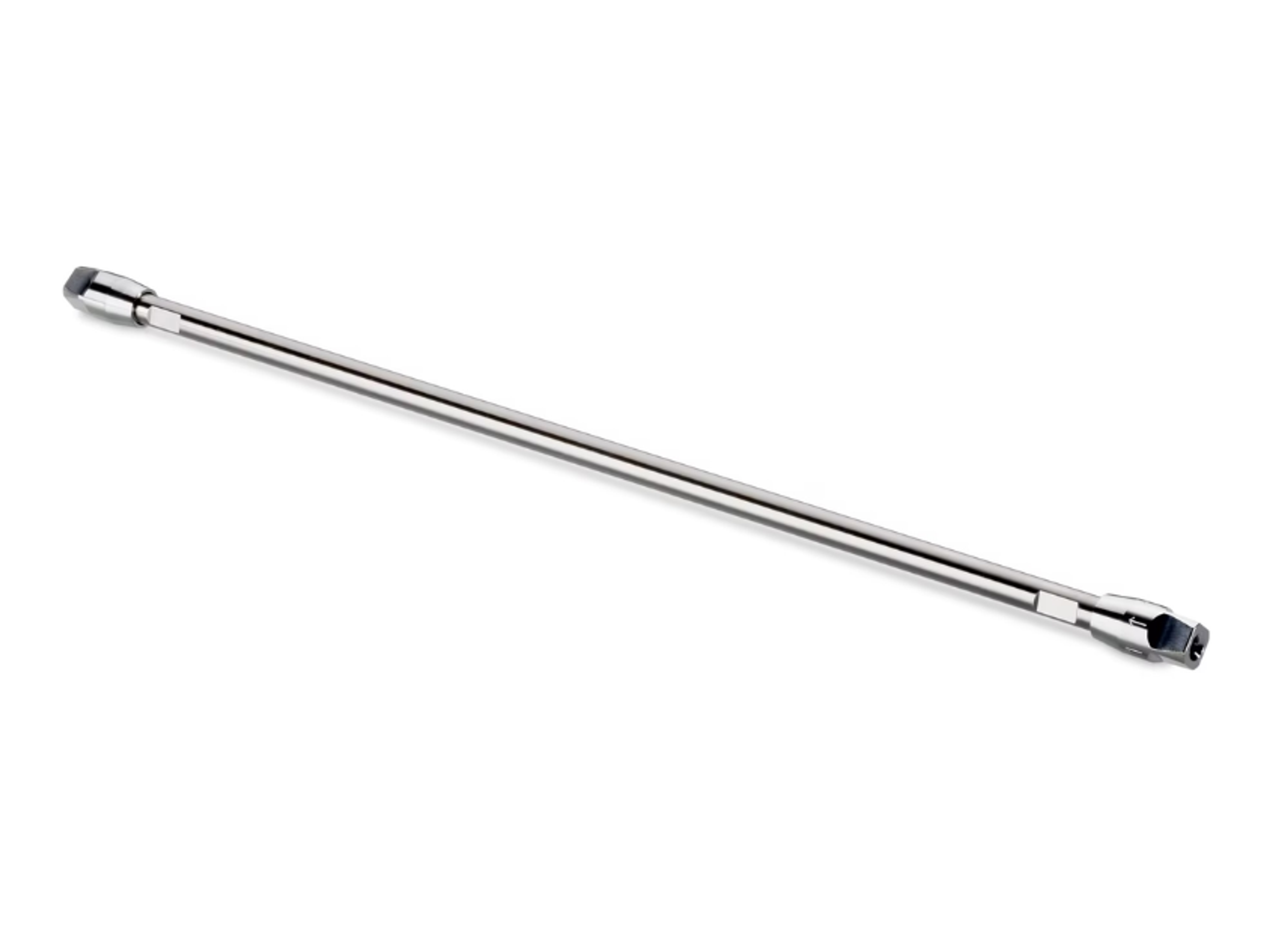
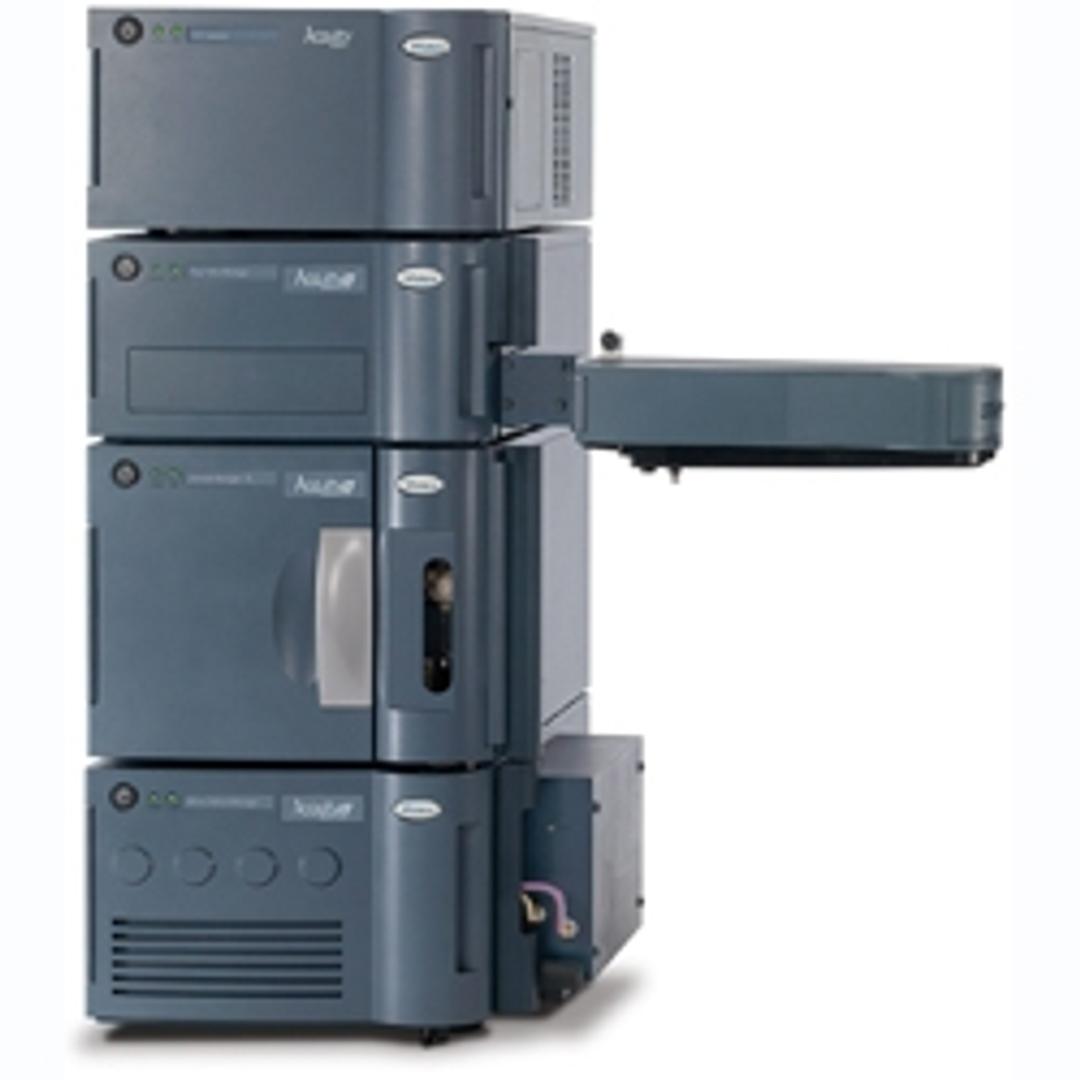
ACQUITY UPLC M-Class System
The analysis you’ve always desired for nano- to microscale separations The ACQUITY UPLC M-Class System delivers the most robust, reliable, and highest quality nano- to microscale UPLC separations to every laboratory performing LC/MS analyses. With unprecedented usability, the ACQUITY UPLC M-Class System enables laboratories to succeed in analyzing compounds that are severely limited in amount or availability, even amid a comp…

Place your order directly with the manufacturer.
Great instrument for commercial purpose, reduced solvent consumption.
Sample analysis for quality control analysis
The Waters ACQUITY UPLC M-Class System is an ideal instrument for the pharmaceutical industry. It is ideal for routine quality control analysis of raw materials and finished dosage forms in the industry. This instrument is also useful for finding impurities in samples which is helpful for quality control analyst to approve or pass new raw material from various vendors with integrity and confidence.
Review Date: 12 Apr 2021 | Waters
Ideal instrument for metabolites.
Analysis of metabolites in tissues and cells
The Waters UPLC is good for metabolite studies. You can use the software Metabolyx, UNIFI or you can change the RAW file to NET CDF and analyze using the Thermo compound discover.
Review Date: 28 Jul 2020 | Waters
Useful partner in my laboratory.
Identification and assay
Very useful product that can give consistent results in identification, assaying and separations.
Review Date: 18 Feb 2019 | Waters
Reliable workhorse for proteomics applications
Peptide separation for proteomics applications
The Waters ACQUITY UPLC System was used in the lab for both off-line (connected to a MALDI spotter) and on-line (connected to an ESI instrument) separation of peptides. Great performance, reliable and easy to maintain. The maintenance steps most frequently used are shown in step-by-step videos on the Waters homepage. Good diagnostic tools for leak identification.
Review Date: 3 Mar 2017 | Waters
proteins and glycans
Waters Acquity UPLC MS instrument is very powerful and easy to use tool to study structure of high level of complexity. The instrument is sensitive and reliable.
Review Date: 2 Nov 2015 | Waters
The analysis you’ve always desired for nano- to microscale separations
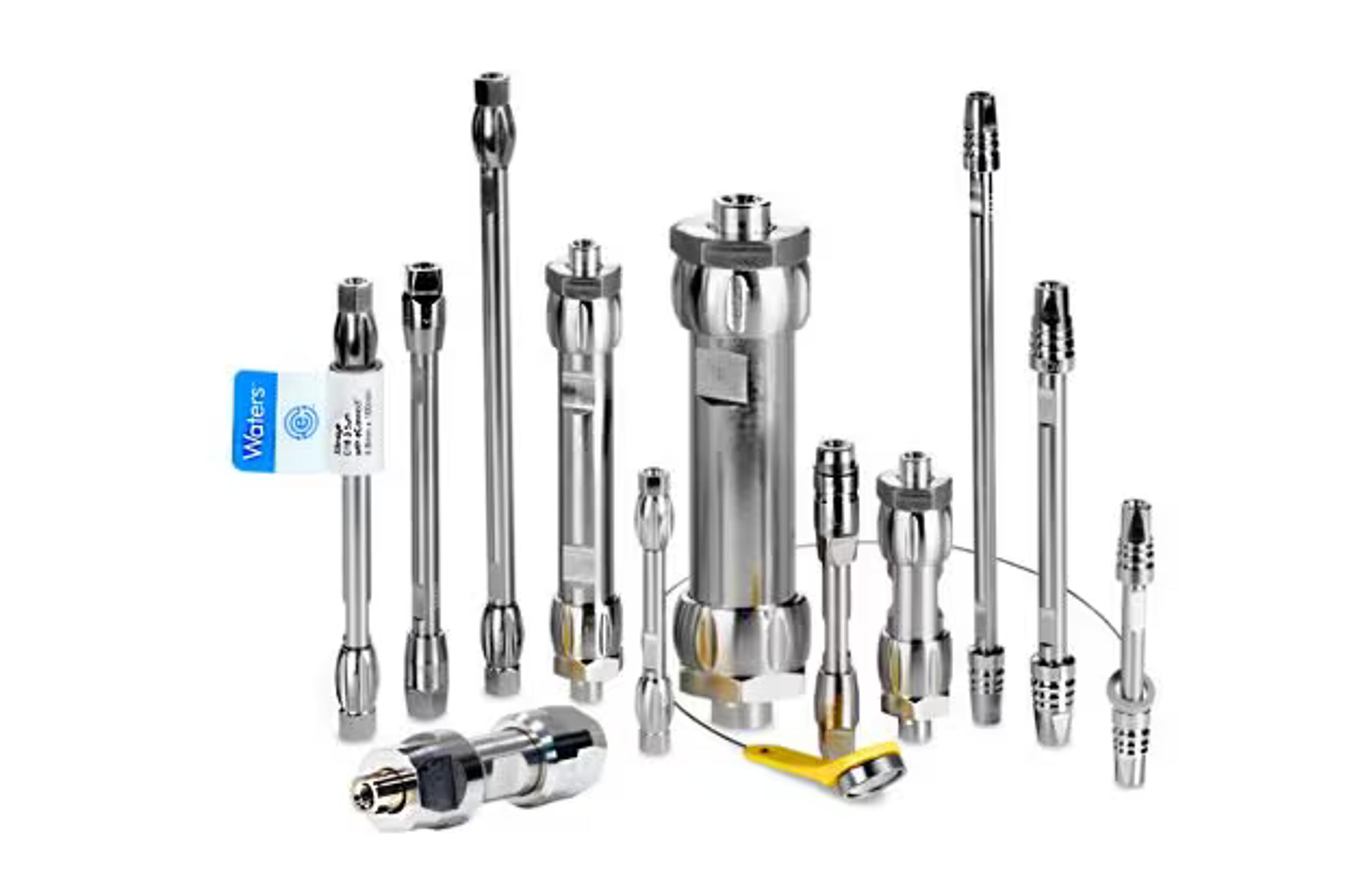
The ACQUITY UPLC M-Class System delivers the most robust, reliable, and highest quality nano- to microscale UPLC separations to every laboratory performing LC/MS analyses. With unprecedented usability, the ACQUITY UPLC M-Class System enables laboratories to succeed in analyzing compounds that are severely limited in amount or availability, even amid a complex matrix over several orders of magnitude. Confidently achieve your laboratory goals with high-efficiency ACQUITY UPLC M-Class Columns ranging from 75 µm to 1 mm I.D. by using complementary mass spectrometry to support our full range of column I.D.’s, or run 300 µm to 1 mm I.D. columns with optical detection.
The system also offers a range of flexible configurations for HDX technology, UV detection, and 2D analysis.
ACQUITY UPLC M-Class System Features:
- Highest sensitivity - UPLC separations yield increased analyte concentration for higher UV and MS signal responses
- Maximum chromatographic resolution - New 15k psi-capable ACQUITY UPLC M-Class Columns deliver sub-2-µm particle performance
- Faster nano- and microscale separations - Increased operating pressures yield maximum flexibility for higher throughput analyses
- Higher resolution with longer columns - Increased pressure enables more separation power
- Confidence in sample analysis - New non-reactive wetted surfaces throughout the fluidic path minimize absorptive losses
- Increased solvent compataibility - Improved range of solvent blends precisely metered for gradient fidelity
- Increased sample capacity - Sample organizer compatibility allows you to store a wide variety of plates and vials in the system for longer, unattended operation
- UV compatibility - UV flow cells compatible with 300 µm to 1.0 mm I.D. columns to augment your UPLC/MS analysis
- Scalability - With flow rates from 200 nl/min to 100 µL/min, achieve the best chromatographic performance, from 75 µm to 1.0 mm I.D. columns covering a 170-fold range of column sizes
- Increased flexiblity - More value configurations enable a variety of applications, icnreased throughput, and maximized peak capacity

Why Choose the Acquity UPLC Plus Series: An Infographic
Since its introduction in 2004, each addition to the Acquity family has continuously pushed forward to enable you to find faster, simpler and better ways to support the work that you do.
Metabolomic Workflow Utilizing Rapid Microbore Metabolic Processing (RAMMP) in Conjunction with SONAR
RAMMP studies have shown comparable group discrimination and improved selectivity over conventional UPLC chromatography. This application note demonstrates further improvements to the workflow by coupling RAMMP with a novel DIA method (SONAR), providing highly specific and unbiased two-dimensional metabolomic data.
SONAR is an acquisition technique comprised of a low-resolution quadrupole mass filter, which is scanned repetitively and both precursor and MS-MS data are acquired at spectral rates approaching 2000 spectra/s.
A Multi-Omic Approach for the Study of Heart Regeneration Using Zebrafish as a Model Organism
Previous studies involving the excision of heart tissue from zebrafish have shown tissue to regenerate in only a few days following amputation. Detailed analysis using genomic and proteomic approaches have identified a number of potential candidates that may be implicated in the regeneration process.
This application note uses a multi-omics approach to study zebrafish plasma, rather than the excised tissue, to provide a greater understanding of the mechanisms involved in heart tissue regeneration following the operation. Lipidomic and proteomic data have been collected using a label-free LC-HDMS approach.
SONAR – Delivering MS/MS Data from a DIA Experiment
SONAR™ is the newest data independent aquisition (DIA) mode from Waters and is complementary to MS. The strength of SONAR is its increased selectivity, which translates to cleaner MS/MS data, allowing both discovery and quantification from a single injection using commonly accepted and established workflows.
SONAR delivers this increased selectivity with rapid scan rates to provide the following analytical benefits:
- All the information required for quantification and identification in a single injection
- Scan rates compatible with UPLC speeds for reliable quantitation
- Library searches are more reliable due to cleaner MS/MS spectra
- Laboratory workflows become more efficient as time consuming method development associated with MS/MS analysis is removed
This white paper discusses in detail the principles and applications of SONAR
Considerations for Selecting the Optimal Stationary Phases for Proteomic Trap-and-Elute Nanochromatography
This white paper reviews various experimental parameters that influence the chromatographic performance of a trap-and-elute nanoLC method. The most important step in the method development process is to select an appropriate column and trap pair that maximizes chromatographic resolution so that the method is capable of thoroughly identifying proteolytic peptides.
Identification and Quantitative Analysis of Egg Allergen Peptides Using Data Independent Ion Mobility Mass Spectrometry
Egg based proteins are one of the most frequent causes of adverse reactions in food. Since many processed foods contain egg as a raw ingredient, the ability to assess changes in protein structure and detection through the manufacturing cycle is important. Although only egg proteins were the focus of this work, other proteins relating to other allergens were observed, providing a potential means for multi-allergen detection.
A New Approach to Authentication and Routine Screening of Ginsenoside Isomers in Functional Food Products
Ginseng is a slow-growing perennial plant believe to offer different therapeutic benefits such as CNS stimulant activity, hypoglycemic properties and sedative effects. Ion mobility is a rapid orthogonal gas separation phase technique that allows another dimension of separation to be obtained within an LC timeframe. This application note investigates the use of IM separation in combination with microflow chromatography to provide a route to specific and unambiguous identification of ginsenosides.
A Novel Strategy to Screen and Profile Steviol Glycosides of Natural Sweeteners in Food Using ionKey/MS Ion Mobility Mass Spectrometry
Stevia rebaudiana Bertoni is a perennial shrub of the Asteraceae (Compositae) family which is of great economic value due to the high content of natural, dietetically valuable sweeteners in its leaves. The Joint FAO/WHO Expert Committee on Food Additives (JECFA) has established regulations for steviol glycosides demanding a purity level of at least 95% of the seven chemically defined steviol glycosides. Complete residue analysis of steviol glycosides in food, is a challenge due to nature of the task i.e. the detection of low steviol glycoside isomer concentrations in complex food commodities, where generic extraction procedures have been used. This application note illustrates the selectivity of collision cross section (CCS) measurements used in combination with other recent MS technology enhancements for profiling complex mixtures.
Improving a High Sensitivity Assay for the Quantification of Teriparatide in Human Plasma Using the ionKey/MS System
This study combines μElution SPE and the novel and highly efficient ionKey/MS system to improve a quantitative assay for teriparatide in human plasma. Teriparatide is a recombinant form of a fragment of human parathyroid hormone, used in the treatment of osteoporosis. Peptides in general are often difficult to analyze by LC-MS/MS, as MS sensitivity is low due to the formation of multiple precursors and poor or overly extensive fragmentation. IonKey/MS can provide increased sensitivity compared to 2.1 mm I.D. chromatography with the same injection volume, or equivalent or greater sensitivity with reduced sample consumption, making it ideal for peptide analyses.
A Novel Strategy to Screen and Profile Steviol Glycosides of Natural Sweeteners in Food Using ionKey/MS Ion Mobility Mass Spectrometry
In this application note, we illustrate the selectivity of collision cross section (CCS) measurements used in combination with other recent MS technology enhancements for profiling complex mixtures. A combination of high resolution mass spectrometry and high efficiency ion mobility based measurements and separations is used. Ion mobility is a rapid orthogonal gas separation phase technique that allows another dimension of separation to be obtained within an LC timeframe. Compounds can be differentiated based on size, shape, and charge.

GO GREEN: Reduce Solvent Consumption and Increase Productivity
How the Acquity UPLC system can save you time, money and solvent consumption