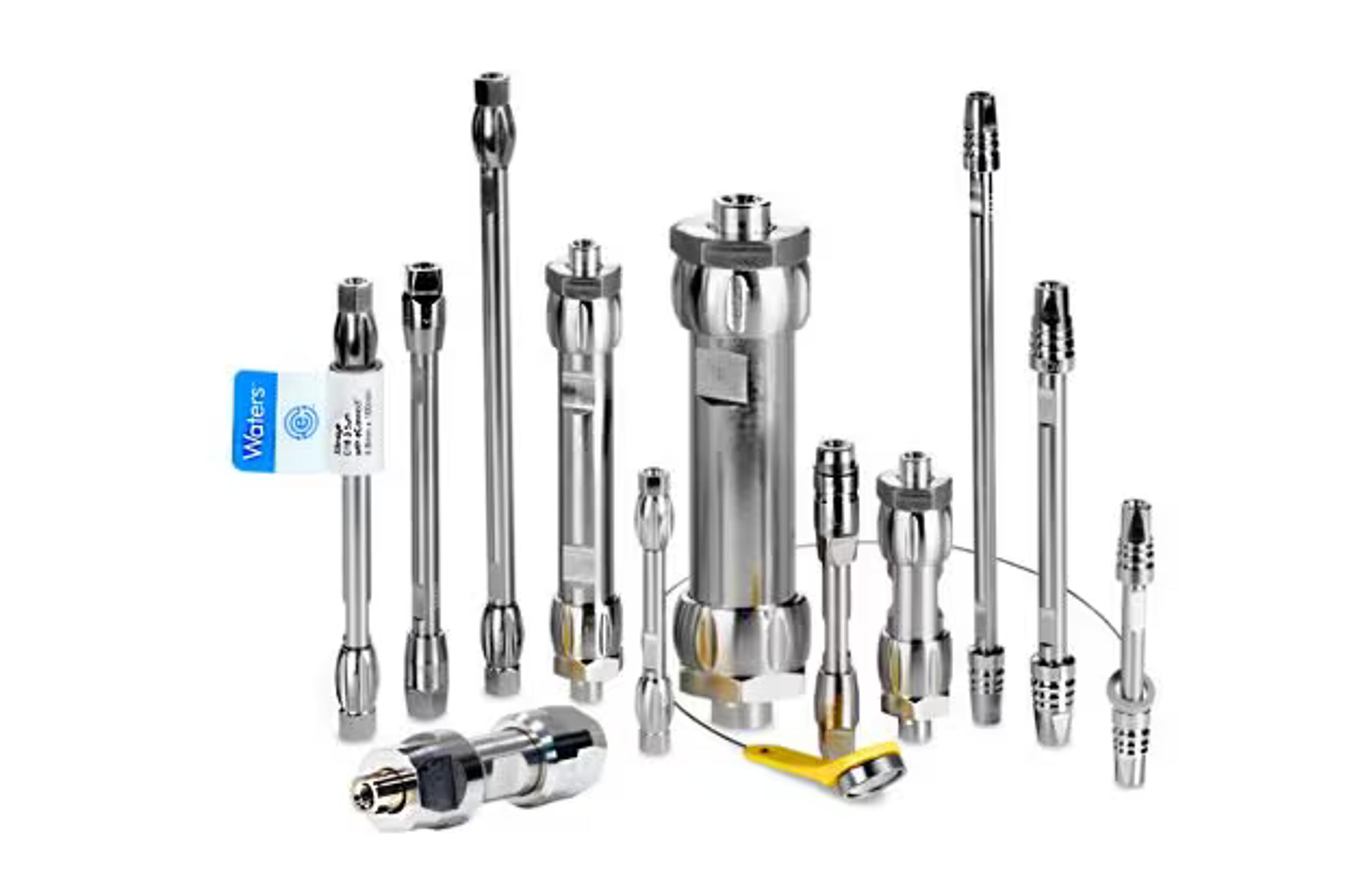
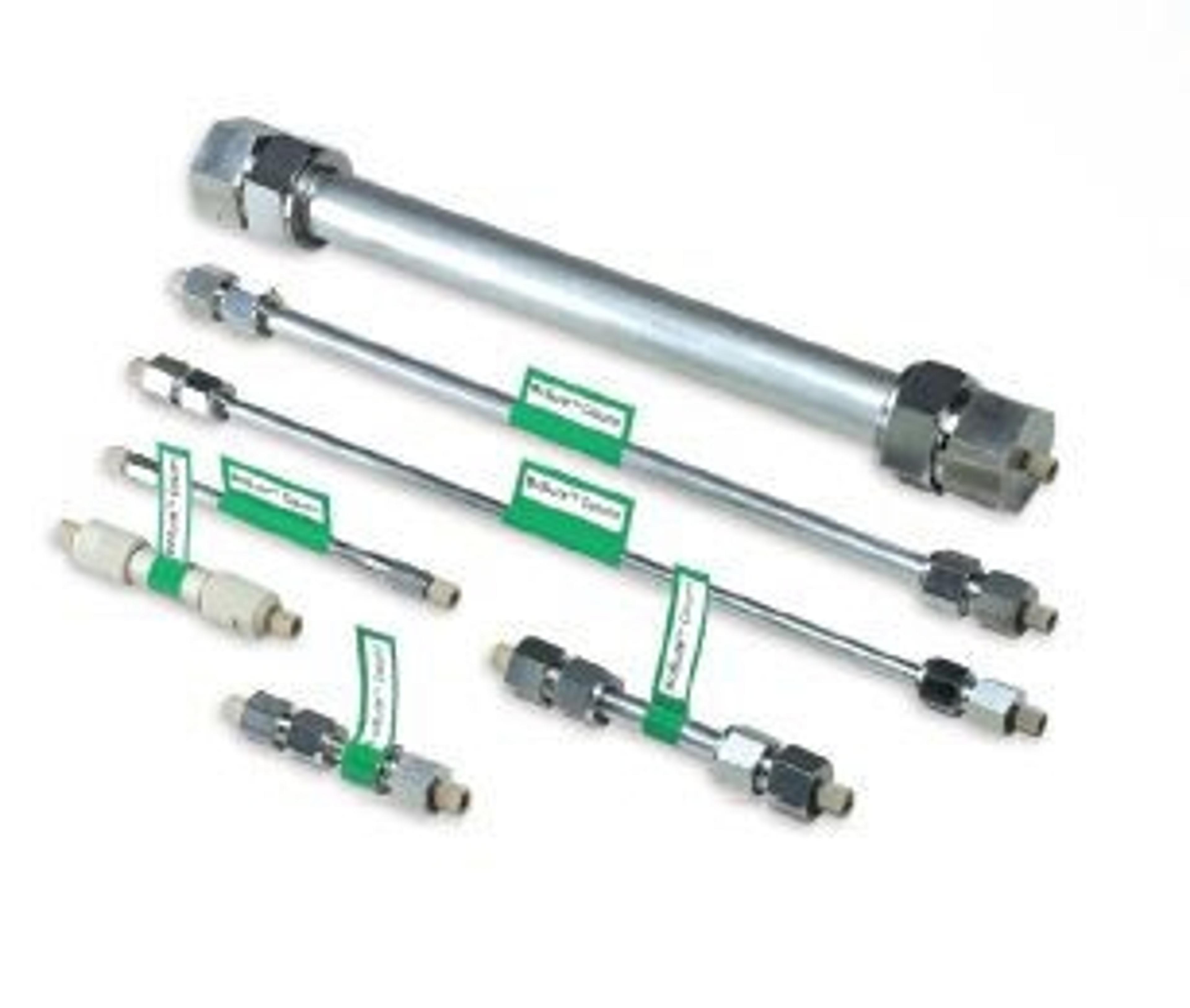
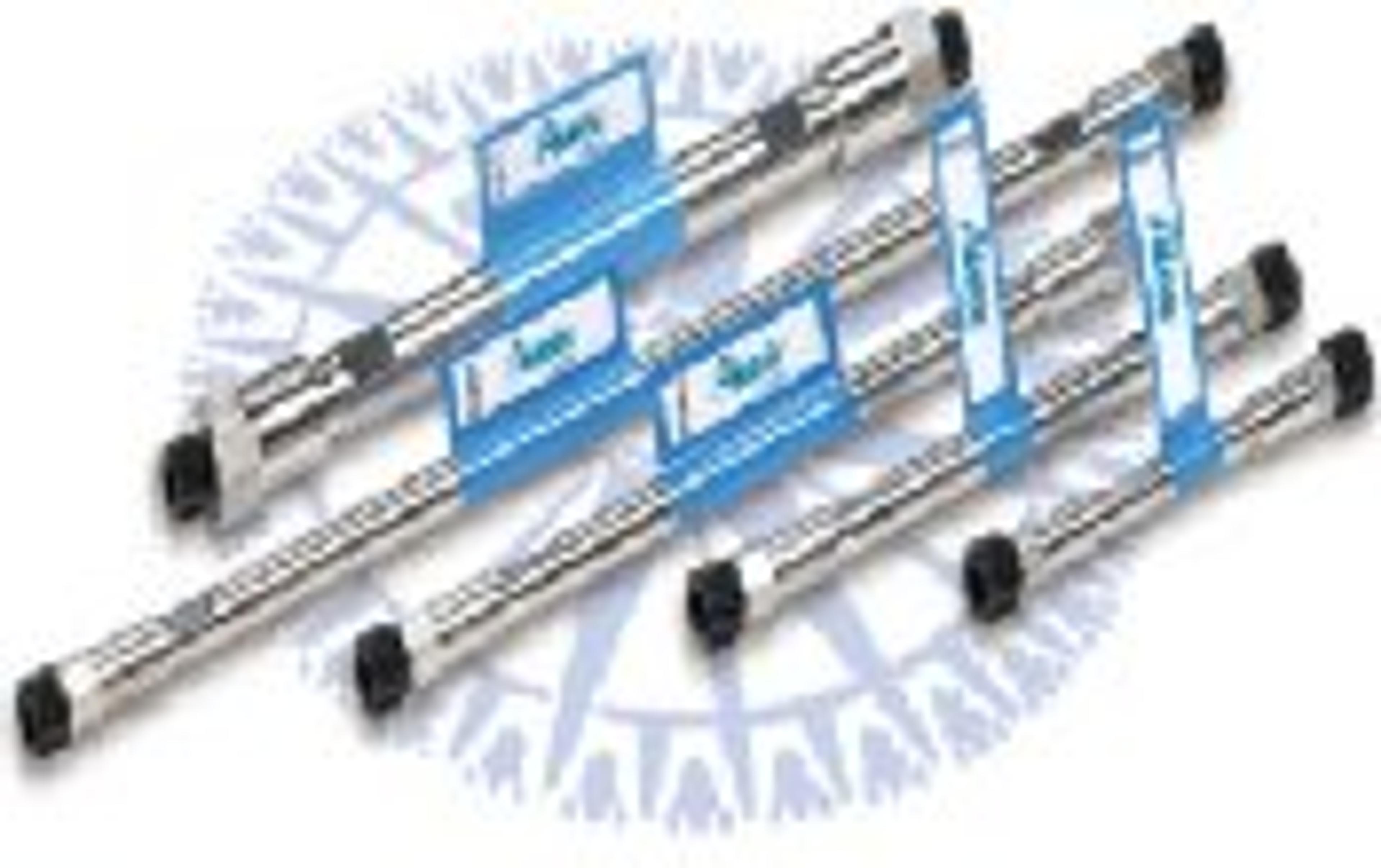
ACQUITY UPLC BEH Columns
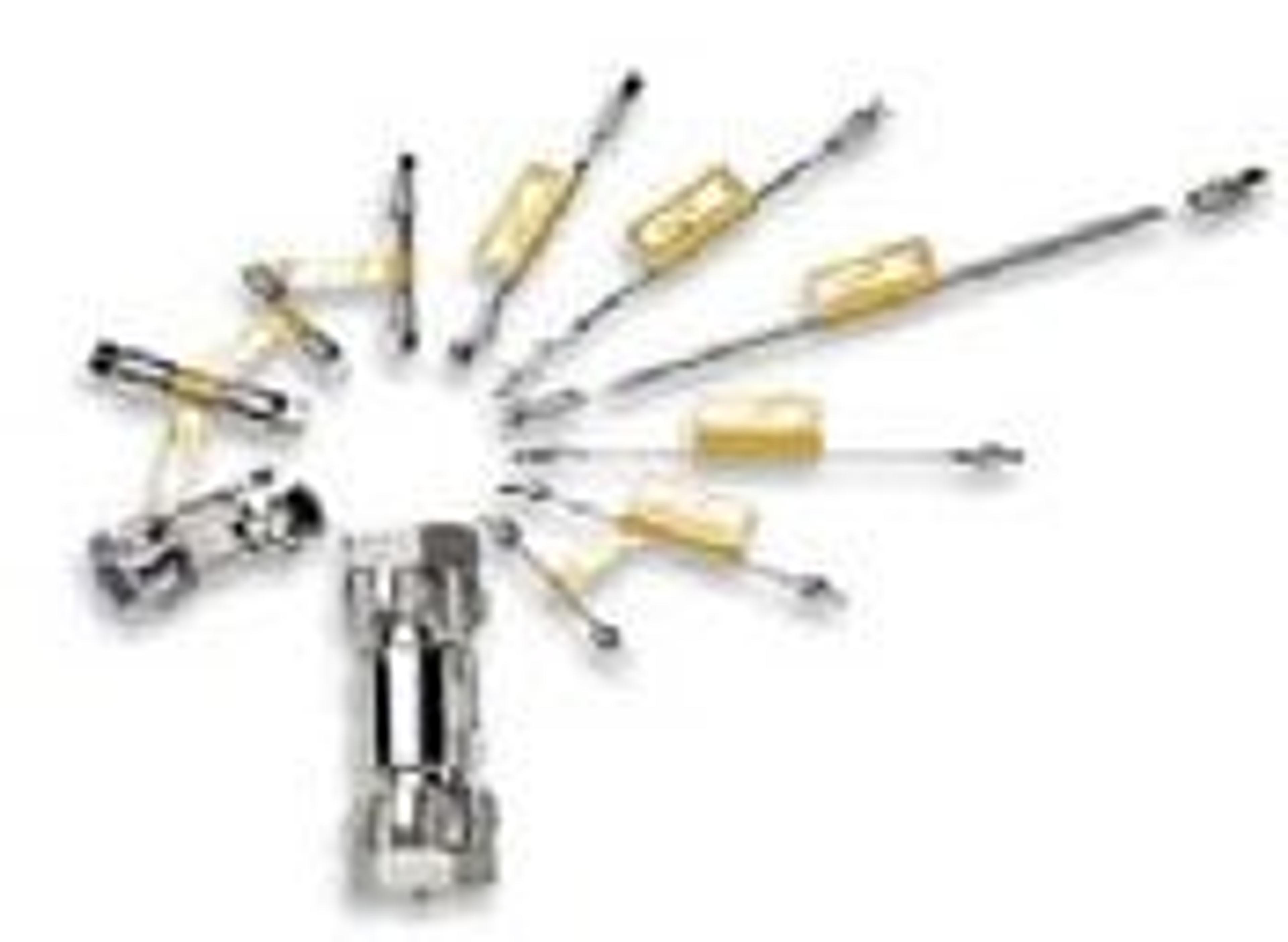
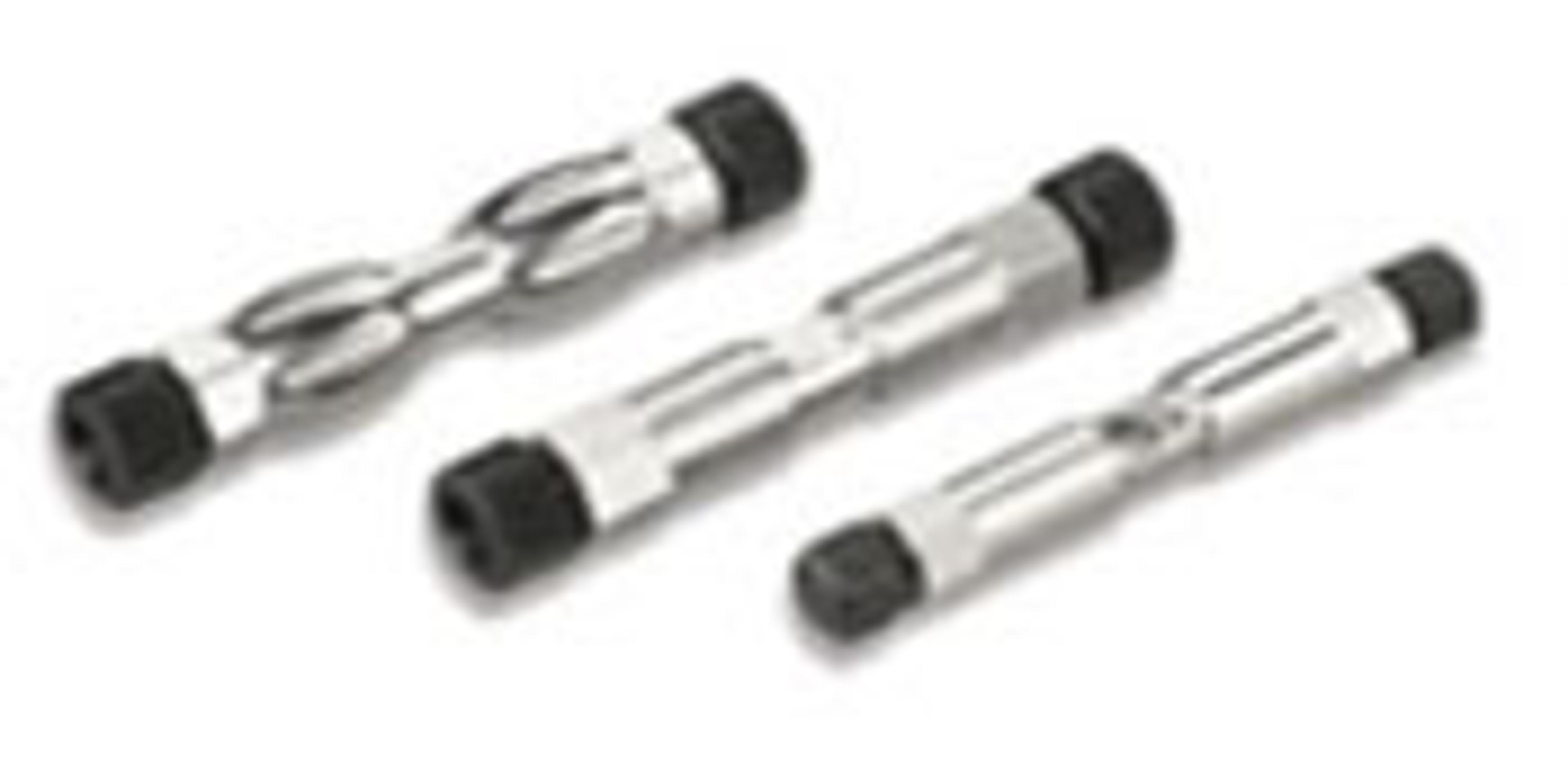
In 2004, Waters revolutionized liquid chromatography with the introduction of the ACQUITY UPLC System. At the heart of the system was Waters second generation hybrid, the Ethylene Bridged Hybrid (BEH) particle. In 2005, BEH Technology preparative particle sizes (2.5, 3.5, 5 and 10 μm) with the introduction of XBridge between HPLC and UPLC Technology platforms. BEH Technology particles offer: Excellent peak shape an…
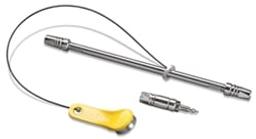

Place your order directly with the manufacturer.
Excellent Quality Value for money product.
HPLC/UPLC for Related substances and Assay method development.
Excellent Columns with Robust performance. Observed durable with excellent peak shape and resolution for our applications.
Review Date: 1 Dec 2025 | Waters
Waters BEH columns are excellent for resolution and working on high pressure
Chromatography
UPLC BEH columns are excellent to develop impurity methods and getting good resolution for close eluting peaks.
Review Date: 24 Nov 2025 | Waters
Getting really expensive.
LC-MS of Hormones
Overpriced and it appears that users are forced to buy a new brand of pre-column frit cartridges.
Review Date: 9 Jun 2023 | Waters
Fast analysis with excellent reproducibility.
Analyze active substances on medicines
I was looking for a column that was able to yield fast and reliable measurements for a series of pharmaceuticals active substances in medicines. The Acquity UPLC BEH Columns, coupled with Waters UPLC, was a master's choice, allowing great reproducibility with a minimum analysis time.
Review Date: 15 Jul 2022 | Waters
Excellent résolution for mAbs!
Biopharma
Excellent sec column for mAbs and how/lmw fragment separation
Review Date: 20 May 2022 | Waters
Staple lab column
LC/MS Quantitation
These columns just don't quit. They last forever, can be used for a variety of sample types and solvents, easy to use, easy to develop methods with.
Review Date: 2 Apr 2022 | Waters
Great result
Ursolic acid in plasm
High effectiveness
Review Date: 11 Feb 2022 | Waters
Good product.
Protein's
Good product.
Review Date: 1 Oct 2021 | Waters
Peak shapes found using the column were wonderful.
Analysis of human blood samples
We work on the untargeted analysis of human blood samples for finding the potential novel biomarkers in diseased patients.
Review Date: 24 Jul 2021 | Waters
It is the premier column for method development,
Analysis of environmental samples and clinical samples for endocrine disrupting chemicals and
The product is very useful for all my analyses. It serves its purpose for various applications both analytical or bioanalytical and it's the most suitable column. It is very durable. It's a column which I can rely on for different kinds of studies. Though I have performed more than 5000 injections still the efficiency of the column is very satisfactory. The results are very reproducible. It is the premier column for method development, the 1.7 um ACQUITY UPLC BEH C18 sorbent provides the most universal column choice for UPLC separations. The trifunctionally bonded BEH particle gives you the widest usable pH range (pH 1-12), superior low pH stability, and ultra-low column bleed for high sensitivity MS applications. It provides high retentivity for basic compounds and tolerates high temperatures.
Review Date: 17 May 2021 | Waters
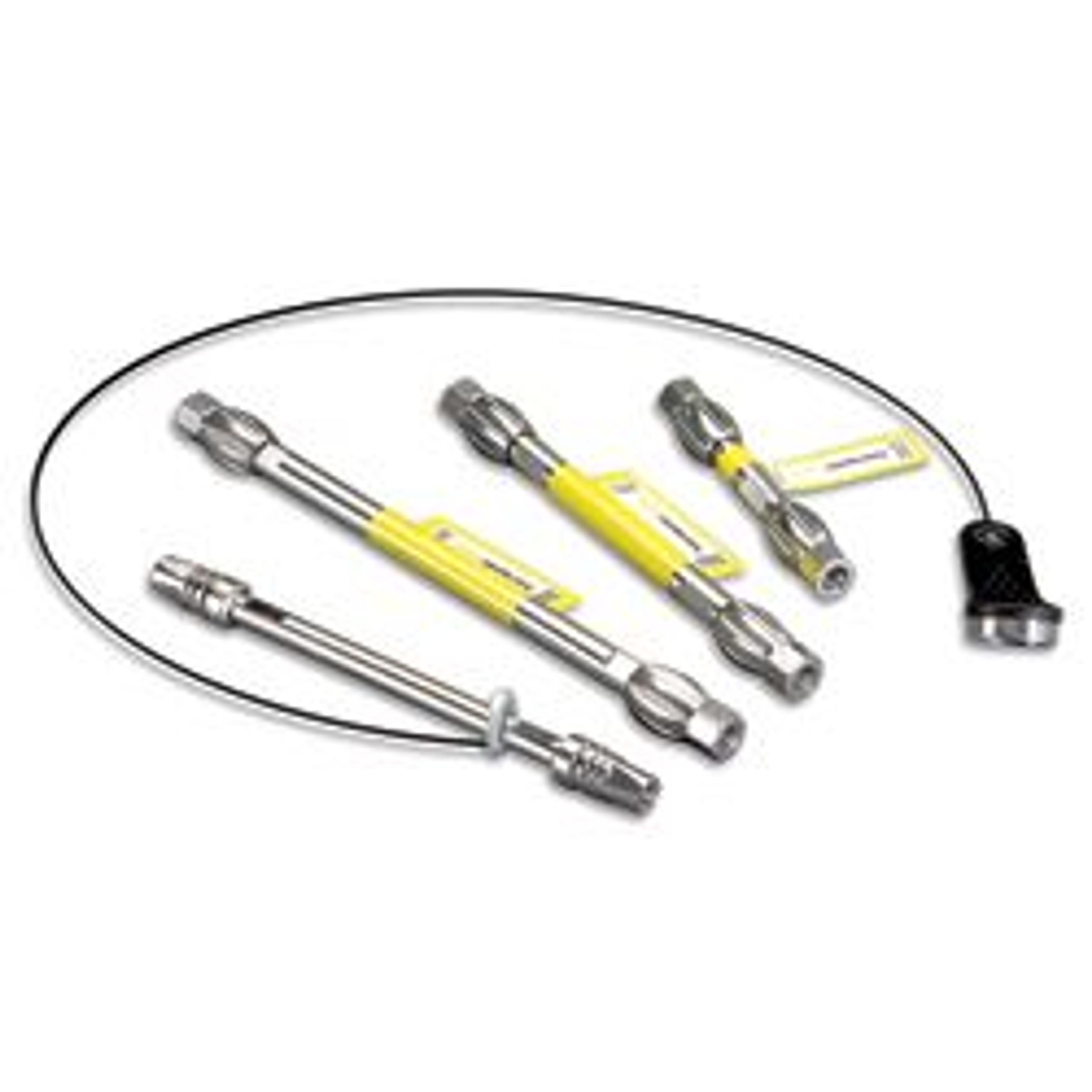
In 2004, Waters revolutionized liquid chromatography with the introduction of the ACQUITY UPLC System. At the heart of the system was Waters second generation hybrid, the Ethylene Bridged Hybrid (BEH) particle.
In 2005, BEH Technology preparative particle sizes (2.5, 3.5, 5 and 10 μm) with the introduction of XBridge between HPLC and UPLC Technology platforms.
BEH Technology particles offer:
- Excellent peak shape and efficiency for basic analytes
- A rational array of chromatographic selectivity
- Improvements in chemical stability at mobile phase extremes, particularly at elevated pH
Brochures

Waters clinical solutions: Analytical technology for better care
In this brochure, Waters provides an overview of its products and services tailored for clinical diagnostic laboratories.
Acquity UPLC Columns Brochure
When investing in a new LC instrument, it is important to consider its capabilities to meet existingand future demand. With UPLC Technology, one can invest in the future by utilizing a single system with the capabaility to optimally run sub-2μm UPLC Columns with the ruggedness and robustness to run legacy HPLC methods. The ACQUITY UPLC® System family is an LC Technology platform that can be utilized independent of your separation needs, thus facilitating productivity and simplifying method transfer from site to site.
Multi-residue method for analyzing pesticides in cannabis using UPLC-MS/MS and APGS-MS/MS
In this application note, Waters present the use of a simple sample extraction and d-SPE clean up where the resulting extract is analyzed by UPLC-MS/MS or APGS-MS/MS in a manner that complies with Canadian regulatory requirements. A single workflow for the multi-residue analysis of pesticides in cannabis is demonstrated.
Ethylene-Bridged [BEH Technology] Hybrids and Their Use in Liquid Chromatography
First Introduced in 1999 in XTerra® columns, Waters patented organic/inorganic Hybrid Particle Technology (HPT) surmounted significant limitations of silica-based reversed-phase packing materials, particularly their hydrolytic instability at high pH. in 2005, second-generation HPT, branded as BEH Technology™, embodied in new ACQUITY UPLC™ BEH Columns and in Waters XBridge™ HPLC columns, marks a new milestone in chromatography.
Multiresidue Analysis of Pesticides in Fruits and Vegetables Using UPLC-MS/MS
In this application note, the development of a multiresidue method for the routine determination of 190 pesticide residues in various fruit and vegetable matrices using UPLC-MS/MS is described. White grapes and green beens were selected for this application due to their relatively increased complexity, since they contain chlorophylls which are known to affect the extraction efficiency of pesticides from food matrices. A generic QuEChERS sample extraction procedure was used to extract the pesticides from the samples, followed by a rapid and high resolution UPLC separation and trace level detection of pesticides using the Xevo TQ-S micro.
Quantitative Analysis of Natural and Synthetic Estrogens in Surface and Final Effluent Waters at Low ppq Levels Using UPLC-MS/MS
This application note summarizes a method for the analysis of estrone, 17-ethinylestradiol and 17-estradiol in surface and final effluent waters.
Why Choose the Acquity UPLC Plus Series: An Infographic
Since its introduction in 2004, each addition to the Acquity family has continuously pushed forward to enable you to find faster, simpler and better ways to support the work that you do.
Metabolomic Workflow Utilizing Rapid Microbore Metabolic Processing (RAMMP) in Conjunction with SONAR
RAMMP studies have shown comparable group discrimination and improved selectivity over conventional UPLC chromatography. This application note demonstrates further improvements to the workflow by coupling RAMMP with a novel DIA method (SONAR), providing highly specific and unbiased two-dimensional metabolomic data.
SONAR is an acquisition technique comprised of a low-resolution quadrupole mass filter, which is scanned repetitively and both precursor and MS-MS data are acquired at spectral rates approaching 2000 spectra/s.
Waters' Solutions to Peptide and Protein Bioanalysis
The ability to analyze peptides and proteins is becoming increasingly important in the field of biotheraputics. This infographic explains why quantifying large molecules is challenging and how Waters can provide solutions.
Size Exclusion Chromatography for the Analysis of Small Proteins and Peptides
This application note from Waters Corporation looks at the features and advantages of the 125Å pore size, 3.5µm particle size BEH SEC column designed for separation of small proteins and peptides. This column has been made specifically to be used on classic HPLC instrumentation, and provides column-to-column reproducibility and column stability.
Qualitative Pesticide Screening of a Dried Cherry Sample Using HRMS
Multi-analyte screening methodologies are essential for monitoring food and environmental samples across the globe. Compliant samples must be eliminated to allow non-compliant samples to be identified for subsequent confirmation and quantitation. This application note describes the ease of use and efficacy of a non-targeted, data independent, analysis type (MSE and HDMSE), coupled with UNIFI.
Isolating Trace Impurities for Structural Elucidation in a Commercial Fungicide Formulation Using Preparative SFC
Trace impurities in synthetic products that interact with human end users or may have an undesirable environmental fate are regulated by various government agencies such as FDA and EPA. As a result, impurity separation and their structural identification are important research functions for many industries, including pharmaceutical, agrochemical, food, and consumer products. This application note describes a workflow to achieve full structural elucidation of trace impurities that can be implemented using preparative supercritical fluid chromatography to isolate trace impurities.

The pursuit of the perfect HPLC column: Reflecting on 50 years of innovation
Dr. Thomas H. Walter, of Waters Corporation, looks back at the trials, tribulations, and triumphs that paved the way to today’s advanced separation technologies

Compliant, consistent, and transferrable techniques for viral vector characterization and monitoring
Watch this on-demand webinar to discover how compliant techniques for protein characterization can be applied to viral vector modalities
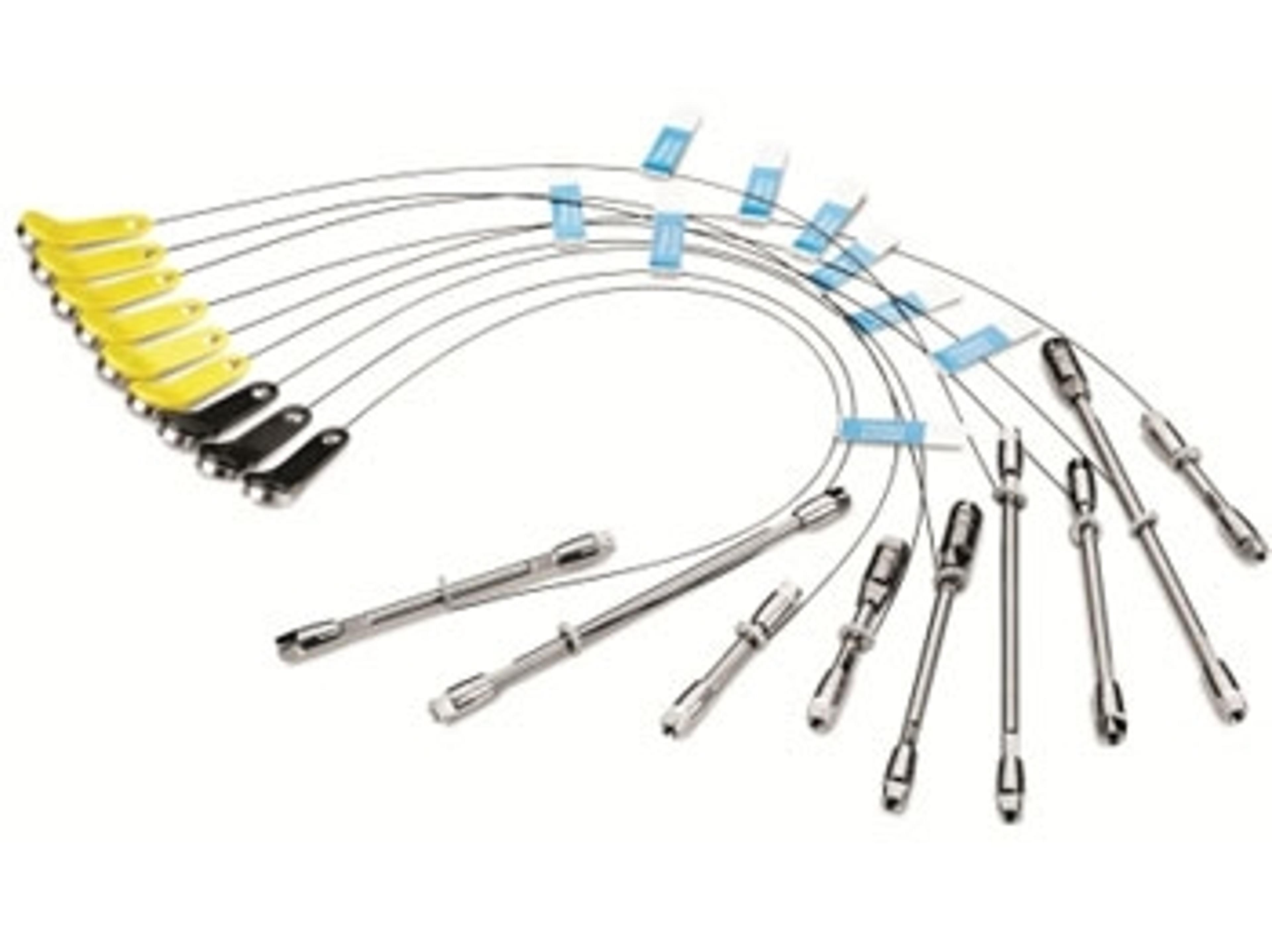
Waters ACQUITY PREMIER Columns set a new standard of performance for chromatographic analyses
Novel column technology designed to put disease research and drug development on a more productive and efficient path