3D Ready Organoid Expansion Service
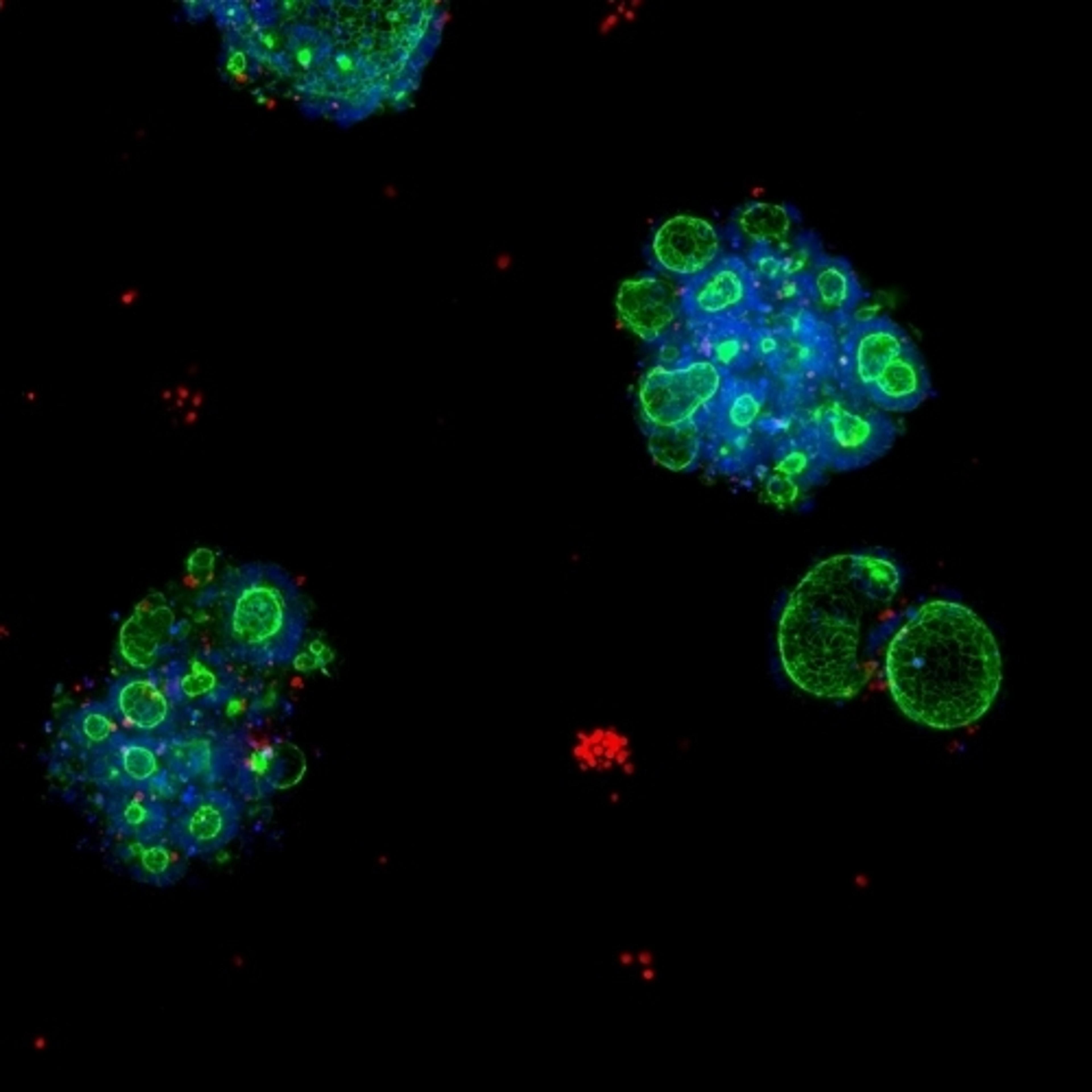
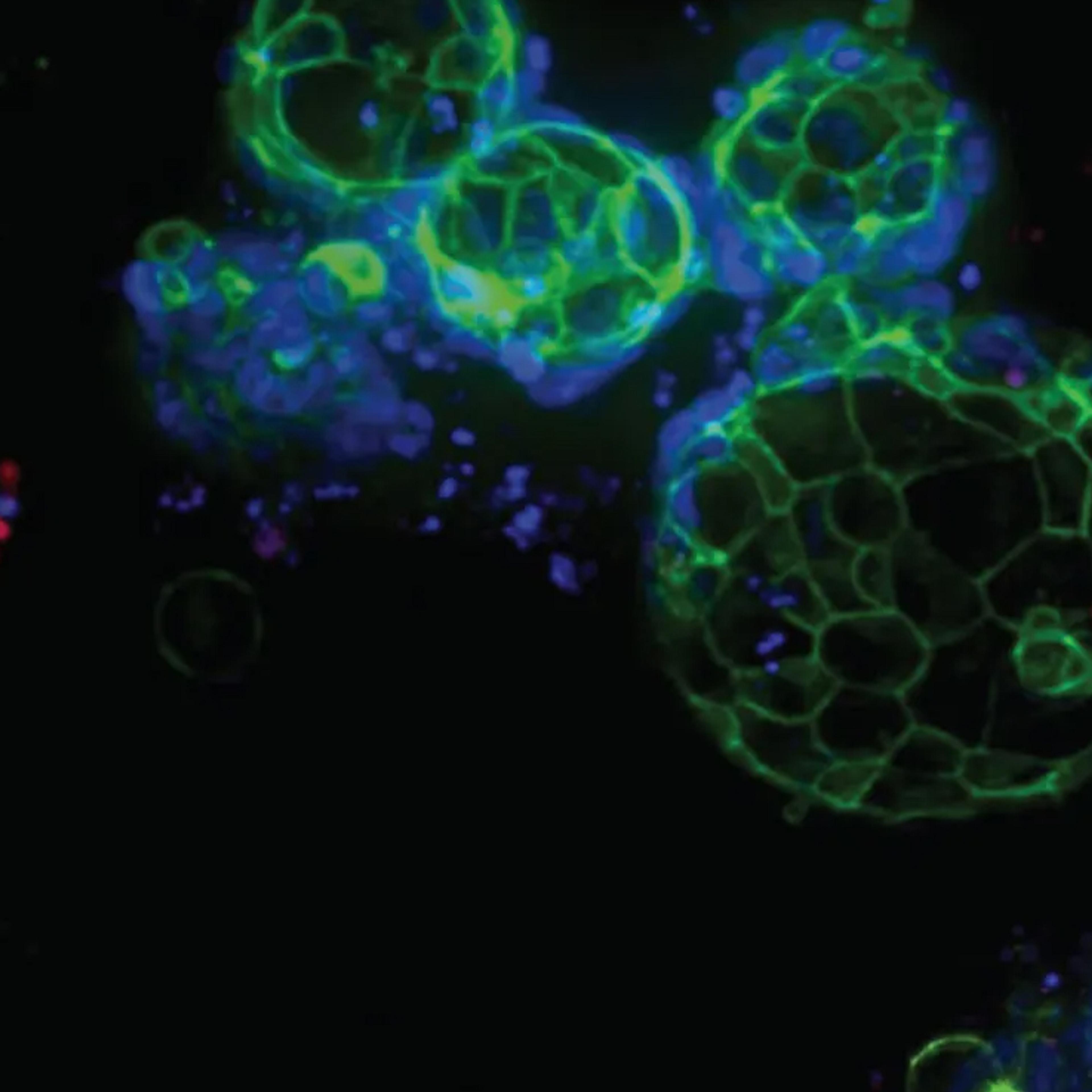
Unique service that enables you to expand your own organoid lines to a scale large enough to suit your individual requirements. Generate more than six million assay-ready, reproducible organoid models to support your compound screening, cell model creation, or other applications.
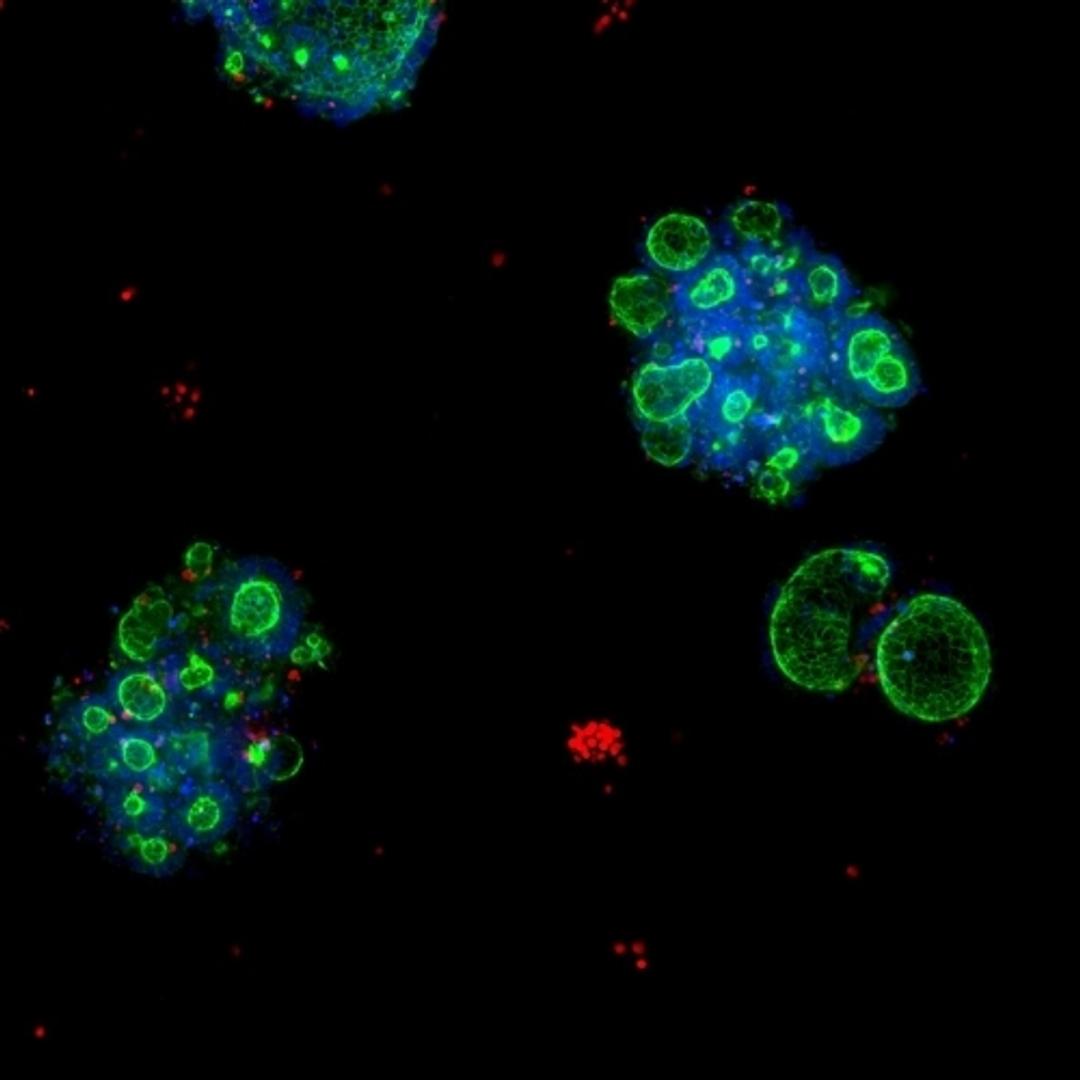
Resized-organoids

Receive your quote directly from the manufacturer.
Assay-ready
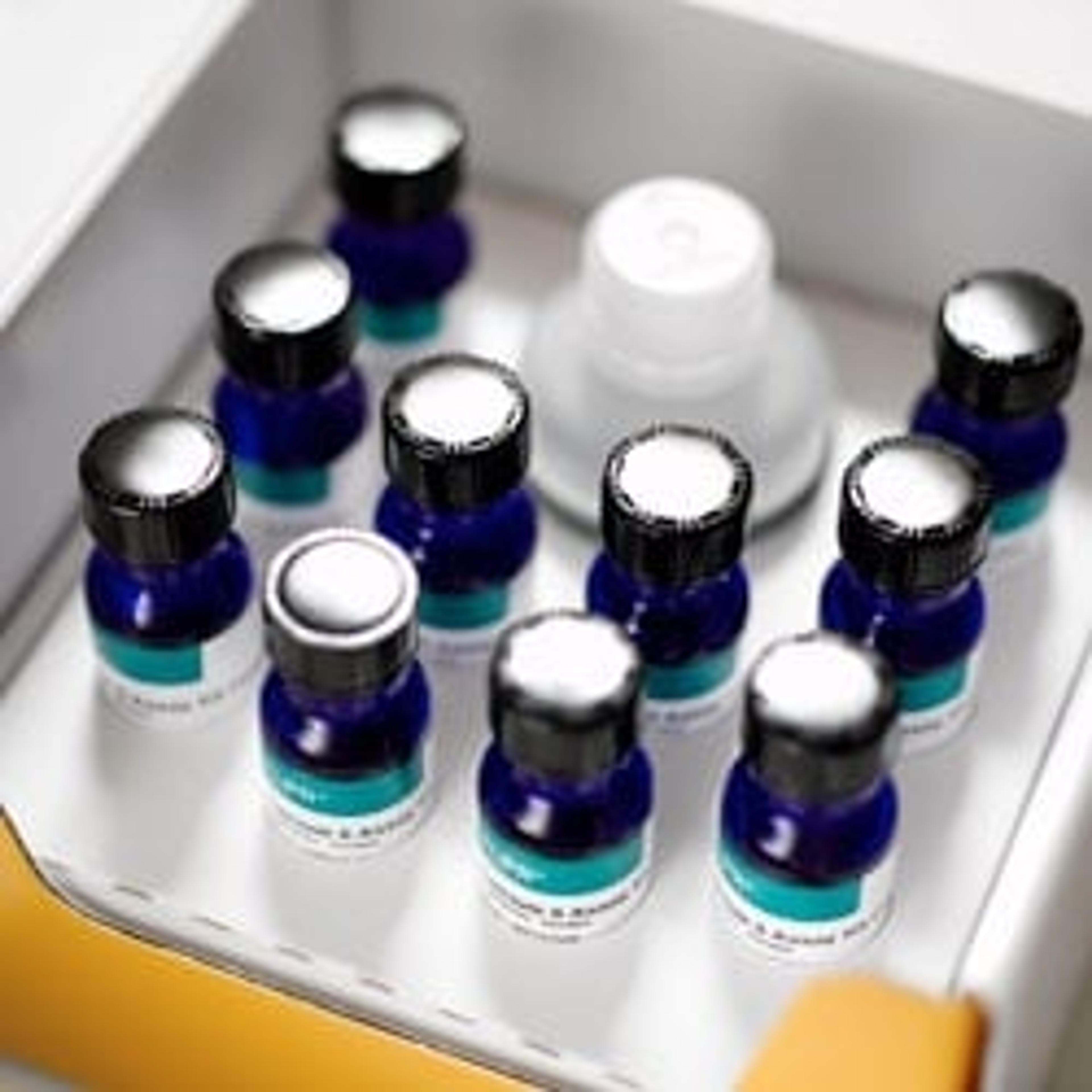
Frozen vials of organoids are available when you need them, streamlining your workflow and accelerating your research.
Scalable and reproducible
Batches of more than 6 million reproducible organoids enable these powerful models to be used for high-throughput applications.
Quality controlled
A rigorous - and customizable - quality control process ensures your organoids meet our standards and your expectations.
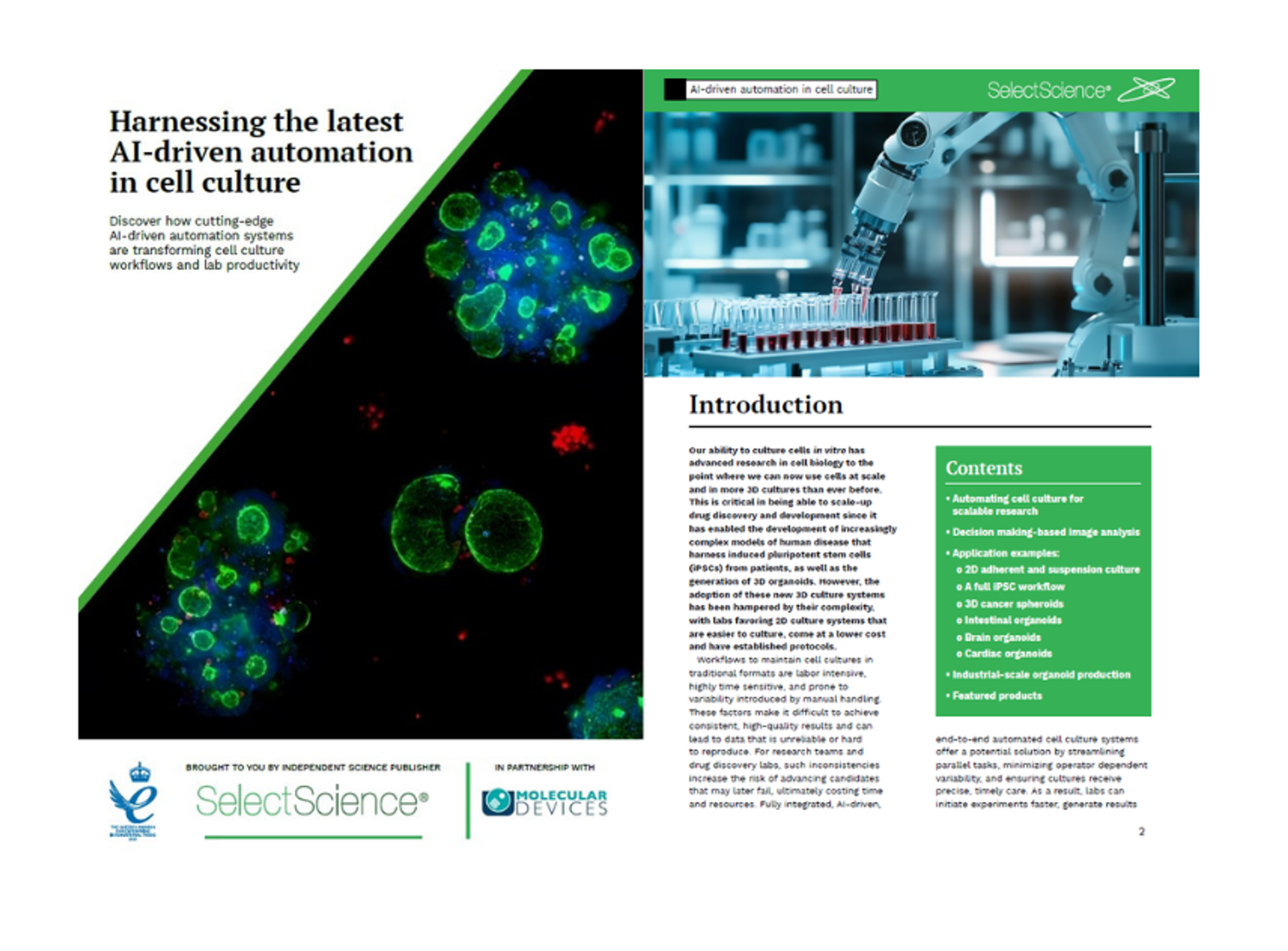
Harness the latest AI-driven automation in cell culture
Advances in in vitro cell culture have transformed cell biology, enabling researchers to work at greater scale and develop increasingly complex models of human disease. The rise of 3D culture systems, including patient‑derived induced pluripotent stem cells (iPSCs) and organoids, has expanded the potential of drug discovery and disease modeling by more closely replicating human physiology.
However, these advanced systems remain difficult to adopt. Manual cell culture workflows are labor‑intensive, time‑sensitive, and prone to operator‑dependent variability, while traditional 2D cultures persist due to their simplicity and established protocols. Such inconsistencies can limit reproducibility, slow research progress, and increase the risk of costly failures in drug development.
This SelectScience guide highlights how AI‑driven automated cell culture solutions from Molecular Devices® are addressing these challenges.
Download your copy to explore applications such as:
- 2D adherent and suspension culture
- A full iPSC workflow
- 3D cancer spheroids
- Intestinal organoids
- Brain organoids
- Cardiac organoids
- Industrial-scale organoid production
Resource details:
- Document type: SelectScience guide
- Page count: 73
- Read time: 110 mins
- Edition: 1st
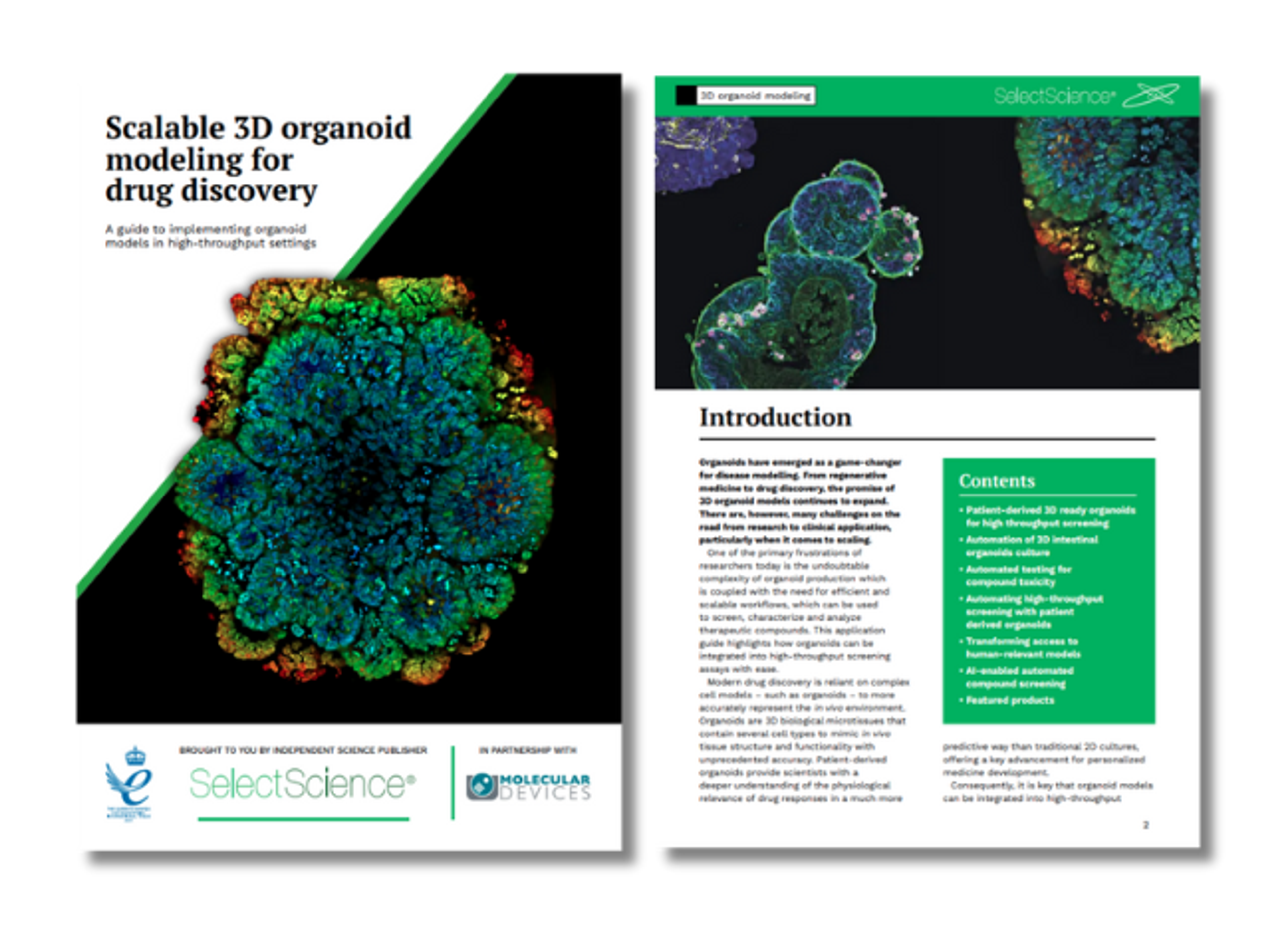
Scalable 3D organoid modeling for drug discovery
Discover how to overcome the challenges of scaling 3D organoid models for high-throughput drug discovery. This comprehensive guide delivered in partnership with Molecular Devices explores innovative solutions for automating organoid culture, screening, and analysis.
Download this SelectScience guide to explore:
- Patient-derived 3D Ready™ Organoids and Expansion Services
- The CellXpress.ai® Automated Cell Culture System
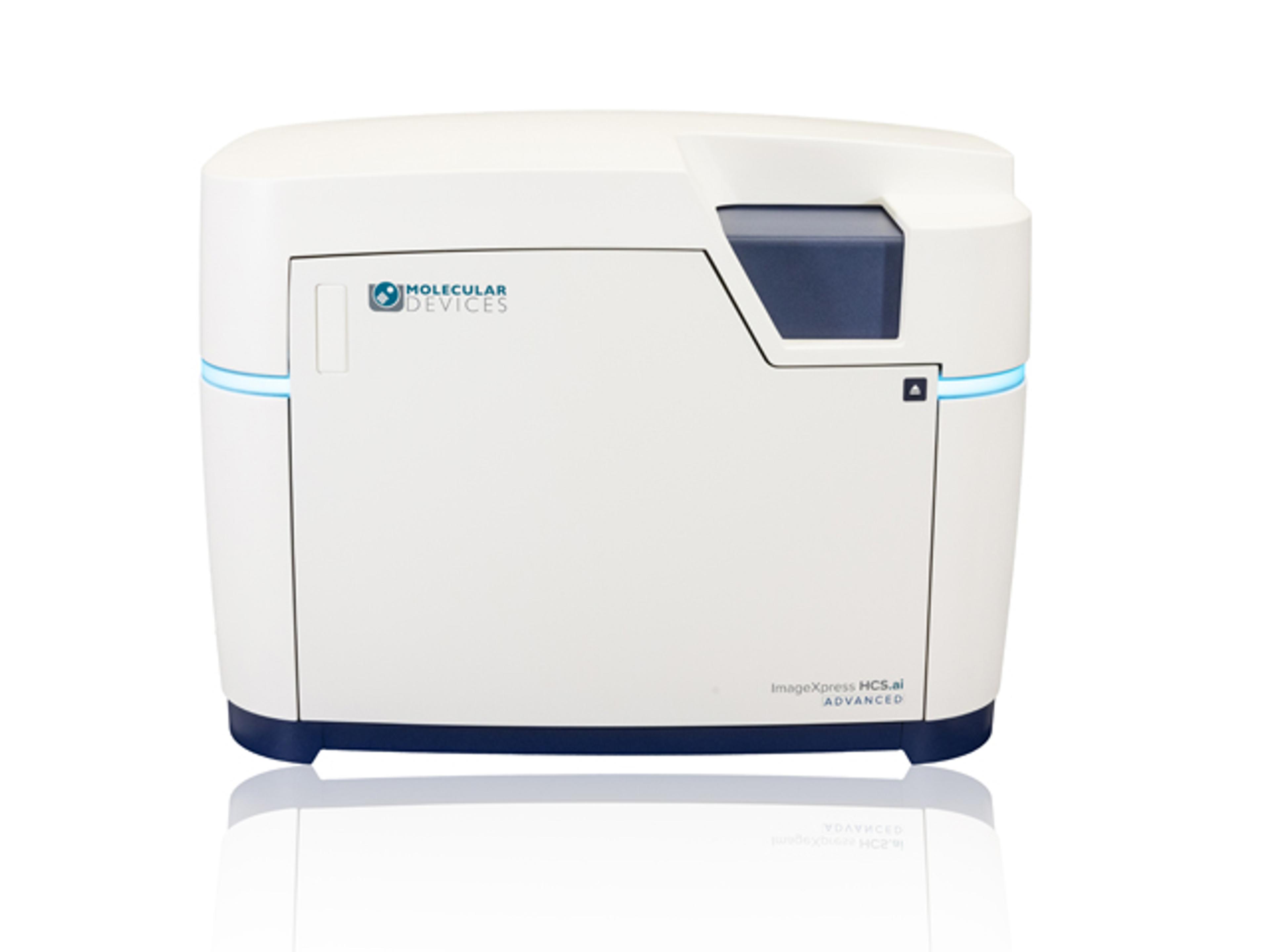
- High-content imaging with ImageXpress® HCS.ai and IN Carta® software
- AI-powered workflows for toxicity screening and phenotypic profiling
Ideal for researchers seeking reproducible, scalable, and human-relevant models to accelerate drug development and personalized medicine.
Resource details:
- Document type: SelectScience guide
- Page count: 36
- Read time: 54 mins
- Edition: 1st
Breaking through the barriers to scalable 3D biology
Wednesday, October 28 at 10:00 GMT | 11:00 CET | 06:00 EDT | 03:00 PDT
Three-dimensional (3D) cell models are delivering more predictive insights for drug discovery and disease research than ever before, but many laboratories still struggle to translate promising organoid studies into scalable, routine workflows. As the demand for biologically relevant models continues to grow, researchers must find ways to improve reproducibility, streamline complex workflows, and generate robust data without sacrificing throughput.
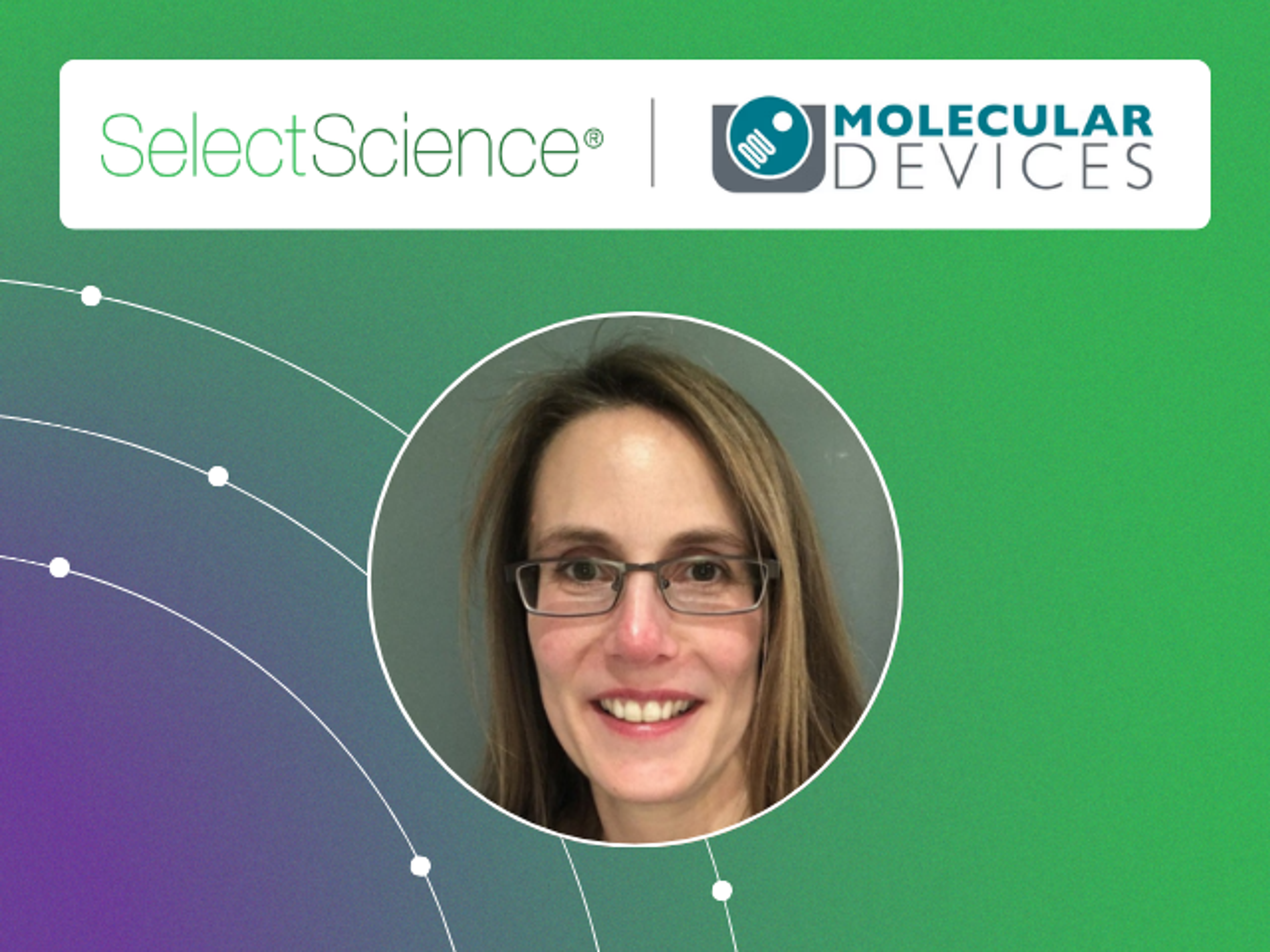
In this SelectScience® webinar, Dr. Emma Robertson of Molecular Devices® will share practical strategies for overcoming these challenges, drawing on more than 20 years of experience across cell biology, organoid workflows, high-content imaging, and laboratory automation.
Discover how advances in automation and AI-powered cell culture technologies can help improve consistency, increase scalability, and reduce workflow complexity in 3D biology applications. The session will also explore approaches to optimized characterization that can accelerate the generation of meaningful biological data and actionable scientific insights.
Whether you are looking to expand your use of organoids, improve workflow reproducibility, or generate more predictive data for drug discovery and disease research, this webinar will provide valuable guidance for building more efficient, scalable, and insight-driven 3D biology workflows.
Certificate of attendance
If you attend the live webinar, you will automatically receive a certificate of attendance, including a learning outcomes summary, for continuing education purposes.
If you view the on-demand webinar, you can request a certificate of attendance by emailing editor@selectscience.net.
Webinar details
Cost: Free to attend
Location: Online
Duration: 60 minutes
Registration is required to secure your place. If you register but can’t attend live, you will receive a link to the on‑demand recording once it becomes available.