
Turning precision medicine into clinical reality with automated NGS
12 Aug 2026
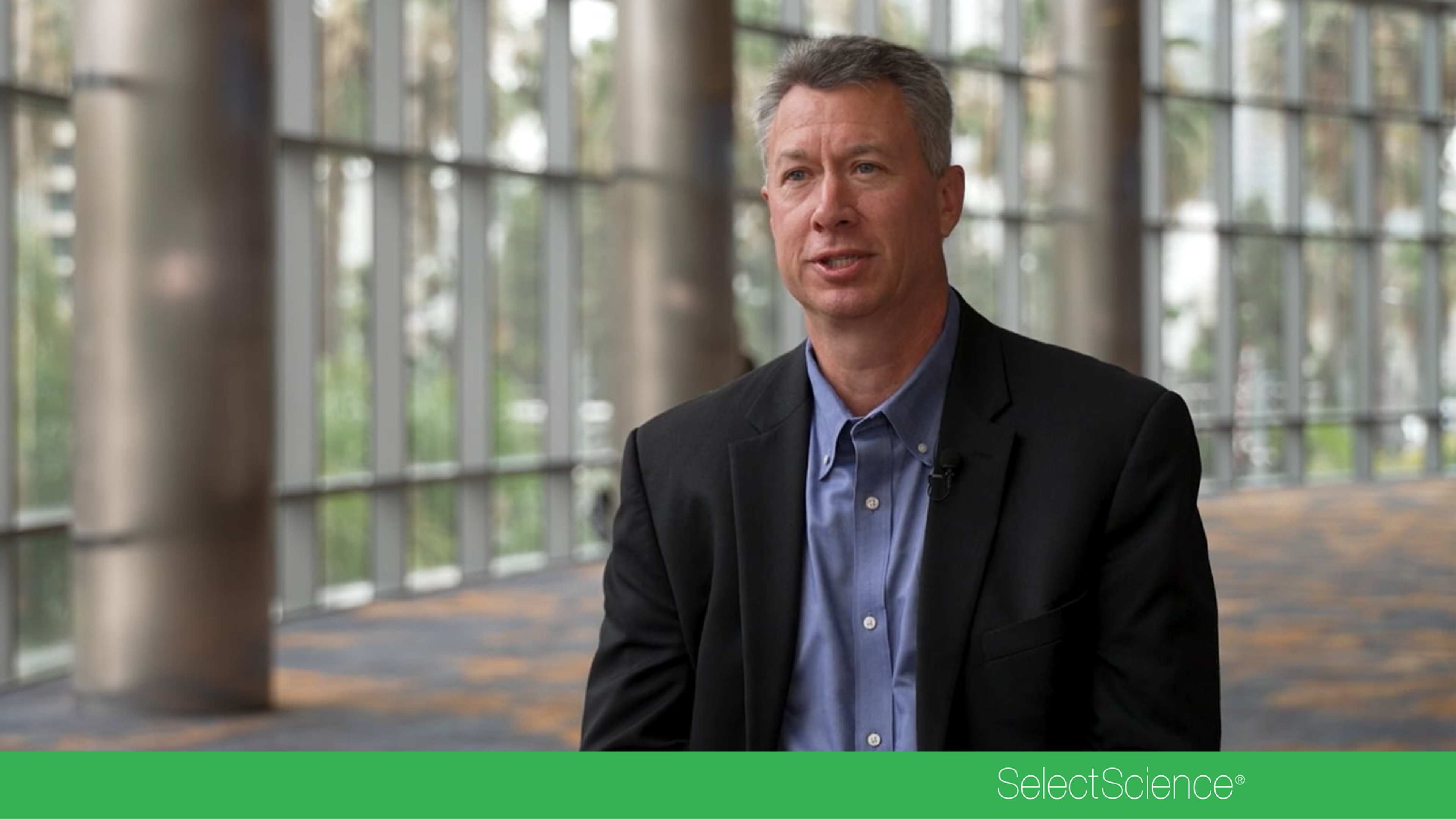
Precision medicine is moving closer to becoming a reality for every patient. In this SelectScience interview, Kathy Davy, President of the Clinical Next-Generation Sequencing business at Thermo Fisher Scientific, discusses how automation, AI, and end-to-end next-generation sequencing (NGS) workflows are helping expand access to genomic testing in clinical laboratories. Discover how the Genexus™ System is enabling localized testing, and is supporting a future where every patient with an actionable mutation can access precision medicine, regardless of where they receive care.
This interview was recorded at ADLM 2026, Anaheim, California.
About the company

Thermo Fisher Scientific
Thermo Fisher Scientific Inc. (NYSE: TMO) is the world leader in serving science, with annual revenue over $40 billion. Our Mission is to enable our customers to make the world healthier, cleaner and safer. Whether our customers are accelerating life sciences research, solving complex analytical challenges, increasing productivity in their laboratories, improving patient health through diagnostics or the development and manufacture of life-changing therapies, we are here to support them. Our global team delivers an unrivaled combination of innovative technologies, purchasing convenience and pharmaceutical services through our industry-leading brands, including Thermo Scientific, Applied Biosystems, Invitrogen, Fisher Scientific, Unity Lab Services, Patheon and PPD. For more information, please visit www.thermofisher.com.
Video transcript
Show transcript
Hi, I'm Kathy Davy. I'm the President of our Clinical Sequencing Division at Thermo Fisher.
For the question of whether genomics is still a specialty or if it's being brought to clinical labs everywhere, there's really a careful balance. While specialization is still important, we are now able to bring NGS to all clinical labs with full automation and end-to-end capabilities, allowing labs to bring answers to patients locally. We at Thermo Fisher believe this is really important and critical to future cancer care.
Automation and AI both play a critical role in NGS in the clinical lab today. We have focused a lot of our attention on full automation and the importance of automation in bringing answers locally to both clinicians and patients, allowing them to get onto cancer treatments faster.
The future of genomics and the balance between simplifying the workflow and advancing the science is a really great question. In terms of simplifying the workflow, we believe it is absolutely critical in order to enable access to any lab that wants to run NGS testing. You must have a simple workflow where the technology enables all technicians in the laboratory to run that testing.
However, we also have to continue to innovate. New biomarkers become relevant, the science continues to evolve, and we must stay on top of all the changes happening in our understanding of cancer. Really, we need to both simplify and innovate, and blend those two things together.
In five years' time, all patients with an actionable mutation are going to have access to precision medicine. The reason for that is products like Genexus, which allow full automation and bring testing into laboratories that couldn't otherwise deliver those answers. This enables localisation and helps make precision medicine accessible anywhere, in any clinical lab.
What does this video cover?
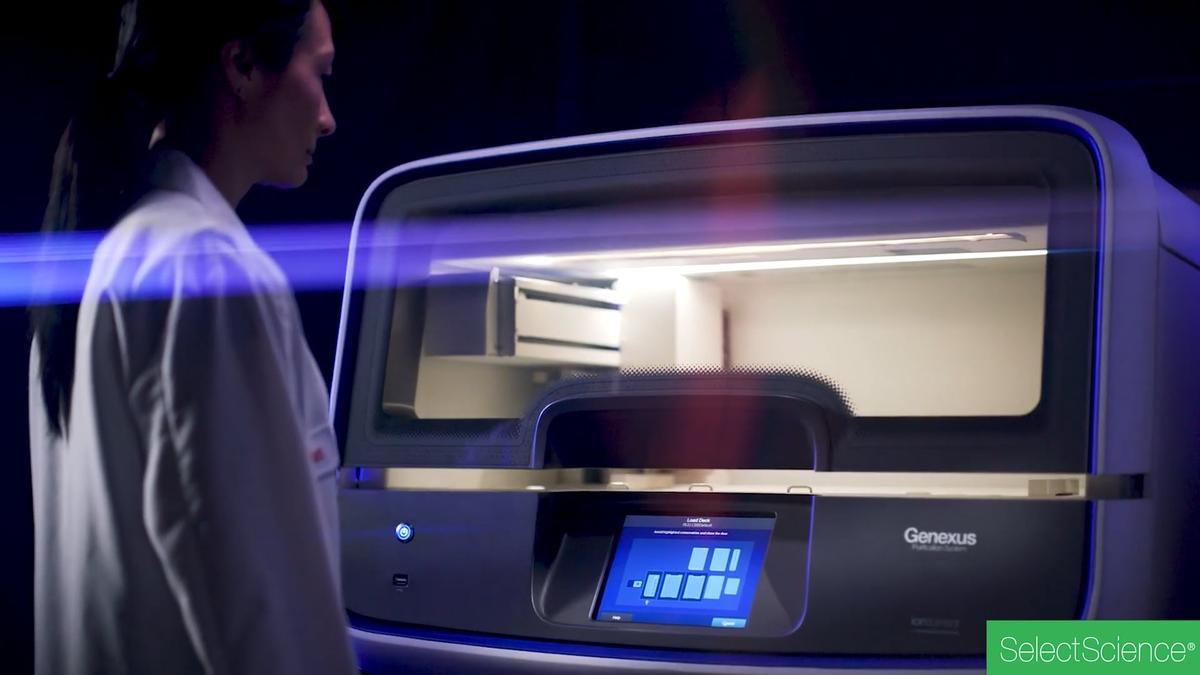
Genexus System Thermo Fisher Scientific
Topics covered in this video
- How is Thermo Fisher’s Genexus System expanding access to clinical NGS testing?
- What role do automation and AI play in precision oncology genomics workflows?
- How does the Genexus System enable localized genomic testing in routine clinical laboratories?
- Why is simplifying end-to-end NGS workflows critical for precision medicine in cancer care?
- How will actionable mutation testing transform access to precision medicine over the next five years?
Related products
Request Quote for All Products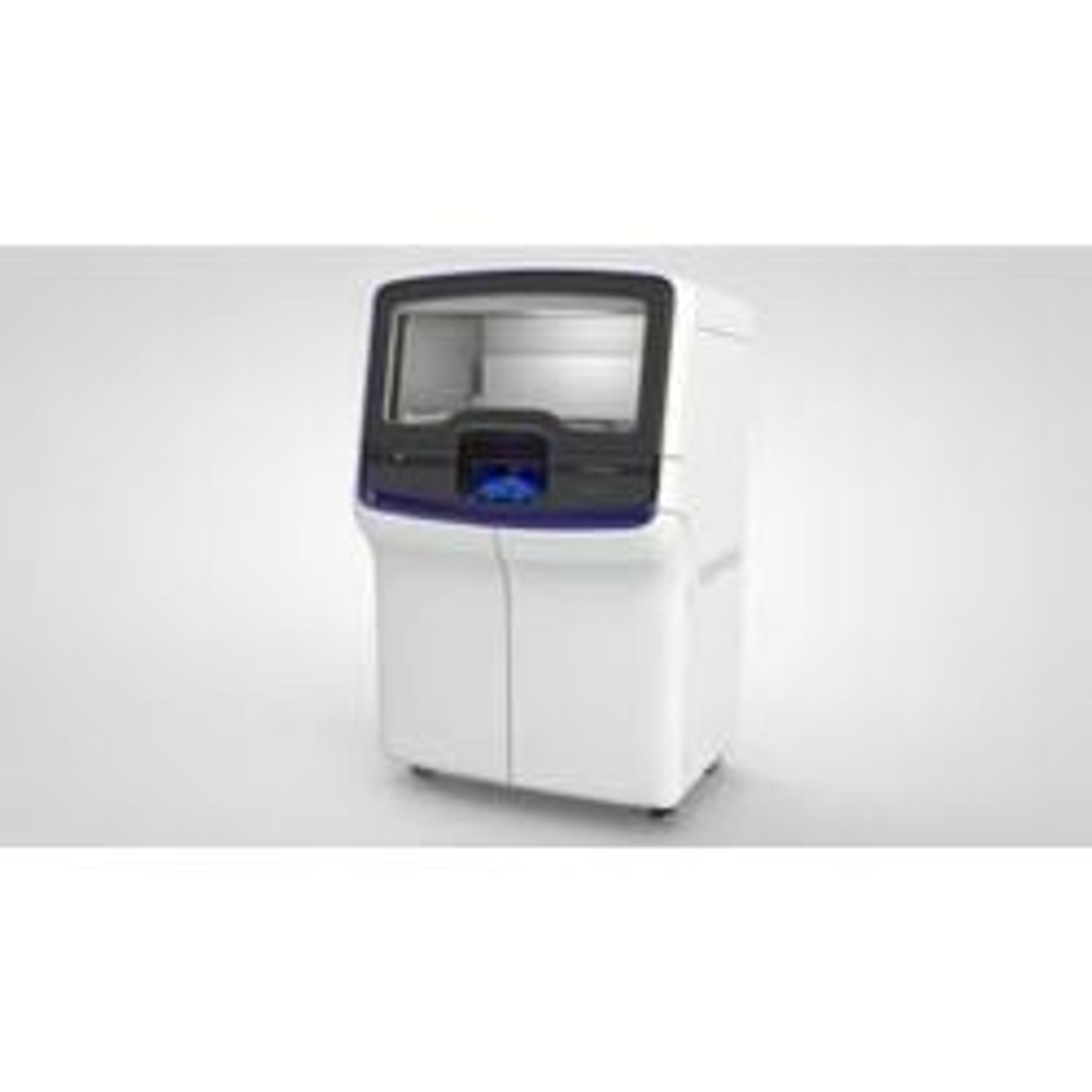
Ion Torrent Genexus Dx integrated sequencer
Thermo Fisher ScientificHarness the power of NGS for your clinical lab with a fast, flexible, automated CE-marked IVD system.
Other videos from Thermo Fisher Scientific


Links
Tags
Frequently asked questions
Show frequently asked questions
How is Thermo Fisher Scientific using automation and AI in NGS to expand access to clinical genomic testing?
Automation and AI in Thermo Fisher Scientific’s next-generation sequencing (NGS) workflows enable clinical laboratories to deliver local genomic testing. By focusing on full automation and end-to-end capabilities, labs can provide faster answers to clinicians and patients, helping them start cancer treatments sooner and making genomic testing more accessible beyond specialized centers.
What role does the Genexus System play in advancing precision medicine for patients with actionable mutations?
The Genexus™ System from Thermo Fisher Scientific enables fully automated, localized NGS testing in clinical laboratories that previously could not offer these services. By supporting end-to-end workflows, Genexus helps ensure that patients with actionable mutations can access precision medicine, regardless of where they receive care, moving toward a future where genomic-guided cancer treatment is available to every eligible patient.
How is Thermo Fisher Scientific balancing simplified NGS workflows with ongoing innovation in cancer genomics?
Thermo Fisher Scientific emphasizes that simplifying NGS workflows is essential so any clinical lab technician can run genomic tests. At the same time, the company continues to innovate as new cancer biomarkers emerge and scientific understanding evolves. By blending workflow simplification with scientific advancement, Thermo Fisher supports broader adoption of genomics while keeping pace with rapidly changing cancer research.