Next-generation Orbitrap mass spectrometers deliver 4x faster results and 5x higher sensitivity across 300+ applications
23 Jun 2026Discover Thermo Fisher Scientific’s latest Orbitrap innovations, delivering unprecedented sensitivity and up to 100% sequence coverage to accelerate scientific discovery across biopharma, proteomics, environmental testing, and food safety.
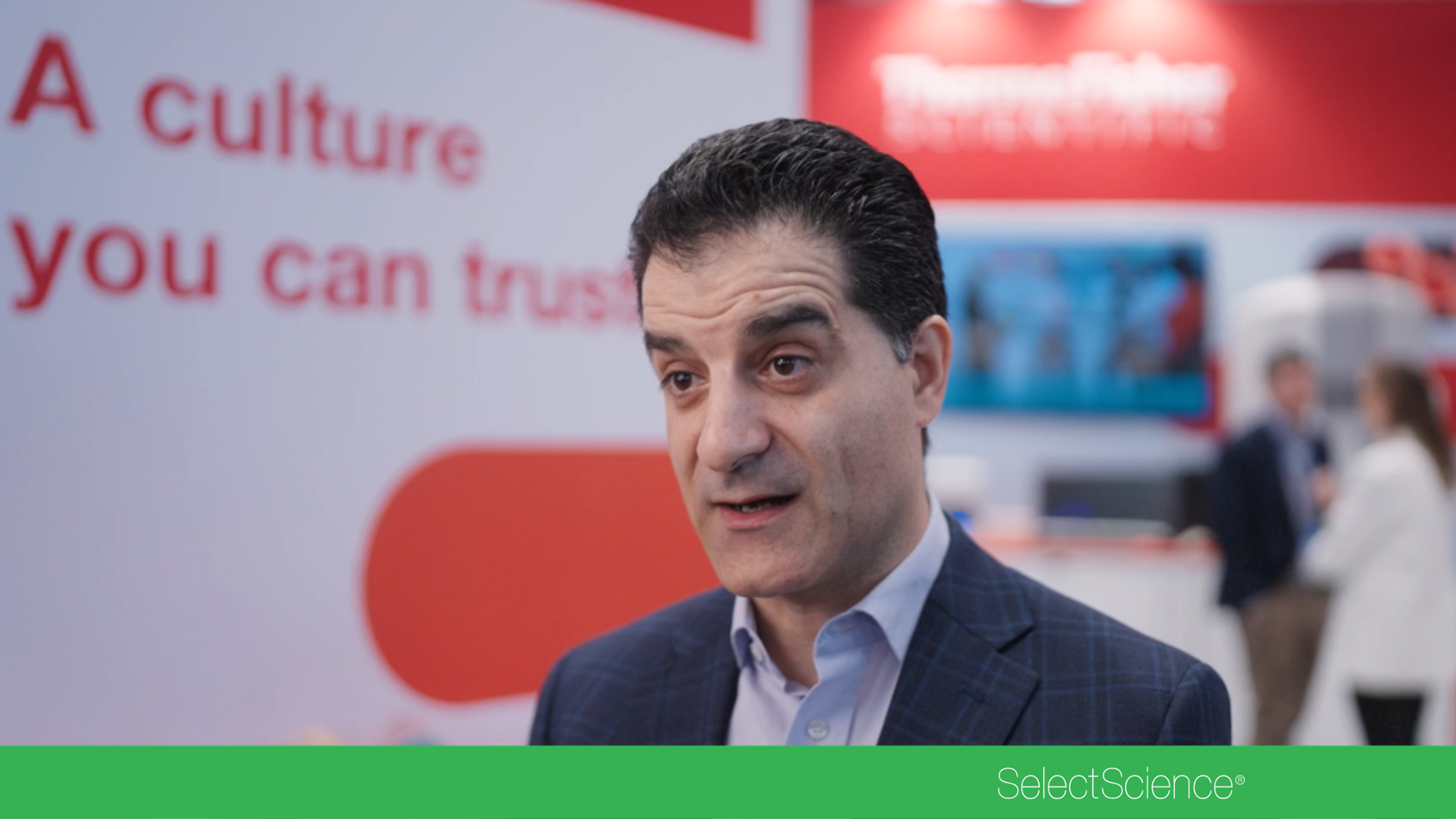
Hear from Shane Elliott, VP & GM for Life Sciences Mass Spectrometry, and Dr. Aaron Robitaille, Senior Director of Mass Spectrometry Marketing, as they detail how new AI‑enhanced workflows advance high‑confidence proteomics, streamline the detection of persistent organic pollutants, and enable faster analytical turnaround across complex sample types. These capabilities are already being applied in population‑scale research, including Singapore’s PRECISE Study, which is leveraging Orbitrap technology to advance the next generation of precision medicine.
This video was filmed at ASMS 2026.
About the company

Thermo Fisher Scientific
Thermo Fisher Scientific Inc. (NYSE: TMO) is the world leader in serving science, with annual revenue over $40 billion. Our Mission is to enable our customers to make the world healthier, cleaner and safer. Whether our customers are accelerating life sciences research, solving complex analytical challenges, increasing productivity in their laboratories, improving patient health through diagnostics or the development and manufacture of life-changing therapies, we are here to support them. Our global team delivers an unrivaled combination of innovative technologies, purchasing convenience and pharmaceutical services through our industry-leading brands, including Thermo Scientific, Applied Biosystems, Invitrogen, Fisher Scientific, Unity Lab Services, Patheon and PPD. For more information, please visit www.thermofisher.com.
Video transcript
Show transcript
We’re really focused on extending our Orbitrap HRAM technology. Obviously, the research market is something that we’re still very involved in and enabling the high end of research, but also pushing all the way down through post-research analytical development and even into the applied market. So we’re talking about multiomics, biopharma, small molecule, structural biology, and even into the environmental labs, environmental applications and workflows, so making sure that we’re keeping the water safe and clean, and all the way through to food applications where we’re keeping the food safe. With the Tribrid technology now used in over 300 different research applications, so very broad, and the new Orbitrap Tribrid Apex is being used in all of those applications, and it also delivers five times higher sensitivity, up to 100% sequence coverage, and results up to four times faster. So scientists can see more and get their results even quicker. So one of the releases that we’ve just made is the new Orbitrap Exploris GC S mass spectrometer, which is really focused on regulated dioxins and persistent organic pollutants in a full workflow. So it enables those scientists to see more and much faster.
We’re really excited to introduce the Thermo Scientific Orbitrap Tribrid Apex mass spectrometer. This innovation is really the most versatile Orbitrap that we’ve ever brought to the market. What makes it versatile is that it combines direct mass technology, which helps our customers analyze larger and more complex molecules, particularly biotherapeutics, identifying their charge state. But then we combined it with alternative fragmentation. We have a new IR laser. And what’s really powerful about this is it can be combined with other forms of alternative fragmentation and put together, including ETD and HCD. This creates a very data-rich environment, which then our AI-powered software improvements can extract more information for our customers faster than ever before. So the new innovation of the Orbitrap Tribrid Apex is really part of an end-to-end workflow solution that combines separation with our Vanquish Neo systems, like our new Vanquish Amplify. It’s a bioinert system designed for oligonucleotide analysis, and then our mass detector with the Orbitrap Tribrid Apex, and our new software solutions, which have really been enhanced by AI, such as BioPharma Finder and Compound Discoverer. And then we wrap this all together from a customer experience with our Unity Lab Services, which ensures our customers are successful from installation through daily operation. So we’ve also recently introduced the Thermo Scientific Orbitrap Excedion Mass Spectrometer. What makes this instrument really unique is that it has enhanced dynamic range. This helps our customers, particularly those in the pharmaceutical industry, see more of what’s in their sample. So when they want to analyze small molecules to understand how the body metabolizes them to ensure they’re creating safe and effective therapeutics, one of the most exciting advances is really in the field of proteomics, where we’re combining not just mass spectrometry-based proteomics with our Orbitrap Astral Zoom platform in particular, but how that is complementary to the OLink solutions, which really allows the power of precision medicine to be scalable across large cohorts. An example of that is the PRECISE study in Singapore, which is really being powered then on the back end by next-generation AI-driven data analytics. This will help create personalized medicines in the future.
The technology never stops. And we’re seeing the mass spec technology again continuing to grow at the high end of research, but also now some of those HRAM technologies push further down into the value chain, even all the way down through to some of the applied markets, food safety and water testing, environmental testing. And the other thing that’s really, I guess, a megatrend and something that we’re very involved in is building those AI and machine learning tools into the software to help scientists find what they’re looking for but make decisions faster.
What does this video cover?
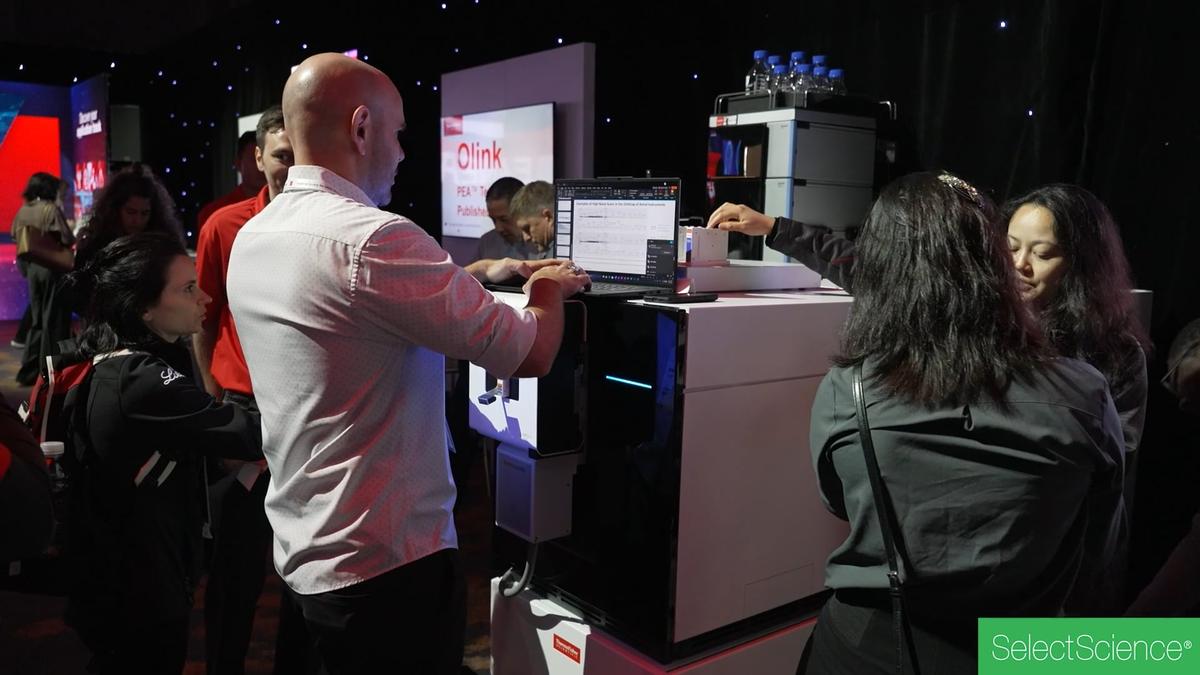
Topics covered in this video
- How is Thermo Fisher’s Orbitrap Tribrid Apex transforming biopharma mass spectrometry workflows?
- What Orbitrap HRAM innovations support multiomics, proteomics, and precision medicine research?
- How does the PRECISE Study in Singapore leverage Orbitrap Astral Zoom technology?
- How do AI‑enhanced tools like BioPharma Finder accelerate biotherapeutic characterization?
- What advantages does the Orbitrap Exploris GC S offer for regulated dioxin testing?
FAQs
How is Thermo Fisher Scientific using Orbitrap mass spectrometry and AI to advance biopharma and proteomics research?
Thermo Fisher Scientific extends Orbitrap HRAM and Tribrid technologies from high-end research into biopharma, multiomics, small molecule, and structural biology. The Orbitrap Tribrid Apex delivers higher sensitivity, faster results, and data-rich alternative fragmentation. AI‑enhanced software such as BioPharma Finder and Compound Discoverer extracts more insights, helping scientists accelerate discovery in proteomics and biotherapeutic development.
What role do Orbitrap innovations play in environmental testing and food safety workflows?
Orbitrap technologies, including the Orbitrap Exploris GC S mass spectrometer, support applied markets such as environmental testing and food safety. They enable full workflows for regulated dioxins and persistent organic pollutants, helping labs keep water safe and clean and ensure food safety. High‑resolution, accurate‑mass (HRAM) performance lets scientists detect more contaminants faster, improving regulatory compliance and public health protection.
How are Orbitrap platforms powering precision medicine and large-scale population studies like Singapore’s PRECISE Study?
Thermo Fisher’s Orbitrap platforms, including Orbitrap Astral Zoom, combine mass spectrometry‑based proteomics with Olink solutions to scale precision medicine across large cohorts. Singapore’s PRECISE Study leverages Orbitrap technologies and next‑generation AI‑driven data analytics to support large‑scale population research. These integrated workflows aim to reveal proteomic signatures that enable future personalized medicines and more targeted therapeutic strategies.
Related products
Request Quote for All Products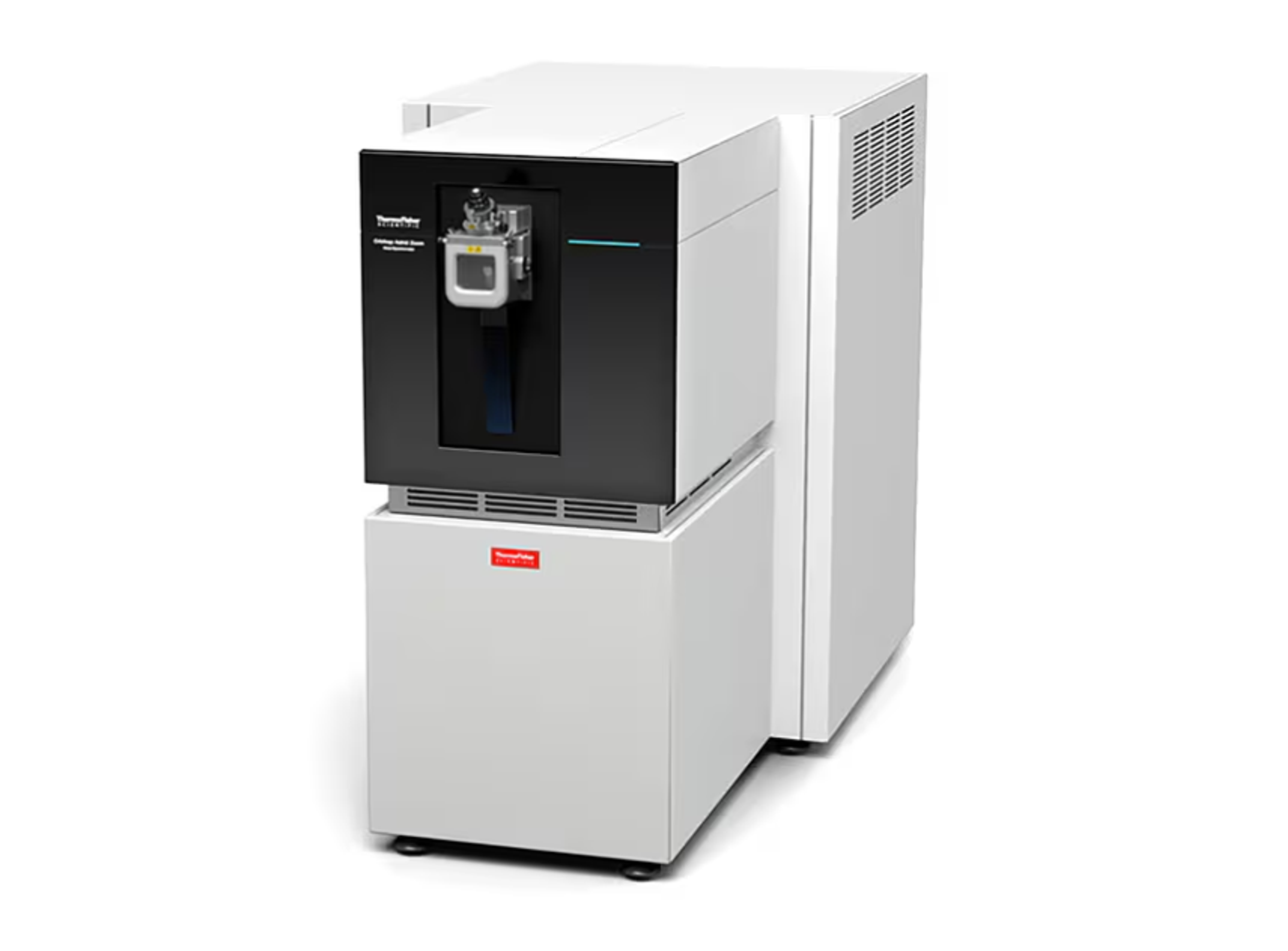
Thermo Scientific™ Orbitrap™ Astral™ Zoom
Thermo Fisher ScientificIncrease proteomics throughput, depth, and sensitivity for samples from single cells to plasma with the Orbitrap Astral Zoom Mass Spectrometer