Thermo Fisher Scientific’s latest mass spec innovations: new Orbitrap, AI capabilities, and complete workflows
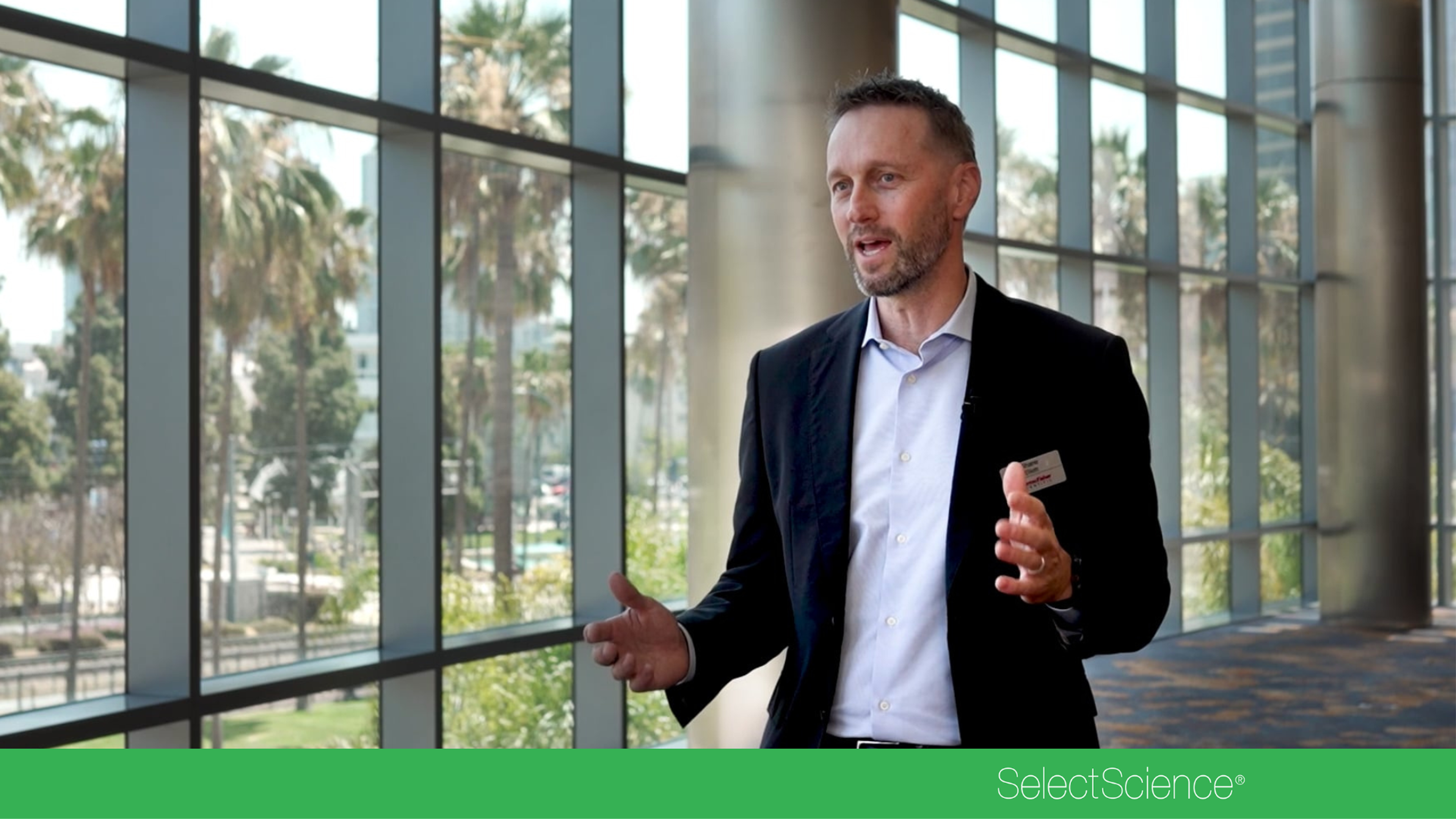
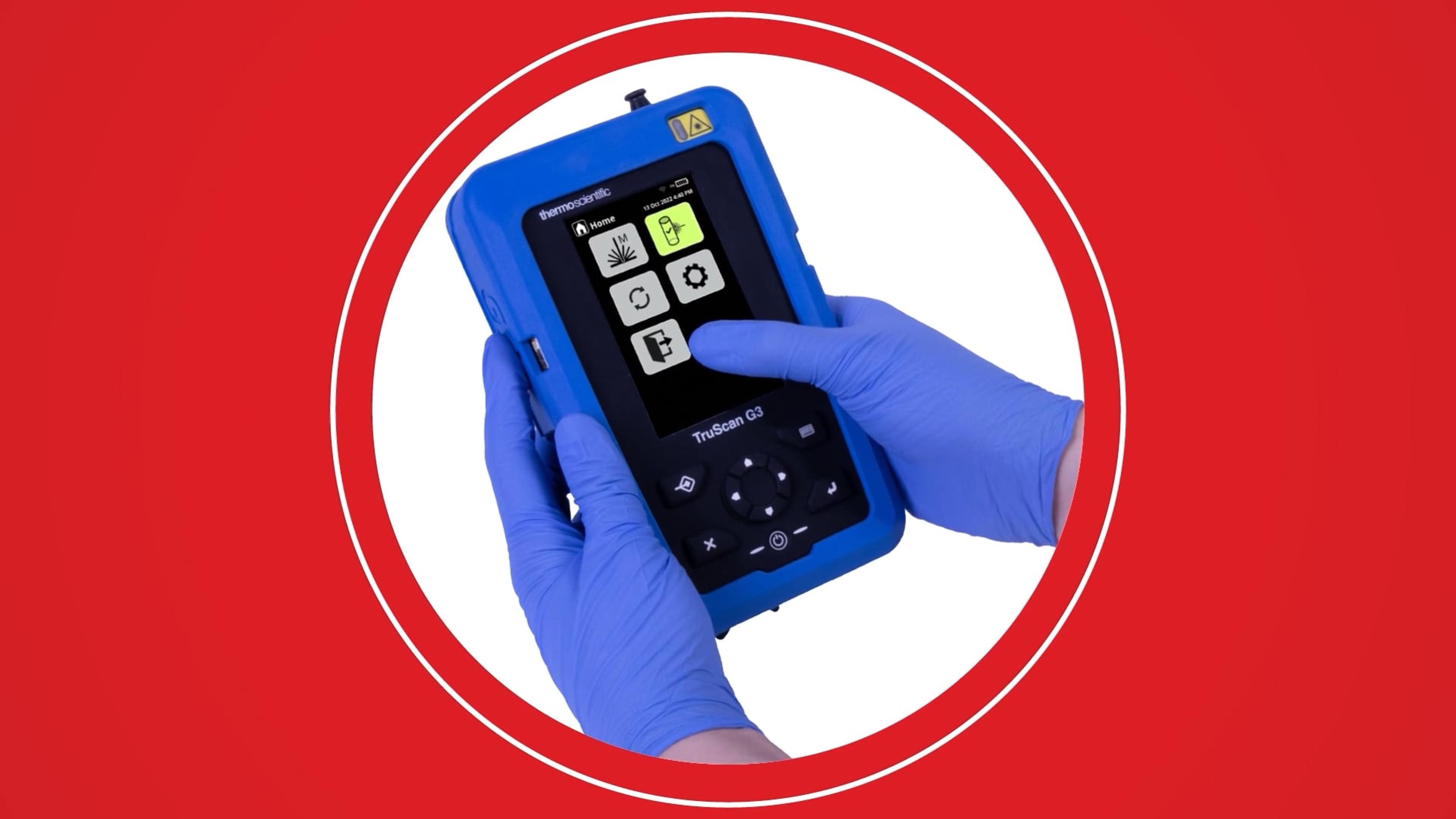
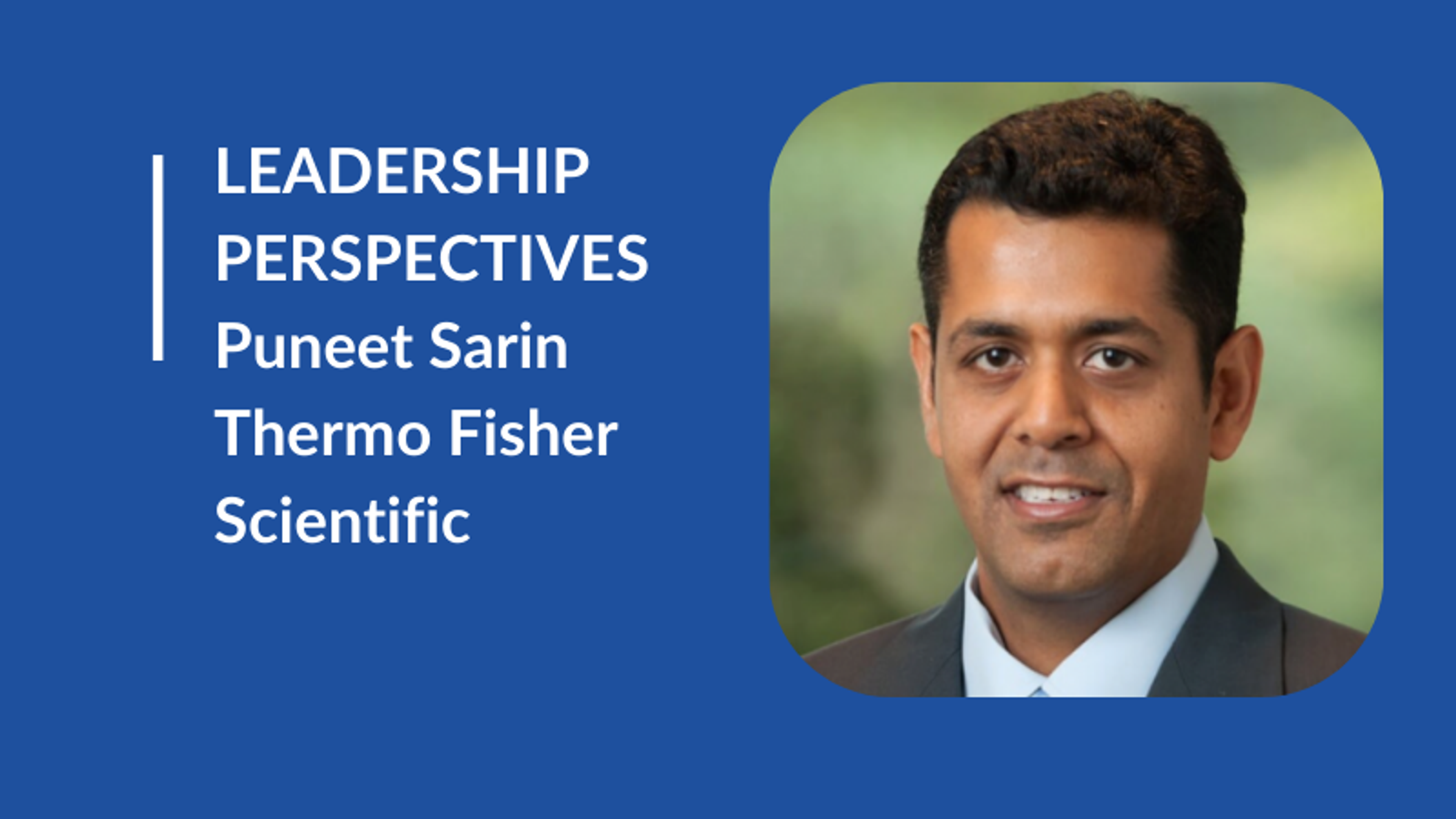
19 Jun 2026Hear Dan Shine, SVP and President of Analytical Instruments at Thermo Fisher Scientific, discuss the launch of the Thermo Scientific™ Orbitrap™ Tribrid™ Apex, alongside the latest innovations in separations. Explore advances in multi‑omic discovery, AI‑powered insights, and real‑world applications showing how scientists are using these technologies to accelerate breakthroughs. Learn how end‑to‑end workflows, smarter automation, and closer collaboration are shaping the future of analytical science.
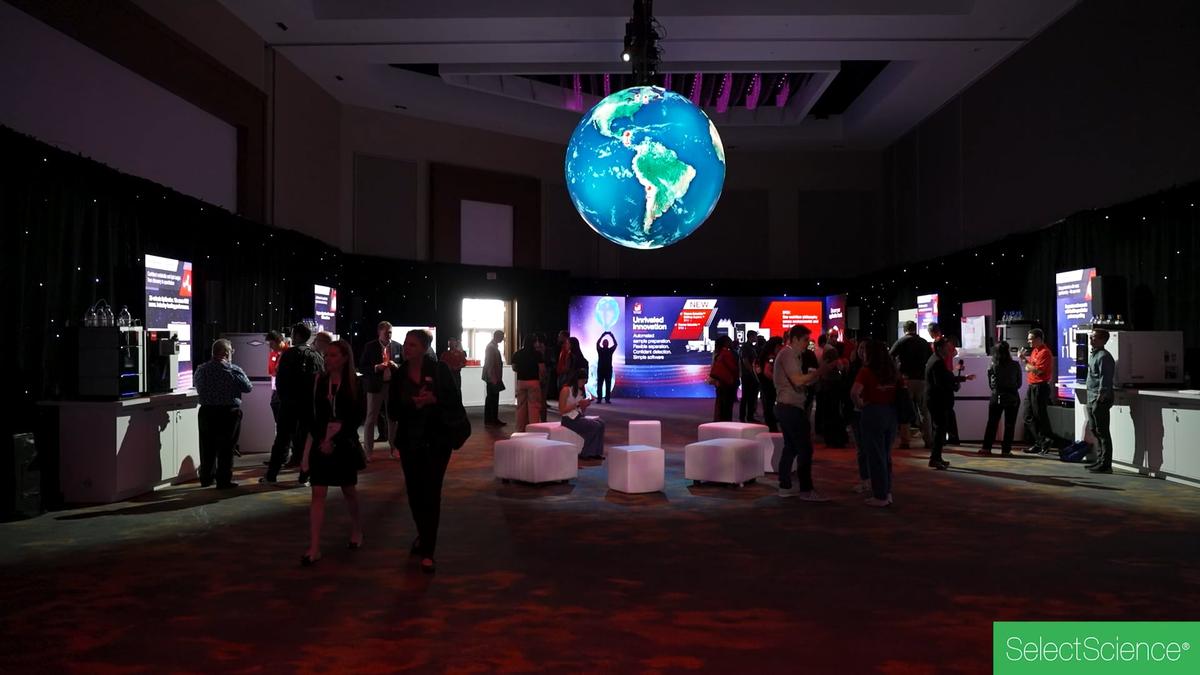
This video was filmed at ASMS 2026.
About the company

Thermo Fisher Scientific
Thermo Fisher Scientific Inc. (NYSE: TMO) is the world leader in serving science, with annual revenue over $40 billion. Our Mission is to enable our customers to make the world healthier, cleaner and safer. Whether our customers are accelerating life sciences research, solving complex analytical challenges, increasing productivity in their laboratories, improving patient health through diagnostics or the development and manufacture of life-changing therapies, we are here to support them. Our global team delivers an unrivaled combination of innovative technologies, purchasing convenience and pharmaceutical services through our industry-leading brands, including Thermo Scientific, Applied Biosystems, Invitrogen, Fisher Scientific, Unity Lab Services, Patheon and PPD. For more information, please visit www.thermofisher.com.
Video transcript
Show transcript
We’re here at ASMS in San Diego. We’ve launched some incredible new mass spectrometers. One of the highlights of the show is the Thermo Scientific Orbitrap Apex mass spectrometer. This is a highest performing tribrid, allowing us to kind of combine three mass analyzers into one system. And this is helping scientists, you know, get much deeper coverage at a much faster speed than they ever could before.
Yesterday we heard from a few customers, you know, one is really just understanding how different disease states are present. And really what the goal here is not just understanding kind of what triggers the disease. but help us get to cures faster, right? So one, is it present? And two, how do we kind of treat that disease and potentially cure patients going forward? So it’s a great connection between our tools and helping people be healthier, cleaner, and safer with getting to cures much faster.
One thing really highlighting this year is the whole workflow, right? So we’re looking at everything from the sample introduction with a new separation system in the front end, the new HPLC, to the mass spectrometer, to the software in the back end. Really try to put all those things together to help customers understand the data much better than they ever could before in a much more seamless fashion.
When we think about AI, it’s incredible. And what drives AI is data, right? Our instruments produce incredible data and that’s being consumed by the AI algorithms. And really the goal here is to how do we drive breakthrough at a much faster rate. How do we see stuff in the data we couldn’t see before and draw those connections from a multi -omic approach? So it really is going to improve the pace of science and help us get breakthroughs at a much greater rate.
Customers are the center of everything we do. So we focus a lot on collaborations. It’s one thing to kind of think about where the technology can head, but it’s even more important about the application. With these capabilities, what can it do in a customer’s lab with real-life samples?
So we work very closely in the development process to make sure that the systems we develop will have a real-world application. On the weekend, we had a users meeting and we had 70 customers present their stories. So we launched new systems, but we had customers up there talking about, you know, this is the work they’re doing. It’s really inspiring when we think about how they’re trying to improve the world we live in from a food safety, environmental drug discovery. So many great examples and our customers are right at the center of that.
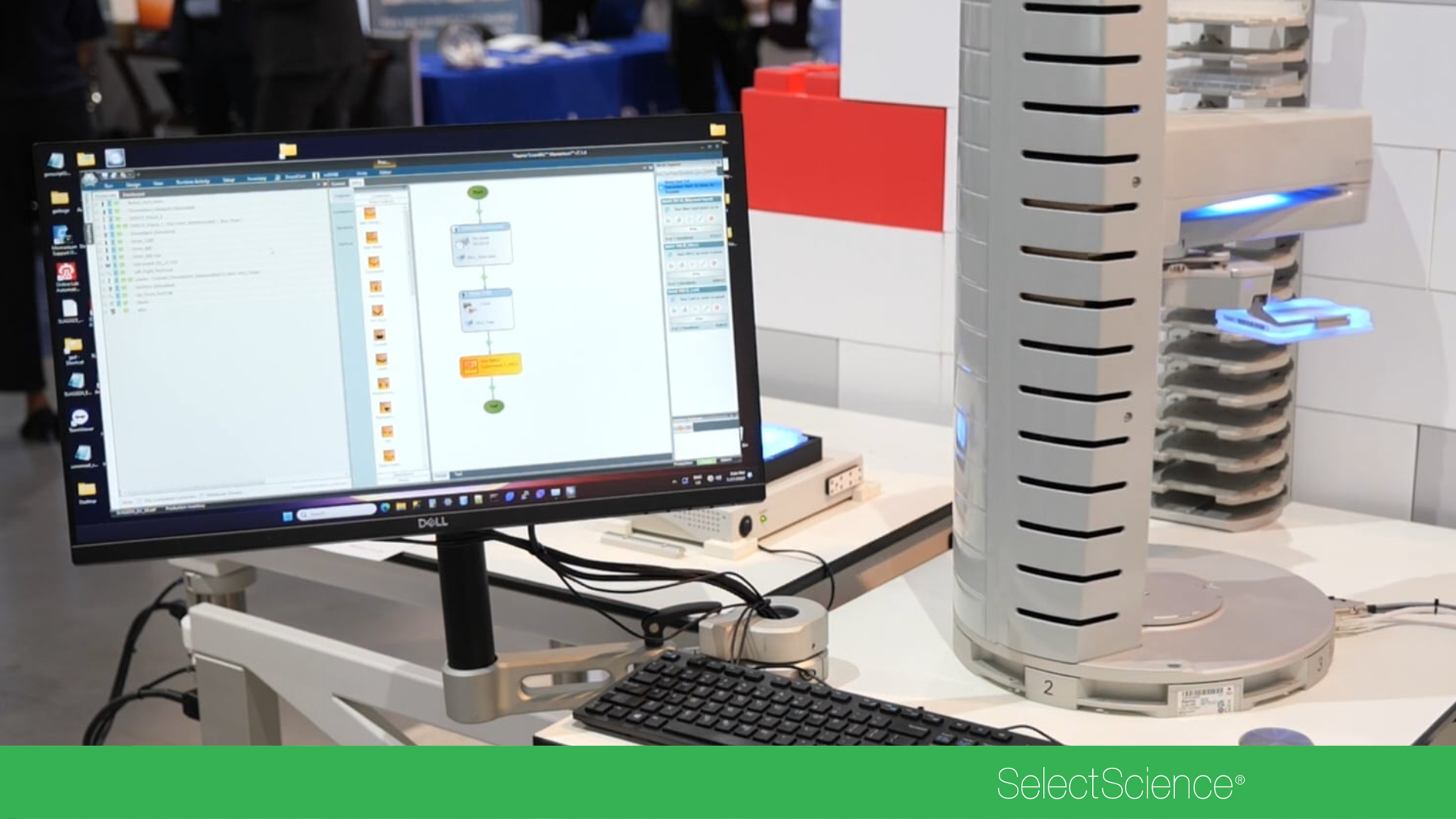
The only thing about the future, a lot of customers I’m talking to are really focused on automated workflows, right? So how they do the work today, but how can we automate some of that to just get the data even more quickly, feed the samples into the system, get the data on the back end and process it. You’ll see a lot of advances there as we look at one year, three years, five years out.
What does this video cover?
Topics covered in this video
- How does the Thermo Scientific™ Orbitrap™ Tribrid™ Apex advance multi-omic discovery at ASMS?
- What AI-powered insights are enabled by Thermo Fisher Scientific mass spectrometry workflows?
- How do end-to-end Orbitrap Apex workflows accelerate disease research and drug discovery?
- In what ways is Thermo Fisher Scientific improving automated mass spectrometry workflows for customers?
- How are real-world customer collaborations shaping Thermo Fisher Scientific analytical innovations at ASMS?