Interaction analysis masterclass with Malvern Panalytical
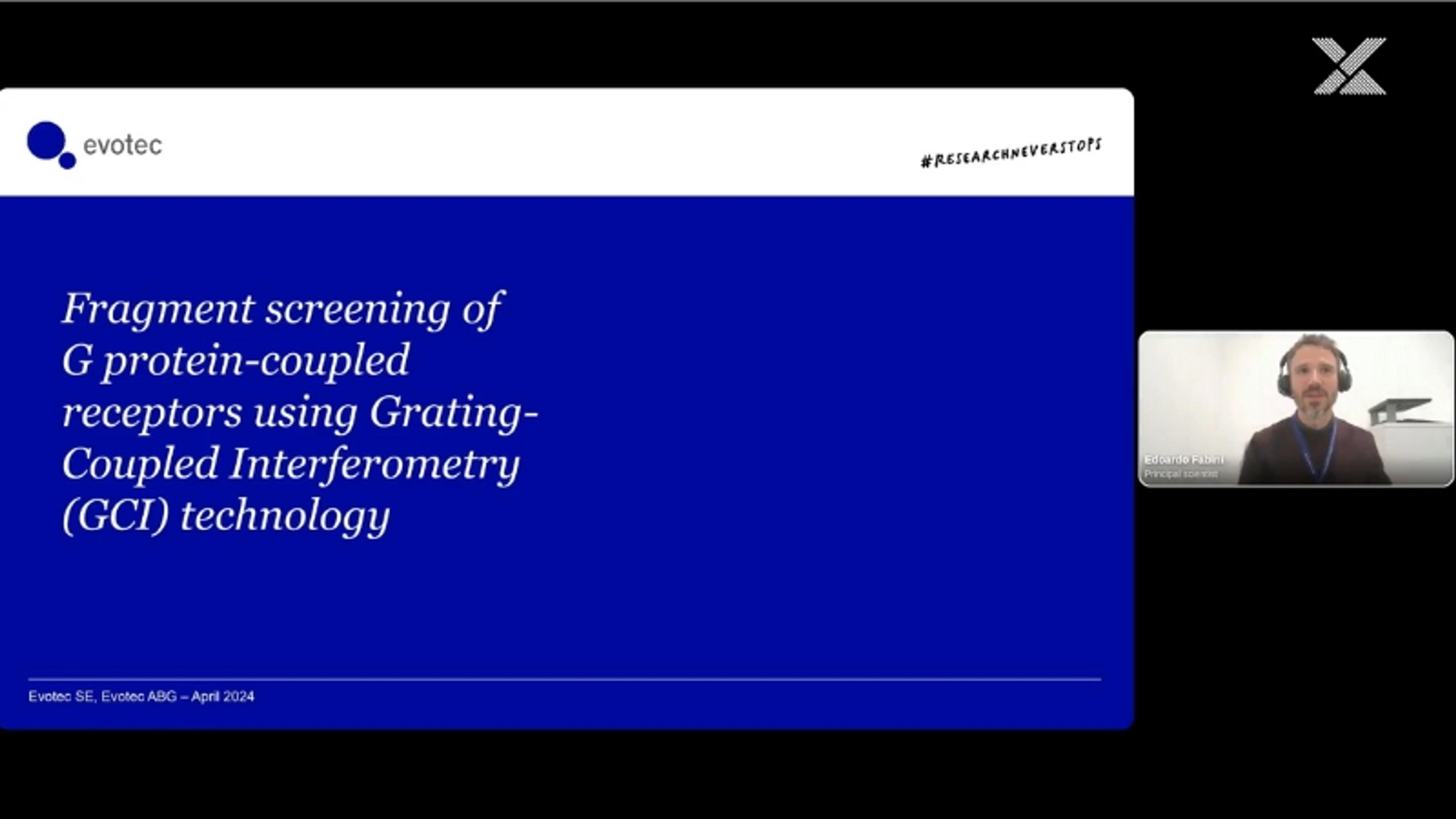
3 Sept 2024This Malvern Panalytical masterclass delves into the intricacies of interaction analysis and explores how ITC and GCI are complementary and orthogonal techniques for all early-stage drug discovery needs. Discover how ITC and GCI technologies can be applied to complex targets and interactions in a series of applications from hit identification to lead-optimization.
About the company
Malvern Panalytical
Together we are a powerful and highly complementary combination of market-leading technologies.
Malvern Panalytical brings together the strengths of Micromeritics Instrument Corporation and SciAps, forming a comprehensive and highly complementary portfolio of advanced analytical technologies.
We provide precision instruments, software, and services that measure the chemical, physical, and structural properties of materials — from proteins and polymers to batteries, catalysts, semiconductors, and minerals.
- Malvern Panalytical specializes in particle characterization, X-ray diffraction (XRD), X-ray fluorescence (XRF), and molecular interaction analysis.
- Micromeritics is a global leader in surface area and porosity analysis, particle characterization, and density measurement solutions.
- SciAps delivers portable, high-performance XRF and Raman analyzers for field-based elemental and materials analysis.
With more than 92,000 systems installed worldwide and global operations across North America, Europe, and Asia, our technologies help customers accelerate innovation, optimize processes, and ensure quality across industries including pharmaceuticals, advanced materials, energy storage, chemicals, metals, mining, and environmental science.
As part of Spectris plc, we combine decades of scientific expertise with a strong commitment to sustainability, customer support excellence, and enabling a cleaner, healthier, and more productive world.
LinkedIn: Malvern Panalytical YouTube: Malvern Panalytical
Related products
Request Quote for All Products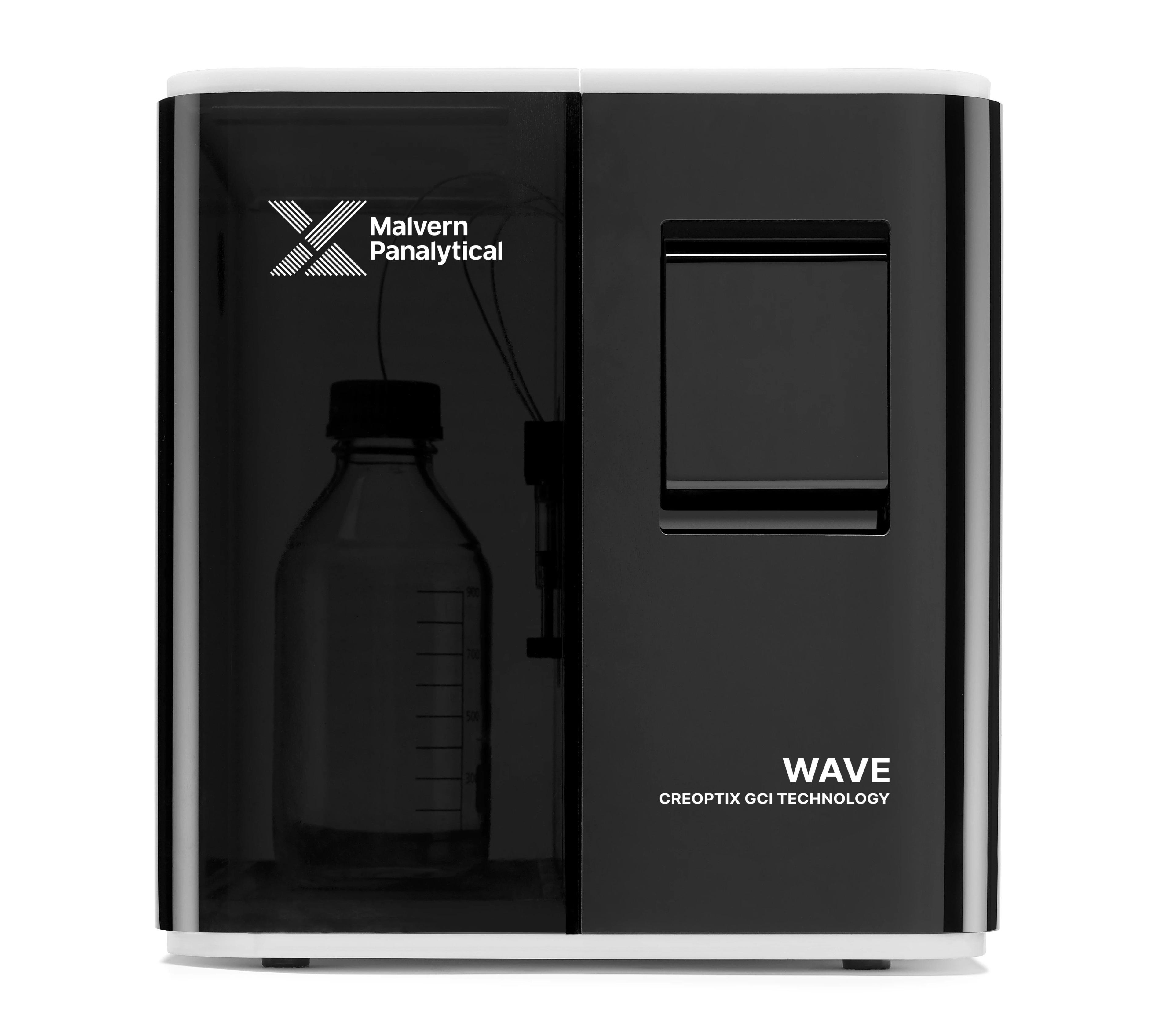
WAVEsystem - Bioanalytical System
Malvern PanalyticalKeeping kinetics real: label-free data like you've never seen before
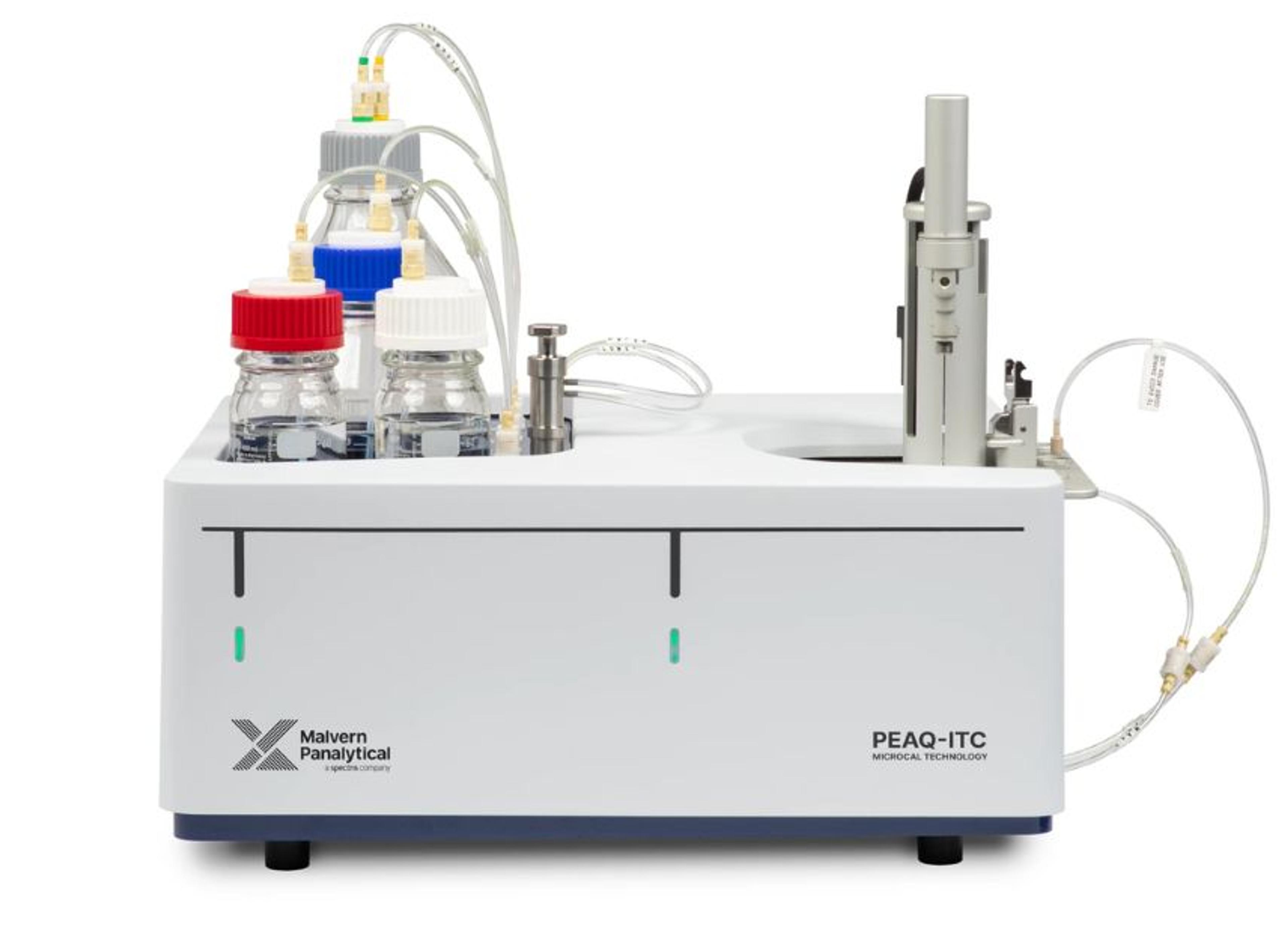
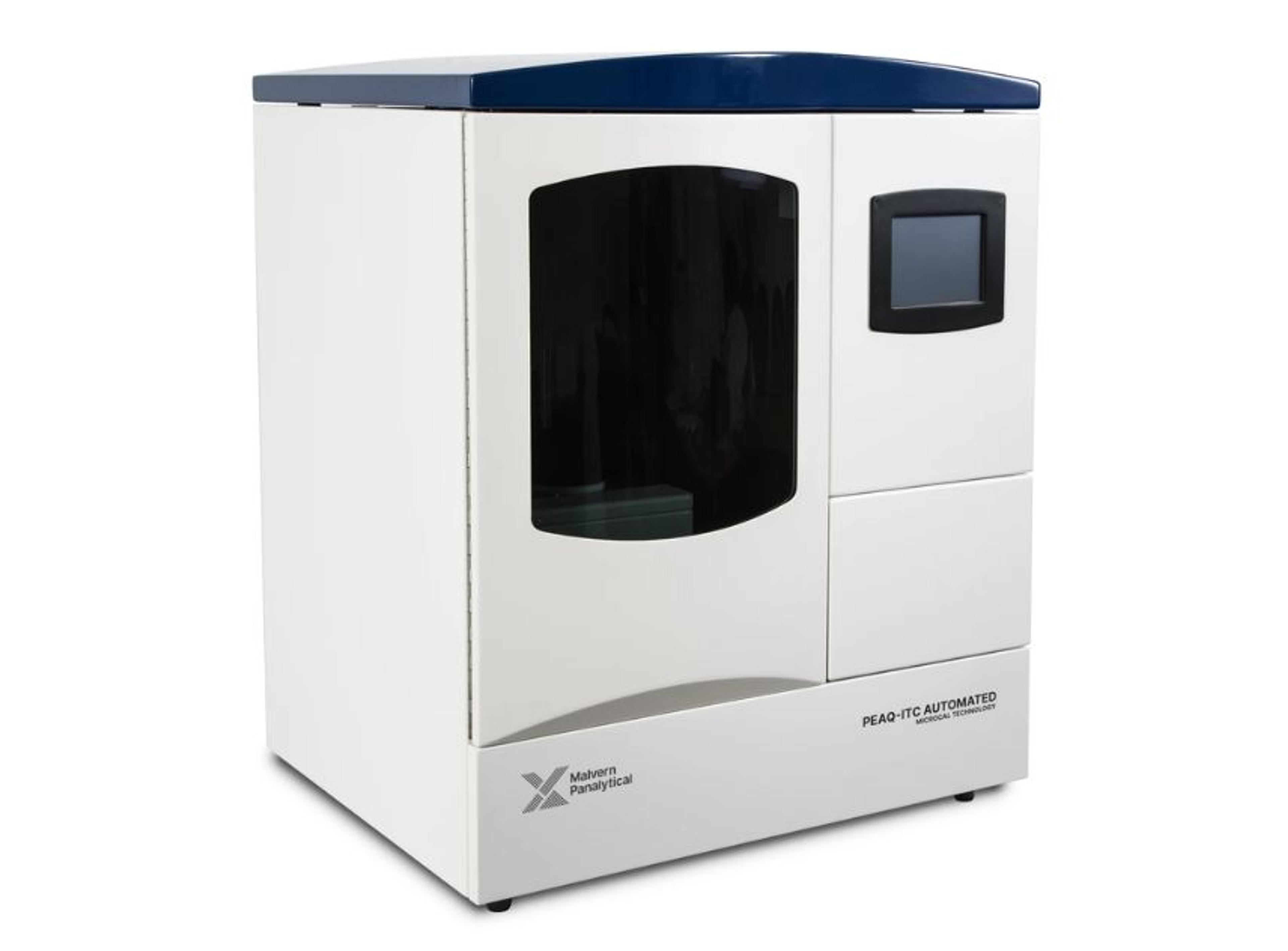
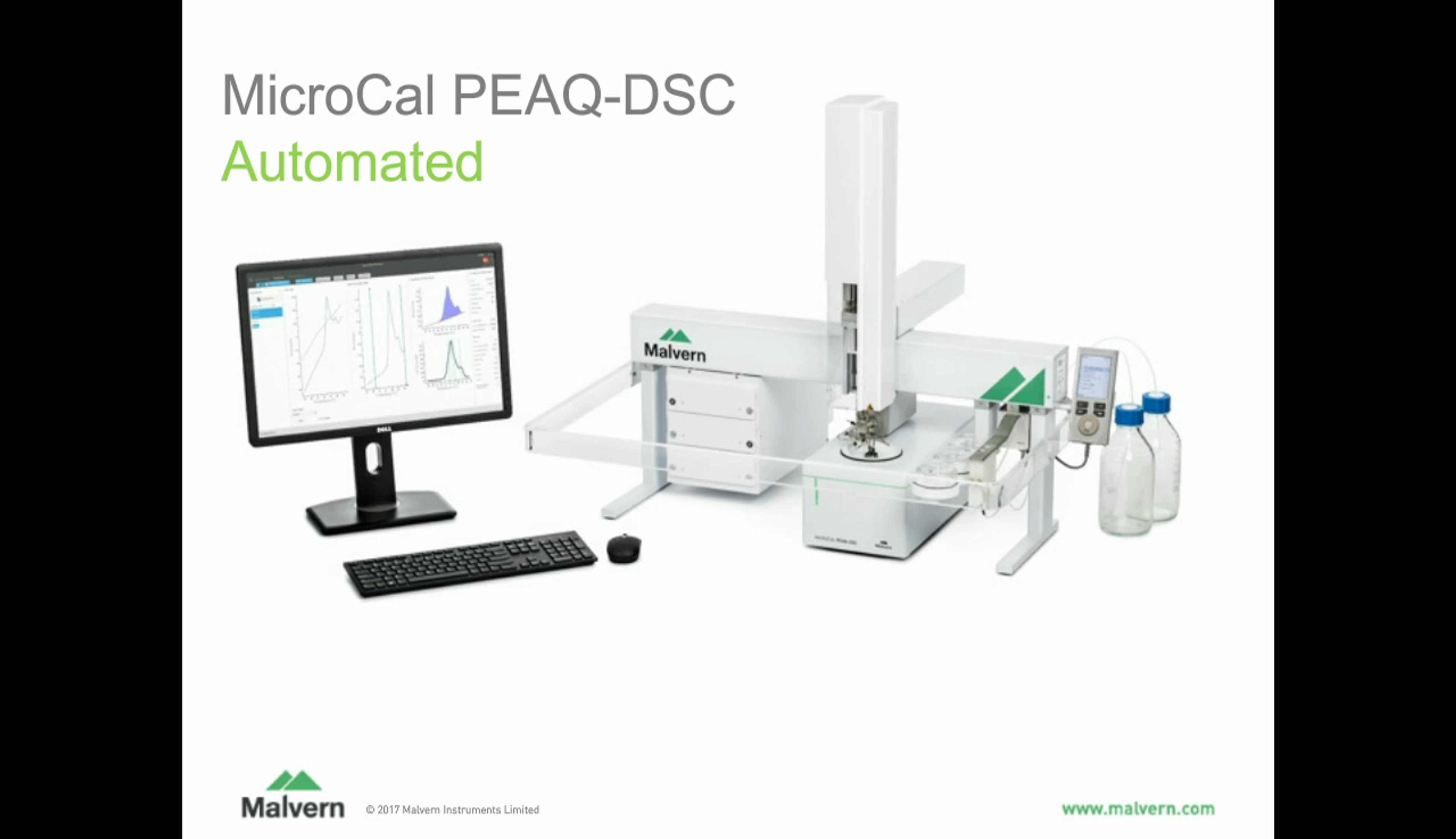
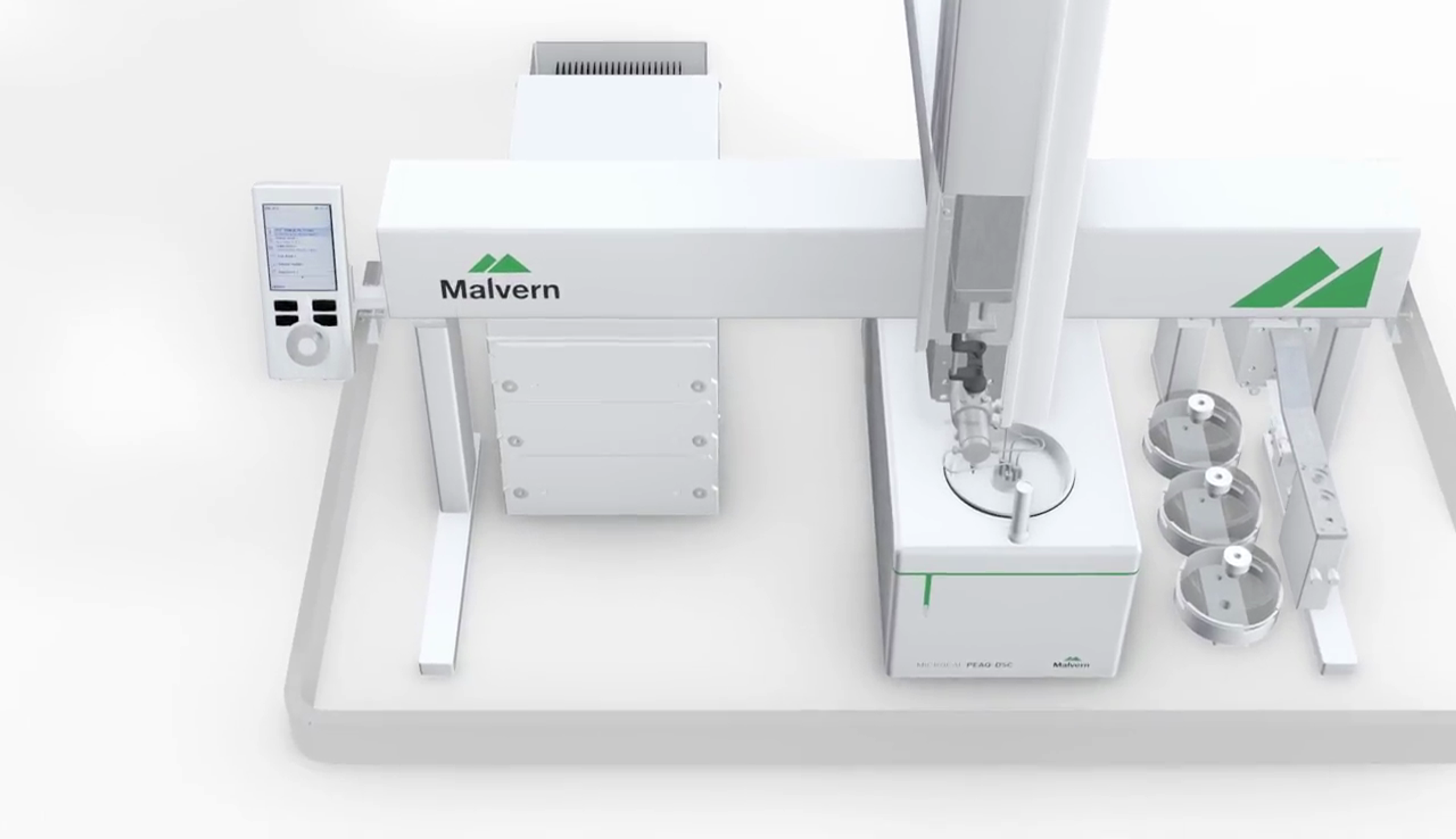
MicroCal PEAQ-ITC Automated
Malvern PanalyticalHigh productivity measurement of multiple binding parameters.