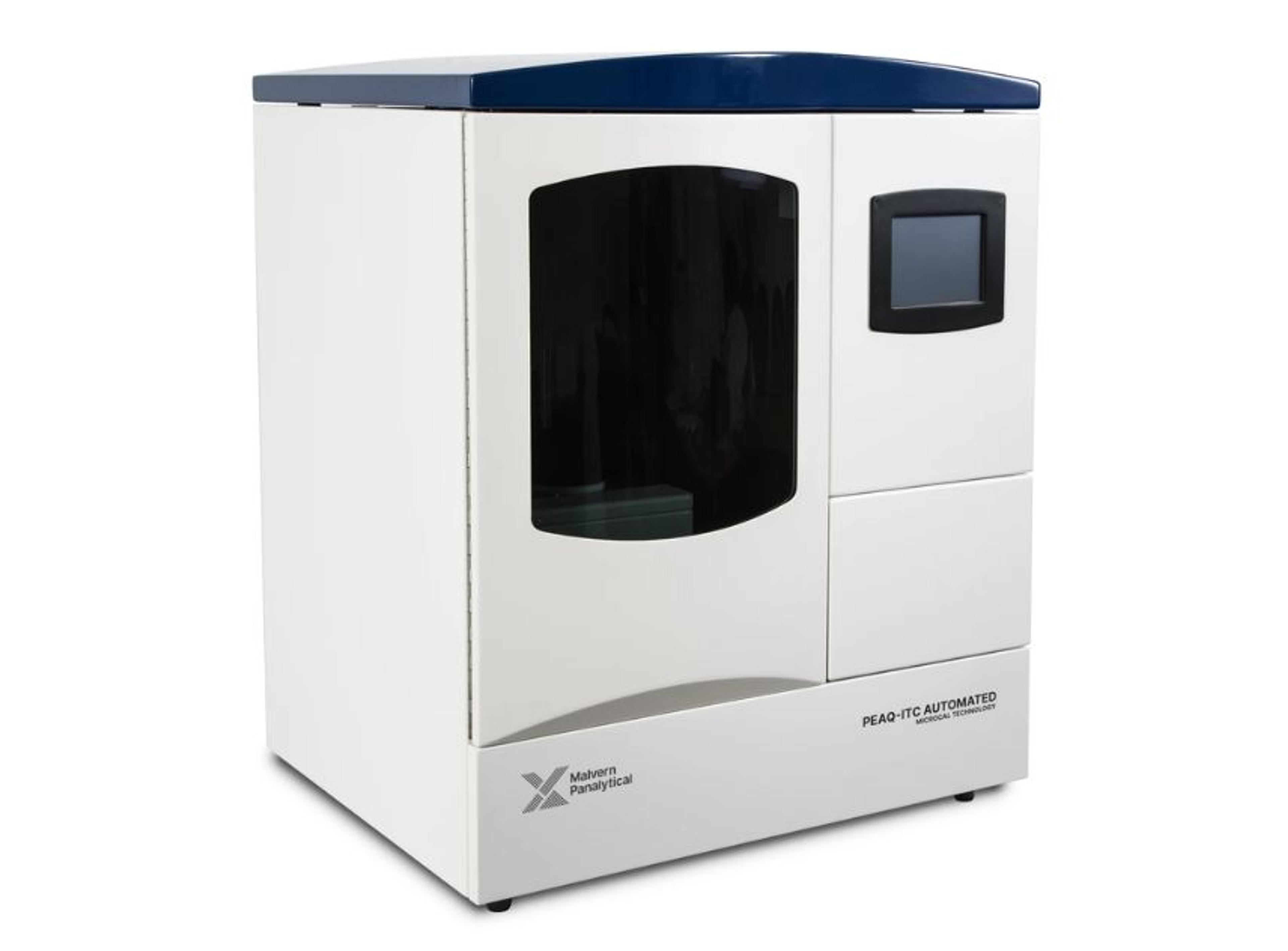
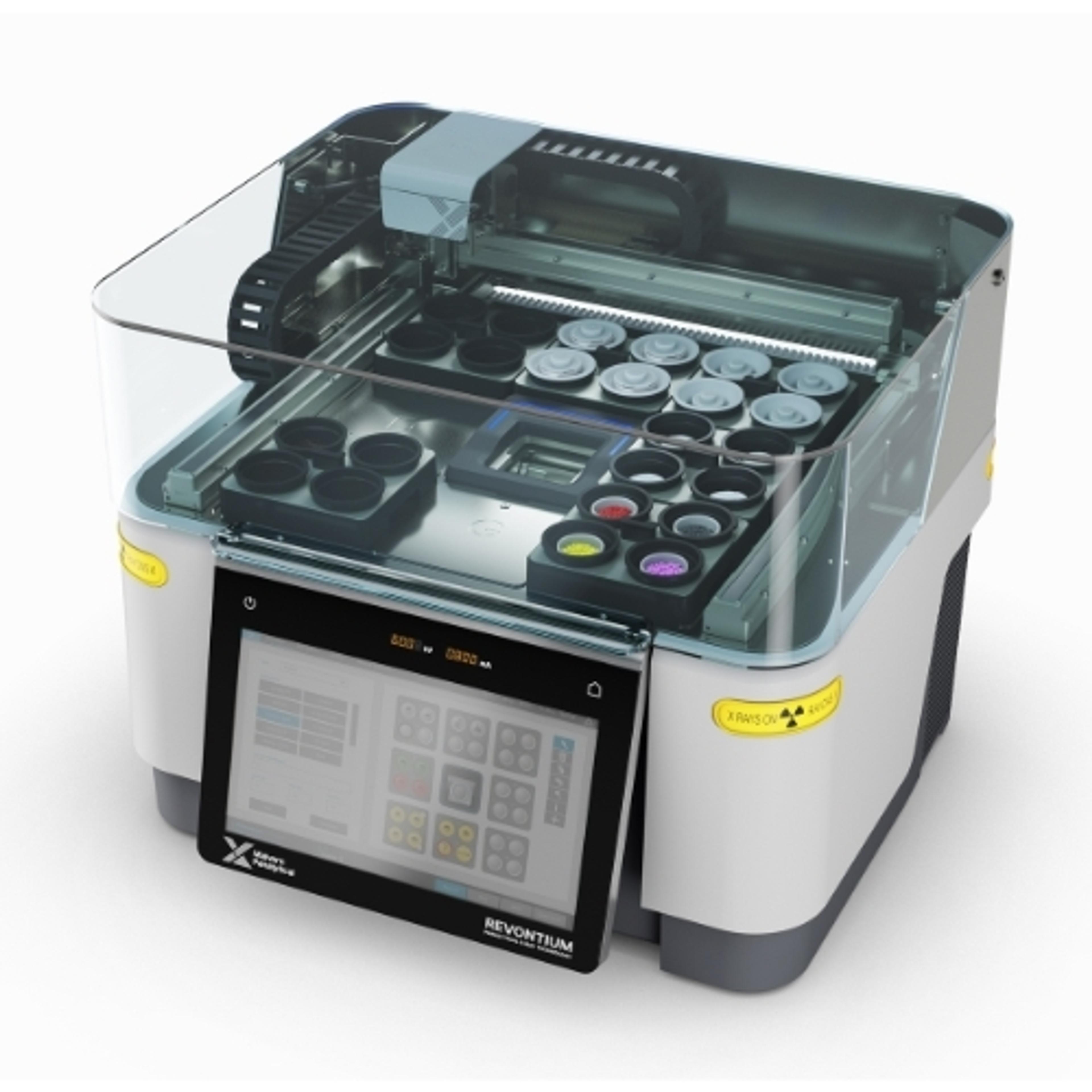
WAVEsystem - Bioanalytical System
Keeping kinetics real: label-free data like you've never seen before
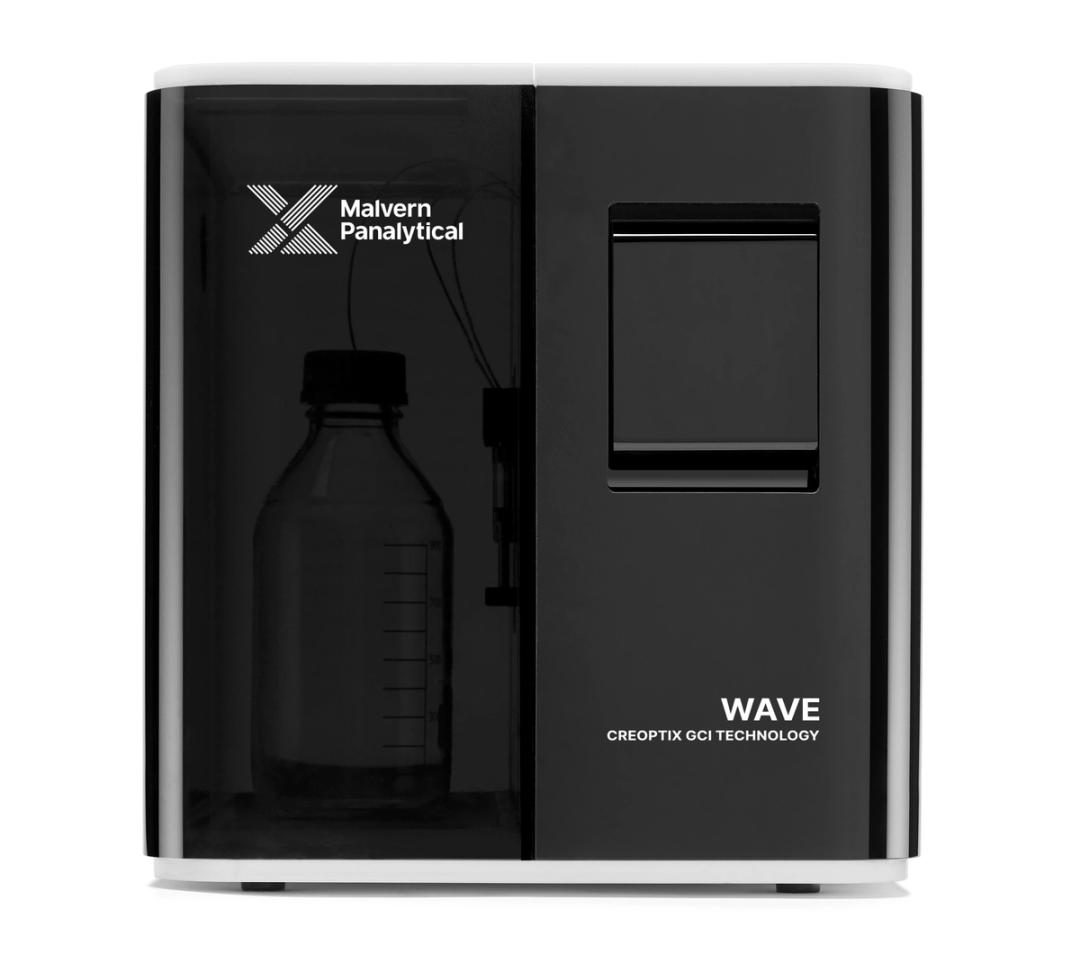
WAVEdelta


Receive your quote directly from the manufacturer.
Simple to use, no clog, great results
Analyze protein-protein and protein-small molecule interactions
As part of looking for new devices to complement our ITC we tested out the Wave system with the experts at Creoptix. They were particular helpful in training and within 1-2 days we were self sufficient in running kinetics on the system. The data we obtained was phenomenal. We could for the first time measure interactions that have never been shown and other way. Sensitivity was extraordinary, we could get confident, low-noise data from a 500 Da vs 90 kDa protein system. We could also analyze easily a 45 kDa vs 45 kDa PPI system. Thanks to the data quality, ease of use and technical support we decided to upgrade to the WAVEdelta after.
Review Date: 22 Jun 2022 | Malvern Panalytical
Great device for kinetic analyses - We will buy more of them
Small molecule drug discovery, Fragment based drug discovery
The GCI is an very nice tool supporting our biophysical tool set for drug discovery with accurate kinetics. The device is able to detect even fastest kinetics and is very accurate. The waveRAPID mode allows screening of large sets of compounds / fragments by kinetics, which is very helpful. The use of the device is very easy, comfortable and intuitive. Protocols from orthogonal kinetic methods can be easily transferred (and vice versa), which allows fast adoption and optimization of the technical setup. The support of Creoptix is awesome.: they are super reactive and answer the questions detailed. We are super happy with the device and the Creoptix team.
Review Date: 24 Jun 2021 | Malvern Panalytical
Highly recommended!
Small molecule binding kinetics
Very easy to use, produces reliable and reproducible data using a different analysis methods.
Review Date: 18 Jun 2021 | Malvern Panalytical
Great results after optimization. High reproducibility and sensitivity.
Binding screen and kinetics analysis for biomolecular interactions
Very efficient system, significantly accurate data with high reproducibility and sensitivity. Great customer support.
Review Date: 8 Jun 2021 | Malvern Panalytical
High quality data and excellent support.
Small molecule binding, polyphenol-protein interaction, molecular biophysics
This is the best instrument we have come across for label-free small molecule research. The leading sensitivity of grating coupled interferometry, the referencing ability, and carefully designed robotic sample handling make this instrument highly valuable in our lab. What is definitely strong is the excellent support. They really dig deep and take care of even small details in supporting our assay design and later data analysis. Feedback was always fast and very helpful.
Review Date: 17 Nov 2019 | Malvern Panalytical
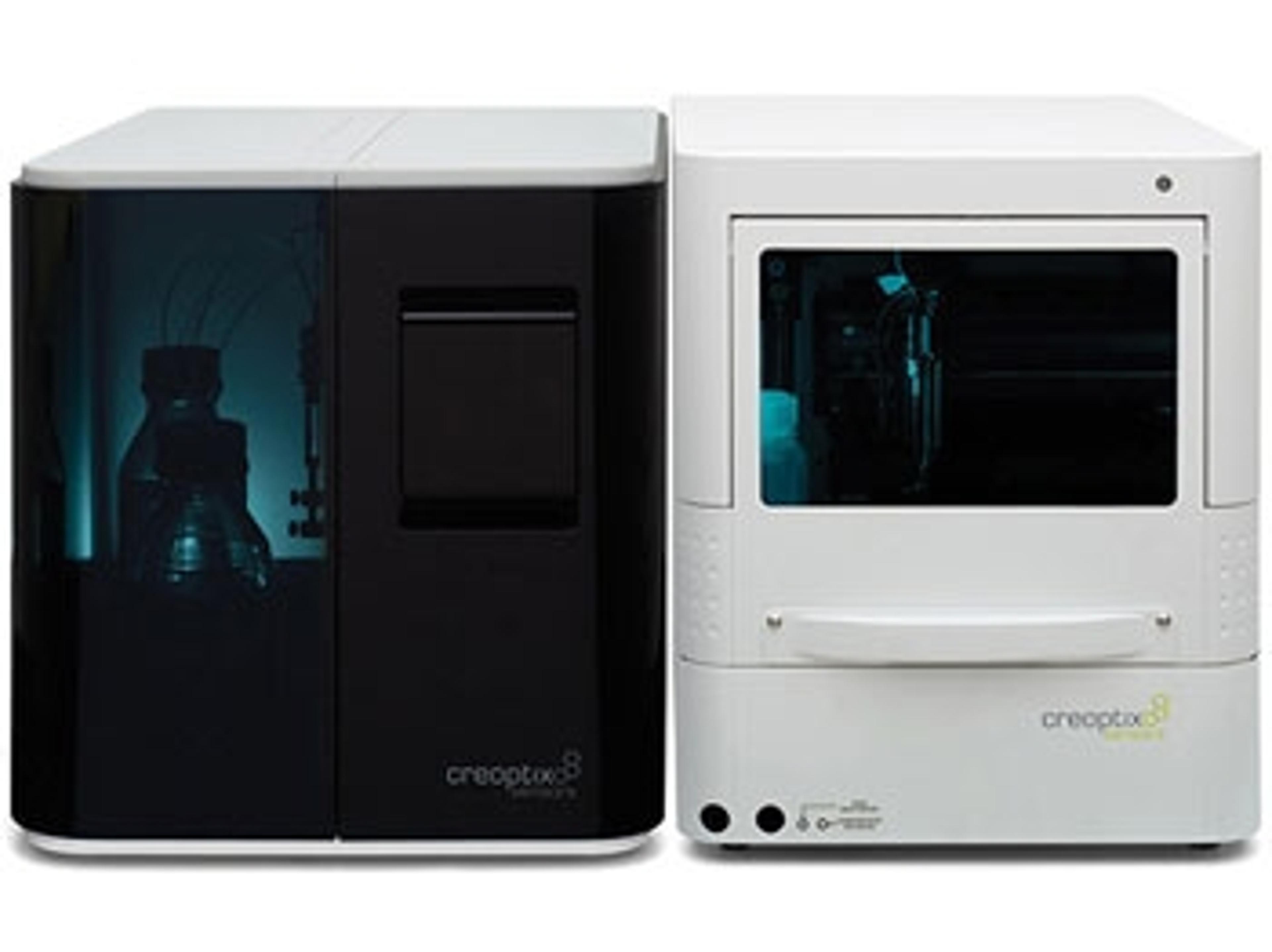
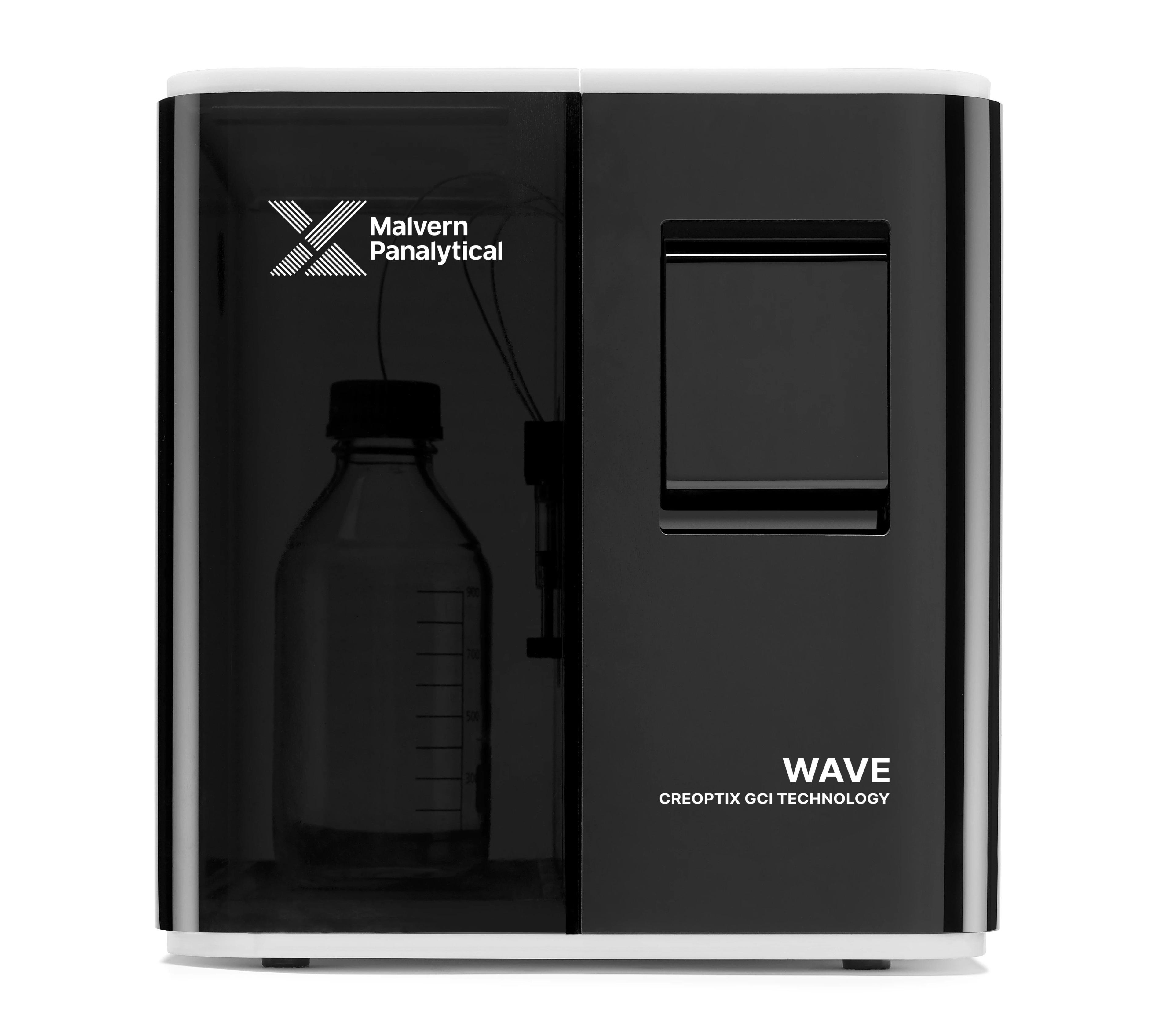
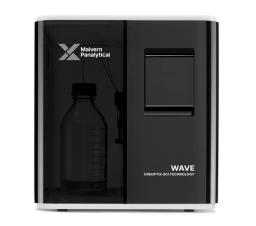
The Creoptix WAVEsystem, with 4-parallel channels, allows you to confidently detect and quantify biological interactions in real-time, providing both binding affinity and kinetics. Engineered around the sensitive Grating-Coupled Interferometry (GCI) technology and equipped with no-clog microfluidics, the WAVEsystem delivers high-quality kinetic data across a broader range of samples than traditional SPR equipment.
The Creoptix WAVEsystem is equipped with a temperature-controlled autosampler, designed to hold two (2) 48-vial trails, two (2) 96-well plates, two (2) 384- well plates or a combination thereof. With the WAVEcontrol software, every step from assay setup over data evaluation to report writing is simplified with an intuitive design that mirrors the way you work.
Highlights:
- Reliable kinetics below 1 pg/mm2
- Ultra-fast transition times (approx. 150 ms)
- Reliable determination of off-rates up to 10/sec
- Compatible with even the toughest samples
Benefits:
- All sizes welcome. Screen, rank and characterize small analytes and fragments, including weak binders with fast dissociation rates (koff as high as 10/sec).
- Kinetic profiling closer to real life. Assess drug performance in undiluted human blood serum and plasma samples.
- Broadest kinetic range. Quantify binding affinities (Kd) from low pM to high uM with confident kinetic analysis.
- More than buffer. Explore more solubilization and purification conditions for membrane proteins, including viscous detergents, less common solvents, and different additives.
- No clogging, regardless of the size. Analyze and characterize larger molecules (VLPs, liposomes) and aggregates (fibrils) without clogging-risk.
- Tight binders welcome. Measure kinetics of high-affinity binders at low pM affinity (Kd) values.
Applications:
- Screening: off-rate, primary, fragment-based, small molecule campaigns.
- Ligand interaction to membrane protein studies.
- Pharmacology: kinetics in biofluids (blood serum, plasma) for drug potency assessment.
- Biologics: characterization and quantification of antibodies at low limits of detection in biofluids or media.

Augmented affinity in antibody antigen interactions: Impact on design of diagnostic assays
In this scientific poster, discover how the Creoptix Wavedelta system was used to investigate the binding dynamics of the antibody pair mAb 1 (sheep) and mAb 2 (mouse).
The throughput booster for binding interaction screening
The accurate and efficient measurement of intermolecular interactions and binding events is a critical element for all manner of basic research and an indispensable component of drug discovery programs. In this white paper, you can find out about Creoptix's solution in the waveRAPID® Kinetics Assay.
The wave of the future in kinetics
In this application note, Creoptix AG demonstrates how the WAVE system is revolutionizing the study of molecular interactions and drug discovery, by combining resolution in signal and time with crude-sample robustness normally only achieved with plate-based assays. This application note highlights the WAVE's flexibility and sensitivity allowing for high data quality.
Creoptix WAVEdelta specifications
In this flyer, Creoptix AG describes the specifications of the Creoptix WAVEdelta from fluidics to sample handling.

Measuring binding kinetics in complex samples to support biologics development
A major challenge faced in the field of biologics drug discovery is the long and labor-intensive workflows needed for identification and validation of potential therapeutics.
Creoptix, a Malvern Panalytical brand, has developed the WAVEsystem to support scientists in life sciences to accelerate drug discovery. The grating-coupled interferometry (GCI) detection principle provides a stable signal, ideal for measuring tight binding interactions. In combination with no-clog WAVEchips and waveRAPID (a new method of measuring kinetics from single well), the Creoptix® WAVEsystem can substantially shorten and/or combine different steps in the workflow.
In this webinar, Amanda Poon, Application Scientist at Malvern Panalytical, working for Creoptix, and Dr. Wu Danqing, Director of Biologics Discovery at EpimAb Biotherapeutics, will discuss how the WAVEsystem supports biologics research by allowing you to measure high-quality binding affinity and kinetics in complex samples.
Key learning objectives
- Learn the importance of reliable molecular binding characterization, including binding kinetics, in antibody development
- Understand how the WAVEsystem combines high sensitivity and signal stability with crude sample compatibility and throughput to accelerate your biologics development
- Discover how no-clog microfluidics allows you to measure binding kinetics in complex samples (serum, cell lysates and more) with less device downtime
Who should attend?
- Anyone interested in measuring binding kinetics and affinity in biologics and other complex matrices
- Research and development scientists interested in biologic drug development
- Scientists interested in diagnostics development
- Researchers facing challenges on tight binders (pM) in unpurified samples
- Anyone interested in antibody research and development
Certificate of attendance
All webinar participants can request a certificate of attendance, including a learning outcomes summary, for continuing education purposes.
Interaction analysis masterclass with Malvern Panalytical
This Malvern Panalytical masterclass delves into the intricacies of interaction analysis and explores how ITC and GCI are complementary and orthogonal techniques for all early-stage drug discovery needs. Discover how ITC and GCI technologies can be applied to complex targets and interactions in a series of applications from hit identification to lead-optimization.
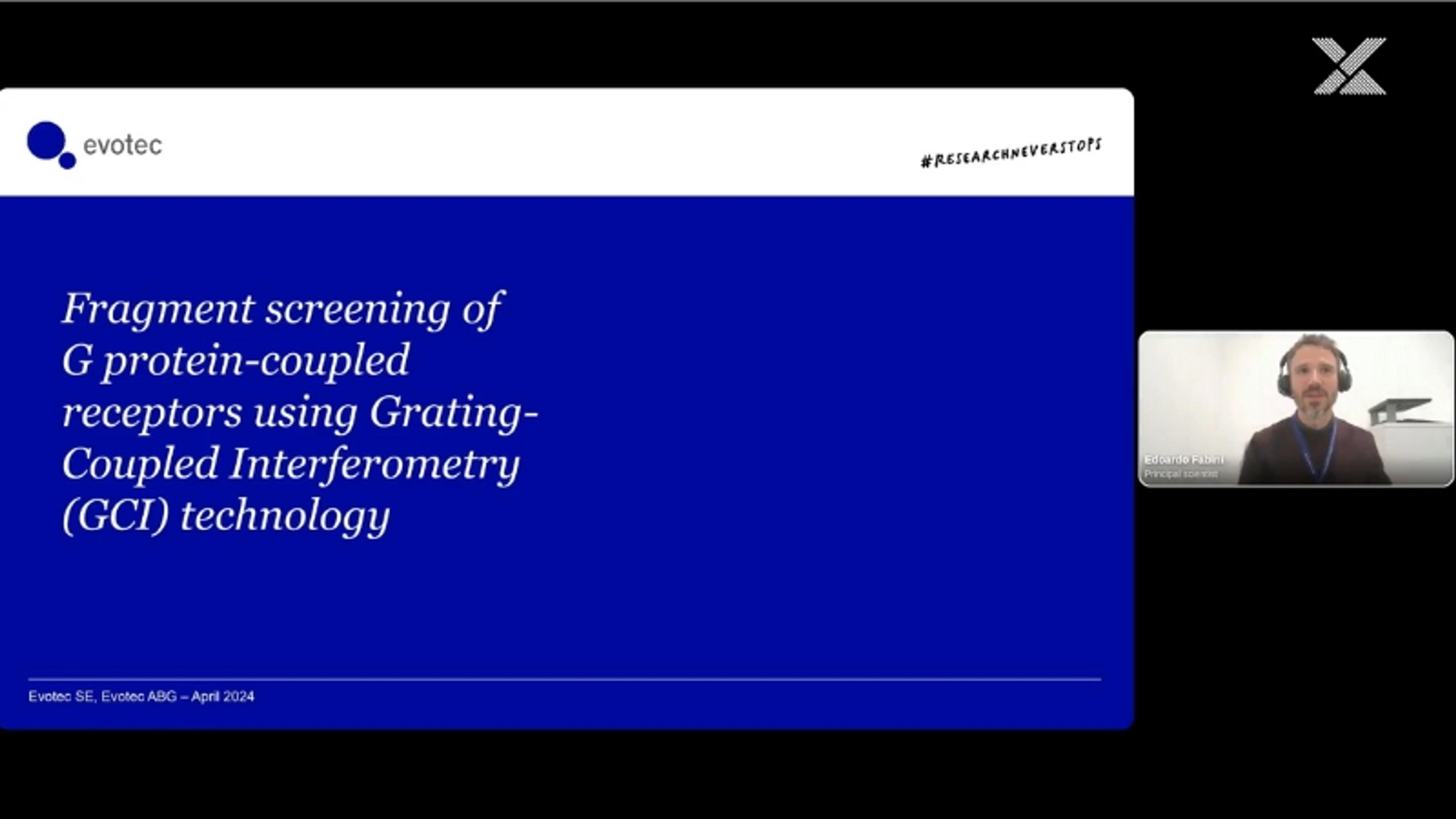
Fragment screening of GPCRs using GCI technology
G protein-coupled receptors (GPCRs) are notoriously difficult to study, due to their intrinsic protein instability. By utilizing the sensitivity of Grating Coupled Interferometry (GCI) technology combined with non-clog microfluidics, the membrane proteins can be analyzed. Malvern Panalytical, talks with Evotec, a life science company who is committed to advancing drug discovery and development through their collaborations with biotech, pharma, foundations, academia and government agencies. Evotec highlights how it has successfully harnessed GCI for the fragment screening of GPCRs.
A deep dive into grating-coupled interferometry (GCI)
Grating-coupled interferometry (GCI) is a recently developed biophysical characterization technique commonly used in drug discovery and life sciences for the label-free analysis of molecular interactions. In this on-demand webinar from Malvern Panalytical, join Gonda Buijs, product manager for the Creoptix® WAVEsystem, and Dr. Andrea Moretti, field applications scientist at Creoptix, as they explore the core technology of the Creoptix WAVE system and how to create GCI. Engineered around GCI technology, and equipped with no-clog microfluidics, the WAVEsystem provides real-time label-free binding kinetics and a temperature-controlled autosampler that fits 2x 48-vial racks, 96- or 384-well plated or combinations thereof.
How new biophysical characterization technologies are advancing early screening strategies
An expert view on the latest trends in label-free biophysical characterization technology