Spectral flow cytometry reveals hidden immune subgroups in ALS
17 Jul 2026
Amyotrophic lateral sclerosis (ALS) is a rapidly progressive neurodegenerative disease with limited treatment options and significant variability between patients. In this SelectScience interview, Dr. Ben Murdock, Research Assistant Professor at the University of Michigan, shares how his team is uncovering the role of the immune system in disease progression. Using spectral flow cytometry, Dr. Murdock explores how detailed immune profiling can improve diagnosis, predict prognosis, and identify targeted therapies. He also discusses how the Sony ID7000 Spectral Cell Analyzer enables high-dimensional analysis of rare immune cell populations, helping to reveal patient-specific immune signatures and advance more personalized approaches to ALS treatment.
About the company

Sony Biotechnology
Video transcript
Show transcript
My name is Ben Murdock. I'm a research assistant professor at the University of Michigan. And my primary work is looking at the role of the immune system in amyotrophic lateral sclerosis, or ALS, which is a neurodegenerative disease where the motor neurons begin breaking down. And people usually have, after diagnosis, about a lifespan of two to five years. So it's a very, very quick, very fatal disease. And we really don't have any good drug treatments for it. So that's kind of one of the main things we're doing. trying to find treatments for people that have no treatments for this very terrible disease.
Our research runs kind of the gamut from everything from molecular level all the way up to clinical trials. But right now, one of the big pushes in our lab is using flow cytometry to identify potential mechanisms contributing to disease progression.
One of our major findings in the last few years in ALS looking at the immune system is just the sheer level of heterogeneity. Now, the heterogeneity in ALS is not necessarily new and it's not necessarily unique to us, but as a research group looking at the immune system, it's a fairly unique and new discovery. So a number of groups have been looking and finding out that the underlying mechanisms contributing to ALS may be different from person to person.
For instance, we found one immune profile that is very pro-inflammatory, tends to have a high level of neutrophils.But one of the things that surprised us is we actually found a subgroup of patients that's pretty big that they actually seem to have more immune exhaustion or senescence. And so it's almost the exact opposite. And so, again, if you have patients that you put together in a clinical trial and you treat them all the same, the clinical trial is going to fail. because half of the patients need the drug and half of them need the exact opposite. And so what we're really trying to do with some of this technology is kind of suss out these different patient groups in order to figure out what treatment to use with whom.
One of the things we found with traditional or classical flow cytometry is we were looking at a bunch of different markers, a lot of different cell populations, neutrophils, monocytes, NK cells, CD56 bright NK cells. T cells, that sort of thing. And what we found was that we found a number of different subpopulations or surface markers in each of those groups that were associated with disease and may contribute to disease. But one of the problems was that we didn't know if some of those subpopulations were separate subpopulations.
You know, using classical flow cytometry, we have a panel where I think we had eight different panels that we would run. It would take two minutes per panel. And so by the time you ran one sample or one patient, set of samples for one patient, you would get, I would say 20 minutes to run it. In addition, if, you know, we have very limited samples, these are very rare, precious samples, you'd have to split that up amongst eight different. stains now with spectral flow we can do a lot more markers we have it split up only amongst two stains we have an unstained control and then we have a full stain that saves time that saves money and it saves me a lot of time running uh samples late.
We use the Sony ID7000 spectral flow cytometer for our work. And so in addition to looking at specific subpopulations and the ability to look at a lot of different markers on, you know, every cell all at once. One of the things that surprised me at least was the robustness of the hardware. So one of the things we've been using, especially is the plate reader, just because we have so many samples and we want to run everything together and kind of a high throughput manner. And so I've actually been pleasantly surprised with the Sony hardware just because the way it works, at least in our hands, has been that anytime you get some sort of clog, the software will automatically stop it'll run a cleaning cycle and then it'll move on to the next well and then it'll keep going but it'll leave an error message and so that's really allowed us to kind of set it and forget it and it's freed up a lot of extra time and I no longer really worry too much about my sample being in which was something I was not expecting but it's been it's been a nice change of pace.
I think one of the biggest things that's been helpful about the id 7000 and the associated software is that everything is digital and that allows you to take old templates or old you know matrices and apply them basically to a new run. So one of the things we run into with our research that's very difficult is the fact that because we are not doing everything in large batches, everything comes once a week. And what happens is then you have to worry about run-to-run variation. You have to worry about templates and making sure everything kind of lines up. One of the things we can do is we can just drag a previous experiment in and drop it in and it updates the settings. And that makes everything a lot more flexible. Before, with classical flow cytometry, we would go in, we would set up the compensation. We'd still use a template, but if there's a clog, if there's things that were different with the instrumentation, your sample's gone. There wasn't much you could do about it. But now with the technology, you can take old XDAT files, you can kind of mix and match everything. And so you can really kind of fix everything on the fly and it's made it much easier to have kind of run to run variation that that is manageable which we really couldn't do very well with traditional flow cytometry
I think the big push in ALS and a lot of a lot of diseases for that matter, is personalized medicine and heterogeneity. And I think that's one of the reasons why flow cytometry shines, especially with what we're doing, is it really allows you to get these very nuanced profiles of patients to see what immune pathways are dysregulated, what is likely contributing to disease progression. And the more markers you have, the easier that is to do. And so really what I think going forward, we're going to be doing. as a field is really drilling down into these subgroups of patients, trying to figure out who has what version of the disease or what form of the disease and what treatment do they need? Because right now, again, we just we just treat everyone with one drug or when you do clinical trials, you give one drug and it's not working and we're not making any progress. And so I think the next step is really breaking patients down into these demographic subpopulations or mechanistic subpopulations and really giving personalized strategies and therapeutic strategies to those patients because right now we just kind of treat everyone the same and that is not a viable strategy.
What does this video cover?
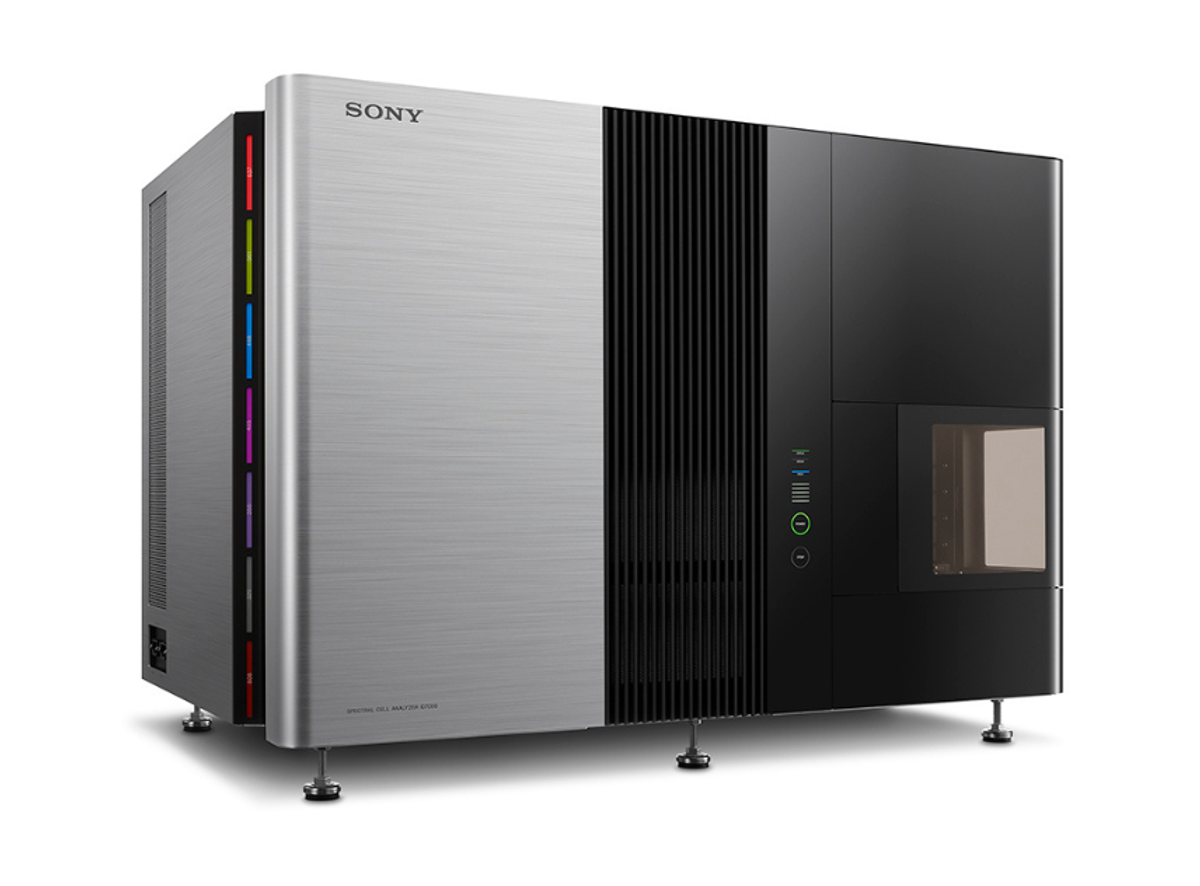
ID7000 from Sony Biotechnology
Topics covered in this video
- How is spectral flow cytometry advancing personalized medicine in amyotrophic lateral sclerosis (ALS)?
- How does immune heterogeneity in ALS patients impact clinical trial design and outcomes?
- How does spectral flow cytometry improve high-dimensional immune profiling in neurodegenerative disease research?
Related products
Request Quote for All Products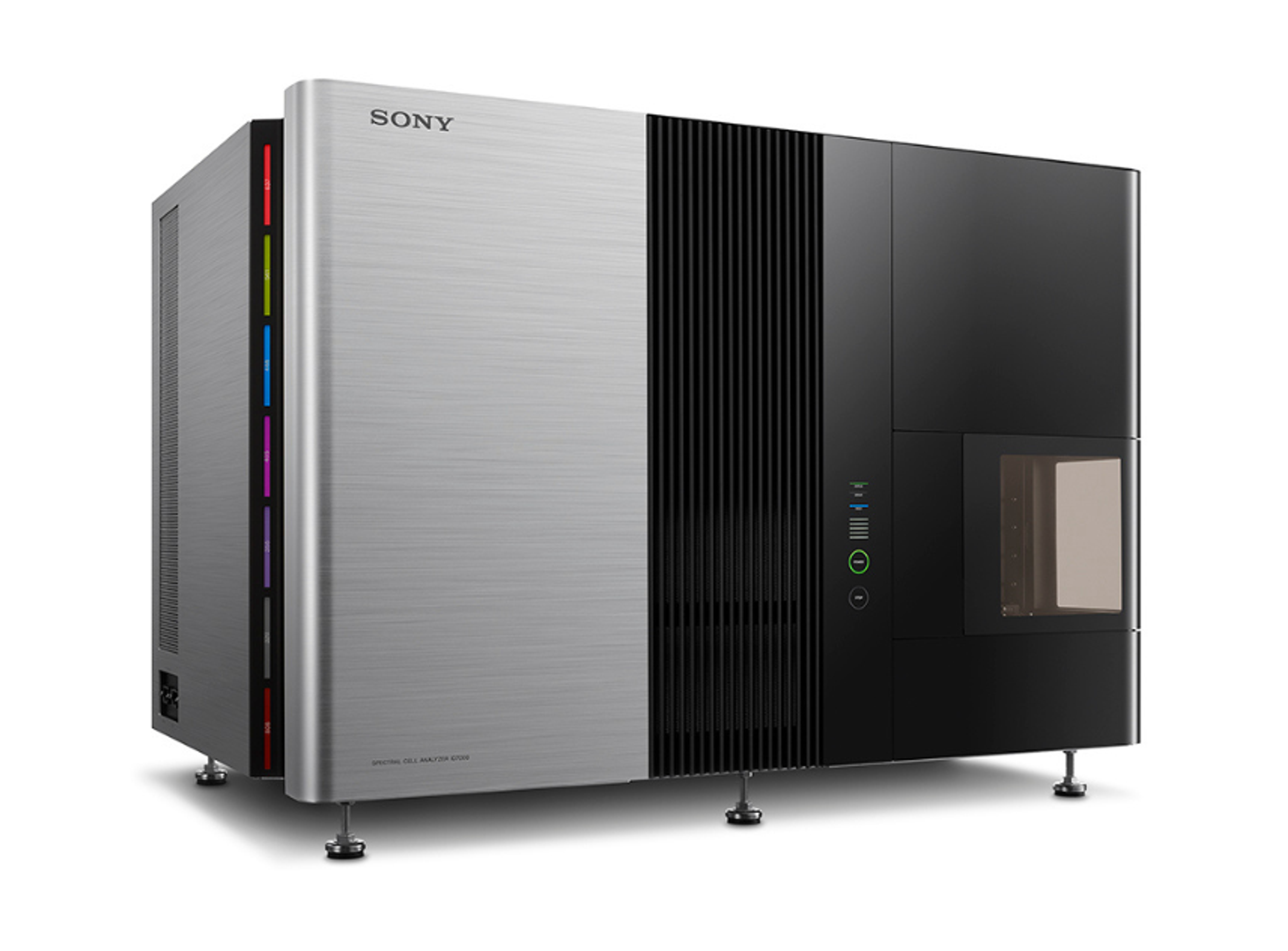
ID7000™ Spectral Cell Analyzer
Sony BiotechnologyA high-parameter spectral cytometer, the ID7000 delivers comprehensive information about heterogeneous cell populations, with high sensitivity to detect dim and rare populations.