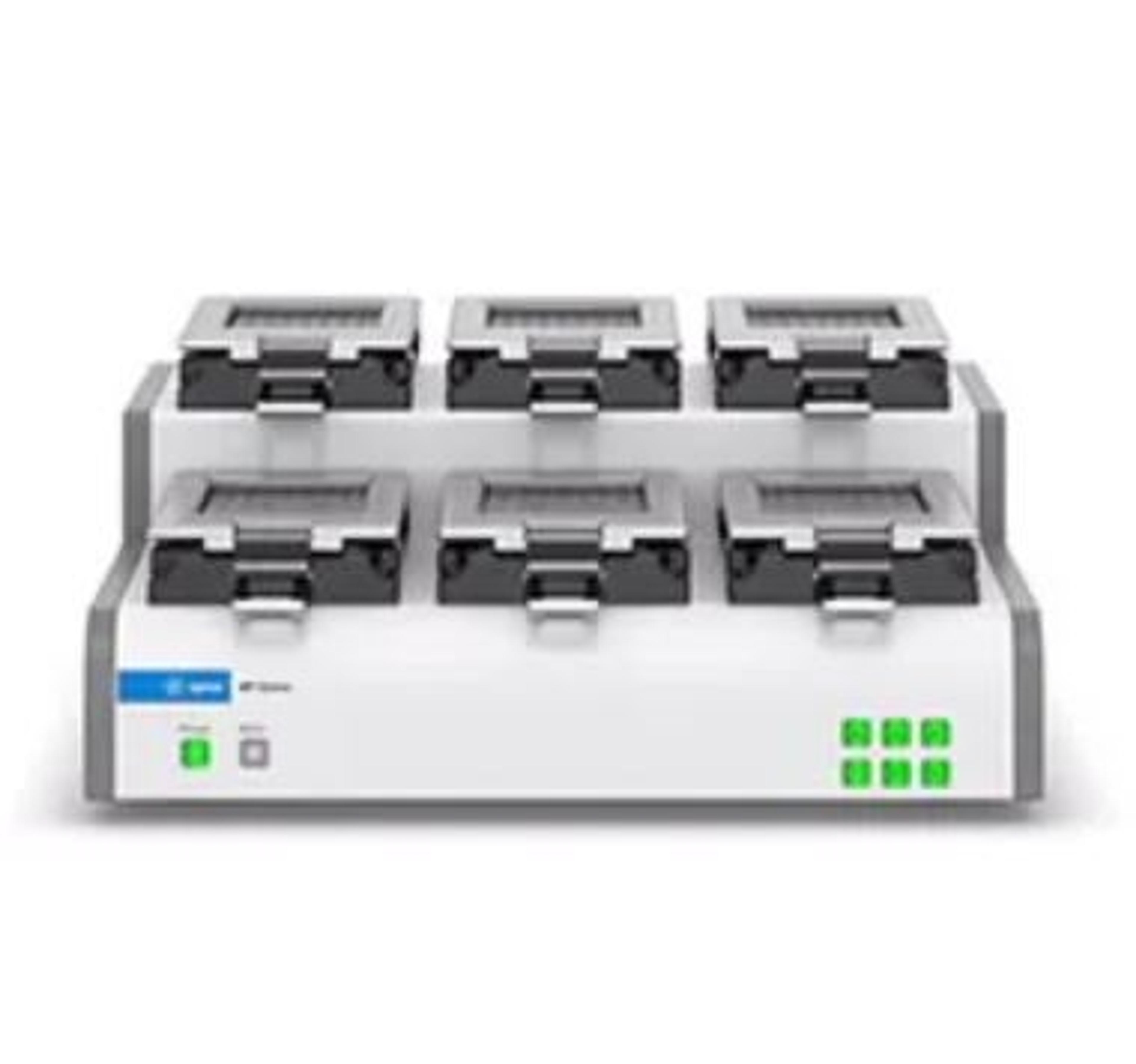
xCELLigence RTCA MP
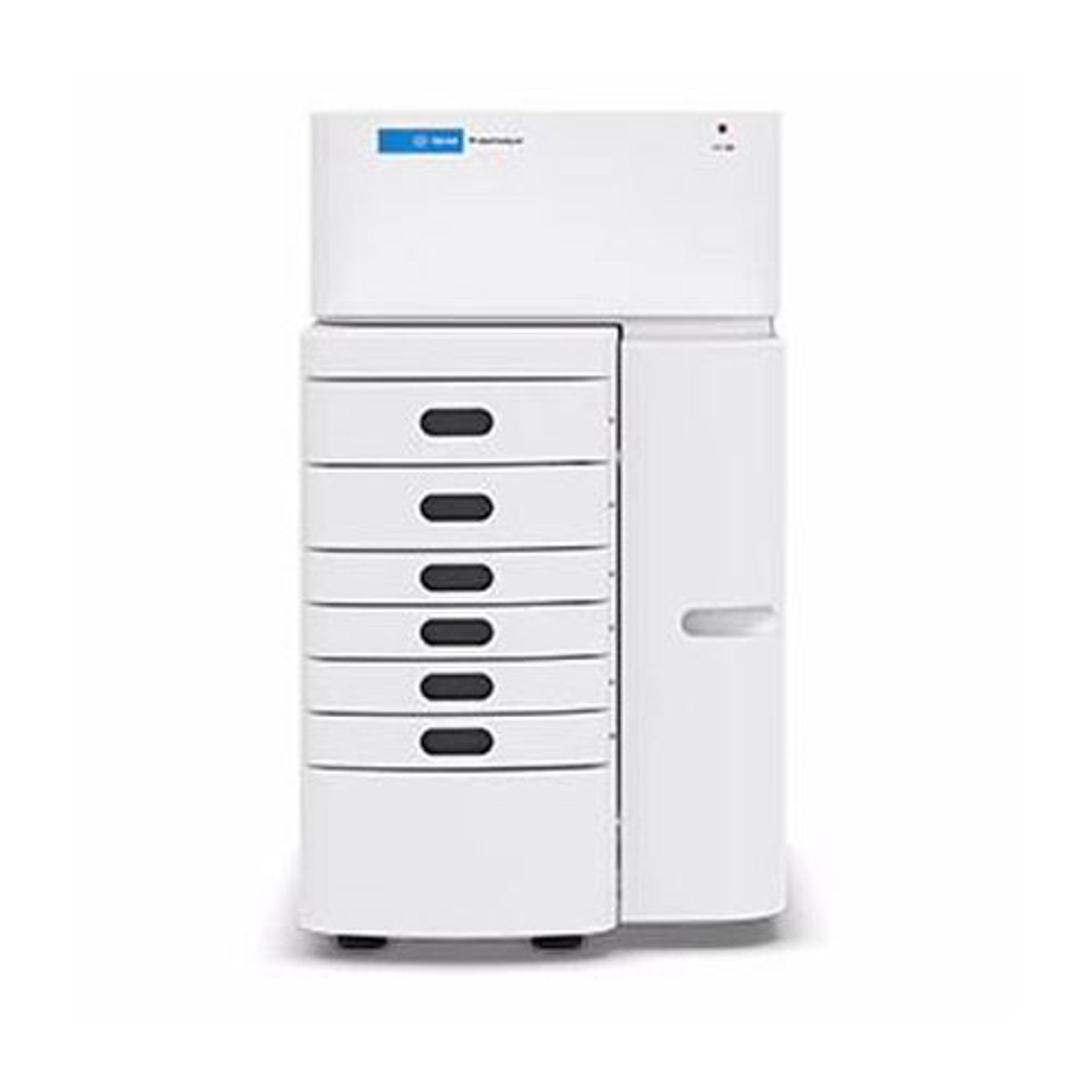
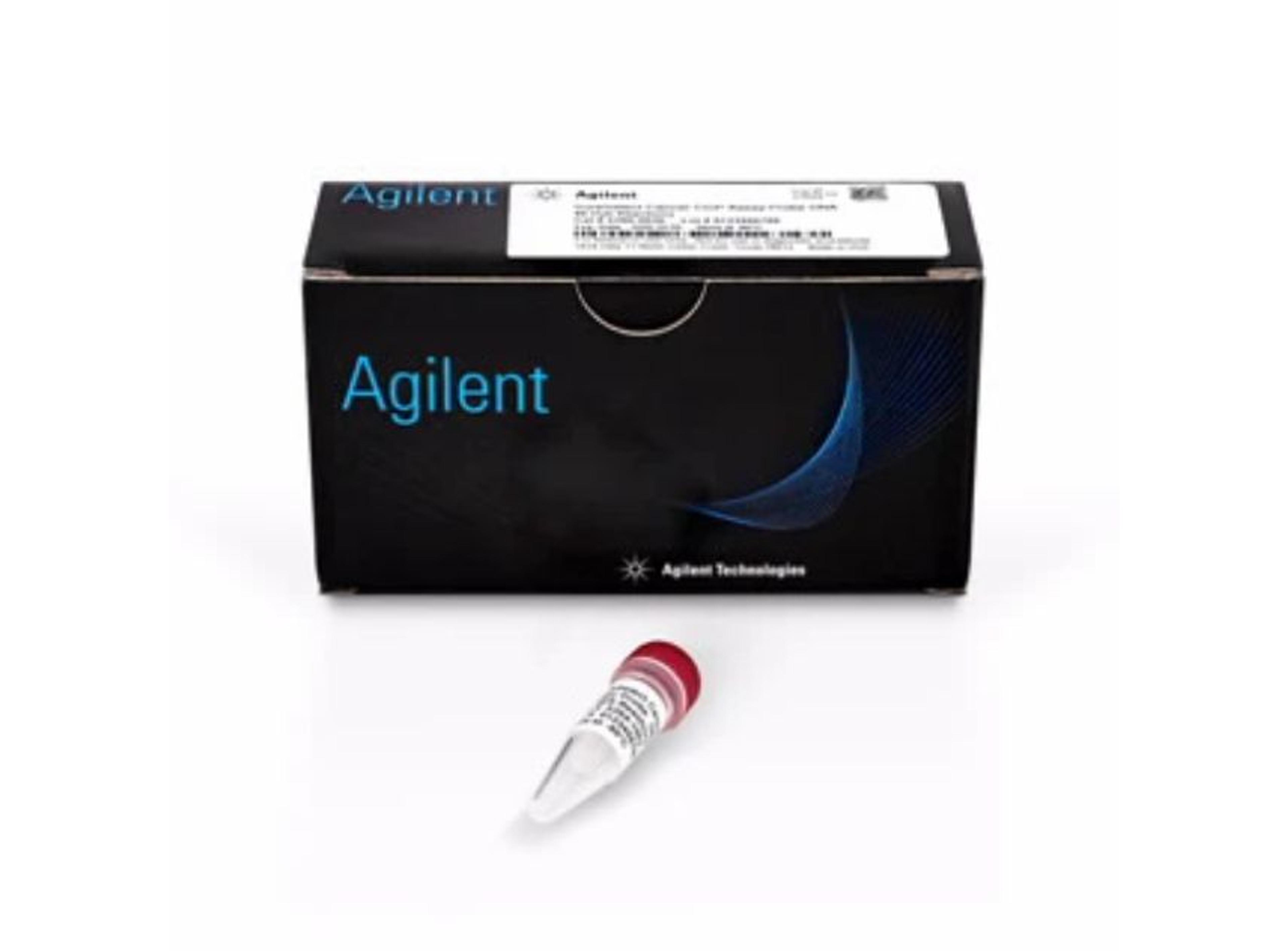
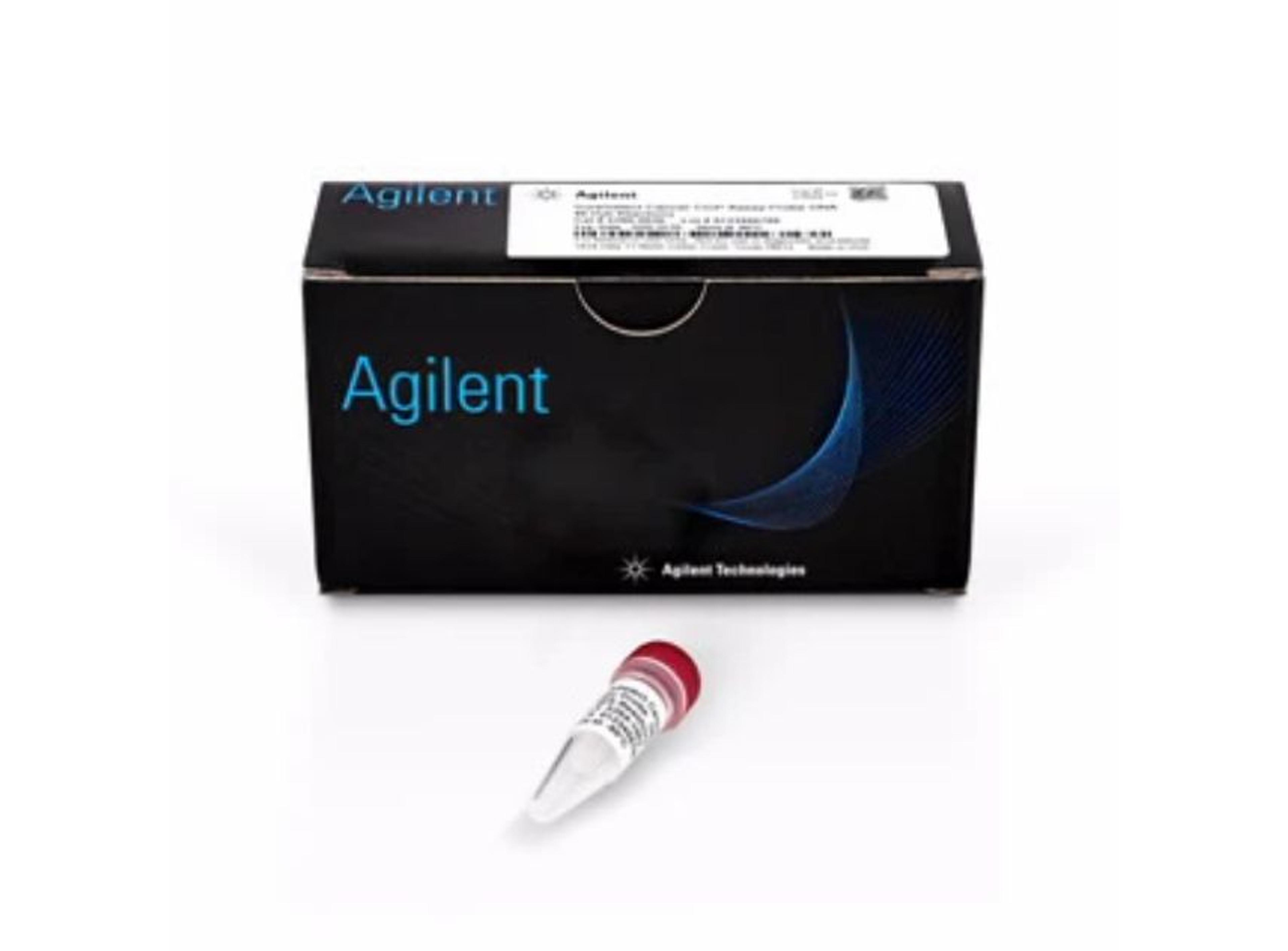
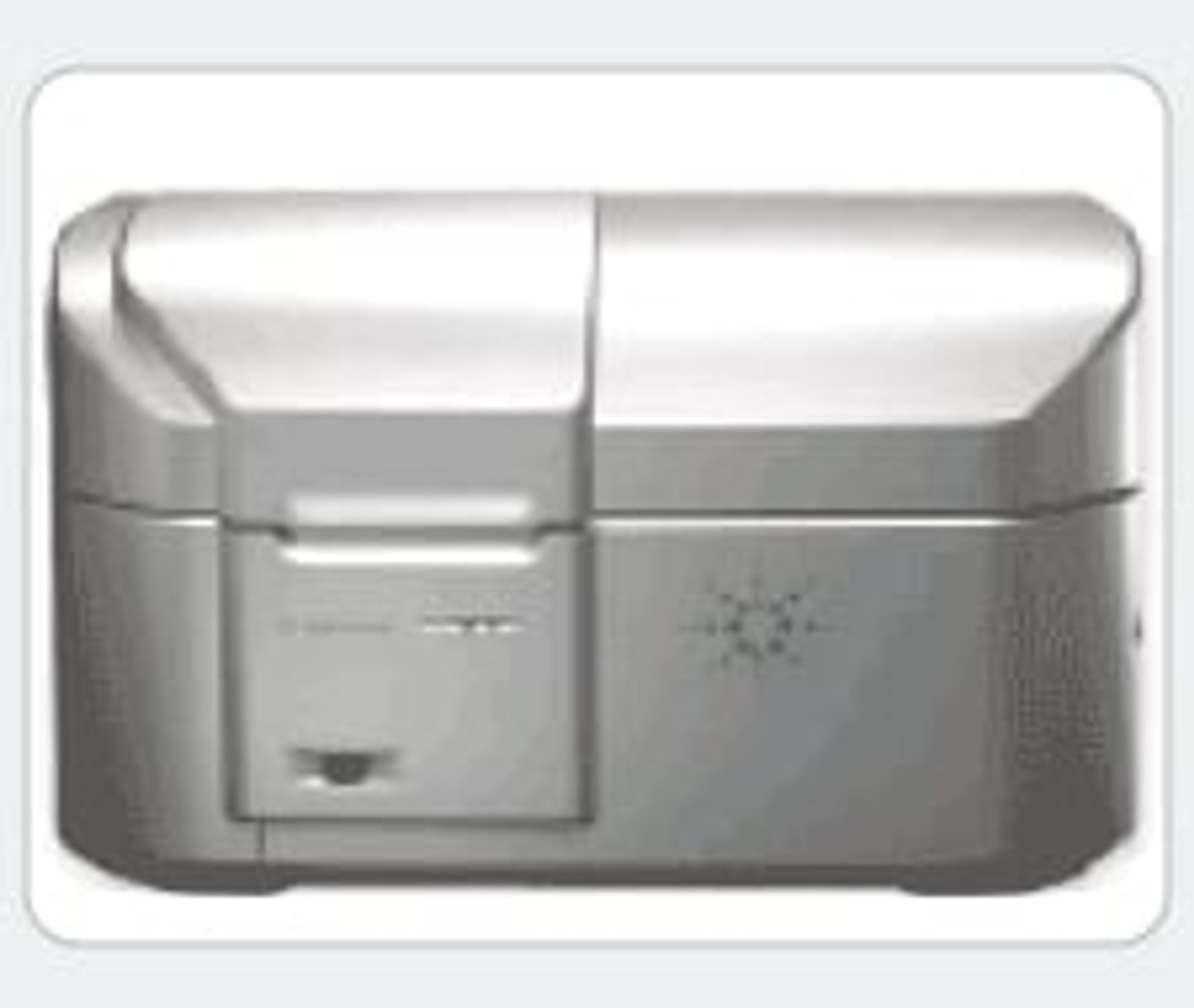
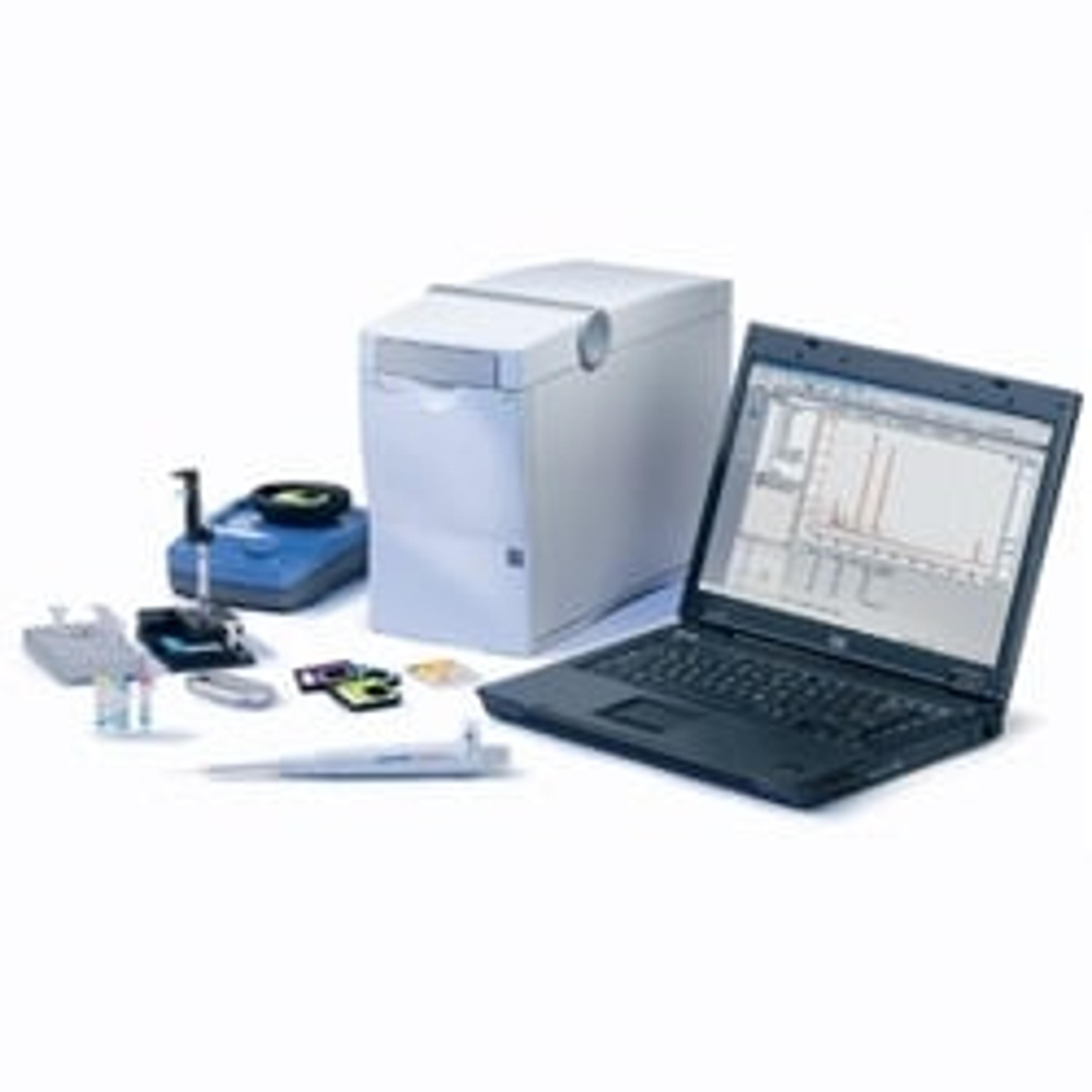
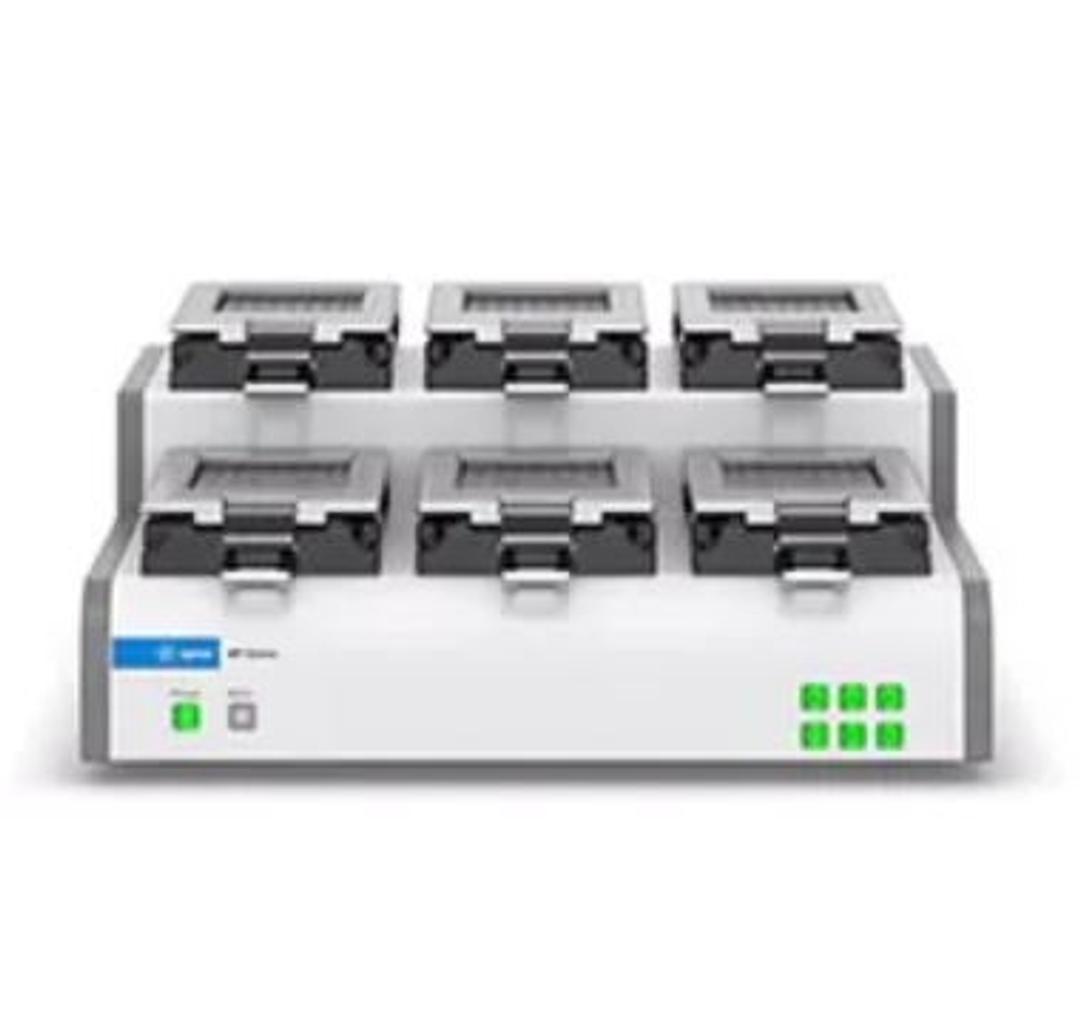
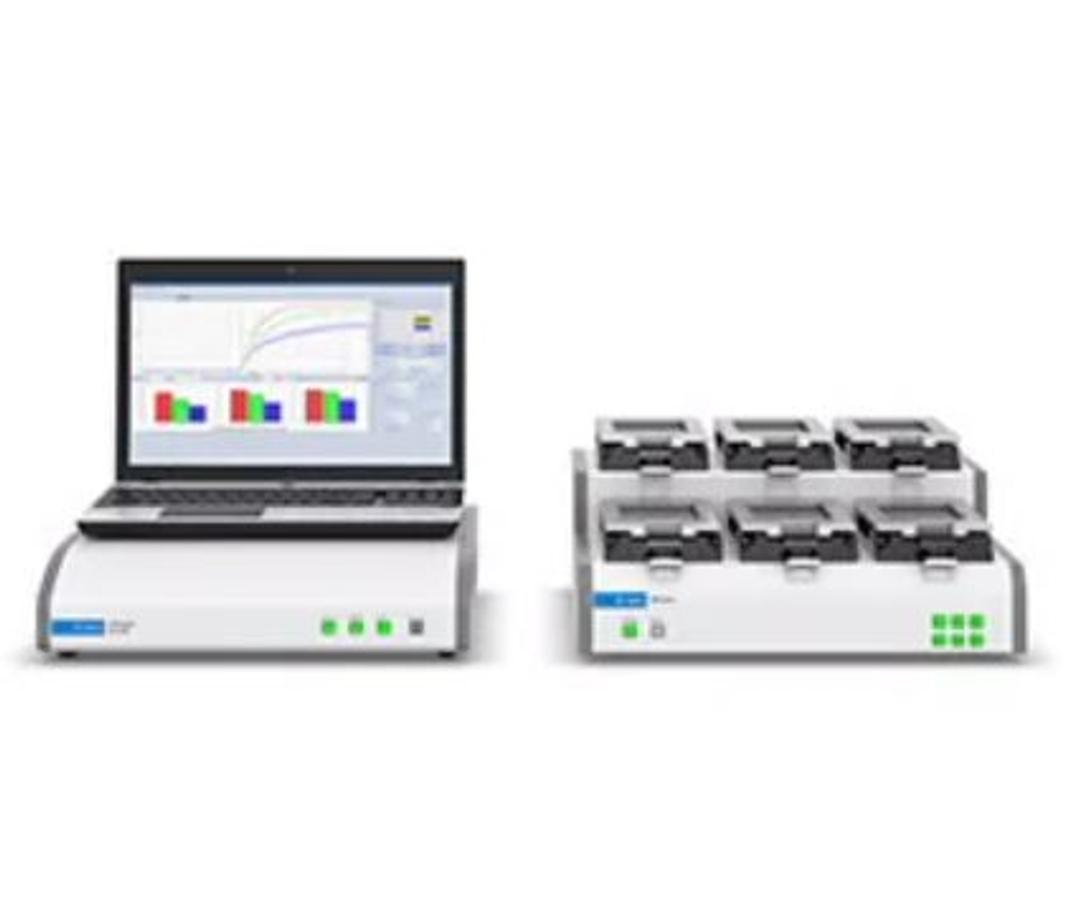
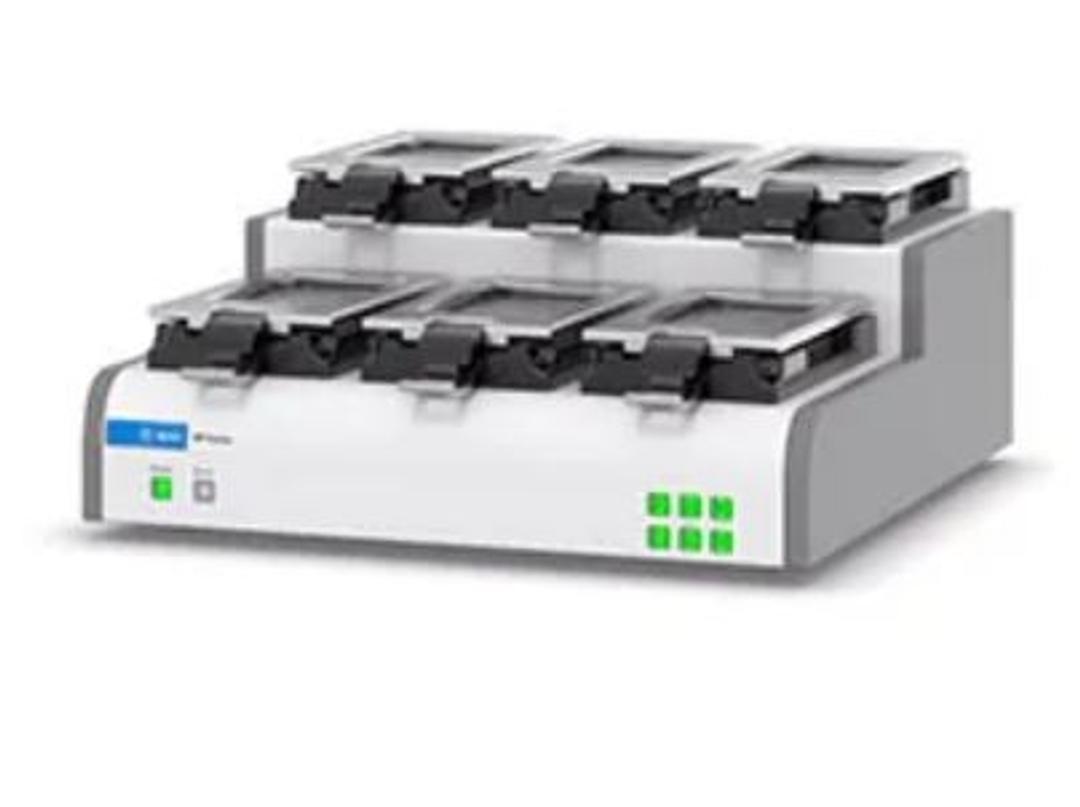
The Agilent xCELLigence Real-Time Cell Analysis (RTCA) MP instrument uses label-free cellular impedance to continuously monitor cell health, behavior, and function with high accuracy, sensitivity, and reproducibility. The MP model can host up to six 96-well electronic microplates (E-Plate 96), which can be run in parallel or independently of one another. This multiple plate format is ideal for cell health characterization,…

Receive your quote directly from the manufacturer.
A dependable, high-throughput solution that has streamlined our cytotoxicity analyses and kept our research progressing.
CAR-T Cell Potency Analysis
Our lab has been using the xCELLigence Real-Time Cell Analysis (RTCA) system for CAR-T cell potency assessment, and it has become a central instrument in our workflow. What stands out most is the system’s reliability. Despite frequent use, it requires minimal maintenance. Routine upkeep is simple, and we’ve experienced very little unplanned downtime. This reliability has helped us stay on track with our experiments. The real-time impedance measurements offer good sensitivity for detecting cytolytic activity. The kinetic data allow us to capture the temporal dynamics of cell killing, which has helped us iterate more quickly compared to traditional endpoint assays. With its 6-plate capacity, multiple researchers can run their experiments simultaneously without competing for access. Each lab member can use a dedicated 96-well plate when needed, which keeps the system accessible and avoids scheduling bottlenecks. The software is straightforward, and new users typically get up to speed after just one training session. A particularly helpful feature is the system’s protection against data loss. Even when we’ve encountered technical mishaps (unrelated to the xCELLigence RTCA system), all recorded data remained intact and recoverable. This has been critical in preserving experimental results on more than one occasion. While the cost of E-Plates is insignificant, we find that the quality and consistency of the data justifies the expense. For researchers working on cellular immunotherapies, the xCELLigence RTCA system offers a dependable, high-throughput platform for generating high-quality data. It has become our primary tool for potency analysis, and I would recommend it to colleagues without hesitation.
Review Date: 29 Jul 2025 | Agilent Technologies
Great product
Analysis
We primarily use this instrument to measure the cytotoxic activity of T cells that have been genetically re-programmed to recognize specific targets on tumor cells. There are many ways to do this using traditional techniques (Chromium release, LDH release, luceriferase-labeled target cells, etc.) that we were exploring before we demo'd and purchased this instrument. The xCELLigence was easy to use and gave higher quality (reproducible) results than the other techniques, but that alone may not have been enough to justify the purchase for us as a small company. The extra selling feature was that the instrument was extremely sensitive, required very few cells, and could detect activity that and differences that could not be detected using other techniques. This expanded our capabilities greatly, and made it more than just a "better mousetrap". We use this instrument quite frequently, and have had a relatively easy time training new users."
Review Date: 22 Jul 2022 | Agilent Technologies
Excellent instrument to measure cell killing
NK cell killing
We are using xCelligence for the measurement of NKcell mediated killing. We have very reliable and reproducible results. The application is super easy and with the MP, you can plate enough groups at one timepoint. Highly recommended.
Review Date: 25 Apr 2019 | Agilent Technologies
We have multiples of these instruments and can't exist without them; very versatile
Analyze cytotoxicity
Service is outstanding and Martyn is always there for questions and troubleshooting. Results are highly valid, reproducible and able to predict in vivo experiments. Great instrument, great service.
Review Date: 25 Apr 2019 | Agilent Technologies
Versatile and efficient
Phenotypic and functional fibrosis assays
The RTCA MP xCelligence instrument has one of the easiest learning curves for the depth of information provided out of all the lab instruments I have used throughout my 20-year career. Two of the most valuable features for me are the ability to simultaneously run up to six independent assay plates at the same time, and the option to also combine two assays in one. I love that I can begin a 96-well plate assay, observe phenotypic or growth changes in the cells in real time, and use those observations to design and start the next assay while still retaining the capability to continue gathering information from the first assay plate for as long as I decide, often up to two weeks or longer. The instrument has eliminated the hassle of setting up multiple replicate plates for end-point assays that require several time points during assay optimization, and I appreciate the fact that I can still lyse the cells at the end of the assay for RNA expression studies or collect supernatant for secreted cytokine quantification. This enables us to determine whether early (e.g. 30 min after treatment) phenotypic cellular changes correlate with later-stage (24-72 hrs) downstream/functional effects. The customer service I have received during the initial training, as well as throughout my years of use with the instrument, has been among the best I have encountered throughout my 20 year career working with many vendors. In addition to the fibrosis assays we have most recently been running on the MP, my lab has also used the instrument for motility assays and compound activity assays with many different cell types.
Review Date: 24 Jul 2018 | Agilent Technologies
Easy use. Data is consistent.
analyze cell growth and migration
It is very useful and effective for our study. If the cost for the chip could be reduced, it will be better for me.
Review Date: 19 Jul 2018 | Agilent Technologies
excellent technology with amazing field of application, expert application engineer
functional assays to evaluate compounds/drugs on primary cells
I bought the first xcelligence apparatus (SP) ~3 years ago . Since that 2 other apparatus have been bought ( 1 MP, 1SP) , 7 permanent employees have been trained aund use it routniley (+ ~6 trainees). various cellular assays have been set up and use in 6 différents programs (mainly based on GPCR agonist project but also portease project) mainly based on human primary vascular cells (endothelial, Smooth Muscle cells) . Quantitative data are obtained to screen compound. We also perform GPCR desensitization assays . Co-culutre models are under development . We recently evaluated the DP apparatus and already scheduled a demonstration with the Cardio system. We are also performing image analysis at the final time point using Eplate view using incucyte technology and also perform enzymatic activity or viability assays after impedance measurement.
Review Date: 18 Jul 2018 | Agilent Technologies
Great instrument. Makes life easy
Analyse growth kinetics of cancer cell lines
Very easy top use and helpful staff when issues arise
Review Date: 18 Jul 2018 | Agilent Technologies
Great instrument, has become a critical part of our company's workflow.
Analyze real-time killing of target cells by engineered T cells
We primarily use this instrument to measure the cytotoxic activity of T cells that have been genetically re-programmed to recognize specific targets on tumor cells. There are many ways to do this using traditional techniques (Chromium release, LDH release, luceriferase-labeled target cells, etc.) that we were exploring before we demo'd and purchased this instrument. The xCELLigence was easy to use and gave higher quality (reproducible) results than the other techniques, but that alone may not have been enough to justify the purchase for us as a small company. The extra selling feature was that the instrument was extremely sensitive, required very few cells, and could detect activity that and differences that could not be detected using other techniques. This expanded our capabilities greatly, and made it more than just a "better mousetrap". We use this instrument quite frequently, and have had a relatively easy time training new users.
Review Date: 4 Oct 2017 | Agilent Technologies
For cell-based assays a game-changer. Awesome data collection and ease of use.
Immunotherapy programs
Not sure where to start with how phenomenal the xCELLigence platform is. As a CRO, the MP (multi-plate) version is the workhorse of the over 80-90 CAR-T and CAR-NK projects already completed. The real-time kinetic readout has accelerated the patent and IP positions of many of our clients, positions that would have required many more confirmatory experiments, and therefore time and expense if we had been stuck with end-point assays. It is bewildering to me why anyone would maintain generating end-point assay data when you can use xCELLigence - no labelling required, radioactive or otherwise, and apart from preparing cells, nothing else required. Visualizing donor-to-donor differences, and the points at which a cytotoxic effect with various CAR constructs occurs is made incredibly simple with a real-time data stream. So many effects would have been missed with end-point assays! The ease-of-use is also wonderful. Plate cells, 24hr later add compound or CAR-T, and walk away for the next 80 hours, leaving our scientists to continue all their other experiments. When the experiment is over, analyze with the built in software and you have report/publication grade data in about 15 min! Plates seem a little expensive, but when cost analysis is performed, it is certainly no more expensive than any alternative, and again, you have 80 hours’ worth of data, with 5 min time points, and as for the cost of the machine, the amount of data retrieved has it paying for itself in no time! I can attest to the fact that xCELLigence MP data has been very predictive in animal models and has led to clinical study initiation in just 9 months from the first experiment! ACEA are also a joy to work with – very responsive and technically very knowledgeable.
Review Date: 23 Jun 2016 | Agilent Technologies
The Agilent xCELLigence Real-Time Cell Analysis (RTCA) MP instrument uses label-free cellular impedance to continuously monitor cell health, behavior, and function with high accuracy, sensitivity, and reproducibility.
The MP model can host up to six 96-well electronic microplates (E-Plate 96), which can be run in parallel or independently of one another. This multiple plate format is ideal for cell health characterization, immune cell-mediated killing, viral cytopathic effects, cytotoxicity, cell adhesion, cell barrier function (TEER), cell signaling (e.g., GPCR) and other related applications.
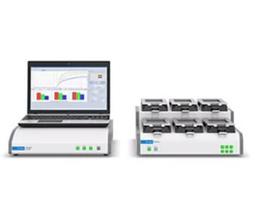
The instrument operates in a standard CO2 cell culture incubator and the control unit is housed outside the incubator. Simply plate cells and begin monitoring cell behavior to obtain real-time kinetic data for assay windows that stretch from seconds to days. Online data acquisition and offline data analysis are easy to perform using RTCA Software Pro, which also supports FDA 21 CFR Part 11.
For Research Use Only. Not for use in diagnostic procedures.

Virology & vaccine handbook
Current methods to measure virus and neutralizing antibody titers include plaque assays, plaque reduction neutralization tests (PRNT), or immuno-focus assays. These methods are labor intensive and have inconsistent results due to the variable rate of plaque formation and optimal time points to count plaques for each infection.
In this handbook, Agilent describes how you can use the xCELLigence Real Time Cell Analysis instruments to track viral cytopathic effects continuously without the use of agar, dye, or fixative over minutes to days. These automated assays greatly reduce workload and provide quantitative kinetics for the entire virus life cycle.
Evaluating immune cell therapy potency
This eBook from Agilent provides an overview of the current state of CAR T therapies, showcases the use of xCELLigence Real-Time Cell Analysis (RTCA) technology to evaluate the potency of novel adoptive cell therapies, and demonstrates how this technology can be incorporated into research and development as well as manufacturing workflows of cell therapies.
New developments in live-cell analysis: The Agilent xCELLigence RTCA eSight System
As cell analysis in basic research, translational medicine, and cell therapies becomes ever more sophisticated, it is imperative that solutions provide multiparametric and data-rich information. In this application note, Agilent Technologies introduces its xCELLigence RTCA eSight for real-time cell analysis, featuring non-invasive impedance-based monitoring together with live-cell imaging, all inside your incubator. One experiment provides two simultaneous methods with 5 different readouts. Cellular impedance first provides sensitive and rapid information about cell viability, growth, morphology, and barrier function. Brightfield and three fluorescent channels monitor and quantify viability, toxicity, and apoptosis- validating cellular impedance readouts and further boosting confidence in your results. This combination of information enables for much wider sampling and the assessment of cellular processes and biology – all within a single experiment.
xCELLigence real-time cell analysis
Explore functional potency assays for cancer immunotherapy research. This handbook includes topics such as antibody-dependent cell-mediated cytoxicity (ADCC), BiTEs, bispecific antibodies, checkpoint inhibitors, CAR-T cells and more.

Rewiring the metabolism of CAR-T cells
Join Professor Mercedes Rincon, University of Colorado Anschutz School of Medicine, as she discusses the groundbreaking advancements in adoptive T cell therapy, particularly chimeric antigen receptor (CAR) T cell therapy. While CAR-T therapy has achieved impressive complete remission rates in 60–90% of patients with relapsed/refractory B-cell acute lymphoblastic leukemia (r/r-B-ALL), challenges such as treatment failures and relapses remain significant obstacles.
Metabolism plays a critical role in T cell function, shaping immune responses. While glycolysis is essential for T cell expansion, it can restrict the self-renewal capacity of CAR-T cells during manufacturing. Mitochondrial respiration is vital for their survival and effectiveness. Recent findings have highlighted MCJ, a protein that negatively regulates mitochondrial function in CD8 cells. Loss of MCJ enhances mitochondrial respiration, cytokine secretion, and anti-tumor activity. Targeting MCJ to boost mitochondrial metabolism presents a promising strategy to enhance the efficacy of CAR-T cells and advance adoptive T cell therapies.
Key learning objectives
- Understand the current landscape of adoptive T-cell therapy
- Explain the role of metabolism in T cell function, highlighting the significance of glycolysis and mitochondrial respiration in enhancing CAR-T cell efficacy
- Identify the potential of MCJ as a therapeutic target to improve mitochondrial metabolism, cytokine secretion, and overall effectiveness of CAR-T cell therapies
Who should attend?
- Researchers and scientists specializing in CAR T-cell therapy, immunotherapy development, cell metabolism, glycolysis, and mitochondrial respiration.
Certificate of attendance
All webinar participants can request a certificate of attendance, including a learning outcomes summary, for continuing education purposes.


Trending in drug discovery and biopharma - the best of 2019
From CRISPR screening in primary T cells to photodynamic therapy for curing cancer, we take a look back at research highlights and emerging technologies from the past year

The 2019 Digital Marketing & Communications Awards celebrate scientific and technological excellence
This year at Neuroscience 2019, SelectScience® recognizes scientific, technological and communication excellence with dedicated awards

Latest Advances in Precision Medicine: SelectScience Special Feature
From patient-derived organoids to virus-specific T cells, explore the latest techniques and technologies advancing the field of precision medicine

Next-Generation Immunotherapy: Combining Virus-Specific T Cells with Other Immuno-Oncology Technologies to Treat Solid Tumors
Dr. John Connolly, CSO of Tessa Therapeutics, reveals how a new approach to cell-based therapy in cancer could circumvent severe immunotherapy side effects and effectively target aggressive solid tumors