
Latest Advances in Precision Medicine: SelectScience Special Feature
From patient-derived organoids to virus-specific T cells, explore the latest techniques and technologies advancing the field of precision medicine
3 Sept 2019
Precision medicine, also known as personalized medicine, is an approach that tailors treatment and prevention plans to the individual patient. This customized approach combines a patient's medical history and genomic data with other considerations such as socioeconomic factors and broader clinical recommendations. Precision medicine is on the rise in healthcare and shows particular promise for tackling hard-to-treat diseases such as cancer, neurodegenerative diseases, and genetic disorders. In this special feature article, we explore some of the latest methods and solutions that are aiming to help physicians provide the best patient care.
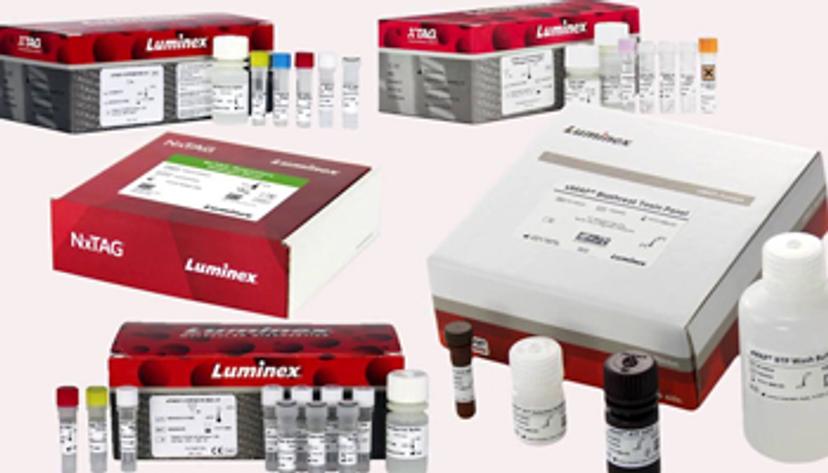
Analysis of up to 800 proteins in one multiplex immunoassay
Discover DigiWest, a high-throughput immunoassay that can analyze up to 800 proteins. DigiWest combines xMAP® multiplexing technology from Luminex with classic Western Blot procedure for high-content protein profiling.
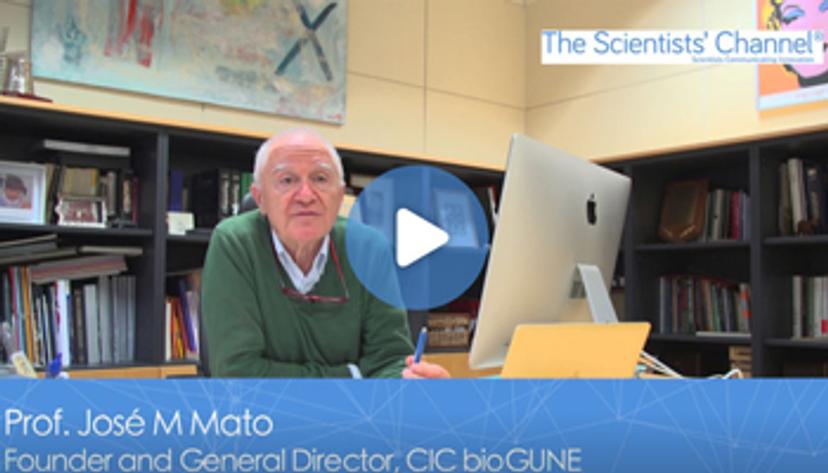
High-throughput metabolomics studies
Find out how scientists at CIC bioGUNE are helping to shape the future of healthcare, from diagnostics to precision medicine. In this video, Prof. José M. Mato, Prof. Jesús Jiménez-Barbero, and Dr. Óscar Millet describe why high-throughput NMR methodology is essential in large-scale metabolomic studies to advance understanding of diseases such as liver disease, cancer and metabolic syndrome.
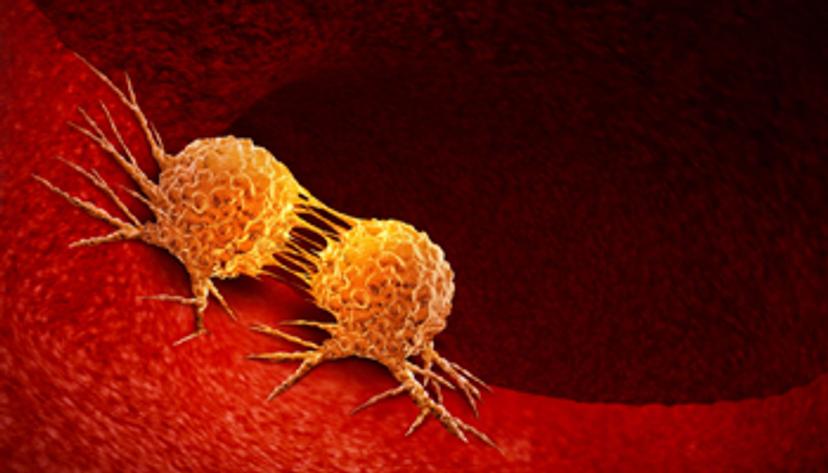
The challenges and opportunities for 3D cell culture
From organoids to disease models to 3D printing, explore the advantages of culturing cells in three dimensions over traditional methods and look at the exciting new developments for the technology behind 3D cell culture. Plus, hear from Dr. Tram Ngo, Senior Associate Scientist at the Sanford Burnham Prebys (SBP) Medical Discovery Institute, to see how 3D cell culture opens up new avenues for cancer and Alzheimer’s research.

Personalized adoptive T cell therapy
Find out how a small team of biotechnology scientists is targeting patient-specific ‘neoantigens’ to improve response to adoptive T cell therapy in acute myeloid leukemia (AML). In this expert interview, Alison Tarke describes the tools and technologies that are instrumental in developing her lab's pioneering approach to immunotherapy.

Evaluation of drug responses in patient-derived organoids
In this on-demand webinar, Olympus imaging expert Brendan Brinkman discusses how to apply patient-derived organoids for drug discovery research using imaging and true 3D analysis. Plus, find out how truly three-dimensional high-content analysis (HCA) can improve your quantitative results.
High-throughput genomics for routine oncology care
In this presentation, Dr. Susie Cooke, Head of Genetics at Glasgow Precision Oncology Laboratory, University of Glasgow, UK, introduces Precision Panc, a UK-wide pancreatic cancer clinical trials network that translates cutting-edge concepts in cancer biology into genomic assays and analytical pathways. Here, Cooke discusses the challenges and opportunities of applying high-throughput genomics to routine oncology care pathways and how this could influence the future of precision medicine.
Virus-specific T cells for treatment of solid tumors
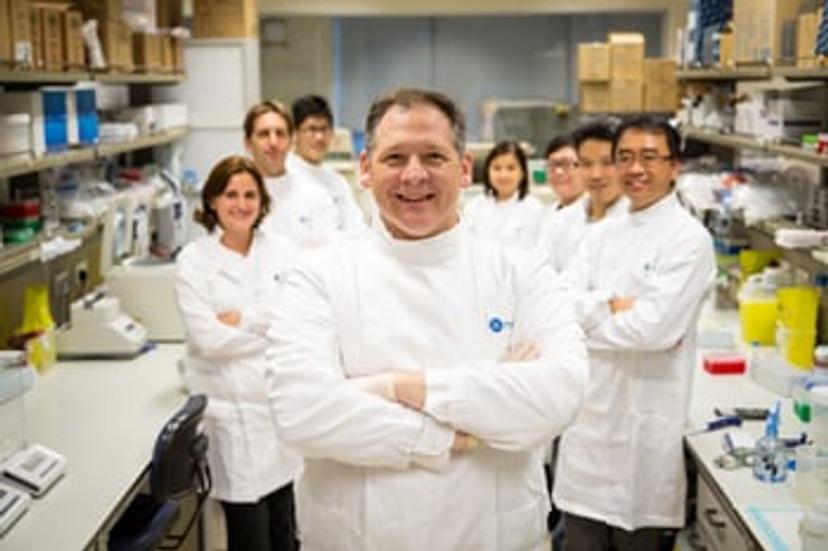
Discover a novel, rational approach to immunotherapy which involves the selective expansion and infusion of virus-specific T cells (VSTs) in combination with other immuno-oncology technologies. In this exclusive interview, Dr. John Connolly, CSO of Tessa Therapeutics, reveals how a new approach to cell-based therapy in cancer could circumvent severe immunotherapy side effects and effectively target aggressive solid tumors.
Read the latest reviews:
Don't just take our word of it, take a look at the top precision medicine product reviews:
xCELLigence RTCA MP by ACEA Biosciences
VITROS® XT 7600 Integrated System by Ortho Clinical Diagnostics
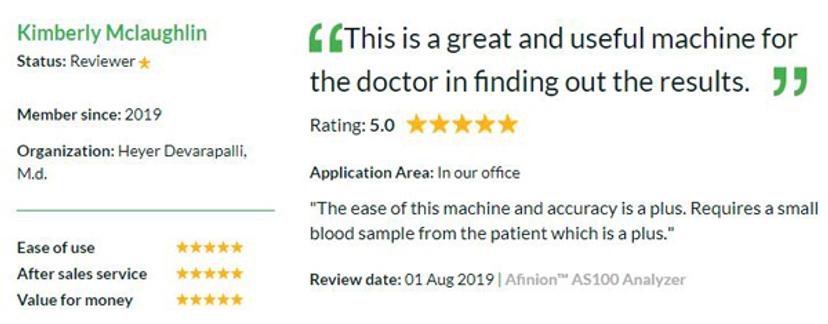
Afinion™ AS100 Analyzer by Abbott
Related resources:
The latest news in precision medicine:
- IDT launches ready-to-use, custom oPools Oligo Pools
- High maternal death rate in resource-limited countries could be reduced with a simple questionnaire
- Ortho Clinical Diagnostics to share latest research and lab products for infectious disease and endocrinology
- The future of direct-to-consumer genetics, precision medicine, neuroscience, and diagnostic technology
- Medical device company Flow Neuroscience raises $1.5m to transform treatment of depression
SelectScience how-to-buy eBooks:
- Immunoassay Analyzers
- Hematology Analyzers and Stainers
- Clinical Chemistry Analyzers
- CAR-T Cell Therapy Workflow Solutions
- Buy Blood Bank Analyzers
Hear more from the precision medicine experts on the Scientist's Channel:
- Dr. Jennifer Van Eyk – Proteomic analysis by mass spectrometry for precision medicine
- Prof. Stephen Pennington – Identifying the right biomarkers to support personalized medicine
- Prof. Jeremy Nicholson – Advancements in personalized medicine
Related products
Request Quote for All Products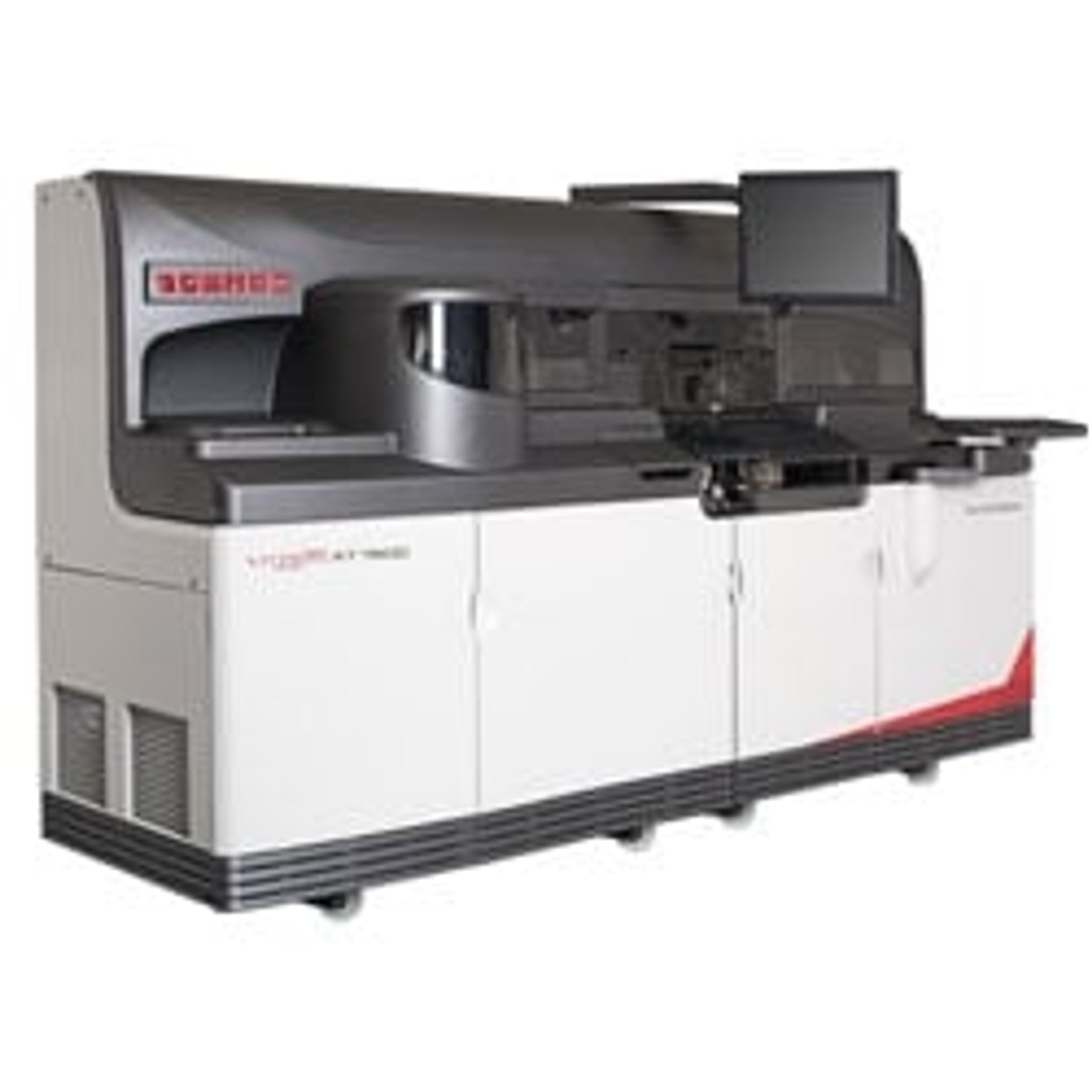
VITROS® XT 7600 Integrated System
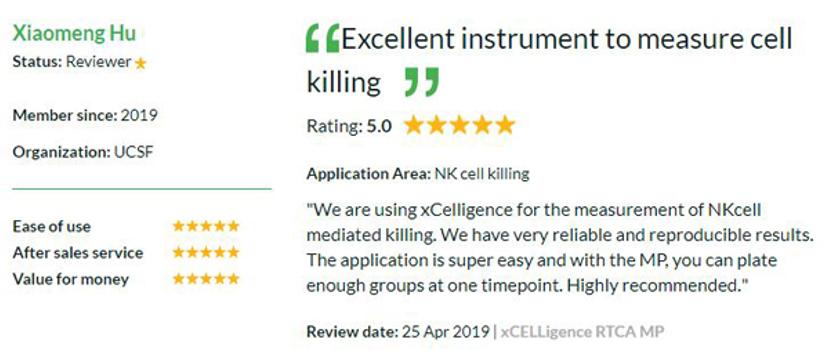
Ortho Clinical DiagnosticsVITROS® XT Systems embrace digital chemistry and are powered by a new digital reflectometer, connecting your lab's ecosystem better than ever before, driving your efficiency, productivity and improving the quality of care you can provide to your patients.
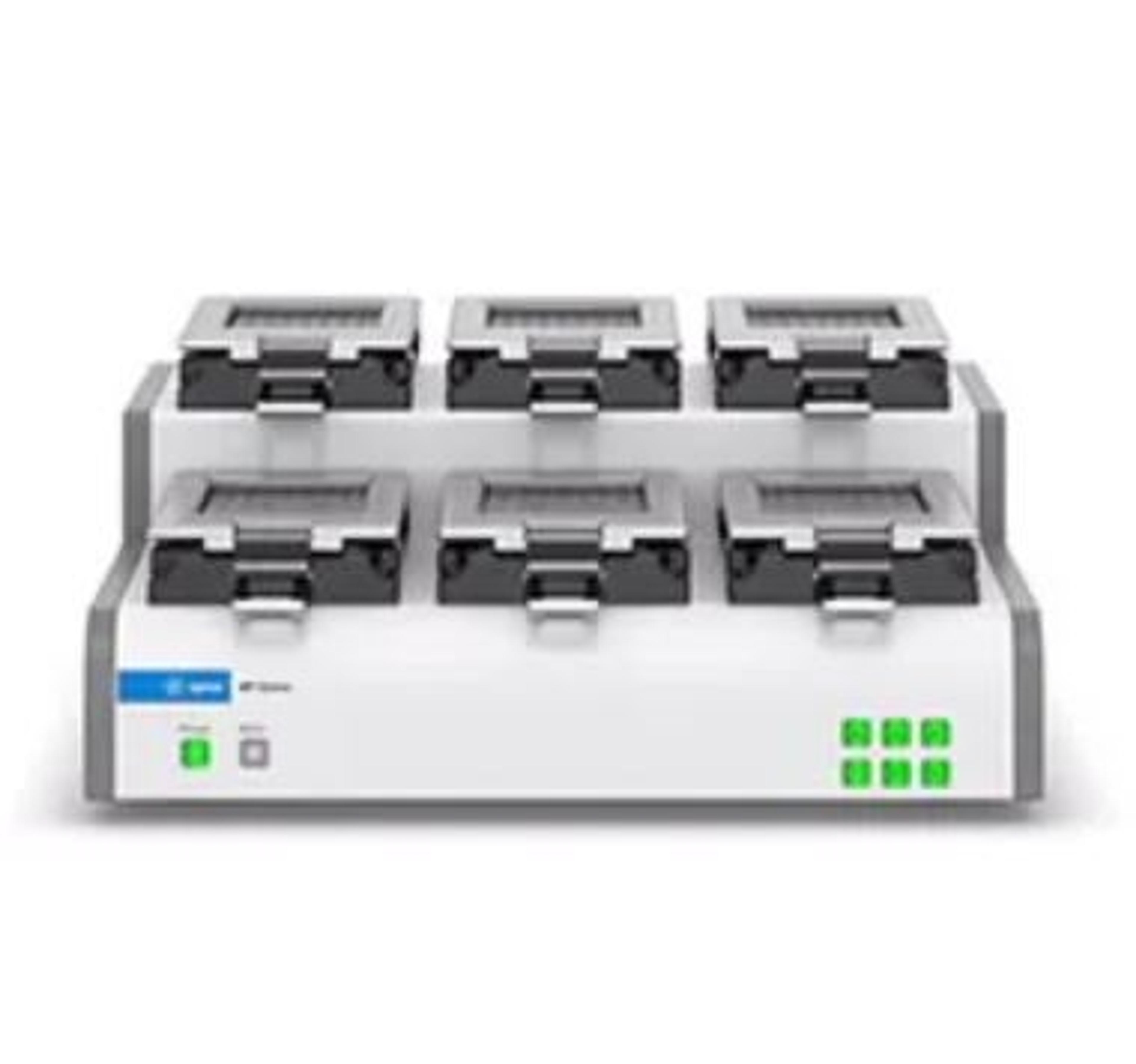
xCELLigence RTCA MP
Agilent TechnologiesThe Agilent xCELLigence Real-Time Cell Analysis (RTCA) MP instrument uses label-free cellular impedance to continuously monitor cell health, behavior, and function with high accuracy, sensitivity, and reproducibility. The MP model can host up to six 96-well electronic microplates (E-Plate 96), which can be run in parallel or independently of one another. This multiple plate format is ideal for cell health characterization, immune cell-mediated killing, viral cytopathic effects, cytotoxicity, cell adhesion, cell barrier function (TEER), cell signaling (e.g., GPCR) and other related applications. The instrument operates in a standard CO2 cell culture incubator and the control unit is housed outside the incubator. Simply plate cells and begin monitoring cell behavior to obtain real-time kinetic data for assay windows that stretch from seconds to days. Online data acquisition and offline data analysis are easy to perform using RTCA Software Pro, which also supports FDA 21 CFR Part 11. For Research Use Only. Not for use in diagnostic procedures.