
Developing safe and effective serial killers of solid tumors
3 Aug 2022

Immunotherapy has emerged as a promising area in the field of cancer research as it has the potential to provide more precise, personalized, and effective cancer treatments. This area of research is constantly evolving, and a new type of immunotherapy, chimeric antigen receptor (CAR) T cell therapy, was approved by the FDA in 2017. Despite the excitement surrounding CAR T cell therapy, it has had limited success in treating solid tumors and can cause serious or life-threatening side effects.
The novel therapy uses modified T cells to find and destroy cancer cells, but is associated with a number of major challenges, including T cell exhaustion, off-tumor toxicity, cytokine release syndrome (CRS), and metabolic insufficiency of CAR T in the immunosuppressive tumor microenvironment (TME). However, research in the field of CAR T cell therapy is progressing rapidly and could improve the effectiveness of cancer immunotherapy.
In this exclusive interview, we speak with Dr. Archana Thakur, associate professor of medicine at the University of Virginia, about her recent study on safer and more effective metabolically enhanced headless CAR T (hCAR T) cells armed with bispecific antibodies (bsAbs).
Dr. Thakur and her colleagues at the University of Virginia and the University of Pennsylvania created armed hCAR T cells by transducing with the construct containing the transmembrane, the intracellular domain (ICD) of the co-stimulatory receptors, and the T cell receptor signaling-CD3 Zeta domains, followed by arming with bsAbs.
The metabolically enhanced, bsAb-armed hCAR T cells proved themselves as safe, effective serial killers of tumor targets, secrete Th1 cytokines and chemokines, and continue to kill under in vitro hypoxic conditions.
What inspired you to study bsAb-armed hCAR T cells?
AT: The major challenges of CAR-T cells in solid tumors have been T cell exhaustion, off-tumor toxicity, CRS, and metabolic insufficiency of CAR Ts to persist and provide effector functions in the immunosuppressive tumor microenvironment (TME). Knowing these deficiencies of CAR T cells in solid tumors motivated us (along with Dr. Carl H. June of UPenn) to design “headless CAR T cells” that can overcome these challenges. Metabolically enhanced CAR-less, or hCAR T cells, were developed and characterized to improve effector functions and survival in the solid TME. We generated metabolically enhanced hCART cells with an intracellular domain consisting of 41BB and CD3z that provides a metabolic sufficiency and persistence without an extracellular scFv CAR domain. One of the characteristics of 41BBz is to sustain proliferation and persistence. Deletion of the extracellular portion of the CAR construct aimed to minimize the possibility of cytokine release syndrome by eliminating tonic stimulation by tumor antigens. Combining the potent intracellular signaling domains of hCAR T with a bsAb arming strategy redirects the non-MHC restricted cytotoxicity of target cells and establishes an adaptable and flexible targeting platform.
What impact could bsAb-armed hCAR T cells have on patient care?
AT: The efficacy of the therapeutic product without side effects is the most important criteria in patient care. We anticipate that bsAb-armed hCAR Ts can effectively target tumors without severe side effects similar to those seen with bsAb-armed T cells[1-3]. This approach can effectively target all tumor types and has a built-in “autobrake” system to the effector cells, thus avoiding tonic cytokine/chemokine stimulation leading to CRS.
What do you see for future developments in this area?
AT: There are few key advantages of this approach:
The hCAR Ts could be armed with off-the-shelf bsAb(s) to target one or more antigens on solid tumors, sequentially or simultaneously.
This exogenous targeting approach avoids the necessity for engineering a different or multiple CAR(s) construct for each tumor type.
This self-limiting governance of antigen-engagement would not only limit toxicity but will also allow for multiple infusions.
To learn more about Dr. Thakur’s research, watch the full webinar here >>
Tools for immunotherapy research
From T cell isolation to antibody engineering, research in the field of immunotherapy continues to evolve and it is therefore crucial that scientists have access to the right tools for the job.
To help ensure the advancement of novel immunotherapies, Agilent Technologies offer a comprehensive portfolio of products for assessing real-time cell function, phenotype, and fate.
In this study, the researchers used the below products:
- Agilent Seahorse XFe Analyzer: An effective analyzer that simultaneously interrogates mitochondrial respiration and glycolysis, allowing you to measure and modulate cellular bioenergetics in real-time.
- Agilent xCELLigence RTCA: Continuously monitors cell health and function with high accuracy, sensitivity, and reproducibility using label-free cellular impedance.
- Agilent NovoCyte Flow Cytometer: A high-performance benchtop flow cytometer designed for all levels of users and all types of laboratories.
References
Lum LG, Al-Kadhimi Z, Deol A, Kondadasula V, Schalk D, Tomashewski E, Steele P, Fields K, Giroux M, Liu Q et al: Phase II clinical trial using anti-CD3 x anti-HER2 bispecific antibody armed activated T cells (HER2 BATs) consolidation therapy for HER2 negative (0-2+) metastatic breast cancer. J Immunother Cancer 2021, 9(6).
Lum LG, Thakur A, Choi M, Deol A, Kondadasula V, Schalk D, Fields K, Dufrense M, Philip P, Dyson G et al: Clinical and immune responses to anti-CD3 x anti-EGFR bispecific antibody armed activated T cells (EGFR BATs) in pancreatic cancer patients. Oncoimmunology 2020, 9(1):1773201.
Lum LG, Thakur A, Al-Kadhimi Z, Colvin GA, Cummings FJ, Legare RD, Dizon DS, Kouttab N, Maizel A, Colaiace W et al: Targeted T cell Therapy in Stage IV Breast Cancer: A Phase I Clinical Trial. Clinical Cancer Research 2015.
For Research Use Only. Not for use in diagnostic procedures.
Related products
Request Quote for All Products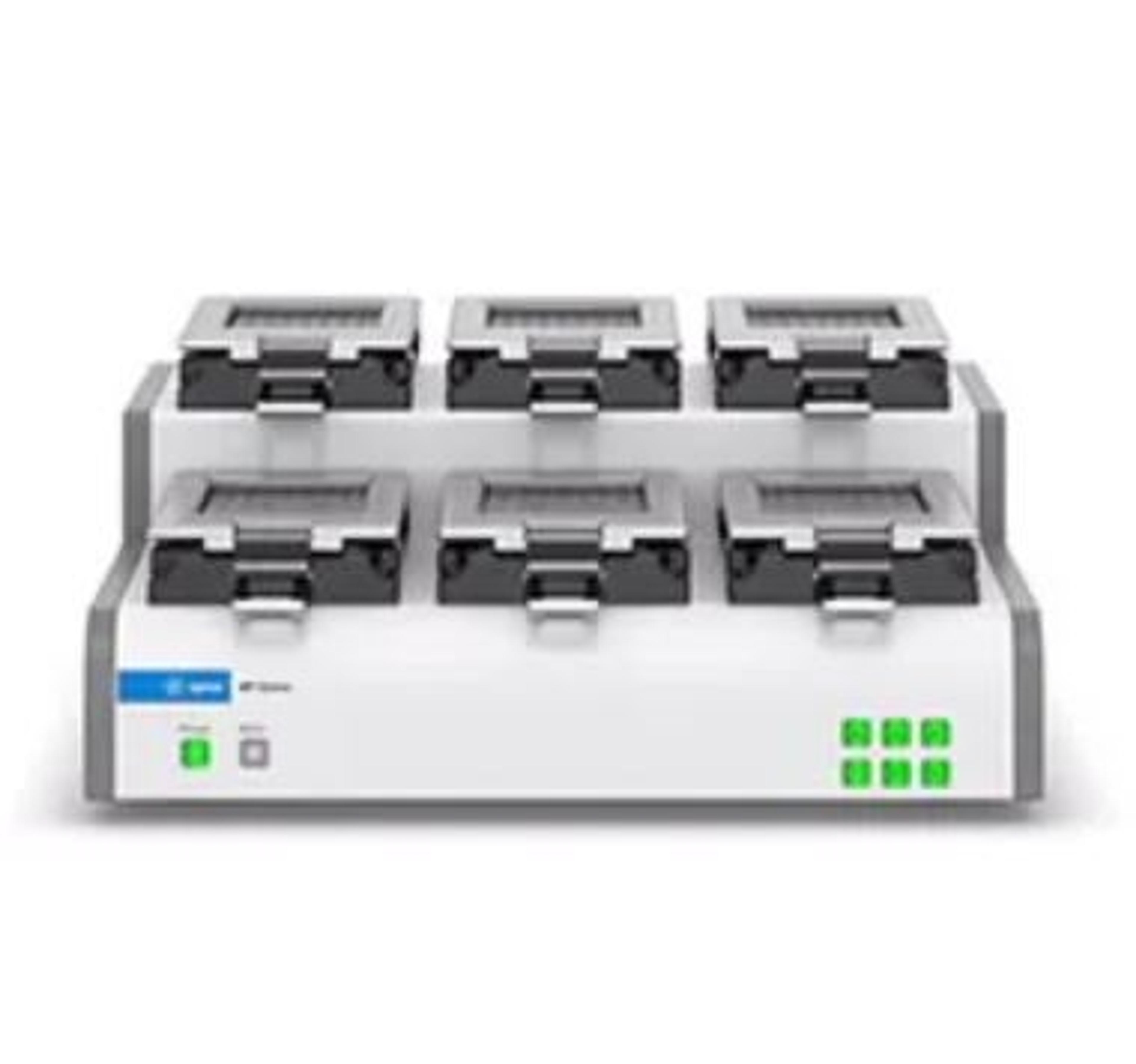
xCELLigence RTCA MP
Agilent TechnologiesThe Agilent xCELLigence Real-Time Cell Analysis (RTCA) MP instrument uses label-free cellular impedance to continuously monitor cell health, behavior, and function with high accuracy, sensitivity, and reproducibility. The MP model can host up to six 96-well electronic microplates (E-Plate 96), which can be run in parallel or independently of one another. This multiple plate format is ideal for cell health characterization, immune cell-mediated killing, viral cytopathic effects, cytotoxicity, cell adhesion, cell barrier function (TEER), cell signaling (e.g., GPCR) and other related applications. The instrument operates in a standard CO2 cell culture incubator and the control unit is housed outside the incubator. Simply plate cells and begin monitoring cell behavior to obtain real-time kinetic data for assay windows that stretch from seconds to days. Online data acquisition and offline data analysis are easy to perform using RTCA Software Pro, which also supports FDA 21 CFR Part 11. For Research Use Only. Not for use in diagnostic procedures.
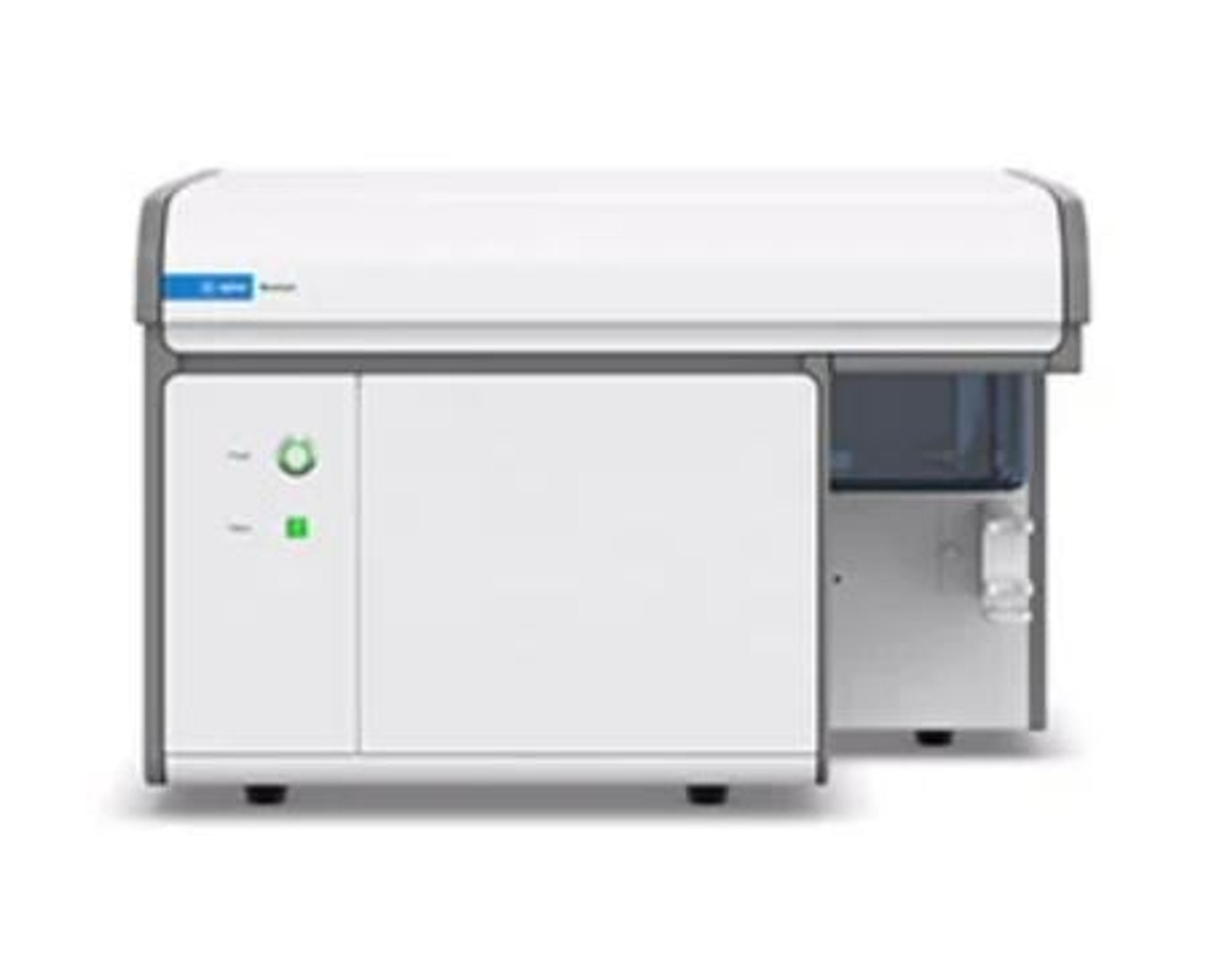
NovoCyte Flow Cytometer
Agilent TechnologiesNovoCyte is a high-performance benchtop flow cytometer designed for all levels of users and all types of laboratories. The budget-friendly instrument can detect up to 17 parameters with enhanced sensitivity and resolution. The customizable laser and optical configurations of the NovoCyte offer a high degree of flexibility while providing complex cell analysis capabilities. The NovoExpress software facilitates easy and intuitive sample acquisition and analysis. Automation of multiple fluidic functions eliminates cumbersome and time-consuming procedures. Manual sample handling is minimized by the flexible NovoSampler Pro. The system can automatically analyze samples in single tubes, multi-tube racks, or 24-, 48-, or 96-well plates
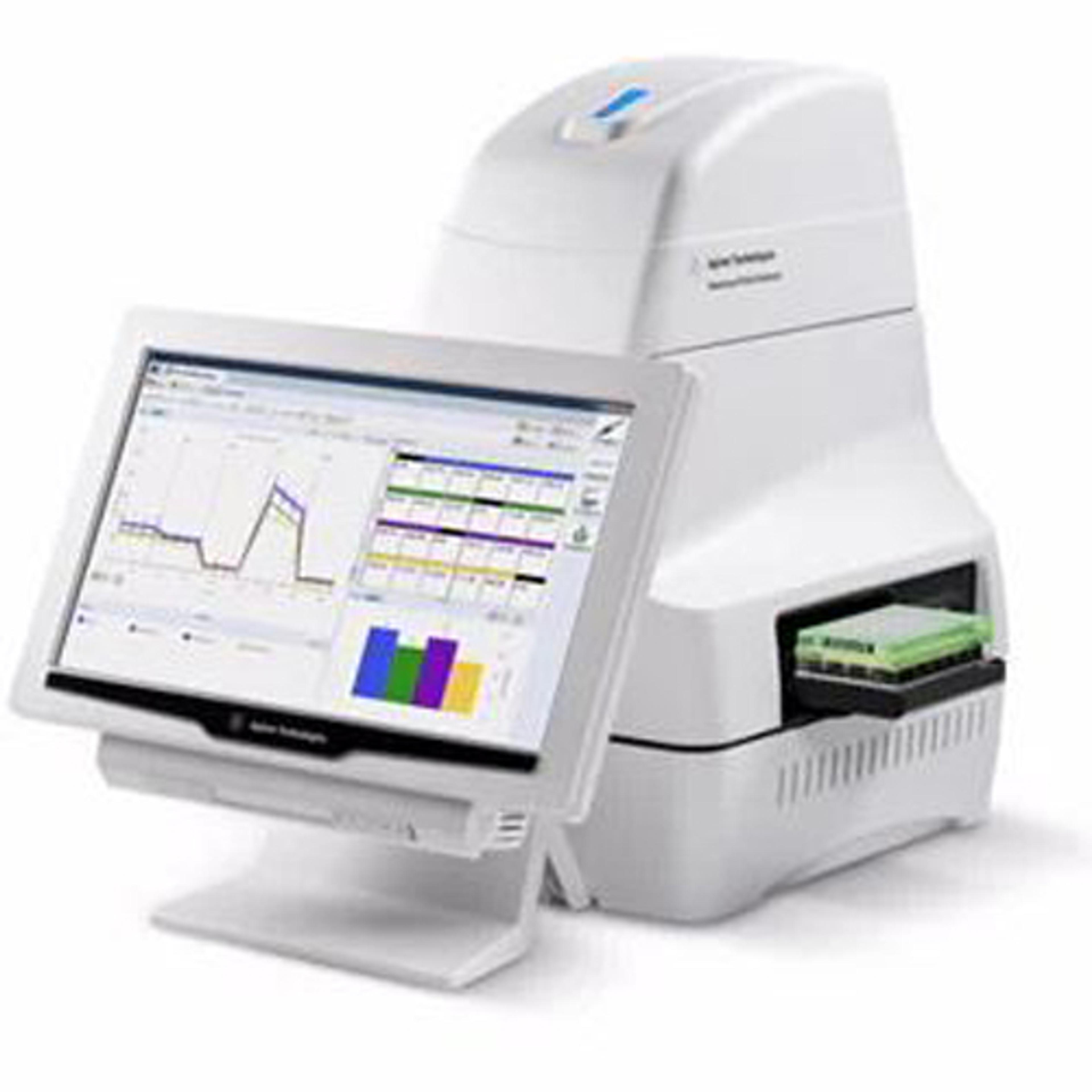
Seahorse XFe24 Analyzers
Agilent TechnologiesXFe Extracellular Flux Analyzers simultaneously interrogate the two major energy producing pathways of the cell – mitochondrial respiration and glycolysis - in a microplate, in real-time.