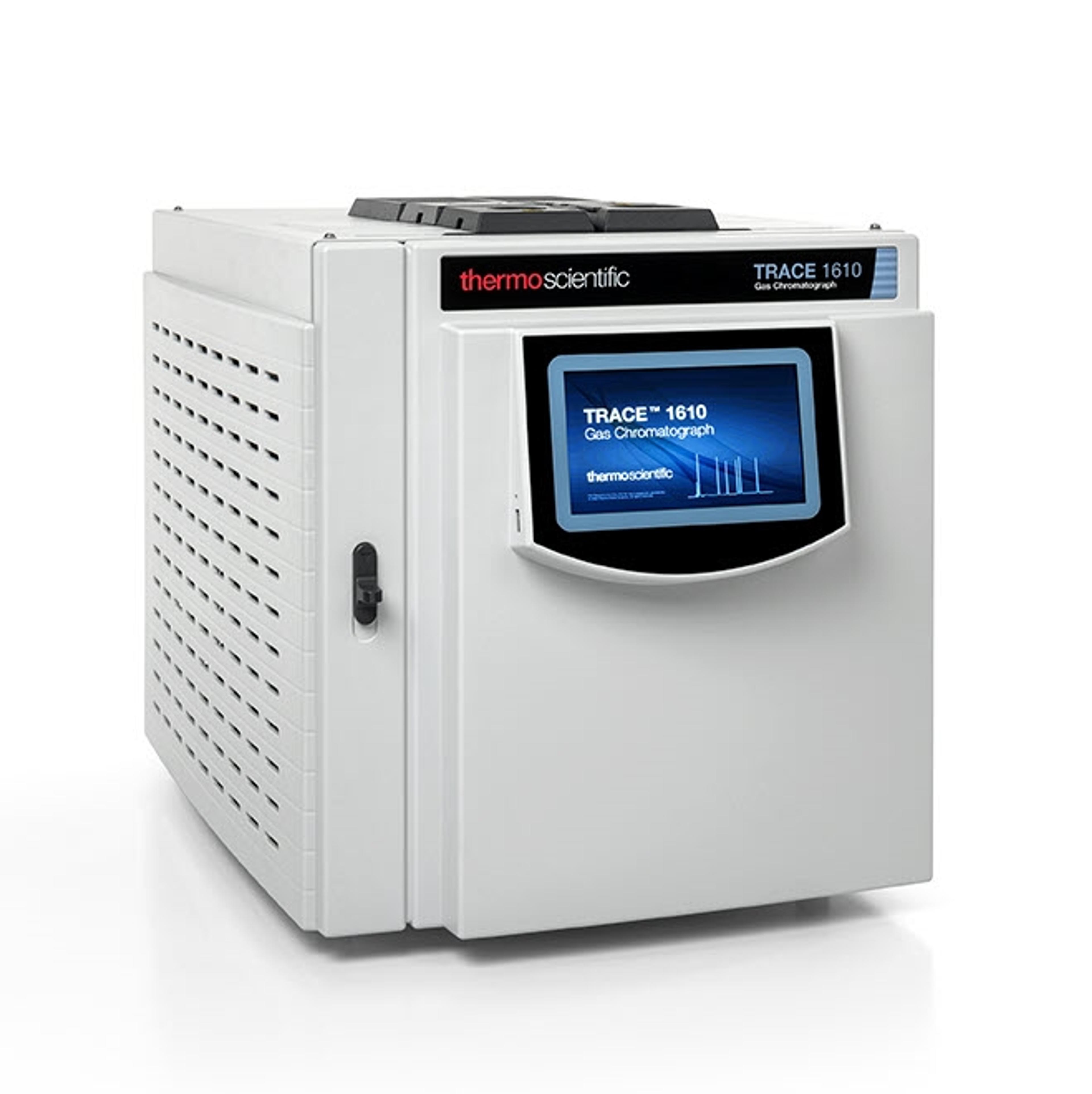
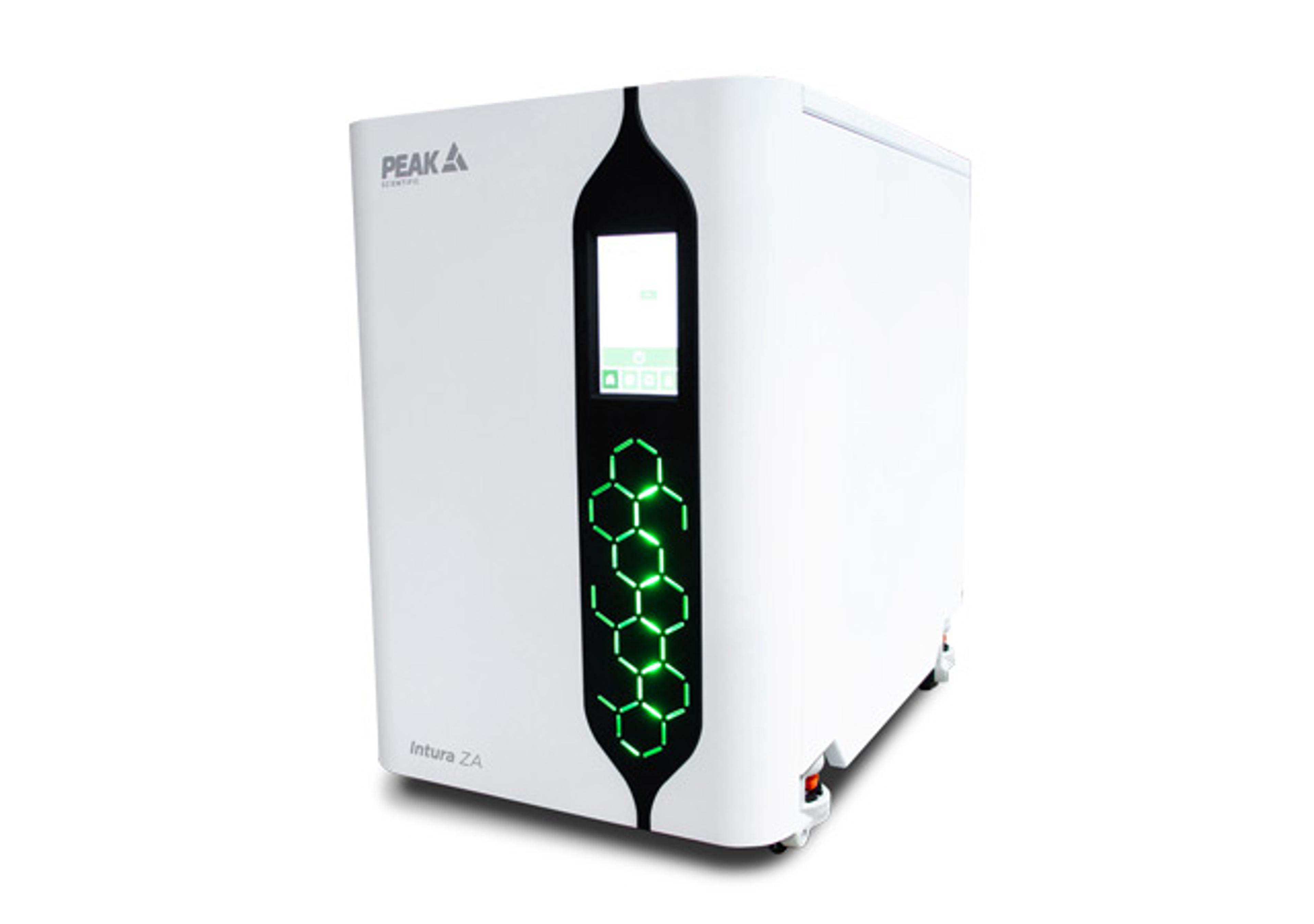
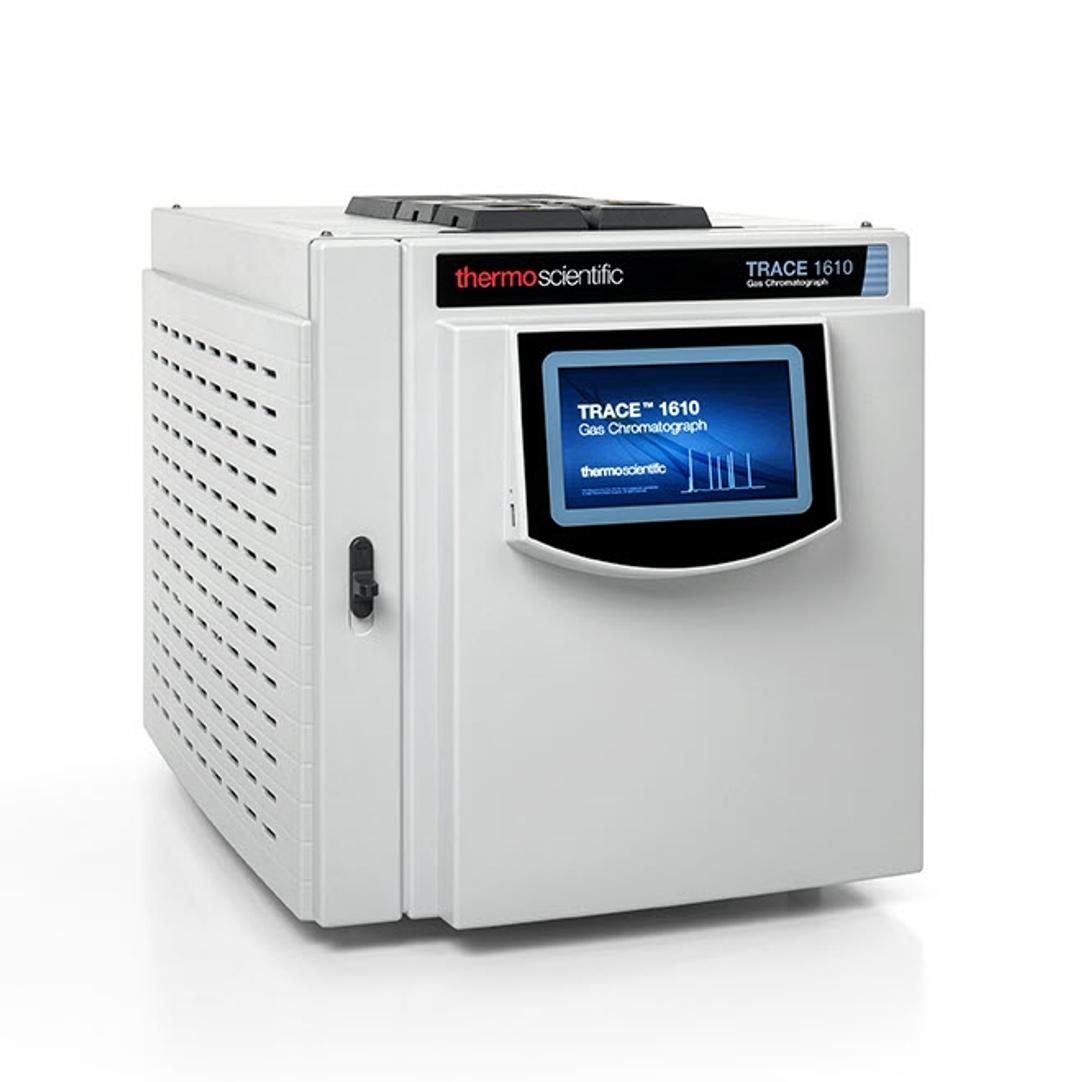
Thermo Scientific™ TRACE™ 1600 Series Gas Chromatograph
Stay ahead with measurably more production. A GC that's ready to run when you are.

The supplier does not provide quotations for this product through SelectScience. You can search for similar products in our Product Directory.
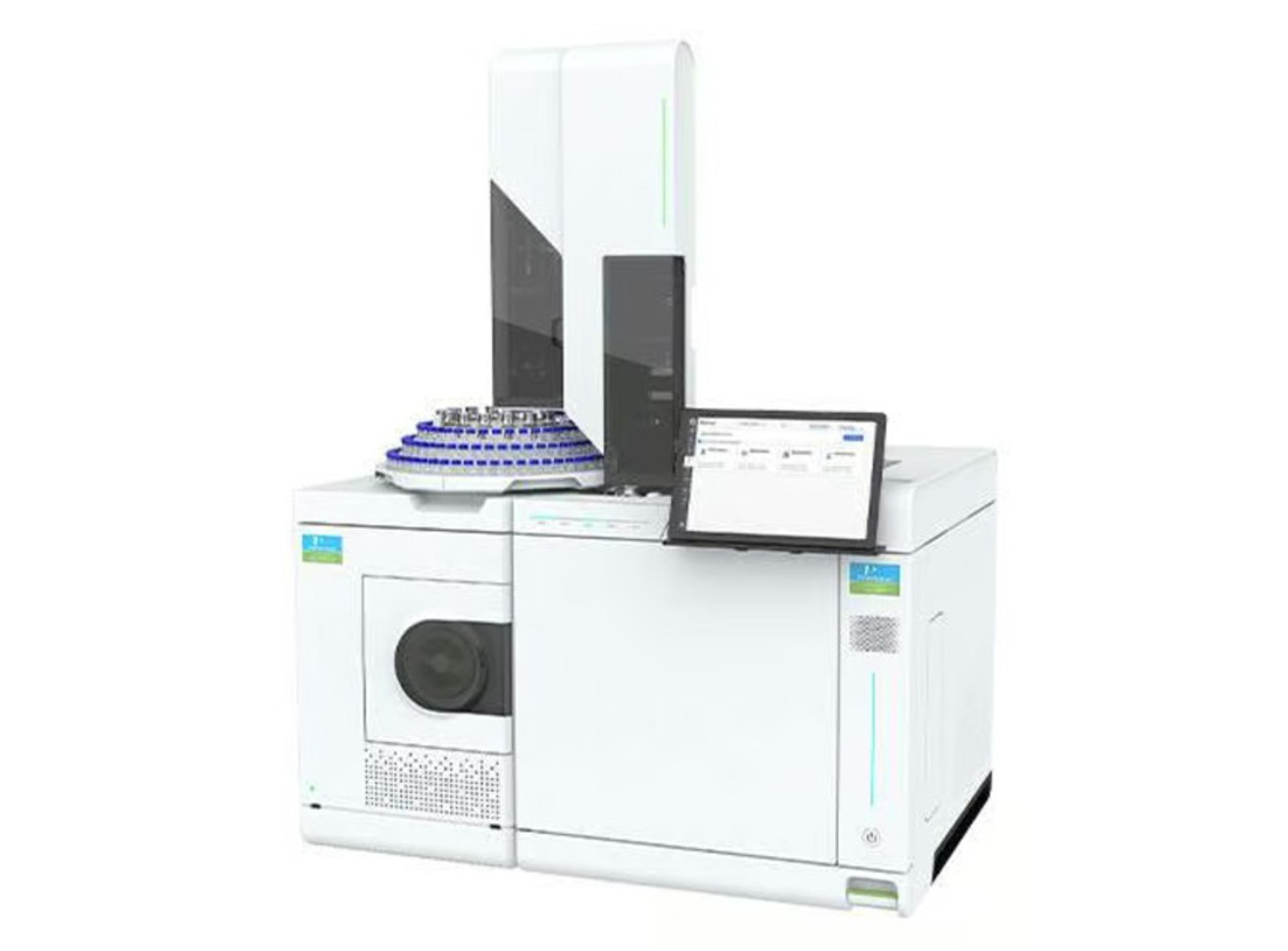
The Thermo Scientific TRACE 1600 Series Gas Chromatograph (GC) is the latest technological breakthrough conceived to maximize uptime and profitability. Engineered with the customer in mind, the unique modular design offers a full line of interchangeable injector and detector modules for flexible configurations, elevating efficiency and reducing cost of ownership.

PCDD/Fs analysis using triple quadrupole GC-MS with helium-saving technology
Explore the performance of the Thermo Scientific™ HeSaver-H2 Safer™ technology for the iConnect™ split/splitless (SSL) injector on the Thermo Scientific™ TRACE™ 1600 Series GC systems for the analysis of polychlorinated dibenzo-p-dioxins (PCDDs).
PCDD/Furans and their toxicity at trace levels continue to be a concern for regulatory agencies. The Thermo Scientific™ DFS™ Magnetic Sector gas chromatography high-resolution mass spectrometer (GC-HRMS) is the gold standard in dioxin analysis, providing worldwide compliance in environmental samples as outlined in the US Environmental Protection Agency (EPA) Method 1613 and in food and feed under EU Regulations 644/2017 and 771/2017 for the analysis of PCDDs/PCDFs.
Analysis of volatile organic compounds in drinking water according to US EPA Method 524.4
In this application note, Thermo Fisher Scientific demonstrates an analytical method that meets the requirements outlined in US EPA Method 524.4 for the quantitation of volatile organic compounds (VOCs) in drinking water, using the Teledyne Tekmar Atomx XYZ purge and trap (P&T) system along with a Thermo Scientific™ ISQ™ 7610 Single Quadrupole MS system coupled with a Thermo Scientific™ TRACE™ 1610 Gas Chromatograph (GC) and Thermo Scientific™ Chromeleon™ Chromatography Data System (CDS). Method linearity, method detection limit (MDL), precision, and accuracy were assessed to evaluate method performance.
Analysis of volatile organic compounds in drinking water with the ISQ 7610 GC-MS using HeSaver-H2 Safer technology
In this application note, Thermo Fisher Scientific demonstrates a routine analytical method that meets the requirements outlined in US EPA Method 524.4 for the quantitation of volatile organic compounds (VOCs) in drinking water, using the Teledyne Tekmar Atomx XYZ Purge and Trap (P&T) system along with a Thermo Scientific™ ISQ™ 7610 MS system coupled with a Thermo Scientific™ TRACE™ 1610 gas chromatograph (GC), equipped with the Thermo Scientific™ HeSaver-H2 Safer™ technology for split/splitless (SSL) injector, and Thermo Scientific™ Chromeleon™ Chromatography Data System (CDS) software. Method linearity, method detection limit (MDL), precision, and MRL were assessed to evaluate method performance. A long-term study was performed to ensure the stability of this analytical method.
Reducing the helium consumption for analysis of VOCs in accordance with EPA Method 8260D without compromising performance using HeSaver-H2 Safer technology
In this application note, Thermo Fisher Scientific discusses the significance of volatile organic compounds (VOCs). The method of choice for analyzing VOCs involves gas chromatography coupled with single quadrupole mass spectrometry using Purge and Trap (P&T) sampling. The HeSaver-H2Safer™ technology offers a solution by significantly reducing helium consumption without compromising performance. The application of this technology in conjunction with gas chromatography and mass spectrometry for the analysis of water and soil samples according to EPA Method 8260D is detailed. The results demonstrate that the HeSaver-H2Safer™ technology allows for minimal method transfer effort while maintaining chromatographic performance across different matrices.
Environmental analysis of PCBs at reduced running costs using hydrogen as carrier gas
In this application note, Thermo Fisher Scientific compares the performance of a triple quadrupole mass spectrometer coupled to a gas chromatograph (GC) using hydrogen versus helium as the carrier gas for analyzing polychlorinated biphenyls (PCBs). PCBs are industrial chemicals banned since 1977 due to environmental concerns. The study aims to meet acceptance criteria outlined in US EPA Method 1668. The note discusses the structure and toxicity of PCBs, regulations surrounding them, and the application of GC-MS/MS for analysis.
Staying ahead of regulations for the analysis of steroids in urine with GC-MS/MS
The goal of this technical note is to demonstrate the utility of the Thermo Scientific™ TRACE™ 1610 GC system and Thermo Scientific™ TSQ™ 9610 triple quadrupole GC-MS system for the anti-doping controls.
Methods for the analysis of SVOCs in water samples
Explore cutting-edge approaches for advancing semi-volatile organic compounds (SVOCs) analysis in water samples