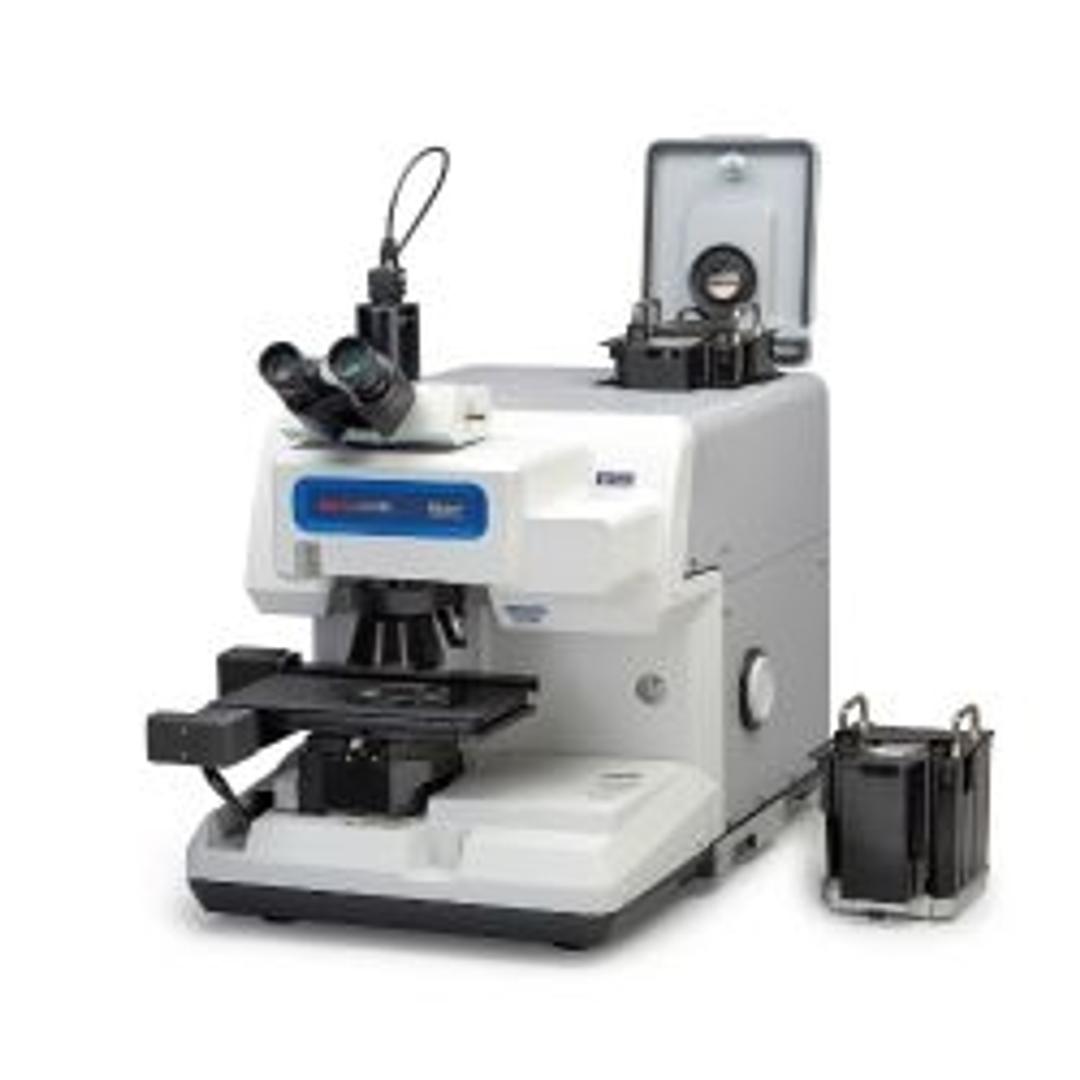
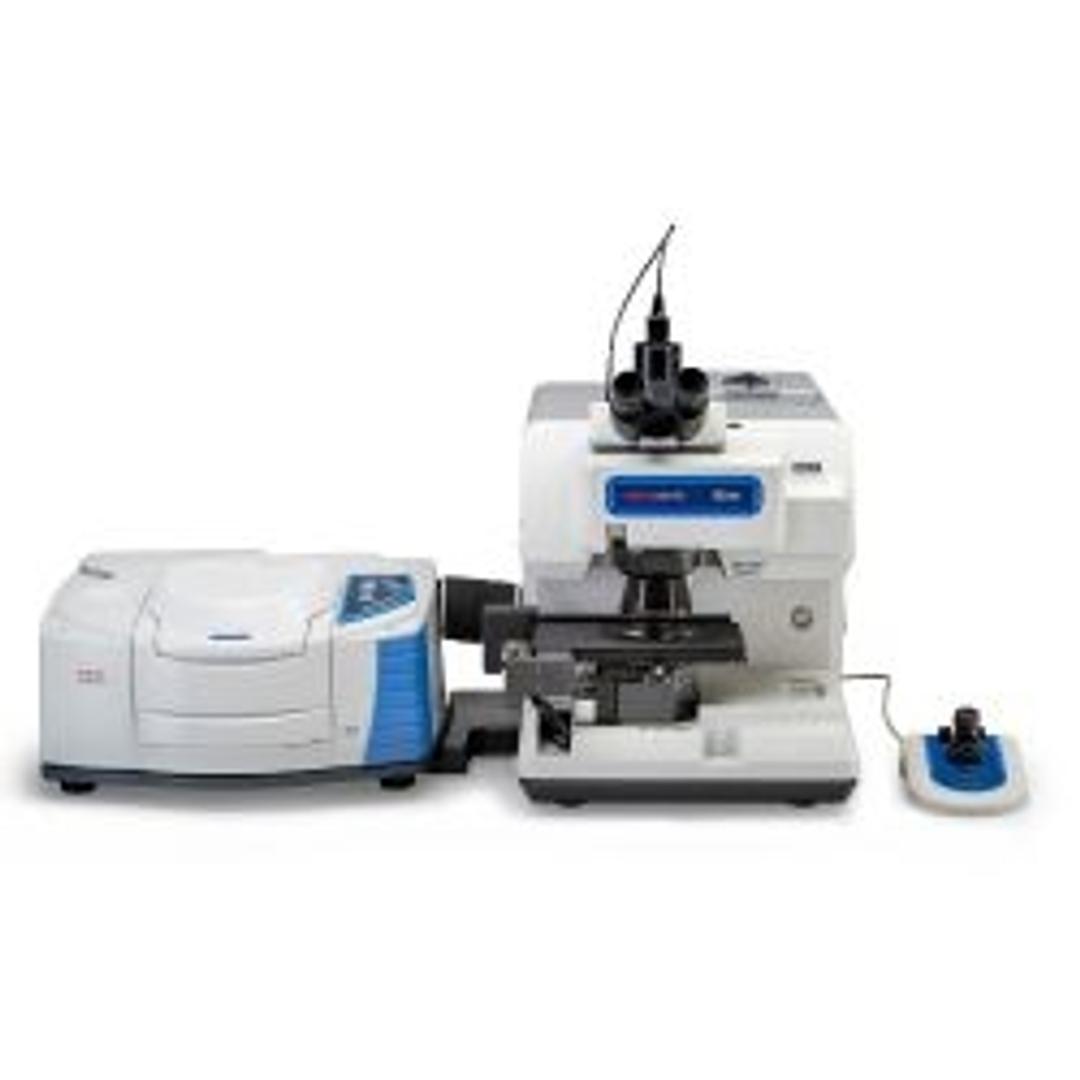
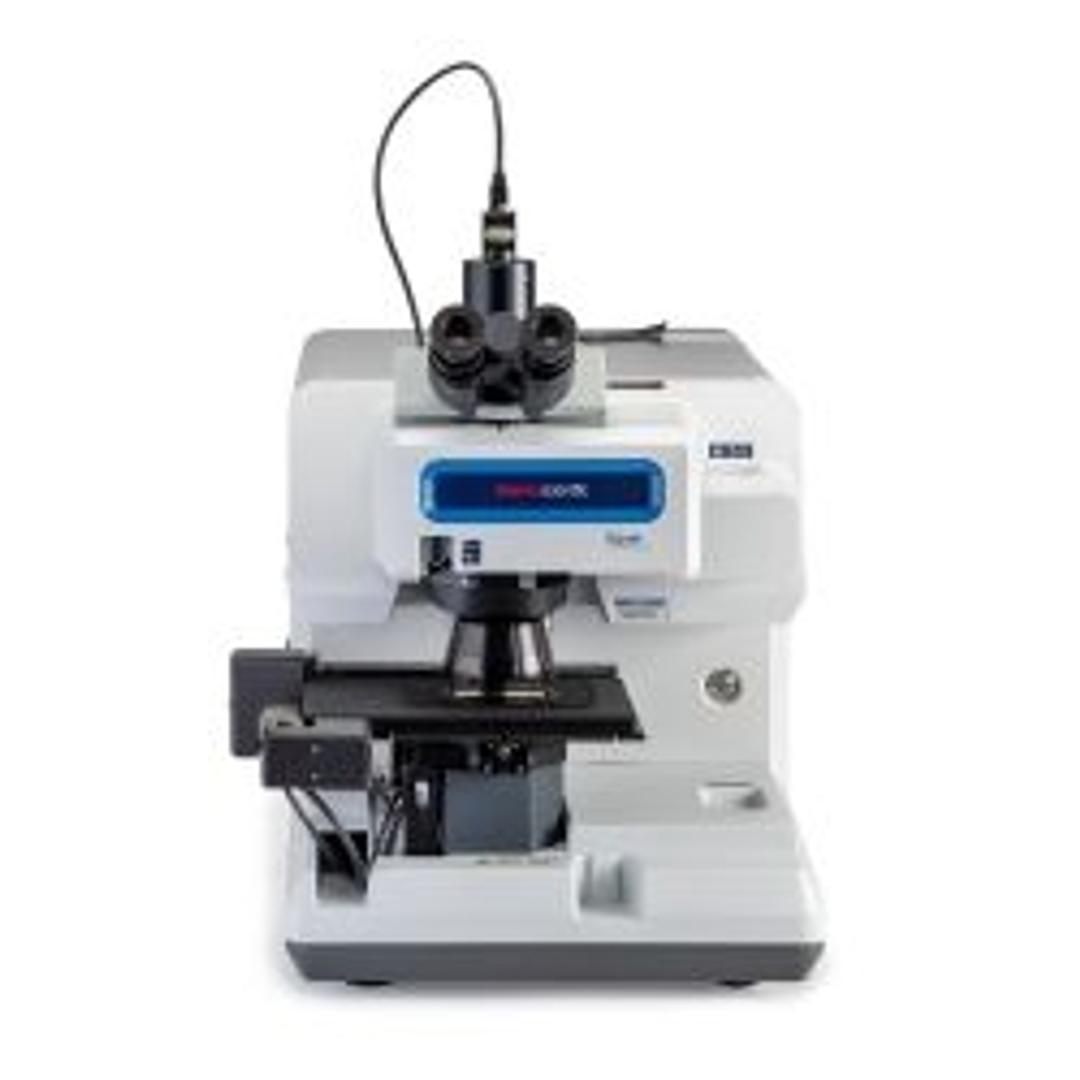
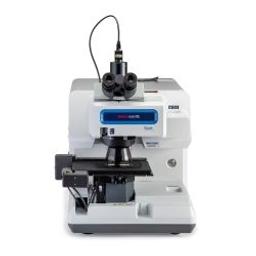
Thermo Scientific™ Nicolet™ RaptIR™ FTIR Microscope
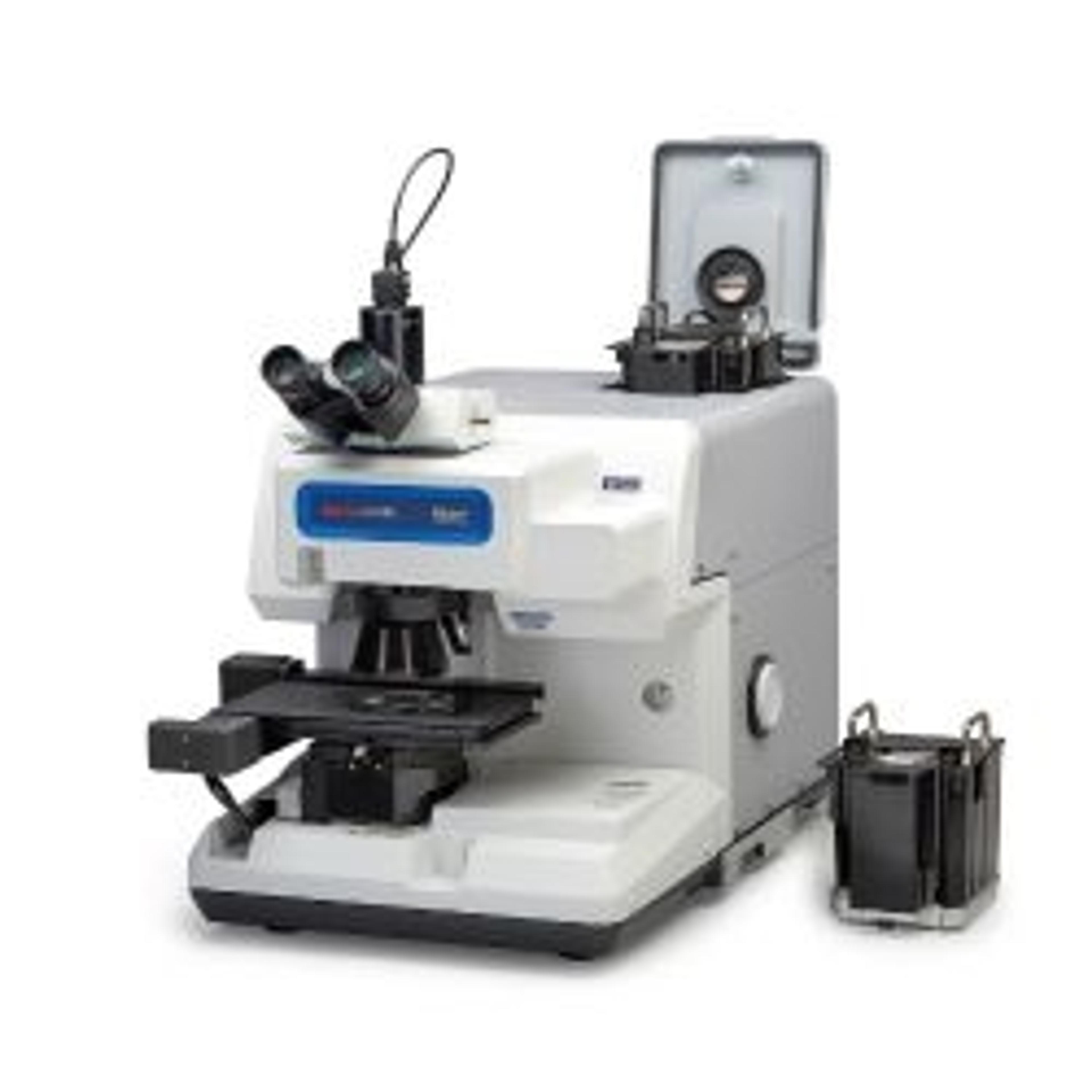
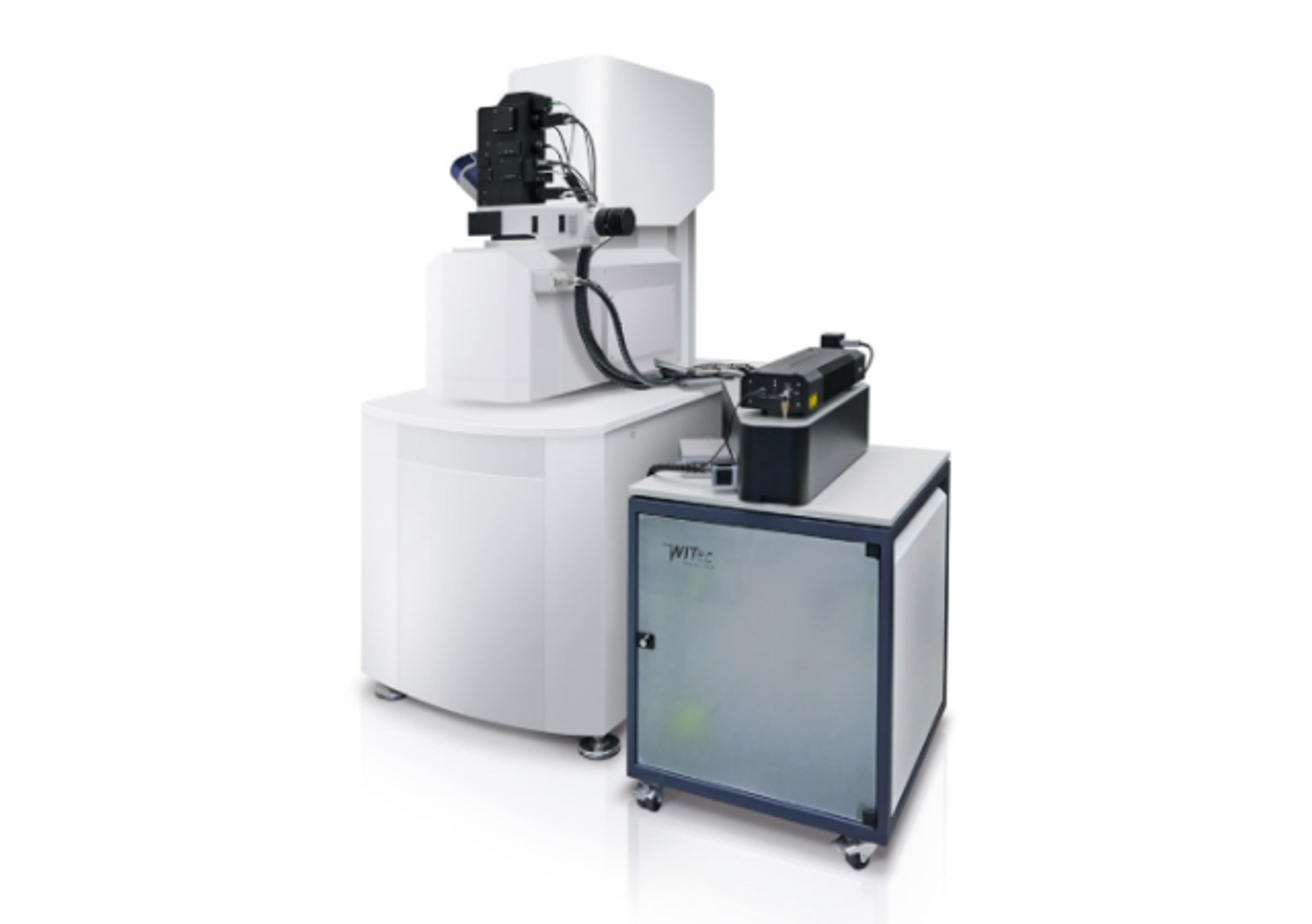
The Thermo Scientific™ Nicolet™ RaptIR+™ FTIR Microscope offers precision and agility to help streamline sample analysis by quickly generating actionable results. Homing in on the intricacies of a sample to find the answer you need is often a lengthy and difficult process. Any amount of time saved while searching for the solution makes a world of difference in delivering results.

The supplier does not provide quotations for this product through SelectScience. You can search for similar products in our Product Directory.
The Nicolet RaptIR FTIR Microscope is available in two different models to help you in your analytical labs where details matter most—answers in minutes and microns.
- Thermo Scientific Nicolet RaptIR+ FTIR Microscope – User swappable detectors and the configurable design offer maximum versatility for any laboratory.
- Thermo Scientific™ Nicolet™ RaptIR™ FTIR Microscope – Simpler configurations provide basic functionality yet research-grade resolution (visible and IR) to unravel your sample’s intricacies.
Key features of both instruments:
- Diffraction-limited objectives provide outstanding visual and infrared performance.
- Multi-position automated nosepiece, autofocus, auto illumination, and full-view computer-controlled aperture for ultimate comfort and efficient ease of use.
- Visual spatial resolution at 1 micron via a 5MPix camera or eyepieces, and infrared spatial resolution at better than 5 microns to obtain high-quality, high-resolution pictures and spectra of your sample.
- Reflectance, transmission, and ATR sampling modes with automated exchange provide versatility, including built-in ATR sensors providing protection for your samples and sensitive pressure control.
- Open-access, heavy-duty stage to accommodate samples up to 40 millimeters thick and 5 kilograms in weight.
- Fast results with mapping of up to 10 spectra/second.
- For RaptIR+ only: Multiple detector choices and configurations maximize your laboratory capabilities.
Intuitive software:
The innovative hardware features of the Nicolet RaptIR FTIR Microscopes are complemented by the advantages of the Thermo Scientific™ OMNIC™ Paradigm Software.
- Paradigm provides users with clear guidance on how to extract information needed from the target.
- The software boasts a clean, adaptive user interface (UI), database security, floating tool bar, 64-bit system, and easily generated workflows to automate data collection and analysis sequences.
- Paradigm also enables the easy swapping of the detectors and use of the full range of your spectrometer’s capabilities including TGA-IR, GC-IR, and FT-Raman.
Applicability for microsamples across industries:
- Pharmaceuticals (API distributions and purity analysis)
- Polymers and plastics
- Environmental contamination (microplastics)
- Forensics (counterfeiting and trace analysis)
- Art restoration
- And many more!

Analysis of a Tintoretto stratigraphy with micro-FTIR spectroscopy
In this application note, Thermo Fisher Scientific presents an analysis of a painting sample (stratigraphy) from Tintoretto's work at the Scuola Grande di San Rocco in Venice, Italy. The goal was to verify the composition of its five pictorial layers. Fourier transform infrared (FTIR) spectroscopy was employed to investigate the stratigraphy structure, specifically identifying binders, pigments, and other materials used in the preparation layers. The study aimed to determine the presence of oil as a binder in the top layer, tempera grassa in the intermediate layer, and the components of the greenish layer. Additionally, the analysis sought to identify the pigments and binders in the earth pigments of the ground/preparation layer. Spectral libraries facilitated the easy identification of acquired spectra, making FTIR spectroscopy a valuable tool in art restoration for exploring stratigraphy.
Rapid infrared microscopy in pharmaceutical product development, quality control and biologics formulation
In this application note, Thermo Fisher Scientific emphasizes the critical role of Fourier transform infrared (FTIR) microscopy in providing essential data for pharmaceutical companies. The focus is on the varied applications of FTIR microscopy in the pharmaceutical industry, including reverse engineering of solid dosage forms, verifying composition in quality control laboratories, understanding batch-to-batch variation, identifying foreign particulates, and detecting counterfeit pharmaceuticals. The note highlights the Thermo Scientific™ Nicolet™ RaptIR™ FTIR Microscope as a solution that combines clear visual tools with precise infrared analysis and powerful software analytics. The microscope is positioned as an ideal tool to address the diverse challenges emerging in the pharmaceutical industry, catering to both novice and expert users.
Is fast, automated particle analysis of microplastics achievable with FTIR microscopy?
Microplastic pollution is a persistent and widespread environmental concern, regulatory agencies focusing on environmental monitoring are seeking effective methods for characterizing microplastics, given their diverse and small nature. Fourier-transform infrared spectroscopy (FTIR) is a widely accepted analytical tool for identifying polymers, and it is well-suited for detecting large numbers of microplastic particles in a simple, straightforward manner. In this application note, Thermo Fisher Scientific presents a concise workflow for the analysis of microplastics utilizing the Thermo Scientific™ Nicolet™ RaptIR™ FTIR Microscope. This workflow is particularly efficient because the Nicolet RaptIR FTIR Microscope can collect hundreds or thousands of particle spectra without user supervision. Also, the collection time is minimized because only the spectra of particles, not the filter, are collected.