Supel™ QuE
Dispersive SPE (dSPE), often referred to as the "QuEChERS" method (Quick, Easy, Cheap, Effective, Rugged, and Safe), is modern sample prep technique that is becoming increasingly popular in the area of multi-residue pesticide analysis in food and agricultural products. Using the QuEChERS method, food/agricultural samples are first extracted with an aqueous miscible solvent (e.g., acetonitrile) in the presence of high amoun…

The supplier does not provide quotations for this product through SelectScience. You can search for similar products in our Product Directory.
Dispersive SPE (dSPE), often referred to as the "QuEChERS" method (Quick, Easy, Cheap, Effective, Rugged, and Safe), is modern sample prep technique that is becoming increasingly popular in the area of multi-residue pesticide analysis in food and agricultural products.
Using the QuEChERS method, food/agricultural samples are first extracted with an aqueous miscible solvent (e.g., acetonitrile) in the presence of high amounts of salts (e.g., sodium chloride and magnesium sulfate) and/or buffering agents (e.g. citrate) to induce liquid phase separation and stabilize acid and base labile pesticides, respectively. Upon shaking and centrifugation, an aliquot of the organic phase is subjected to further cleanup using SPE. Unlike traditional methods using SPE tubes, in dispersive SPE, cleanup is facilitated by mixing bulk amounts of SPE (e.g., Supelclean PSA, ENVI-Carb, and/or Discovery DSC-18) with the extract. After sample cleanup, the mixture is centrifuged and the resulting supernatant can either be analyzed directly or can be subjected to minor further treatment before analysis.
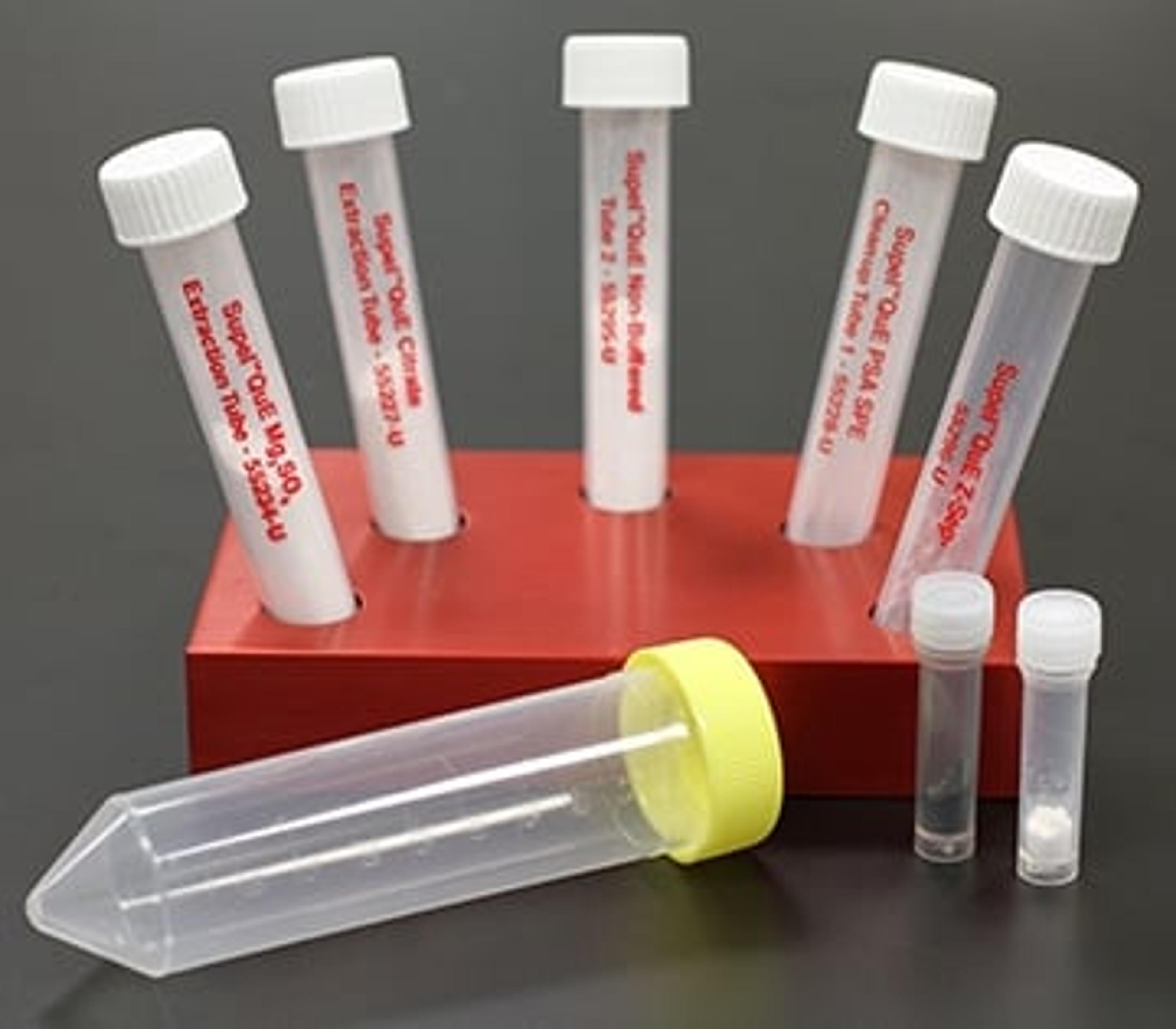
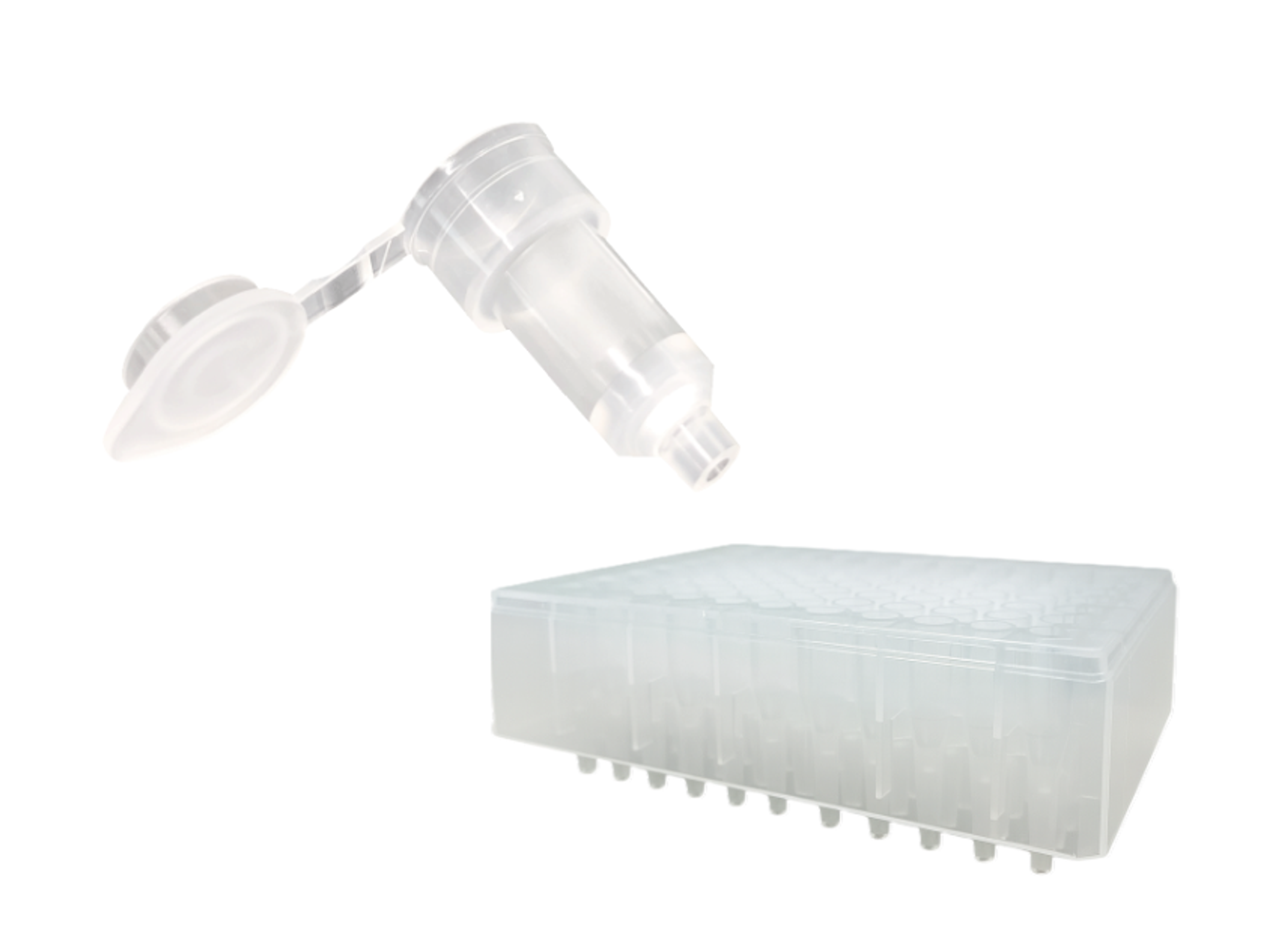
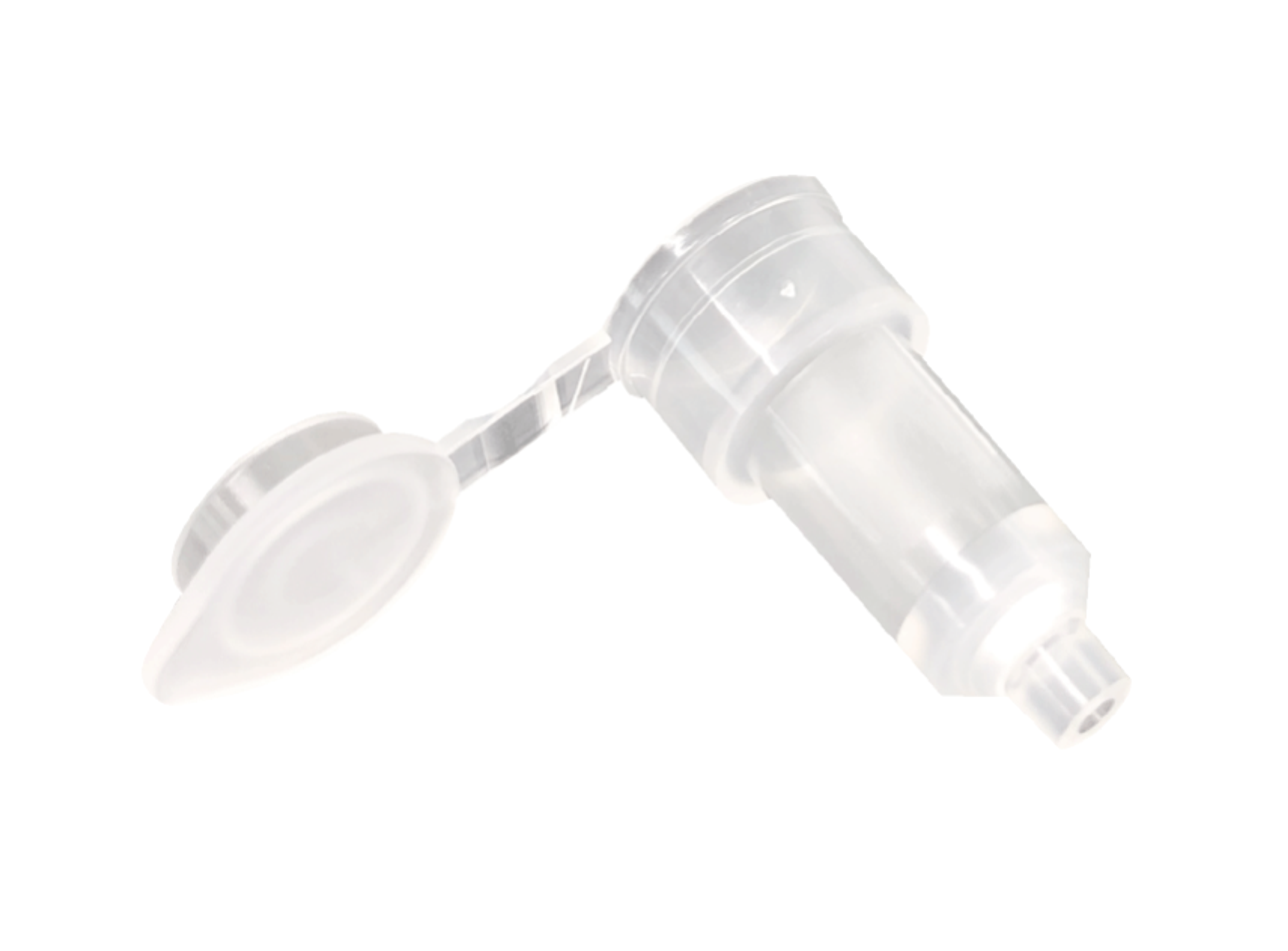
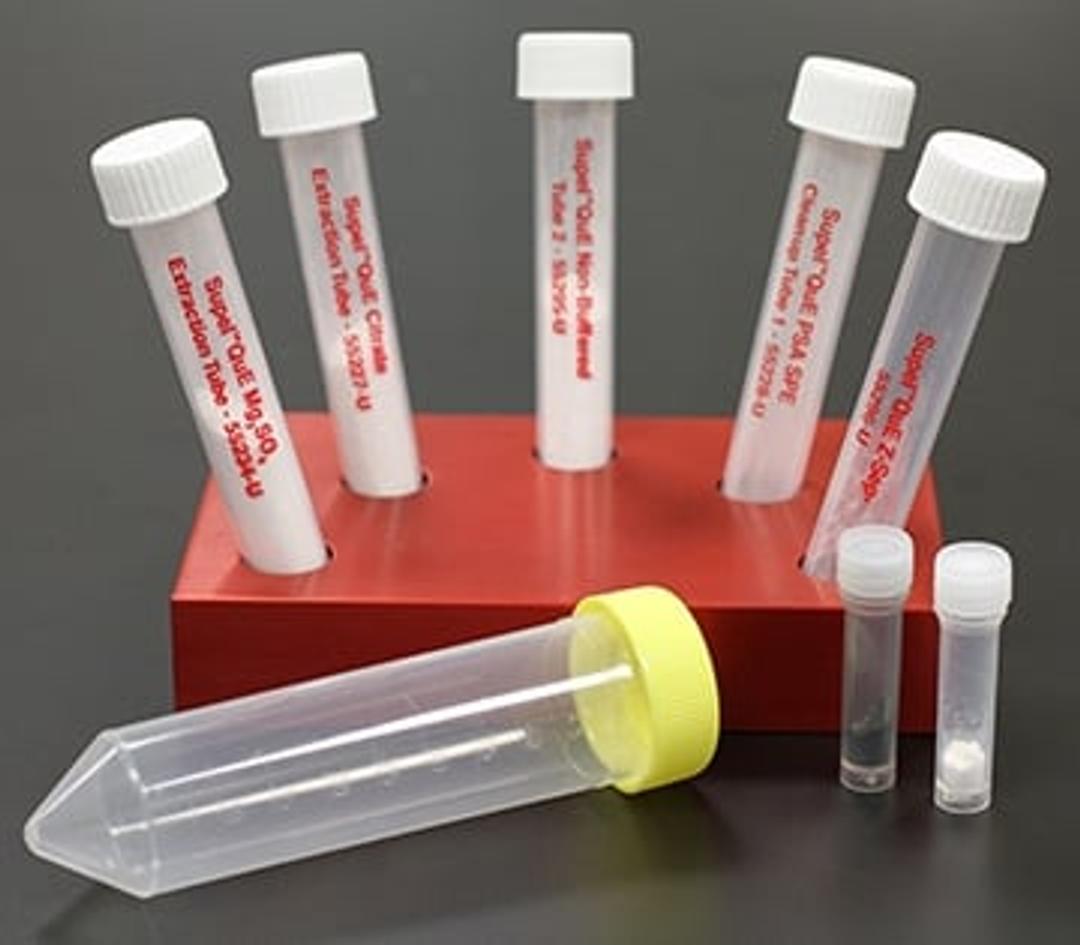
Supelco carries a line of vials and centrifuge tubes containing pre-determined amounts of salts and SPE sorbents to support the most common method configurations used today.

Eliminating Problematic Matrix Interferences for Robust Analysis of Pesticide Residues, PAHs and Fungicides with Supel™ QuE (Dispersive SPE) for “QuEChERS” Method
In “QuEChERS” methodology, the use of loose extraction salts and cleanup sorbents in combination with shaking and centrifugation results in a Quick, Easy, Cheap, Effective, Rugged and Safe sample cleanup technique. The “QuEChERS” method has emerged as a sample prep technique popular in the area of multi-residue pesticide analysis in food and agricultural products, and is formalized in method EN15662:2008 and AOAC 2007.01. Recently, QuEChERS has been expanded into areas including PAH, PCB, PBDE and flame retardant analysis. This note presents several applications of the Supel Que line for the analysis of chemical contaminants in food matrices.
Extraction of Permethrin Pesticides from Spinach Using QuEChERS Methodology with Automated Shaking
QuEChERS was introduced in 2003 for simplified sample preparation in the analysis of pesticides in fruits and vegetables. In this article, permethrin was extracted from spinach using the Supel™ QuE 50 mL centrifuge tubes and following the QuEChERS procedure. Analysis was performed on capillary GC column SLB®-5ms with MS detection.