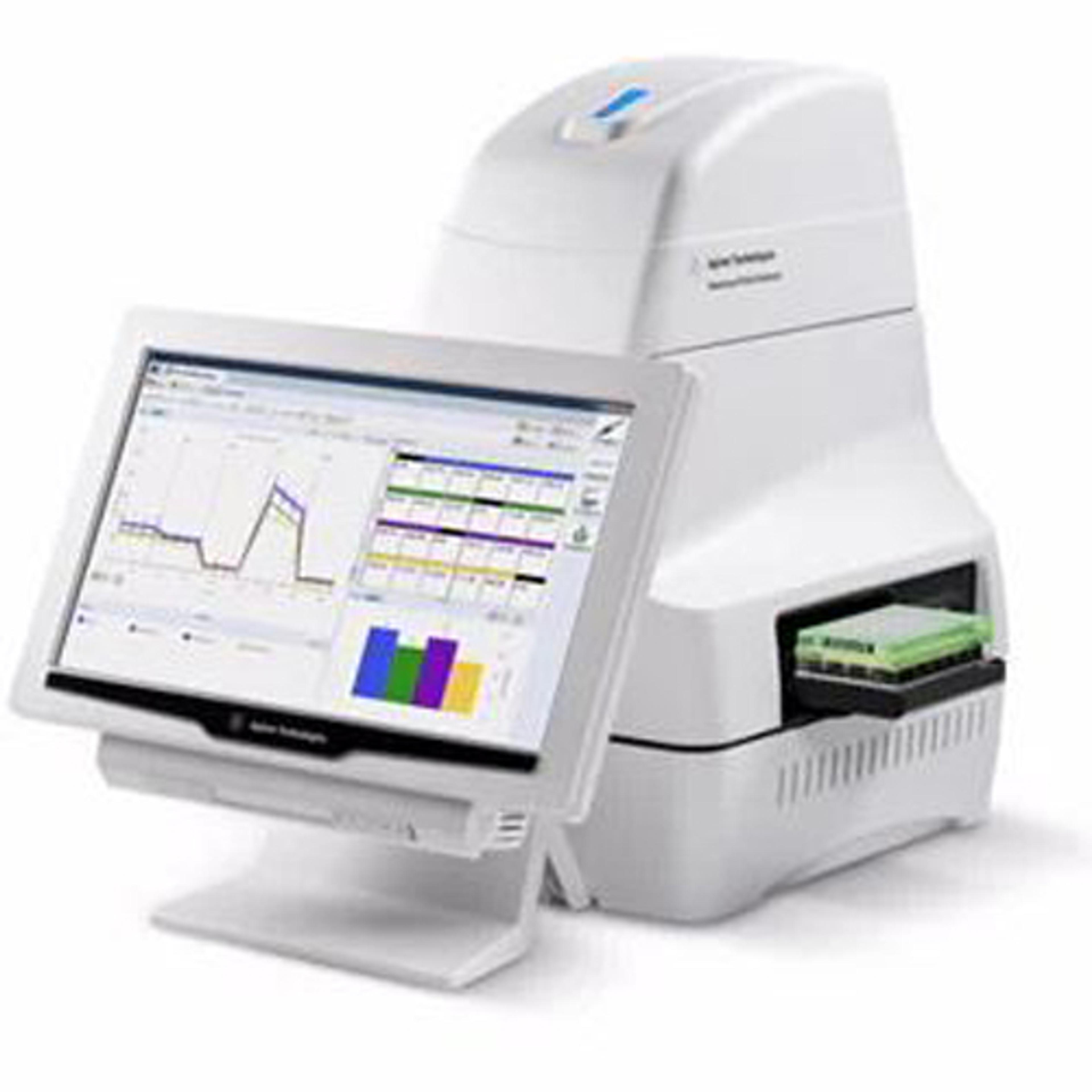
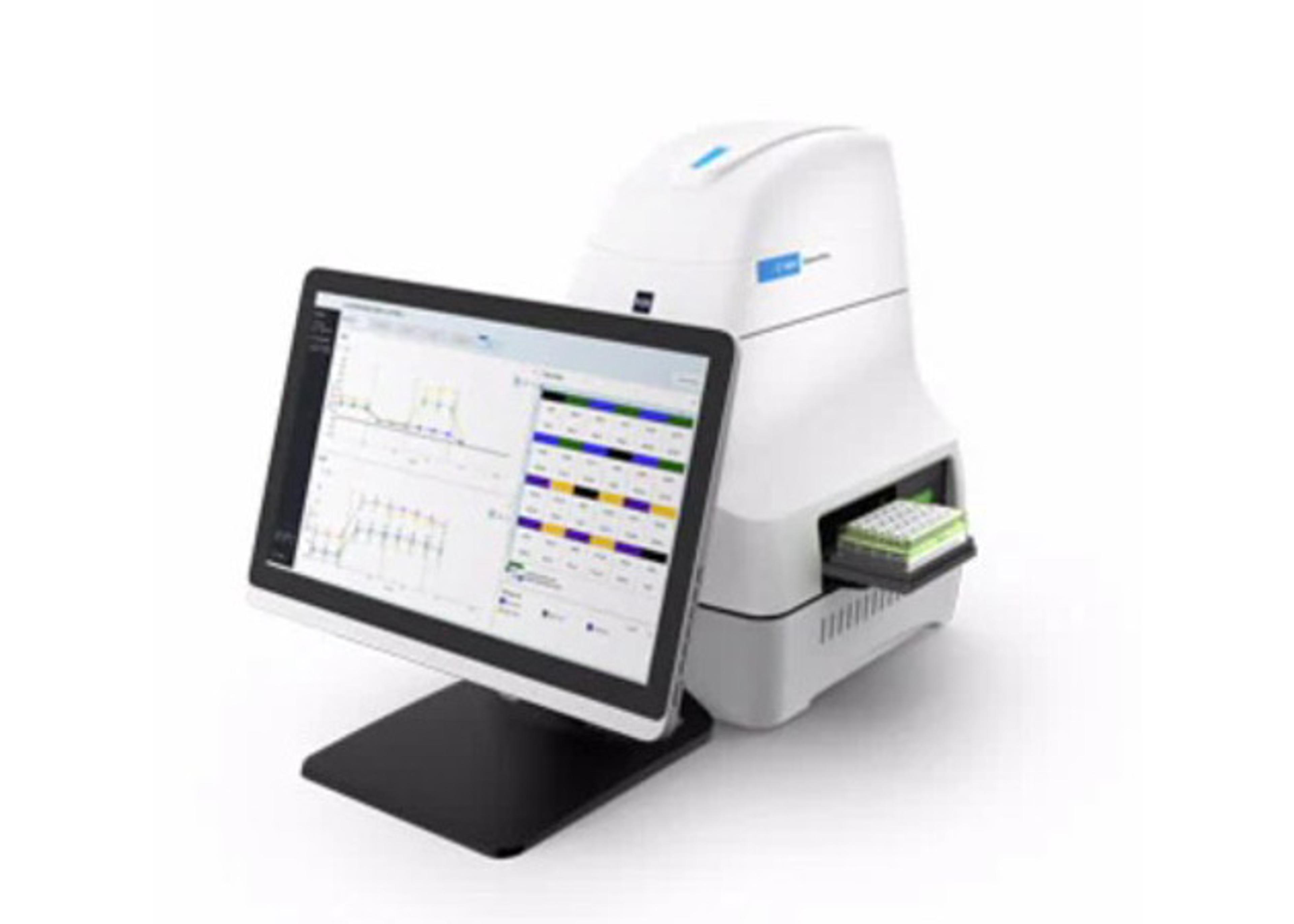
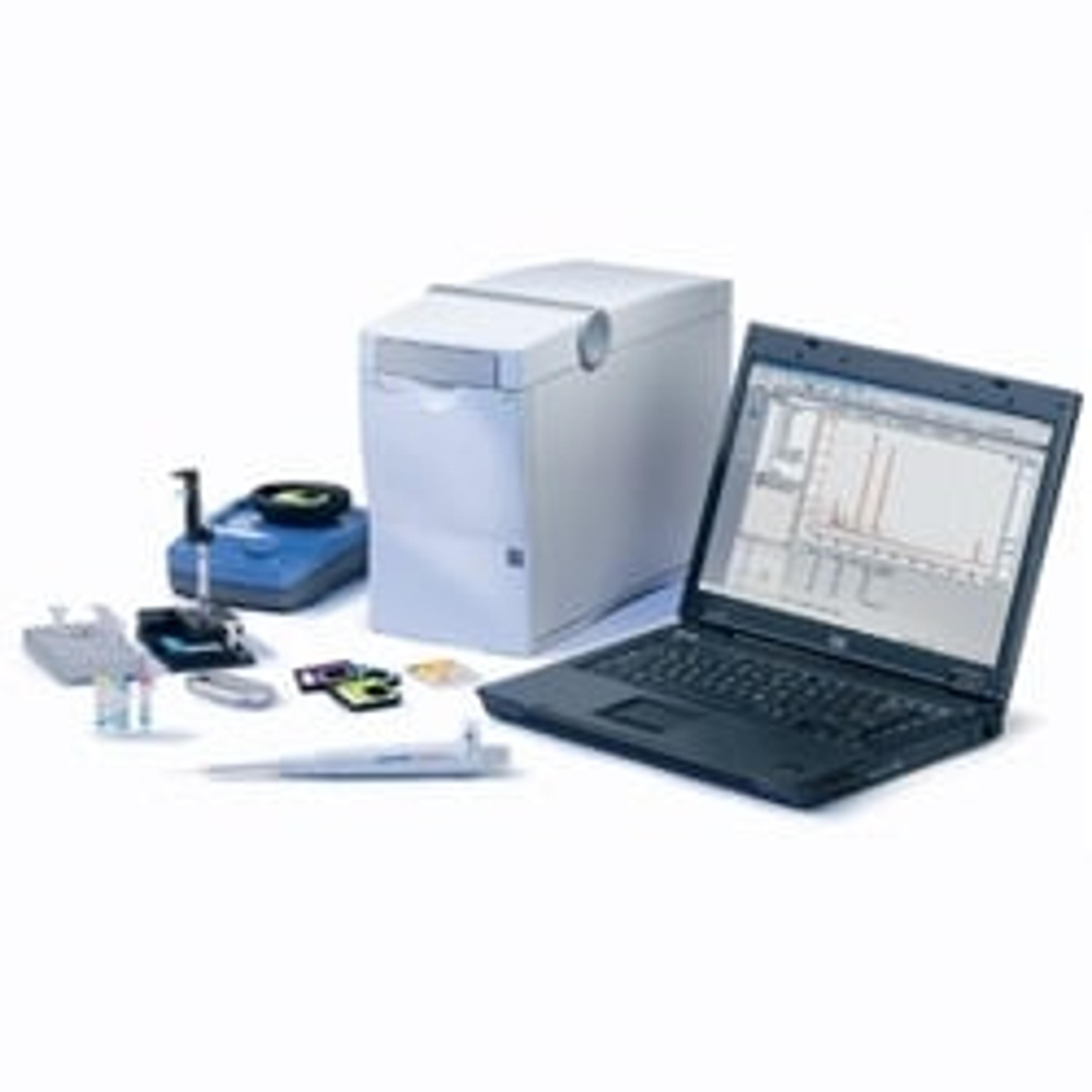
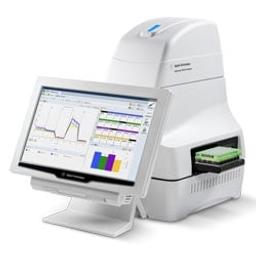
Seahorse XFe24 Analyzers
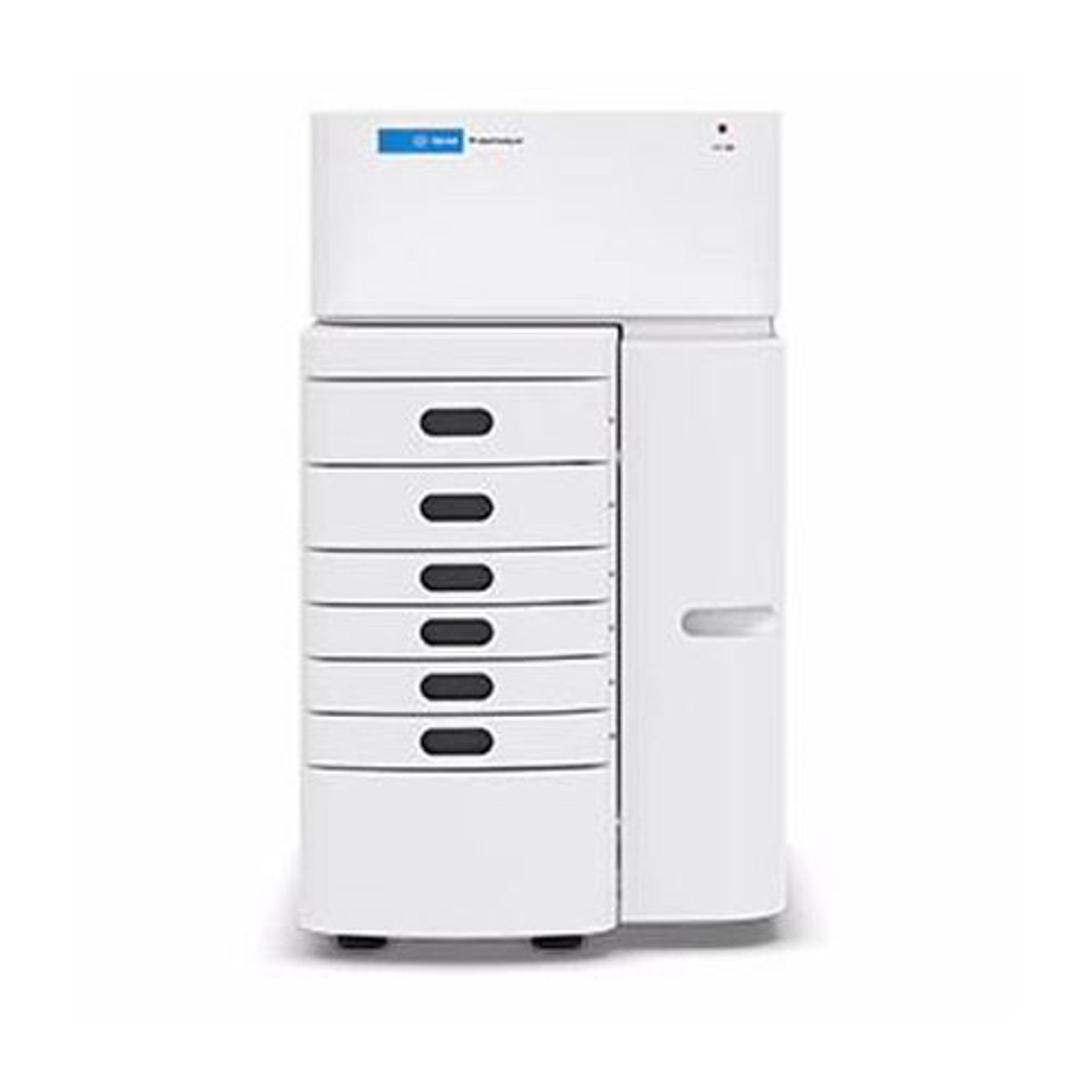
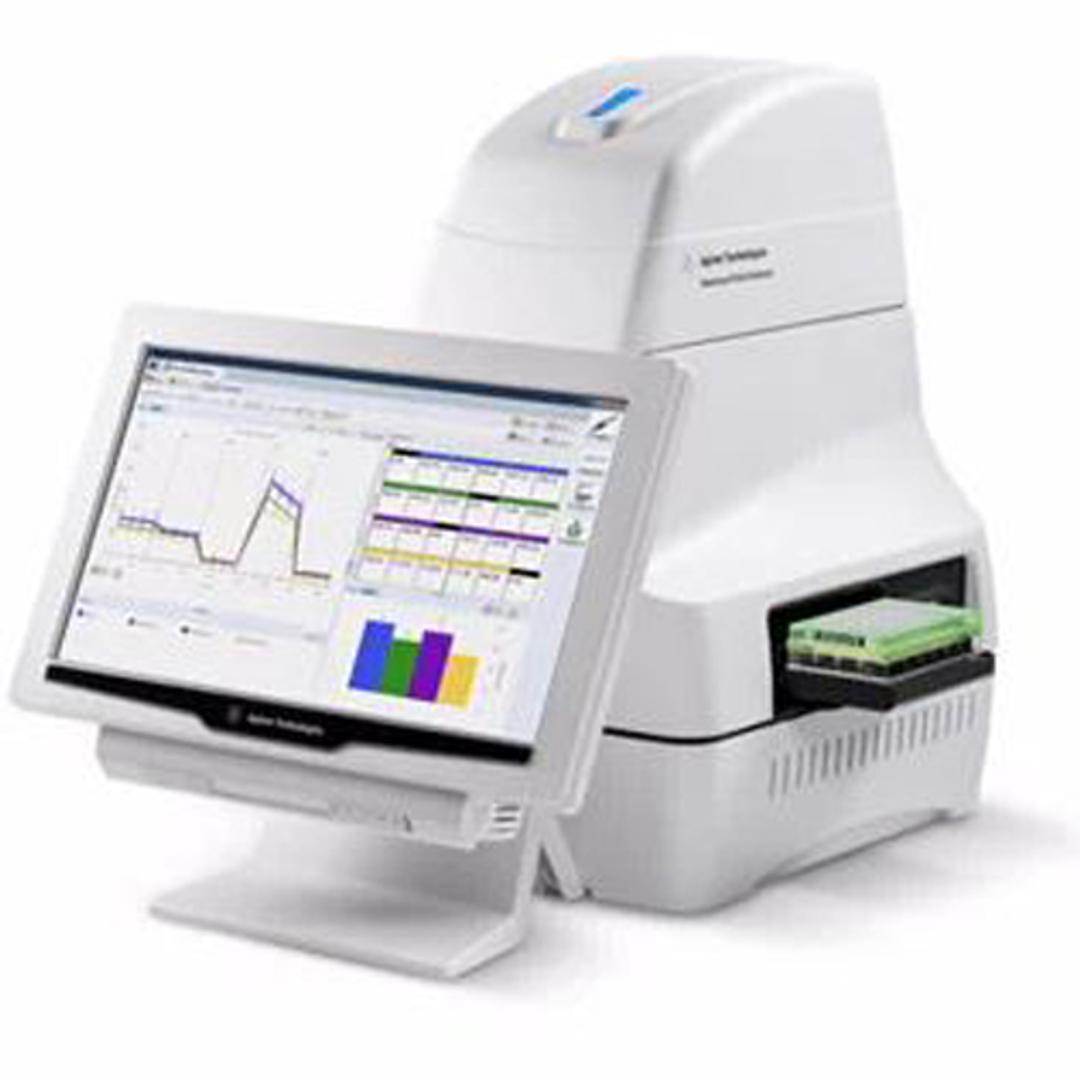
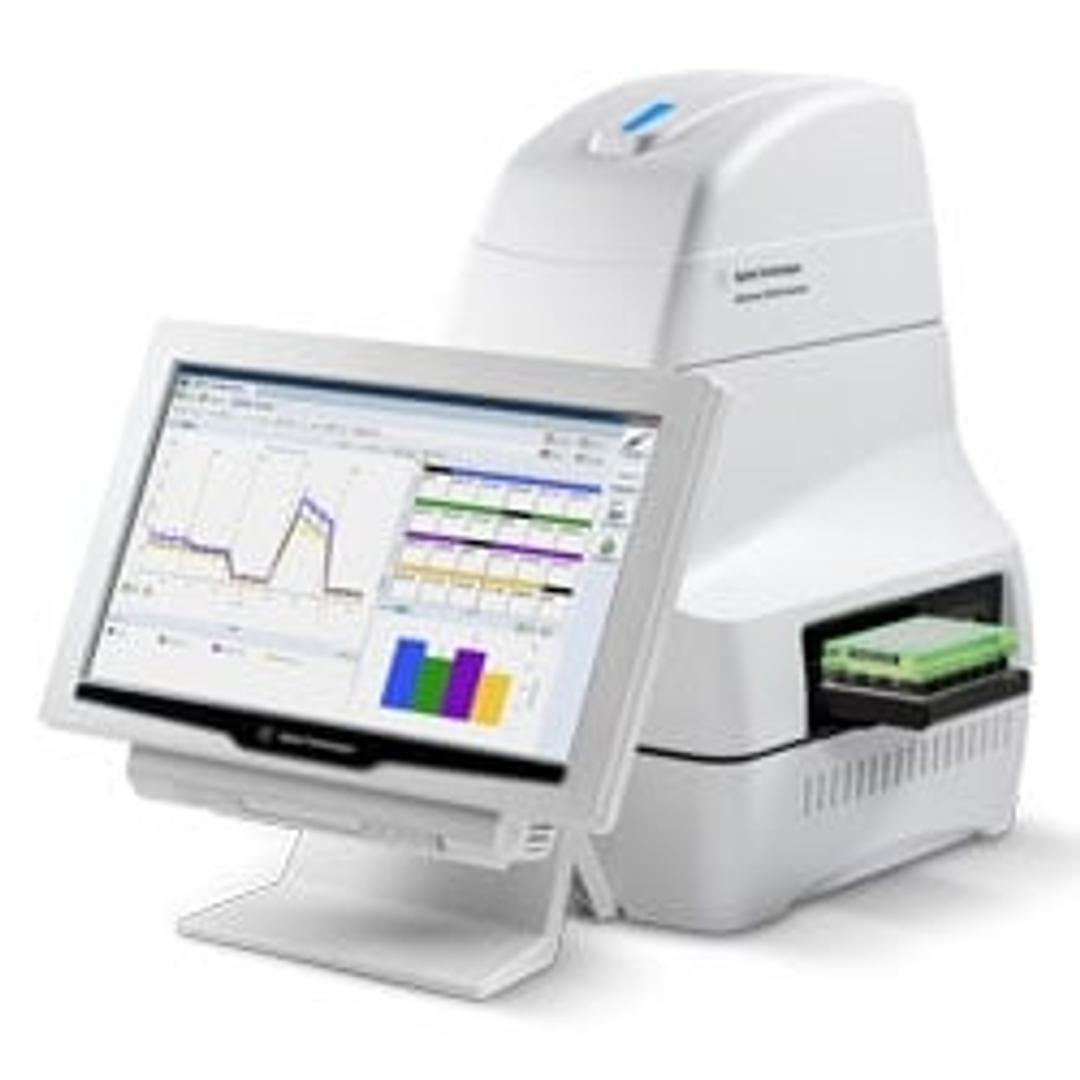
XFe Extracellular Flux Analyzers simultaneously interrogate the two major energy producing pathways of the cell – mitochondrial respiration and glycolysis - in a microplate, in real-time.

Receive your quote directly from the manufacturer.
Promising results
Immunology
Immunometabolism was always neglected before Seahorse XFe Analyzer. I used Seahorse XFe96 Analyzer and applied it in the field of immunotoxicology and showed in my research articles how the study of Immunometabolism of cells in presence of nanoparticles gets affected. In the future, I expect in drug discovery and toxicology studies seahorse XFe Analyzer will be one of the key instruments. Publications Published 1) Dey, A.K., et al., Impact of Gold Nanoparticles on the Functions of Macrophages and Dendritic Cells. Cells, 2021. 10(1). 2) Dey, A.K., et al., Tuning the Immunostimulation Properties of Cationic Lipid Nanocarriers for Nucleic Acid Delivery. Frontiers in Immunology 12.
Review Date: 12 Feb 2023 | Agilent Technologies
Great post-purchase care
Analyze metabolic capacity of tumor cell lines
The Agilent team gave an incredible introduction to the system and how to perform experiments following the purchase of our Ailent Seahorse xfe96, in addition to describing other applications that we had not yet considered. The consumable purchase plan is convenient as well.
Review Date: 9 Dec 2021 | Agilent Technologies
Overall, it is a very good equipment for analyzing mitochondrial metabolism!
Mitochondrial respiration
It is easy to use. We got a lot of good data using the equipment, a few high-quality papers have been published.
Review Date: 17 Nov 2021 | Agilent Technologies
Reliable, sensitive tool for cellular metabolism research!
Analyze glycolysis and mitochondrial respiration rates in cell monolayers
The Seahorse XFe96 analyzer was a valuable tool for my research on BMSC cellular metabolism with aging. With the help of user guides and technical support, my mentor and I were able to optimize a protocol and generate useful data. Additionally, the 96-well capacity of this instrument and associated consumables allowed for large numbers of technical replicates with multiple experimental groups on the same plate. The machine and software were easy to use for protocol setup and group labeling, allowing for good record-keeping and data mining during the analysis steps. This is one of the best tools to have in cellular biology and metabolic research!
Review Date: 24 Sept 2021 | Agilent Technologies
Worth the price.
All aspects of cell analysis
Excellent.
Review Date: 19 Jun 2021 | Agilent Technologies
Great technology! It changed my life
Cell biology
It is a game-changer in your metabolism assays, it helps you to better understand how mitochondria are working in your cells or tissues.
Review Date: 9 Feb 2021 | Agilent Technologies
Great way to see the effect on cell faith and recovery after treatments.
Mitochondrial research
Cellular metabolism is a critical factor in stem cell research with recent reports suggesting that both metabolic status and cell culture conditions can significantly alter the differentiation trajectory of stem cells, as well the effect of drugs like chemotherapy and the recovery of cells with stem cells treatment.
Review Date: 9 Feb 2021 | Agilent Technologies
Must for cancer metabolism research.
Metabolism
Must for metabolism experiment with clarity in real time.
Review Date: 2 Feb 2021 | Agilent Technologies
Great and precision results. A key to success for drug discovery.
Cell metabolism studies
There are different models of the Agilent Seahorse available on the market, among them I found the best one is the Agilent Seahorse XFe96 Analyzer because the user can use 96 well plate means to measure the 96 samples in one run. We use the Agilent Seahorse XFe96 to measure the oxygen consumption rate (OCR) and extracellular acidification rate (ECAR) of live cells in a 96-well plate format. The oxygen consumption rate (OCR) and extracellular acidification rates (ECAR) are key indicators of mitochondrial respiration and glycolysis as well as the ATP production rate. This measurement together provides a systems-level view of cellular metabolic function in cultured cells and in vitro samples. The story is not over here, one more powerful software tool is also available in the market like MITOsym from simulation plus. MITOsym uses for the mathematical modeling of the data obtained from the Seahorse XFe analyzer for cellular respiration and bioenergetics. The results obtained from the Seahorse XFe analyzer is very reliable and useful for the development and discovery of new drugs for cancer.
Review Date: 14 Nov 2020 | Agilent Technologies
Intuitive instrument for live cell analysis.
Live cell analysis of mitochondrial function
The Seahorse XFe96 cell analyzer is a benchtop instrument that is mainly intended for our group to analyze mitochondrial function in live cells. It is quite intuitive and the user interface is easy to use with simple directions to operate the analyzer. The data generated is medium throughput and will be adequate for a research group. However, given the cost of consumables from Agilent, researchers may be tempted to use certain reagents sold by other manufacturers.
Review Date: 16 Mar 2020 | Agilent Technologies
XFe Extracellular Flux Analyzers simultaneously interrogate the two major energy producing pathways of the cell – mitochondrial respiration and glycolysis - in a microplate, in real-time.
The measurement of cellular bioenergetics on live cells enables time-resolved analysis and testing of multiple conditions per assay well. XF assays provide increased throughput and use less sample compared to conventional respirometry techniques. XFe Analyzers are available in two formats- 96-well for maximum throughput and flexibility, and 24-well for specialty samples such as islets and small model organisms.
Features:
- Live-Cell, Real-Time Assays
- Detect responses to substrates, inhibitors, and other compounds in real time via the 4-port injection system and automated mixing
- Direct Measure of Energy Metabolism
- Validate results from protein/gene expression experiments with a functional assay
- Label-free platform
- No staining, analyte extraction, or destructive sample processing required
- Minimal Sample Required
- As few as 5000 cells/well (varies by cell type and instrument)
Brochures

Agilent Seahorse XF live-cell metabolism solutions for cancer research
Download this brochure to discover how cancer cell bioenergetics using Agilent Seahorse XF functional metabolic measurements can reveal cancer dependencies and liabilities.
Breakthroughs in immunotherapy
Uncover the latest recommendations from leaders in immunotherapy research and their insights into exciting new immunotherapy developments. This eBook showcases new analysis tools for scientists developing innovative cell-based solutions.
Robust T cell activation with improved data quality and workflow
The Agilent Seahorse XF HS Mini Analyzer enables researchers to profile cellular metabolism with greater flexibility and reliability than ever before, particularly for nonadherent cells or cells with low levels of aerobic metabolism. Researchers can then access these new insights from anywhere, as data generated by this eight-well XF Analyzer are analyzed and interpreted using Seahorse Analytics—a powerful new web-based data analysis application that enables remote, intuitive, Mac- and PC-compatible XF data analysis for all XF Analyzer users.
Real-time detection and modulation of human T cell activation
Agilent Seahorse XF technology delivers real-time insights into cellular energy metabolism, and is relevant to the study of T cell activation and function. This utility is now extended by the Agilent Seahorse XF Hu T Cell Activation Assay, which provides a rapid and standardized method to measure early activation-associated metabolic responses in human T cells, offering important insights into both the early dynamics of activation and its broader metabolic underpinning. The XF Hu T Cell Activation Assay workflow incorporates a soluble CD3/CD28 activator, precoated poly-D-lysine (PDL) XF Cell Culture Microplates, and Agilent Seahorse Analytics, an intuitive, cloud-based data analysis tool.
Amyloid-β Binding Alcohol Dehydrogenase (ABAD), Estradiol and Mitochondrial Dysfunction in Alzheimer's Disease
Alzheimer's disease (AD) is a conformational disease that is characterized by amyloid-β (Aβ) deposition in the brain. Recent reports indicate that Aβ may also interact directly with intracellular proteins such as the mitochondrial enzyme ABAD (Aβ binding alcohol dehydrogenase) in executing its toxic effects. This study employed AG18051, a novel small ABAD-specific compound inhibitor, to investigate the role of ABAD in Aβ toxicity. All data were analyzed using the SeaHorse Bioscience XF24 Analyzer.
Interrogating Gynecological Cancer Cell Metabolisms at Different Oxygen Tensions: Results Using a Novel Modified Atmosphere Handling System
This poster describes a method for the metabolic profiling of gynecological cancer cell lines using a Seahorse Bioscience XFe96 Extracellular Flux Analyzer and a novel workstation that enables analysis to be performed under hypoxic conditions as well as air.
CaCo-2 and IPEC-J2 Cells have a Higher Fatty Acid Oxidation (FAO) Capacity than HuTu-80 or HepG2 Cells
This study investigated the metabolic features of immortalized cell lines from different parts of the intestine in comparison to a hepatocyte cell line by measuring the oxygen consumption rate (OCR) and extracellular acidification rate (ECAR) with the Seahorse Extracellular Flux Analyzer (XF24) under various conditions.
Assessing Therapies for Traumatic Brain or Spinal Cord Injuries
A recent study published by Dohi et al. (2014) examined the effects of molecular hydrogen given in drinking water, using a traumatic brain injury (TBI) animal model and conditionally immortalized mouse cerebral pericyte cells (ImBPC). Dohi et al. used a Seahorse Bioscience XF24 Extracellular Flux Analyzer to measure the changes in mitochondrial respiration using the XF Cell Mito Stress Test and the results of the study are summarized here.
Alterations in Mitochondrial Function, Neuropathology, and Memory in the 3xTg Model of Alzheimer’s Disease
Neurons are particularly reliant on mitochondria for sustaining their high energy demands. Mitochondrial dysfunction has been implicated in neurodegeneration, including in AD. This study aimed to evaluate whether creatine, a documented memory enhancer, influences mitochondrial function. Mitochondrial respiration rates were measured with an XF24 Analyzer from Seahorse Bioscience.
Assessing Substrate Metabolism in Tumor Spheroids
Cellular metabolism is now recognized as a critical mediator of the growth signalling that typifies cell growth and proliferation. This study utilized a novel microplate designed to work with the Seahorse XFe96 Analyzer to assess bioenergetic function in spheroids created from MCF-10A and HCT116 cells.
Acute Insulin Resistance due to Insulin Receptor Antagonism Induces Dysregulation of Nuclear-Encoded Mitochondrial Gene Expression <i>In Vivo</i>
This study aimed to determine the impact of acute experimentally induced insulin resistance in vivo in the absence of complicating developmental defects. S961 was administered to mice, and the effects on systemic metabolism and gene expression was examined. Oxygen consumption was analyzed using the X24 Bioanalyzer from Seahorse Biosciences.

Rewiring the metabolism of CAR-T cells
Join Professor Mercedes Rincon, University of Colorado Anschutz School of Medicine, as she discusses the groundbreaking advancements in adoptive T cell therapy, particularly chimeric antigen receptor (CAR) T cell therapy. While CAR-T therapy has achieved impressive complete remission rates in 60–90% of patients with relapsed/refractory B-cell acute lymphoblastic leukemia (r/r-B-ALL), challenges such as treatment failures and relapses remain significant obstacles.
Metabolism plays a critical role in T cell function, shaping immune responses. While glycolysis is essential for T cell expansion, it can restrict the self-renewal capacity of CAR-T cells during manufacturing. Mitochondrial respiration is vital for their survival and effectiveness. Recent findings have highlighted MCJ, a protein that negatively regulates mitochondrial function in CD8 cells. Loss of MCJ enhances mitochondrial respiration, cytokine secretion, and anti-tumor activity. Targeting MCJ to boost mitochondrial metabolism presents a promising strategy to enhance the efficacy of CAR-T cells and advance adoptive T cell therapies.
Key learning objectives
- Understand the current landscape of adoptive T-cell therapy
- Explain the role of metabolism in T cell function, highlighting the significance of glycolysis and mitochondrial respiration in enhancing CAR-T cell efficacy
- Identify the potential of MCJ as a therapeutic target to improve mitochondrial metabolism, cytokine secretion, and overall effectiveness of CAR-T cell therapies
Who should attend?
- Researchers and scientists specializing in CAR T-cell therapy, immunotherapy development, cell metabolism, glycolysis, and mitochondrial respiration.
Certificate of attendance
All webinar participants can request a certificate of attendance, including a learning outcomes summary, for continuing education purposes.


Insider insights on the strategy behind Agilent and BioTek’s combined live-cell analysis portfolio
Agilent Technologies’ acquisition of BioTek Instruments will strengthen its leadership position in the growing cell analysis segment, says Senior Vice President, Jason Thaysen