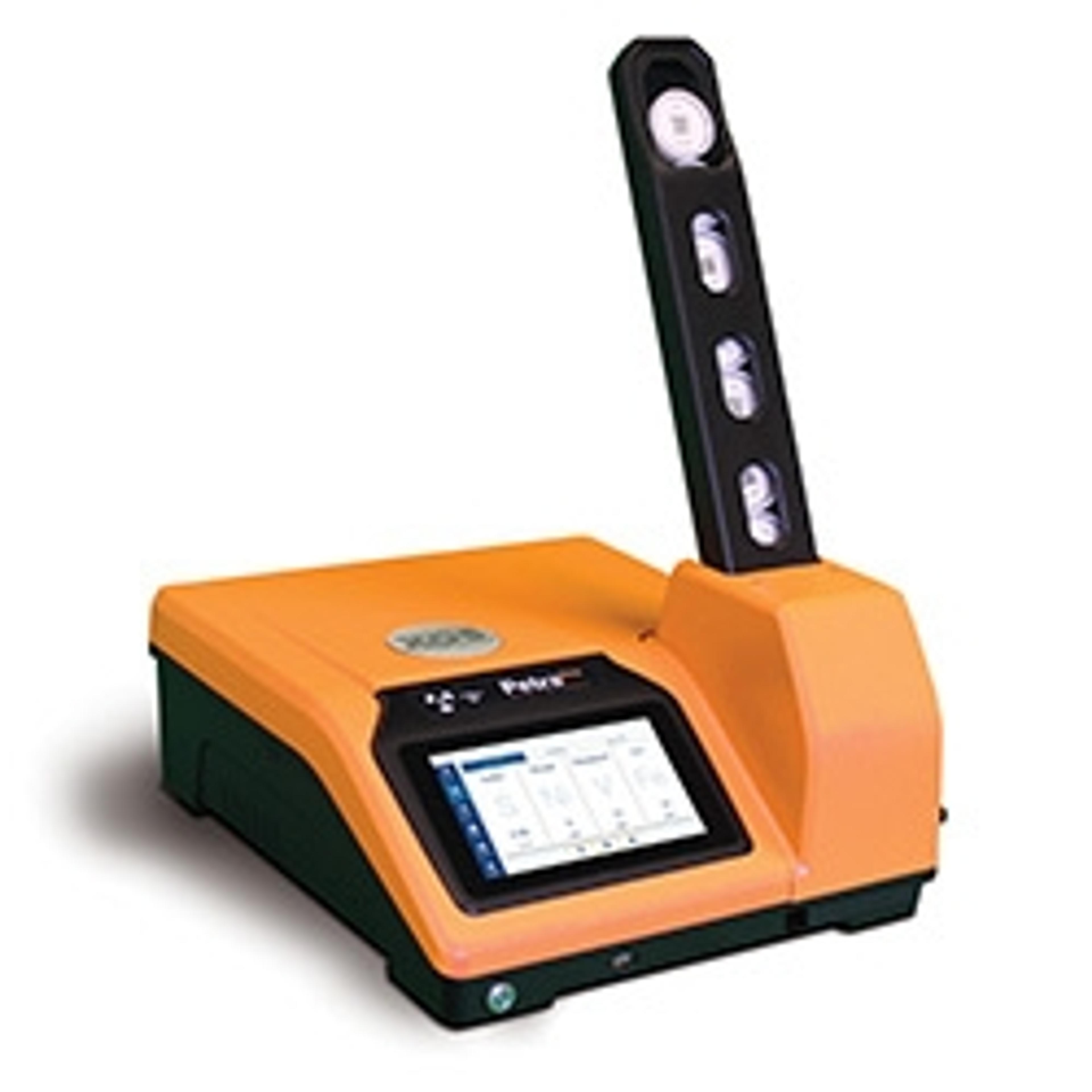
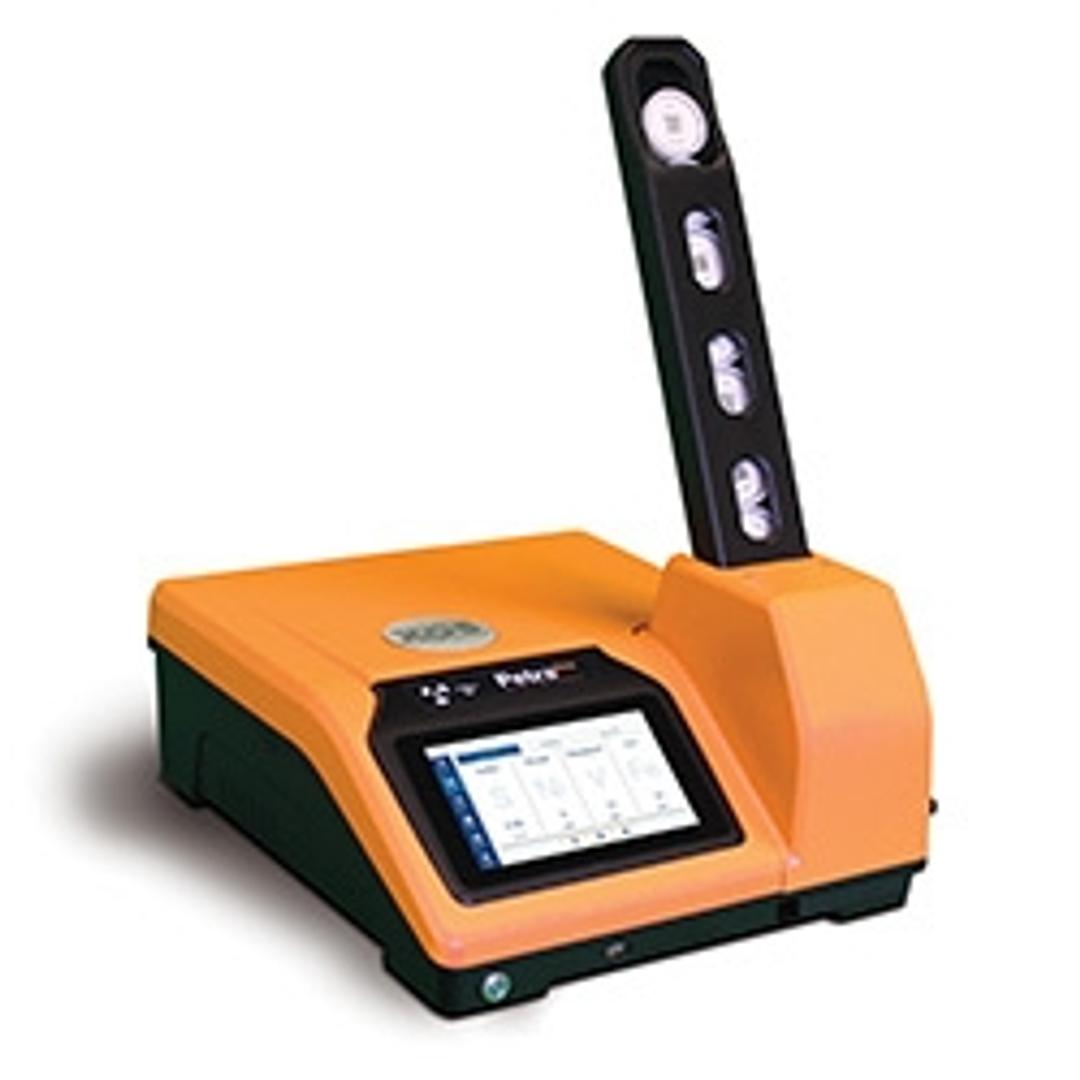
Petra MAX Autosampler
Advanced Workflow with Autosampler
The supplier does not provide quotations for this product through SelectScience. You can search for similar products in our Product Directory.
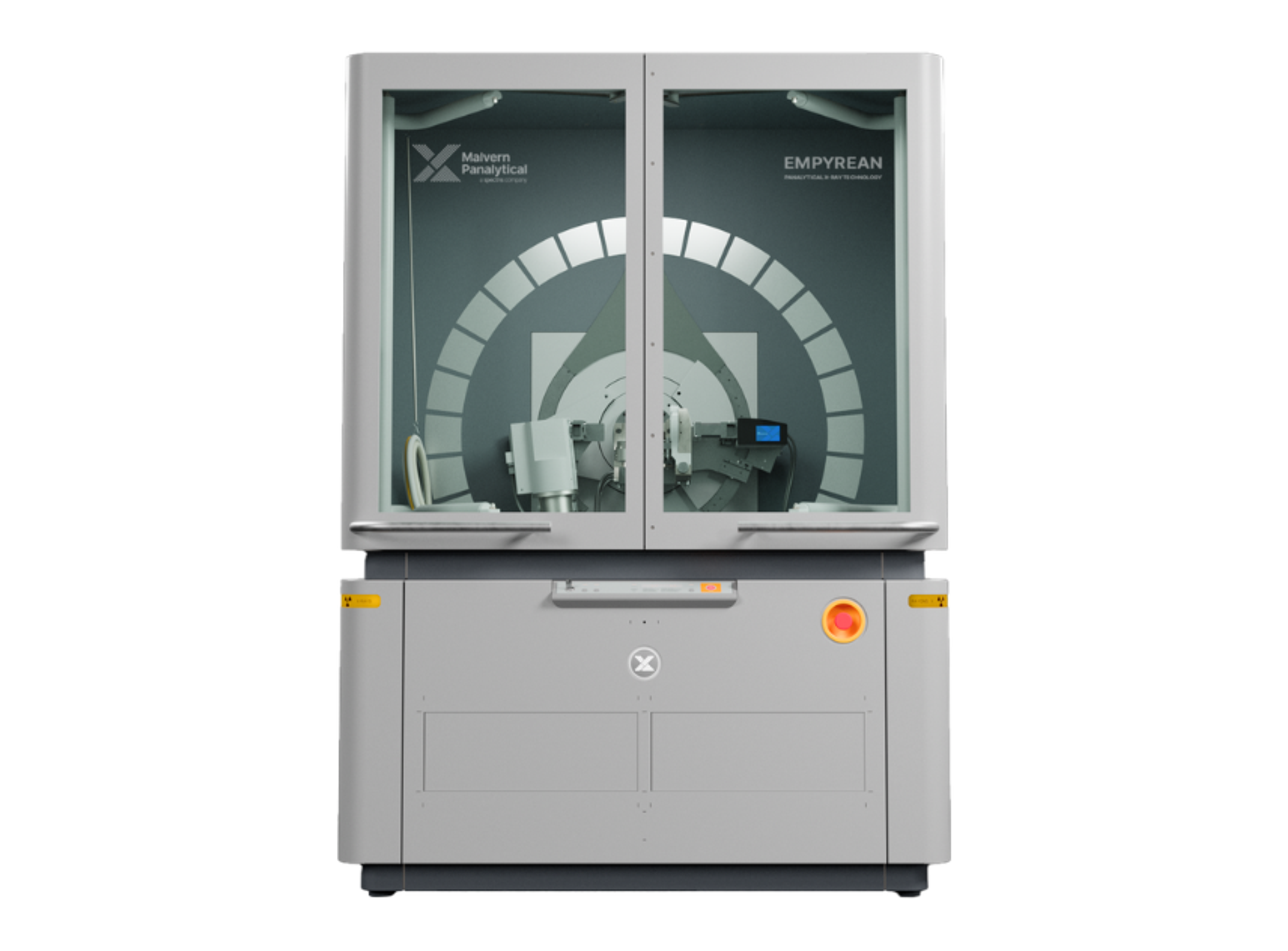
Petra MAX complies with ASTM D4294, ISO 8754 and IP 336 methods for sulfur analysis of hydrocarbons like crude oil, diesel, gasoline, jet fuel, and lubricants.
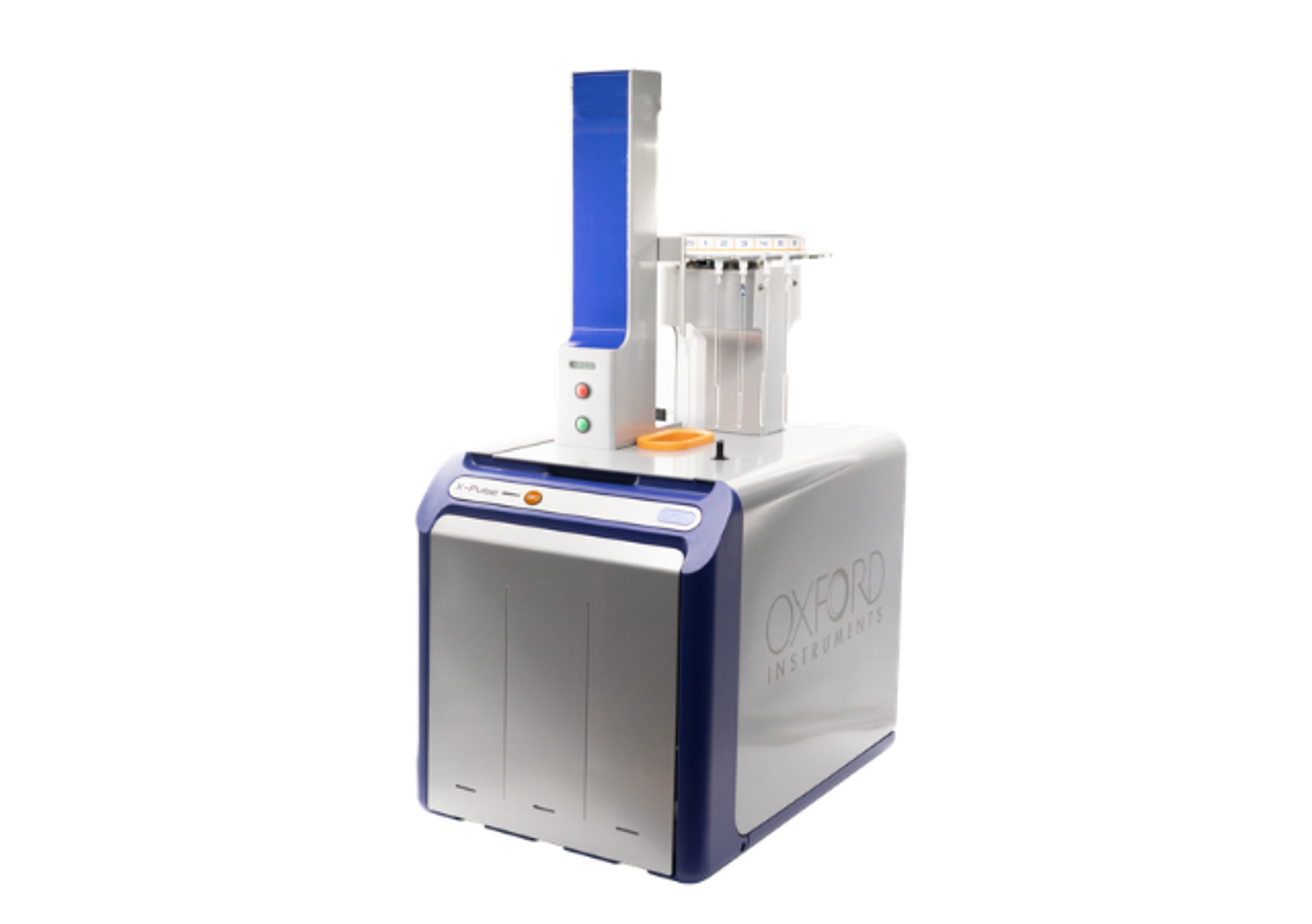
With Autosampler, users can experience a more efficient with sample tracking and continuous sample loading. Simply scan the QR-coded sample cup with a handheld scanner and the analyzer scans the sample again when it reaches the measurement chamber, ensuring the correct sample name and measurement parameters are paired with results. Users have the option to use X-ID Sample Cups (QR-coded) or standard XRF cups.
The Autosampler is an optional add-on feature, and can be added to an existing Petra 4294 or Petra MAX analyzer. QR/barcode scanner included with purchase. QR-coded cups are not mandatory - standard XRF cups may be used with the analyzer.
Brochures

Certify Sulfur and Monitor Critical Elements at Sub-ppm Levels
Benchtop, Process and Portable Analysis Solutions
Elemental Analysis: Advanced
Rapid sulfur measurement plus 12 elements from P to Zn.
Precision comparison case study — Petra MAX (HDXRF) vs ICP (IP 501 & IP 621)
As petroleum professionals continue to refine their production processes, products such as crude oil, residual fuel oils, and VGO can contain higher concentrations of problematic metals like nickel (Ni), iron (Fe), and vanadium (V). In the face of tightening regulations and increased demand for sweeter crudes, refiners are looking to buy lower-cost oils that contain these metals, with the intent of assessing their concentration levels throughout the refining process.
Fast and precise elemental screening in petroleum coke and coal
Petroleum coke (also referred to as petcoke), a by-product of the oil refining process, is typically sold and used as either fuel or material for anodes in the aluminum and steel industries, amongst others. However, petcoke may contain high levels of sulfur and a variety of metals that have the potential to cause fouling and damage to both the environment and refining equipment. Similarly, mined coal may contain varying levels of sulfur which will determine its quality and uses, and thus its value. In this paper, XOS reviews the results from recent studies of petcoke and coal using Petra MAX.
A reliable solution to measure chlorine in catalyst by UOP 979
In this application note, XOS demonstrates how the Petra MAX, powered by monochromatic EDXRF, meets the repeatability and site precision criteria of UOP 979 based on real-world data.
Are you ready for the new ASTM D8252 Ni & V method using XRF?
In this application note, XOS reviews ASTM D8252 method compliance criteria, and compares data run on XOS Petra analyzers with the method’s precision statements.
Simple lubricant additive package quality control using HDXRF
Professionals in the field of lubrication and tribology are at the forefront of solving many of today's biggest problems. This application note demonstrates the performance and simplicity of Petra MAX™, powered by HDXRF, to meet the needs of lubricant professionals to perform these essential quality control analyses.
Optimize Catalyst Efficiency by Monitoring Cl with Petra MAX
To assess the ability of Petra MAX to accurately measure chlorine content in catalyst matrices, XOS set up an empirical calibration for chlorine in catalyst using six alumina supported catalyst standards. Alumina supported catalysts are commonly used and can be found in most parts of the refinery. The calibration was used to run measurements for a known catalyst check sample.
The Next-Generation of Elemental Analysis
With tightening sulfur regulations across the globe, petroleum professionals have the unique challenge of certifying their products as efficiently as possible. In addition, there is an increasing need to test critical elements in various matrices to protect valuable equipment and avoid downtime. Petra MAX delivers D4294 sulfur analysis in addition to 12 elements in matrices like hydrocarbon, water and catalysts. This analyzer was designed to save time for refineries, terminals, and third-party labs. Throughout this paper, XOS review some of the features that make Petra MAX so unique compared to its counterparts in the market.
Get Fast D4294 Sulfur Results Without Centrifuging
In the following whitepaper XOS discuss how to eliminate the need to centrifuge for D4294 sulfur analysis in two different application studies:
- Application Study 1: Obtain Accurate Sulfur Results Without Centrifuging in Real-World Samples
- Application Study 2: Petra MAX vs Traditional XRF for D4294 Sulfur Analysis
S, Ni, V, and Fe Analysis of Crude Oil Using HDXRF<sup>®</sup>
Test methods for measuring sulfur content, like ASTM D4294 and ISO 8754, have become critical for assessing the value of crude oil. The blending of crude oils from different sources has become more commonplace within the industry to meet specifications for the classification of sweet crude oil. The introduction of new crudes brings new challenges, like higher concentrations of metals such as nickel (Ni), vanadium (V), and iron (Fe).
Simple Sulfur in Bunker Fuel Compliance
The International Maritime Organization’s (IMO) Marine Environment Protection Committee (MEPC 70) will lower the maximum allowable sulfur content from 3.50% to 0.50%, which will go into effect on January 1, 2020. In order to comply with the new regulation, ship owners and operators will need to decide between two main options: continue to burn High Sulfur Fuel Oil (HSFO) and retrofit their ships with exhaust gas scrubbers that remove the SOx, or switch from HSFO to Low Sulfur Fuel Oil (LSFO).