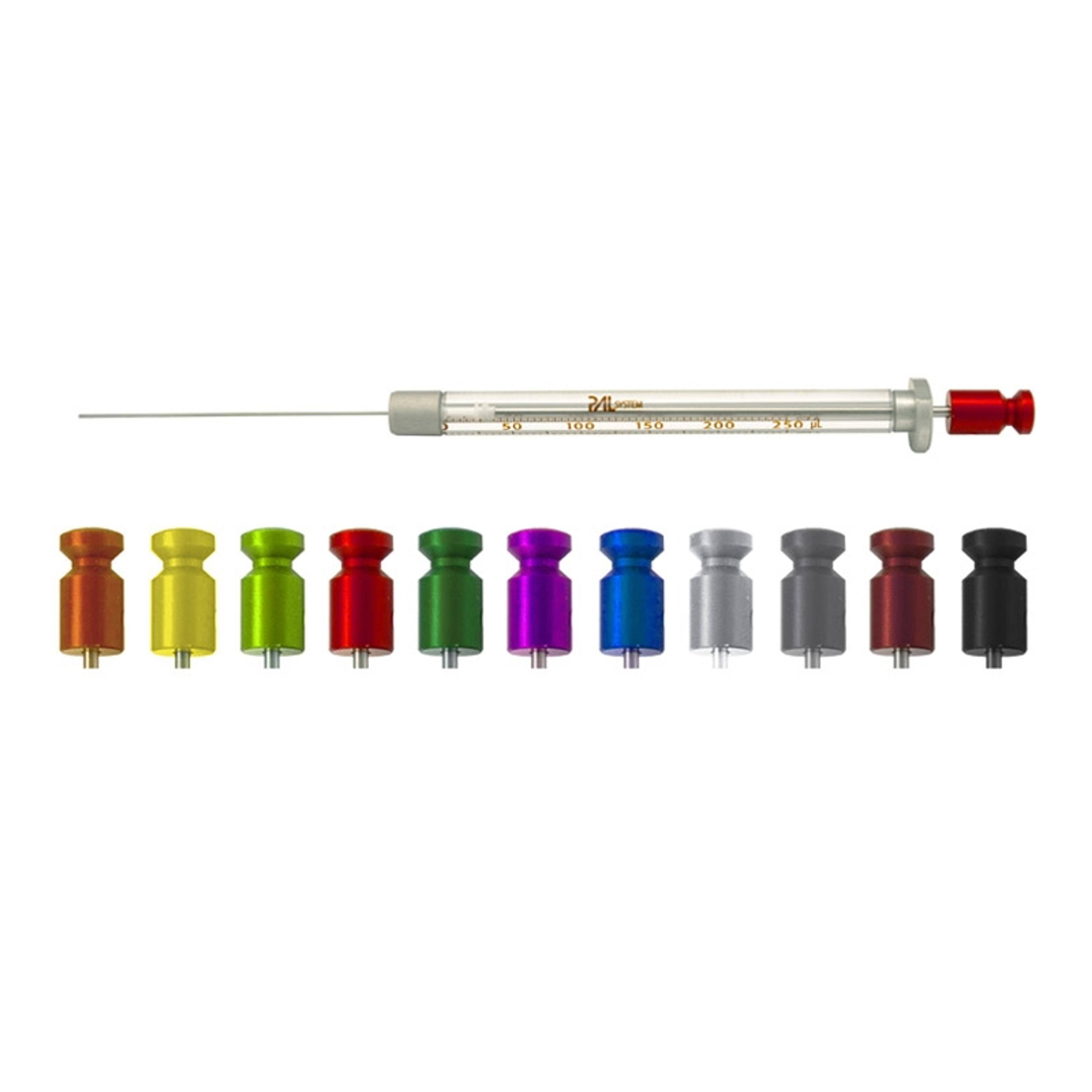
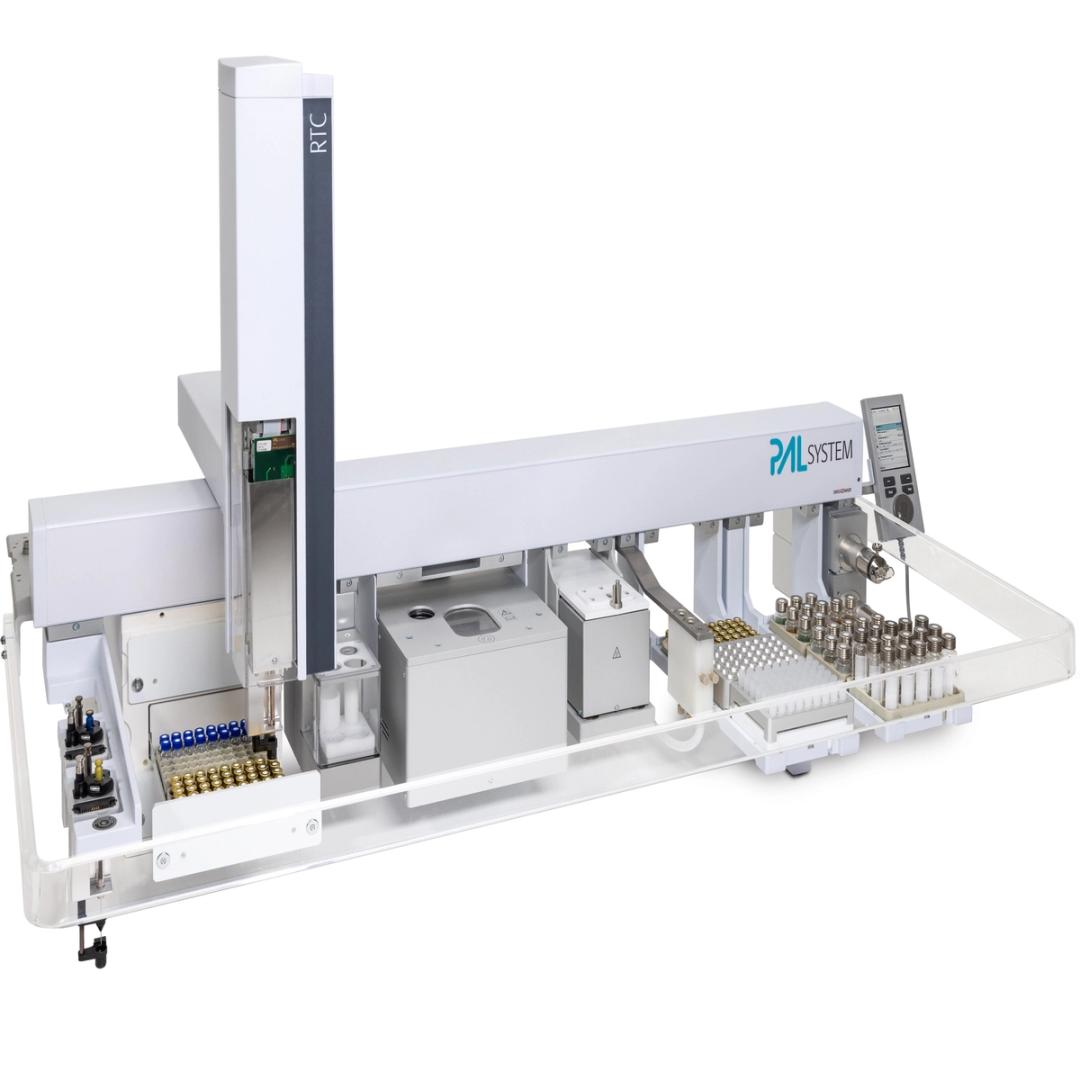
PAL RTC
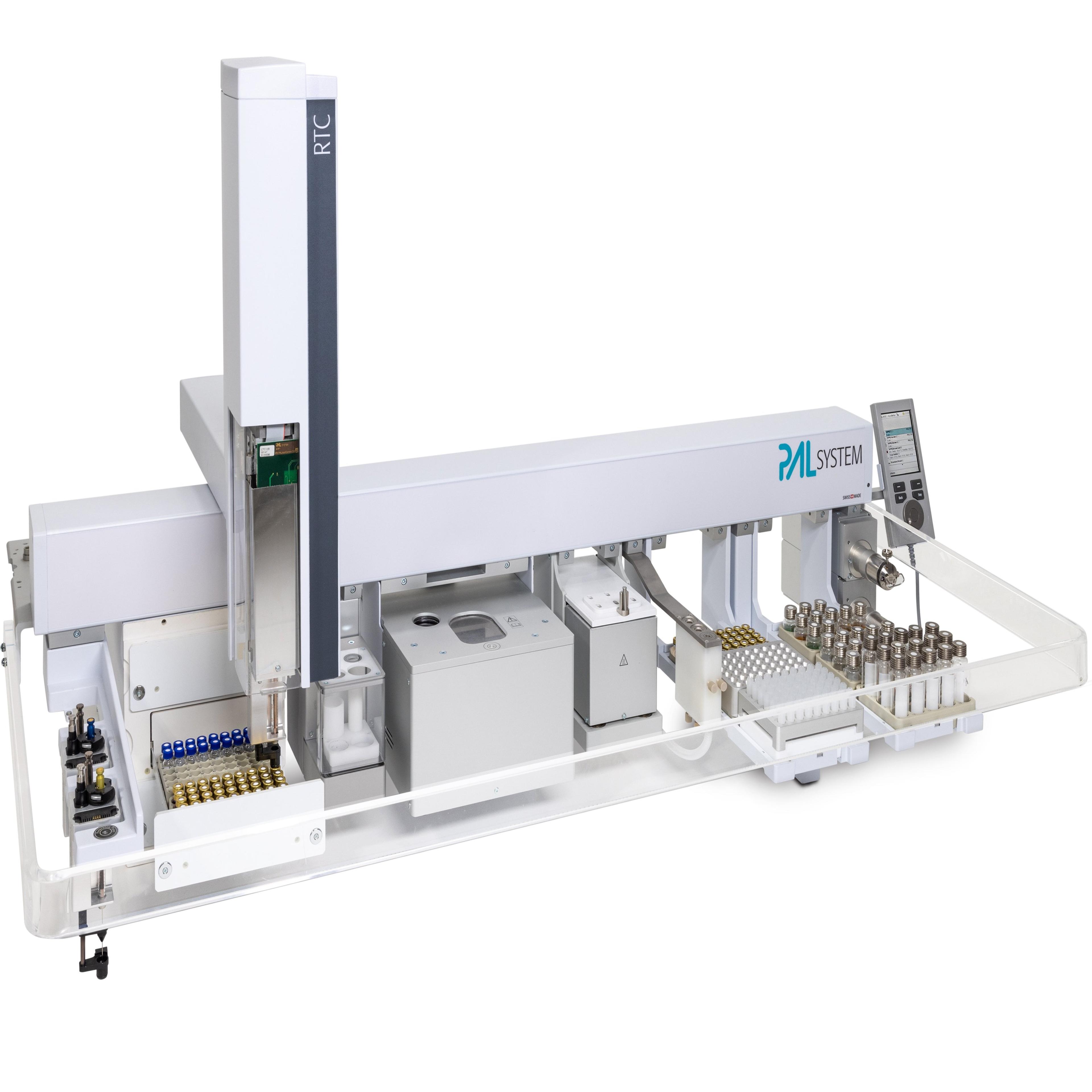
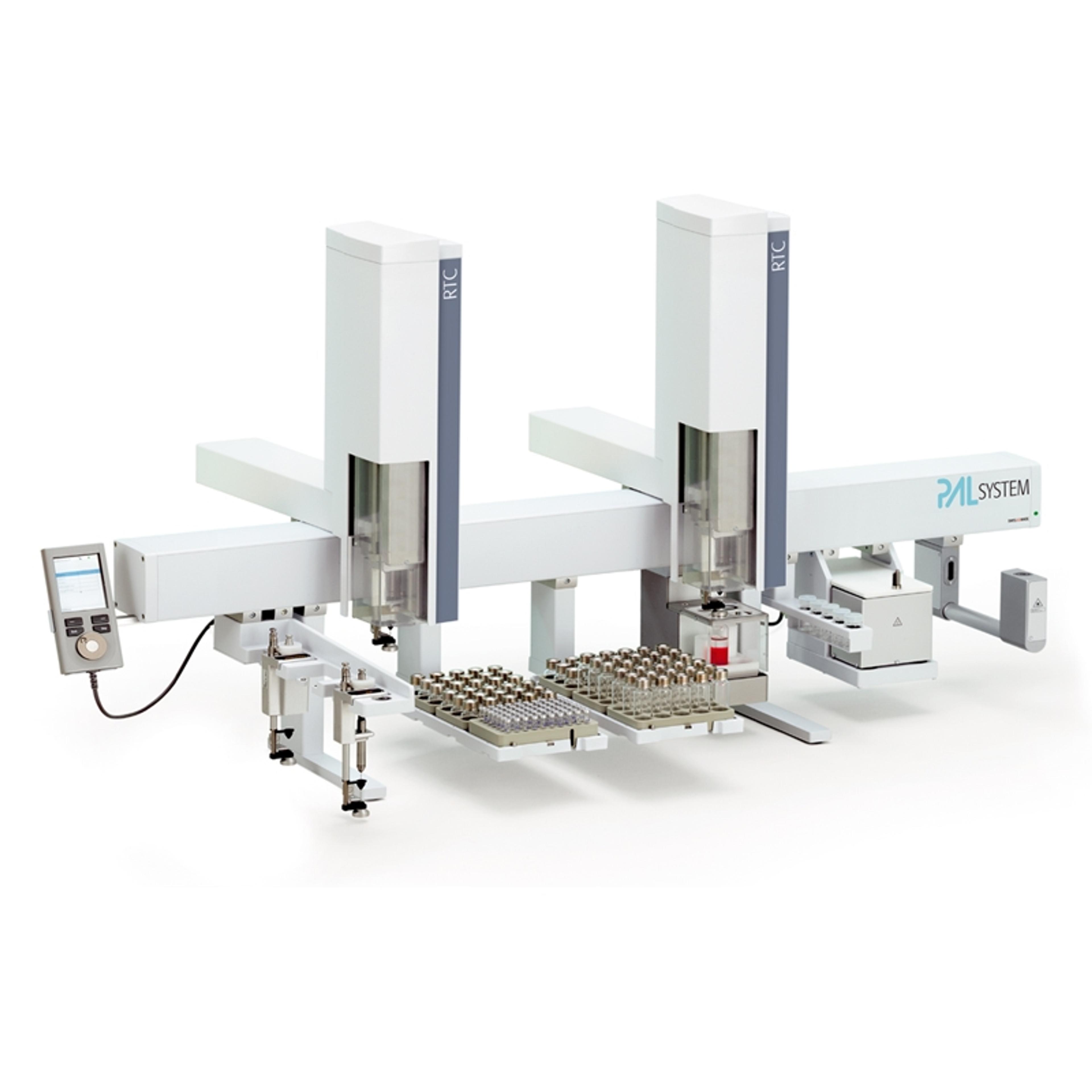
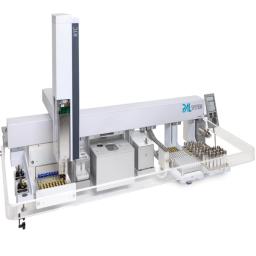
The PAL RTC with robotic tool change maximizes productivity in analytical and clinical labs.

Receive your quote directly from the manufacturer.
Good equipment, good compatibility with our GCs
Analysis of volatile and semivolatile organic substances
The product fits the purpose and it is easy to use. To evaluate the performances is difficult because they also depend on the GC/MS coupled with the PAL system. The price is a little high. I can't evaluate the after sales care because we didn't need external support, and we manage the maintenance with our internal (dedicated) team.
Review Date: 8 May 2024 | CTC Analytics AG
Excellent result for accuracy and precision as well.
PFAS in Food
Fast and accurate for calibration preparation and sample preparation. Improve lab productivity. Significantly reduce in chemical and standards consumption.
Review Date: 8 May 2024 | CTC Analytics AG
Great results.
Food safety
I have a high quality and reproducible result for automated sample preparation.
Review Date: 14 Jul 2022 | CTC Analytics AG
An all-in-one autosampler customized for your needs
High pressure liquid chromotography
The delivery system of this autosampler is unmatched in terms of cleanliness and robustness. The autosampler contains dynamic washing steps that sets it apart from other autosamplers, ensuring no carryover or cross contamination. Versatile to hold plates and vials, this thermostat autosampler enables the user to add on features, making it customizable to your lab's needs. Modules such as agitators, barcode readers, centrifuges, even diluters can be added on to the rail, making it the ultimate Lego-like autosampler.
Review Date: 27 Jan 2021 | CTC Analytics AG
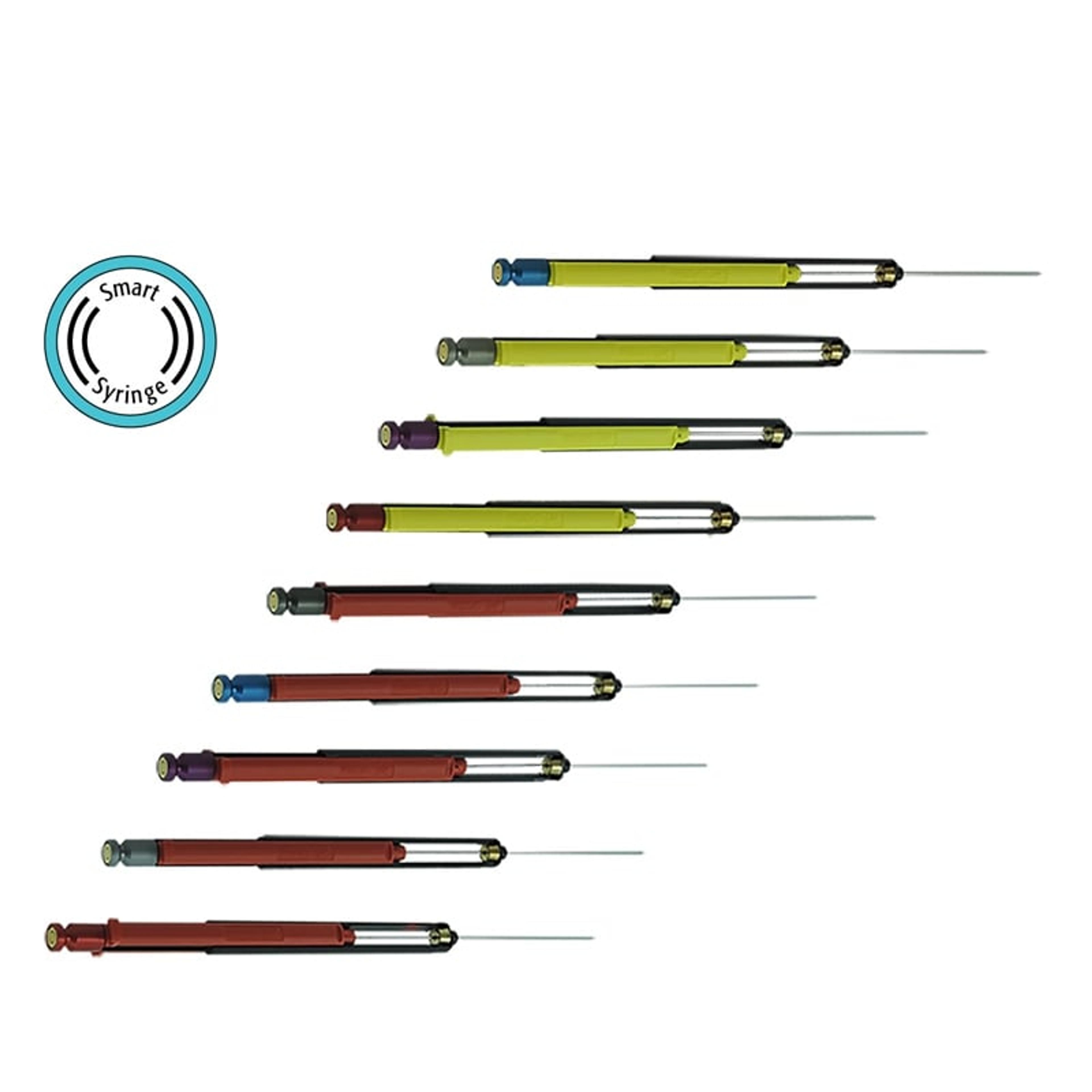
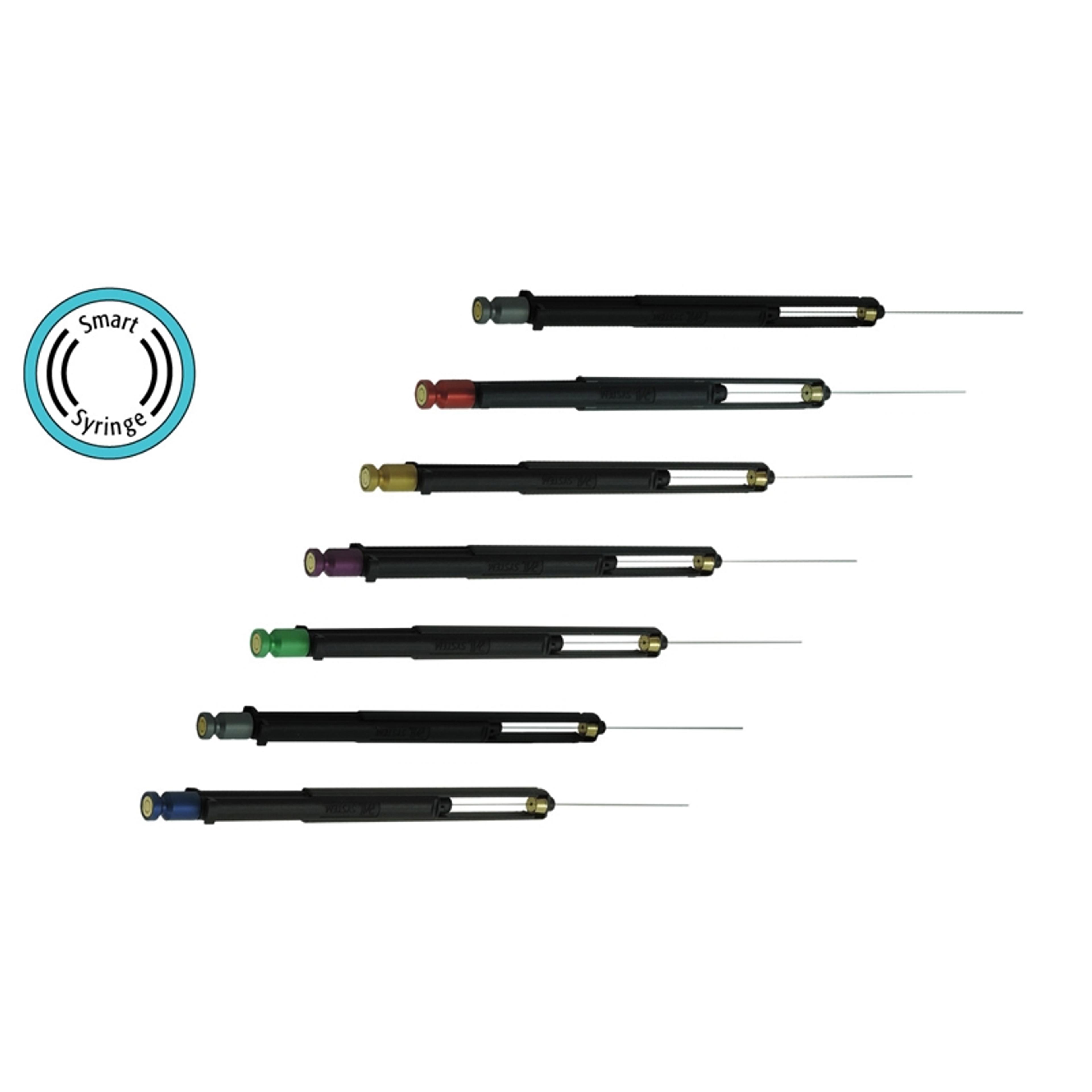
Automatic selection of the syringe with optimal accuracy for adding standards or preparing serial dilutions
Possibility to permanently configure several workflows on one system for a walk-up prep station, e.g. liquid/ liquid extraction and solid phase extraction (SPE)
Derivatization reactions performed without manual intervention for productivity, protection against hazardous chemicals and process safety
Better process safety through increased automation of labor intensive manual workflows like protein digestion
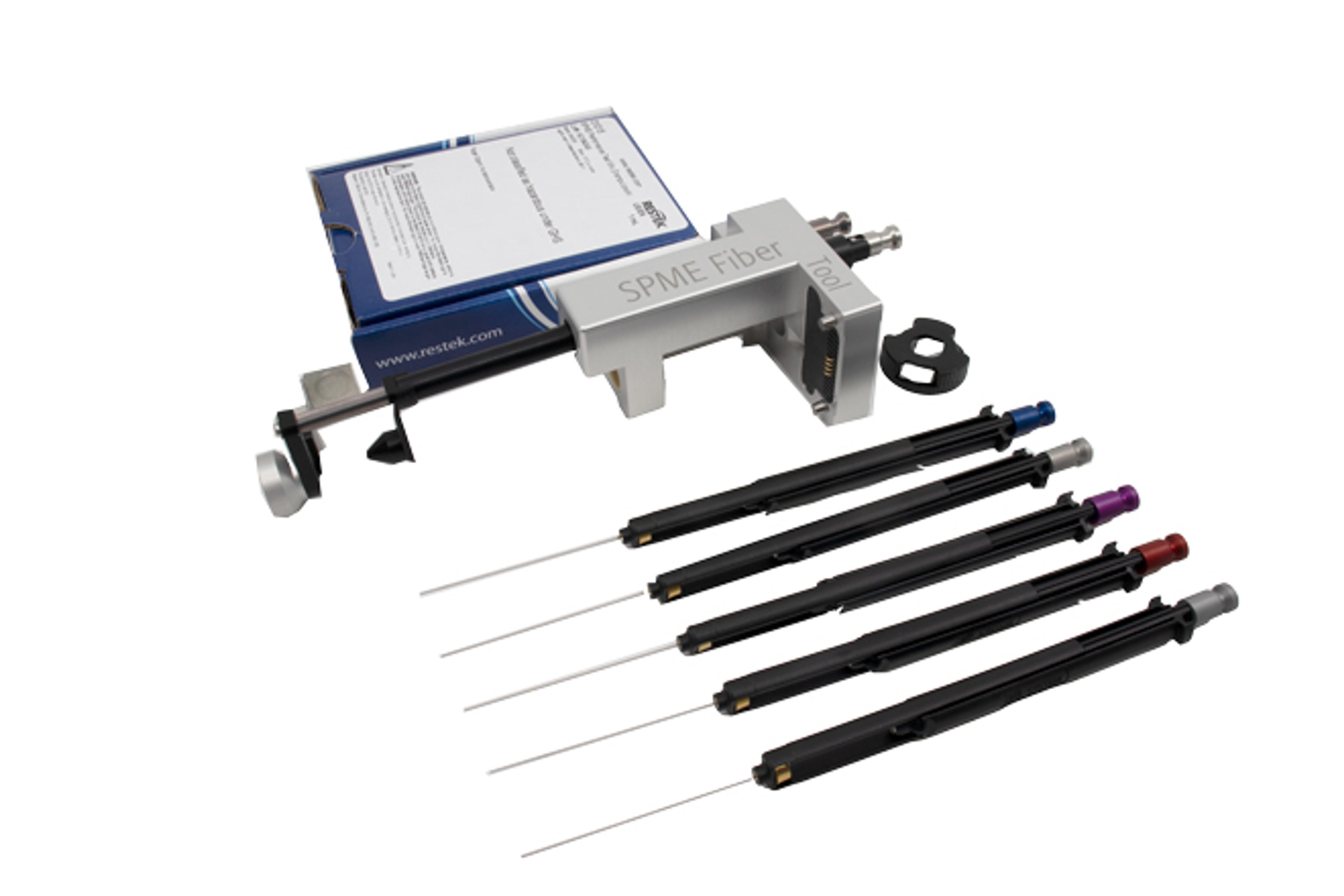
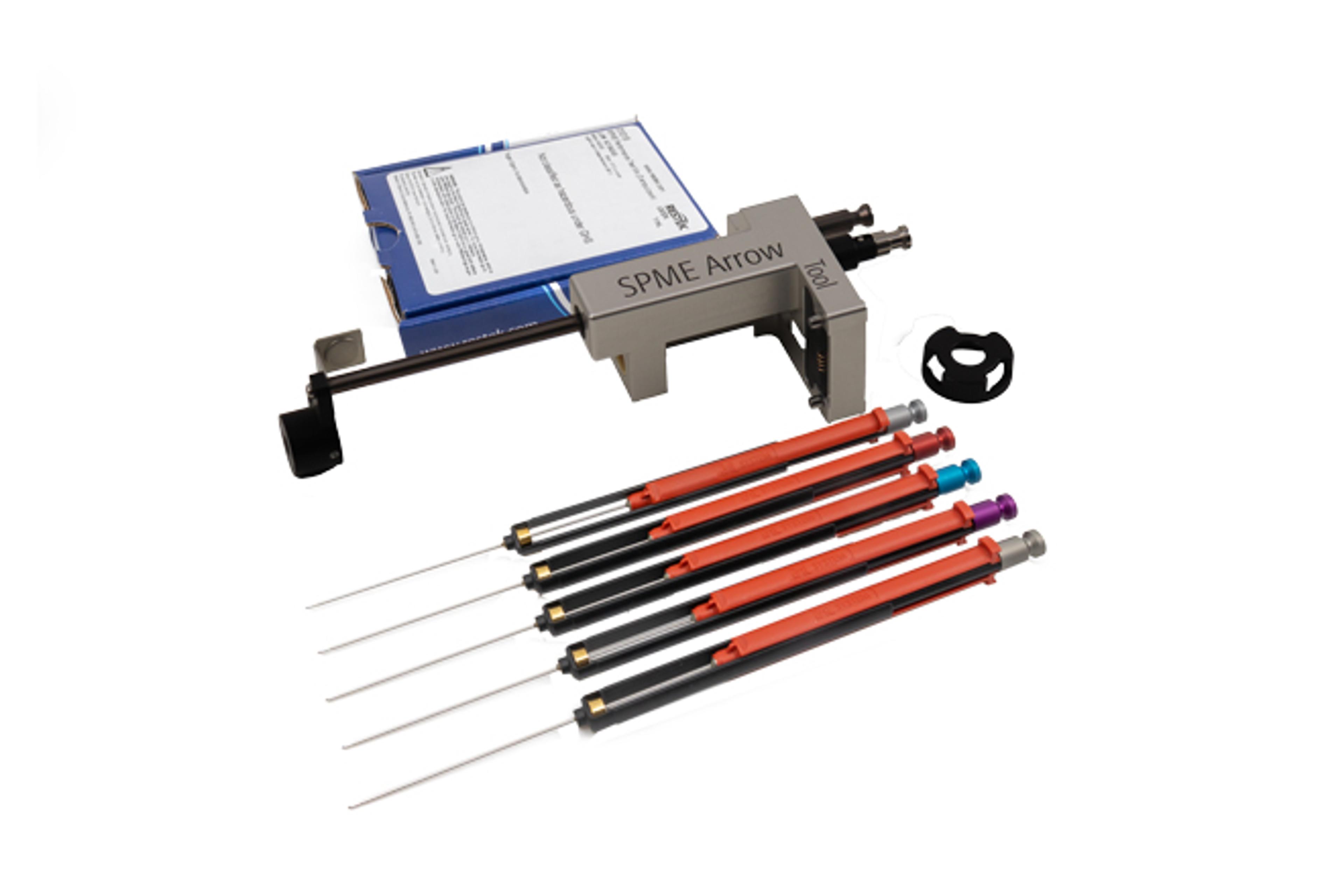
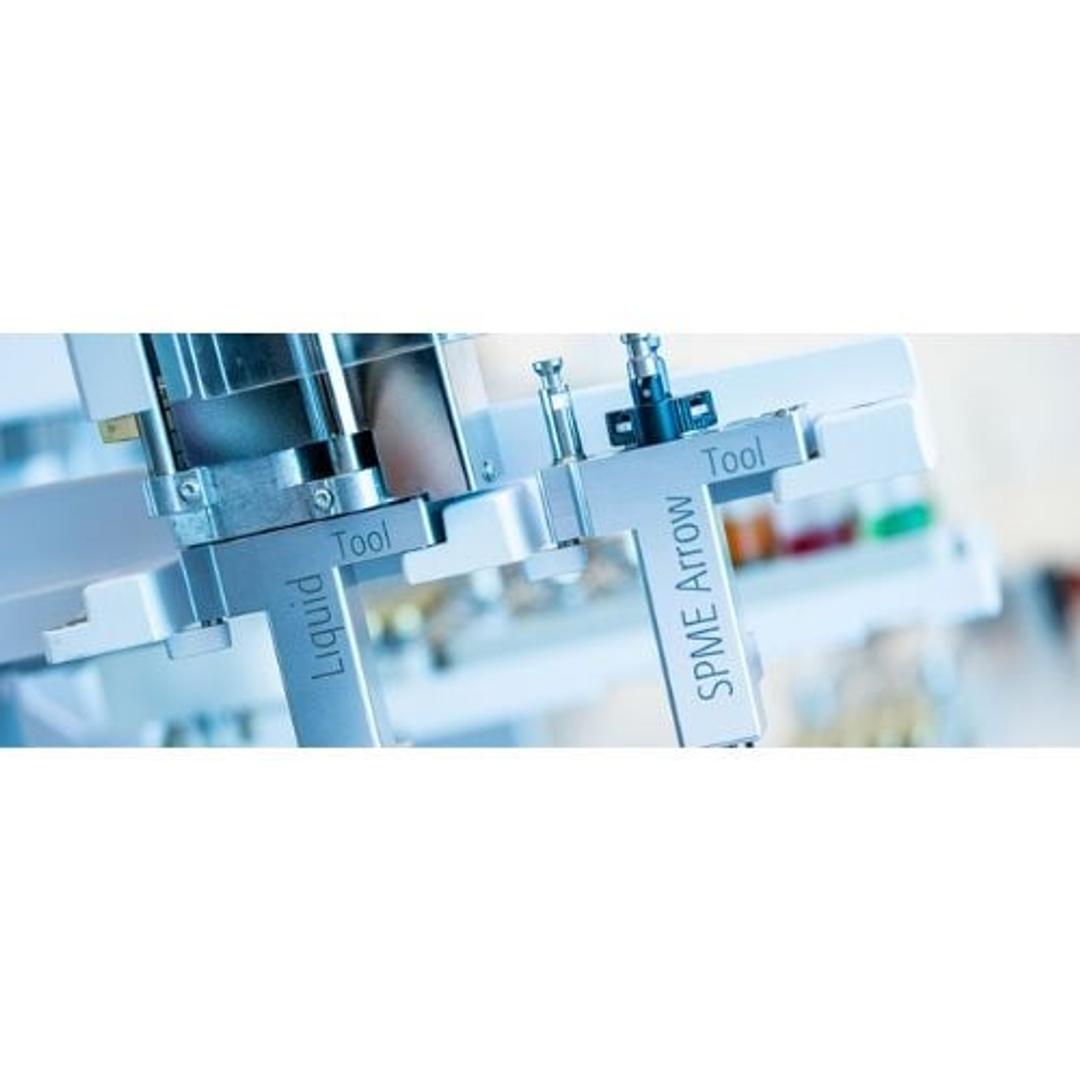
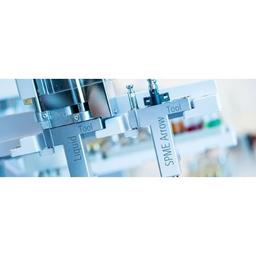
Robotic Tool Change to automatically switch between injection, micromethods (SPME, µSPE,…) and sample prep tools (dilution, standard addition,…)
Brochures
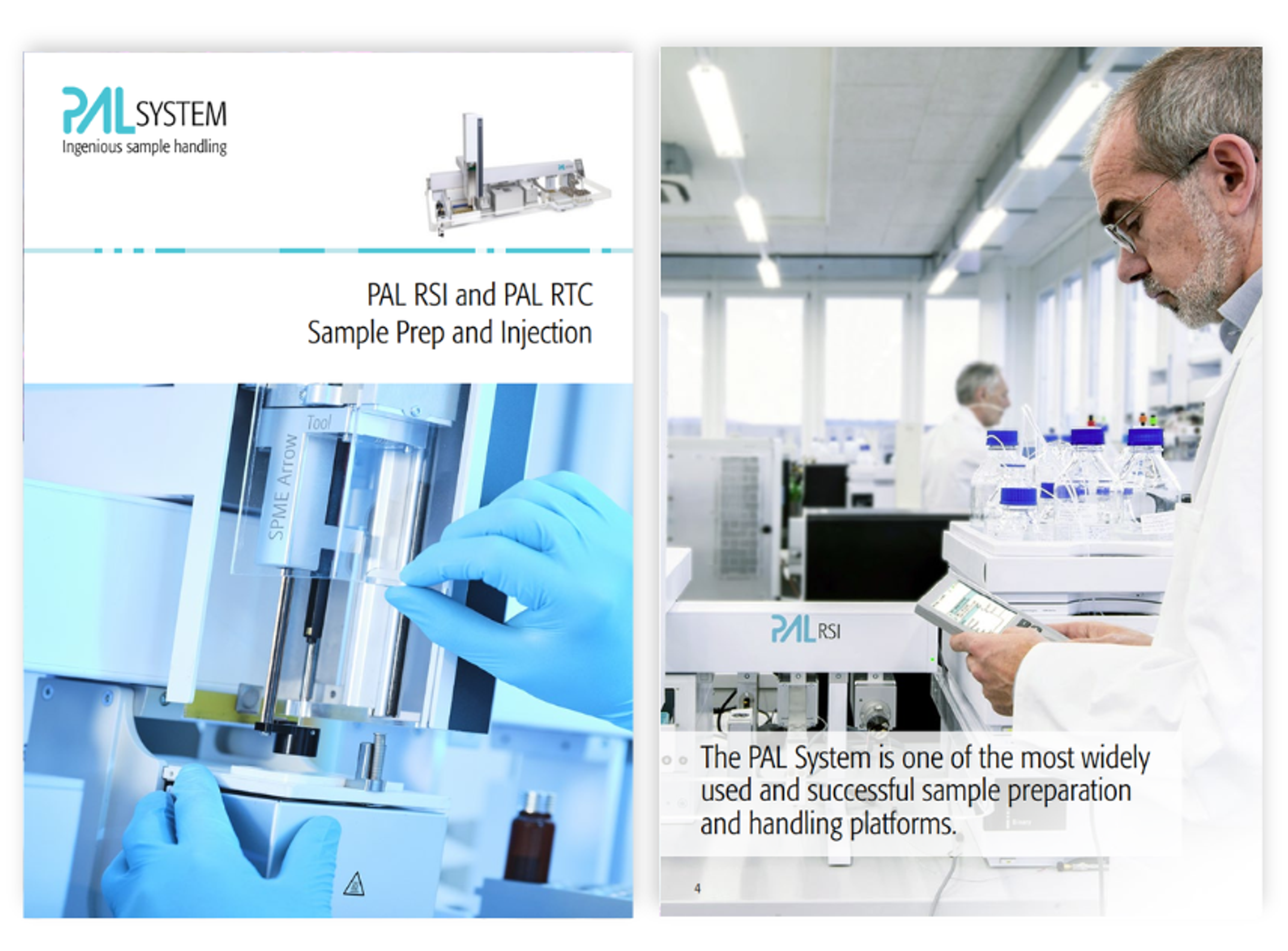
PAL RSI and PAL RTC - Sample prep and injection
In this product brochure, CTC Analytics presents the PAL System as a versatile and widely utilized sample preparation and handling platform. The PAL System serves as a comprehensive toolkit for various sample preparation tasks, ranging from simple liquid injections to complex workflows. It can be customized and expanded to meet specific requirements, offering options to enhance sample capacity and integrate additional modules.
Tackling forever chemicals: A fully automated workflow for high-throughput analysis of volatile PFAS in food contact materials
The unique properties of per- and polyfluoroalkyl substances (PFAS) have led to their widespread use in consumer products, such as paper-based food contact materials (FCMs), like fast-food wrappers. However, it has been well-established that PFAS migrate from packaging into food, creating a direct pathway for human dietary exposure and posing potential health risks. There is a growing need for sensitive and reliable analytical methods for PFAS analysis, however, there are a number of challenges associated with this, such as sample preparation bottlenecks.
In this application note, CTC Analytics presents a fully automated workflow that handles everything from initial sample extraction to final injection, developing and validating a complete workflow for analyzing volatile PFAS in common FCMs.
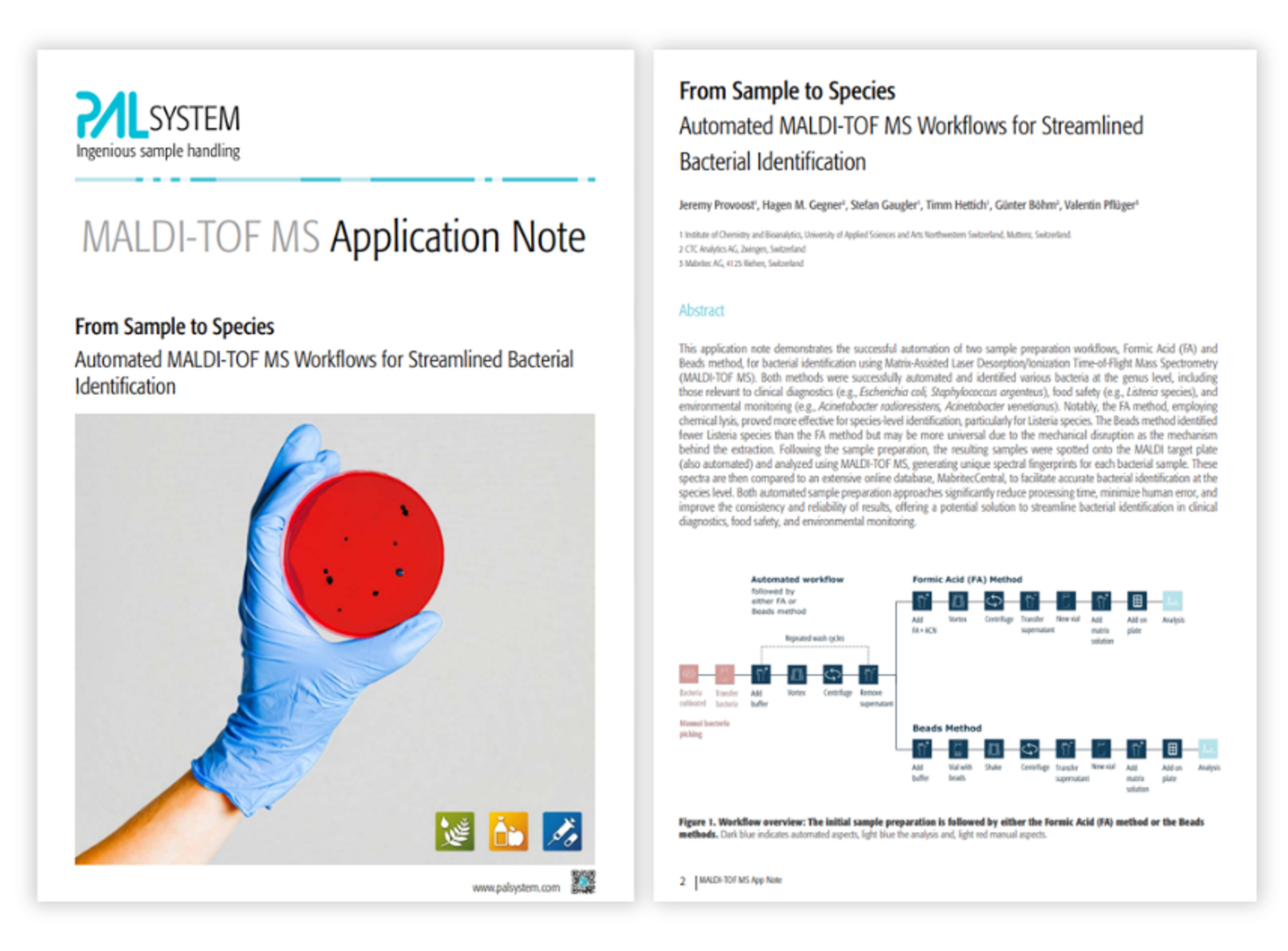
From sample to species: Automated MALDI-TOF MS workflows for streamlined bacterial identification
Identifying bacteria accurately and efficiently is essential in numerous fields, from ensuring food safety to monitoring environmental health and diagnosing infections. Traditional methods often lack specificity and require significant time and labor.
MALDI-TOF MS has emerged as a powerful technique for bacterial identification, however preparing samples for this method can be a bottleneck. In this application note, CTC Analytics investigates automated bacterial sample preparation for MALDI-TOF MS using the PAL System robotic platform, with the aim of streamlining workflows and boosting reliability.
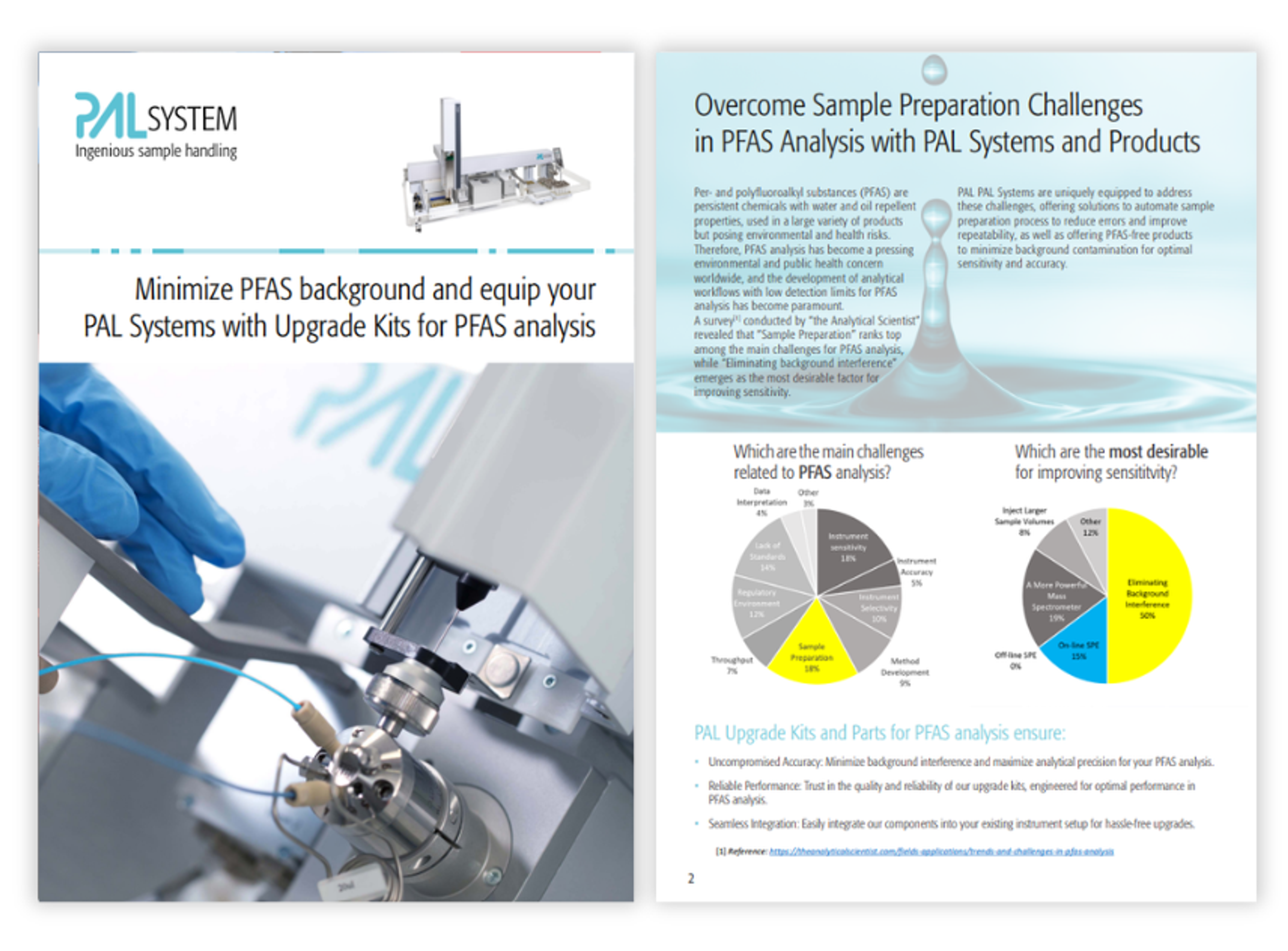
Minimize PFAS background and equip your PAL Systems with Upgrade Kits for PFAS analysis
Per- and polyfluoroalkyl substances (PFAS) are persistent chemicals used in a large variety of products but posing environmental and health risks. Therefore, with PFAS analysis becoming a pressing environmental and public health concern worldwide, the development of analytical workflows with low detection limits for PFAS analysis have become paramount.
In this product brochure, CTC Analytics demonstrates how PAL Systems are uniquely equipped to address these challenges, offering solutions to automate sample preparation process to reduce errors and improve repeatability, as well as offering PFAS-free products to minimize background contamination for optimal sensitivity and accuracy.
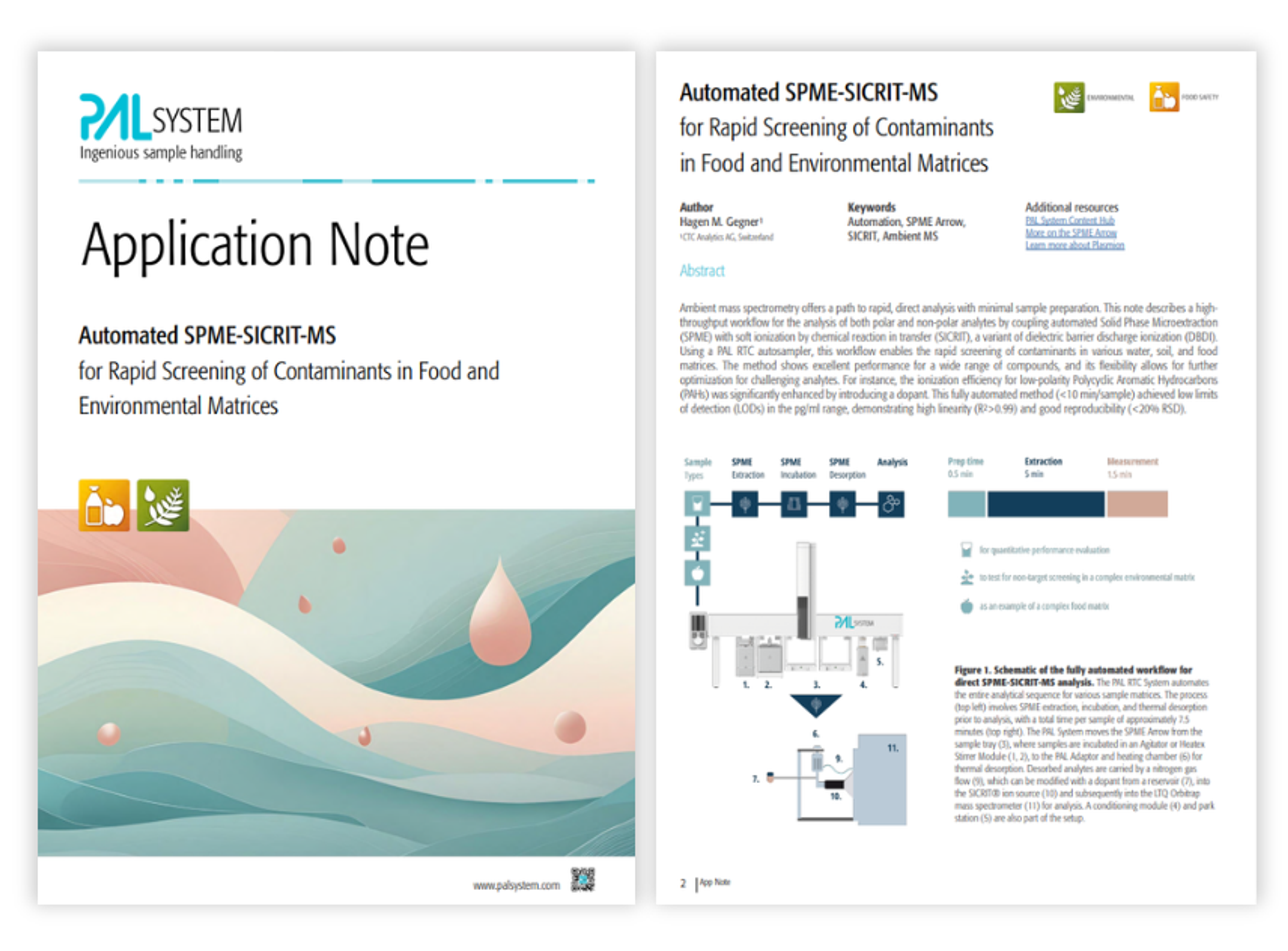
Automated SPME-SICRIT-MS for rapid screening of contaminants in food and environmental matrices
Established methods like GC/MS and LC/MS are cornerstones of the modern lab and used extensively in environmental and food safety analyses. However, their throughput is often limited by extensive sample preparation. An alternative solution is ambient ionization mass spectrometry, which enables direct analysis with minimal sample handling.
In this application note, CTC Analytics describes a high-throughput workflow utilizing the PAL RTC autosampler, to enable the rapid screening of contaminants in various water, soil, and food matrices.
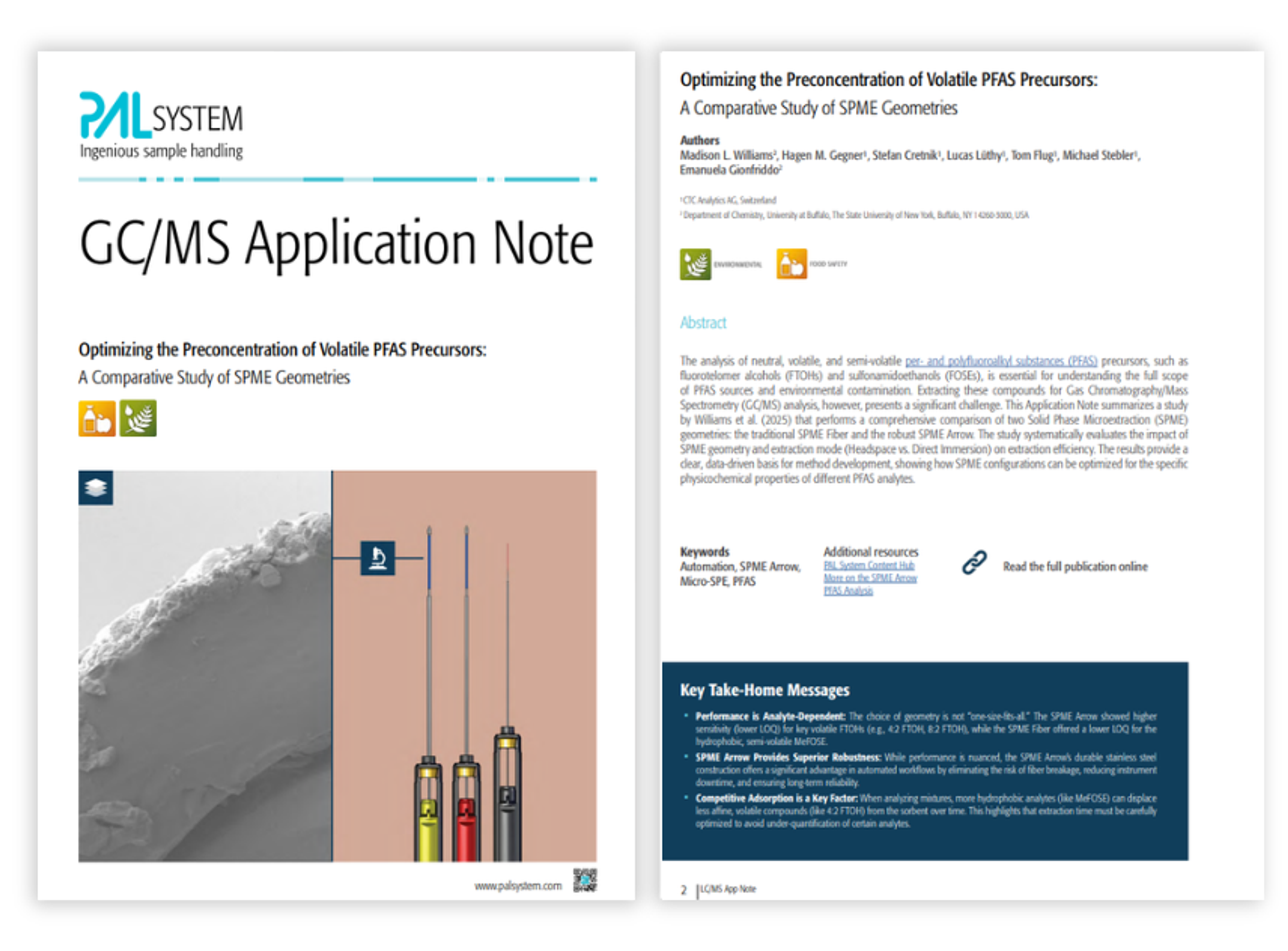
Optimizing the preconcentration of volatile PFAS precursors: A comparative study of SPME geometries
Due to per- and polyfluoroalkyl substances (PFAS) extreme resistance to degradation, these compounds have earned the moniker ‘forever chemicals’. The vast chemical diversity of PFAS types means that no single analytical method is suitable for all compounds.
In this application note, CTC Analytics discusses a comparative study that evaluates two SPME geometries for the analysis of volatile PFAS. The study leverages the full automation capabilities of a PAL RTC System to ensure high precision and reproducibility.
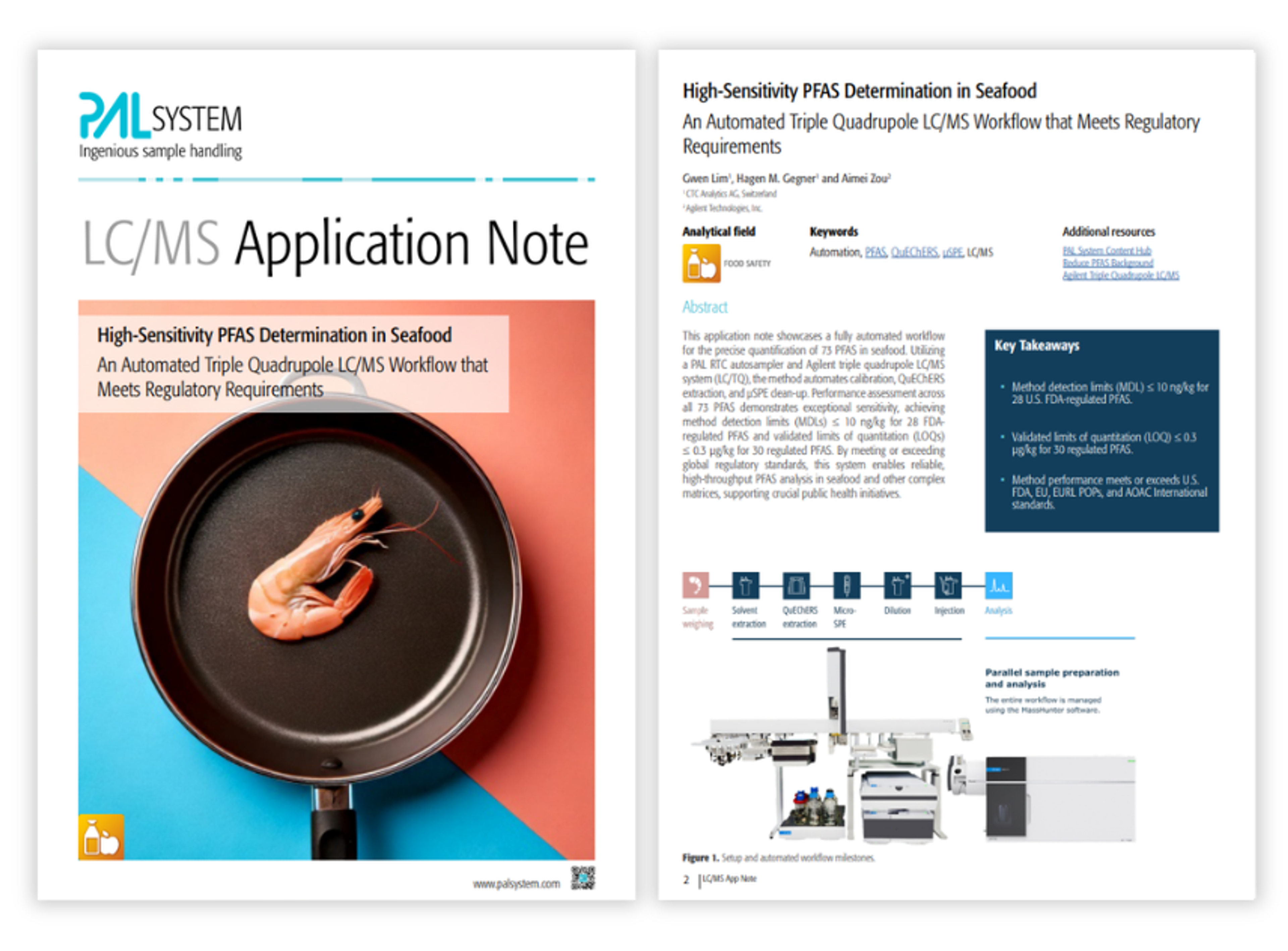
High-sensitivity PFAS determination in seafood
There is growing concern for the contamination of marine life with per- and polyfluoroalkyl substances (PFAS), and the risks posed by human consumption of seafood products. Accurately detecting trace levels of PFAS in complex food matrices like seafood presents significant analytical challenges.
In this application note, CTC Analytics introduces a fully automated workflow for the accurate and precise quantification of PFAS in seafood, utilizing the PAL RTC autosampler.
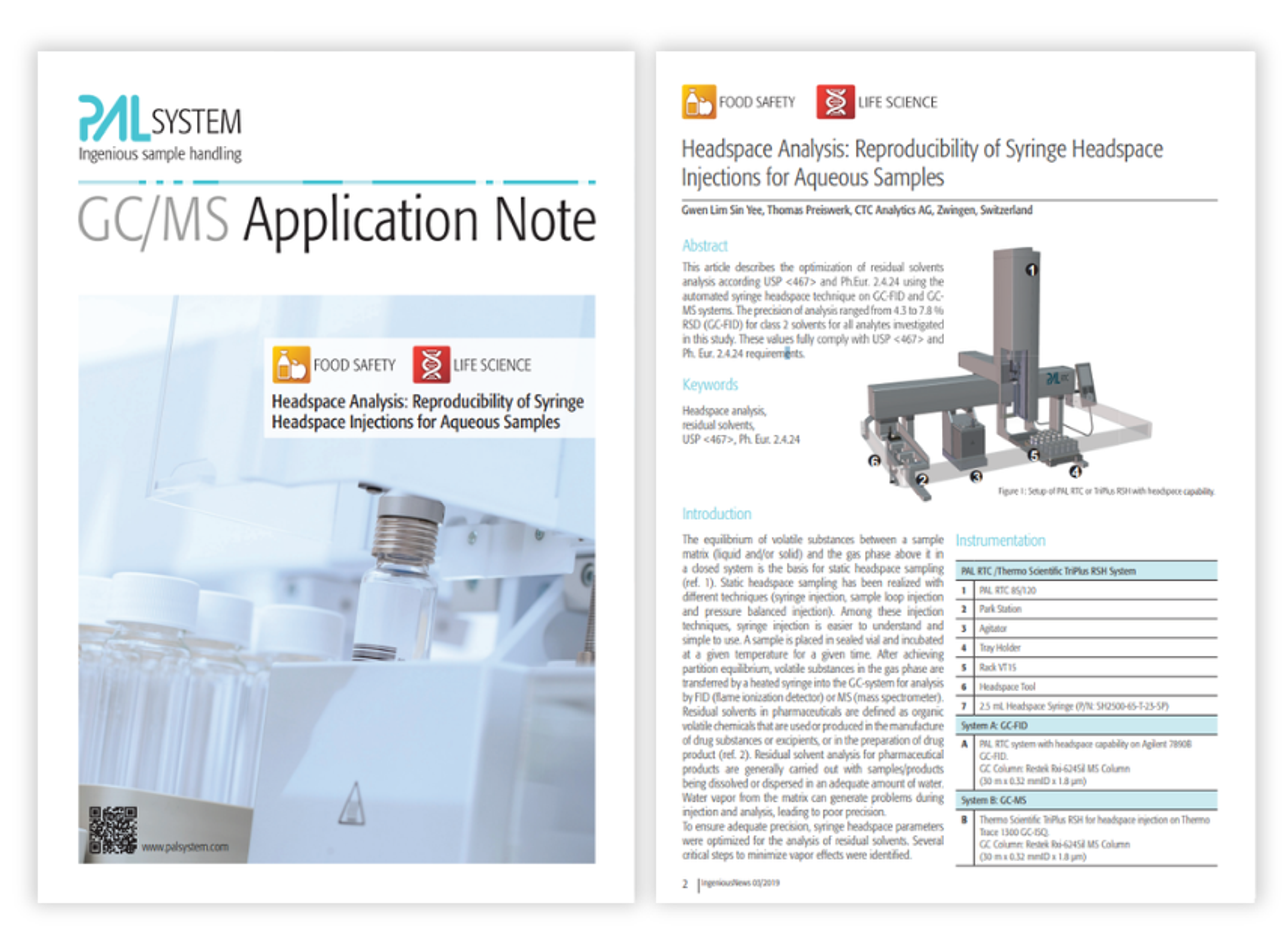
Headspace analysis: Reproducibility of syringe headspace injections for aqueous samples
In this application note, CTC Analytics describes the optimization of residual solvents analysis according USP <467> and Ph.Eur. 2.4.24 using the automated syringe headspace technique on GC-FID and GC/MS systems.

Automated parallel derivatization strategy with broad metabolite coverage coupled to SWATH/MS data acquisition for qualitative and quantitative analysis
Explore an automated parallel derivatization strategy with Dansyl-Cl and Dansyl-N2H3 for broad metabolite coverage in LC-MS workflows. By enhancing retention time, signal-to-noise ratio, and reaction control through on-line SPE fractionation, the method improves qualitative and quantitative metabolomics. Using labeled (13C) derivatization agents with SWATH/MS data acquisition enables precise metabolite analysis, addressing limitations in polar metabolite detection and quantification.
CTC Analytics AG sample preparation compendium
Dive into the realm of sample preparation, a crucial part of the pre-analytical phase, exploring how automation – particularly using x,y,z robots and innovative tools for streamlining extraction procedures – transforms workflows for laboratories relying on liquid chromatography/mass spectrometry (LC/MS) and gas chromatography/mass spectrometry (GC/MS). Beyond this, these workflows may also serve as an inspiration for other analytical platforms.
Rice flavor compounds from robotically cooked rice
Rice is the seed of Oryza sativa L. and aromatic rice varieties have recently gained wider acceptance across the globe. Because of their characteristic aroma and flavor, they are highly favored and command higher prices in rice markets. Thus the ability to analyze flavor profiles is relevant to food quality laboratories. The rice seed itself usually does not release flavor or aroma compounds. By cooking in continuous boiling water for about 10 minutes, the fragrance components are released. The fragrance products might be formed through the Maillard reaction. In this application note, CTC Analytics introduces a simple, reliable, and full automated method for boiling and analyzing rice samples.

Standardizing metabolomics advances biomarker discovery
Discover how prioritizing reproducibility and method validation can empower researchers to unlock the full potential of metabolomics in advancing biomarker discovery and drug development

Streamline food safety analysis through automation
Exploring food safety monitoring, USDA expert, Steve Lehotay, advocates for change, and highlights the need for innovation in current practices to enhance routine analysis

‘To truly understand science, is to collaborate with others’
Samer Sansil shares his inspiration to pursue cancer research and highlights why working together and learning from others is key to advancement