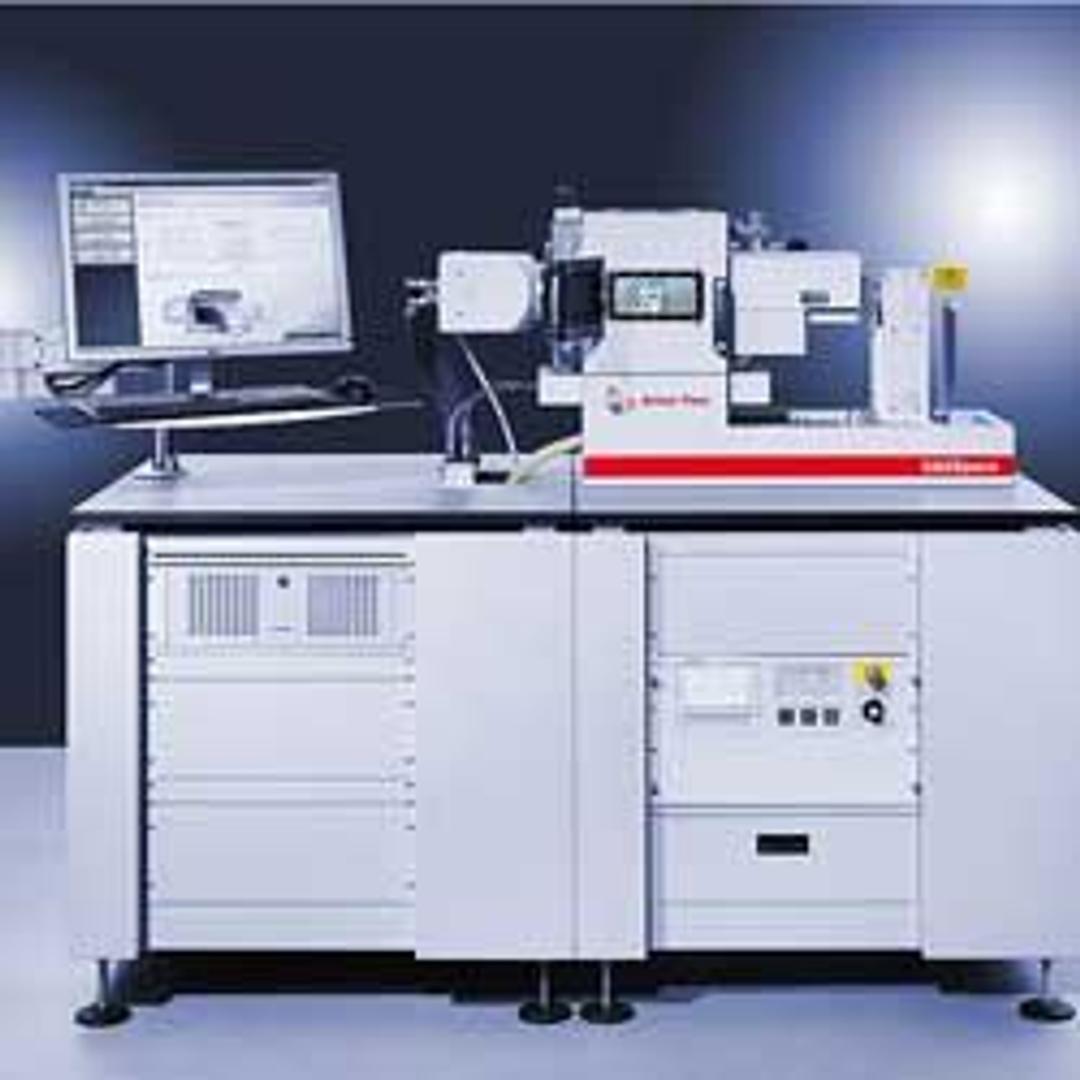
Modular System for Nanostructure Analysis: SAXSpace
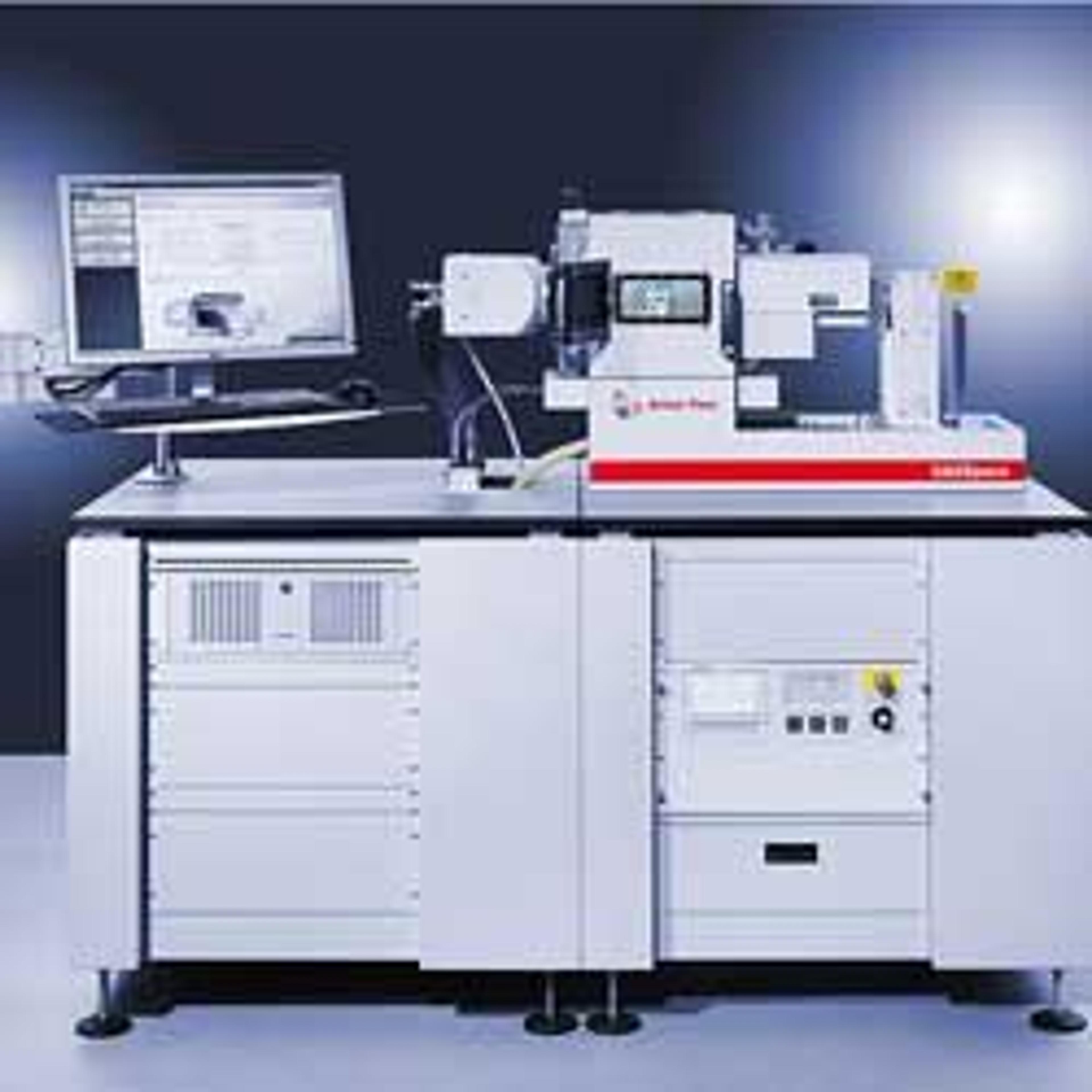
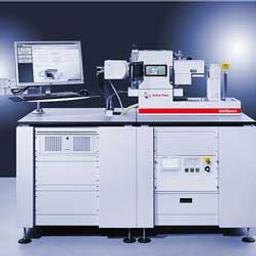
SAXSpace is a new nanostructure analyzer for small- and wide-angle X-ray scattering (SWAXS) studies of nanostructured materials. With its easy handling and push-button alignment, SAXSpace is ideally suited for routine SWAXS analysis and quality control applications. SAXS experts benefit from the spacious sample chamber and versatile sample stages, allowing for full experimental flexibility. This makes SAXSpace an ideal tool fo…

The supplier does not provide quotations for this product through SelectScience. You can search for similar products in our Product Directory.
Awesome results
PROTEIN SIZE, PROTEIN-NP INTERACTION, CORONA FORMATION, DRUG APPLICATION
The technique exceptionally good estimate of our protein size, protein-nanoparticle interaction, protein corona formation much better than the dynamic light scattering results.
Review Date: 28 Mar 2023 | Anton Paar
SAXSpace is a new nanostructure analyzer for small- and wide-angle X-ray scattering (SWAXS) studies of nanostructured materials. With its easy handling and push-button alignment, SAXSpace is ideally suited for routine SWAXS analysis and quality control applications. SAXS experts benefit from the spacious sample chamber and versatile sample stages, allowing for full experimental flexibility. This makes SAXSpace an ideal tool for investigating nanostructures in many different materials, including nanoparticles, biological macromolecules (Bio-SAXS), nanostructured surfaces (GI-SAXS), polymers and pharmaceuticals.

An Insight into the Structure of Surfactants
Small-angle X-ray scattering (SAXS) can be used to study the structure of surfactants micelles in water. This scientific poster present Sodium Dodecyl Sulfate as an anionic surfactant and determines its radial electron density profile using SAXS.
Structural Characterization of a Mesoporous Material
Porous materials can have an enormous internal surface. They are used as catalysts, as molecular sieves, as adsorbents and in many more applications. Their ability to selectively adsorb molecules of certain size and shape is closely related to their internal pore size and geometry. SAXS is an ideal tool for the characterization of the structure and the pore size of such materials, i.e. the particle diameter D, the mean pore diameter d as well as the typical distance between the pores R can be determined. In this application note, a mesoporous material was studied with the SAXSpace system.
Size and Size Distribution of Gold Nanoparticles by SAXS
Many materials gain their properties from the grain size of their constituting particles. Examples are the activity of catalysts and enzymes, the mechanical stability of ceramics and the thermal, electrical and optical properties of nanoparticles. Aggregate formation and imperfect redispersion may lead to an effective particle size in suspension much larger than the primary particle size. Coalescence is one of the main break-down processes in emulsions. This application note demonstrates the measurement of Gold nanoparticle dispersions by the SAXSpace system. SAXS proved to be a well-suited method for determining the size distribution of a binary mixture of two dispersions with very similar particle size.