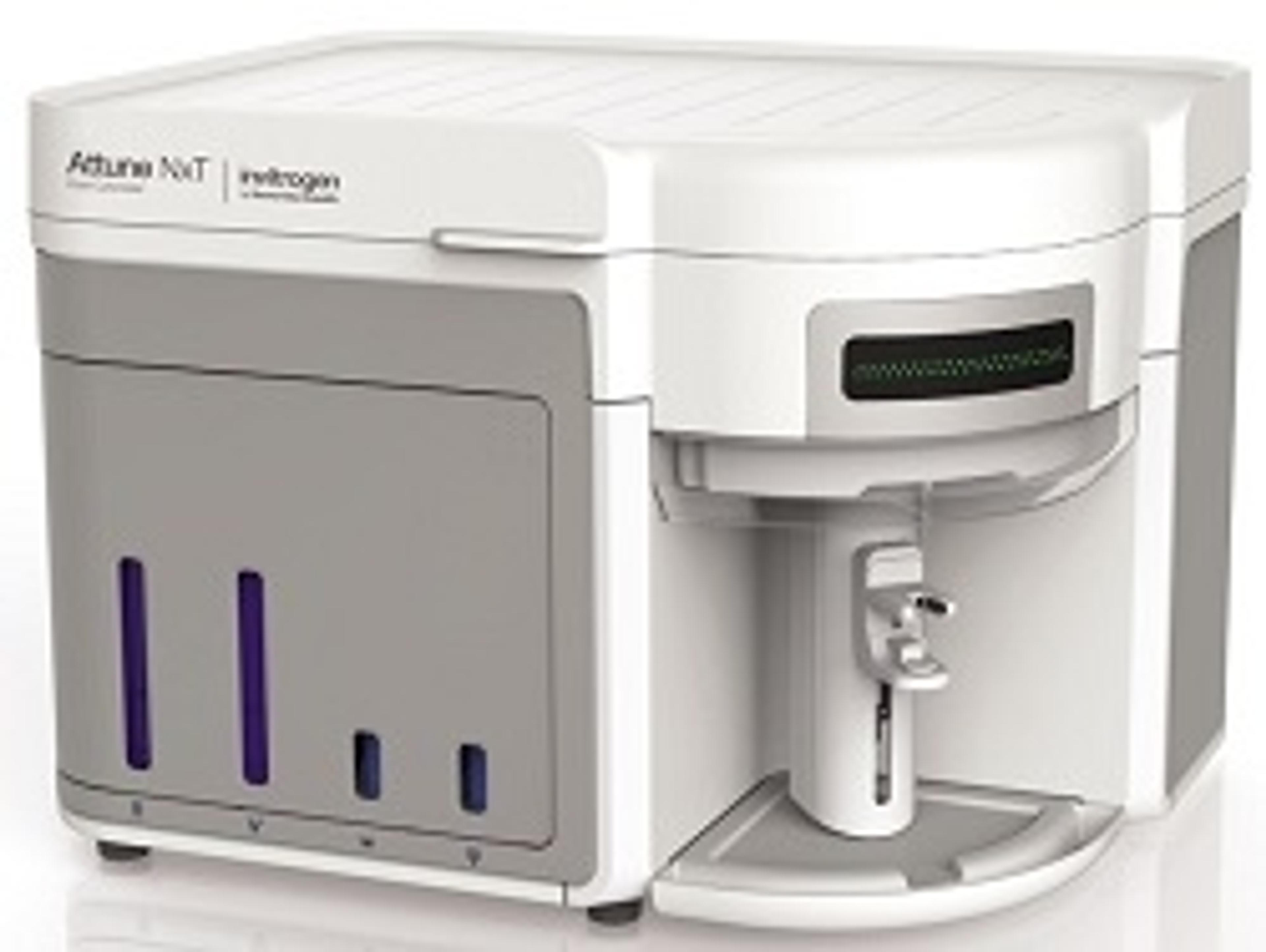
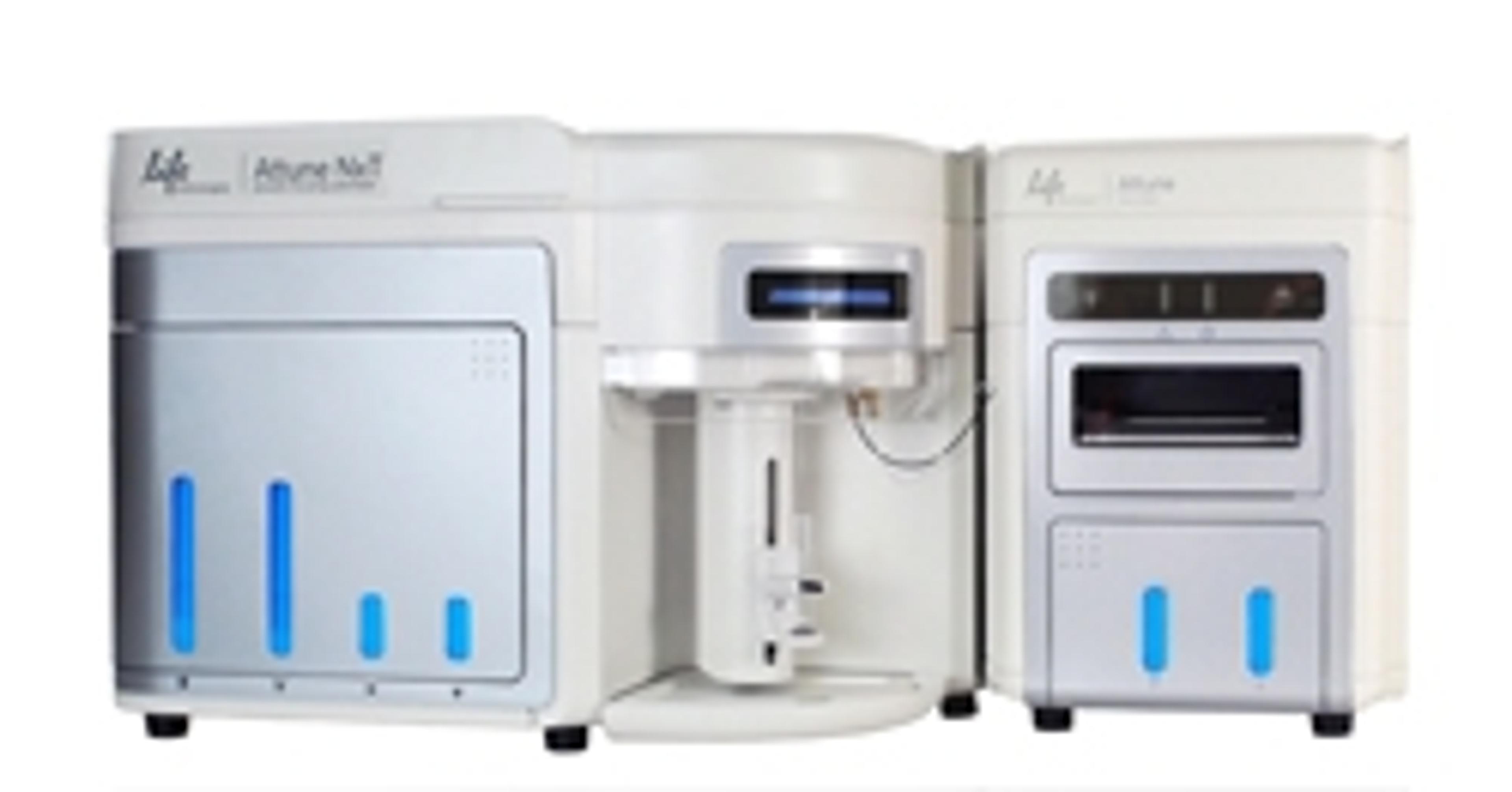
Invitrogen™ Attune™ NxT Flow Cytometer
The Invitrogen™ Attune™ NxT flow cytometer can be designed to accommodate the most common fluorophores and fluorescent proteins used in flow cytometry to match the panels you are currently running. Multiple fluorescent proteins can be detected with an optional 561 nm laser. Whether you configure your system now or upgrade later, the Attune NxT flow cytometer can grow with you and your research needs. The Attune NxT flow cyt…






The supplier does not provide quotations for this product through SelectScience. You can search for similar products in our Product Directory.
All flow cytometry facilities should have 1 Attune system! I love it!
High throughout flow cytometry
We came across Attune when our lab first started on high throughput flow cytometry. I was very impressed that we can analyse whole blood samples directly! Also, Attune doesn't require cells to be reconstituted in facs staining buffer, and that's how we optimised our no wash protocol for our HTS facs! It is easy to use and their customer support is very good!
Review Date: 5 Feb 2024 | Thermo Fisher Scientific
Great results
Analyze protein binders
Great performances and easy experiment design with a very intuitive software.
Review Date: 13 May 2023 | Thermo Fisher Scientific
Great value, high throughput.
Antibody binding
High throughput, easy to use. It has not clogged up since we got it 8 month ago!
Review Date: 27 Aug 2020 | Thermo Fisher Scientific
Quick and easy to use.
Neuroscience
The Attune NxT is easy to use, quickly switching between tubes and plates. The software is very intuitive and user friendly and has a lot of options for different data to display.
Review Date: 10 Jun 2020 | Thermo Fisher Scientific
Good machine, good results, easy to use!
QC
We had very clear training and the machine is very easy to use. Last week, we used it to check our experiments and were very satisfied with the results.
Review Date: 26 Feb 2020 | Thermo Fisher Scientific
Great instrument, compact and reliable!
Flow cytometry, immunology, cancer research
The software is very user-friendly, allows users to easily run the equipment alone. Great for clumpy, concentrated samples, runs really fast, allows you to save data post-acquisition.
Review Date: 11 Jul 2019 | Thermo Fisher Scientific
Fantastic entry-level cytometer with more power and flexibility than you'd expect
Immuno-oncology research
Purchased and utilized this product at a small biotech company. Excellent software design. Essentially clog proof. And an excellent price.
Review Date: 21 Aug 2018 | Thermo Fisher Scientific
If I could exchange it for a better flow from a company with great service, I would
Flow cytometry, cell cycle progression, cell death, pulse chase
I have not had a great experience with this equipment. We purchased it around 5 years ago and I have not been able to get successful results in any experiment. Customer care is ambiguous in their responses, where depending who you call you get different answers and none work. Some of their own protocols do not work well, thus I am disappointed with this equipment.
Review Date: 19 Oct 2016 | Thermo Fisher Scientific
Manufacturer's Response
“We are currently in communication with Dr. Martinez-Montemayor in an attempt to resolve the handling issues that she has been experiencing with her first generation Attune Flow Cytometer. We take pride at Thermo Fisher Scientific in the quality of our products and services, and we offer a wide range of additional training options to ensure that our customers can get the most out of our products.<br><br> Since the release of the Attune NxT Flow Cytometer in 2014, we have made significant investments around the globe in service and support personnel and training. With this, we are confident that we offer an exceptional experience for anyone using our Attune or Attune NxT flow cytometer.”
Fast, great performance, easy to use, small foot print, takes flow cytometry to the next level
Identification of cancer stem cells in primary tumor samples and in blood
We have been using the Attune NXT cytometer for 4 months with complete satisfaction. It's not only stylish and has an extremely small footprint, but it is extremely efficient, fast and out performs all the other cytometers we have used in the past. The 4 laser capacity makes multiplexing feasible and easy, and the added automatic compensation takes the hassle out of manual compensation. The best feature is that we have yet to clog the machine with our debris-rich primary tumor samples. Of course, the acoustic technology greatly facilitates the identification of small populations, like cancer stem cells, increasing our capacity to detect and quantify these rare events with high efficiency and reliability. The instrument has lived up to our expectations at all levels. The software is also easy to use, but takes time to get used to. It's like going from a PC to a Mac, but in no time we have mastered the very user friendly application.
Review Date: 19 May 2016 | Thermo Fisher Scientific
Quality cytometer with compact size
flow cytometry
Although it can only detect 4 colors, Attune NxT is a valuable flow cytometer for an individual lab. It is affordable, very easy to use with straight forward instructions, simple screen display and can analyze samples both in microplates and regular flow tubes. Invitrogen also offers technical support, and will train people for a reasonable price. The machine is compact, easy to clean, comes with one laser but has the capacity of adding more.
Review Date: 15 Jan 2016 | Thermo Fisher Scientific
The Invitrogen™ Attune™ NxT flow cytometer can be designed to accommodate the most common fluorophores and fluorescent proteins used in flow cytometry to match the panels you are currently running. Multiple fluorescent proteins can be detected with an optional 561 nm laser. Whether you configure your system now or upgrade later, the Attune NxT flow cytometer can grow with you and your research needs.
The Attune NxT flow cytometer, designed using acoustic-assisted hydrodynamic focusing, achieves sample-throughput rates of of 12.5 µL/min–1 mL/min or 12.5–1,000 µL/min—up to 10 times faster than traditional hydrodynamic focusing systems and data acquisition speeds of 35,000 events/sec.
Acoustic focusing allows significantly higher sample rates, which simplifies sample preparation, reduces protocol times, and minimizes cell loss. This feature is useful for no wash, no lyse immunophenotyping protocols using whole blood and for samples that are inherently low in concentration, including cerebrospinal fluid and stem cell preparations.
Your next result relies on the ability of your experimental design and your instrument to deliver more—more data, more detail, and more throughput. The Attune NxT flow cytometer was designed to meet the demands of more complex experiments, offering reliable data, day after day, in a grow-with-you system.
Features & Benefits:
- Modular design—Multiple configurations available—field upgradable.
- Save time—10X faster speeds with no loss in data quality.
- Simplified sample prep—No wash, no lyse options, non-clogging fluidics.
- Enables unique applications—Complex protocols on a broad range of cell types and samples.
Brochures

Detection of Platelets in Whole Blood Using the Attune NxT Flow Cytometer
Platelets are non-nucleated cellular fragments that circulate in the peripheral blood. They derive from megajaryocytes and are critical for maintaining hemostasis. This application note demonstrates the use of the Attune NxT Flow Cytometer, along with the Attune NxT No-Wash and No-Lyse Filter Kit for violet laser SSC detection as a robust assay for the detection of platelets in white blood without sample manipulation.
T Lymphocyte Immunophenotyping: 14-Color Flow Cytometry Panel Design Using the Attune NxT Flow Cytometer and Super Bright Fluorescent Dyes
The Invitrogen™ eBioscience™ Super Bright polymer dyes represent a suite of bright fluorophores excited by the violet laser (405 nm). Optimized for use in flow cytometry, the Super Bright dyes allow for expanded use of violet laser excitation and promote streamlined multicolor panel design. This scientific poster describes the use of these dyes and the Invitrogen™ Attune™ NxT Flow Cytometer to characterise human T-cell lymphocytes.
Multiparameter Analysis of Murine Regulatory T-Cells and Dendritic Cells with the Attune NxT Flow Cytometer
Immunophenotyping is the analysis of heterogeneous populations of cells within mouse blood, splenocytes, and thymocytes for the purpose of identifying the presence and proportions of various cell populations. Flow cytometry is the method of choice for identifying cells within complex populations, as it allows for multiparameter analysis of thousands to millions of cells in a short time. This application note describes the use of the Attune NxT Flow Cytometer for 4-laser and 10-color immunophenotyping analysis of stained mouse splenocytes using a fixation and permeabilization protocol.
Ten-Parameter Immunophenotyping of Human Lysed Whole Blood with the Attune NxT Flow Cytometer Allows Identification of Multiple T-Cell Subsets and Myeloid Cells
Immunophenotyping is the analysis of heterogeneous populations of cells within human blood for the purpose of identifying the presence and proportions of various cell populations. Multiparameter flow cytometry is a widely-used method for identifying cell subsets within complex cellular systems. This application note describes the use of the Attune NxT Flow Cytometer for 4-laser and 10-color immunophenotyping analysis of stained human whole blood using a stain-and-lyse protocol.
Detection of Fluorescent Proteins using the Attune NxT Flow Cytometer
Fluorescent proteins are a valuable tool for researchers. A world of possibilities has been opened through their discovery and incorporation into biological research. The ability to monitor both live and dead manipulated cells allows researchers to better understand the mechanisms that regulate cellular processes. However, in order to utilize this, it is necessary to be able to analyze these processes on an individual cellular basis. Fortunately, with the increasing abilities of flow cytometers like the Attune NxT Flow Cytometer with up to 16 parameters of detection and clogresistant design, researchers can now explore what was overly difficult or simply impossible only a few years ago.
No-lyse, No-wash Protocol for 6-color Immunophenotyping Analysis of Stained Human Whole Blood without Compensation using the Attune NxT Flow Cytometer
Compensation is one of the most critical, and yet poorly understood, topics in flow cytometry. Just as setting the proper voltage and knowing the range of wavelengths where fluorophores excite and emit, compensation is necessary for successful flow cytometry. Compensation is required for flow cytometry experiments because of the physics of fluorescence and the construction of flow cytometers. A fluorophore is excited and emits a photon in a range of wavelengths. Some of these photons spill into a second detector, causing single-stained samples to appear double positive. A mathematical correction is applied to flow cytometry data to address photon spillover— this is compensation. This application note describes the use of the Invitrogen™ Attune™ NxT Flow Cytometer for 6-color immunophenotyping analysis of stained human whole blood using a no-lyse, no-wash protocol.
Detection of Murine Regulatory T Cells on the Attune™ NxT Flow Cytometer
This application note describes the use of the Attune NxT Flow Cytometer for 3-color immunophenotyping analysis of stained mouse splenocytes using the Foxp3 Transcription Factor Staining Buffer Kit, a fixation and permeabilization kit designed to work with transcription factors, like Foxp3, and other intracellular markers. Regulatory T cells come in many forms, with the most understood being those that express CD4, CD25, and Foxp3 (CD4+ CD25+ regulatory T cells). CD4+ CD25+ regulatory T cells are a specialized subpopulation of T cells that act to maintain homeostasis within the immune system by suppressing the immune response of other cells. This is an important “self-check” built into the immune system to prevent excessive reactions.
Identification of B Cells, NK Cells, Multiple T Cell Subsets and Myeloid Cells by 13-Parameter Immunophenotyping of Human Lysed Whole Blood
Immunophenotyping is the analysis of heterogeneous populations of cells within human blood for the purpose of identifying the presence and proportions of various cell populations. This application note describes the use of the Attune NxT Flow Cytometer with 4 lasers and 13-color immunophenotyping analysis of stained human whole blood using a stain/lyse protocol. Lymphocyte, monocyte and granulocyte populations were distinguished with forward scatter (FSC) and side scatter (SSC); and monocyte, T cell, B cell and NK populations were identified using fluorescent antibodies against surface antigens specific for the different immunological populations.
No-wash, No-lyse Detection of Leukocytes in Human Whole Blood on the Attune NxT Flow Cytometer
Standard methods for isolating and detecting leukocytes (white blood cells) in human whole blood are time-consuming and often involve significant manipulation and enrichment prior to analysis. In human whole blood, red blood cells outnumber white blood cells ~1,000-fold. This creates two hurdles in attempting to analyze whole blood samples without manipulation or enrichment: 1) collection of a sufficient number of white blood cell events for statistically meaningful data, and 2) differentiation of white blood cells from red blood cells given the high probability of coincident red blood cell events, which is clear when observing a conventional forward and side scatter profile of whole blood. This application note outlines a strategy for the detection of white blood cells within whole blood using the Attune NxT Flow Cytometer.
Few and Far Between: Tools and Strategies for Rare-Event Detection Using Flow Cytometry
This application note presents a few major obstacles in rare-cell detection, specific strategies to address them, and examples of successful rare-cell analysis by flow cytometry. It is also demonstrated that acoustic focusing cytometry can dramatically increase sample acquisition rates compared with conventional flow cytometry, enabling a larger number of rare cells to be analyzed in a single experiment.
Best practices to overcome common flow cytometry challenges
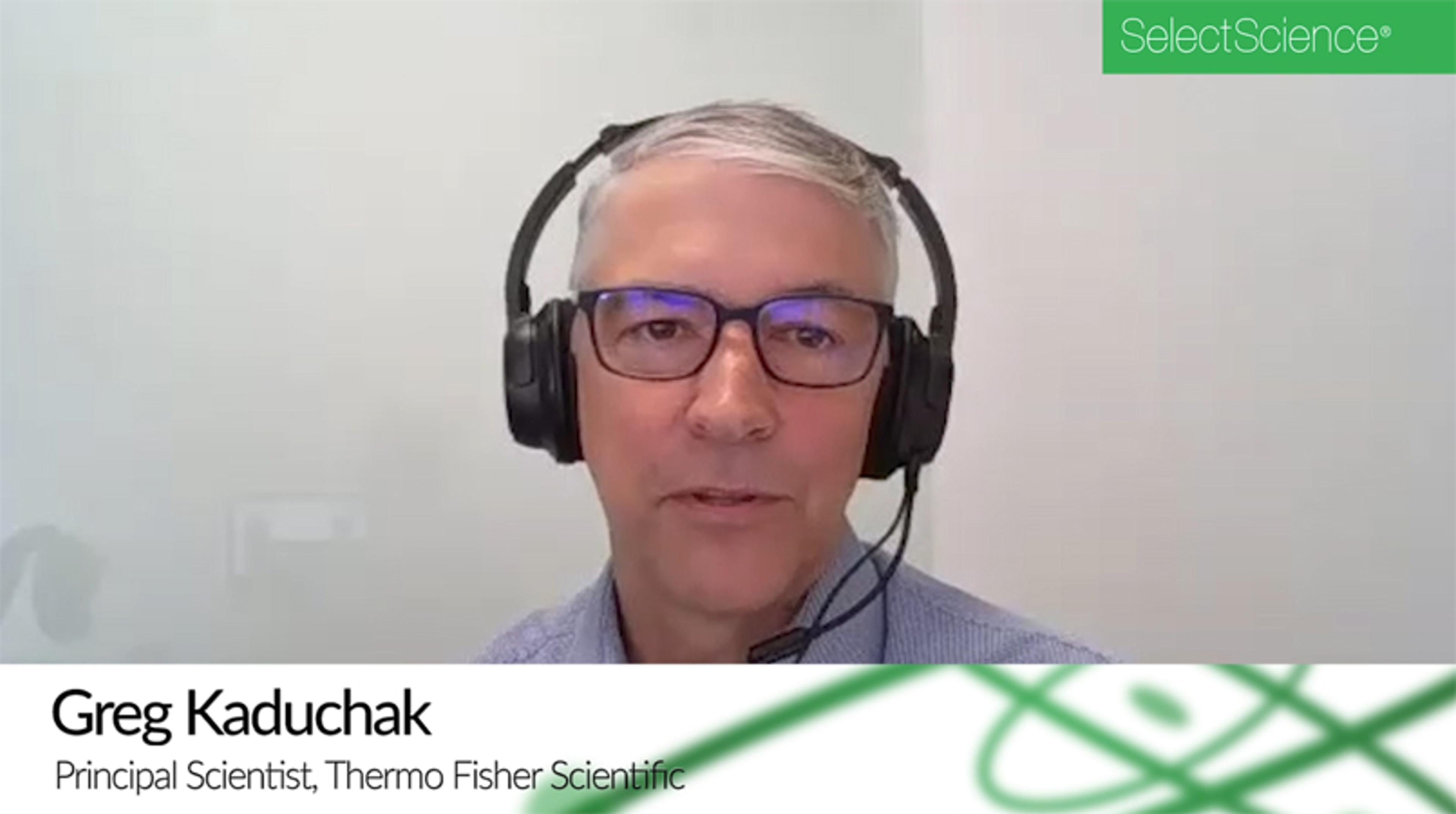
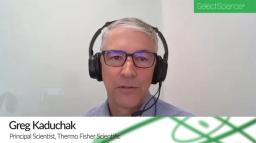
In this video, Greg Kaduchak, principal scientist at Thermo Fisher Scientific, discusses the importance of overcoming flow cytometry setbacks, and reveals how to effectively deliver high-resolution brightfield images. Kaduchak also explores how the Attune CytPix Flow Cytometer from Thermo Fisher Scientific could be the solution for you, highlighting the range of customer feedback received so far.
Breakthroughs in Exosome Analysis Enable Research into Cancer Stem Cells
Cancer stem cells (CSCs) are rare tumor cells which exhibit high levels of drug resistance. Steve McClellan, B.S, M.T., SCYM (ASCP), the Flow Cytometer and Imaging Core Lab Manager at the Mitchell Cancer Institute, describes his team’s research into how exosomes enable CSCs to communicate with other cells. Steve also explains how they have developed a new method for analyzing exosomes using the Invitrogen™ Attune™ NxT Flow Cytometer and why he thinks it will be a breakthrough in the field.
Flow Cytometry for Fast Diagnosis of Antibiotic Resistance in Bacterial Infections
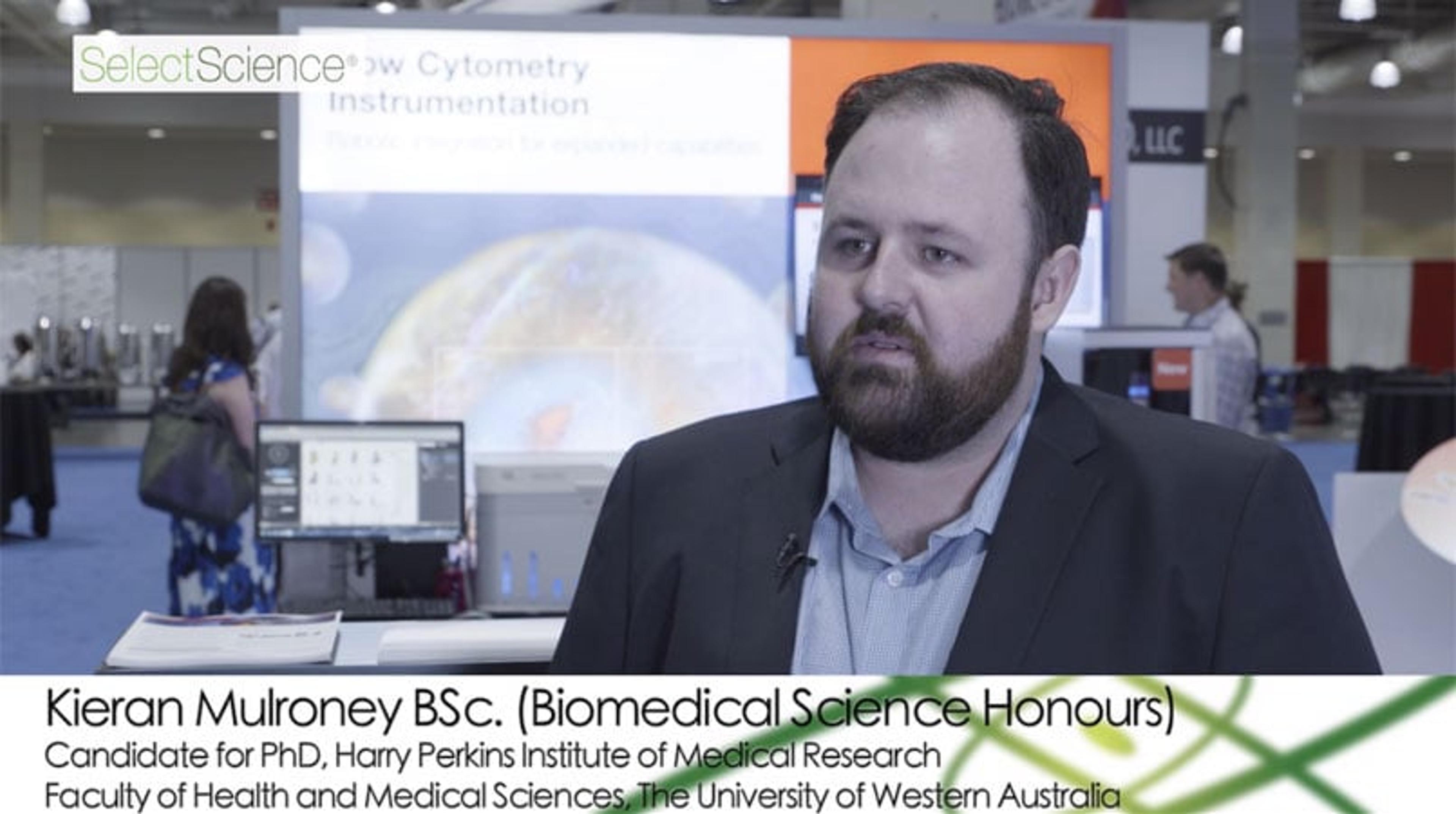
Watch this video to hear how the Invitrogen™ Attune™ NxT acoustic focusing flow cytometer is key to a cutting-edge research project investigating antibiotic resistance. The Thermo Fisher Scientific flow cytometer enables scientists at the University of Western Australia to quickly and accurately profile the effect of drugs on individual bacterial cells directly from clinical samples.
Discover how the Attune NxT Flow Cytometer Delivers Fast Sample Analysis
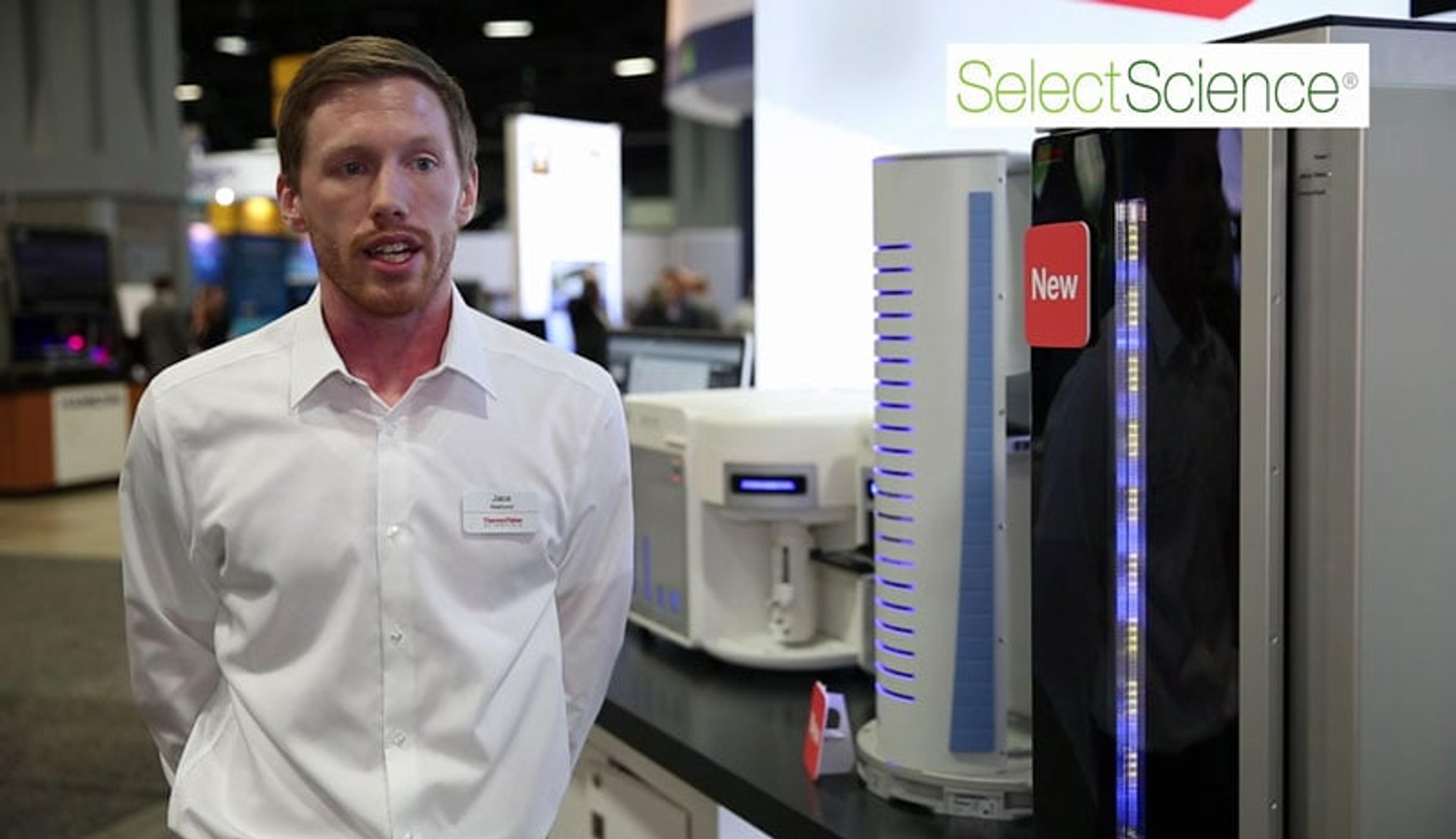
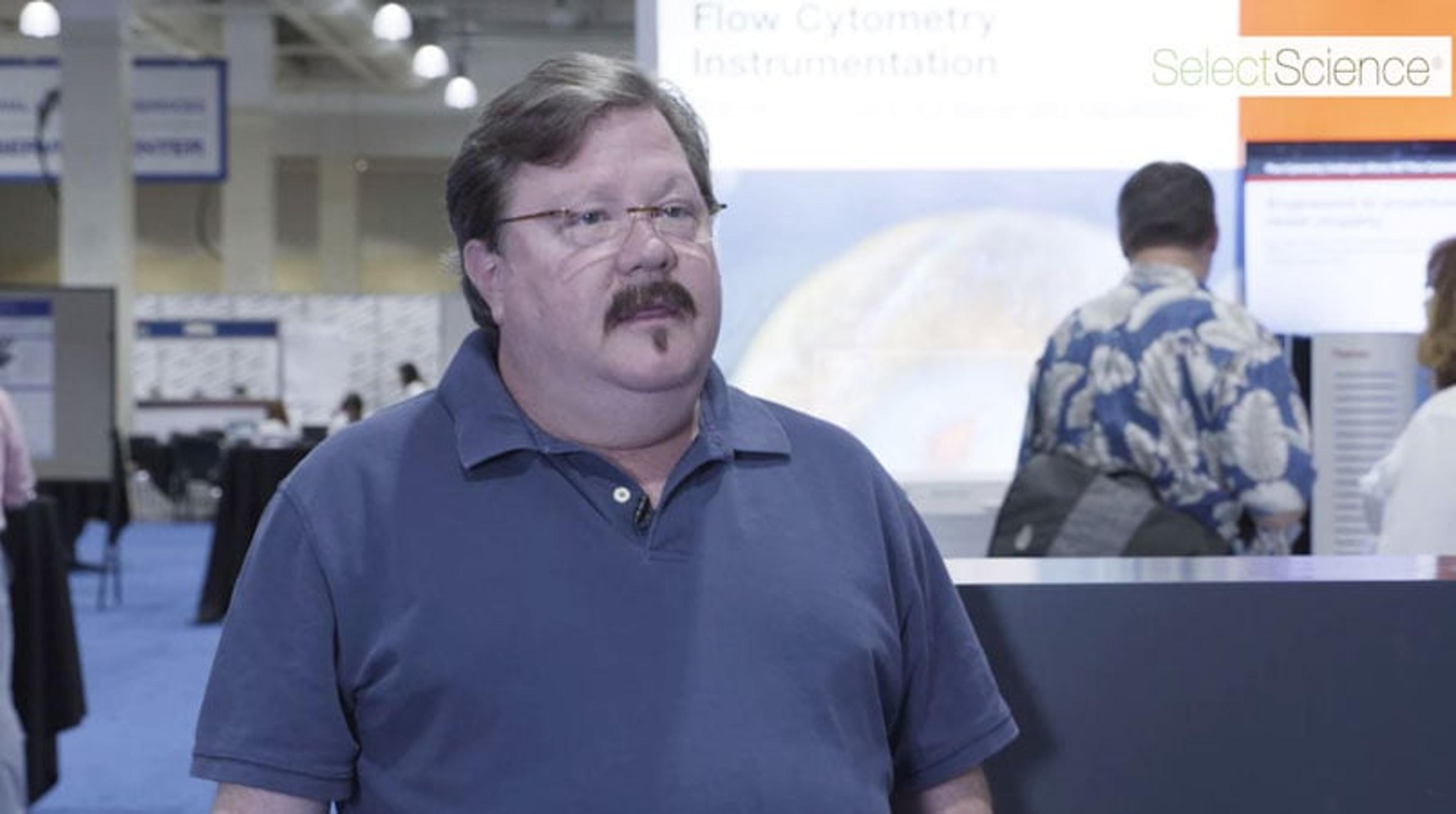
In this video, hear Jace Akerlund describe the Invitrogen™ Attune™ NxT Flow Cytometer which is enabling rapid analysis of samples. Built with modularity in mind, the Attune can function with between one and four lasers, providing a variety of colored systems and allowing for add-ons to be purchased as budget allows.
Acoustic Flow Cytometry for Tumor and Liquid Biopsy Identification & Isolation
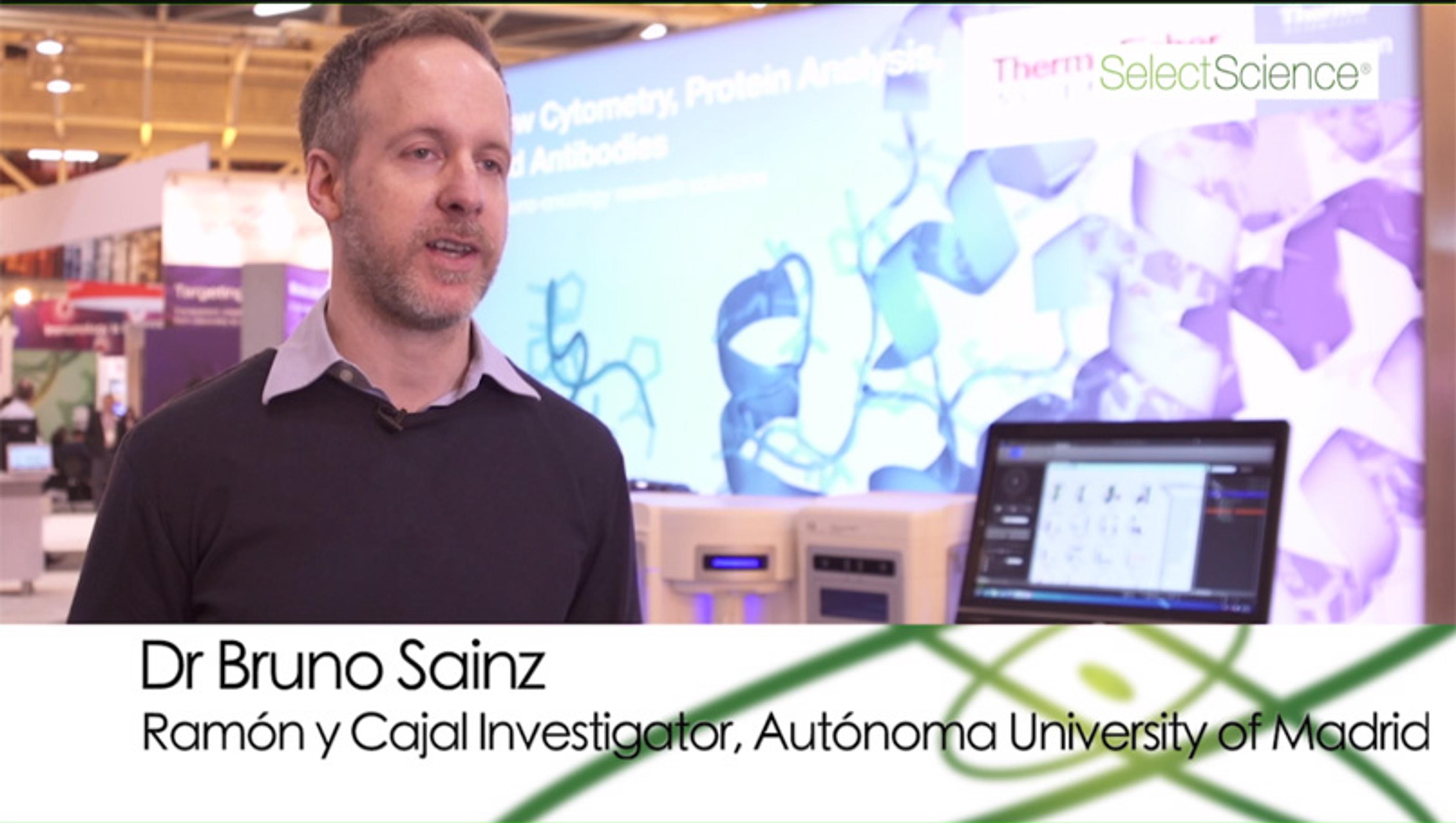
Watch this video to find out how the Autónoma University of Madrid is using the Invitrogen™ Attune™ NxT Flow Cytometer for acoustic-based flow cytometry. This technology enables reliable and efficient identification and isolation of cells from tumors and liquid biopsies.

Could you be the next winner in our weekly ‘Every Opinion Counts’ giveaway?
Just leave a quick lab product review today for your chance to scoop one of our weekly $100 prizes
Applications of Modern Clinical Flow Cytometry
Current applications of flow cytometry in the clinical laboratory
Thermo Fisher Scientific Announces Inaugural 2015 Attune NxT Flow Cytometry Grant
Dr Charles Prussak will receive the grant to help further his research on immune-cell therapy for cancer treatment
Download the New Flow Cytometers Buying Guide
Discover new trends, technologies and applications in this essential SelectScience guide
Product Overview

Links
Products Model Information
Invitrogen™ Attune™ Flow Cytometer - Blue/Violet/Yellow Lasers
Thermo Fisher ScientificBlue (488nm), Violet (405nm), Yellow (561nm) Excitation Lasers.
Invitrogen™ Attune™ Flow Cytometer - Blue Lasers
Thermo Fisher ScientificBlue (488nm) Excitation Laser.
Invitrogen™ Attune™ Flow Cytometer - Blue/Red Lasers
Thermo Fisher ScientificBlue (488nm), Red (637nm) Excitation Lasers.
Invitrogen™ Attune™ Flow Cytometer - Blue/Red/Violet Lasers
Thermo Fisher ScientificBlue (488nm), Red (637nm), Violet (405nm) Excitation Lasers.
Invitrogen™ Attune™ Flow Cytometer - Blue/Violet Lasers
Thermo Fisher ScientificBlue (488nm), Violet (405nm) Excitation Lasers.
Invitrogen™ Attune™ Flow Cytometer - Blue/Yellow Lasers
Thermo Fisher ScientificBlue (488nm), Yellow (561nm) Excitation Lasers.
Invitrogen™ Attune™ Flow Cytometer - Blue/Red/Violet/Yellow Lasers
Thermo Fisher ScientificBlue (488nm), Red (637nm), Violet (405nm), Yellow (561nm) Excitation Lasers.