
Applications of Modern Clinical Flow Cytometry
Current applications of flow cytometry in the clinical laboratory
24 Mar 2016
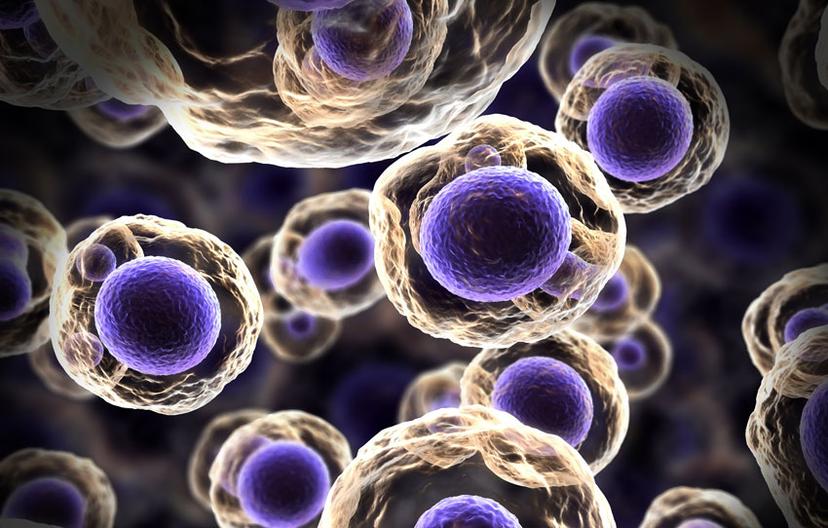
Flow cytometry measures optical and fluorescence characteristics of individual cells as they flow, in single file, through a stream of liquid
Flow Cytometry Principle Flow cytometry measures optical and fluorescence characteristics of individual cells as they flow, in single file, through a stream of liquid. As each cell flows through the liquid stream, it passes by a laser. The cell’s size, internal complexity, DNA/RNA and protein content can be determined by measuring the light scatter produced.
Flow cytometry, now well established in many hematology and immunology labs, is a technology that has had a substantial impact on the monitoring and diagnosis of disease over the last decade.
Current applications
In hematology, immunophenotyping is used to study proteins expressed by cells, so that they can be accurately identified. Immunophenotyping by flow cytometry is used for the diagnosis of new leukemias, it allows certain acute myeloid leukemias to be distinguished from one another, and it can also be used to detect minimal residual disease.
Flow cytometry can be used to identify platelet abnormalities such as autoimmune thrombocytopenia purpura and those associated with conditions such as Bernard-Soulier disease. Flow cytometry can also aid diagnosis of red cell disorders such as hereditary spherocytosis and paroxysmal nocturnal hemoglobinuria.
Immunological flow cytometry is used for HIV diagnosis as well as viral load monitoring, it is also used in the diagnosis of other immunodeficiences and allergy testing. Flow is also used by blood banks for the identification and quantitation of fetal blood cells in maternal circulation following a feto-maternal haemorrhage. Flow cytometry can also be used to detect red cell bound immunoglobulins and red cell antigens, which is especially useful in patients who have received multiple transfusions. The technology can also be used to assess leukocyte contamination of leukocyte-reduced blood products.
Technology advances
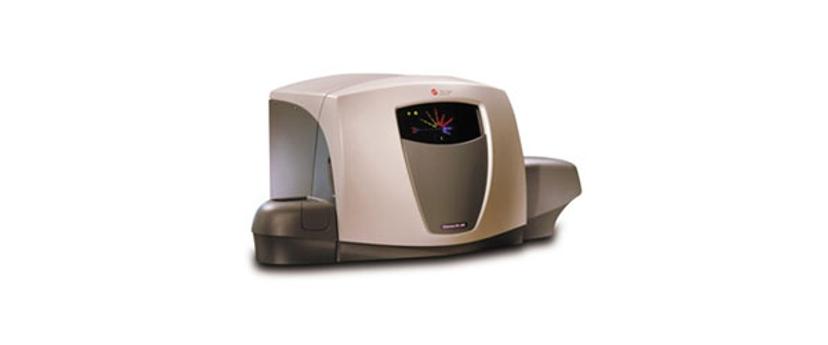
FC 500 Series Flow Cytometer, Beckman Coulter
Flow technology has advanced considerably over the last decade. Bench-top flow cytometers are now equipped with 2 or 3 lasers and are able to analyze multiple samples in a relatively short space of time. Sophisticated hardware and software enables flow cytometrists to spend less time on sample prep and analysis and more time assessing results and providing valuable interpretive reports. You can find the latest technical information on flow cytometry in our download library and product directory.
Available Flow Cytometry downloads from the SelectScience® library:
Multiparametric Flow Cytometric Evaluation of Cytotoxic T Lymphocyte Populations
6-Color Panel for Staining Human Peripheral Blood Lymphocytes
A Novel Imaging Cytometry Method for Immunophenotyping
Looking to purchase a new analyzer? Download our exclusive Flow Cytometers Buying Guide
Related products
Request Quote for All Products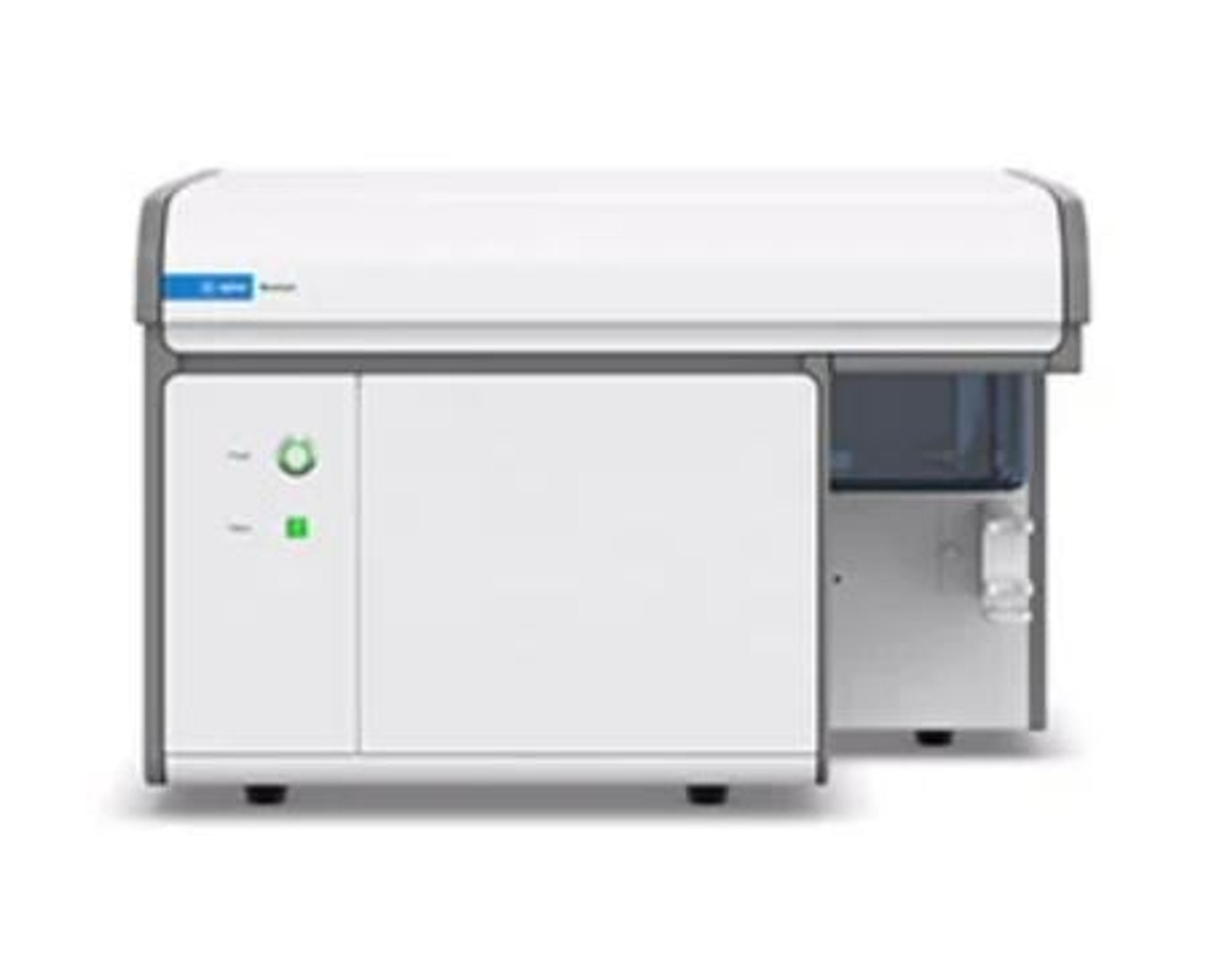
NovoCyte Flow Cytometer
Agilent TechnologiesNovoCyte is a high-performance benchtop flow cytometer designed for all levels of users and all types of laboratories. The budget-friendly instrument can detect up to 17 parameters with enhanced sensitivity and resolution. The customizable laser and optical configurations of the NovoCyte offer a high degree of flexibility while providing complex cell analysis capabilities. The NovoExpress software facilitates easy and intuitive sample acquisition and analysis. Automation of multiple fluidic functions eliminates cumbersome and time-consuming procedures. Manual sample handling is minimized by the flexible NovoSampler Pro. The system can automatically analyze samples in single tubes, multi-tube racks, or 24-, 48-, or 96-well plates

Invitrogen™ Attune™ NxT Flow Cytometer
Thermo Fisher ScientificThe Invitrogen™ Attune™ NxT flow cytometer can be designed to accommodate the most common fluorophores and fluorescent proteins used in flow cytometry to match the panels you are currently running. Multiple fluorescent proteins can be detected with an optional 561 nm laser. Whether you configure your system now or upgrade later, the Attune NxT flow cytometer can grow with you and your research needs. The Attune NxT flow cytometer, designed using acoustic-assisted hydrodynamic focusing, achieves sample-throughput rates of of 12.5 µL/min–1 mL/min or 12.5–1,000 µL/min—up to 10 times faster than traditional hydrodynamic focusing systems and data acquisition speeds of 35,000 events/sec. Acoustic focusing allows significantly higher sample rates, which simplifies sample preparation, reduces protocol times, and minimizes cell loss. This feature is useful for no wash, no lyse immunophenotyping protocols using whole blood and for samples that are inherently low in concentration, including cerebrospinal fluid and stem cell preparations. Your next result relies on the ability of your experimental design and your instrument to deliver more—more data, more detail, and more throughput. The Attune NxT flow cytometer was designed to meet the demands of more complex experiments, offering reliable data, day after day, in a grow-with-you system. Features & Benefits: Modular design—Multiple configurations available—field upgradable. Save time—10X faster speeds with no loss in data quality. Simplified sample prep—No wash, no lyse options, non-clogging fluidics. Enables unique applications—Complex protocols on a broad range of cell types and samples.