Hybcell - DNA or protein microarray
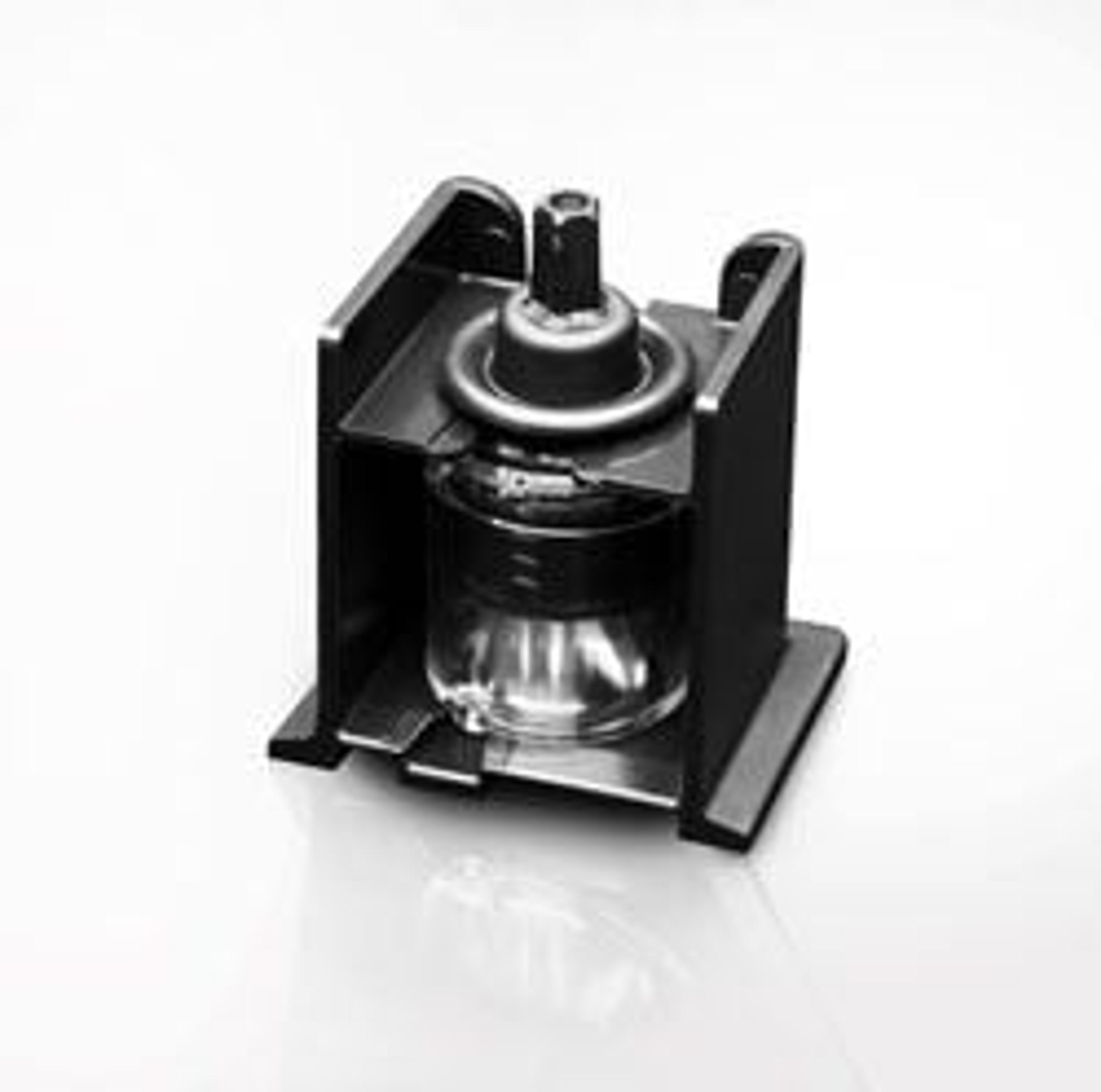
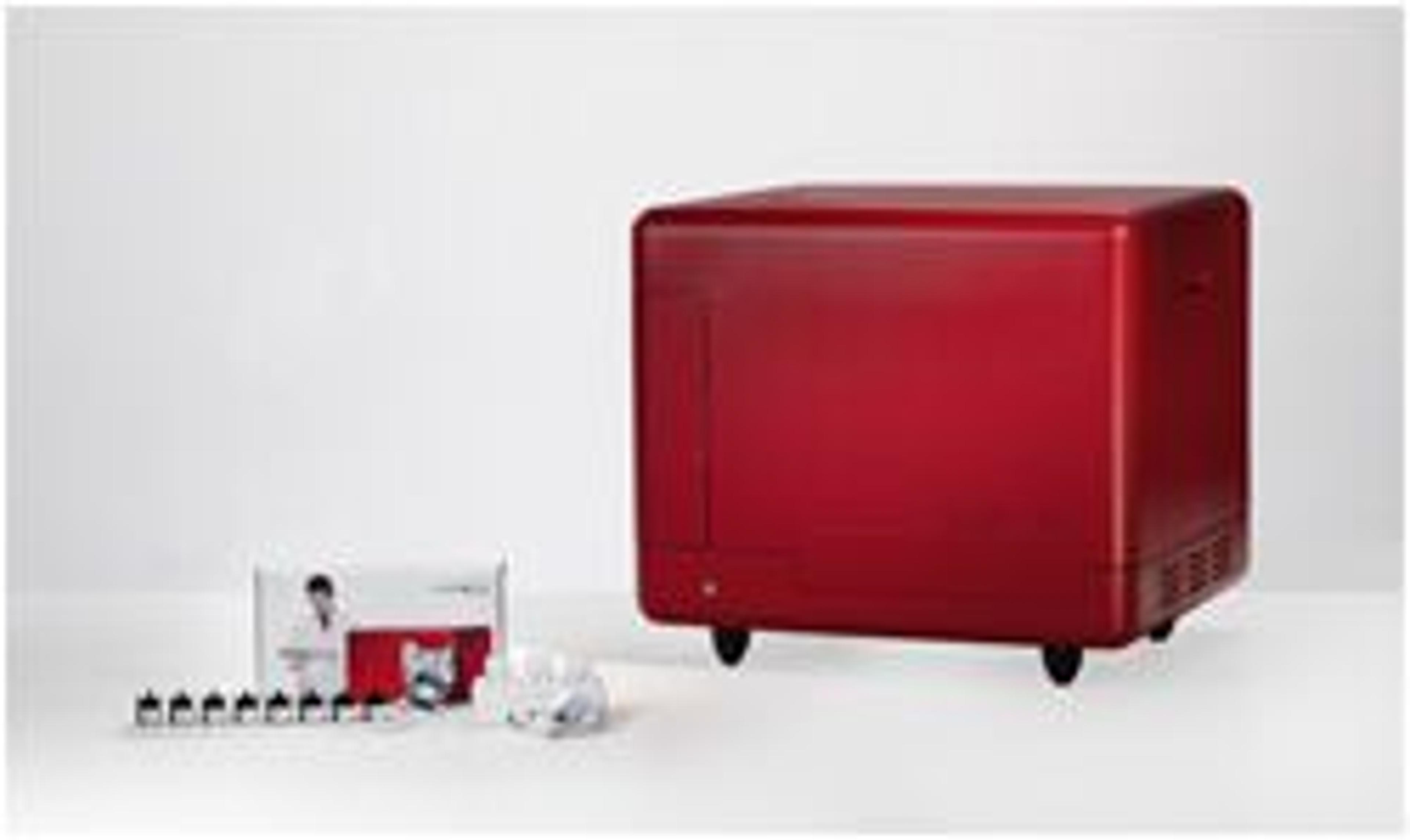
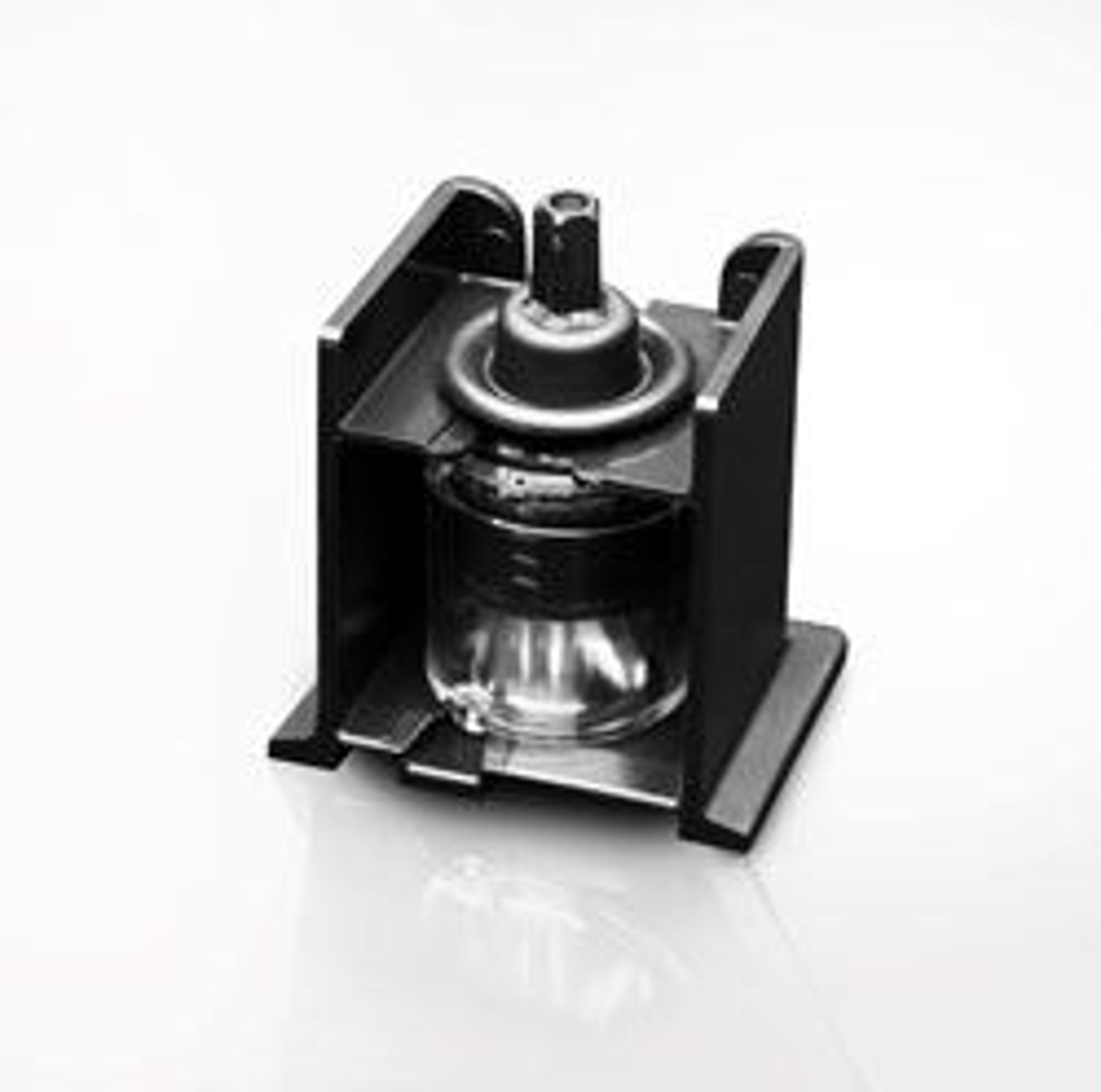
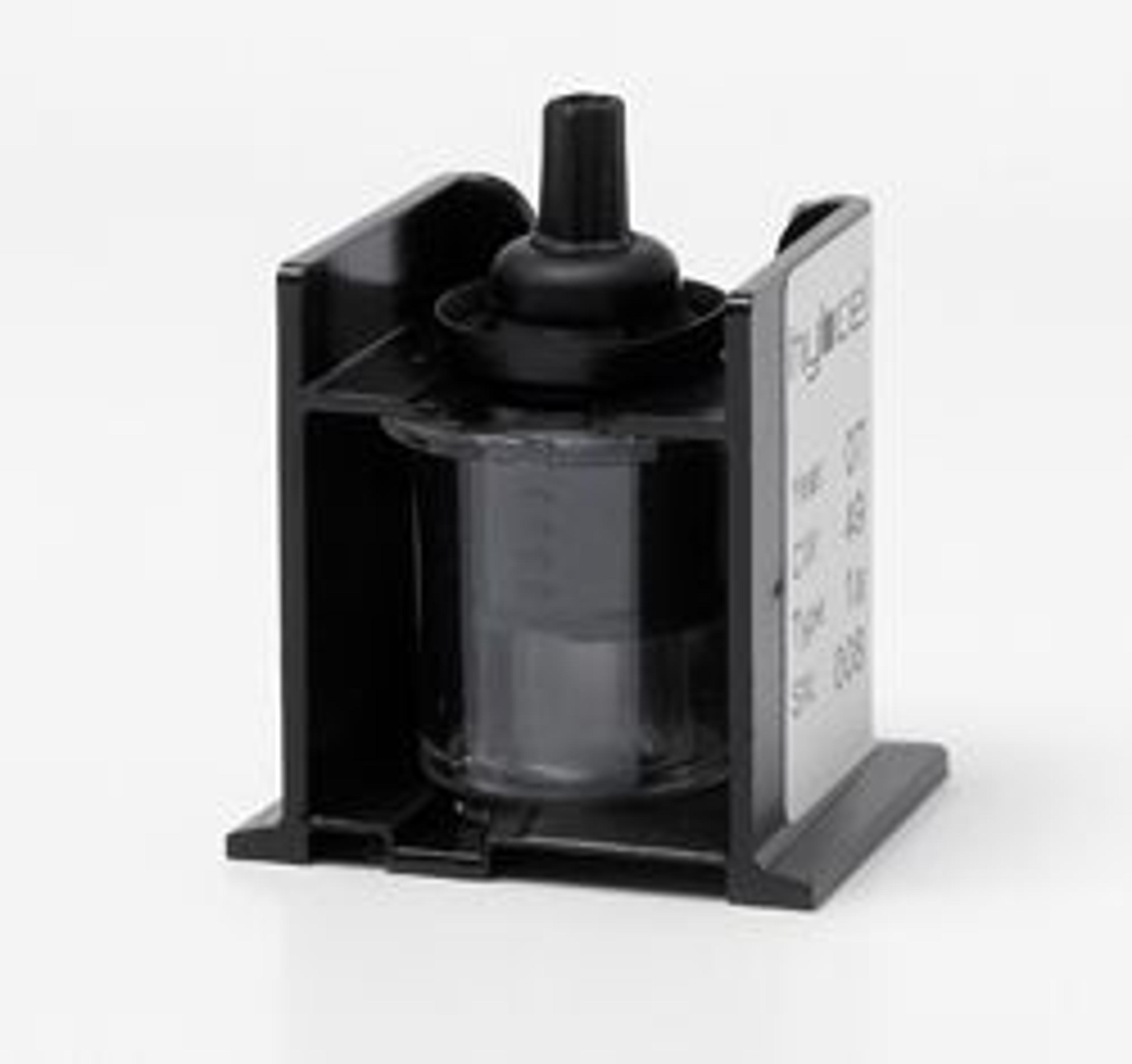
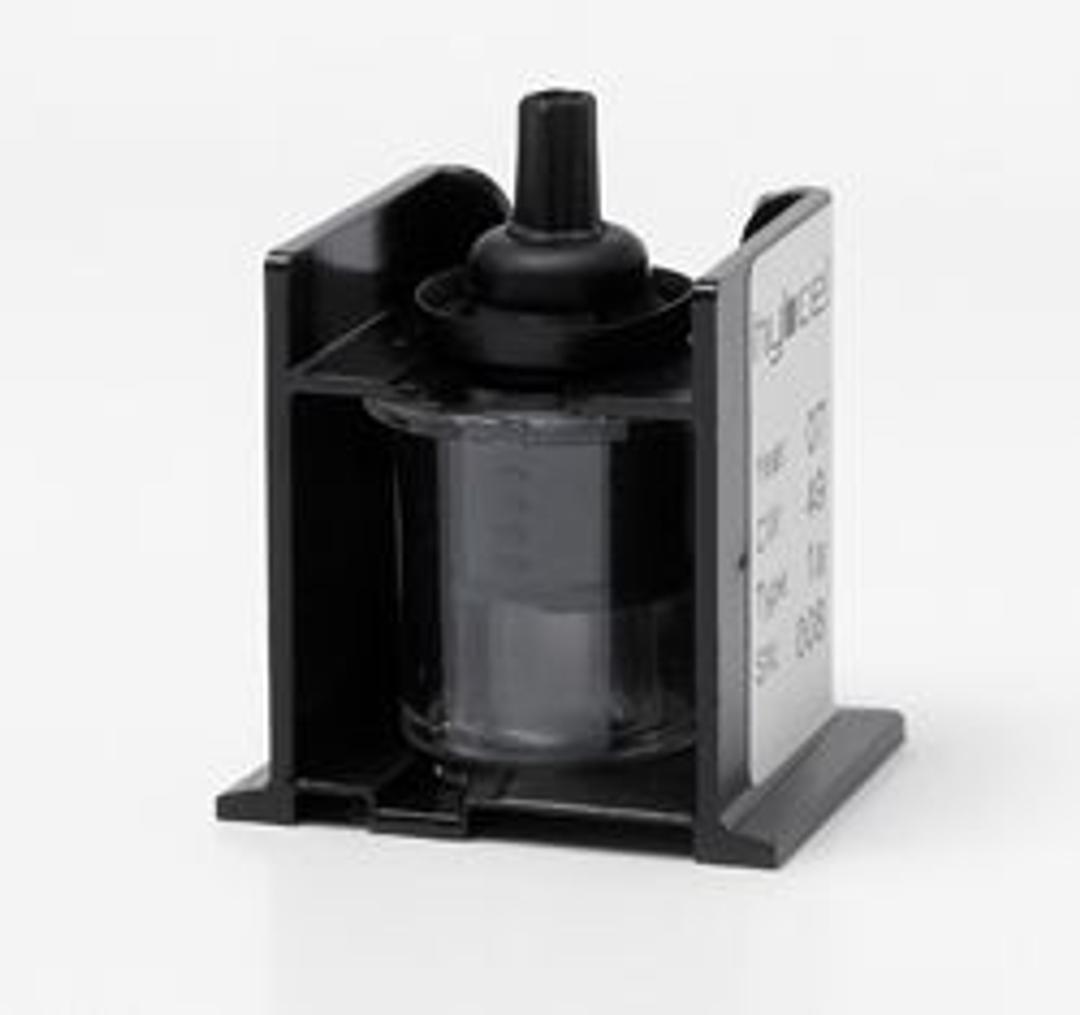
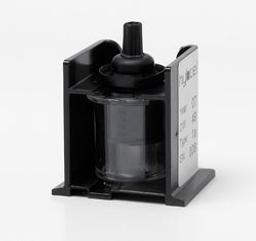
Anagnostics' hybcell is the world's first DNA or protein microarray based on the use of cylinders instead of slides. hybcell technology is... KINETIC - by means of consecutive scans, FAST - with help of rotational sample agitation, FLEXIBLE - due to fixed starting temperatures, flexible temperature profiles and computer-controlled buffer exchange and EFFICIENT - by automated processing and electronically documenting of up to 9…

The supplier does not provide quotations for this product through SelectScience. You can search for similar products in our Product Directory.
Anagnostics' hybcell is the world's first DNA or protein microarray based on the use of cylinders instead of slides.
hybcell technology is...
KINETIC - by means of consecutive scans,
FAST - with help of rotational sample agitation,
FLEXIBLE - due to fixed starting temperatures, flexible temperature profiles and computer-controlled buffer exchange and
EFFICIENT - by automated processing and electronically documenting of up to 96 samples in a single run.

KRAS Mutation Detection by Compact Sequencing Compared with Real-Time Detection PCR and Pyrosequencing in the Routine Clinical Laboratory
Patients with colorectal cancer and KRAS mutations do not benefit from treatment with monoclonal antibodies to epidermal growth factor receptor (EGFR). Therefore, KRAS mutation detection has been introduced into clinical practice. Several clinical laboratory methods have been established such as direct sequencing, pyrosequencing, and real-time detection PCR, which show varying detection limits and differing grades of automation.
Compact Sequencing Technology for KRAS Companion Diagnostic Testing
Certain KRAS gene mutations are often present in patients with colon, lung and pancreas cancer. Therapeutic antibodies Erbitux® and Vectibix® are only effective treatment options in patients without KRAS gene mutations. This poster describes how compact sequencing technology can be used as a fast and cost effective alternative to established PCR methods.
hybcell DoA Urine plexB-1-02 for Drug Screening
Read this data sheet to learn more about a multiplexed, competitive, immunoassay which detects the presence of 21 illegal substances (or their derivatives) in human urine and provides fast and quantitative analysis within 17 minutes. This immunoassay is designed to test urine samples.
hybcell DoA Saliva plexB-1-02 for Drug Screening
Read this data sheet to learn more about a multiplexed, competitive, immunoassay which detects the presence of 21 illegal substances (or their derivatives) in human urine and provides fast and quantitative analysis within 17 minutes. This immunoassay is designed to test saliva samples.
Hybcode PCR Technology for Rapid C. Diff Detection
When Clostridium difficile (C.diff) is acquired in a hospital setting by patients on antibiotics, endotoxins released by colonization can cause pseudomembranous colitis. This poster describes how revolutionary hybcode technology can provide a fast and simple PCR method for simultaneous detection of multiple C. diff genes.
Highly Specific Detection of Bacteria and Fungi with Hybcell compact-sequencing
Detection of bacteria and fungi can be challenging due to the small amounts of DNA present in a blood sample which contains large amounts of human DNA. This poster describes how fast and cost-effective, revolutionary compact-sequencing© technology could rival that of the latest generation sequencing platforms.
Compact Sequencing: Fast and Sensitive Detection of Clinically Relevant Point Mutations in KRAS
This application note from Anagnostics Bioanalysis shows that compact sequencing© combined with hybcell technology can provide an alternative to established sequencing methods in routine diagnostics. This allows focus on clinically relevant point mutations in genes of interest, with reference to personalised medicine.
Compact Sequencing Technology: A Precise and Fast Method to Revolutionize Personalised Medicine
This application note demonstrates an alternative method of array printing through using hybcell arrays composed of DNA detector molecules. This technology can conduct highly multiplexed and simultaneous OnSpot primer extensions of each spot on the hybcell (microarray) to identify a wide range of point mutations of interest.